
Unlock Fuller Hair: Your Guide to PRP Hair Treatment in NYC
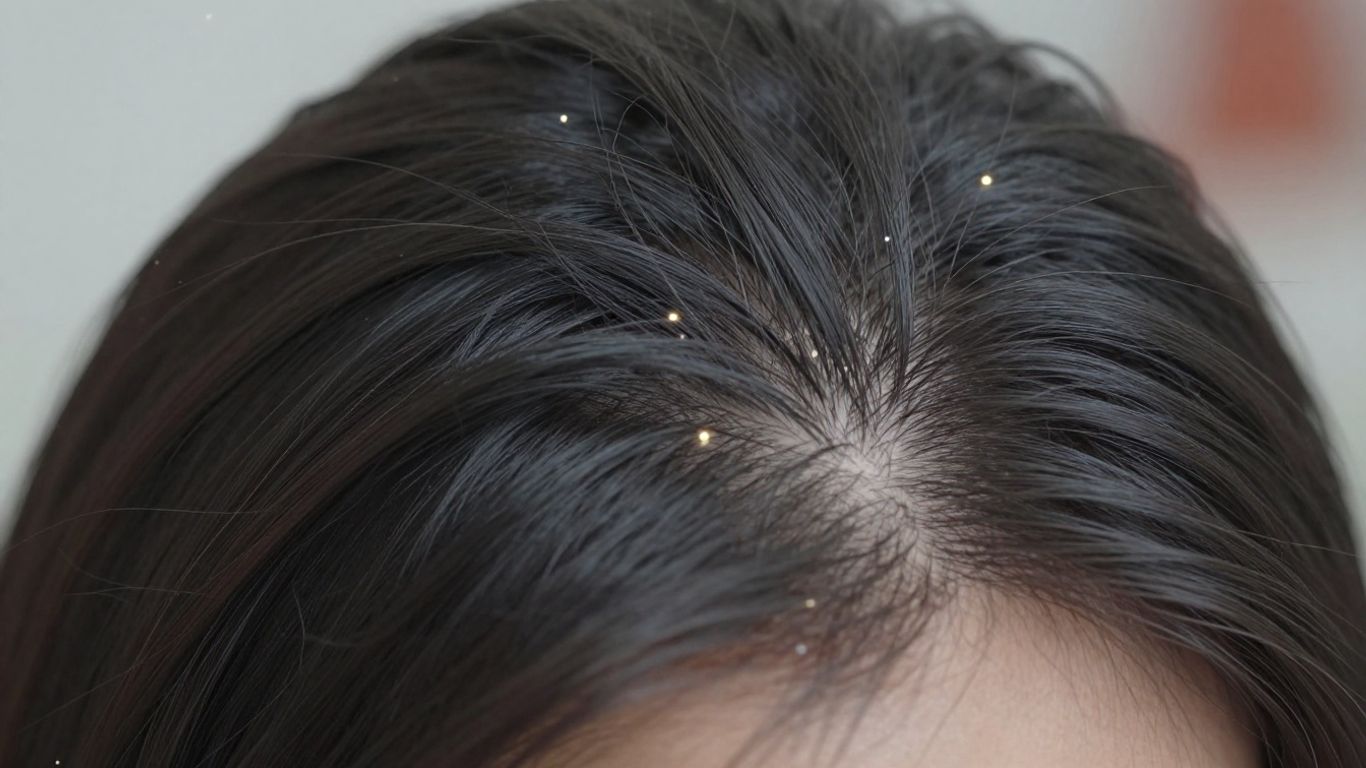
Thinking about thinning hair? It's a common worry for a lot of people, and finding a good solution can feel overwhelming. In New York City, one option that's getting a lot of attention is PRP hair treatment. It sounds a bit sci-fi, but it's actually a pretty straightforward process using your own body's natural healing power to help your hair grow back thicker and fuller. If you're curious about what PRP hair treatment NYC has to offer, you've come to the right place. We're going to break down what it is, who it's for, and what you can expect.
Key Takeaways
- PRP hair treatment uses your own blood's platelets to encourage natural hair growth and thicken existing strands.
- It's a good option for both men and women experiencing early to moderate hair thinning or weak hair follicles.
- The process involves a simple blood draw, preparing the platelet-rich plasma, and injecting it into the scalp.
- Visible results usually appear over a few months, with a series of treatments often recommended for best outcomes.
- Choosing a qualified provider in NYC is important for safe and effective PRP hair treatment.
Understanding PRP Hair Treatment in NYC
What Is Platelet-Rich Plasma (PRP) Therapy?
Platelet-Rich Plasma, or PRP, is a treatment that uses components from your own blood to help with hair regrowth. It sounds a bit sci-fi, but it's actually a pretty straightforward process. Your blood has platelets, which are tiny cells that play a big role in healing. These platelets are packed with growth factors. The idea behind PRP therapy is to concentrate these growth factors and then introduce them back into your scalp where hair is thinning.
How PRP Stimulates Natural Hair Growth
So, how does this actually help your hair? When the concentrated platelets are injected into the scalp, those growth factors get to work. They signal to your hair follicles that it's time to get active. Think of it like waking up dormant follicles or giving tired ones a boost. This can lead to:
- Increased follicle activity: Encouraging hairs to enter the growth phase.
- Thicker hair shafts: Making existing hair appear fuller.
- Reduced shedding: Helping you hold onto the hair you have.
The goal is to encourage your hair to grow more naturally, rather than introducing foreign substances. It's about using your body's own healing power to get your hair back on track. Many people find this approach appealing because it's a natural method.
The Science Behind PRP for Hair Restoration
PRP therapy isn't just a random idea; there's science backing it up. When your blood is drawn, it's spun in a centrifuge. This machine separates the blood into different layers, including red blood cells, white blood cells, and the plasma. The plasma layer that contains a high concentration of platelets is what we're interested in. These platelets release proteins called growth factors. These specific growth factors are known to promote cell reproduction and tissue regeneration. When applied to the scalp, they can help rejuvenate the hair follicles and stimulate new hair growth. It’s a bit like giving your scalp a concentrated dose of what it needs to get hair growing again. The process is generally safe because it uses your own blood, minimizing the risk of allergic reactions. For those looking into hair restoration, understanding the science can make the decision feel more informed. Some clinics in NYC offer PRP hair restoration with costs starting around $850 per session [1fe3].
Who Is An Ideal Candidate For PRP Hair Restoration?
So, you're thinking about PRP for your hair, but wondering if it's the right move for you? That's smart. Not every treatment is a perfect fit for everyone, and knowing if you're a good candidate is the first step. Generally, PRP works best for people who are just starting to see their hair thin out or have noticed their hair becoming weaker.
Men and Women Experiencing Hair Thinning
If you're noticing more hair in the shower drain or your ponytail isn't as full as it used to be, PRP could be a great option. It's particularly effective for common types of hair loss, like androgenic alopecia, which affects both men and women. The goal here is to catch it early, when the hair follicles are still active, even if they're just producing finer hairs. It's less about regrowing hair where there's been complete baldness for a long time, and more about revitalizing what's still there and preventing further loss. It's a proactive approach to keeping your hair looking its best.
Individuals Seeking Natural Hair Loss Solutions
Many people want to avoid surgery or strong medications when dealing with hair loss. PRP therapy fits this bill perfectly because it uses your own body's natural healing power. The process involves drawing a small amount of your blood, concentrating the platelets, and then injecting that back into your scalp. Because it's derived from you, the risk of allergic reaction is practically zero. It’s a way to encourage your hair to grow back thicker and stronger using a method that feels more organic.
Early-Stage Hair Loss and Weak Follicles
PRP is especially beneficial when hair loss is in its initial stages. Think of it as giving your hair follicles a boost of nutrients and growth factors right when they need it most. If your hair feels weaker, breaks easily, or you see a general thinning rather than distinct bald patches, PRP can help strengthen those follicles. It's about improving the health of the scalp and the hair that grows from it. This treatment is often recommended for those who aren't yet candidates for surgical hair restoration but want to take action.
It's important to have an open conversation with your provider about your specific hair loss concerns and medical history. They can properly assess your scalp and determine if PRP is the most suitable treatment for your situation. A thorough consultation is key to understanding what results you can realistically expect.
Here's a quick look at who typically benefits most:
- Men and women with thinning hair (especially at the crown or hairline).
- Individuals experiencing a general decrease in hair density.
- People with weakened hair follicles that are still producing hair, albeit finer.
- Those looking for a non-surgical, natural approach to hair restoration.
While PRP is widely effective, it's always best to consult with a specialist to confirm it's the right path for your hair restoration journey.
The PRP Hair Treatment Process in New York City
So, you're thinking about PRP for your hair? It's a pretty straightforward process, and honestly, it's not as intimidating as it might sound. Most places in NYC will walk you through it step-by-step, but here’s a general idea of what happens during a session.
What to Expect During Your PRP Session
When you arrive for your appointment, the first thing they'll do is have you fill out some paperwork, especially if it's your first time. They'll likely go over your medical history again and talk about what you're hoping to achieve with the treatment. Then, they'll explain the procedure and answer any last-minute questions you might have. The actual treatment part is usually pretty quick, often taking less than an hour.
The Blood Draw and PRP Preparation
This is exactly what it sounds like. A medical professional will draw a small amount of your blood, usually from your arm, similar to a standard blood test. Don't worry, it's just a small vial or two. This blood is then put into a special centrifuge. The centrifuge spins the blood at high speeds, separating the different components. The goal here is to concentrate the platelets, which are packed with those helpful growth factors. This concentrated platelet-rich plasma is what will be used for your treatment. It’s a natural process, using your own body's resources.
Injection Technique and Scalp Application
Once the PRP is ready, it's time for the application. Your scalp will likely be cleaned thoroughly. Some providers might apply a topical numbing cream to make things more comfortable, which is a nice touch. Then, using very fine needles, the PRP is injected into specific areas of your scalp where you're experiencing thinning or hair loss. It's not exactly a deep injection; it's more superficial. You might feel a bit of pressure or a slight pinch, but most people find it quite manageable. After the injections, they might use a special device, like a microneedling tool, to help the PRP penetrate the scalp even better. This part is all about getting those growth factors right where the hair follicles can use them. It’s a key step in stimulating natural hair growth [d62c].
The whole point is to harness your body's own healing power. By concentrating the platelets, you're giving your hair follicles a concentrated dose of what they need to get going again. It’s a pretty clever way to approach hair loss, really.
Results and Recovery After PRP Hair Treatment
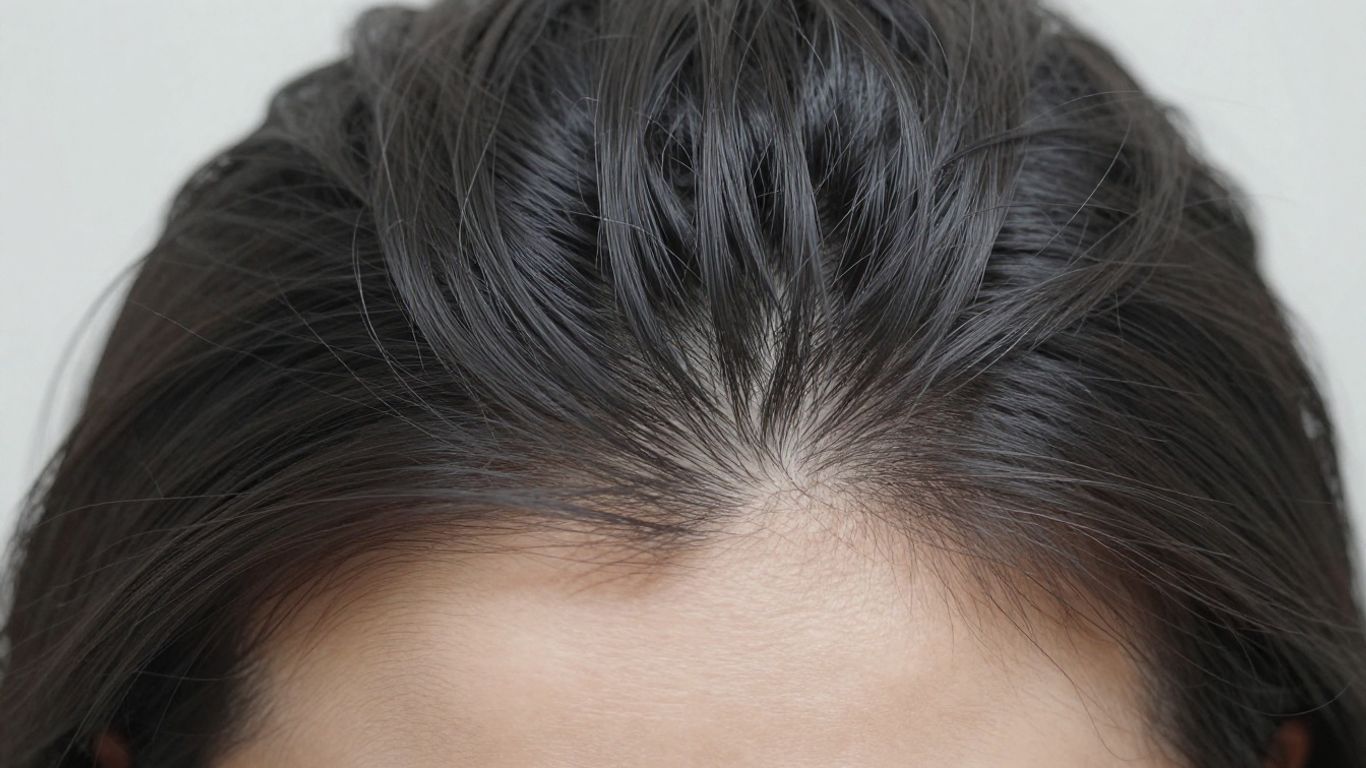
So, you've had your PRP session – now what? It's totally normal to wonder when you'll start seeing changes and what the whole recovery process looks like. Let's break it down.
When to Expect Visible Hair Regrowth
Don't expect a miracle overnight, okay? Hair growth is a slow process, and PRP is no different. You'll likely notice your hair feels a bit stronger and you're shedding less within about 6 to 8 weeks. But for actual, visible regrowth that makes your hair look fuller? That usually starts showing up around the 3- to 4-month mark. It's all about consistency and letting those growth cycles do their thing. PRP hair restoration treatment typically shows visible results after 3-4 sessions, scheduled every 4-6 weeks. Expect hair to become thicker, stronger, and experience less shedding. Maintenance sessions may be recommended to sustain these improvements.
Understanding the PRP Treatment Schedule
To really get the best results from PRP, you can't just do one session and call it a day. Most people need a series of treatments. Typically, you'll have sessions spaced about 4 to 6 weeks apart. This allows the platelets to work their magic and stimulate those hair follicles effectively. After the initial series, you might need occasional maintenance treatments to keep things going strong. Your provider will map out a plan that's just for you, based on how your hair is responding.
Minimal Discomfort and No Downtime
One of the best parts about PRP is that it's super convenient. You might feel a little pinch or pressure when the injections happen, but it's usually not too bad. Many places offer a numbing cream beforehand to make it even more comfortable. After your session, your scalp might feel a little sensitive or tight for a few hours, kind of like a mild sunburn. But that's usually it! You can pretty much go back to your normal routine right away. No need to block out days for recovery or worry about hiding out. It’s a pretty straightforward procedure that fits easily into a busy life.
It's important to remember that PRP works with your body's natural healing processes. This means results are gradual and build over time. Patience and sticking to your treatment plan are key to seeing the fullest potential of this therapy. PRP therapy offers sustained improvements for 6-12 months, with maintenance treatments every 4-6 months recommended to extend these results. Individual outcomes may vary.
Maximizing Your PRP Hair Restoration Journey
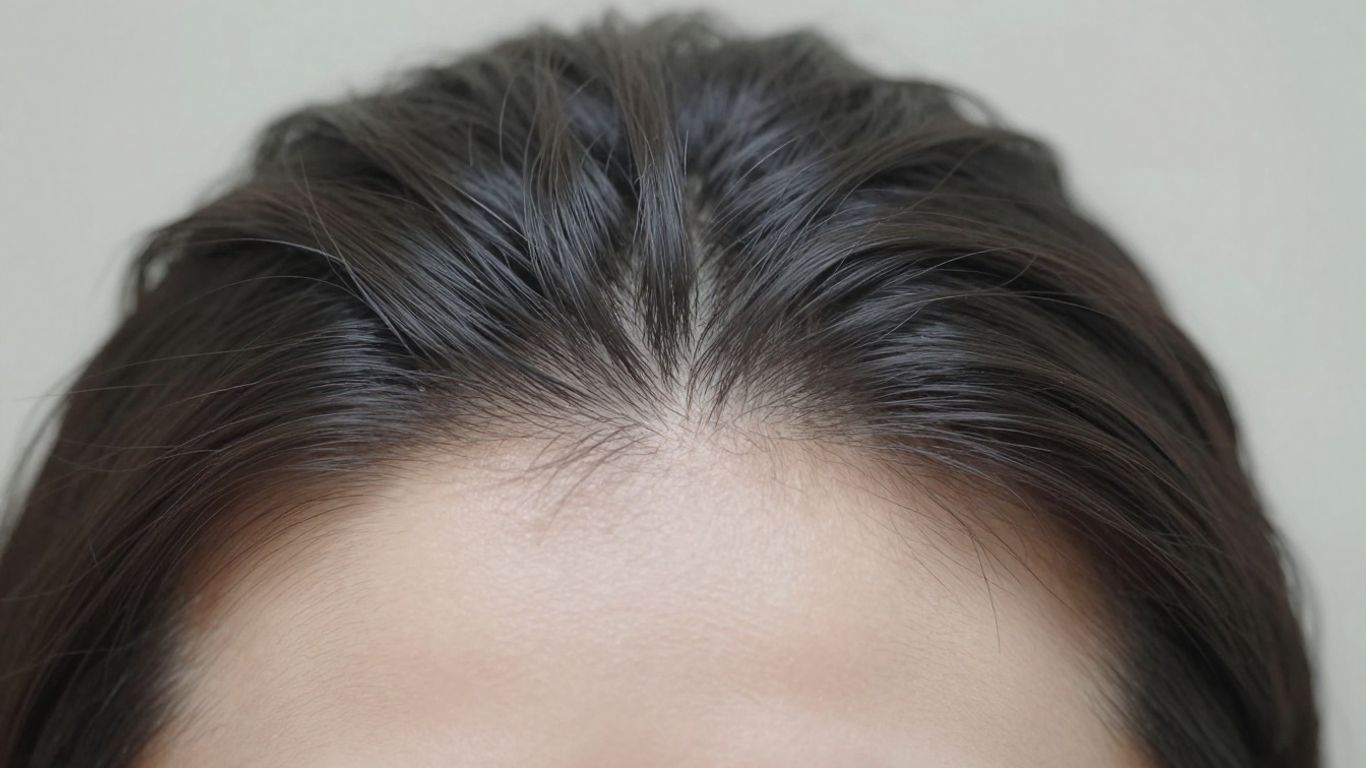
So, you've decided to go for PRP hair treatment in NYC. That's great! But how do you make sure you get the most out of it? It's not just about showing up for your appointments; there are a few things you can do before, during, and after to really help things along. Think of it like tending a garden – you need to prepare the soil, plant the seeds, and then give them the right conditions to grow.
Hydration and Rest Before Your Session
Before you even head to the clinic, taking care of yourself matters. Drinking plenty of water and getting good rest in the days leading up to your PRP session can make a difference. This helps ensure your blood draws smoothly and can also aid in your body's recovery process afterward. It's also a good idea to avoid certain things that might interfere with the treatment or recovery. For instance, it's recommended to skip alcohol and blood-thinning medications like aspirin for at least 24 hours before your appointment. Also, try not to put any hair products or oils on your scalp right before you go in. This preparation helps your provider get the best results from your own platelets. You can find more details on what to avoid before your appointment here.
Consistency in Treatment Plans
One of the biggest keys to seeing real results with PRP is sticking to the schedule. Hair growth happens in cycles, and PRP works by stimulating those follicles. This means you won't see a dramatic change overnight. Most people need a series of treatments, often spaced a few weeks apart, to really get the follicles going. Your provider will lay out a plan, and it's important to follow it. Skipping sessions or delaying them can interrupt the process and might mean you don't get the full benefit. Think of it as building momentum – each session builds on the last.
Here's a general idea of what a treatment schedule might look like:
- Initial Sessions: Typically, 3 to 6 sessions are recommended, spaced about 4 to 6 weeks apart.
- Early Results: You might start noticing less shedding or a change in hair texture within 2 to 3 months.
- Visible Regrowth: More noticeable hair growth often appears around the 4-month mark.
- Maintenance: After the initial series, you'll likely need follow-up treatments every 4 to 6 months to keep things going.
Combining PRP with Other Therapies
While PRP is powerful on its own, sometimes combining it with other approaches can give you even better results. It's not about replacing PRP, but rather working with it. For example, some people find that pairing PRP with microneedling treatments can boost the overall outcome. Microneedling creates tiny channels in the scalp, which might help the PRP penetrate more effectively. Other individuals might consider using topical treatments or oral medications alongside PRP, especially if they are in the earlier stages of hair thinning. Always discuss these options with your provider to see what makes sense for your specific situation and hair goals.
Open Communication with Your Provider
Don't underestimate the power of talking to your doctor or specialist. They are the ones guiding your treatment, and the more information they have, the better they can tailor the plan to you. Be honest about your health history, any medications you're taking, or any concerns you have. This helps them assess if you're a good candidate and adjust the treatment if needed. It's also important to communicate what you're seeing and feeling between sessions. Are you noticing any changes? Any discomfort? Your provider at a reputable clinic can use this feedback to fine-tune your treatment. Remember, they want you to succeed just as much as you do.
Taking an active role in your PRP hair restoration journey means being prepared, consistent, and communicative. It's a partnership between you and your provider, working together towards healthier, fuller hair. Patience is key, as results develop over time with a series of treatments.
Choosing the Right PRP Provider in NYC
Finding the right place for your Platelet-Rich Plasma (PRP) hair treatment in New York City is a big deal. It’s not just about picking any clinic; it’s about finding someone you trust with your hair and your health. You want a provider who really knows what they’re doing when it comes to hair restoration.
Expertise in Hair Restoration
When you’re looking into PRP, make sure the clinic focuses on hair loss. Some places might offer it as just one of many services, but you want a team that specializes in helping people with thinning hair. Ask about their experience specifically with PRP for hair. How many treatments have they done? What kind of results do they typically see? A provider with a solid track record in hair restoration will be better equipped to handle your specific situation. Look for providers who can show you before-and-after photos and discuss their success rates.
State-of-the-Art Facilities
It’s also important that the clinic is clean and uses up-to-date equipment. This means they’re taking your safety seriously. You should feel comfortable and confident in the environment. A good clinic will use medical-grade equipment for drawing blood and preparing the PRP. They should also have a clean, professional space for the injections. You can often get a feel for this just by visiting the clinic or looking at their website. Some places in NYC, like those offering Japanese scalp treatments and PRP hair treatments, pride themselves on their advanced approach.
Personalized Treatment Plans
Everyone’s hair loss is different, right? So, your treatment should be too. A good provider won’t just give you a standard PRP session and send you on your way. They’ll take the time to look at your scalp, talk about your hair loss history, and figure out the best plan for you. This might involve:
- A thorough consultation to assess your hair loss.
- A customized number of PRP sessions.
- Recommendations for follow-up treatments.
- Advice on combining PRP with other methods if it makes sense for you.
They should also be upfront about what results you can realistically expect. Remember, PRP therapy is an innovative hair loss treatment that uses your own body’s growth factors, but it’s not magic. A good provider will manage your expectations and guide you through the process.
Finding the right professional means looking for someone who listens, explains things clearly, and makes you feel heard. Don't be afraid to ask questions – it's your hair, after all!
Ready for Fuller Hair?
So, you've learned a bit about how PRP hair treatment works and what you can expect. It's not a magic wand, but for many people in NYC dealing with thinning hair, it's a really promising option. Remember, consistency is key, and talking openly with your provider about your goals and any health stuff is super important. If you're looking for a natural way to get back some of that thickness and confidence, PRP might just be the ticket. It takes a little patience, but seeing those results start to show can be pretty great. Why not look into it and see if it's the right move for your hair journey?
Frequently Asked Questions
What exactly is PRP hair treatment?
PRP stands for Platelet-Rich Plasma. It's a treatment that uses a special part of your own blood to help your hair grow back thicker and healthier. Think of it like giving your hair follicles a super-boost using your body's natural healing power.
How does PRP make my hair grow?
When we put PRP into your scalp, it's like sending in tiny helpers. These helpers, called growth factors, wake up your hair roots (follicles) that might be sleeping or weak. This helps them start growing new hair and makes the hair you already have stronger and thicker.
Is getting PRP injections painful?
Most people don't find it very painful. You might feel a little pinch or pressure, like a quick poke. To make sure you're comfy, we can put a numbing cream on your scalp first. Afterward, your scalp might feel a bit tight, but that usually goes away quickly.
How long until I see new hair growth?
You probably won't see big changes overnight. It takes time for hair to grow! You might notice less hair falling out and your hair feeling a bit stronger in about 6 to 8 weeks. Really seeing thicker hair usually takes about 3 to 4 months, and it keeps getting better with more treatments.
How many PRP treatments do I need?
Usually, you'll need a few sessions to get the best results. Most people get about 3 to 6 treatments, with a few weeks in between each one. After that, you might need a touch-up treatment every few months to keep your hair looking great. Your doctor will help you figure out the best plan for you.
Are there any side effects from PRP?
Since we use your own blood, there's very little chance of having a bad reaction. The most common things you might notice are a little redness or tenderness on your scalp right after the treatment, but this usually disappears within a day or two. You can go back to your normal activities right away!

International Standards.
Brazilian Mastery.
Aesthetica Medical Travel Facilitators, LLC is an international care coordination company registered in Wyoming, United States. We provide services for the promotion and support of medical service providers, including physicians worldwide (“medical service providers”). These services are made available through Aesthetica’s website, and the same privacy terms also apply to the Aesthetica Advisor Program (the “application/platform”), created and operated by Aesthetica. Aesthetica is solely responsible for controlling and processing the information obtained via the platform or through other communications between users, businesses, hospitals, clinics, or third parties and members of the Aesthetica service team (the “Service Team”). Our services may include non-clinical care coordination for North American patients seeking elective procedures abroad, including provider matching, travel logistics, and administrative support throughout the care journey. Additional services or add-ons may be offered depending on the selected scope. Post-operative care is typically conducted in the destination country where the procedure is performed. Additional coordination or administrative support in the patient’s country of origin may be available separately, subject to scope and availability. Aesthetica may engage third-party service providers, partners, or affiliated entities to support its operations, including data processing and service delivery. Information may be shared with such parties solely as necessary to provide the services described. Our operations follow strict standards of transparency, privacy protection, and regulatory compliance. Testimonials reflect individual experiences and do not guarantee future results. By using Aesthetica’s services or platform, users acknowledge and agree to these terms and understand the limited, non-clinical role of Aesthetica in the care journey. For more information about our policies or compliance framework, please contact our support team.