
Composite Veneers After 5 Years: What to Expect from Durability and Aesthetics
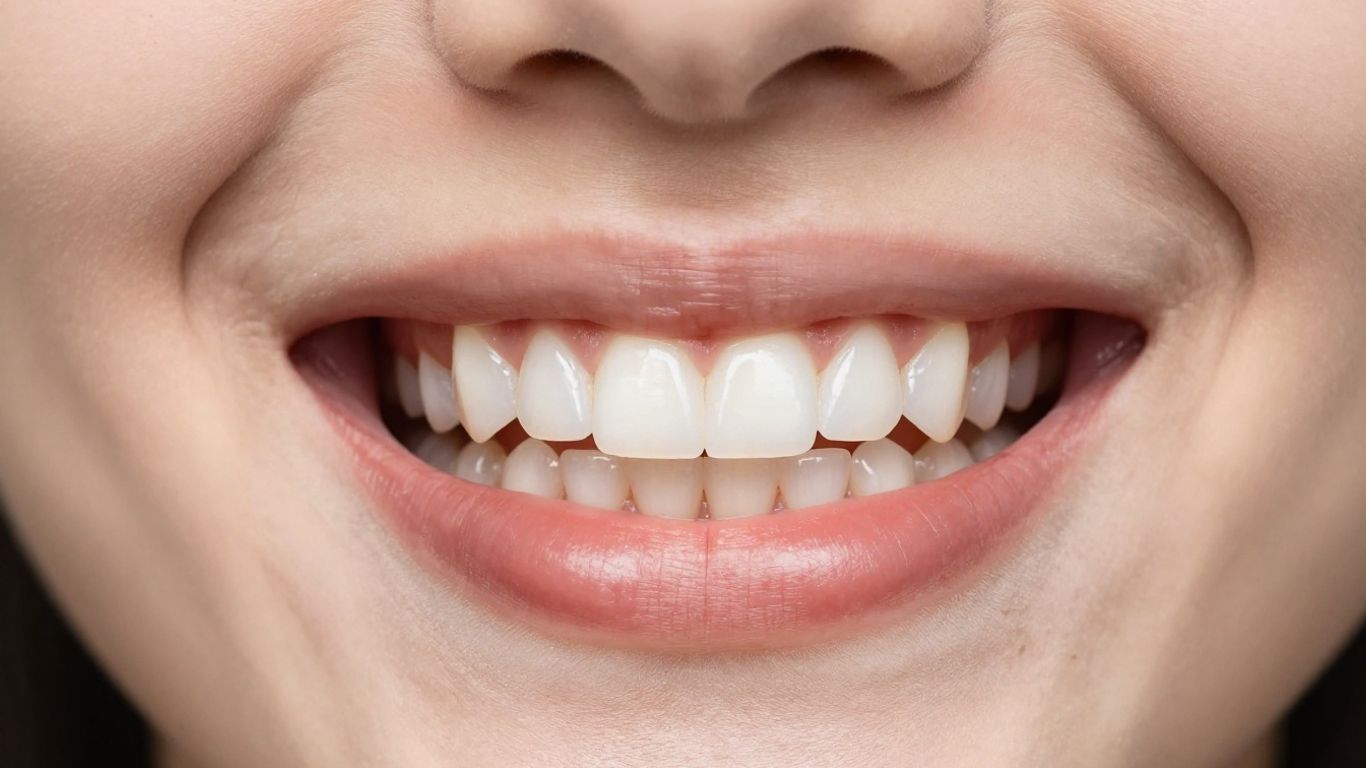
Thinking about composite veneers? They can really change your smile, making it look great pretty quickly. But what happens after a few years? Specifically, what should you expect from composite veneers after 5 years? It's a common question, and understanding their durability and how they'll look down the road is super important before you decide. Let's break down what you can realistically expect.
Key Takeaways
- Composite veneers typically last about 5 to 7 years. After 5 years, they might start showing signs of wear.
- Expect potential issues like minor chips, cracks, or staining on composite veneers after 5 years.
- Good daily brushing, flossing, and regular dental cleanings can help extend the life of your composite veneers.
- Diet and lifestyle habits, like eating hard foods or smoking, can affect how long composite veneers last.
- While composite veneers are affordable, porcelain veneers are generally more durable and last longer, though they cost more upfront.
Assessing Composite Veneers After Five Years
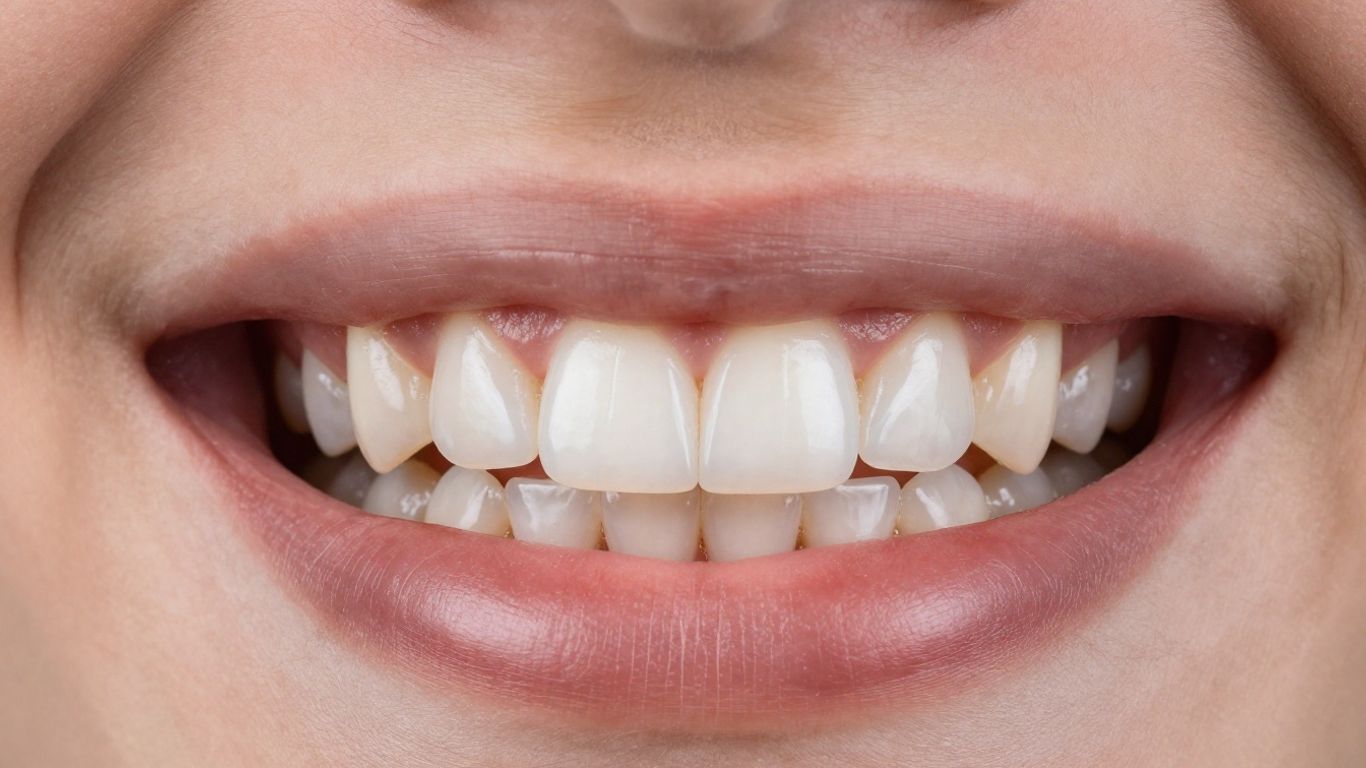
So, you've had your composite veneers for about five years now. It's a good time to check in and see how they're holding up. While they're a fantastic way to quickly fix up your smile, they do have a lifespan, and after half a decade, you might start noticing a few things. It's not usually a dramatic change, but more of a gradual shift.
Understanding The Lifespan Of Composite Veneers
Composite veneers are generally expected to last between 5 to 7 years. This timeframe isn't set in stone, though. Think of it more like a guideline. Factors like how you care for them, what you eat, and even the skill of the person who put them on all play a big role. Some people might get a bit longer, while others might see signs of wear sooner. It really depends on the individual.
What To Expect Visually After Five Years
Visually, after five years, composite veneers might not look as bright and fresh as they did on day one. The most common change you'll see is a slight dulling or a change in shade. This happens because the composite material can pick up stains over time, especially from things like coffee, tea, red wine, or smoking. While a good polish can sometimes help, deep staining might be harder to remove. You might also notice the edges aren't as sharp as they used to be, or the surface might feel a little less smooth.
Common Signs Of Wear And Tear
After five years, it's pretty normal to see some minor signs of wear and tear. These aren't usually major problems, but they're worth keeping an eye on. Here are some things to look out for:
- Surface dullness: The glossy finish can wear down, making them look less vibrant.
- Slight staining: As mentioned, coffee and other dark foods/drinks can leave their mark.
- Minor chips or nicks: Especially around the edges, small chips can occur from biting into hard foods.
- Edge wear: The very edges of the veneer might become slightly rounded or less defined.
It's important to remember that these are common occurrences for composite veneers after this period. They don't necessarily mean the veneers are failing, but they do indicate that maintenance or potential future work might be needed. Keeping up with regular dental check-ups is key to catching these changes early. If you notice any significant changes, it's always best to consult with your dentist about potential issues with your veneers.
Sometimes, the aesthetic appeal can diminish due to pronounced staining that even professional polishing can't fix. If multiple small repairs have been done over the years, the overall appearance might start to look a bit uneven or patchy, which can affect how you feel about your smile. This is something to discuss with your dentist to see what options are available to restore the look you want.
Durability Concerns With Composite Veneers

So, you've had your composite veneers for a bit, maybe even hitting that five-year mark. That's great! But let's talk about what can actually go wrong with them over time. They're not exactly indestructible, you know.
Susceptibility To Chipping And Cracking
Composite veneers, while looking pretty good initially, can be a bit fragile. Think about it – they're made of a resin material, and that resin can chip or crack, especially if you're not super careful. It's not like they'll shatter into a million pieces, but you might notice little nicks or lines appearing. This usually happens from biting down on something too hard, like ice, or even from habits like chewing on pens or your nails. These small imperfections can weaken the veneer over time, making it more prone to bigger issues.
The Risk Of Staining And Discoloration
This is a big one with composite veneers. Over the years, they can start to pick up stains from things you eat and drink. Coffee, tea, red wine, even some sauces can leave their mark. Unlike your natural teeth, which can sometimes be whitened, composite veneers don't really respond to that. So, what might have been a bright white smile can start to look a bit dull or uneven in color. It’s a gradual thing, but after five years, you might definitely see a difference compared to when they were first put on. It's why limiting those staining culprits is so important for maintaining their appearance.
Potential For Loosening Or Debonding
Another thing to watch out for is the bond between the veneer and your natural tooth. Over time, this bond can weaken. This might be due to changes in your mouth, like gum recession, or simply the natural wear and tear. If the bond weakens too much, the veneer could start to feel loose, or in some cases, it might even come off completely. This is more likely to happen if there were issues with the initial bonding process or if you're experiencing problems like teeth grinding. While porcelain veneers are generally known for their longevity, composite veneers do have a higher risk of debonding over time if not properly cared for.
Factors Influencing Composite Veneer Longevity
So, you've got these composite veneers, and you're wondering how long they'll actually stick around looking good. It's not just about the dentist slapping them on and calling it a day. A bunch of things play a role in how long they'll last, and honestly, some of it is totally in your hands.
Impact Of Oral Hygiene Habits
This one's pretty straightforward, but it's a biggie. If you're not brushing and flossing regularly, you're basically inviting trouble. Plaque and tartar build-up can lead to gum disease, and if your gums aren't healthy, your veneers won't have a stable base. Think of it like trying to build a house on shaky ground – it's not going to end well. Keeping your mouth clean is key to making sure those veneers stay put and look good.
- Brush your teeth at least twice a day.
- Floss daily to get those hard-to-reach spots.
- See your dentist and hygienist for regular check-ups and cleanings.
Influence Of Diet And Lifestyle Choices
What you eat and how you live can really impact your veneers. Biting down on hard stuff, like ice or hard candies, is a no-go. It can chip or crack them. And those sticky caramels? Not your friend either. Also, think about habits like chewing on pens or using your teeth to open packages – seriously, don't do it. These little things add up and put stress on the veneers. Even things like coffee, tea, or red wine can cause staining over time, especially with composite materials. It's not about never enjoying these things, but maybe being a bit more mindful.
Avoiding habits like chewing on ice, pens, or using your teeth as tools can significantly reduce the stress placed on your veneers, helping to prevent chips and cracks.
The Role Of Dentist's Skill And Material Quality
Okay, so this part isn't entirely up to you, but it's super important. The skill of the dentist who placed your veneers makes a huge difference. If they're experienced and meticulous, they'll make sure the veneers are bonded properly and fit perfectly. A good bond means they're less likely to loosen or fall off. Plus, the quality of the composite material itself matters. Higher-quality resins are generally more resistant to staining and wear. It's worth doing your homework and finding a reputable dentist who uses good materials. This is where you might want to look into porcelain veneers if durability is your absolute top priority.
It's a bit of a balancing act, really. You do your part with hygiene and habits, and you trust your dentist to do theirs with skill and quality materials. When both sides are strong, your composite veneers have a much better shot at lasting a good long time, maybe even up to 10 years with excellent care.
Maintaining Your Composite Veneers
So, you've got these composite veneers, and you want them to stick around looking good for as long as possible, right? It's not rocket science, but it does take a little effort. Think of it like taking care of a nice car – you wouldn't just ignore it and expect it to run perfectly forever.
Essential Daily Care Practices
This is where the rubber meets the road, so to speak. Your daily routine makes a big difference. Consistent brushing and flossing are your best friends here. You need to get rid of plaque and food bits that can build up, especially around the edges of the veneers. If plaque sits there, it can cause gum problems, and unhealthy gums don't support your veneers well at all. Plus, nobody wants that.
- Brush your teeth at least twice a day, making sure to gently clean around the veneer margins.
- Floss daily. Seriously, don't skip this. It gets to places your toothbrush can't reach.
- Consider using a fluoride mouthwash, but check with your dentist first to make sure it's okay for your veneers.
The Importance Of Professional Dental Cleanings
While you're doing your part at home, you still need to see your dentist and hygienist regularly. They have the tools and the know-how to get things really clean. They can spot little issues before they become big problems. Think of it as a tune-up for your smile. These visits are also a good time to have your veneers checked for any signs of wear or damage. It's recommended to have these check-ups every six months, though your dentist might suggest a different schedule based on your specific needs. Getting professional cleanings can help keep your veneers looking their best and prevent issues that might lead to needing replacements sooner than expected.
When To Seek Professional Assessment
Don't wait for a major problem to happen. If you notice anything unusual, it's better to get it checked out. This could be a slight chip you feel with your tongue, a veneer that feels a bit loose, or if you start seeing a change in color that doesn't seem to come off with brushing. Sometimes, even small issues can be fixed easily if caught early. Ignoring them might lead to more complicated and expensive repairs down the line. It's always wise to have your dentist take a look if you're unsure about anything related to your veneers.
Taking good care of your composite veneers isn't just about keeping them looking pretty. It's about protecting the health of your natural teeth and gums underneath. A healthy foundation means your veneers will last longer and function better. It's a two-way street, really.
Remember, composite veneers are a great option, but they do require a bit more attention than, say, porcelain veneers might. But with the right care, you can keep that smile looking fantastic for years to come.
Repairing And Replacing Composite Veneers
So, you've had your composite veneers for a while, maybe hitting that five-year mark, and you're noticing a few things. It's totally normal for them to show some wear and tear after this time. The good news is, most issues can be fixed, and if not, replacement is an option. It’s not the end of the world if a small chip appears or they start to look a bit dull.
Addressing Minor Chips and Cracks
If you spot a little chip or a tiny crack on your veneer, don't panic. Often, your dentist can just add a bit more composite resin to the damaged spot. It's like a small touch-up job. They'll carefully sculpt the new material to match the rest of the veneer and your tooth. This is usually a quick fix and much cheaper than getting a whole new veneer.
- Assess the damage: Is it a small chip or a larger crack?
- Consult your dentist: They'll tell you if a repair is possible.
- The repair process: Usually involves adding and shaping new composite material.
Options for Staining or Discoloration
Composite veneers can pick up stains over time, especially if you're a big coffee or red wine drinker. Sometimes, a good professional cleaning at the dentist's office can work wonders. They have special tools and polishes that can often buff out surface stains. If the discoloration is deeper, however, it might be harder to fix with just a polish. In these cases, your dentist might suggest a veneer replacement to get that bright, uniform smile back. It's a bummer when they lose their luster, but there are ways to deal with it.
Keeping up with regular dental cleanings is super important for maintaining the look of your composite veneers. It helps prevent stains from setting in too deeply.
When Replacement Becomes Necessary
Sometimes, repairs just won't cut it. If a veneer is severely damaged, has fallen off completely, or if the staining is just too much to handle, it's time for a replacement. This usually happens in a single dental appointment. Your dentist will carefully remove the old veneer, prepare your tooth, and then bond a new composite veneer in place. It's a bit more involved than a repair, but it means you'll have a fresh, like-new veneer. While composite veneers typically last between 5-7 years, some patients might get up to 10 years with excellent care, but eventually, replacement may be necessary.
- Severe chips or cracks that compromise the veneer's structure.
- Veneers that have completely debonded or fallen off.
- Deep, unfixable staining that affects the overall appearance.
- When the lifespan of the veneer has been reached and general wear is evident.
Comparing Composite To Other Veneer Materials
So, you're thinking about veneers and weighing your options. It's a big decision, and understanding how composite veneers stack up against other materials, especially porcelain, is key. While composite is a fantastic choice for many, it's not the only game in town, and knowing the differences can save you headaches down the road.
Porcelain Veneers: A More Durable Alternative
When we talk about durability, porcelain veneers are generally in a league of their own. They're made from strong ceramic material, which makes them much tougher than composite resin. This means they're less likely to chip or crack, even with regular use. Plus, porcelain is naturally resistant to stains. Think about it – coffee, red wine, tea – they just don't tend to stick to porcelain the way they might to composite. Most people find that porcelain veneers last a good 10 to 15 years, sometimes even longer, with proper care. They really mimic the look of natural teeth, with a nice translucency that composite can sometimes struggle to match.
Cost Versus Longevity Considerations
Here's where things get interesting. Composite veneers are usually the more budget-friendly option upfront. They're often less expensive per tooth than porcelain, and you can typically get them done in a single dental visit. That's a big plus if you're looking for a quick smile makeover without breaking the bank. However, you have to consider the lifespan. While composite veneers can last 5-7 years, sometimes a bit longer with excellent care, they might need repairs or replacement sooner than porcelain. So, while you save money initially, you might end up spending more over the long run if you need them redone more frequently. It's a trade-off between immediate cost and long-term investment.
Choosing The Right Veneer For Your Needs
Deciding between composite and porcelain isn't always straightforward. It really depends on what you're looking for and your lifestyle. If you're someone who's really careful with your diet and habits, and you want the most natural look possible with maximum durability, porcelain might be your best bet. But if you're on a tighter budget, need a faster solution, or are okay with the possibility of needing touch-ups or replacements sooner, composite veneers are a solid choice. It's always a good idea to chat with your dentist about your specific situation. They can help you figure out which material will work best for your smile and your life. Remember, proper care is important for any veneer type to get the most out of them.
Wrapping It Up: Your Smile After Five Years
So, after five years with composite veneers, what's the takeaway? Well, they've likely done a great job brightening your smile, but it's also pretty common to see some wear and tear by now. Think minor chips, maybe a bit of staining, or perhaps they're just not looking as crisp as they used to. Remember, these aren't meant to last forever like porcelain ones might. They're a more budget-friendly, quicker fix, and that usually means a shorter lifespan, typically around 5 to 7 years. If you're noticing any of these changes, it's probably time to chat with your dentist. They can assess if a repair is possible or if it's time to consider replacing them to keep that smile looking its best. Taking good care of them along the way definitely helps, but eventually, replacement is part of the deal with composite veneers.
Frequently Asked Questions
How long do composite veneers usually last?
Composite veneers typically stick around for about 5 to 7 years. Think of them as a great temporary fix for your smile. After this time, they might start to show signs of wear and tear, like chips or fading color. It's important to remember that how long they last can change depending on how well you care for them and what kinds of foods you eat.
What common issues might I see with composite veneers after 5 years?
After about five years, you might notice a few things with your composite veneers. They could get small chips, especially if you bite into something hard. Sometimes, they can get stained or lose their original brightness. In some cases, the bond holding them to your teeth might weaken a bit.
Can composite veneers get chipped or cracked?
Yes, composite veneers can chip or crack. Because they're made from a resin material, they aren't as tough as porcelain. Biting down on hard foods, chewing on ice, or even using your teeth to open things can cause them to chip or crack over time.
Do composite veneers get stained easily?
Composite veneers can indeed get stained. Things like coffee, tea, red wine, and smoking can leave marks on them over time, making them look less bright. This is one of the main reasons people consider replacing them after a few years.
What's the difference in how long composite and porcelain veneers last?
Porcelain veneers are generally much tougher and last longer, often 10 to 15 years or even more. Composite veneers are more affordable upfront but usually only last about 5 to 7 years because the material is softer and more prone to staining and chipping.
How can I help my composite veneers last longer?
To make your composite veneers last as long as possible, it's super important to keep up with brushing and flossing every day. Try to avoid biting into really hard foods, and be mindful of drinks that can stain. Regular dental check-ups are also key, as your dentist can spot any small issues before they become big problems.



International Standards.
Brazilian Mastery.
Aesthetica Medical Travel Facilitators, LLC is an international care coordination company registered in Wyoming, United States. We provide services for the promotion and support of medical service providers, including physicians worldwide (“medical service providers”). These services are made available through Aesthetica’s website, and the same privacy terms also apply to the Aesthetica Advisor Program (the “application/platform”), created and operated by Aesthetica. Aesthetica is solely responsible for controlling and processing the information obtained via the platform or through other communications between users, businesses, hospitals, clinics, or third parties and members of the Aesthetica service team (the “Service Team”). Our services may include non-clinical care coordination for patients worldwide seeking elective procedures abroad, including provider matching, travel logistics, and administrative support throughout the care journey. Additional services or add-ons may be offered depending on the selected scope. Post-operative care is typically conducted in the destination country where the procedure is performed. Additional coordination or administrative support in the patient’s country of origin may be available separately, subject to scope and availability. Aesthetica may engage third-party service providers, partners, or affiliated entities to support its operations, including data processing and service delivery. Information may be shared with such parties solely as necessary to provide the services described. Our operations follow strict standards of transparency, privacy protection, and regulatory compliance. Testimonials reflect individual experiences and do not guarantee future results. By using Aesthetica’s services or platform, users acknowledge and agree to these terms and understand the limited, non-clinical role of Aesthetica in the care journey. For more information about our policies or compliance framework, please contact our support team.