
Understanding Dental Implants Canada Price: A 2026 Guide
Thinking about getting dental implants in Canada? It's a big decision, and the cost is often the first thing on people's minds. You've probably seen different numbers floating around, and it can be confusing to figure out what's what. This guide is here to help break down the dental implants Canada price, looking at what goes into the cost and what you can expect. We'll cover everything from the basics of what implants are to how to make them more affordable, so you can make a choice you feel good about.
Key Takeaways
- The total dental implants Canada price is influenced by many things, like how many teeth you need replaced, the condition of your jawbone, and any extra procedures like bone grafting.
- A full dental implant treatment usually includes the consultation, surgery, the implant itself, the abutment, and the final crown, so be sure you know what's included in any quote.
- While implants are a bigger upfront cost than dentures or bridges, they often prove more cost-effective over the long run due to their durability and ability to preserve bone health.
- Insurance coverage for dental implants varies a lot. It's important to check with your provider to see what's covered, as many plans only cover a portion or have annual limits.
- When looking for a provider, focus on experience and transparent pricing. The cheapest option isn't always the best value for your long-term oral health and smile.
Understanding Dental Implants Canada Price
So, you're thinking about dental implants in Canada and wondering about the price tag? It's a big question, and honestly, there's no single number that fits everyone. The cost can really swing depending on a bunch of things, and it's not just about the implant itself. We're talking about a whole process here, from the first time you chat with your dentist to the final crown being placed.
What Are Dental Implants?
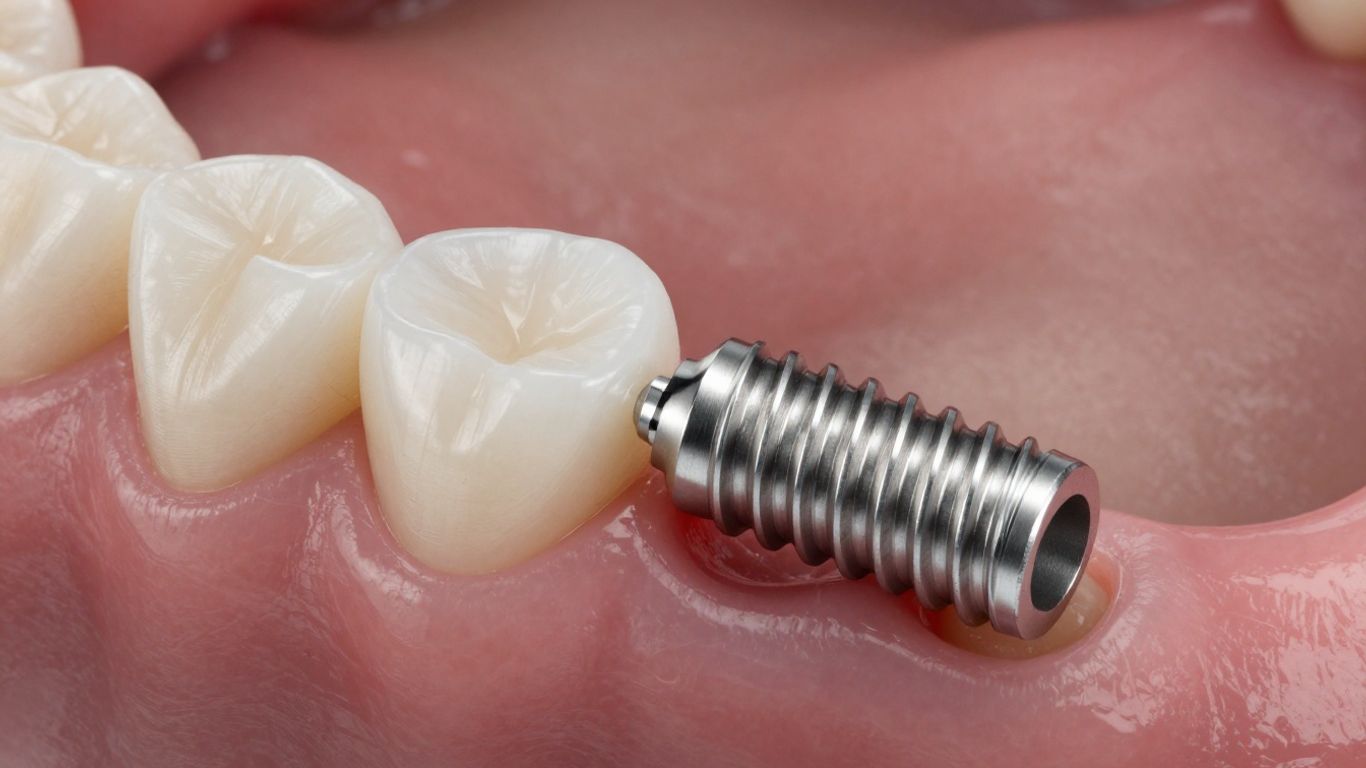
Basically, dental implants are like artificial tooth roots. They're usually made of titanium and are surgically placed into your jawbone. Think of them as the sturdy base that holds up your new replacement tooth, whether that's a crown, a bridge, or even a full set of dentures. They're designed to be a long-term solution, and many people consider them the gold standard for replacing missing teeth because they look and feel so natural. Plus, they help keep your jawbone healthy, which is something you don't get with other options like dentures.
Factors Influencing Dental Implant Costs
Okay, so what makes the price go up or down? A few key players are involved:
- Number of Teeth: Replacing one tooth is obviously less expensive than replacing a whole arch.
- Bone Health: If you've lost bone in your jaw, you might need extra procedures like bone grafting or a sinus lift before the implant can even go in. That adds to the total cost.
- Materials Used: The quality of the implant post, the abutment (the connector piece), and the crown can vary, and so can the price.
- Clinic Location: You might find different pricing in major cities compared to smaller towns.
- Additional Procedures: Things like tooth extractions, gum disease treatment, or even just more complex diagnostic imaging can increase the overall expense.
Average Dental Implant Cost in Canada
It's tough to give a precise average because, as we've seen, it's so individual. However, for a single dental implant, you might expect to see prices ranging anywhere from $3,000 to $6,000 or more. This usually includes the implant post, the abutment, and the crown. Keep in mind, this is a general ballpark figure. For a more accurate idea, you'll really need a consultation. Online cost calculators can give you a starting point, but they can't replace a professional assessment [4296].
The journey to understanding dental implant pricing in Canada involves looking beyond just the sticker price. It's about recognizing the value of a long-term solution that can restore not only your smile but also your confidence and overall oral health. When you break down the costs and consider the durability, implants often prove to be a wise investment.
Components of Dental Implant Pricing
When you're looking into dental implants, it's not just a single price tag. Think of it like building something – there are different parts that add up to the final cost. Understanding these pieces helps you know exactly what you're paying for.
Initial Consultation and Diagnostics
Before anything else, you'll have an initial meeting with your dentist or oral surgeon. This is super important. They'll check out your mouth, see how healthy your gums and jawbone are, and figure out if implants are the right move for you. This usually involves:
- A thorough dental exam: Looking at your teeth, gums, and overall oral health.
- X-rays or 3D scans: These give a detailed view of your jawbone and nerves, which is key for planning.
- Discussion of your goals: Talking about what you want to achieve with the implants.
This first step is all about planning and making sure the treatment is tailored to you. It sets the stage for everything that follows.
Implant Placement Surgery
This is the main event – the actual surgery to put the titanium post (the implant itself) into your jawbone. It's a surgical procedure, so it has its own costs. This includes:
- The surgeon's fee: For their time and skill.
- Anesthesia: To keep you comfortable during the procedure.
- The surgical facility fee: If the surgery isn't done in a regular dental office.
The implant post itself is a significant part of this cost. These are typically made of titanium, a strong and biocompatible material. The brand and type of implant can also affect the price.
Abutment and Crown Costs
Once the implant post has healed and fused with your jawbone (a process called osseointegration), you'll need the parts that show above the gum line. This involves:
- The abutment: This is a small connector piece that screws into the implant post and sticks out through the gums. It acts as a base for your new tooth.
- The crown: This is the visible, artificial tooth that looks like your natural one. It's custom-made to match your other teeth in shape, size, and color.
Both the abutment and the crown have their own material and lab costs. The type of material used for the crown (like porcelain or zirconia) will influence its price. A single dental implant post might cost between $1,500 to $2,500, with the abutment adding another $300 to $500, not including the crown [52d7].
Additional Procedures: Bone Grafting and Sinus Lifts
Sometimes, your jawbone might not be thick or strong enough to support an implant. In these cases, extra procedures are needed before the implant can be placed. These add to the overall cost:
- Bone Grafting: If there's not enough bone, a graft (using bone from another part of your body or a donor) is used to build up the area. This is common if teeth have been missing for a long time.
- Sinus Lifts: For implants in the upper back jaw, if the sinus cavity is too close, a sinus lift procedure can add bone to the area.
These procedures require extra surgical time, materials, and healing, so they will increase the total investment in your new smile.
It's important to remember that the cheapest option isn't always the best value. Sometimes, lower prices can mean using less advanced materials or less experienced staff, which might lead to problems down the road. Focusing on quality and a clear treatment plan from the start usually leads to better long-term results and fewer unexpected costs.
Cost Variations for Different Implant Solutions
When you're looking into dental implants, it's not just one price for everyone. The cost really changes depending on what you need done. Think of it like buying a car – a basic model is one price, but adding all the bells and whistles bumps it up. The same goes for your smile.
Single Tooth Implant Cost
Replacing just one missing tooth with an implant is usually the most straightforward and, therefore, often the least expensive option for a single tooth replacement. The process involves placing a titanium post into the jawbone, letting it heal, and then attaching a custom-made crown. While it's a single solution, the cost can still vary based on the implant material, the complexity of the placement, and the dentist's fees. Generally, you're looking at a range that can be quite wide, but it's focused on that one spot. For example, you might see prices anywhere from $3,000 to $5,500 for a single tooth implant, depending on where you are in Canada and the specific clinic. Some places might even offer more competitive pricing, especially if they have efficient processes.
Implant-Supported Bridges
If you have a few missing teeth in a row, an implant-supported bridge can be a great option. Instead of one implant per tooth, you might use two or more implants to anchor a bridge that replaces multiple teeth. This is usually more affordable than getting individual implants for every single missing tooth. The cost here goes up because you're dealing with more implants and a larger prosthetic. You could be looking at something in the range of $8,000 to $16,000 for an implant-supported bridge, again, depending on the specifics of your case and the clinic. It's a solid middle ground between single implants and full-arch solutions.
All-On-4 and All-On-6 Full Arch Solutions
These are pretty big deals for people who are missing most or all of their teeth in an arch (either upper or lower). The All-On-4 technique uses just four strategically placed implants to support a full set of replacement teeth. All-On-6, as you might guess, uses six implants for even more stability. These solutions are fantastic because they give you a fixed, natural-feeling smile without the hassle of removable dentures. However, because you're replacing an entire arch of teeth and using multiple implants, the cost is significantly higher. We're talking about figures that can range from $20,000 to $38,000 or even more for a full arch. It's a major investment, but for many, the return in terms of confidence and function is well worth it.
Full Mouth Dental Implants Cost
Now, if you need implants for your entire mouth – both upper and lower arches – you're looking at the highest end of the cost spectrum. This involves multiple implants, potentially All-On-4 or All-On-6 solutions for both jaws, and all the associated procedures. The total cost can easily reach $40,000 to $70,000 or more. It's a comprehensive treatment plan designed to give you a completely new, stable, and functional set of teeth. While the price tag might seem daunting, it's important to remember that this is a long-term solution that can dramatically improve your quality of life. When considering these larger cases, it's really important to find a clinic that offers affordable dental implant solutions in Canada and has a good track record.
The price of dental implants isn't just about the titanium post and the crown. It's a complex equation involving the number of teeth being replaced, the health of your jawbone, the specific techniques used, and the expertise of your dental team. Always get a detailed breakdown of costs during your consultation.
Here's a rough idea of what you might expect, keeping in mind these are estimates:
Remember, these numbers are just a guide. Your actual costs will depend on your unique situation and the treatment plan recommended by your dentist. It's always best to discuss pricing openly with your provider. The average cost of dental implants can give you a baseline, but variations are common.
Making Dental Implants More Affordable
Okay, so dental implants can seem like a big expense upfront. It's totally understandable to wonder how to make them fit into your budget. The good news is, there are definitely ways to manage the cost without sacrificing the quality of your new smile. It's all about being smart and exploring your options.
Insurance Coverage for Dental Implants
Let's talk about insurance first. It's a bit of a mixed bag when it comes to implants. Many dental insurance plans in Canada don't fully cover the implant post or the surgery itself. They might chip in for things like consultations, X-rays, or even the crown that goes on top, but the main part of the implant is often left to you. It really depends on your specific plan, so always check directly with your insurance provider to see what's covered and what's not. Sometimes, you can get a better idea of what your plan covers by looking at resources from organizations like the Canadian Life and Health Insurance Association (CLHIA).
Here's a general idea of what some major insurers might cover, though remember this can change based on your plan:
Financing Options and Payment Plans
If insurance doesn't cover as much as you'd hoped, don't worry. Most dental clinics understand this and offer financing options. These plans let you spread the total cost over several months, making it much easier to manage with your regular budget. You can often apply right at the dental office, and they have convenient financing options that can help you get started without delay. It's a common way for people to afford treatments that might otherwise be out of reach.
Phased Treatment Approaches
Sometimes, your treatment plan can be broken down into stages. This means you might have the surgery done one year and the final restoration (the crown or bridge) done the next. This can be really helpful for managing costs, especially if your insurance plan has annual maximums. By splitting the treatment across different calendar years, you might be able to use your insurance benefits more effectively. It’s worth discussing this possibility with your dentist to see if a phased approach makes sense for your situation.
Long-Term Value of Dental Implants
While the initial cost is a consideration, it's also important to think about the long-term value. Dental implants are built to last, often for decades. Unlike bridges, which might need replacing every 7-15 years, or dentures that require ongoing adjustments, implants are a more permanent solution. They also help prevent bone loss in your jaw, which can save you from more complex and costly procedures down the line. So, while they might seem expensive now, they can actually save you money and hassle in the long run.
When you're looking at the price of dental implants, it's easy to get caught up in just the number. But remember, you're investing in something that can last a lifetime, improve your health, and boost your confidence. Finding a balance between cost and quality is key.
It's always a good idea to have an open conversation with your dental provider about all these options. They can help you figure out the best way to make your dental implant treatment affordable and successful. You might find that exploring dental implant costs in BC for 2026 gives you a clearer picture of what to expect.
Choosing the Right Provider for Your Dental Implants
So, you've decided dental implants are the way to go. That's awesome! But before you jump into booking anything, let's talk about picking the right dentist or clinic. This isn't like picking a new coffee shop; it's a big decision for your health and your wallet.
The Importance of Experienced Providers
Think about it – you're trusting someone with a pretty significant procedure. An experienced implant dentist has likely seen and handled all sorts of situations. They know the ins and outs, the potential hiccups, and how to make things go as smoothly as possible. This experience often translates to better results and fewer complications down the road. It's not just about having the degree; it's about the years of practice and the specific skills honed in implantology. You want someone who does this regularly, not just once in a while.
Transparent Pricing and Treatment Planning
This is a big one. You should never feel like you're in the dark about costs. A good clinic will lay everything out for you upfront. This includes:
- The cost of the initial consultation and any diagnostic imaging (like X-rays or CT scans).
- The price for the implant surgery itself.
- The cost of the abutment and the final crown or prosthetic.
- Any additional procedures that might be needed, such as bone grafting or sinus lifts.
They should also provide a clear treatment plan, outlining the steps involved, the expected timeline, and what you can expect at each stage. If a clinic is cagey about prices or doesn't offer a detailed plan, that's a red flag.
Assessing Value Beyond the Lowest Price
It's tempting to just go for the cheapest option you find, right? But with dental implants, that's usually not the best move. The lowest price might mean corners are being cut somewhere, maybe with materials, technology, or the dentist's experience. You're looking for value, which means getting high-quality care from a skilled professional at a fair price. Sometimes paying a bit more upfront for a reputable provider can save you a lot of headaches and money in the long run. It’s about the long-term success of your implants and your overall oral health. Don't be afraid to ask questions and compare what different clinics are offering, not just their price tags. For instance, some clinics might use advanced technology like 3D imaging for more precise planning, which could influence the cost but lead to a better outcome. You can find reputable clinics in major cities, like Danforth Dental Centre Clinic in Toronto, that focus on quality care.
Choosing the right provider is as much about trust and confidence as it is about the technical skill. You want to feel comfortable with your dentist and confident in their abilities to give you the best possible outcome for your new smile.
The Long-Term Investment in Your Smile
When you're looking at the price tag for dental implants, it's easy to get caught up in the upfront cost. But honestly, it's way more helpful to think of them as a long-term investment. We're talking about something that can last for decades, not just a few years like some other options.
Durability and Longevity of Implants
Dental implants are built to last. Unlike bridges that might need replacing every 5 to 15 years, or dentures that typically last 5 to 10 years, implants, with good care, can stick around for 20 years or even longer. This durability comes from the titanium post that fuses with your jawbone, creating a super stable base. It's a pretty amazing process, really. This means you're not looking at repeat procedures every so often, which saves you hassle and, over time, money.
Here's a quick look at how they stack up:
Impact on Oral Health and Overall Well-being
It's not just about having a nice smile, though that's a big part of it. Dental implants do wonders for your actual oral health. Because they replace the tooth root, they help keep your jawbone healthy and prevent that sunken look that can happen when you lose teeth. Plus, they don't mess with your other teeth like bridges do, which need to be prepped. This means you're keeping more of your natural smile intact. And let's be real, when your mouth feels good, you feel better overall. Good oral health is linked to your general health, so taking care of your teeth and gums really matters.
Investing in dental implants is more than just a cosmetic choice; it's a commitment to preserving your bone structure, preventing further dental issues, and improving your overall quality of life. The stability they offer allows for normal eating and speaking, which can significantly boost confidence and reduce social anxiety.
Why Canadians Are Choosing Dental Implants
More and more people in Canada are opting for implants, and it makes sense. They look and feel like your natural teeth, which is a huge plus. You can eat what you want without worrying about your teeth slipping or falling out. They're also easier to clean than bridges, usually just requiring regular brushing and flossing. This combination of function, aesthetics, and long-term value is why implants are becoming the go-to solution for tooth replacement. It's about getting a reliable, permanent fix that lets you live your life without constantly thinking about your teeth. If you're curious about the process, understanding the factors influencing dental implant costs can help put the long-term value into perspective.
Wrapping Up Your Dental Implant Journey
So, we've talked a lot about dental implants in Canada and what they might cost you in 2026. It's clear that while the price tag can seem high at first glance, it's really about the long game. These aren't just quick fixes; they're a solid investment in your smile, your health, and honestly, your confidence. Remember, getting a clear picture of the costs involves looking at the whole process, from the initial check-up to the final crown. Don't be afraid to ask your dentist all the questions you have – that's what they're there for. Finding the right clinic and understanding your options is key to getting a great result that you'll be happy with for years to come.
Frequently Asked Questions
What exactly are dental implants?
Think of dental implants as artificial tooth roots, usually made of titanium, that are surgically placed into your jawbone. They act as a super strong base for new teeth, like crowns or bridges, to be attached to. They're a really good way to replace missing teeth because they feel and work a lot like your natural ones.
Why do dental implants cost so much?
The price tag on dental implants can seem high because it covers a lot of things. You're paying for the advanced materials, the surgery done by a skilled dentist, the custom-made replacement tooth, and all the check-ups needed to make sure everything heals perfectly. It's a complex process that requires expertise and special tools.
Are dental implants worth the money?
Most people find that dental implants are totally worth it in the long run! They're built to last for many, many years, often a lifetime, which means you might not have to replace them like you might with other options. Plus, they help keep your jawbone healthy and let you eat, speak, and smile without any worries.
Can I get dental implants if I don't have enough bone in my jaw?
Yes, you often can! If your jawbone isn't thick or strong enough, dentists can do a procedure called a bone graft. This involves adding bone material to your jaw to create a solid base for the implant. It might add a bit more time and cost to the process, but it makes implants possible for more people.
Does dental insurance in Canada cover implants?
Coverage varies a lot between different insurance plans. Some plans might cover a part of the cost, especially for things like the crown or check-ups, but many don't cover the actual implant surgery. It's best to check directly with your insurance provider to see what your specific plan includes.
How long does the whole dental implant process take?
The whole journey can take several months. First, there's the surgery to place the implant, then a healing period of a few months for the implant to fuse with your jawbone (this is called osseointegration). After that, the dentist attaches the new tooth. If bone grafting is needed, it can add even more time to the process.



International Standards.
Brazilian Mastery.
Aesthetica Medical Travel Facilitators, LLC is an international care coordination company registered in Wyoming, United States. We provide services for the promotion and support of medical service providers, including physicians worldwide (“medical service providers”). These services are made available through Aesthetica’s website, and the same privacy terms also apply to the Aesthetica Advisor Program (the “application/platform”), created and operated by Aesthetica. Aesthetica is solely responsible for controlling and processing the information obtained via the platform or through other communications between users, businesses, hospitals, clinics, or third parties and members of the Aesthetica service team (the “Service Team”). Our services may include non-clinical care coordination for North American patients seeking elective procedures abroad, including provider matching, travel logistics, and administrative support throughout the care journey. Additional services or add-ons may be offered depending on the selected scope. Post-operative care is typically conducted in the destination country where the procedure is performed. Additional coordination or administrative support in the patient’s country of origin may be available separately, subject to scope and availability. Aesthetica may engage third-party service providers, partners, or affiliated entities to support its operations, including data processing and service delivery. Information may be shared with such parties solely as necessary to provide the services described. Our operations follow strict standards of transparency, privacy protection, and regulatory compliance. Testimonials reflect individual experiences and do not guarantee future results. By using Aesthetica’s services or platform, users acknowledge and agree to these terms and understand the limited, non-clinical role of Aesthetica in the care journey. For more information about our policies or compliance framework, please contact our support team.