
Understanding the Cost of Veneers in Texas: What You Need to Know
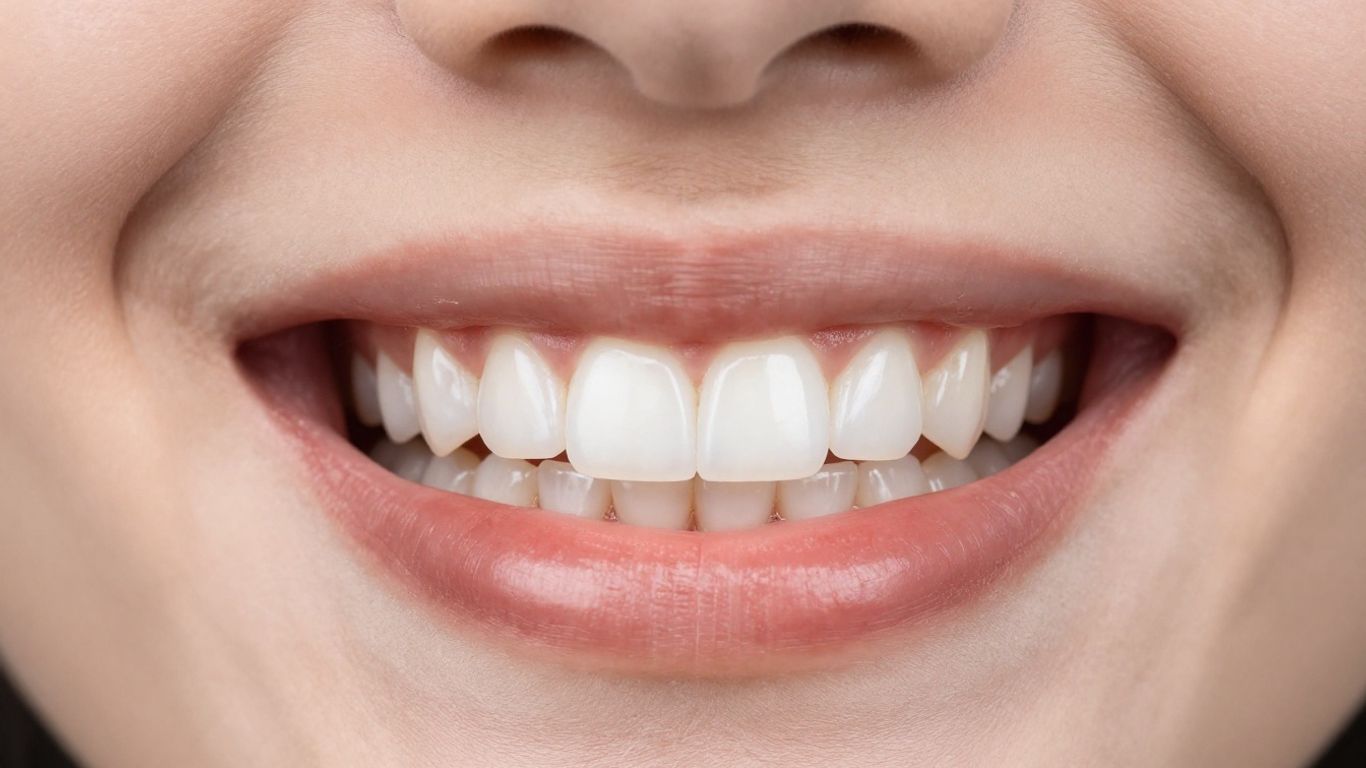
Thinking about getting your smile just right? It can be a bit of a maze trying to find the best cosmetic dental in Texas. There are a lot of places to choose from, and honestly, you want to make sure you pick someone who knows what they're doing. This guide is here to help you figure out the cost of veneers in Texas and where to go for that dream smile you've been wanting. We've looked at some of the top things people consider.
Key Takeaways
- The cost of veneers in Texas can vary a lot, depending on the type of veneer, how many you get, and where you go.
- Porcelain veneers are usually more expensive than composite resin veneers, but they tend to look more natural and last longer.
- The total price for veneers includes more than just the shells themselves; think consultation fees, tooth preparation, and lab costs.
- Dental insurance typically doesn't cover veneers since they're seen as cosmetic, but financing options and payment plans can make them more accessible.
- When choosing a dentist for veneers in Texas, look at their experience, read reviews, and make sure you understand the total cost and what's included.
Understanding The Cost Of Veneers In Texas

So, you're thinking about getting veneers in Texas, huh? It's a pretty big decision, and one of the first things on everyone's mind is, 'How much is this going to set me back?' It's a fair question, especially when you're looking to invest in your smile. The truth is, there isn't one simple answer because the cost can swing quite a bit. It really depends on a few key things that we'll get into.
Factors Influencing Veneer Pricing
When you're looking at the price tag for veneers, it's not just a flat rate per tooth. Several elements play a role in how that final number is calculated. Think of it like building a custom piece of furniture – the materials, the complexity, and the craftsman's skill all affect the price.
- Type of Veneer: Are you going for porcelain, which tends to be more premium, or a composite resin option? Porcelain veneers are generally more expensive because they're custom-made in a lab and offer a very natural look and durability. Composite resin veneers are often more budget-friendly and can sometimes be done in a single visit.
- Number of Veneers: Obviously, the more teeth you're getting treated, the higher the total cost. However, sometimes dentists offer a slightly lower per-tooth price if you're getting a larger number done, like for a full smile makeover.
- Tooth Preparation: Some veneer types require little to no enamel removal, while others need a bit more preparation. This can sometimes influence the overall cost.
- Dentist's Experience and Location: A highly experienced cosmetic dentist, especially one in a major metropolitan area like Houston or Dallas, might charge more. Their skill and the clinic's overhead costs can factor into the pricing.
- Lab Fees: The dental lab that actually fabricates your custom veneers charges for their work, and this cost is passed on to you.
Average Cost Per Tooth
Let's get down to some numbers, though remember these are just averages and can change. In Texas, you can expect the cost for a single veneer to range pretty widely. Porcelain veneers typically fall between $1,200 and $2,500 per tooth. Composite resin veneers are usually less, often in the $800 to $1,500 range per tooth. Some places might even offer special pricing if you're getting multiple veneers, like a package deal for 8 or more teeth.
Total Investment For A Full Smile Makeover
If you're thinking about a full smile makeover, which usually involves 8 to 12 teeth or even more, the investment can add up quickly. For a full set of porcelain veneers, you could be looking at anywhere from $9,600 (for 8 teeth at $1,200 each) to $30,000 or more (for 12 teeth at $2,500 each). It sounds like a lot, but many people find the boost in confidence and the long-term results make it worthwhile. Some dental practices offer package deals for full mouth restorations, which can sometimes bring the per-tooth cost down. For example, one clinic might offer porcelain veneer packages starting around $4,999 for 6 veneers.
It's important to remember that veneers are generally considered a cosmetic procedure. This means that most dental insurance plans won't cover the cost. You'll likely be paying out-of-pocket, so understanding financing options is key.
When you're budgeting, make sure to ask your dentist exactly what's included in their quote. Sometimes, initial consultations, X-rays, or even temporary veneers might be separate charges. Getting a clear picture upfront will help you avoid any surprises down the road.
Types Of Veneers And Their Impact On Cost
Getting veneers is a pretty big decision, and in Texas, cost is usually one of the first things people want to figure out. Not all veneers are the same—what you pick can change both your final bill and how happy you are with your smile. Let’s break down the main types of veneers available, how each one affects your wallet, and what you can really expect before sitting in the dentist’s chair.
Porcelain Veneers: Premium Quality, Premium Price
Porcelain veneers are the gold standard for a reason—they look natural, last a long time, and resist stains. They’re custom-made in a dental lab and carefully fitted to your teeth. Dentists often recommend them if you want your smile to last and look real for years, and they can handle just about anything you throw at them from daily life. But they do come at a price: in Texas, you can expect each porcelain veneer to cost anywhere from $1,500 to $3,200 per tooth, depending on the dentist's experience and where you live—major cities usually charge more (cost of veneers in Fort Worth).
Pros:
- Lasts 10-15 years or more with good care
- Most stain-resistant
- Very natural appearance
Cons:
- Highest upfront cost
- Requires at least two visits and some enamel removal
If you want the kind of smile makeover that still looks great a decade later, porcelain is usually the way to go, but be ready for the bigger investment up front.
Composite Resin Veneers: An Affordable Alternative
Composite resin veneers are made of a tooth-colored plastic that’s shaped and bonded directly to your teeth, often in just one visit. They’re less expensive—ranging from $600 to $1,500 per tooth—but are more likely to stain or chip over time. Composite veneers might be right if you just want a quick fix for a couple of teeth or don’t want to spend as much up front.
Pros:
- Done in one appointment
- Lower initial cost
- Easy repairs if damaged
Cons:
- Only lasts about 5-7 years
- Prone to staining and chipping
- Doesn’t always look as seamless as porcelain
No-Prep Veneers: Minimally Invasive Options
No-prep veneers, often called Lumineers, are ultra-thin shells that a dentist can place over your teeth without removing much enamel. These cost about the same as porcelain veneers—usually $800 to $2,500 per tooth—but the benefit is less drilling and usually less sensitivity. Still, they aren't right for everyone, since they might look bulky if your teeth are already a bit big.
Pros:
- Little or no enamel removal
- Fast placement (sometimes one visit)
- Good for minor cosmetic tweaks
Cons:
- Not as versatile for major corrections
- Can look too thick on some teeth
- May not last quite as long as traditional porcelain
Every smile and budget is different, so take the time to talk to your dentist about which veneer option feels right. The most expensive choice isn’t always the best—sometimes a less invasive or more budget-friendly fix makes more sense for what you want personally.
What's Included In The Veneer Procedure Cost
When you’re planning for veneers in Texas, it's important to know what you’re actually paying for. The total fee isn’t just for the little shells themselves — it’s a mix of several professional services and associated steps before you ever walk out with a new smile.
Consultation And Diagnostic Fees
Getting veneers usually starts with a detailed consultation. Dentists don’t just look at your teeth and say “let’s go.” Instead, the process might include:
- A personalized smile assessment
- X-rays or digital scans
- Photography and digital imaging for a treatment preview
- Detailed discussion of your desired results
Most consultations in bigger Texas cities range from $50 to $200 and may or may not be rolled into your final treatment cost if you move forward with veneers.
Before even touching your teeth, your dentist needs to map out every detail, ensuring the end result looks and functions just right for you.
Tooth Preparation And Material Costs
The next major slice of the bill comes from preparing your teeth and choosing the material for the veneers. For porcelain veneers, this often means removing a thin layer of enamel and crafting a mold for a custom fit. For composite veneers, it’s usually a single-visit procedure where resin is shaped directly onto the tooth.
Key factors affecting the costs here include:
- Type of veneer (porcelain vs. composite resin)
- Number of teeth needing treatment
- Degree of tooth preparation or any necessary reshaping
Here’s a basic breakdown of typical material costs:
Of course, more complex cases (like needing temporary veneers or additional contouring) can mean higher fees.
Lab Fees And Permanent Bonding
A chunk of the veneer price is also lab-related. Porcelain veneers, for example, are sent to a lab where technicians use custom shades, shapes, and layers for realistic results — and this expert touch doesn’t come cheap.
What’s usually billed here?
- Fabrication of permanent veneers by a dental lab
- Temporary veneers if your final set takes weeks
- Adjustments and shade matching at delivery
- Final bonding procedure with dental adhesives and curing lights
The permanent bonding appointment is as important as the actual crafting of the veneers. Dentists spend time making microscopic adjustments for the perfect fit and then use high-quality adhesive to lock veneers into place.
It’s worth noting that certain clinics in Texas might lump these charges as “lab/material fees” or split them up on your estimate. Always ask for an itemized quote.
If you want to see a Texas-specific example of general veneer pricing ranges, or use a price estimator, check out this helpful Cost estimator tool.
The Bottom Line
When you get a veneer quote, remember — it’s not just paying for cosmetic shells. It’s a full-service process including diagnostics, expertise, materials, lab artistry, and a bonding process to keep your new smile in place for years. Always ask for a detailed breakdown, so you know where your investment is going.
Insurance Coverage And Financing Options
When you're looking into getting veneers, one of the first things that pops into your head is probably the cost. It's a pretty significant investment, and it's natural to wonder if any of that expense might be covered by insurance or if there are ways to make the payments more manageable. Let's break down what you need to know about insurance and financing for veneers here in Texas.
Are Veneers Typically Covered By Insurance?
Generally speaking, dental insurance plans in the US consider veneers to be a cosmetic procedure. This means that, for the most part, they aren't covered by standard dental insurance policies. Insurance is typically designed to cover treatments that are medically necessary for your oral health, like fillings, crowns for decay, or root canals. Since veneers are primarily for improving the appearance of your teeth – fixing things like stains, chips, or minor gaps – they fall into the elective category. It's always a good idea to double-check your specific policy details, but don't hold your breath for full coverage.
When Might Insurance Offer Partial Coverage?
There are a few situations where you might get some help from your insurance, though it's not common. If a veneer is needed to repair a tooth that's been damaged due to an accident or injury, some plans might offer partial coverage. This is because the repair is then considered medically necessary rather than purely cosmetic. Similarly, if a dentist determines that a veneer is the only viable option to restore the function of a severely damaged tooth (and other options like crowns aren't suitable), there's a slim chance of getting some assistance. However, this is rare, and you'd need to get pre-approval from your insurance company, providing documentation that explains why it's not just for looks. It’s always best to talk directly with your insurance provider to understand the specifics of your plan.
Exploring Payment Plans And Financing
Since insurance usually doesn't pick up the tab for veneers, most people look into financing options to help spread out the cost. This is where things get a lot more flexible.
Here are some common ways people finance their veneer treatments:
- Dental Financing Companies: There are specialized companies that offer loans specifically for dental procedures. These often have competitive interest rates and repayment terms. A popular option is CareCredit, which works like a credit card for healthcare expenses and often has promotional periods with no interest if paid off within a certain time.
- In-House Payment Plans: Some dental offices might have their own payment plans. They'll work with you to set up a schedule for payments that fits your budget. This can be really convenient because it's all handled directly with your dentist's office.
- Personal Loans: You could also consider a personal loan from your bank or a credit union. The terms will depend on your creditworthiness, but it's another way to get the funds you need upfront.
- Health Savings Accounts (HSAs) or Flexible Spending Accounts (FSAs): If your employer offers an HSA or FSA, you can often use those pre-tax dollars to pay for qualified medical and dental expenses, including veneers. This can save you money on taxes.
It's really important to look at the total cost, including any interest or fees, when you're comparing financing options. Sometimes a lower monthly payment might end up costing you more in the long run due to higher interest rates. Make sure you understand all the terms before you sign anything.
Long-Term Value And Durability Of Veneers
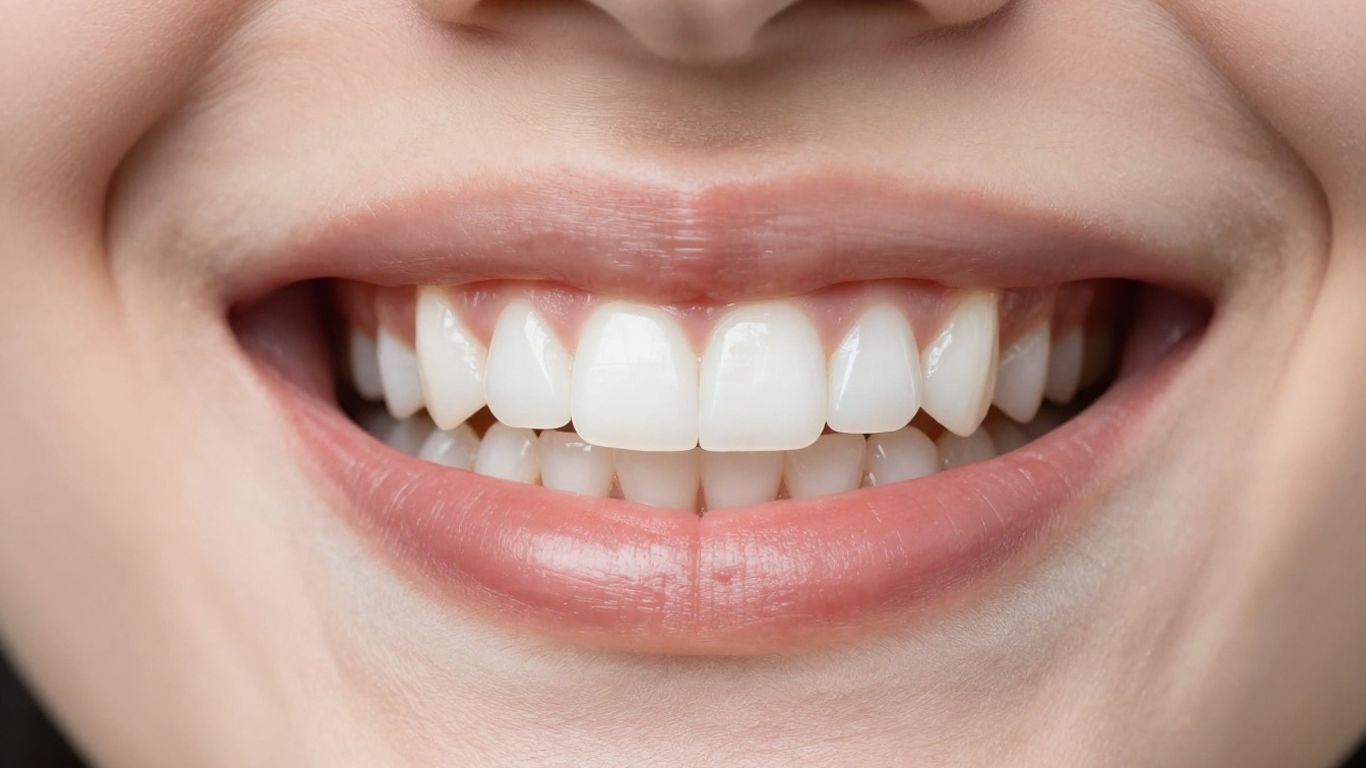
So, you're thinking about getting veneers, huh? It's a big decision, and one of the first things people ask is, 'How long will these things actually last?' It’s a fair question, especially when you're investing in your smile. The good news is that veneers, particularly porcelain ones, are built to last and offer a great return on your investment.
Expected Lifespan Of Dental Veneers
When it comes to how long they'll be with you, most people find their porcelain veneers last somewhere between 10 to 15 years. Some folks even get longer out of them! It really depends on a few things. Your daily habits play a big role – how you brush, if you floss, and what you eat. Also, things like grinding your teeth can affect how long they stay in top shape. It’s a good idea to chat with your dentist about what to expect for your specific situation. They can give you a clearer picture based on your oral health. For more detailed information on selecting a skilled professional for this procedure, consider Choosing the Best Atlanta Cosmetic Dentist.
Here's a general idea of what influences longevity:
- Oral Hygiene: Consistent brushing and flossing are key. Think of it like caring for your natural teeth – the better you treat them, the longer they'll last.
- Dietary Habits: Avoiding excessively hard or sticky foods helps. Try to avoid biting down on really hard things, like ice cubes or hard candies. Also, don't use your teeth to open packages or bottles – that’s a sure way to chip them.
- Dental Visits: Don't skip your check-ups! Seeing your dentist every six months or so is important. They can check on your veneers, make sure everything is fitting well, and catch any small problems before they become big ones.
- Habits: Avoiding nail-biting or using your teeth as tools prevents damage.
Maintenance To Maximize Longevity
Keeping your veneers looking great and lasting as long as possible is all about good care. It’s pretty straightforward, really. You'll want to brush and floss daily, just like you normally would. Visiting your dentist for regular check-ups, usually every six months, is also important. They'll make sure everything is looking good and that your veneers are still in great shape. It’s a good idea to be mindful of what you eat, though. Treating them with a bit of care will help them last a long time and keep your smile looking its best. Remember, while they are durable, they aren't indestructible. With the right attention, your veneers can keep your smile looking great for many years to come. Some people even find that after 15 years, they simply opt to have them replaced to refresh their look, which is a testament to their lasting appeal and the satisfaction they bring. You can find more details on the procedure itself to understand the application process.
Are Veneers A Worthwhile Investment?
Absolutely. When you consider the significant boost in confidence and the aesthetic improvements, veneers often prove to be a very worthwhile investment. They offer a long-term cosmetic fix that can dramatically change how you feel about your smile. For many patients, veneers offer long-term value thanks to their durability and aesthetic enhancement. They're ideal for correcting stains, chips, uneven size and shape, and gaps between teeth. It’s not just about looking good; it’s about feeling good about yourself every time you smile.
While the visual transformation from dental veneers is often the main draw, the benefits go much deeper than just looking good. For many, getting veneers is about more than just a prettier smile; it's about regaining function and a significant boost in how they feel about themselves. This confidence boost can impact social interactions, professional life, and overall well-being.
Choosing The Right Texas Dentist For Your Veneers
Selecting who’ll craft your new smile is a bigger deal than most realize. Veneers are a marriage of art and science—the dentist you pick shapes not just how your teeth look, but how naturally you’ll smile for years.
The Importance Of Dentist Expertise
A dentist's cosmetic skill can make or break the look and longevity of your veneers. It’s not enough that someone’s trained in general dentistry; shaping, placing, and shading veneers requires an eye for detail and a steady hand. Here’s what to look for:
- Ask how many veneer cases they’ve completed, especially those involving front teeth.
- Request to see before-and-after photos—not just stock images, but real patients.
- Look for evidence of continuing education in cosmetic or restorative dentistry.
If you’re in Houston, checking out practices known for cosmetic treatments, like DentAllon Dentistry, can help ensure you get a dentist who lives and breathes this work every day.
Evaluating Clinic Location And Overhead
Cost and convenience often come down to where the clinic is based. Texas is big—prices and waitlists can swing widely between downtown big-city offices and suburban clinics. Dentists in central Houston or Dallas might charge more per veneer, mostly due to higher rents and demand, while smaller cities sometimes offer slightly lower rates. But don’t base your choice only on location:
- Check if the clinic has in-house labs (that may speed up the process)
- Inquire about parking or transit, especially for multiple appointments
- Weigh the convenience of follow-up care and emergency access
Approximate Veneer Cost by Area (Per Tooth)
Quality isn’t just about a fancy address. The right dentist could be in a modest office but deliver a smile that looks like a million bucks.
Reading Reviews And Seeking Recommendations
Nothing beats real-life stories when it comes to picking a provider. If you don’t know where to start, word-of-mouth recommendations from friends or family carry a ton of weight. Online reviews matter too, but look past perfect scores—dig into detailed feedback about results, comfort, communication, and follow-up. Try these steps:
- Search for reviews specifically mentioning veneers.
- Look at before-and-after photos shared by actual patients.
- Ask local support groups or forums for unbiased opinions.
A seasoned cosmetic dentist can walk you through alternative procedures, too—so if you’re unsure if veneers are the right route, ask about options like dental bonding for minor fixes.
The dentist you go with isn’t just filling a tooth—they’re designing your smile for the long haul. Take your time, weigh your options, and trust your instincts. Your smile’s worth it.
Conclusion
So, that's the rundown on what veneers cost in Texas and what you should think about before jumping in. The price can be a bit of a shock at first, especially since insurance usually won’t help much, but a lot of people find the boost in confidence and the change in their smile totally worth it. Remember, the final cost depends on things like the material you pick, how many teeth you want done, and your dentist’s experience. Porcelain veneers last longer and look super natural, but they cost more up front. Composite is cheaper, but you might need to replace them sooner. It’s smart to get a few quotes, ask about payment plans, and make sure you’re comfortable with your dentist before you commit. At the end of the day, it’s your smile—so take your time, do your homework, and choose what feels right for you. A little research now can save you a lot of stress (and money) later on.
Frequently Asked Questions
What exactly are dental veneers and how do they work?
Think of dental veneers as super thin, custom-made covers that stick to the front of your teeth. They're great for fixing teeth that are stained, chipped, or have small gaps. They instantly make your smile look brighter and more even, giving you that perfect look you've been wanting.
How much do veneers typically cost in Texas?
The cost for veneers in Texas can really change depending on a few things. Usually, you're looking at paying somewhere between $800 and $2,500 for each tooth. Things like the type of material used (porcelain is usually pricier), how experienced your dentist is, and where the dental office is located all play a part in the final price.
Are veneers a permanent solution, and how long do they last?
Veneers are considered a long-term cosmetic fix. If you take good care of them by brushing and flossing daily and visiting your dentist regularly, porcelain veneers can last for about 10 to 15 years, sometimes even longer! It's important to be a little careful and avoid biting into really hard things, though.
Does dental insurance cover the cost of veneers?
Generally, dental insurance doesn't cover veneers because they're seen as a cosmetic treatment, meaning they're for improving appearance rather than treating a health problem. However, in some cases where a veneer is needed to fix damage from an accident or injury, insurance might help pay for part of it. It's always best to check with your insurance company.
What's the difference between porcelain and composite veneers?
Porcelain veneers are known for looking very natural and being really strong and resistant to stains, but they cost more. Composite resin veneers are a more budget-friendly choice and can sometimes be put on in just one visit. While they look good, they might not last as long or resist stains as well as porcelain ones.
How do I choose the right dentist in Texas for my veneers?
Picking the right dentist is super important! Look for someone with a lot of experience in cosmetic dentistry, especially with veneers. Check out their before-and-after photos to see if their style matches what you like. Reading reviews from other patients and asking friends for recommendations can also help you find a skilled and trustworthy dentist.


International Standards.
Brazilian Mastery.
Aesthetica Medical Travel Facilitators, LLC is an international care coordination company registered in Wyoming, United States. We provide services for the promotion and support of medical service providers, including physicians worldwide (“medical service providers”). These services are made available through Aesthetica’s website, and the same privacy terms also apply to the Aesthetica Advisor Program (the “application/platform”), created and operated by Aesthetica. Aesthetica is solely responsible for controlling and processing the information obtained via the platform or through other communications between users, businesses, hospitals, clinics, or third parties and members of the Aesthetica service team (the “Service Team”). Our services may include non-clinical care coordination for North American patients seeking elective procedures abroad, including provider matching, travel logistics, and administrative support throughout the care journey. Additional services or add-ons may be offered depending on the selected scope. Post-operative care is typically conducted in the destination country where the procedure is performed. Additional coordination or administrative support in the patient’s country of origin may be available separately, subject to scope and availability. Aesthetica may engage third-party service providers, partners, or affiliated entities to support its operations, including data processing and service delivery. Information may be shared with such parties solely as necessary to provide the services described. Our operations follow strict standards of transparency, privacy protection, and regulatory compliance. Testimonials reflect individual experiences and do not guarantee future results. By using Aesthetica’s services or platform, users acknowledge and agree to these terms and understand the limited, non-clinical role of Aesthetica in the care journey. For more information about our policies or compliance framework, please contact our support team.