
Find Expert All-on-4 Dental Implants Near You
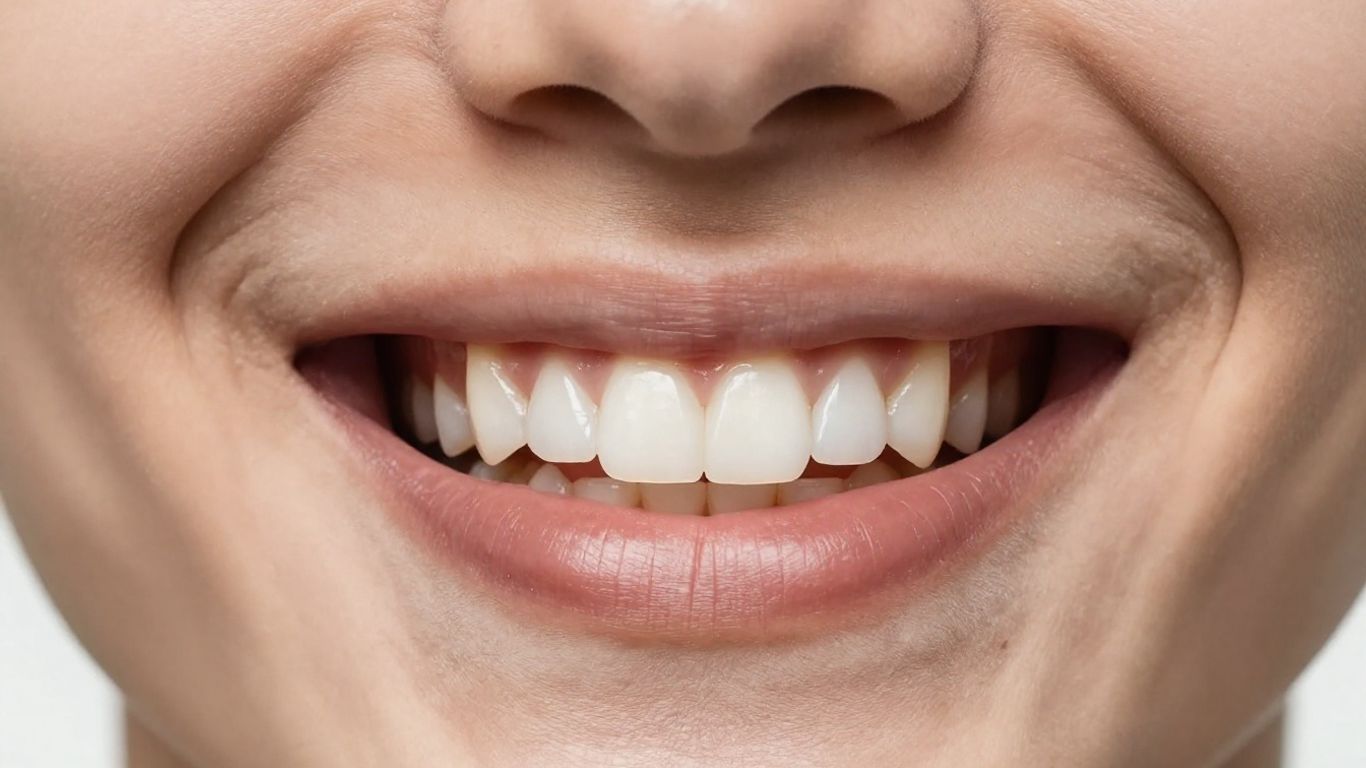
It's a common feeling, isn't it? You reach a point where you're just tired of dealing with dentures that slip, or teeth that are just too far gone. You want something solid, something permanent, something that lets you eat whatever you want and smile without a second thought. If you've been looking for All-on-4 dental implants near me, you're in the right place. This method is changing lives, giving people back their smiles and their confidence, all with just a few implants.
Key Takeaways
- All-on-4 dental implants use four implants to support a full arch of new teeth, offering a stable, permanent solution.
- Many patients can receive a temporary denture on the same day as their implant surgery, meaning you leave with a new smile.
- This treatment often avoids the need for bone grafting, making it accessible for more people.
- All-on-4 restores near-natural biting force, allowing you to enjoy a wider variety of foods without worry.
- Choosing an experienced provider with advanced technology is important for successful and lasting results.
Understanding All-On-4 Dental Implants

What Are All-On-4 Dental Implants?
All-on-4 dental implants are a way to replace a whole row of missing teeth, either on your top jaw or your bottom jaw, using just four special implants. Think of it like building a strong foundation for a new set of teeth. Instead of individual implants for each tooth, which can take a lot of time and bone, this method uses four titanium posts strategically placed in your jawbone. Two are usually placed in the front, and two are angled in the back. This clever placement helps make the most of the bone you have, often meaning you don't need extra bone grafting procedures. It’s a way to get a stable, full set of teeth that feel and function much more like your natural ones.
Who Is A Candidate For All-On-4?
So, who is this treatment good for? Generally, if you're missing most or all of your teeth in one arch (or both) and you're looking for a permanent solution, you might be a good fit. You'll also need to have adequate bone tissue, though as mentioned, All-on-4 is designed to work with less bone than older methods. Good general health is important because it's a surgical procedure. Also, having healthy gums and being free from active gum disease is a must. If you smoke, quitting during the healing process is usually recommended. It's really about having a healthy mouth and body to support the implants.
All-On-4 Vs. Traditional Implants
What makes All-on-4 different from the traditional way of doing things? Well, traditional implants often require one implant for each missing tooth, or sometimes a few implants to support a bridge. This can mean more surgeries and a longer healing time, especially if bone grafting is needed. All-on-4, on the other hand, is specifically designed for full-arch replacement and uses those four angled implants to provide a solid base for a complete set of teeth. This often means less surgery, a quicker path to getting your new teeth, and a more cost-effective solution in the long run compared to replacing every single tooth with an implant. It's a more streamlined approach for full mouth restoration [060b].
The main idea behind All-on-4 is to give you a fixed, non-removable set of teeth that are stable and comfortable, letting you eat and smile with confidence again, often in just one day.
Here's a quick look at some key differences:
- Number of Implants: All-on-4 uses 4 implants per arch; traditional methods might use 6-8 or more for a full arch.
- Bone Grafting: All-on-4 often avoids bone grafting due to angled implant placement; traditional methods may require it.
- Treatment Time: All-on-4 can often provide temporary teeth on the same day as surgery; traditional methods usually take longer.
- Cost: While an investment, All-on-4 can be more predictable and potentially less expensive than replacing every tooth individually with traditional implants [83f4].
The All-On-4 Treatment Process
So, you're thinking about All-on-4 dental implants? It sounds like a big deal, and honestly, it is a pretty significant procedure, but it's designed to be straightforward. The whole point is to get you a stable, full set of teeth without a ton of fuss.
Implant Placement Procedure
This is where it all begins. Your dentist will carefully place four titanium implants into your jawbone. The cool part is how they're positioned. Two implants go in the front, and the other two are angled in the back. This clever angling often means you won't need bone grafting, which is a huge plus for many people. The whole thing is done with anesthesia, so you shouldn't feel any pain during the surgery itself. It's all about getting a solid foundation for your new smile. This initial step is key to the success of the entire All-on-4® procedure.
Immediate Temporary Denture
Here’s something that really sets All-on-4 apart: you usually walk out with a temporary set of teeth on the very same day. After the implants are placed, a temporary denture is attached. It’s not the final one, of course, but it looks good and functions well enough for you to eat (soft foods, usually) and smile confidently right away. No more hiding your mouth while you wait for weeks or months!
Healing and Final Restoration
After you get your temporary teeth, there's a healing period. This is when your jawbone and the implants really get to know each other – they fuse together, which is called osseointegration. This process typically takes about three to six months. During this time, your dentist will monitor your progress. Once everything is healed and stable, you'll come back for your final, custom-made set of teeth. These are permanent, look and feel natural, and are permanently attached to the implants. It's the final step to getting your smile back for good.
The entire process, from the initial surgery to receiving your final teeth, is carefully managed to ensure comfort and optimal results. It's a journey towards a permanent solution for missing teeth, designed to be as efficient as possible.
Here's a quick look at the timeline:
- Day of Surgery: Implant placement and fitting of your temporary denture.
- Next 3-6 Months: Healing and osseointegration of implants with the jawbone.
- Final Appointment: Placement of your custom, permanent full-arch restoration.
This structured approach, often guided by advanced imaging techniques, helps make sure everything is precise and predictable.
Finding Expert All-On-4 Providers Near You
So, you're looking into All-on-4 dental implants. That's a big step, and honestly, a really good one for getting a stable, full smile back. But here's the thing: not all dentists are created equal when it comes to this specific procedure. It's not just about having a dental degree; it's about specialized training and a lot of hands-on experience with full-arch restorations. Think of it like hiring a contractor for a major home renovation – you want someone who knows their stuff inside and out.
Credentials of Your Dental Implant Specialist
When you're searching for a provider, take a good look at their background. Are they board-certified in implant dentistry? Have they completed advanced training specifically for full-arch procedures like All-on-4? Some dentists even mentor other practitioners, which is a pretty good sign they're at the top of their game. It's worth asking about their experience, how many of these procedures they do regularly, and if they're part of any professional implantology organizations. For instance, a Fellow of the International College of Oral Implantology has put in the work to prove their skills. You want someone who has dedicated a significant part of their career to implantology, not just dabbled in it.
Quality of Care and Materials
Beyond the dentist's qualifications, consider the overall quality of the practice. Are they using the latest technology for planning and treatment? Things like 3D imaging (cone beam CT scans) are super important for mapping out exactly where the implants will go, making the whole process more precise and often quicker. Also, ask about the materials used for your new teeth. High-quality materials, like zirconia, are known for their durability and natural look. Some practices even have proprietary techniques, like the Smile XZ approach, which aims to give you a custom, realistic smile right from the start. It’s about getting a result that not only functions perfectly but looks great too.
Patient Testimonials and Trust
Don't underestimate the power of what other patients say. Look for reviews and testimonials. Do people talk about feeling comfortable and well-cared for? Are they happy with their results? Real patient stories can give you a genuine feel for the practice and the dentist's approach. A practice that's transparent about pricing and works with you on payment plans, like offering CareCredit® options, also builds trust. Ultimately, you want to feel confident and secure with your chosen provider, knowing they have your best interests at heart. Finding a dentist in Augusta who prioritizes patient satisfaction is key.
Choosing the right All-on-4 provider is a big decision. It's about more than just the procedure itself; it's about finding a dental professional who combines technical skill with a genuine commitment to your well-being and a beautiful, lasting outcome. Take your time, do your homework, and ask plenty of questions. Your smile is worth it.
Advanced Techniques in Full-Arch Restoration
When we talk about fixing a whole set of teeth, it's not just about putting in some implants. There are some pretty neat tricks and methods dentists use now that make the whole process better and the results last longer. It's all about making sure those new teeth feel and work like your original ones, but without all the problems.
Revolutionizing All-On-4 With Proprietary Methods
Some dental practices have developed their own special ways of doing All-on-4. These aren't just minor tweaks; they're often about improving how the implants are placed or how the final teeth are made. Think of it like a chef with a secret ingredient – it makes the dish stand out. These methods can sometimes mean less time in the chair, a quicker recovery, or even better stability for your new smile. It's about pushing the boundaries of what's possible with this treatment.
The Smile XZ Approach Explained
Let's say a clinic calls their method the "Smile XZ Approach." What does that really mean? It usually involves a few key things. They might use a specific type of implant that's designed for better bone integration, or perhaps they have a unique way of planning the implant positions using advanced computer software. This detailed planning is key to making sure everything fits perfectly. They might also focus on a particular material for the final teeth that's known for its strength and natural look. It's their signature way of handling full-arch restorations.
High-Quality Materials for Durability
What your new teeth are made of matters a lot. For full-arch restorations, dentists often use materials like high-grade titanium for the implants themselves, because it's strong and the body accepts it well. For the teeth that you see, options include durable acrylics or even solid zirconia. Zirconia, for example, is incredibly tough and can be shaped to look very much like natural enamel. Choosing the right materials means your new smile won't just look good; it will hold up to everyday use for years to come. It's about building something that lasts.
The goal with advanced techniques is to create a restoration that is not only functional and aesthetically pleasing but also long-lasting and comfortable, mimicking the experience of having natural teeth as closely as possible.
Here's a quick look at common materials:
These advanced techniques and materials are what help make full arch restoration such a reliable solution for people needing to replace an entire set of teeth.
Benefits of Choosing All-On-4 Dental Implants
So, you're thinking about All-On-4 dental implants? That's a big step, and for good reason. People often come to this point after dealing with dentures or failing teeth for a long time, and they just want something that works, something permanent. All-On-4 really aims to be that solution.
Restoring Your Smile and Confidence
Let's be honest, losing teeth affects more than just your ability to chew. It can really mess with your confidence. You might find yourself covering your mouth when you laugh or avoiding certain social situations. All-On-4 implants are designed to give you back a full set of teeth that look and feel natural. This means you can smile freely, speak clearly, and laugh without a second thought. It's about getting that part of your life back.
The transformation goes beyond just the physical. Many patients report a significant boost in their overall happiness and self-esteem once they have their new, stable smile.
Improved Biting Force and Dietary Freedom
Remember when you could just bite into an apple or enjoy a steak without worrying? With traditional dentures, that's often a distant memory. They can be unstable, requiring sticky adhesives, and don't provide much biting power. All-On-4, on the other hand, uses just four implants to anchor a full arch of teeth. This setup gives you back a substantial amount of your natural biting force, often around 70-80%. That means you can eat a much wider variety of foods again. Think crunchy vegetables, chewy bread, and yes, even that juicy steak.
Here's a quick look at how it stacks up:
A Stable, Permanent Solution
One of the biggest complaints about dentures is that they can move around. This can be embarrassing and make eating difficult. All-On-4 implants are fixed permanently in place. They don't come out, and they don't shift. This stability is a game-changer. It means you can brush and care for them just like natural teeth, without any special removal or soaking. It's a long-term investment in your oral health and overall quality of life, providing a stable foundation for fixed prosthetic teeth that lasts. This approach is a significant step up from older methods that might have required more implants or bone grafting procedures, offering a more accessible path to a permanent, fixed full-arch restoration solution.
Technology Enhancing Your All-On-4 Experience
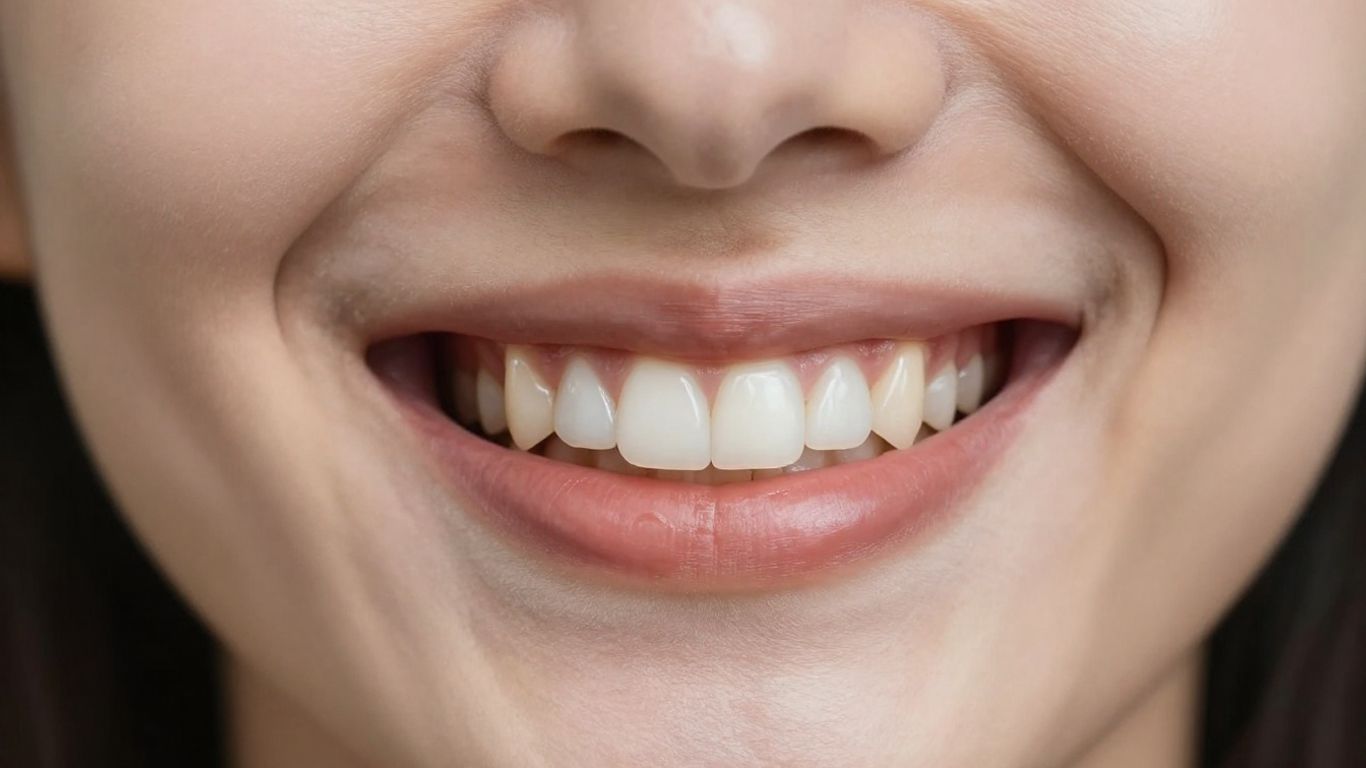
It's pretty amazing how much technology has changed the game for dental implants, especially for something as involved as All-on-4. Gone are the days of guesswork; today's methods are all about precision and making things smoother for you. This means less time in the chair and more predictable results. The goal is to give you back your smile with as little fuss as possible.
Precision Planning with 3D Imaging
Before anything even happens, your dentist will likely use advanced 3D imaging, like a cone-beam CT scan. This isn't just a fancy X-ray; it gives a detailed, three-dimensional view of your jawbone, nerves, and sinuses. It's like having a roadmap before you start a big trip. This allows the dental team to see exactly where the best spots are to place the implants, making sure they're stable and avoiding any sensitive areas. This level of planning is a big reason why All-on-4 can often be done without bone grafting, even if you've had bone loss over time.
Industry-Leading Implant Components
The implants themselves are usually made from titanium, which is great because your bone actually fuses with it over time. Think of it as a super strong anchor. The design of these implants, especially the angled ones used in the All-on-4 technique, is pretty clever. They're engineered to make the most of the bone you have, which is a huge advantage. This smart design is a key part of why you can often get a temporary set of teeth on the same day as your surgery [a923].
Streamlined Treatment for Faster Results
When you combine 3D planning with well-designed implant parts, the actual treatment process gets a lot quicker. Many practices now use digital guides created from your scans to place the implants with incredible accuracy. This precision helps speed things up. For many patients, this means they can have failing teeth removed, implants placed, and a temporary set of teeth attached, all in a single day. It's a pretty significant leap from older methods that took months and multiple procedures.
The whole point of using this modern tech is to make your experience better. It's about getting you a stable, functional, and good-looking smile faster and with more confidence in the outcome. It takes a lot of the uncertainty out of the process for both you and your dentist.
Here's a quick look at what that streamlined process might involve:
- Initial Consultation & Planning: Using 3D scans to map out the best implant positions.
- Surgery Day: Removal of any remaining teeth, implant placement, and attachment of a temporary bridge or denture.
- Healing Period: Allowing the implants to integrate with your jawbone (usually a few months).
- Final Restoration: Fitting your permanent, custom-made set of teeth.
This approach, often referred to as Teeth-in-a-Day technology, really changes how people think about getting a full-arch restoration. It's about getting you back to eating, speaking, and smiling normally much sooner than you might expect.
Ready for a Change?
So, if you're tired of dealing with dentures or teeth that just aren't cutting it anymore, All-on-4 implants might be the answer you've been looking for. It's a big step, for sure, but think about what you get back: the ability to eat what you want, a smile you can show off, and just a lot less hassle overall. Finding the right dentist is key, so take your time, do your homework, and get ready to get your smile back.
Frequently Asked Questions
What exactly are All-on-4 dental implants?
Think of All-on-4 as a clever way to get a full set of new teeth, top or bottom, using just four special titanium posts. These posts act like anchors in your jawbone, and a whole new set of teeth is attached firmly to them. They don't come out, don't need sticky stuff, and won't wiggle around when you eat or talk. It’s a permanent fix for missing teeth.
Who is a good candidate for All-on-4 implants?
All-on-4 is great for people who are missing most or all of their teeth, or whose teeth are too damaged to save. Even if you've lost some bone in your jaw over time, this method is designed to work with what you have. If you're generally healthy and don't have active gum problems, you're likely a good candidate.
How is All-on-4 different from regular implants?
Regular implants usually involve one implant for each missing tooth, and sometimes you need extra steps like bone grafting if your jawbone isn't strong enough. All-on-4 uses just four angled implants to support an entire row of teeth, which often means no bone grafting is needed and you can get your new teeth much faster.
Will I have teeth to show right after the surgery?
Yes, in most cases! You'll usually leave the dental office on the same day as your surgery with a temporary set of new teeth attached to your implants. This lets you start smiling and eating right away while your implants heal.
Does the All-on-4 procedure hurt?
Your comfort is a top priority. Dentists use anesthesia, like local numbing or even sedation, to make sure you feel as little discomfort as possible during the implant placement. You'll likely feel some soreness afterward, but it's manageable with medication.
How long does the whole All-on-4 process take?
The surgery itself is done in one day, and you walk out with temporary teeth. The main part is the healing time, which usually takes about 3 to 6 months. During this period, your implants fuse with your jawbone. After healing, you'll get your final, permanent set of teeth.



American Standards.
Brazilian Mastery.
Aesthetica Medical Travel Facilitators, LLC is an international care coordination company registered in Wyoming, United States. We provide services for the promotion and support of medical service providers, including physicians worldwide (“medical service providers”). These services are made available through Aesthetica’s website, and the same privacy terms also apply to the Aesthetica Advisor Program (the “application/platform”), created and operated by Aesthetica. Aesthetica is solely responsible for controlling and processing the information obtained via the platform or through other communications between users, businesses, hospitals, clinics, or third parties and members of the Aesthetica service team (the “Service Team”). Our services may include non-clinical care coordination for North American patients seeking elective procedures abroad, including provider matching, travel logistics, and administrative support throughout the care journey. Additional services or add-ons may be offered depending on the selected scope. Post-operative care is typically conducted in the destination country where the procedure is performed. Additional coordination or administrative support in the patient’s country of origin may be available separately, subject to scope and availability. Aesthetica may engage third-party service providers, partners, or affiliated entities to support its operations, including data processing and service delivery. Information may be shared with such parties solely as necessary to provide the services described. Our operations follow strict standards of transparency, privacy protection, and regulatory compliance. Testimonials reflect individual experiences and do not guarantee future results. By using Aesthetica’s services or platform, users acknowledge and agree to these terms and understand the limited, non-clinical role of Aesthetica in the care journey. For more information about our policies or compliance framework, please contact our support team.