
Understanding Dental Implants Canada Price: A 2026 Guide
Thinking about dental implants in Canada? It's a big decision, and honestly, figuring out the cost can feel like a puzzle. You see all sorts of numbers out there, and it's tough to know what's real. This guide is here to break down the dental implants Canada price for you in 2026. We'll look at what goes into the cost, why quotes can be so different, and what you should be asking before you commit. Let's get this sorted so you can make a choice you feel good about.
Key Takeaways
- The total cost for a single dental implant in Ontario typically ranges from $3,000 to $6,000, covering the post, abutment, and crown.
- Full arch solutions, like All-on-4 or All-on-6, can cost between $20,000 and $35,000 per arch in Ontario.
- Insurance coverage for dental implants varies greatly; many plans cover only a portion, often capped at $1,500-$2,500 annually.
- Quotes differ significantly due to factors like the implant brand used, whether labs are in-house, and if additional procedures like bone grafting are needed.
- Always get a detailed, written treatment plan that itemizes all costs, including the implant, abutment, crown, and any necessary pre-implant procedures, before agreeing to treatment.
Understanding Dental Implants Canada Price Factors
When you start looking into dental implants, the first thing you'll probably notice is that getting a straight answer on the price is tough. Some places might quote you one number, while others give you a completely different figure, and it often feels like the answer is always 'it depends.' While that's technically true, it doesn't help much when you're trying to figure out your budget. So, let's break down what actually goes into the cost of dental implants in Canada.
The Anatomy of Dental Implant Costs
Think of a dental implant not as a single item, but as a process involving several parts and steps. Each of these has its own associated cost. When a dental office gives you a quote, it's really important to know if they're talking about just one piece of the puzzle or the whole picture.
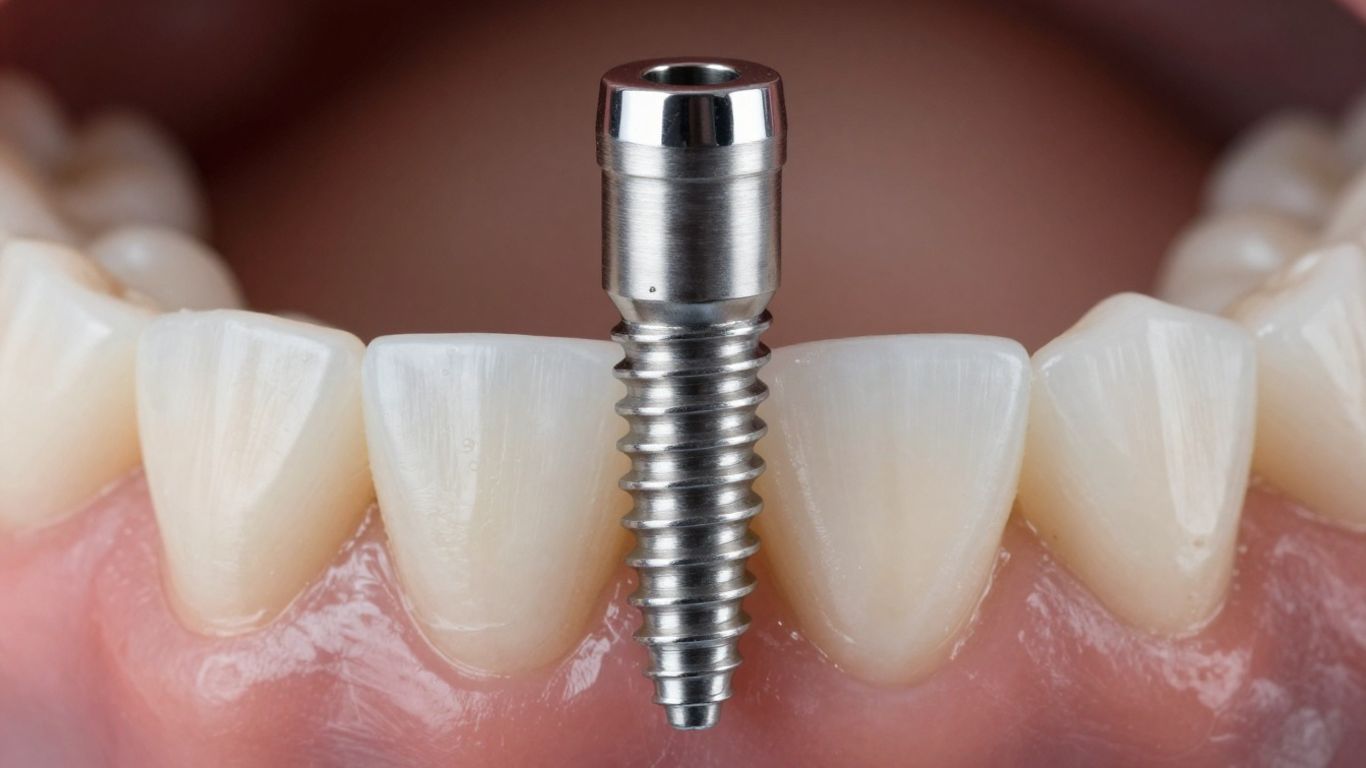
- The Implant Post: This is the titanium screw that gets surgically placed into your jawbone. It's the foundation for your new tooth.
- The Abutment: This is the connector piece that attaches to the implant post and sticks out above the gum line. It's what the final tooth will be secured to.
- The Crown: This is the visible part of the implant – the artificial tooth that looks and functions like your natural one.
Beyond these main components, there are other potential costs. You might need initial consultations with imaging like a cone beam CT scan, and sometimes bone grafting is necessary if your jawbone isn't dense enough to support the implant. Follow-up appointments during the healing process also add to the total.
The biggest reason why dental implant quotes can vary by thousands of dollars is whether the price is bundled to include everything from start to finish, or if it's itemized, with different parts and procedures billed separately. Always ask for a detailed breakdown.
Factors Influencing Overall Dental Implant Price
Several things can make the price of dental implants go up or down. It's not just about the implant itself.
- Location: Where you get your implants done matters. Practices in major city centers, like downtown Toronto, often have higher overhead costs, which can be reflected in their pricing compared to clinics in smaller towns. For example, single implants in Ontario can range from $3,000 to $6,000 [030f].
- Materials and Technology: The type of implant material used and the technology employed by the clinic can affect the price. Some dentists use premium implant brands that have extensive research behind them, which usually comes at a higher cost. Similarly, if a clinic has an in-house dental lab for creating crowns, it might influence the overall price, sometimes reducing it by cutting out a third party.
- Complexity of Your Case: If you need additional procedures before or during the implant process, like bone grafting or a sinus lift, these will add to the total cost. The more complex your situation, the more involved and potentially expensive the treatment will be.
- Provider's Experience: Dentists who have invested heavily in specialized training and advanced technology for implant dentistry may charge more. This often reflects a higher level of skill and potentially better success rates.
Comparing Dental Implant Costs Across Canada
While specific prices can vary even within the same city, there are general trends when comparing costs across different regions of Canada. Factors like the cost of living, local competition among dental practices, and the prevalence of specialized implant clinics all play a role. It's always a good idea to get a few quotes from different reputable dentists to understand the market rate in your area. You can use online tools to get a ballpark figure, but remember these are just estimates [4667].
- Urban vs. Rural: Generally, you'll find higher prices in larger urban centers compared to more rural areas due to differences in operating costs and demand.
- Provincial Differences: While not always drastic, there can be slight variations in average pricing between provinces, influenced by factors like provincial dental association fee guides and regional economic conditions.
- Clinic Specialization: Clinics that focus heavily on implantology and have a high volume of these procedures might offer more competitive pricing due to efficiency, but this isn't always the case. Some highly specialized clinics may command premium prices.
Components of Dental Implant Pricing
When you're looking into dental implants, it's not just one single item you're paying for. Think of it more like building a house – you need a solid foundation, a connecting piece, and then the visible part that you use every day. Each of these has its own cost, and understanding them helps you see why quotes can vary so much.
The Implant Post: Foundation of Your New Tooth
This is the actual titanium screw that gets surgically placed into your jawbone. It's the anchor, the base for everything else. This titanium post is what fuses with your bone over time, acting like a natural tooth root. The cost here can vary based on the brand and the specific type of implant used. Generally, the implant post itself might range from $1,500 to $6,000 or more, depending on the complexity and materials. This is a pretty significant chunk of the overall price, but it's absolutely vital for the success of the implant.
The Abutment: Connecting Implant to Crown
Once the implant post has healed and integrated with your jawbone, the next step is attaching the abutment. This is a small connector piece that screws into the implant post. It sticks out just enough to support the crown. Think of it as the bridge between the buried implant and the visible tooth. The cost for an abutment is usually less than the post itself, often falling in the range of a few hundred dollars. Some dentists might use a stock abutment, while others opt for a custom-milled one, which can affect the price.
The Crown: The Visible, Functional Tooth
This is the part you see and use to chew and speak – the actual tooth replacement. Crowns are custom-made to match the color, shape, and size of your natural teeth. They can be made from various materials, like porcelain or zirconia, which impacts the cost. The price for a crown can range from $1,000 to $3,000 or even more. When you hear about the total cost of a dental implant, it almost always includes the implant post, the abutment, and the crown, along with the surgical and restorative procedures. It's important to get a clear breakdown of what each component costs.
It's easy to get lost in the numbers, but remember that each part plays a critical role. The implant post provides the foundation, the abutment connects everything, and the crown gives you back your smile's function and appearance. Understanding these individual pieces helps you appreciate the value of the complete treatment.
Navigating Dental Implant Costs in Ontario
When you're looking into dental implants in Ontario, the price tag can seem a bit all over the place. It's not like buying a loaf of bread where the price is pretty much the same everywhere. Several things play a role in what you'll end up paying, and understanding these can help you budget better.
Typical Price Ranges for Single Implants
For a single dental implant, meaning the post, the connector piece (abutment), and the visible tooth (crown), most people in Ontario can expect to pay somewhere in the ballpark of $3,000 to $6,000. This is a general range, and where you are in Ontario can make a difference. For example, practices in bigger cities like Toronto might have slightly higher costs compared to smaller towns, mostly due to overhead. The materials used also factor in; a standard titanium implant with a porcelain crown is usually in the middle of the price range. If you need extra work done, like bone grafting because your jawbone isn't dense enough, that will add to the total cost. Some dentists might quote you a price that includes everything from the start, while others might break it down, charging separately for the surgery and then the crown later. Always ask for a detailed breakdown of what's included in the quote.
Pricing for Multiple Implants and Full Arches
If you're looking at replacing more than one tooth, the costs change. For a bridge supported by two implants that covers three teeth, you might be looking at $8,000 to $15,000. For a full arch replacement, often called 'All-on-X' procedures where four to six implants support a whole set of teeth for your upper or lower jaw, the cost in Ontario typically falls between $20,000 and $35,000 per arch. While this sounds like a big number upfront, it's important to remember that these implants are designed to last a very long time, unlike dentures which might need replacing or adjustments over the years.
Ontario Dental Association Fee Guide Influence
The Ontario Dental Association (ODA) puts out a suggested fee guide each year. Dentists aren't required to follow it strictly, but many use it as a reference point for their pricing. This guide can give you a general idea of what services are valued, but remember that individual practices set their own fees based on their costs, expertise, and the technology they use. It's always best to get a personalized quote directly from your dentist.
Understanding the different components of the cost, from the titanium post to the final crown, is key. Don't hesitate to ask your dentist to explain each part of the treatment plan and its associated fee. This transparency helps in making an informed decision about your oral health investment.
Here's a quick look at some typical costs:
Keep in mind these are estimates, and your specific needs might lead to different pricing. It's also worth checking with your insurance provider about coverage for dental implants, as policies can vary significantly.
Insurance Coverage and Dental Implants
Figuring out how much dental implants will cost in Canada is one thing, but understanding what your insurance might cover is a whole other ballgame. It's a common question, and honestly, the answer can be a bit complicated.
How Dental Insurance Addresses Implant Costs
Many people assume dental insurance will cover a big chunk of implant costs, but that's often not the case. Most private dental insurance plans in Canada classify implants as a “major” procedure, which usually means they offer around 50% coverage, but this is almost always subject to an annual maximum. This is where things can get tricky. If your plan has a yearly limit of, say, $1,500 to $2,500 for major work, and your implant procedure costs $5,000, your insurance might only pay out $1,500 to $2,500, leaving you with a significant out-of-pocket expense. Some plans might even exclude implants entirely, only covering the crown portion, or have waiting periods of a year or two before major work is covered. It’s really important to get the specifics of your policy before you commit to anything.
Understanding Annual Maximums and Coverage Caps
Annual maximums are a big deal when it comes to dental insurance and implants. Think of it like a spending limit your insurance company sets for the year. If your treatment costs more than your annual maximum, you're responsible for the rest. For example, if your plan covers 50% of major procedures up to a $2,000 annual maximum, and your implant costs $5,000, your insurance would pay $2,000, and you'd be left paying the remaining $3,000. It’s a good idea to check your policy details carefully or ask your dental office to submit a pre-authorization request to your insurer. This way, you’ll know exactly what to expect financially before any work begins. This pre-authorization step is super helpful for understanding your specific coverage.
The Role of the Canadian Dental Care Plan (CDCP)
For Canadians who don't have private insurance, the Canadian Dental Care Plan (CDCP) is something to look into. While the CDCP aims to make dental care more accessible, its coverage for more complex procedures like dental implants is still quite limited compared to basic preventative services. It's not a magic bullet for covering the full cost of implants, but it might offer some financial relief depending on your eligibility and the specific services covered. It’s worth checking the latest details on the CDCP website to see if it applies to your situation, though many insurance providers do not cover the expense of dental implants as a standard procedure.
Why Dental Implant Quotes Vary Significantly
If you've started looking into dental implants, you've probably noticed something a bit confusing: the prices you see online can swing wildly. Some places might mention a few thousand dollars, while others talk about much higher figures. And when you call a dental office, the answer is often, “It depends.” While that's true, it doesn't help much when you're trying to figure out your budget.
There are several reasons why you'll see such different numbers. It's not just about one clinic being more expensive than another; it's about what's actually included in that price.
Bundled vs. Itemized Pricing Strategies
This is a big one. A dental implant isn't just a single item; it's a process with multiple parts. You have the titanium post that goes into your jawbone, the abutment that connects the post to the crown, and then the crown itself, which is the visible tooth. On top of that, you might need imaging like a CT scan, and sometimes bone grafting if your jawbone isn't dense enough. Some dental offices bundle all of these costs into one price. Others might quote you just for the surgical placement of the implant post and then add the costs for the abutment and crown later. This difference in how costs are presented is a major reason why quotes can vary by thousands of dollars.
Impact of Laboratory Costs and In-House Labs
Dental labs play a key role in creating the final crown or bridge that goes on top of your implant. If a dental practice sends this work out to an external lab, they have to factor in the lab's fees, shipping, and turnaround time. On the other hand, practices that have their own in-house dental labs have more control over these costs. They can often produce the restorations more quickly and potentially at a lower cost. Neither approach is inherently better, but it definitely impacts the final price you're quoted.
Choosing Between Premium and Lesser-Known Implant Brands
Just like with many products, there are different brands of dental implant systems available. Well-established companies, often with decades of research and development behind them, tend to have higher price points. These premium brands are known for their quality and long-term success rates. Lesser-known or newer systems might be more affordable. While they can be perfectly suitable, it’s worth asking your dentist about the brand they use and why they recommend it. The long-term performance and research backing can be important factors for something designed to last for many years.
The total cost of a dental implant procedure can be influenced by many factors beyond the basic components. It's important to get a detailed breakdown of what's included in any quote you receive to make an informed decision about your oral health investment.
Here are some common factors that can affect the final price:
- Implant Brand: As mentioned, different manufacturers have different pricing structures.
- Laboratory Fees: Whether the lab work is done in-house or outsourced.
- Additional Procedures: Costs for bone grafting, sinus lifts, or tooth extractions if needed.
- Sedation Options: If you require sedation beyond local anesthetic, this adds to the cost.
- Follow-Up Care: Some quotes include a certain number of post-operative visits, while others charge per appointment.
When you receive a quote, make sure it's a written treatment plan that clearly outlines every single cost. If a clinic can't or won't provide this, it's a good idea to be cautious. Understanding these variations will help you compare offers more effectively and choose the best option for your needs and budget. The average cost of dental implants can vary significantly based on these elements.
Key Questions for Dental Implant Consultations
So, you're thinking about dental implants. That's a big step, and it's totally normal to have a ton of questions, especially when it comes to the cost. Before you nod your head and agree to anything, it's super important to get all the details ironed out. Think of this consultation as your chance to be a detective – you need to gather all the facts to make sure you're making the best decision for your smile and your wallet.
Clarifying What's Included in the Quote
This is probably the most important part. Dental implant pricing can seem all over the place, and a lot of that comes down to what's actually in the number they give you. You need to know if that price is just for the implant post, or if it includes everything from the surgery to the final crown. Ask them to break it down for you. A good quote should clearly state:
- The Implant Post: The actual titanium screw that goes into your jawbone.
- The Abutment: The connector piece that attaches the crown to the implant.
- The Crown: The visible, tooth-shaped part that you'll chew with.
- Surgical Fees: The cost of the procedure itself.
- Follow-up Visits: How many check-ups are included after the surgery.
Sometimes, dentists will give you a bundled price, and other times it's itemized. Either way, make sure you understand exactly what you're paying for. Don't be shy about asking for a written breakdown. It's your money, after all!
Understanding Bone Grafting and Additional Procedures
This is where costs can really start to climb if you're not prepared. If you don't have enough healthy bone to support the implant, you'll likely need a bone graft. This is a separate procedure, and it adds to the overall cost and treatment time. You'll want to ask:
- Do I need a bone graft or any other preparatory procedures like a sinus lift?
- If so, what is the estimated cost for these additional treatments?
- How much longer will the entire process take if bone grafting is required?
It's also worth asking about sedation options. If you're feeling anxious, you might want sedation, and that usually comes with an extra charge. Knowing these potential add-ons upfront can prevent any nasty surprises down the road. You can find more information about the overall process of getting dental implants to understand where these extra steps fit in.
Assessing Post-Operative Care and Follow-Up Policies
What happens after the surgery is just as important as the surgery itself. You need to know what to expect during your recovery and what kind of support you'll get from the dental office. Ask about:
- What are the typical recovery instructions?
- What should I do if I experience significant pain or swelling?
- How many follow-up appointments are included, and what do they cover?
- What is the policy if the implant doesn't integrate properly or fails?
Some clinics might include a year of follow-up care, while others charge for each visit. Understanding their policy on complications is also key. You want to feel confident that your dental team will be there to support you throughout the healing process. It's also a good idea to inquire about the experience of the dental surgeon performing the procedure, as their expertise can significantly impact the outcome and your recovery.
The Long-Term Value of Dental Implants
When you're looking at the price tag for dental implants, it's easy to get caught up in the upfront cost. But honestly, thinking about them as a long-term investment is where the real value lies. These aren't just a quick fix; they're designed to be a permanent solution that can last for decades, potentially even a lifetime, with the right care. That's a pretty big deal when you compare them to other options out there.
Dental Implants vs. Traditional Dentures
Let's be real, traditional dentures can be a hassle. They can slip around, making it tough to eat certain foods or even speak clearly sometimes. Plus, they don't actually stop the bone loss that happens when you lose teeth. Over time, this bone loss can change the shape of your face and make dentures fit even worse. Implants, on the other hand, are anchored directly into your jawbone. This not only keeps them stable but also stimulates the bone, helping to prevent that loss. So, while dentures might seem cheaper initially, the ongoing costs of relines, adhesives, and potential replacements, not to mention the discomfort, can really add up.
Longevity and Maintenance of Dental Implants
One of the biggest selling points for dental implants is how long they last. We're talking about a success rate that's generally very high, often 95% or more. The titanium post itself is designed to fuse with your jawbone, becoming a permanent part of your anatomy. The crown, the visible part that looks like your tooth, might eventually need replacing due to normal wear and tear – maybe after 15 to 20 years, some studies suggest. But the implant post? It's built to last.
Here’s a quick look at what helps them stick around:
- Daily Brushing and Flossing: Just like your natural teeth, implants need good hygiene. Use a soft-bristled brush and floss daily to keep things clean.
- Regular Dental Check-ups: Seeing your dentist twice a year is key for professional cleanings and to catch any potential issues early.
- Mindful Eating: While implants are strong, avoiding extremely hard foods like ice or very sticky candies can prevent damage to the crown.
- Avoiding Smoking and Limiting Alcohol: These habits can negatively impact healing and increase the risk of complications like peri-implantitis.
Proper care is not just about maintaining the appearance of your implants; it's about safeguarding the health of the surrounding bone and gums, which is vital for the long-term success of the entire restoration. Think of it as an ongoing partnership between you and your dentist to keep your smile in top shape.
Investing in Your Oral Health and Confidence
Ultimately, dental implants are more than just a way to replace missing teeth. They restore your ability to eat comfortably, speak clearly, and smile with confidence. This can have a huge impact on your overall well-being and how you interact with the world. When you consider the durability, the functional benefits, and the boost in self-esteem, the initial cost starts to look a lot more reasonable. It’s an investment in your health, your comfort, and your happiness for years to come. If you're exploring options, understanding how plans like the Canadian Dental Care Plan (CDCP) might offer some support can also be helpful when budgeting for this significant procedure.
Wrapping Up Your Dental Implant Journey
So, we've talked a lot about dental implants in Canada and what you can expect to pay in 2026. It's clear that the price tag can seem pretty big at first glance, but remember, it's an investment in your health and confidence that can last for years. We looked at how different things, like the type of implant, where you get it done, and if you need extra stuff like bone grafting, all play a part in the final cost. Don't forget to check with your insurance provider and ask your dentist lots of questions to get a clear picture before you commit. Ultimately, getting implants is a big decision, but it can really change your life for the better.
Frequently Asked Questions
What exactly is a dental implant and what does it do?
A dental implant is basically a tiny screw, usually made of titanium, that a dentist puts into your jawbone. It acts like a new root for a missing tooth. After it heals, they attach a fake tooth, called a crown, to it. It's a way to replace teeth that looks and feels really natural.
Why do dental implants cost so much?
The price tag for dental implants can seem high because it's not just one thing. It includes the titanium screw (the implant post), a connector piece (the abutment), and the visible fake tooth (the crown). Plus, there are costs for the dentist's time, special imaging like CT scans, and sometimes extra steps like bone grafting if your jawbone isn't strong enough. It's a complex process with several parts.
How much should I expect to pay for a dental implant in Canada?
In Canada, for a single dental implant, you're generally looking at a price range of about $3,000 to $6,000. This usually covers the implant itself, the connector, and the crown. If you need multiple implants or a full set of teeth replaced, the cost goes up significantly, often ranging from $20,000 to $35,000 for a whole arch of teeth.
Does dental insurance cover implants in Canada?
Sometimes, but it's often limited. Many insurance plans see implants as a 'major' or 'cosmetic' procedure, meaning they might only cover 50% of the cost, and usually up to a yearly maximum. This cap can be as low as $1,500 to $2,500, so you might still have a large bill to pay. It's best to check with your insurance provider directly.
Why do prices for dental implants vary so much between dentists?
Quotes can differ a lot because dentists use different implant brands, some are more expensive than others. Also, some dentists have their own labs to make the fake teeth, which can sometimes lower costs, while others send it out. The experience of the dentist and whether you need extra procedures like bone grafting also play a big role.
Are dental implants worth the cost compared to other options like dentures?
Even though implants have a higher upfront cost, many people find they are worth it in the long run. They feel more stable and natural than dentures, don't require adhesives, and help keep your jawbone healthy. With good care, implants can last a lifetime, potentially saving you money and hassle compared to replacing dentures over the years.



International Standards.
Brazilian Mastery.
Aesthetica Medical Travel Facilitators, LLC is an international care coordination company registered in Wyoming, United States. We provide services for the promotion and support of medical service providers, including physicians worldwide (“medical service providers”). These services are made available through Aesthetica’s website, and the same privacy terms also apply to the Aesthetica Advisor Program (the “application/platform”), created and operated by Aesthetica. Aesthetica is solely responsible for controlling and processing the information obtained via the platform or through other communications between users, businesses, hospitals, clinics, or third parties and members of the Aesthetica service team (the “Service Team”). Our services may include non-clinical care coordination for North American patients seeking elective procedures abroad, including provider matching, travel logistics, and administrative support throughout the care journey. Additional services or add-ons may be offered depending on the selected scope. Post-operative care is typically conducted in the destination country where the procedure is performed. Additional coordination or administrative support in the patient’s country of origin may be available separately, subject to scope and availability. Aesthetica may engage third-party service providers, partners, or affiliated entities to support its operations, including data processing and service delivery. Information may be shared with such parties solely as necessary to provide the services described. Our operations follow strict standards of transparency, privacy protection, and regulatory compliance. Testimonials reflect individual experiences and do not guarantee future results. By using Aesthetica’s services or platform, users acknowledge and agree to these terms and understand the limited, non-clinical role of Aesthetica in the care journey. For more information about our policies or compliance framework, please contact our support team.