
Understanding the Cost of Dental Implants in NZ: A 2026 Guide
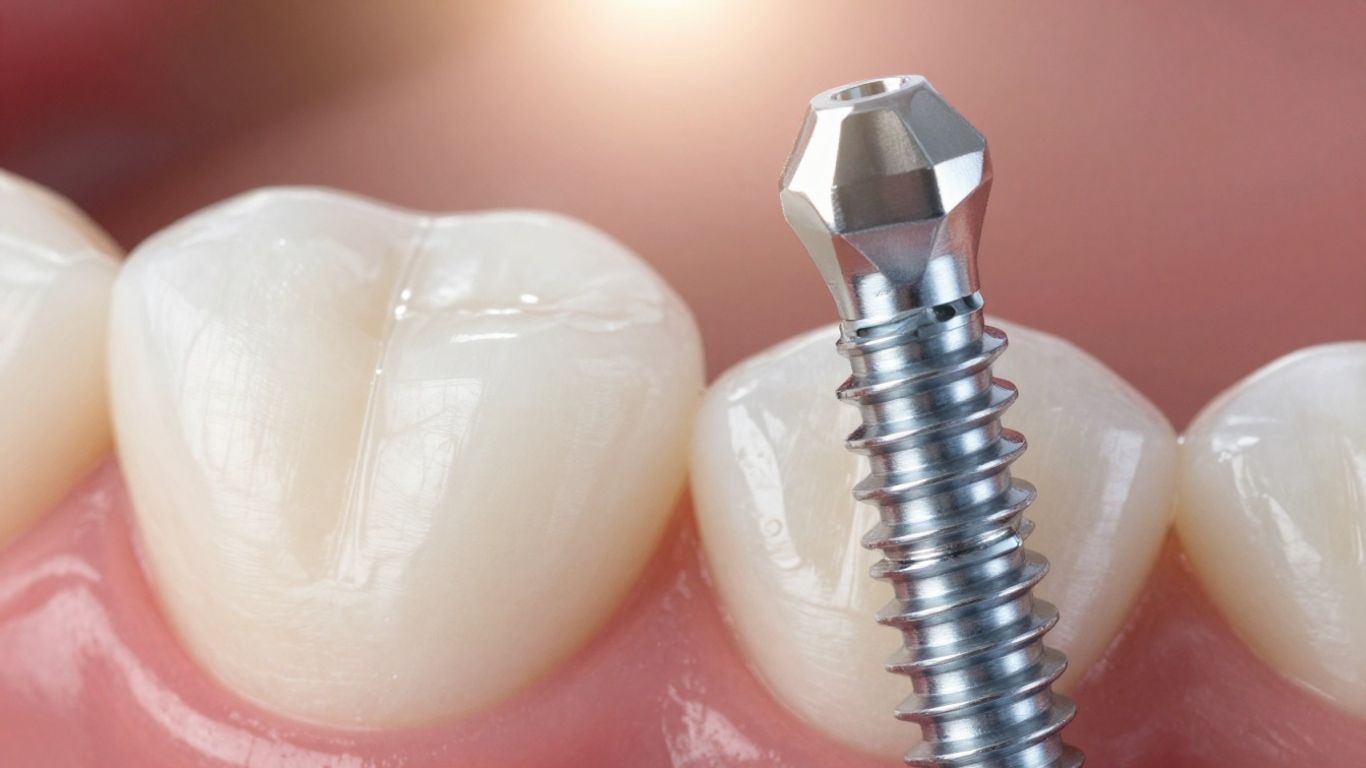
When thinking about dental implants in New Zealand, it's helpful to keep a few key points in mind. This guide has covered a lot, but here are the main things to remember as you consider your options.
Key Takeaways
- The cost of dental implants in NZ can vary widely based on the complexity of the procedure, the materials used, and the dentist's experience.
- Always look beyond the advertised price; understand what's included, such as the implant, abutment, crown, and any necessary procedures like bone grafting.
- Dental implants are a long-term solution, often lasting a lifetime with proper care, making them a worthwhile investment compared to temporary fixes.
- Explore all available financing options and insurance coverage to manage the upfront cost of dental implants.
- Consider the overall value, including improved chewing ability, speech, confidence, and prevention of future dental problems, not just the price tag.
Understanding Dental Implant Investment in New Zealand
So, you're thinking about dental implants, huh? It's a big decision, and let's be real, the cost is a major part of that. In New Zealand, getting a dental implant isn't exactly pocket change. We're talking about a significant investment in your smile and your overall health. It's not just about filling a gap; it's about restoring function, confidence, and potentially preventing bigger problems down the line. But what exactly goes into that price tag, and how does it stack up?
Factors Influencing Dental Implant Pricing
When you get a quote for a dental implant, it's not just a random number. Several things play a role in how much you'll end up paying. Think about it like building a house – you need good materials, skilled labour, and a solid plan. For implants, this translates to:
- The Implant Itself: The titanium post that goes into your jawbone. There are different brands and types, and some are more advanced (and costly) than others.
- The Abutment and Crown: This is the visible part of your new tooth. The materials used for the crown (like porcelain or zirconia) and how it's custom-made really affect the price.
- Surgical Complexity: If you need extra procedures like bone grafting because your jawbone isn't thick enough, that adds to the cost and time.
- The Clinic and Surgeon: A highly experienced specialist or a clinic with top-notch technology might charge more. It's about the expertise and the environment where the work is done.
- Diagnostic Tools: Things like 3D scans (CBCT) are pretty standard now for planning, and they're part of the overall cost.
The True Cost of Dental Implants: Beyond the Advertised Price
It's easy to see a price and think, "Okay, that's it." But with dental implants, there's often more to consider. Sometimes, the initial quote might not include everything. You might need follow-up appointments, special cleaning tools, or even adjustments down the road. It's always a good idea to ask for a breakdown of what's included and what's not. Understanding the full scope of the investment upfront can save you surprises later.
Sometimes, the cheapest option isn't always the best. It's important to balance cost with the quality of the clinic, the surgeon's qualifications, and the overall patient experience. A slightly higher price for a reputable clinic can lead to much better and more natural-looking results.
Comparing Global Dental Implant Expenses
New Zealand's dental implant costs can seem high when you look at what people pay in other countries. For instance, you might see significantly lower prices in places like Hungary or Mexico. This global difference is often due to variations in healthcare systems, lab costs, and general living expenses. While travelling for dental work is an option for some, it comes with its own set of considerations, like travel time, accommodation, and arranging follow-up care back home. The global market for dental implants is growing, showing a worldwide demand for these solutions [2d35].
Note: These are approximate conversions and can vary widely based on the clinic and specific procedures.
Comprehensive Dental Implant Procedures Explained
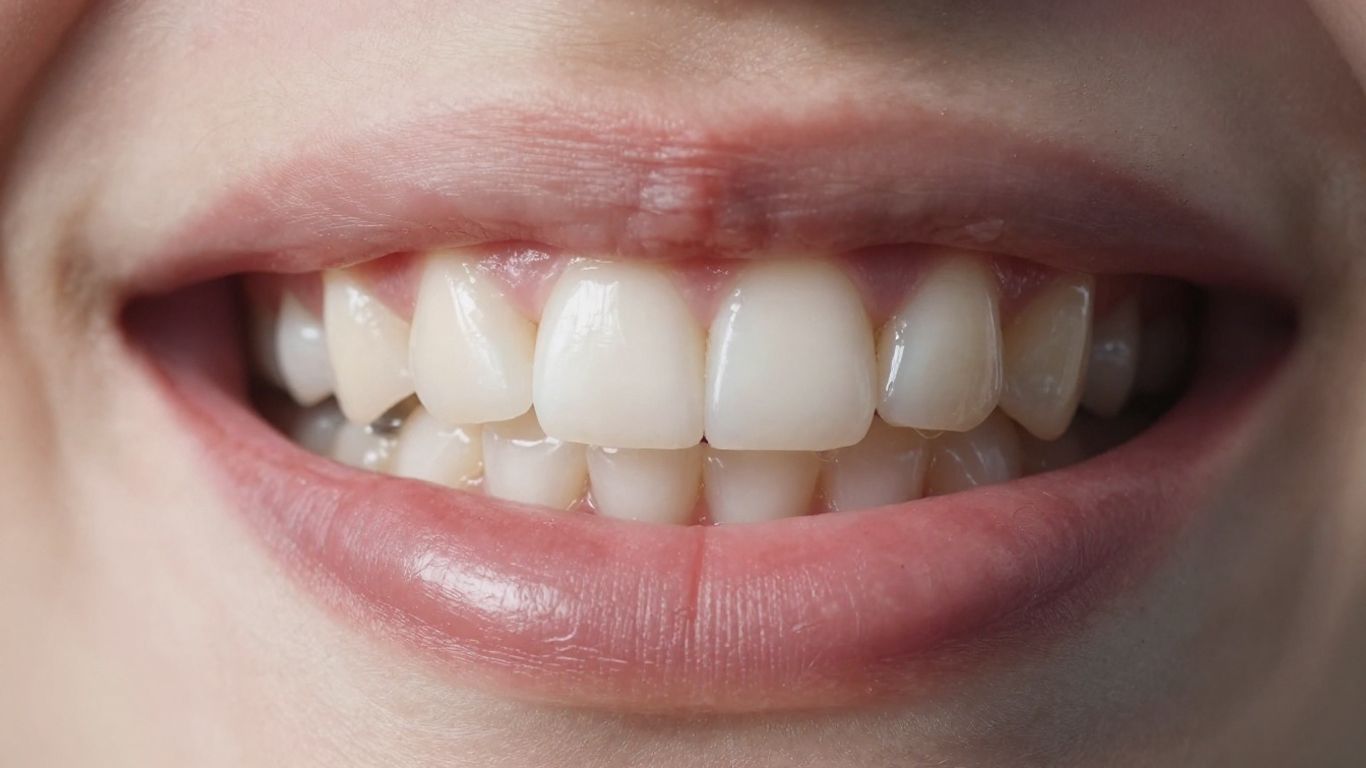
When you're looking at dental implants, it's helpful to know the different ways they can be used to fix your smile. It's not just one-size-fits-all, and understanding the specific procedures can make a big difference in what you expect.
The All-On-4 Dental Implant Process
This is a popular option for people who need to replace a full arch of teeth. The idea behind All-On-4 is pretty clever: they use just four strategically placed implants to support a whole new set of teeth. This often means you can avoid bone grafting, which is a big plus for many people. The process usually starts with a thorough check-up and planning, often using 3D imaging to get everything just right. Then, the implants are surgically placed. A big advantage is that often, a temporary set of teeth can be attached the same day, so you don't have to go without a smile while things heal. After a healing period of a few months for the implants to fuse with your jawbone, your permanent, custom-made bridge is fitted.
- Initial Consultation & Planning: Detailed assessment and 3D imaging.
- Implant Placement: Four implants are surgically inserted.
- Temporary Prosthesis: Often fitted on the same day.
- Osseointegration: A 3-6 month healing period.
- Permanent Bridge: Custom-made teeth are attached.
The All-On-4 system is designed to provide a stable, fixed solution that looks and feels natural, significantly improving your ability to eat, speak, and smile with confidence.
All-On-6: An Advanced Full-Arch Solution
Similar to All-On-4, the All-On-6 procedure also replaces a full arch of teeth, but it uses six implants instead of four. This can offer even more stability and support, especially for patients with moderate bone density or those who need maximum long-term durability. The steps are quite similar: consultation, precise planning with imaging, surgical placement of the six implants, and then a healing period. Finally, a custom permanent bridge is attached. This method distributes the load more evenly, which can be beneficial for the longevity of the restoration. It's a robust solution for extensive tooth loss, aiming to restore full function and aesthetics. You can find more details about dental implants in New Zealand if you're considering this path.
Single Tooth Replacement with Dental Implants
For just one missing tooth, a dental implant is a fantastic option because it acts like a natural tooth root. The process involves surgically placing a small titanium post into the jawbone where the tooth is missing. This post will eventually fuse with the bone, a process called osseointegration. Once that's healed, a connector piece called an abutment is attached to the implant. This small connector sits just above the gum line and is what the new artificial tooth, or crown, will attach to. The result is a replacement tooth that looks, feels, and functions just like your original, without affecting your neighboring teeth. It's a durable, long-term solution that also helps prevent bone loss in the jaw.
Key Considerations for Your Dental Implant Journey
Embarking on the path to dental implants involves more than just the procedure itself. It's a journey that requires careful thought and preparation to ensure the best possible outcome. Understanding the factors that influence your suitability and the long-term success of your implants is super important.
Assessing Candidacy for Dental Implants
Not everyone is an immediate candidate for dental implants, and that's okay. The first step is a thorough check-up with your dentist. They'll look at your overall health, paying close attention to your gums and jawbone. Sufficient healthy bone is absolutely critical for an implant to integrate properly. If your bone density isn't quite there, don't despair – there are solutions.
Here’s what dentists typically assess:
- Oral Health: The condition of your existing teeth and gums. Any signs of gum disease need to be addressed first.
- Jawbone Density: X-rays or 3D scans help determine if your jawbone can support the implant post.
- Overall Health: Certain medical conditions, like uncontrolled diabetes, or habits like heavy smoking, can affect healing and implant success.
- Oral Hygiene Habits: A commitment to good daily cleaning is vital for long-term implant health.
Your dentist will conduct a detailed examination, which might include imaging like CT scans, to get a clear picture of your bone structure and plan the implant placement precisely. This initial assessment is key to a successful treatment.
The Role of Bone Grafting in Implant Success
Sometimes, the jawbone just isn't thick or dense enough to hold an implant securely. This is where bone grafting comes in. It's a common procedure where bone material is added to the jawbone to create a stable base. Think of it like building a strong foundation before constructing a house.
- Procedure: Bone grafting can involve using bone from another part of your body, a donor, or synthetic materials. It's surgically placed where needed.
- Healing Time: After grafting, there's a healing period, usually several months, to allow the new bone to fuse with your existing jawbone.
- Impact on Timeline: Bone grafting adds time to the overall implant process, but it's often necessary for long-term implant stability and success. It’s a vital step for many patients seeking dental implants.
Long-Term Care and Maintenance of Dental Implants
Getting implants is a significant step, but the journey doesn't end with surgery. Proper care afterward is what makes them last. Just like your natural teeth, implants need attention to stay healthy and functional for years, potentially a lifetime.
- Daily Hygiene: Brush twice a day and floss daily. Special tools like interdental brushes or water flossers can be helpful.
- Regular Dental Visits: Keep up with your scheduled check-ups and cleanings. Your dentist will monitor the implant, surrounding gums, and overall oral health.
- Lifestyle Choices: Avoiding smoking and limiting excessive alcohol consumption can significantly contribute to the longevity of your implants.
Following these steps helps prevent complications like peri-implantitis, an inflammation that can affect the bone around the implant. It’s all about maintaining that healthy environment for your new smile.
Exploring Alternative Tooth Replacement Options
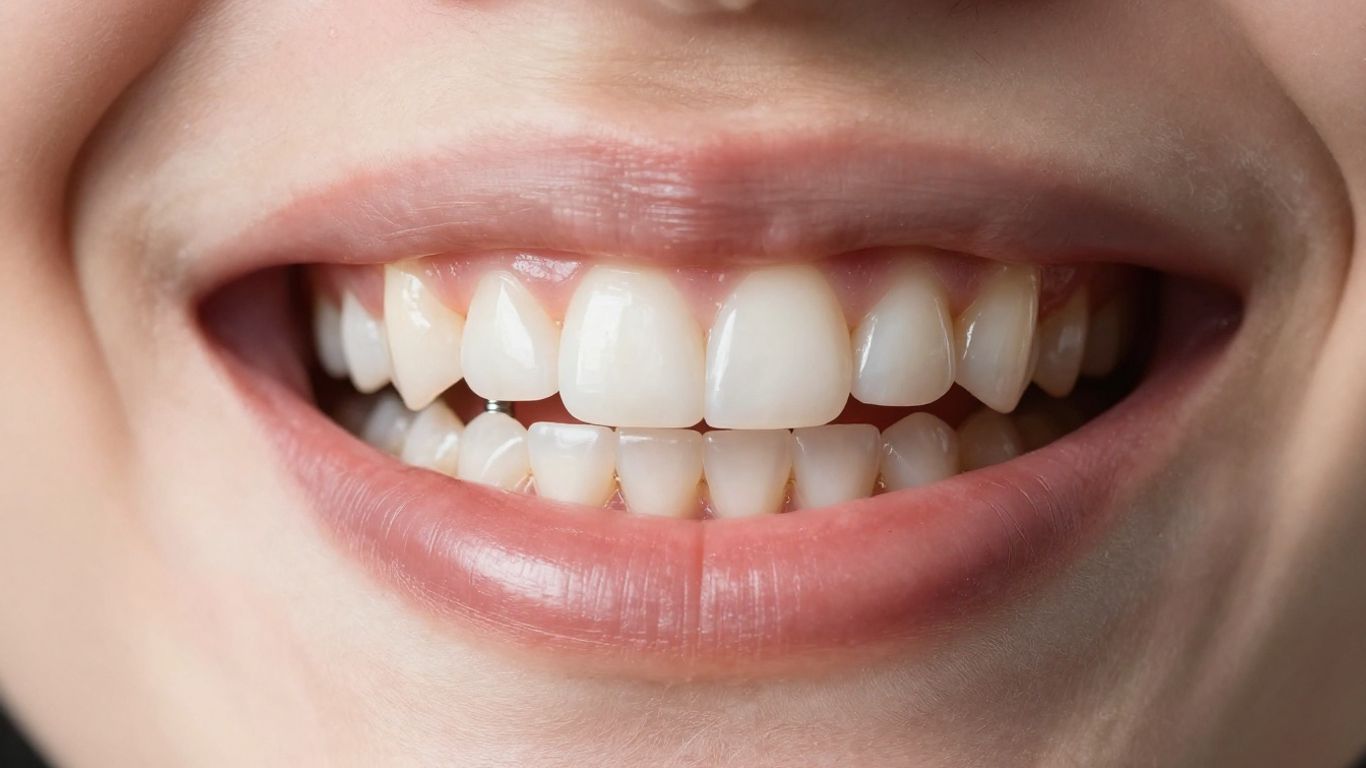
When you’re missing a tooth or two, dental implants are usually at the top of the list, but they’re not the only path out there. Sometimes, your dentist might recommend one of a few alternative methods—like bridges, crowns, or even a cosmetic tweak—based on your needs, budget, or the health of your remaining teeth. If you're feeling unsure, it helps to know what each option really involves and which trade-offs come with them.
Dental Bridges: Functionality and Longevity
Dental bridges fill the gap by anchoring an artificial tooth (or teeth) to the healthy teeth on either side. They're a more affordable and faster solution than a dental implant, and work well when your adjacent teeth are strong enough to carry the load.
Key points about bridges:
- They're suitable for replacing one or several teeth in a row.
- The neighboring teeth need reshaping to anchor the crowns that hold the bridge in place.
- Bridges usually last 7–15 years, depending on oral hygiene and choice of materials.
Here's a quick comparison:
While bridges look and feel natural, keep in mind that you’ll need to clean extra carefully underneath and around them to prevent gum disease.
Cosmetic Dentistry Enhancements
Not every gap or tooth problem needs a full replacement; sometimes, it’s more about the look. Cosmetic dentistry is a broad field—think veneers for chipped edges, whitening for a brighter smile, or bonding for small cracks and gaps.
Common cosmetic enhancements include:
- Teeth whitening – Safe and fast for stained or yellow teeth.
- Veneers or bonding – Covers chips, worn edges, or gaps.
- Recontouring – Subtle reshaping for symmetry.
For those not keen on surgery, these treatments can still make a noticeable difference—without much recovery time or strain on your budget.
Dental Crowns: Restoring Tooth Structure and Appearance
If a tooth is badly decayed or cracked but still has a solid root, a crown might be the ticket. A crown is a custom cap that protects what’s left of your tooth and brings back its normal look and strength.
Considerations with crowns:
- They’re great after large fillings or root canals when teeth lose strength.
- Crowns can be made from materials like porcelain, ceramic, metal, or even a mix.
- Expect crowns to last 10–15 years with good care.
You might go for a crown if a bridge feels too invasive, or if the tooth is still healthy enough to avoid extraction. Crowns are also used to top off dental implants, restoring that natural feel and bite.
Crowns offer a strong, realistic solution for damaged teeth but require that you keep up your brushing and annual dental visits, or you might run into trouble with the tooth underneath.
So, while dental implants are the gold standard for many, options like bridges, crowns, and cosmetic fixes still have their place. Your dentist can help lay out all the choices based on what’s possible for your mouth, your budget, and your lifestyle.
Navigating the Financial Landscape of Dental Implants
Okay, so we've talked about what implants are and why you might want them. Now, let's get down to the nitty-gritty: the cost. It's a big chunk of change, no doubt about it, and figuring out how to manage it can feel overwhelming. But don't worry, there are ways to make it work.
Insurance Coverage and Financing Options
First things first, check your dental insurance. While many insurance plans in New Zealand don't fully cover implants because they're often seen as cosmetic, some might chip in, especially if the implants are needed for medical reasons, like after an accident or significant tooth loss. It's always worth a call to your provider to see what your specific plan allows. Don't just assume they won't cover anything; you might be surprised.
Beyond insurance, most dental clinics offer financing options. These can be lifesavers, allowing you to spread the cost over several months or even years. Think of it like a car loan, but for your teeth. You'll want to compare interest rates and repayment terms from different providers to find the best fit for your budget. Some clinics even have in-house payment plans, which can sometimes be more flexible.
Here's a quick look at common financing avenues:
- Dental Payment Plans: Offered directly by the dental practice, often with interest-free periods.
- Third-Party Financing: Companies like Q Card or Latitude Financial Services specialize in personal loans for various needs, including medical and dental procedures.
- Personal Loans: You can always explore getting a personal loan from your bank, though interest rates might be higher.
- Superannuation Withdrawals: In certain circumstances, you might be able to access some of your superannuation funds for necessary medical procedures. This is a complex area, so you'd need to check the specific rules and eligibility criteria.
Understanding All-Inclusive Dental Packages
Some clinics, especially those that handle a lot of implant work, might offer what they call
The Value Proposition of Dental Implants
So, you're thinking about dental implants, huh? It's a big decision, and honestly, a pretty significant investment. But when you really break it down, the value you get from them is pretty remarkable. They're not just about filling a gap; they're about restoring so much more.
Are Dental Implants a Worthwhile Investment?
Let's be real, the upfront cost can make anyone pause. But think about it this way: dental implants are designed to be a permanent solution. Unlike dentures that might need replacing or bridges that have a lifespan, implants, with good care, can genuinely last a lifetime. That's a pretty compelling long-term value. They also help keep your jawbone healthy, which is something other options just can't do. Losing teeth can lead to bone loss, and that can change the shape of your face over time. Implants help prevent that, keeping your natural facial structure intact. Plus, they function just like your natural teeth, so you can eat, speak, and smile without a second thought. It's about regaining that lost confidence and comfort.
Longevity and Durability of Dental Implants
When we talk about durability, dental implants really shine. The titanium post that goes into your jawbone fuses with it over time, becoming incredibly stable. Studies show that implants have really high success rates, often in the 95-98% range for the first five years, and many studies go out over 20 years showing they hold up well [1d4e]. The implant post itself is designed to last indefinitely. The crown, the visible tooth part, might need replacing after 10-15 years due to normal wear and tear, but that's still a very long time. This means you're not looking at repeat procedures every few years like you might with other solutions.
Here’s a quick look at how they stack up:
Improving Quality of Life with Dental Implants
This is where the real value hits home. Missing teeth can really impact your daily life. It's not just about how you look; it's about what you can eat and how you feel. With implants, you get that natural chewing ability back. Think about enjoying your favorite steak or crunchy apple without worry. You can speak clearly, laugh freely, and smile with confidence. Many patients report a huge boost in their self-esteem and overall happiness after getting implants. It's a restoration that goes beyond just teeth; it's about restoring your ability to fully enjoy life [a352].
The investment in dental implants pays dividends not just in oral health, but in the confidence and comfort that allow you to engage more fully with the world around you. It's a choice for long-term well-being and a restored sense of self.
Conclusion
Dental implants represent a significant investment in your oral health and overall well-being. While the initial cost might seem high, understanding the factors that influence pricing, exploring financing options, and considering the long-term benefits like durability and improved quality of life can help you make an informed decision. By carefully weighing the cost dental implants NZ offers against the value they provide, you can confidently pursue a healthier, more confident smile for years to come.
Frequently Asked Questions
How much do dental implants typically cost in New Zealand?
The price for a single dental implant in NZ can range quite a bit, but you're often looking at around $6,000. This usually covers both the surgery to place the implant and the final crown that sits on top. It's best to get a specific quote from your dentist.
What factors affect the price of dental implants?
Several things can change the cost. If you need extra work like bone grafting because your jawbone isn't strong enough, that adds to the price. The type of implant and the crown material also play a role. Plus, where you get the treatment done and the dentist's experience can make a difference.
Are there hidden costs with dental implants?
Sometimes! It's super important to ask what's included. Some places might advertise a low price for just the implant itself and then charge extra for the part that connects to the crown (the abutment) and the crown itself. Always ask for the total cost upfront.
How long do dental implants last?
Dental implants are built to last. The titanium post that goes into your jawbone can actually last a lifetime if everything goes well. The crown on top might need replacing after about 10 to 15 years because of normal wear and tear, but the implant itself is usually permanent.
Can I get dental implants if I'm missing many teeth?
Yes, you can! For people missing a lot of teeth, there are options like All-On-4 or All-On-6. These use fewer implants to support a full set of replacement teeth for an entire arch. It's a more involved process but can give you a full, stable smile back.
Does insurance cover dental implants in NZ?
It really depends on your insurance plan. Often, dental implants are seen as a cosmetic procedure, so they might not be covered. However, if the implants are needed for medical reasons, like after an accident or to fix a serious problem, some insurance might help pay for part of it. You'll need to check with your insurance provider.



International Standards.
Brazilian Mastery.
Aesthetica Medical Travel Facilitators, LLC is an international care coordination company registered in Wyoming, United States. We provide services for the promotion and support of medical service providers, including physicians worldwide (“medical service providers”). These services are made available through Aesthetica’s website, and the same privacy terms also apply to the Aesthetica Advisor Program (the “application/platform”), created and operated by Aesthetica. Aesthetica is solely responsible for controlling and processing the information obtained via the platform or through other communications between users, businesses, hospitals, clinics, or third parties and members of the Aesthetica service team (the “Service Team”). Our services may include non-clinical care coordination for patients worldwide seeking elective procedures abroad, including provider matching, travel logistics, and administrative support throughout the care journey. Additional services or add-ons may be offered depending on the selected scope. Post-operative care is typically conducted in the destination country where the procedure is performed. Additional coordination or administrative support in the patient’s country of origin may be available separately, subject to scope and availability. Aesthetica may engage third-party service providers, partners, or affiliated entities to support its operations, including data processing and service delivery. Information may be shared with such parties solely as necessary to provide the services described. Our operations follow strict standards of transparency, privacy protection, and regulatory compliance. Testimonials reflect individual experiences and do not guarantee future results. By using Aesthetica’s services or platform, users acknowledge and agree to these terms and understand the limited, non-clinical role of Aesthetica in the care journey. For more information about our policies or compliance framework, please contact our support team.