
Effective Hair Loss Treatment for Men: Top Options for 2026
Losing hair can be a real bummer, right? If you're noticing more hair in the shower or a hairline that's creeping back, you're definitely not alone. Lots of guys deal with this. The good news is, there are actual, working ways to slow things down or even get some hair back. We've looked into a bunch of options for hair loss treatment for men, picking out the ones with ingredients that are proven to work. We'll break down what you can expect and help you figure out which approach might be best for you. Just remember, most of these things take time and you have to stick with them to see results.
Key Takeaways
- For hair loss treatment for men, consistent use of proven ingredients like minoxidil and finasteride is key for seeing results over several months.
- Many effective treatments are now accessible through telehealth, making it easier to get the right product without an in-person visit.
- Choosing a treatment that fits your daily routine, whether it's a topical application or a daily supplement, is important for long-term success.
- While new treatments are emerging, established options like minoxidil and finasteride, along with surgical procedures, remain the foundation for most hair restoration plans.
- Always talk to a doctor or healthcare professional before starting new treatments, especially those with active ingredients, to ensure they're right for your specific situation.
1. Hims Topical Minoxidil Solution
When you're looking for a straightforward way to tackle hair thinning, Hims Topical Minoxidil Solution is a solid choice. It's designed for men dealing with early to moderate hair loss, and it's pretty easy to incorporate into your daily routine. The main ingredient here is 5% minoxidil, which is a well-known player in the hair regrowth game. It works by increasing blood flow to your scalp, waking up those dormant hair follicles and encouraging them to grow thicker, stronger hair.
This solution is a trustworthy option for men wanting to take charge of their hair loss. It comes in a convenient subscription model, so you don't have to worry about running out. You'll typically apply it directly to your scalp, usually twice a day, though some find once a day works for them. Consistency is key, though; you won't see results overnight. It often takes a few months of regular use to notice a real difference.
Here’s a quick rundown of what to expect:
- Active Ingredient: 5% Minoxidil
- How it Works: Stimulates hair follicles by increasing scalp blood flow.
- Best For: Men with mild to moderate hair thinning.
- Application: Topical solution, typically applied twice daily.
- Timeline for Results: Several months of consistent use.
While it's generally well-tolerated, some people might experience mild scalp irritation or dryness. It's always a good idea to follow the instructions carefully. For many, the benefits of reactivated follicles and a fuller head of hair make it a worthwhile part of their grooming regimen. It's a popular pick because it's a clinically proven treatment that's readily available. You can find out more about Hims' telehealth hair loss treatments and how they approach solutions like this.
2. Happy Head TopicalRx Solution + SuperCapsule
Happy Head offers a pretty comprehensive approach to tackling hair loss, combining a custom topical serum with a daily oral capsule. It's designed for guys who are really serious about getting their hair back and want something that feels like it's coming straight from a clinic, but you can do it all from home. They really focus on a dual-action strategy: blocking DHT, which is a major player in male pattern baldness, and then giving your hair follicles a good boost to encourage regrowth.
What sets Happy Head apart is how they tailor the treatment. Based on your specific hair loss situation, they can customize the ingredients. The topical solution might include things like dutasteride (a strong DHT blocker) and minoxidil (known for stimulating hair growth), sometimes even with retinoic acid and hydrocortisone to help things absorb better and calm the scalp. Then, the SuperCapsule packs in more dutasteride, minoxidil, and vitamin D3 to work from the inside out. This combination aims to hit hair loss from multiple angles.
Here’s a quick look at what you might find in their system:
- TopicalRx Solution: Can contain dutasteride (0.3%), minoxidil (up to 8%), retinoic acid, and hydrocortisone.
- SuperCapsule: Includes dutasteride, minoxidil, and vitamin D3.
It’s definitely a more involved routine than just using a single product, and since it’s prescription-only, there's an online consultation involved. Some users might experience initial shedding or scalp irritation when they first start using the topical solutions, which is something to be aware of. The higher concentrations, like the up to 8% minoxidil, are potent and aim for strong results, but that also means paying attention to potential side effects.
This kind of all-in-one system is a big step up from basic treatments. It’s for someone who’s tried other things and wants a more aggressive, doctor-backed plan without the hassle of frequent clinic visits. The idea is to get prescription-strength medication delivered right to your door, customized for your needs.
3. Ro Mane Spray
Ro Mane Spray is a prescription-only treatment that packs a punch. It's a 3-in-1 topical spray designed for men dealing with hair loss. What makes it stand out is its combination of ingredients: finasteride, minoxidil, and tretinoin. Finasteride is known for blocking DHT, a hormone linked to male pattern baldness. Minoxidil is that classic ingredient that helps stimulate hair growth, and tretinoin is added to help your scalp absorb the other two ingredients better. This spray is a good option if you're looking for a straightforward, once-daily application.
Getting started with Ro Mane Spray involves an online consultation. You'll fill out a questionnaire about your health and hair loss, which usually takes about 15 minutes. After that, a healthcare professional will review it and determine if the spray is right for you. It's a bit different from just picking something off the shelf, but it ensures you're getting a treatment tailored to your needs.
Here’s a quick look at what’s inside:
- Finasteride: Blocks DHT, a key hormone in male hair loss.
- Minoxidil: Stimulates hair follicles to encourage regrowth.
- Tretinoin: Helps improve the absorption of finasteride and minoxidil.
The spray format is pretty convenient, especially if you have a busy schedule. Instead of a multi-step routine, you just apply the spray once a day. It's designed to be a practical yet effective way to tackle thinning hair directly at the scalp.
When it comes to application, it's a fine-mist spray. Some users have noted it can feel a bit oily and leave a slight residue after rubbing it in, but it's generally unscented or has a very faint alcohol smell. It's definitely a different feel compared to some other topical treatments, but many find the ease of use a big plus. You can find out more about prescription hair loss treatments on the Ro website.
4. Nutrafol Men’s Hair Growth Nutraceutical
Nutrafol Men's Hair Growth Nutraceutical is a daily supplement that takes a different approach to tackling hair thinning. Instead of just focusing on one thing, it aims to address multiple internal factors that can contribute to hair loss in men. Think of it as a more holistic way to support your hair from the inside out. It's a drug-free option for guys who prefer not to use topical treatments or prescription medications.
This supplement is packed with a blend of ingredients. You'll find things like saw palmetto, which is known to help with DHT levels, and Sensoril ashwagandha, an adaptogen that can help your body manage stress. It also includes marine collagen, curcumin, and a tocotrienol complex, along with a mix of vitamins, minerals, and plant extracts. The idea is to hit hair thinning from several angles at once – hormones, stress, and nutrition.
Here's a quick look at what's inside:
- Saw Palmetto: Helps to block DHT, a hormone linked to male pattern baldness.
- Sensoril Ashwagandha: An adaptogen that helps the body cope with stress, which can be a hair loss trigger.
- Marine Collagen: Provides amino acids that are building blocks for hair.
- Tocotrienol Complex: A form of Vitamin E that acts as an antioxidant.
Taking four capsules daily with food is the recommended routine. While it's an over-the-counter option, it's worth noting that results typically take about three to six months to become noticeable. It's a commitment, but for those looking for a comprehensive, internal approach to hair health, Nutrafol is definitely worth considering. You can find out more about how it compares to other options here.
This supplement is designed for men who want to support hair growth by addressing underlying issues like stress and hormonal balance. It's not a quick fix, but rather a long-term strategy for improving hair health from within. The daily regimen involves taking multiple capsules, so consistency is key to seeing any potential benefits over time.
5. Finasteride
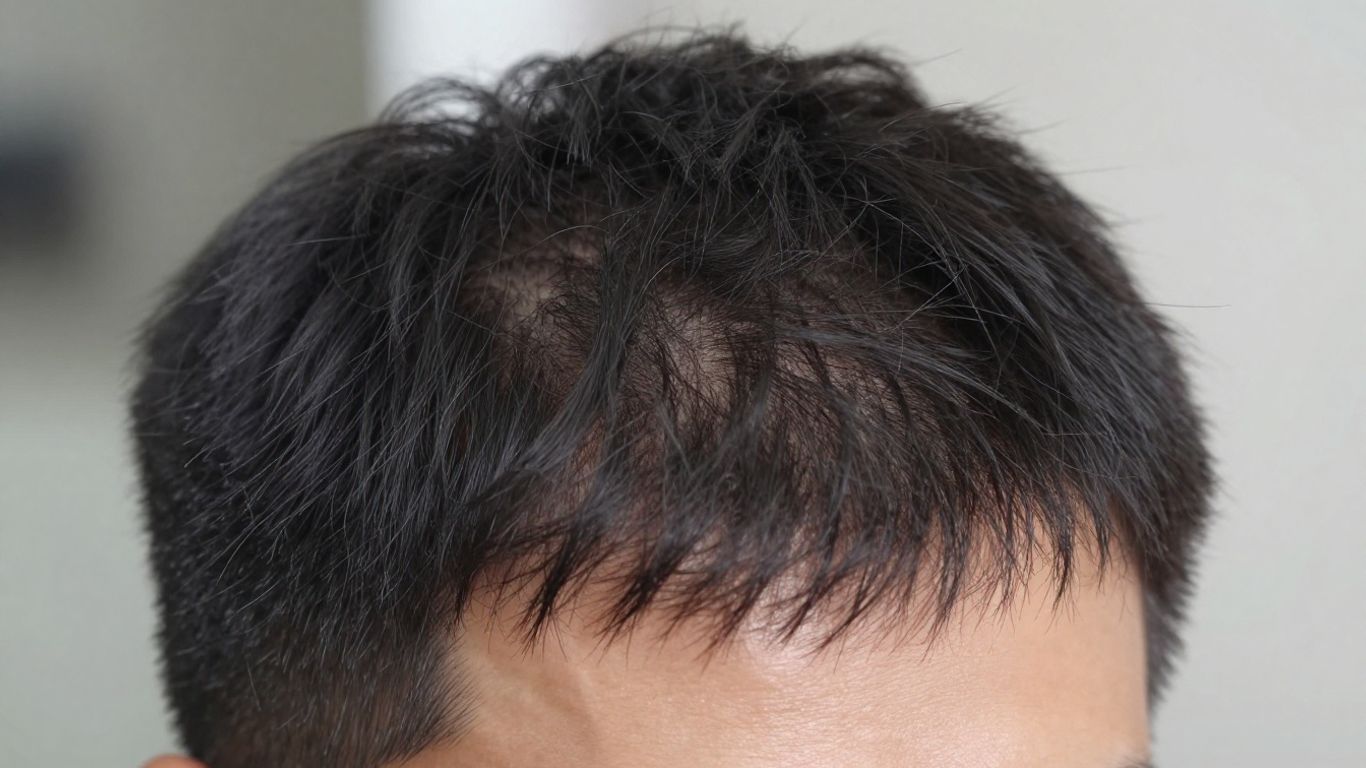
Finasteride is a prescription medication that's been around for a while, and it's a pretty big name in the hair loss world for men. It works by targeting a specific hormone in your body, dihydrotestosterone (DHT), which is a major player in male pattern baldness. By blocking the enzyme that converts testosterone into DHT, finasteride can help slow down hair thinning and, for some guys, even encourage regrowth. It's often considered a go-to treatment because it's been studied extensively and is generally seen as effective.
When it comes to how you take it, finasteride is typically available as an oral pill. You'll usually take one milligram a day. It's not an overnight fix, though. You'll likely need to be consistent for several months before you start noticing any real changes. Some studies suggest that topical finasteride versions might offer similar benefits with less systemic exposure, but the oral form is the most established for male pattern hair loss.
Here's a quick look at what to expect:
- Mechanism: Inhibits the conversion of testosterone to DHT.
- Form: Usually an oral tablet.
- Timeline: Results can take 3-6 months or longer to become apparent.
- Effectiveness: Proven to slow hair loss and can promote regrowth in many men.
It's important to know that, like any medication, finasteride can have side effects. While many men tolerate it well, some might experience things like a decreased libido or issues with sexual function. These side effects don't happen to everyone, and for many, the benefits for hair loss outweigh these potential downsides. It's always best to chat with your doctor about your specific situation and any concerns you might have before starting finasteride. They can help you weigh the pros and cons and decide if it's the right choice for you. Remember, this medication is specifically approved for male pattern hair loss.
Finasteride has been a cornerstone treatment for male pattern baldness for years. Its ability to reduce DHT levels makes it a powerful tool for combating hair thinning. While side effects are possible, they are not universal, and ongoing research continues to explore its full potential and safety profile.
6. Minoxidil
Minoxidil is a pretty well-known name when it comes to hair loss treatments for guys. You might recognize it as the active ingredient in Rogaine, and it's available over-the-counter, which makes it super accessible. Basically, it works by increasing blood flow to your scalp. Think of it like giving your hair follicles a little boost of energy. This increased circulation can help wake up dormant follicles and encourage new hair growth, while also potentially slowing down thinning.
It's not a magic bullet, and you won't see results overnight. Consistency is key here. Most people need to use it for several months before they start noticing a difference. And yeah, sometimes it can cause a bit of dryness or irritation on the scalp, so keep that in mind.
Here's a quick rundown of what to expect:
- Effectiveness: Clinically proven to help regrow hair and slow thinning.
- Application: Typically applied twice daily to the scalp.
- Timeline: Results usually take 3-6 months of consistent use.
- Availability: Available over-the-counter (OTC) in various strengths, like 5% solutions.
While minoxidil is a solid choice for many, it's important to manage expectations. It works differently than some other treatments, focusing on circulation rather than hormonal changes. This means it can be a great option for men whose hair loss isn't solely driven by genetics or DHT sensitivity.
It's a good idea to look for products with FDA-approved ingredients and be wary of anything that sounds too good to be true. If you're experiencing increased shedding when you first start using it, don't freak out – that's often a sign it's working and your hair is cycling through. Just stick with it, and if you have any worries, chat with a doctor.
7. Dutasteride
Dutasteride is a medication that's often talked about when discussing serious hair loss treatments. It works by inhibiting two types of an enzyme called 5-alpha reductase, which is key in converting testosterone to dihydrotestosterone (DHT). DHT is the main culprit behind male pattern baldness, so blocking it can really help slow down hair loss and even encourage regrowth.
It's a more potent DHT blocker than finasteride.
When you compare it to finasteride, dutasteride generally shows stronger results in studies. For instance, one study found that men using dutasteride saw nearly three times the hair density compared to those on a placebo after just six months. This medication is available by prescription only, and it's usually prescribed when other treatments haven't been as effective as hoped. It's important to discuss the potential side effects with your doctor, as with any prescription medication.
Here's a quick look at how it stacks up:
- Mechanism: Inhibits 5-alpha reductase types I and II, significantly reducing DHT levels.
- Effectiveness: Often shows greater hair density increases than finasteride in clinical trials.
- Availability: Prescription-only.
- Considerations: Potential side effects should be discussed with a healthcare provider.
While dutasteride is a powerful tool for combating hair loss, it's not a magic bullet. Its effectiveness can vary from person to person, and it requires consistent use to maintain results. Always consult with a doctor to see if it's the right choice for your specific situation and to understand the full picture of potential outcomes and risks.
Some men might find that a combination approach works best. For example, the Happy Head TopicalRx Solution + SuperCapsule includes dutasteride, aiming for a comprehensive attack on hair loss from multiple angles. This kind of multi-faceted treatment is becoming more common as we learn more about the complex nature of hair loss. If you're considering dutasteride, it's worth exploring all your options, including how it might fit into a broader hair restoration plan.
8. Olumiant
Olumiant, also known by its generic name baricitinib, is a medication that's making waves, not just for rheumatoid arthritis and COVID-19, but also for certain types of hair loss, particularly alopecia areata. It's a type of drug called a JAK inhibitor. Basically, it works by calming down your immune system's overreaction, which is what causes hair follicles to be attacked in conditions like alopecia areata.
This medication is a prescription-only tablet approved for adults 18 and older. While it can lead to noticeable hair regrowth for some, it's important to know that its effectiveness can vary. Doctors often consider it a promising option when other treatments haven't quite hit the mark.
Here's a quick look at what you might expect:
- Mechanism: It targets the JAK-STAT signaling pathway to reduce inflammation.
- Conditions Treated: Primarily alopecia areata, but also rheumatoid arthritis and COVID-19.
- Administration: Taken orally as a tablet.
It's worth noting that Olumiant, like many powerful medications, isn't without its potential downsides. Doctors will typically screen you for conditions like tuberculosis before starting treatment because the drug can increase your susceptibility to infections. It's always best to have a thorough discussion with your healthcare provider about the risks and benefits specific to your situation. You can find more information about its use in treating alopecia areata here.
While Olumiant shows potential, especially for those dealing with alopecia areata, it's not a one-size-fits-all solution. The results can be inconsistent, and it's not typically the first line of defense for common male pattern baldness. Research is ongoing to fully understand its long-term efficacy and safety profile across different uses [cc59].
9. Breezula
Breezula is a topical treatment that's been getting some attention for its potential to combat hair loss. It's essentially a DHT blocker that works directly on the scalp. Unlike some oral medications that can have effects throughout the body, Breezula aims to target the problem area specifically. The active ingredient, clascoterone, is a type of medication that inhibits androgen receptors. This means it can help reduce the impact of hormones like DHT, which are known to shrink hair follicles and lead to male pattern baldness.
The idea behind Breezula is to offer a more localized approach to managing hair loss.
Clinical trials have shown some promising results. For instance, a 12-month study indicated a significant increase in hair count for participants using clascoterone compared to a placebo group. The reported increase in Target Area Hair Count (TAHC) was quite notable, suggesting it could be a viable option for those looking to regrow hair. While it's not a magic bullet, it's definitely one of the more advanced topical treatments being explored.
Breezula is still considered investigational in the U.S. and Europe, with regulatory submissions underway. This means it's not yet widely available, but it's on the horizon as a potential new treatment.
It's worth noting that clascoterone has also been approved for treating acne, which gives some insight into its mechanism of action on the skin. For hair loss, the focus is on its ability to block DHT's effects right at the follicle. As research continues, Breezula could become a significant addition to the lineup of hair loss treatments for men.
10. Saw Palmetto
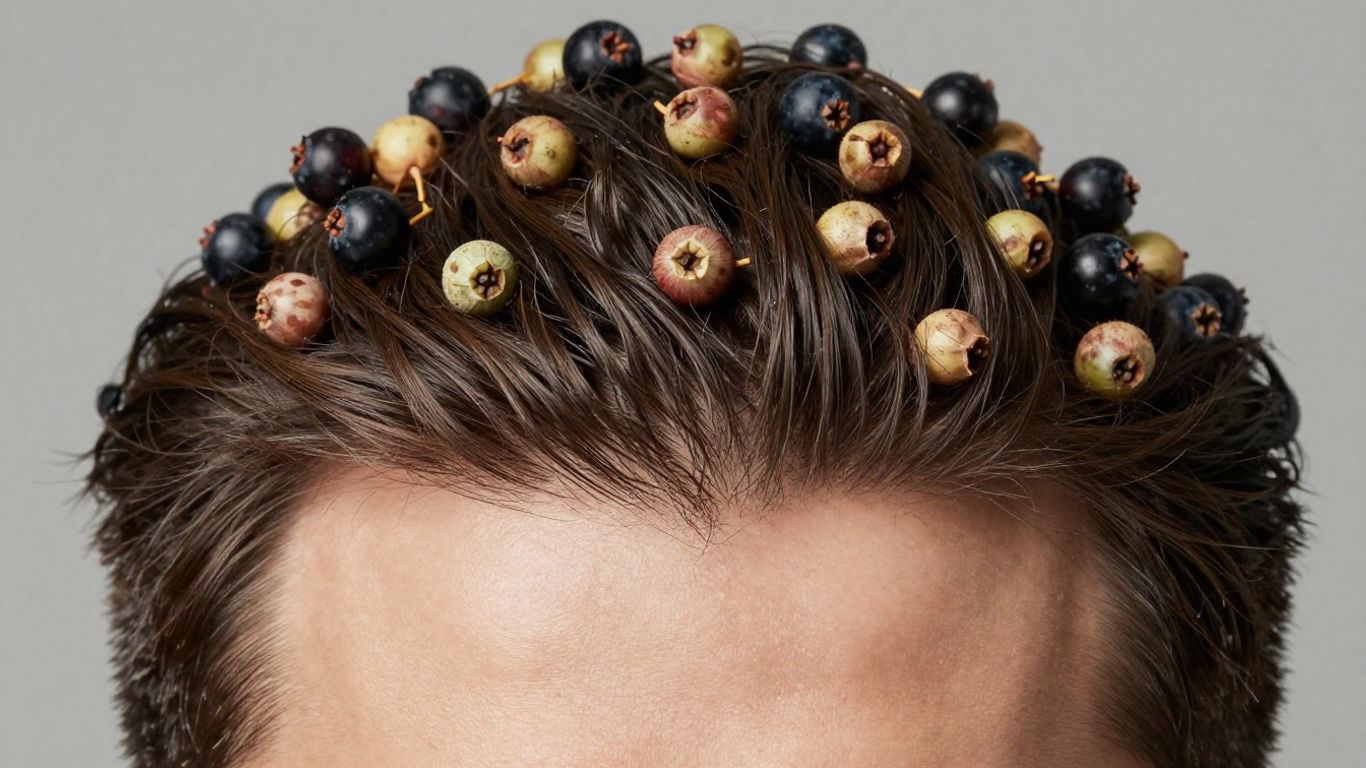
Saw palmetto is a small palm tree native to the southeastern United States. Its berries have been used for a long time in traditional medicine, and more recently, they've caught the eye of researchers looking into natural ways to help with hair loss. The idea is that saw palmetto might help block an enzyme called 5-alpha-reductase. This enzyme is involved in converting testosterone into dihydrotestosterone (DHT), a hormone linked to male pattern baldness. By potentially reducing DHT levels, saw palmetto could help slow down hair thinning.
Many men are looking for gentler, more natural approaches to hair care, and saw palmetto fits that bill. It's often found in supplements and some topical hair products. Studies, though not as extensive as those for prescription drugs, have shown some promising results. For instance, a clinical trial indicated that a low dose of saw palmetto extract could significantly improve hair growth and reduce shedding. Some participants even saw noticeable changes within 90 days.
Here's a quick look at what saw palmetto might offer:
- Potential DHT Blocker: May help inhibit the enzyme responsible for converting testosterone to DHT.
- Natural Ingredient: Derived from a plant, making it an appealing option for those preferring natural remedies.
- Reduced Shedding: Some studies suggest it can lead to less hair falling out.
- Improved Growth: Early research indicates it might support hair regrowth.
While saw palmetto is generally considered safe, it's always a good idea to chat with your doctor before starting any new supplement, especially if you have existing health conditions or are taking other medications. It's often used as part of a broader hair health strategy, sometimes combined with other nutrients or treatments.
It's important to remember that natural remedies like saw palmetto often work best when used consistently over time. Don't expect overnight miracles, but with patience, you might see a positive difference in your hair's thickness and overall health. The research is still developing, but it's a popular choice for a reason.
Saw palmetto is a key ingredient in some popular hair growth supplements, like Nutrafol Men's Hair Growth Nutraceutical. Its inclusion highlights the growing interest in botanical ingredients for hair health.
Wrapping Up Your Hair Loss Journey
So, dealing with hair loss can be a real bummer, no doubt about it. But looking at all these options, it’s pretty clear you’re not stuck with just watching it happen. Whether you’re leaning towards a daily topical, a simple supplement, or something that needs a prescription, there’s a path forward. Remember, consistency is the name of the game here – these treatments take time to show what they can do. Don't expect miracles overnight, but stick with it, and you might just be surprised by the results. It’s all about finding what fits your routine and your body best, and hey, taking that first step is half the battle.
Frequently Asked Questions
How long does it usually take to see results from hair loss treatments?
Patience is key! Most treatments for hair loss need time to work. You'll likely need to use them every day for at least three to six months before you start noticing thicker hair or less hair falling out. It’s a slow process, so stick with it!
What's the main reason men lose hair?
For most guys, it comes down to genetics. That means it's something you're born with. Hormones, like DHT, also play a big part in shrinking hair roots over time, leading to thinning hair and bald spots.
Are there treatments that don't need a doctor's visit?
Yes, absolutely! Many effective treatments are available over-the-counter, like minoxidil. Some companies also offer online consultations or telehealth services, making it easy to get a prescription or advice without leaving home.
Can I just use a thickening shampoo and expect hair to grow back?
Thickening shampoos can make your hair look fuller right away, which is great for appearance. However, they don't actually help hair grow back or stop hair loss in the long run. They're more for a temporary cosmetic boost.
What's the difference between Minoxidil and Finasteride?
Minoxidil, often found in products like Rogaine, helps by increasing blood flow to your scalp, which can encourage hair growth. Finasteride works differently by blocking a hormone called DHT, which is a common cause of hair loss in men. They can sometimes be used together.
Should I consider supplements for hair loss?
Supplements can be a helpful addition to your hair care routine, especially if you have vitamin or mineral deficiencies. They often contain things like biotin, zinc, and other nutrients that support healthy hair. However, they usually work best when combined with other treatments and aren't typically a primary solution on their own.



American Standards.
Brazilian Mastery.
Aesthetica Medical Travel Facilitators, LLC is an international care coordination company registered in Wyoming, United States. We provide services for the promotion and support of medical service providers, including physicians worldwide (“medical service providers”). These services are made available through Aesthetica’s website, and the same privacy terms also apply to the Aesthetica Advisor Program (the “application/platform”), created and operated by Aesthetica. Aesthetica is solely responsible for controlling and processing the information obtained via the platform or through other communications between users, businesses, hospitals, clinics, or third parties and members of the Aesthetica service team (the “Service Team”). Our services may include non-clinical care coordination for North American patients seeking elective procedures abroad, including provider matching, travel logistics, and administrative support throughout the care journey. Additional services or add-ons may be offered depending on the selected scope. Post-operative care is typically conducted in the destination country where the procedure is performed. Additional coordination or administrative support in the patient’s country of origin may be available separately, subject to scope and availability. Aesthetica may engage third-party service providers, partners, or affiliated entities to support its operations, including data processing and service delivery. Information may be shared with such parties solely as necessary to provide the services described. Our operations follow strict standards of transparency, privacy protection, and regulatory compliance. Testimonials reflect individual experiences and do not guarantee future results. By using Aesthetica’s services or platform, users acknowledge and agree to these terms and understand the limited, non-clinical role of Aesthetica in the care journey. For more information about our policies or compliance framework, please contact our support team.