
Discover the Best Hair Loss Treatment for Women in 2026
Dealing with hair loss can be a real downer, right? It affects so many women, and finding the right solution can feel like a maze. Whether you're noticing thinning hair, a receding hairline, or just less volume, there are tons of options out there. We've looked into what's available for 2026 to help you figure out the best hair loss treatment for women. From tried-and-true medications to newer therapies, let's explore what might work for you.
Key Takeaways
- Minoxidil and Finasteride are FDA-approved medications that can help slow hair loss and encourage regrowth, though they require consistent use.
- Spironolactone is often prescribed for women with hormonal hair loss, like that associated with PCOS.
- Nutrafol offers supplements designed to support hair health from within, targeting stress and nutritional factors.
- Brands like Hers, Happy Head, and Ro provide convenient, often subscription-based, topical and oral treatments tailored for women's hair loss.
- Advanced treatments like Platelet-Rich Plasma (PRP) therapy and Low-Level Laser Therapy (LLLT) offer non-surgical ways to stimulate hair follicles.
1. Minoxidil
Minoxidil is pretty much the household name when it comes to dealing with hair loss, especially for women. It’s the only FDA-approved over-the-counter treatment for female pattern hair thinning, and, to be honest, a lot of dermatologists recommend it first before moving on to anything more intense. Consistency in applying minoxidil is what really determines success. You usually apply it directly to your scalp twice a day, and yes, it comes in liquid and foam versions, with 2% and 5% strengths on the shelves.
Here’s a breakdown of what women often notice when using minoxidil:
A few things to keep in mind if you’re starting minoxidil:
- You might shed more hair in the first month or two, which really freaks some people out—but it’s actually a sign that dormant follicles are being kickstarted.
- Visible results aren’t fast. Most women start seeing improvement after six months, with the best outcome at about a year, so patience is non-negotiable. The American Academy of Dermatology Association recognizes these typical timelines (Minoxidil is a common treatment for female hair loss).
- If you stop using minoxidil, the gains usually go away and hair loss picks up again.
For women frustrated by gradual thinning, having a treatment you can pop into your daily routine without a prescription is a relief. Still, it’s not an overnight miracle—progress takes time, and missing applications can easily stall results.
If you’re considering minoxidil, check with your doctor, especially if you have sensitive skin or scalp conditions. But for many women looking for real hope in a bottle, minoxidil remains the first line of defense in 2026.
2. Finasteride
Finasteride is a prescription medication that's often talked about for hair loss, but it's important to know it's primarily approved and studied for men. It works by blocking an enzyme that converts testosterone into dihydrotestosterone (DHT). DHT is a hormone that can shrink hair follicles, leading to pattern baldness. By lowering DHT levels, finasteride can help slow down hair loss and, for some, even encourage regrowth.
While it's a well-established treatment for male pattern baldness, its use in women is more complex and generally not recommended, especially for those who are pregnant or could become pregnant, due to potential risks to a developing fetus. For women experiencing hair loss, particularly if it's related to hormonal factors, doctors might consider other medications like spironolactone, which acts as an antiandrogen. It's always best to discuss your specific situation with a healthcare provider to see if any prescription medication is appropriate for you.
The effectiveness of finasteride in women for hair loss is still being researched, and it's not FDA-approved for this use.
Here's a quick look at how it's generally understood:
- Mechanism: Inhibits the conversion of testosterone to DHT.
- Primary Use: Approved for male pattern hair loss.
- Considerations for Women: Generally not recommended due to potential risks, especially during pregnancy. Alternative treatments may be considered under medical supervision.
- Results Timeline: For men, noticeable results can take several months to a year with consistent use.
It's crucial to remember that any prescription medication comes with potential side effects and requires careful medical guidance. What works for one person might not work for another, and safety should always be the top priority when considering treatments for hair loss.
3. Spironolactone
Spironolactone is a medication that's often prescribed for women dealing with hair loss, especially when it's linked to hormonal issues. It works by blocking the effects of androgens, which are hormones that can shrink hair follicles and lead to thinning. This makes it particularly helpful for conditions like female pattern hair loss and hair thinning associated with PCOS.
This medication is taken orally and requires a prescription from a healthcare provider.
It's not a quick fix, so you'll likely need to use it consistently for several months before you start seeing noticeable results. Think around three to six months, give or take. Like any medication, spironolactone can have side effects. Some common ones might include increased urination, dizziness, or changes in your menstrual cycle. Less common but more serious side effects can occur, so it's really important to discuss any concerns with your doctor. They can help you weigh the potential benefits against the risks and determine if it's the right choice for your specific situation. It's also worth noting that spironolactone is effective for hormonal conditions such as acne and hirsutism, in addition to hair loss [ef2c].
Here's a quick look at what to expect:
- How it works: Blocks androgen hormones that contribute to hair loss.
- Best for: Hormonal hair loss, PCOS-related thinning.
- Time to see results: Typically 3-6 months of consistent use.
- Key considerations: Prescription required, potential side effects exist [ac04].
It's crucial to remember that spironolactone is a prescription medication. Self-treating or using it without medical supervision isn't recommended. Your doctor will guide you on the correct dosage and monitor your progress to ensure it's working safely and effectively for you.
4. Nutrafol
Nutrafol is often picked by women who are dealing with mild to moderate hair thinning and want something that's easy to add into their regular routine. Instead of going the prescription route, Nutrafol uses a mix of natural ingredients designed to help your hair from the inside out, addressing things like stress, hormones, and nutrition that can mess with hair health. Many choose Nutrafol because it just requires popping a few capsules once a day—no special prep or doctor's visit needed.
Here’s a simple rundown of what makes Nutrafol stand out:
- No prescription necessary, so it’s easy to order and start.
- Supports a wide range of hair issues—not just generic thinning—thanks to a blend of ingredients that covers inflammation, stress response, and nutrition.
- Subscription options (1, 3, or 6 months) make it easy to stick with.
You also get access to their naturopathic doctors if you’re a subscriber, which is helpful if you have questions about adjusting your plan. The main gripe from users is that the pills are pretty big and have a slight fishy taste, so they're not ideal if you hate swallowing capsules or are allergic to fish (there's a vegan version though). Cost can also add up, especially since many users stay on it for months to see results. For those dealing with less severe thinning who want to try a non-drug solution, Nutrafol scores high for convenience and customization. You can find more details about how Nutrafol targets different internal causes of thinning hair if you’re curious about the science behind it.
Nutrafol won’t be the magic fix for every stage of hair loss, but it does offer a practical, drug-free way for women to respond to early or gradual thinning without jumping straight to prescription meds or more invasive treatments.
5. Hers Hair Loss Treatments
Hers is a brand that really tries to make hair loss solutions accessible for women. They've been around for a while, and they offer a pretty wide range of products, from things you can buy over-the-counter to prescription treatments. What's kind of neat is that if you subscribe, you get to message with their medical professionals for free. It’s a good way to get your questions answered without having to book a whole appointment.
They have a few different types of treatments available. You can find shampoos and conditioners designed to help with shedding and strengthening your hair. They also offer things like topical serums and even chewable supplements. The idea is to give you options so you can pick what feels right for your situation.
Here’s a quick look at some of the things Hers offers:
- Shampoos and Conditioners: These often contain ingredients like biotin and saw palmetto, which are thought to help with hair health and reduce shedding.
- Topical Treatments: Serums or foams that you apply directly to your scalp.
- Supplements: Chewable or pill forms with vitamins and minerals to support hair growth from the inside.
- Prescription Options: For more specific needs, they have treatments that require a prescription.
It’s nice that they have a variety of products, because hair loss can be caused by so many different things. What works for one person might not work for another, so having choices is key. They aim for personalized care, which is always a plus when you're dealing with something as personal as hair loss. You can check out their hair growth solutions to see if they might be a good fit for you.
When you're looking at any hair loss treatment, it's always a good idea to see what the ingredients are and how they're supposed to work. Some products might have things that could irritate your scalp, so it’s smart to be aware of that. If you have sensitive skin, maybe do a little patch test first, just to be safe.
Overall, Hers seems to be a solid choice for women looking for convenient access to hair loss treatments. They focus on making it easy to get started and offer support along the way. It’s worth looking into if you’re exploring different options for thinning hair.
6. Happy Head Shampoo
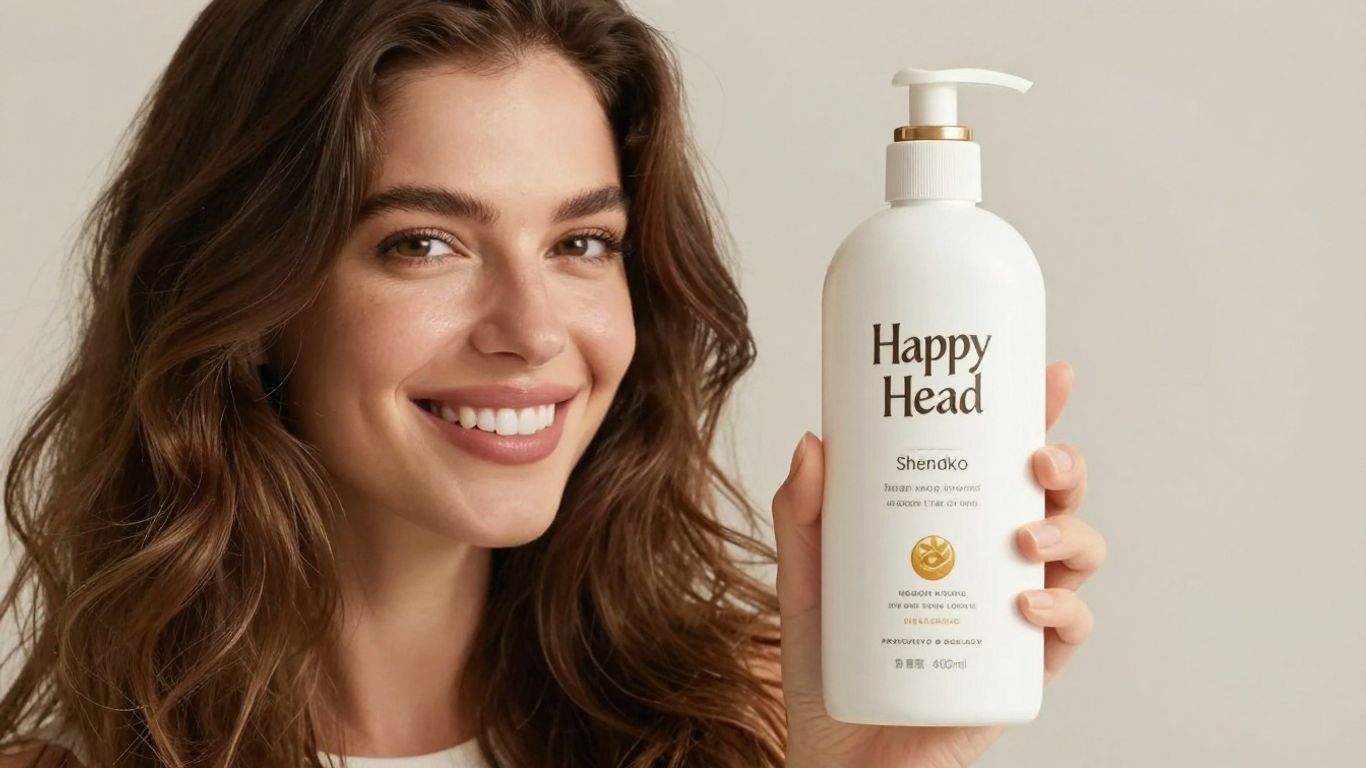
Happy Head Shampoo has become a popular choice among women in 2026 searching for a hassle-free way to deal with thinning hair. What sets this shampoo apart is its gentle formula—no sulfates or parabens—making it a solid option for folks with color-treated or sensitive hair. It’s simple to use since you just wash and rinse with no waiting around, and people seem to love the light citrus scent.
Some of the things that stand out about Happy Head Shampoo:
- Lathers well, even without sulfates (just add a bit more water if the foam dies down)
- Comes with a pump bottle for convenience
- Safe for dyed hair and cruelty-free
- Free consultation with a dermatologist if you subscribe
- Monthly delivery means you rarely run out
- Personalized support and formula adjustments for subscribers (personalized insights into hair biology)
It’s not a huge bottle—8 oz, so you may find yourself needing to restock depending on how often you wash. It’s recommended to use it along with the brand’s thickening conditioner for the best results. Some folks might wish it was vegan, but the ingredient list features biotin, keratin, collagen, argan oil, and saw palmetto. Here’s a quick table showing what’s inside:
If you want a shampoo that fits into your routine without any fuss but still gives your hair a shot at feeling fuller, Happy Head is worth a try. It feels practical for everyday life—not fussy, not clinical.
For a closer look at consumer experiences and an honest assessment of effectiveness, you can check out this review of Happy Head's topical treatments.
7. Ro Topical Treatments
Ro offers a pretty straightforward approach to tackling hair loss with their topical treatments. They've got this one product, the Ro Hair Solution Rx, which is a prescription serum designed to help with regrowth. It's pretty easy to use, which is a big plus when you're trying to fit it into your daily routine. The idea is that it works by increasing blood flow to your scalp and helping those hair follicles get bigger, hopefully leading to more hair.
When you sign up as a subscriber, you get access to their medical professionals. This means you can ask questions and they can help adjust your treatment plan if needed. It’s kind of nice knowing you have that support. They also offer free delivery, which is always a bonus.
Here’s a quick look at what’s in the Ro Hair Solution Rx:
- Minoxidil 5%: This is a well-known ingredient that helps stimulate hair growth.
- Tretinoin 0.025%: This can help with the absorption of minoxidil.
- Melatonin 0.1%: Some research suggests melatonin might also play a role in hair growth.
Applying the serum is pretty simple. You usually use a dropper to apply it directly to your scalp. Some people find it works best on damp hair to avoid a greasy look, and it's generally recommended to apply it twice a day. Just be aware that some users have noted an alcohol-like smell, though it's usually not overpowering.
Ro also has other hair loss products available, like shampoos and supplements, so you can mix and match if you want. It’s a good option if you're looking for a prescription topical treatment that comes with ongoing medical support. You can find out more about their hair loss treatments and see if it fits your needs.
8. Platelet-Rich Plasma Therapy
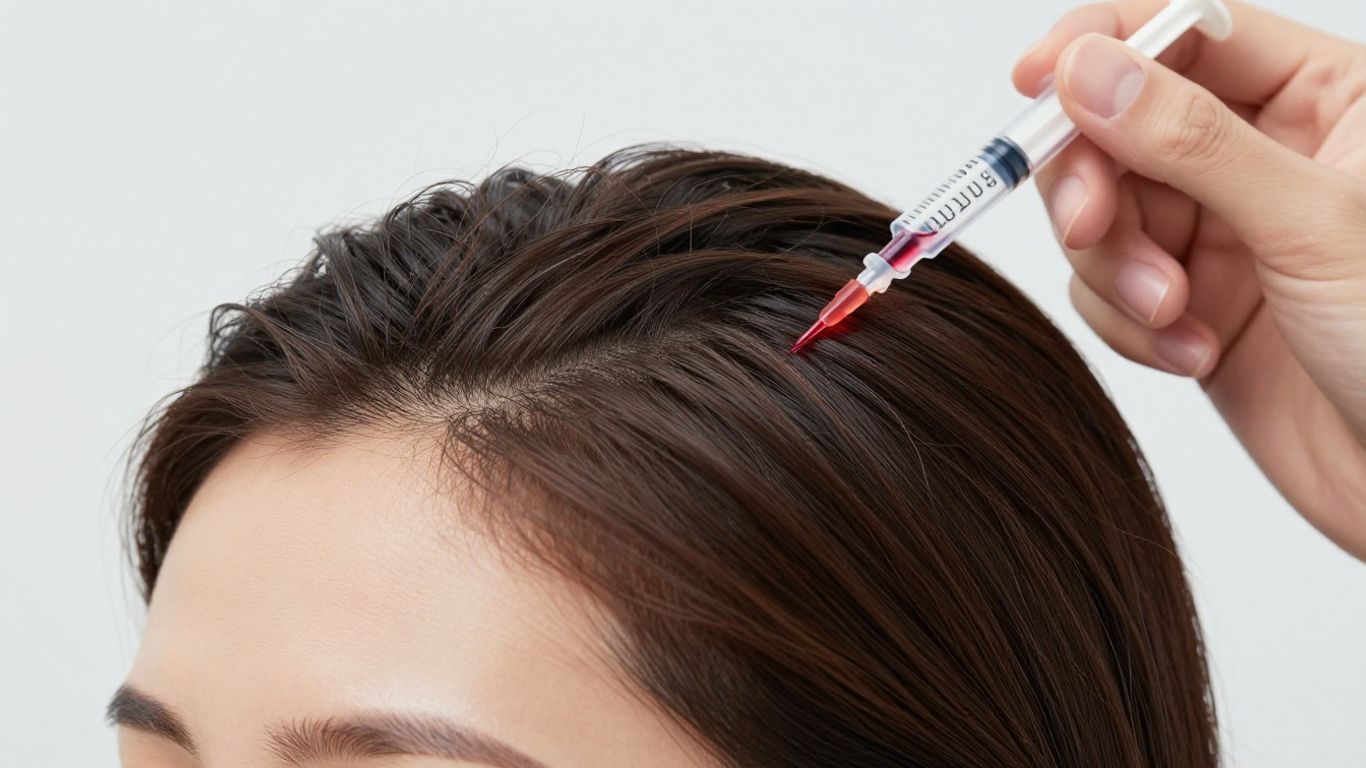
Platelet-Rich Plasma (PRP) Therapy has made a name for itself as one of the most promising hair loss treatments for women heading into 2026. This treatment uses your own blood to target thinning by turbocharging your scalp with concentrated platelets – a bit like encouraging your hair to hit the gym and start growing again.
Here’s how it generally goes:
- A small blood draw (just a quick needle prick).
- The blood is spun in a centrifuge to separate out the platelet-rich plasma.
- The PRP is injected right into spots on your scalp where hair is thinning.
It’s all about delivering those platelets, which are packed with growth factors, directly to the hair follicles. This wakes up quiet follicles and can kick-start new hair growth. Most women notice an increase in hair density and reduced shedding within a few months. PRP is especially appealing if you’re not excited about more invasive procedures or daily medication.
The numbers aren’t bad, either. Take a look at typical PRP outcomes:
If results matter most, PRP hair treatment boasts a high success rate, especially if you catch the thinning early.
Don’t expect overnight miracles – you might see some improvement in as little as three weeks, but fuller hair generally takes three to six months to appear, and maintenance sessions may be needed for the best long-term results.
PRP therapy has a few perks:
- Uses your own blood (less chance of a reaction)
- No downtime – you’ll be back at work right after
- Suitable for women at different stages of hair loss
It’s not magic, but for many women noticing stubborn sparseness, PRP therapy is a legit contender worth a conversation with your dermatologist.
9. Low-Level Laser Therapy
Low-Level Laser Therapy (LLLT), sometimes called red light therapy, is one of those treatments you keep hearing about if you're looking into hair loss options. The process is super simple—you wear a helmet or use a special comb that bathes your scalp in specific wavelengths of light. The light is thought to energize hair follicles, encouraging more growth and making existing hair thicker. For women dealing with patchy thinning or just overall shed, it’s becoming a pretty popular option, especially since it doesn’t involve drugs or needles.
Let’s get into the details:
- LLLT devices are now available both in clinics and for home use—helmets, caps, combs.
- It’s FDA-cleared for hereditary hair loss, which means researchers have found it’s generally safe and works for some folks.
- Studies show improvements in both hair density and thickness after consistent use over several months sustained improvements in hair density and thickness.
- The treatment suits all hair types—curly, straight, long, short—as long as you’ve got some follicles left to work with.
Here’s a quick comparison table for women considering LLLT:
If you’re hoping for something non-invasive and easy to stick with, LLLT can be a low-stress way to work hair growth into your routine. Of course, keep in mind—not every person responds the same, results can sneak up slowly, and you’ll likely need to keep using the device regularly to maintain thicker, healthier hair.
10. Scalp Micropigmentation
Scalp Micropigmentation, or SMP, is a really interesting option for women dealing with hair loss. Think of it like a cosmetic tattoo, but instead of a picture, it uses tiny dots of pigment to create the illusion of hair follicles on your scalp. This can make thinning hair look much fuller or even give you the appearance of a closely shaved head if that's your style. It's a non-surgical procedure, which is a big plus for many people.
SMP is super versatile and can help with a bunch of different hair loss issues. Whether you're experiencing general thinning, have noticeable bald spots, or even want to camouflage scars on your scalp from previous surgeries, SMP can be a great solution. It works by carefully depositing pigment into the scalp, matching your natural hair color to create a seamless look. This technique is really about restoring density and definition, making your existing hair appear thicker and more robust. It's a way to get that defined look back, making your hair appear denser.
Here's a quick rundown of what makes SMP a good choice:
- Restores Appearance of Fullness: Creates the illusion of thicker hair by mimicking natural follicles.
- Non-Surgical: Avoids the risks and recovery time associated with surgical procedures.
- Immediate Results: You can see a difference right after the treatment sessions are completed.
- Low Maintenance: Once healed, it requires very little daily upkeep.
- Versatile: Can address various types of hair loss, including thinning, bald spots, and scars.
The process itself usually involves a few sessions, spaced a few weeks apart. During each session, a skilled technician uses a specialized needle to deposit tiny dots of pigment. They're trained to replicate the look of natural hair follicles, paying close attention to your hairline and the density you desire. It's a meticulous process that requires an artistic eye to achieve natural-looking results.
While SMP results can last for several years, typically around 4-6 years, touch-up sessions might be needed down the line to maintain the look. It's a fantastic option for those looking for a permanent solution to hair loss that doesn't involve surgery or extensive daily routines. If you're considering SMP, finding a highly skilled practitioner is key to achieving the best possible outcome. You can learn more about how SMP works to see if it's the right fit for you.
Conclusion
So, that’s the lowdown on the best hair loss treatments for women in 2026. There’s no one-size-fits-all answer, and honestly, it can take a bit of trial and error to figure out what works for you. Some women see great results with over-the-counter products like minoxidil, while others might need prescription meds, supplements, or even in-office treatments like PRP or laser therapy. And if you’re looking for something more permanent, hair transplants and scalp micropigmentation are options to think about. The most important thing is to get to the root of what’s causing your hair loss—sometimes it’s stress, hormones, or even just genetics. Don’t be afraid to talk to a doctor or dermatologist to get a proper diagnosis before you start spending money on treatments. And remember, you’re definitely not alone in this. With all the new options out there, there’s a good chance you’ll find something that helps you feel more confident and comfortable in your own skin.
Frequently Asked Questions
What's the main difference between treatments like Minoxidil and Finasteride?
Minoxidil is a topical treatment that helps blood flow to your hair roots, encouraging growth. Finasteride is a pill that works by lowering certain hormones linked to hair loss. They tackle hair loss in different ways, and sometimes doctors suggest using both.
Are treatments like Nutrafol or Happy Head really effective for hair loss?
Nutrafol is a supplement packed with vitamins and minerals thought to support hair health, while Happy Head offers shampoos and other products. They can help with hair thinning, especially if it's due to stress or not getting enough nutrients. However, they might work best when used with other treatments approved for hair loss.
What are the benefits of treatments like PRP therapy or Low-Level Laser Therapy?
PRP therapy uses your own blood's growth factors to help hair grow, and Low-Level Laser Therapy uses light to wake up your hair follicles. These are often done in a doctor's office and can be good for stimulating hair growth, especially for thinning hair or after events like childbirth.
How does Scalp Micropigmentation (SMP) work for hair loss?
SMP is like a tattoo for your scalp. It uses tiny dots of pigment to create the look of hair follicles, making thinning hair appear fuller or giving the appearance of a shaved head. It's a non-surgical option that can also cover scars.
Can I expect quick results from these hair loss treatments?
Generally, no. Most hair loss treatments take time to work, often several months. You need to be patient and consistent with your chosen treatment to see noticeable regrowth or a reduction in hair loss.
Are there any side effects I should be aware of?
Yes, some treatments can have side effects. For example, Minoxidil can sometimes cause scalp irritation. Prescription medications like Finasteride or Spironolactone can have hormonal side effects. It's important to discuss potential side effects with your doctor before starting any new treatment.


International Standards.
Brazilian Mastery.
Aesthetica Medical Travel Facilitators, LLC is an international care coordination company registered in Wyoming, United States. We provide services for the promotion and support of medical service providers, including physicians worldwide (“medical service providers”). These services are made available through Aesthetica’s website, and the same privacy terms also apply to the Aesthetica Advisor Program (the “application/platform”), created and operated by Aesthetica. Aesthetica is solely responsible for controlling and processing the information obtained via the platform or through other communications between users, businesses, hospitals, clinics, or third parties and members of the Aesthetica service team (the “Service Team”). Our services may include non-clinical care coordination for North American patients seeking elective procedures abroad, including provider matching, travel logistics, and administrative support throughout the care journey. Additional services or add-ons may be offered depending on the selected scope. Post-operative care is typically conducted in the destination country where the procedure is performed. Additional coordination or administrative support in the patient’s country of origin may be available separately, subject to scope and availability. Aesthetica may engage third-party service providers, partners, or affiliated entities to support its operations, including data processing and service delivery. Information may be shared with such parties solely as necessary to provide the services described. Our operations follow strict standards of transparency, privacy protection, and regulatory compliance. Testimonials reflect individual experiences and do not guarantee future results. By using Aesthetica’s services or platform, users acknowledge and agree to these terms and understand the limited, non-clinical role of Aesthetica in the care journey. For more information about our policies or compliance framework, please contact our support team.