
Find Affordable & Cheap Composite Veneers Near Me Today
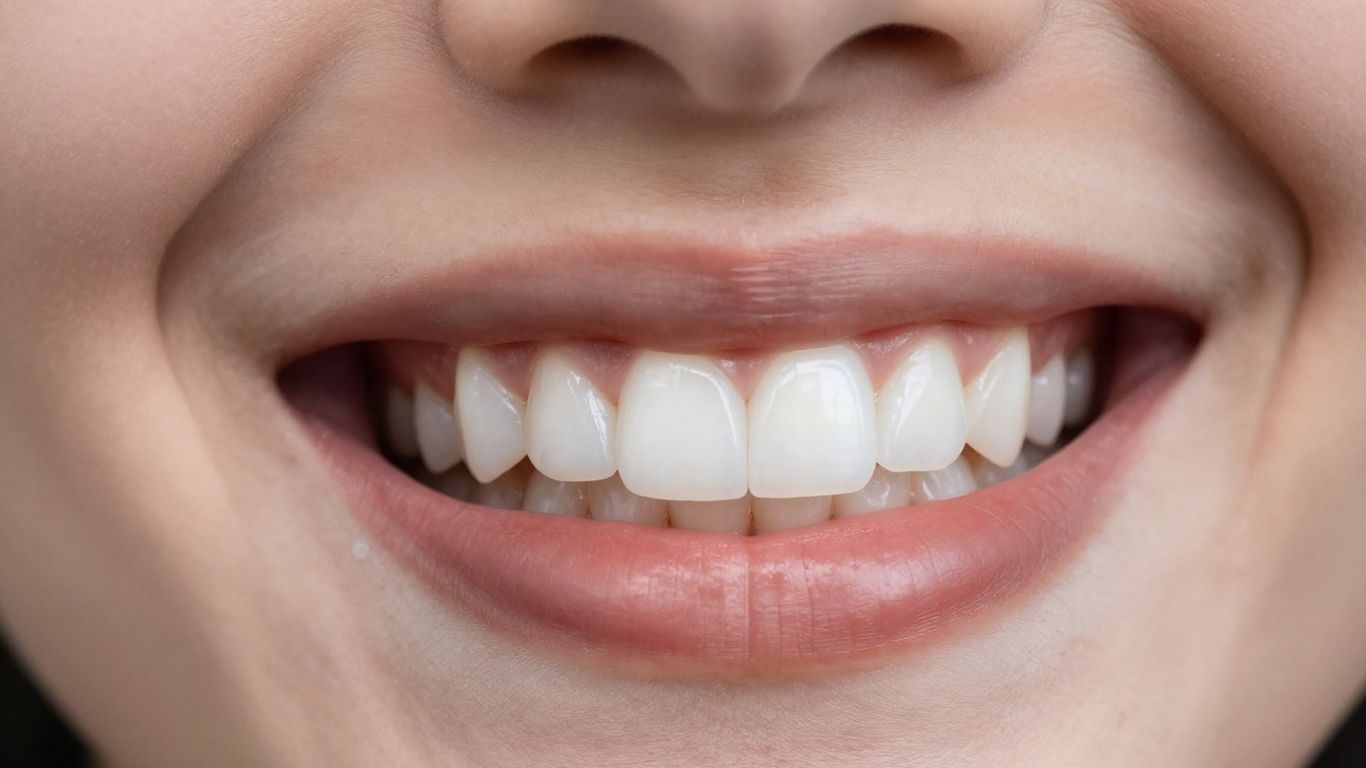
Thinking about getting veneers but worried about the cost? You're not alone. Many people want a brighter, straighter smile, but the price tag can seem pretty high. The good news is, it's totally possible to find affordable options, especially if you're looking for cheap composite veneers near me. It just takes a little bit of homework to figure out where to look and what to ask. Let's break down how you can get that smile makeover without emptying your wallet.
Key Takeaways
- Composite veneers are generally cheaper upfront than porcelain ones, making them a good choice if budget is a big concern.
- The cost of veneers can change a lot depending on where you live and how many dentists are competing for business in the area.
- Always ask for a detailed breakdown of all the costs involved, not just the price of the veneer itself. This includes lab fees and any prep work.
- Don't just go for the cheapest option; consider the dentist's experience. A more skilled dentist might cost more initially but can save you money on future fixes.
- Look into financing or payment plans if the total cost is a bit much to handle all at once. Many dental offices offer ways to spread out the payments.
Finding Affordable Composite Veneers Near You

Thinking about getting composite veneers but worried about the cost? You're not alone. Many people want a brighter smile but need to keep an eye on their budget. The good news is that composite veneers are often a more budget-friendly choice compared to other options. Let's break down what goes into the cost and how you can find a great deal without sacrificing quality.
Understanding The Cost of Composite Veneers
The price you see for composite veneers isn't just for the material itself. Several things add up to the final bill. It's important to know these components so you can budget properly and understand what you're paying for. The overall expense is a mix of the dentist's skill, the lab work involved, and the specific needs of your smile.
Here's a general idea of what influences the price:
- Dentist's Fees: This covers their time, the consultation, the actual procedure, and any follow-up appointments. Highly experienced cosmetic dentists might charge more, but their skill can lead to better results and fewer issues down the line.
- Material Costs: While composite is generally cheaper than porcelain, there are still costs associated with the high-quality bonding materials used.
- Laboratory Fees: Even though composite veneers are often done chairside, some complex cases might require lab work, which adds to the cost.
- Tooth Preparation: If your teeth need any shaping or minor adjustments before the veneers are applied, this will be an additional step and cost.
- Complexity of the Case: Fixing a single chipped tooth will cost less than a full smile makeover with veneers on multiple teeth.
It's wise to get a detailed breakdown of all anticipated expenses. This includes everything from initial X-rays to the final polishing of your new veneers. Transparency from your dental practice helps you budget accurately and spot any potential areas where costs might be negotiated.
Why Composite Veneers Offer A Budget-Friendly Option
Compared to porcelain veneers, composite resin is typically less expensive upfront. This is partly because the material itself is more economical, and often, the veneers can be applied directly to your teeth by the dentist in a single visit. This chairside application saves on the separate laboratory costs associated with custom-made porcelain veneers. While they might not last as long as porcelain or offer the same level of stain resistance, they provide a significant aesthetic improvement at a more accessible price point. For many, this makes them the perfect solution for cosmetic dental work. You can find practices like Bronx Dental Spa offers affordable press-on and porcelain veneers that focus on making cosmetic treatments more accessible.
Factors Influencing Local Veneer Pricing
Where you live can actually make a difference in how much you pay for composite veneers. Dental practices in major cities or high-cost-of-living areas might charge more than those in smaller towns. Also, the number of dental offices in your area plays a role. If there are many dentists competing for patients, you might find more competitive pricing. It's worth checking out different neighborhoods or even nearby towns to compare costs. However, always remember to balance price with the dentist's qualifications and the quality of care they provide. Sometimes, paying a bit more for a highly skilled professional can save you money in the long run by avoiding costly revisions or complications. You might find great options for custom dental veneers at Irvine Tooth Cafe & Orthodontics if you're in that region.
Comparing Veneer Material Costs
When you're looking into getting veneers, you'll quickly find out that not all of them are made the same. The material used is a big deal when it comes to how much they cost upfront and how long they'll last. It's like choosing between different types of paint for your house – some are cheaper but need more touch-ups, while others cost more but hold up better over time.
Porcelain Veneers: A Premium Choice
Porcelain veneers are often seen as the top-tier option. They're known for looking really natural, almost like real teeth, and they're pretty tough. Because they're so durable, they can last for a good while, sometimes up to 20 years. However, this quality comes with a higher price tag. Think of them as the high-performance car of the veneer world – great features, but you pay for it.
Composite Veneers: The Economical Alternative
On the other hand, composite veneers are usually the more budget-friendly choice. They're made from a tooth-colored resin material that dentists can often apply directly to your teeth in a single visit. This can cut down on labor costs. While they're a great way to improve your smile without breaking the bank, they aren't quite as strong as porcelain and can be more prone to staining. This means they might need more attention or even replacement sooner than porcelain ones. Still, for many people, the lower initial cost makes them a really attractive option for a smile makeover.
Long-Term Value of Different Veneer Materials
It's not just about the sticker price today. You've got to think about the long haul. Porcelain veneers, despite their higher initial cost, might end up being more cost-effective over many years because they last longer and resist damage better. Composite veneers, while cheaper to start with, might require more frequent upkeep or replacement, which adds up. It's a bit of a trade-off between paying more now for longevity or paying less now and potentially more later.
Here's a quick look at how they stack up:
When you're comparing costs, remember to factor in how long each type of veneer is expected to last. A cheaper option now might end up costing you more down the line if it needs frequent repairs or replacement.
Choosing the right material is a big part of getting the best value for your money. It's worth discussing the pros and cons of each with your dentist to see what fits your needs and your wallet best. You can find more information on composite veneer costs to help with your decision.
Strategies for Securing Cheaper Veneers
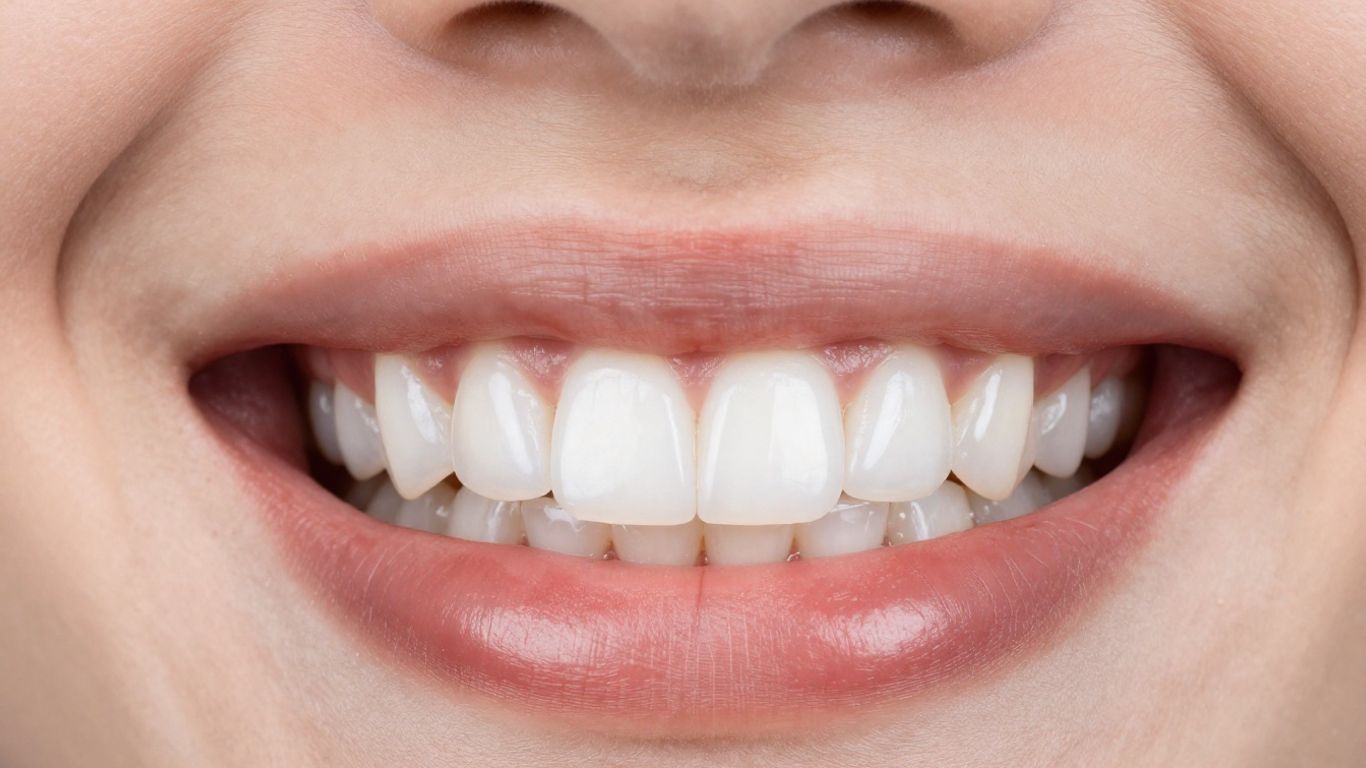
Thinking about getting veneers but worried about the price tag? It’s totally understandable. Dental work, especially cosmetic stuff, can add up fast. But don't let that stop you from getting the smile you want. There are definitely ways to make it more affordable. It just takes a little bit of smart planning and knowing where to look.
Gather Multiple Dentist Consultations
This is probably the most important step. Don't just go to the first dentist you find. Schedule consultations with a few different dentists in your area. This isn't just about comparing prices, though that's a big part of it. You also want to see who you feel most comfortable with and who seems to really listen to what you want. Each dentist might have a slightly different approach or suggest different materials, and their pricing will reflect that. It’s like shopping around for any big purchase – you want to get the best deal and the best service.
Request Detailed Cost Breakdowns
When you get a quote, make sure it’s not just a single number. Ask for a detailed breakdown of everything. What exactly are you paying for? This should include the cost of the veneers themselves, any preparation work on your teeth, lab fees (which can be surprisingly high), and even follow-up appointments. Knowing where the money is going helps you understand the total cost and might even reveal areas where you can save. If one dentist’s breakdown looks way different from another’s, it’s worth asking why.
Explore Financing and Payment Plans
Even with the best shopping around, veneers can still be a significant expense. Many dental offices understand this and offer financing options. These could be in-house payment plans or partnerships with third-party lenders. It’s a good idea to look into dental membership plans too, as they can sometimes offer discounts on cosmetic procedures. Just be sure to read the fine print on any financing agreement. Understand the interest rates and how long you have to pay it back. You don’t want to end up paying much more in interest than the actual cost of the veneers.
Getting veneers is an investment in your appearance and confidence. By taking a proactive approach to understanding costs and exploring all available options, you can make a more informed decision that fits your budget and helps you achieve the smile you've always wanted.
Here’s a quick look at what might be included in a breakdown:
- Consultation Fee: Sometimes charged separately.
- Diagnostic X-rays/Scans: To assess your oral health.
- Tooth Preparation: Any enamel reshaping or filing.
- Veneer Material Cost: The actual price of the veneer itself.
- Lab Fees: For custom fabrication of the veneer.
- Temporary Veneers: If needed during the process.
- Placement/Bonding: The dentist's time and materials to attach the veneer.
- Follow-up Appointments: For check-ups and adjustments.
Remember, while cost is important, don't forget to consider the dentist's qualifications and the quality of the materials. A cheaper option that doesn't last or look good isn't really a saving in the long run. You want a balance of affordability and quality for your smile enhancement.
The Role of Location in Veneer Expenses
Ever notice how the price of pretty much anything can change depending on where you are? Dental work, including composite veneers, is no different. Where you live, or more specifically, where your dentist's office is located, can really shake up the final bill.
Geographic Variations in Dental Practice Costs
Think about it: running a dental office in a big city usually means higher overhead. We're talking about pricier rent for the office space, higher salaries for staff, and generally more expensive supplies. All these costs get passed on, so you'll often find that veneers in a bustling downtown area might cost more than the exact same procedure in a quieter suburban town or a rural area. It’s not about the quality of care necessarily, but the simple economics of doing business in different places. For example, the average cost for a single dental veneer can fluctuate significantly based on these regional economic factors.
How Local Competition Affects Veneer Prices
Another big factor is how many cosmetic dentists are in your area. If there's a ton of competition, dentists might lower their prices a bit to attract more patients. It's like any other market – more choices for you can mean better deals. On the flip side, if you live somewhere with only a few cosmetic dentists, they might not feel the need to compete as much on price. This can lead to higher costs for procedures like veneers. It’s a balancing act between supply, demand, and how hard dentists have to work to get your business.
Finding Value in Different Neighborhoods
So, how do you find that sweet spot? It often involves a bit of research. Don't be afraid to look at dentists in neighboring towns or slightly different neighborhoods. You might be surprised at the price differences for what's essentially the same service. However, remember that price isn't everything. You still need to make sure the dentist is qualified and experienced. Sometimes, paying a little more for a highly skilled professional is worth it in the long run. It’s about finding a good balance between affordability and quality care. You might find that composite veneers offer a cost-effective way to improve your smile, but the exact price will still depend on your local market.
When looking for veneers, consider that the cost isn't just about the dentist's fee. Office overhead, local market competition, and the general cost of living in an area all play a part in the final price you'll see on the estimate. It pays to shop around, but always keep quality and experience in mind.
Understanding Additional Veneer Expenses
So, you're looking into composite veneers, which is great because they're usually a more budget-friendly option. But, like anything, there are a few extra costs that can pop up beyond just the price tag for the veneer itself. It's good to know about these beforehand so you don't get any surprises.
Laboratory Fees for Custom Veneers
Even though composite veneers are often done chairside by the dentist, sometimes parts of the process might involve a dental lab. This is more common with porcelain veneers, but if your dentist needs a custom shade guide or a specific composite material mixed, there could be a lab fee involved. It's always smart to ask if a lab fee is included in the quote you receive. A dentist who clearly breaks down all the costs, including any lab work, is usually a good sign they're being upfront with you. The quality of the lab can really affect how your veneers look and how long they last, so it's worth considering.
Costs Beyond The Individual Veneer Price
There's more to the total cost than just the price per tooth. Think about these things:
- Diagnostic Procedures: Before anything is done, your dentist will need to take X-rays, maybe some digital scans, and possibly create a 'wax-up' or 'mock-up' of what your new smile will look like. These steps are super important for planning and making sure you get the results you want.
- Tooth Preparation: Sometimes, a tiny bit of your natural tooth enamel needs to be filed down to make space for the veneer. The amount of preparation needed can vary, and it adds to the dentist's time and the overall cost.
- Treating Existing Issues: If you have cavities, gum disease, or other dental problems, these need to be fixed before you can get veneers. These treatments are separate costs that add up.
- Bite Adjustments: Occasionally, after veneers are placed, your bite might need a little tweaking to make sure everything feels comfortable and the veneers aren't under too much pressure. This is called equilibration.
It's really about looking at the whole picture. A lower price for a single veneer might seem appealing, but if it doesn't include the necessary prep work or diagnostic steps, it could end up costing you more in the long run. Getting a full smile makeover using 6-8 veneers could range from $6,000 upwards, so understanding all the components is key.
Considering Maintenance and Upkeep Expenses
Your new composite veneers will need care to keep them looking good. This means:
- Regular Check-ups: Just like your natural teeth, your veneers need to be checked by the dentist regularly. This is usually part of your routine dental visits.
- Professional Cleanings: While composite veneers are pretty stain-resistant, a professional cleaning can help keep them looking their best.
- Potential Repairs: Although composite veneers are durable, they can chip or stain over time, especially if you grind your teeth or bite into hard objects. You might need to budget for occasional repairs or even replacement down the line. The typical cost for composite veneers can range from $250 to $1,500 per tooth, so keep that in mind for potential future costs.
Choosing The Right Provider For Your Smile
When you're looking into getting composite veneers, picking the right dentist is a big deal. It's not just about finding someone nearby; it's about finding someone you trust to do a good job with your smile. The skill and experience of your dentist can really make a difference in the final look and how long your veneers last.
Prioritizing Dentist Qualifications and Experience
Think about it like this: you wouldn't ask a mechanic who only fixes bicycles to repair your car, right? The same applies to dental work. Look for dentists who have specific training in cosmetic dentistry. Many dentists attend extra courses and workshops focused on procedures like veneers. Checking their credentials and seeing if they're part of professional groups, like the American Academy of Cosmetic Dentistry, can give you a good idea of their commitment to this field. It's also helpful to see how long they've been practicing cosmetic procedures.
The Impact of Dentist Expertise on Cost
Generally, dentists with more experience and specialized training in cosmetic procedures might charge a bit more. This isn't always the case, but it's something to consider. A highly skilled dentist might be able to achieve a more natural look or handle complex cases better. Sometimes, a slightly higher price tag can mean a better outcome and fewer potential issues down the road. It's a balance between what you can afford and the quality you're looking for.
Finding Reputable Cosmetic Dentists Locally
So, how do you actually find these dentists? Start by asking friends or family if they have recommendations. Online reviews can be helpful, but take them with a grain of salt. Look for dentists who showcase before-and-after photos of their work. This gives you a visual idea of their style and results. Don't be afraid to schedule consultations with a few different dentists. This allows you to meet them, ask questions, and get a feel for their practice. Some dentists, like those at SMI Dental, even have in-house labs which can speed up the process and potentially keep costs down. You might also find dentists who offer special deals, like a discounted exam for new patients, which can help make that first step more affordable.
Here are some things to consider when looking for a provider:
- Check their portfolio: Look at before-and-after pictures of their veneer work.
- Read reviews: See what other patients are saying about their experience.
- Ask about training: Inquire about any specialized cosmetic dentistry courses they've completed.
- Consultation: Schedule a meeting to discuss your goals and get a feel for their approach.
When you're looking for a dentist for veneers, remember that the cheapest option isn't always the best. A good dentist will take the time to understand what you want and explain the process clearly. They should also be upfront about all the costs involved, including any lab fees.
It's also worth asking about the materials they use and how they ensure the veneers match your natural teeth. For example, some dentists might offer a package deal if you're getting multiple veneers, which could save you money. If you're in the San Antonio area, you might hear good things about dentists like Dr. Austin for various cosmetic procedures. Similarly, if you're near Fairfield County, a dentist like Raguram is known for cosmetic services.
Wrapping It Up
So, getting those dream veneers doesn't have to cost a fortune. We've talked about how different materials and where you go can change the price, and that getting a few quotes is always a smart move. Don't forget to ask about payment plans if that helps. The main thing is finding a good dentist you trust, even if it means spending a little more upfront. A great smile is worth the effort, and with a bit of research, you can find affordable options that work for you. Go ahead and book that consultation – your new smile is waiting!
Frequently Asked Questions
What are composite veneers and why are they cheaper?
Composite veneers are made from a tooth-colored filling material. They're usually less expensive than other types of veneers because the material itself costs less, and the dentist can often shape and place them directly in your mouth in one visit. It's a quicker process, which also helps keep the cost down.
How much do composite veneers typically cost?
The price can change a lot depending on where you live and the dentist you choose. Generally, you might expect to pay anywhere from $100 to $1,000 per tooth. Some places offer deals, especially if you get several at once, like $2,995 for 6 teeth, which makes them more affordable.
Are there ways to make veneers more affordable?
Yes! You can save money by getting quotes from a few different dentists to compare prices. Always ask for a detailed list of all the costs involved. Also, look into payment plans or financing options that dentists might offer to help spread out the payments.
Does where I get my veneers affect the price?
Absolutely. Dentists in big cities or areas where it costs more to run a business usually charge more. Places with lots of dentists competing for patients might also have better prices. So, looking in different neighborhoods or even nearby towns could save you money.
What extra costs should I think about besides the veneer price?
Besides the cost of the veneer itself, there can be fees for things like X-rays, cleaning your teeth, and any work needed to prepare your teeth. If the veneers are made in a special lab, there will be lab fees too. Don't forget to think about any future check-ups or if a veneer needs fixing later on.
How important is the dentist's experience when looking at cost?
While it's tempting to go for the cheapest option, a dentist's skill really matters. More experienced dentists might charge more, but they can often do a better job, leading to results that look great and last longer. This can save you money in the long run by avoiding costly fixes or redo's.



American Standards.
Brazilian Mastery.
Aesthetica Medical Travel Facilitators, LLC is an international care coordination company registered in Wyoming, United States. We provide services for the promotion and support of medical service providers, including physicians worldwide (“medical service providers”). These services are made available through Aesthetica’s website, and the same privacy terms also apply to the Aesthetica Advisor Program (the “application/platform”), created and operated by Aesthetica. Aesthetica is solely responsible for controlling and processing the information obtained via the platform or through other communications between users, businesses, hospitals, clinics, or third parties and members of the Aesthetica service team (the “Service Team”). Our services may include non-clinical care coordination for North American patients seeking elective procedures abroad, including provider matching, travel logistics, and administrative support throughout the care journey. Additional services or add-ons may be offered depending on the selected scope. Post-operative care is typically conducted in the destination country where the procedure is performed. Additional coordination or administrative support in the patient’s country of origin may be available separately, subject to scope and availability. Aesthetica may engage third-party service providers, partners, or affiliated entities to support its operations, including data processing and service delivery. Information may be shared with such parties solely as necessary to provide the services described. Our operations follow strict standards of transparency, privacy protection, and regulatory compliance. Testimonials reflect individual experiences and do not guarantee future results. By using Aesthetica’s services or platform, users acknowledge and agree to these terms and understand the limited, non-clinical role of Aesthetica in the care journey. For more information about our policies or compliance framework, please contact our support team.