
Veneers vs. Teeth: Making the Right Choice for Your Smile
Thinking about sprucing up your smile? It's totally normal to want teeth that look their best. You've probably seen all sorts of ads and maybe even heard friends talk about getting their teeth done. Two popular options that come up a lot are veneers and teeth whitening. They both aim to make your smile look better, but they do it in pretty different ways. It can be confusing to figure out which one is right for you, especially when you're trying to weigh veneers vs teeth. This article breaks down what each one is all about, what they can fix, and what you can expect, so you can make a choice you feel good about.
Key Takeaways
- Veneers are custom shells that cover your teeth, fixing color, shape, and alignment all at once for a big smile change. Teeth whitening just brightens your natural tooth color.
- If you have chips, gaps, or severely stained teeth that whitening can't fix, veneers are likely the better option.
- Teeth whitening is usually cheaper and quicker, good for a fast refresh, but the results don't last as long and need touch-ups.
- Porcelain veneers cost more upfront but can last 10 to 15 years, offering a more permanent solution for smile concerns.
- Your budget, the specific issues you want to fix, and how long you want the results to last are the main things to think about when comparing veneers vs teeth whitening.
Understanding Veneers vs. Teeth Whitening
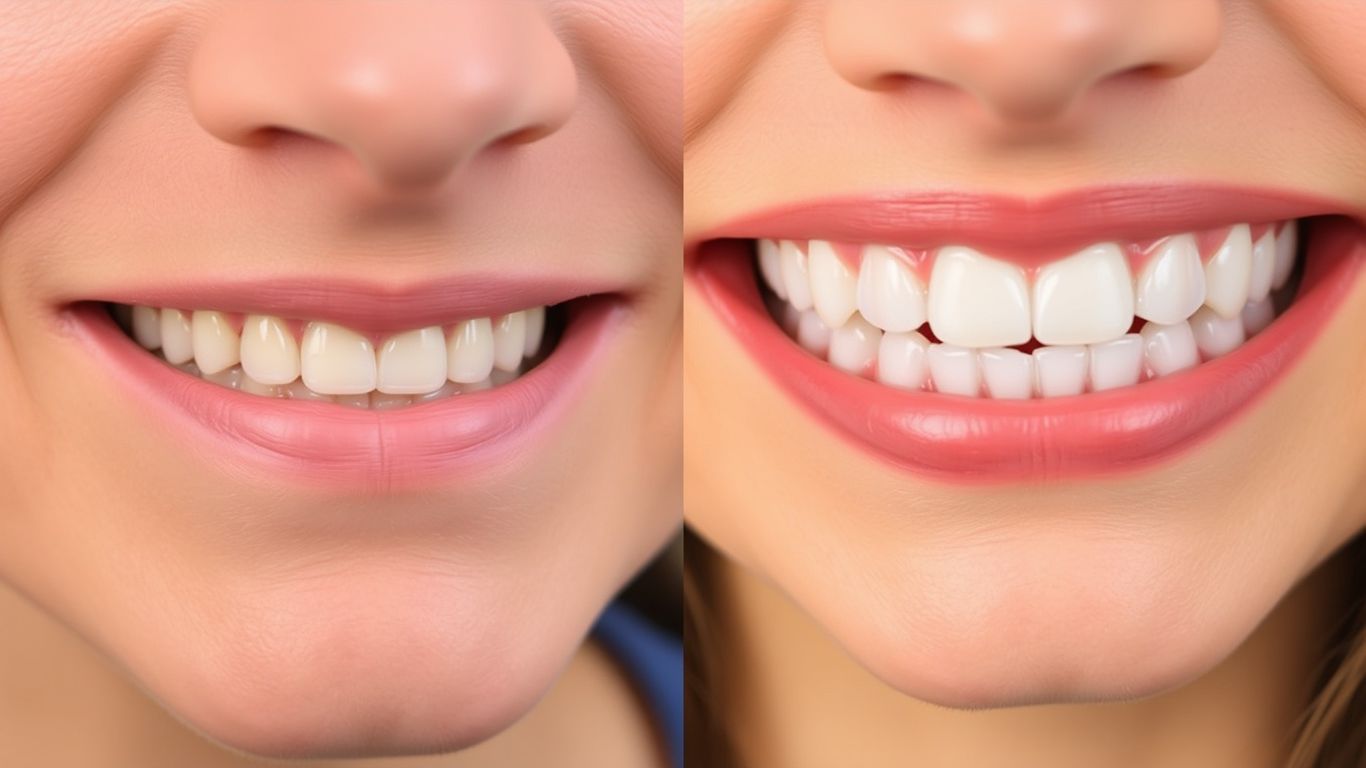
So, you're thinking about sprucing up your smile, huh? It's a common thought, and two of the most popular ways people go about it are with veneers or teeth whitening. They both aim to make your teeth look better, but they do it in totally different ways. It's not really a case of one being 'better' than the other; it's more about what fits your specific needs and what you're hoping to achieve.
Think of dental veneers as custom-made shells, usually crafted from porcelain, that are bonded to the front surface of your teeth. They're designed to completely cover up imperfections. Veneers can change the color, shape, size, and even the length of your teeth. If you've got chips, cracks, gaps, or teeth that are a bit crooked or worn down, veneers can essentially give those teeth a brand-new look. They offer a pretty dramatic smile transformation because they're essentially creating a new facade for your natural teeth. You get to work with your dentist to design exactly how you want them to look, which is pretty neat.
Teeth whitening, on the other hand, is all about brightening your existing teeth. It uses bleaching agents to break down stains and lighten the natural color of your enamel. It's a less invasive procedure compared to veneers. The goal here is simply to make your teeth whiter, usually by a few shades. It's fantastic for tackling discoloration from things like coffee, tea, wine, or just the natural aging process. However, it won't change the shape or fix any physical damage to your teeth.
When you're weighing your options, it helps to see the main differences laid out. It's not just about color; it's about the scope of the change.
- Scope of Improvement: Veneers can fix a whole host of issues – color, shape, chips, gaps, and minor alignment problems. Whitening solely addresses tooth color.
- Invasiveness: Veneers typically involve removing a small amount of tooth enamel to make space for the shell, which is permanent. Whitening is non-invasive, working on the surface of your natural teeth.
- Customization: Veneers are custom-made for your mouth, giving you significant control over the final appearance. Whitening results depend on your natural tooth color and how well it responds to the bleaching agent.
- Cost: Generally, veneers have a higher upfront cost than professional teeth whitening treatments. However, porcelain veneers are more expensive than teeth whitening, but their durability and stain resistance can make them a worthwhile investment.
It's important to remember that while whitening brightens what's already there, veneers create a new surface. This fundamental difference dictates the kind of results you can expect from each treatment.
Here's a quick look at what each can tackle:
Ultimately, dental veneers offer a highly customizable way to achieve your ideal smile, allowing for complete design control. In contrast, teeth whitening provides a more natural-looking enhancement. The choice between them depends on your desired outcome for your smile.
Addressing Specific Smile Concerns
Sometimes, you're not just looking for a brighter smile; you've got specific issues you want to tackle. Whether it's a stubborn stain, a tooth that's a bit too short, or a tiny chip that bothers you every time you catch it in the mirror, both veneers and teeth whitening can help, but they do it in different ways. It really comes down to what exactly is making you feel less than thrilled with your smile.
Correcting Stains and Discoloration
When it comes to stains, we're usually talking about two main types: extrinsic and intrinsic. Extrinsic stains are the ones on the surface, like those from your morning coffee, evening tea, or maybe some red wine. Teeth whitening is fantastic for these. Professional whitening treatments use bleaching agents to break down these surface stains, revealing the natural color of your teeth underneath. It's like giving your teeth a really good scrub, but with science.
Intrinsic stains, however, are a bit trickier. These are stains that have worked their way into the tooth structure. Think about discoloration from certain medications taken during childhood, or maybe an old injury to a tooth. Teeth whitening often struggles with these deeper stains. This is where veneers really shine. Because they're custom-made shells that cover the entire front surface of your tooth, they can completely hide any kind of discoloration, no matter how deep-seated it is. They offer a permanent fix for stubborn stains that whitening just can't touch.
Improving Tooth Shape and Alignment
Teeth whitening is all about color. It won't change the size, shape, or position of your teeth. If you have a tooth that's a little too short, a bit pointy, or slightly out of line, whitening won't fix that. You'll still have the same shape, just a brighter shade.
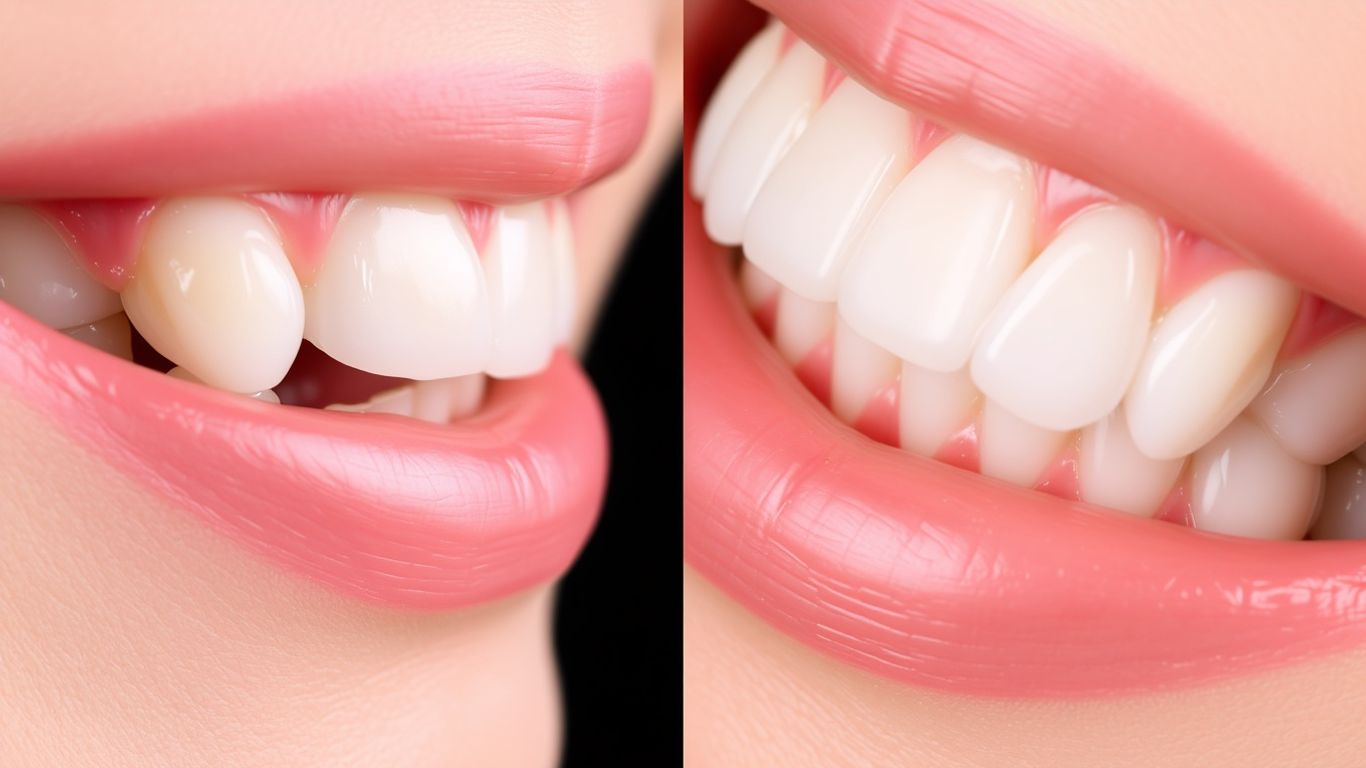
Veneers, on the other hand, are like a mini smile makeover. They are custom-made shells that are bonded to the front of your teeth. This means your dentist can actually reshape your teeth. They can lengthen a short tooth, round off a pointy one, or even create the illusion of straighter teeth by covering minor misalignments. It’s a way to get a more uniform look without needing braces for small issues. For slightly crooked teeth, veneers can make a big difference in how straight they appear.
Fixing Chips, Cracks, and Gaps
When you have physical damage to your teeth, like small chips or cracks, teeth whitening isn't going to help. It can't repair damage. For minor chips, especially on teeth that don't take a lot of bite force, dental bonding can be a quick fix. However, for more noticeable chips or cracks, or if you want something that looks and feels more permanent and durable, veneers are often the way to go. They completely cover the damaged area, making the tooth look whole again.
Gaps between teeth can be a real confidence-killer, and they can also be a place where food gets stuck. While whitening won't close a gap, veneers can. By carefully crafting the veneer, your dentist can make the tooth appear wider, effectively closing small spaces between teeth. This can create a much more harmonious smile line without the need for orthodontic treatment.
So, if you're dealing with chips, cracks, or gaps, veneers are usually the go-to solution for a complete repair and aesthetic improvement. They offer a way to restore the tooth's appearance and function, giving you back a seamless smile. For more significant chips, veneers offer a superior long-term aesthetic and durability compared to bonding.
Comparing Treatment Outcomes
When you're thinking about changing your smile, it's good to know what you can expect from different treatments. Both veneers and teeth whitening can make a big difference, but they do it in different ways and offer different kinds of results.
Smile Transformation Potential
Veneers offer a more dramatic overhaul for your smile. Because they are custom-made shells bonded to the front of your teeth, they can completely change the look of individual teeth. This means they can fix not just color, but also shape, size, chips, cracks, and even minor alignment issues all at once. If you're looking for a complete makeover, veneers can really transform your smile in a significant way. Professional dental whitening can significantly brighten smiles, achieving up to eight shades whiter in one session. Porcelain veneers offer another option for enhancing smile aesthetics.
Teeth whitening, on the other hand, is primarily focused on color. It's fantastic for tackling stains and yellowing, making your natural teeth several shades brighter. However, it won't change the shape or fix chips. It's best if you're generally happy with your teeth's structure but just want them to look more vibrant.
Natural Tooth Structure Preservation
This is a big one for many people. With teeth whitening, your natural tooth structure remains completely intact. The bleaching agents work on the surface of your enamel to lift stains. It's a non-invasive approach that doesn't alter your teeth in any permanent way.
Veneers, however, do involve altering your natural tooth structure. Before placing veneers, a thin layer of enamel is typically removed from the front of the tooth. This is necessary to ensure the veneer sits flush and looks natural. While it's a minimal amount, it is a permanent change to your tooth.
Immediate vs. Gradual Results
If you need a quick fix for a special event, teeth whitening often provides more immediate results. You can see a noticeable difference after just one professional session. The process is relatively quick, and you walk out with a brighter smile.
Veneers take a bit longer to achieve. There are usually multiple appointments involved: an initial consultation, preparation of the teeth, impressions, the fabrication of the veneers in a lab, and then the final bonding. While the final result is often more comprehensive, it's not an instant transformation. You're looking at a process that can span a few weeks.
The choice between veneers and whitening often comes down to the extent of the changes you desire and how quickly you need them. For a complete smile overhaul, veneers are powerful, but they do require altering natural tooth structure. Whitening is less invasive and great for color correction, but it won't change tooth shape or fix damage.
Here's a quick look at what you can expect:
- Veneers: Can correct color, shape, size, chips, cracks, and minor gaps. Requires enamel removal. Results are significant but take time.
- Teeth Whitening: Primarily corrects color (stains, yellowing). Preserves natural tooth structure. Results are faster but limited to brightening.
When veneers make sense: You have healthy natural teeth and gums, but you’re unhappy with how they look. Veneers are purely cosmetic; they don’t replace missing teeth or restore lost function. Veneers offer another option for enhancing smile aesthetics.
Factors Influencing Your Choice
Deciding between veneers and teeth whitening isn't always straightforward. It really comes down to what you want to achieve with your smile and what fits into your life right now. Think of it like picking out a new outfit – sometimes you need a quick fix for an event, and other times you're investing in a whole new wardrobe.
Budget Considerations
Let's be real, cost is a big one for most people. Teeth whitening is generally the more budget-friendly option. You can get professional treatments or even at-home kits for a fraction of the price of veneers. Veneers, on the other hand, are a significant investment, usually priced per tooth. If you're looking for a noticeable change without breaking the bank, whitening is probably your go-to. But if you're aiming for a complete smile overhaul and have the funds, veneers might be worth saving up for.
Timeframe for Results
How quickly do you need to see a difference? This is where the two treatments really diverge. Teeth whitening can give you a brighter smile in as little as an hour for in-office treatments, making it perfect for last-minute events. Veneers take more time. You'll have consultations, the teeth need preparation, the veneers are custom-made, and then they're fitted. It's a process that can span a few weeks.
- Teeth Whitening: Quick results, ideal for immediate cosmetic boosts.
- Veneers: Longer process, but offers a complete smile transformation in one go.
- Combined Approach: Sometimes, dentists whiten your natural teeth first to match the shade of the veneers, which adds a step but ensures a uniform look.
When you're weighing your options, think about your personal timeline. A wedding next month might push you towards whitening, while planning for a major life change could allow for the more involved veneer process.
Long-Term Smile Goals
What do you envision for your smile down the road? Teeth whitening is great for maintaining brightness, but it's not permanent. You'll likely need touch-ups every year or so to keep that sparkle. Veneers, however, are designed to be a long-term solution. With good care, they can last for 10 to 20 years. If you're looking for a lasting fix for issues like chips, gaps, or significant discoloration, and you're prepared for the initial investment, veneers offer a more permanent change. For those who are happy with their tooth shape and alignment but just want a brighter color, regular whitening might be sufficient for your long-term goals. It’s about matching the treatment to how long you want the results to last and the extent of the changes you desire.
Longevity and Maintenance of Your Smile
So, you've decided on a path to a brighter smile, whether it's with veneers or a good old-fashioned whitening treatment. Now, let's talk about how long these things stick around and what you need to do to keep them looking good. It's not just about the initial fix; it's about keeping that smile shining for the long haul.
Lifespan of Porcelain Veneers
Porcelain veneers are pretty tough cookies. When you take good care of them, they can last a really long time. We're talking anywhere from 10 to 15 years, and sometimes even longer. Some sources say they can go up to 25 years! It really depends on the type of veneer and how diligent you are with your daily routine. Think of them as a long-term investment in your smile. They don't really change color over time, which is a big plus.
Durability of Teeth Whitening
Teeth whitening is a bit different. The results are usually not as permanent as veneers. Professional whitening treatments can keep your teeth looking brighter for about 6 months to 2 years. This timeframe really depends on what you eat and drink. If you're a big fan of coffee, tea, or red wine, you might find your results fade a bit faster. You'll likely need touch-up treatments to keep that dazzling white shade going.
Daily Care Routines
Keeping your smile looking its best involves a few simple steps, and they differ slightly depending on your chosen treatment.
- For Veneers: Treat them much like your natural teeth. Brushing twice a day and flossing daily is key. Just try to avoid using your teeth as tools or biting down on really hard things, like ice or hard candy. That could potentially chip or damage them.
- For Whitening: You'll want to be mindful of staining foods and drinks. Limiting things like coffee, dark teas, red wine, and even dark berries can help maintain the brightness. Using a whitening toothpaste between professional treatments can also help, but always check with your dentist first.
Both options require a commitment to good oral hygiene. While veneers are more durable and don't stain, they still need proper care to last their full lifespan. Whitening requires more active effort to prevent new stains from setting in.
Here's a quick look at how long you can expect each to last:
Potential Side Effects and Sensitivity
Whitening Treatment Sensitivities
When you opt for teeth whitening, a common experience is some level of tooth sensitivity or gum irritation. This usually happens because the bleaching agents used, while effective at lifting stains, can sometimes penetrate the enamel and reach the nerves. It's not usually a big deal, and your dentist will take steps to protect your gums during the procedure. Most people find this sensitivity fades within a few days after the treatment is done. It's often manageable with special toothpastes designed for sensitive teeth.
Veneer Placement Considerations
With veneers, there are a few things to keep in mind regarding potential side effects. A key point is that placing veneers is irreversible. To make them fit perfectly, a tiny bit of your natural tooth enamel is removed. This means you can't go back to your original tooth surface once the veneers are on. Some people also report feeling sensitive to hot or cold temperatures right after the procedure, but this usually settles down. It's important to discuss any concerns about gum irritation with your dentist before starting.
Managing Discomfort
Both treatments aim for a beautiful smile, but understanding potential discomfort is part of the process. For whitening, sensitivity is typically temporary. With veneers, while the procedure itself is generally comfortable, the irreversible nature and potential for initial sensitivity are important factors. It's always best to have a thorough consultation with your dentist to discuss your specific oral health and what to expect. They can help you prepare for and manage any discomfort that might arise, ensuring you feel confident about your choice.
It's wise to go into any cosmetic dental procedure with realistic expectations. While both veneers and whitening can dramatically improve your smile, they each have unique aspects to consider, including how they might affect your teeth and gums in the short term.
So, What's the Verdict?
Deciding between veneers and teeth whitening really comes down to what you want for your smile. If you're looking for a quick refresh and just want brighter teeth, whitening is a solid, less involved choice. But if you're aiming for a bigger change – fixing chips, closing gaps, or covering up stubborn stains all at once – then veneers are probably the way to go. Think about your budget, how long you want the results to last, and what exactly bothers you about your teeth. Chatting with your dentist is super important here; they can look at your teeth and help you figure out which option, or maybe even a combo of both, will get you the smile you've been dreaming of. It's all about finding what works best for you and makes you feel great showing off your grin.
Frequently Asked Questions
How long do veneers last compared to teeth whitening?
Porcelain veneers are built to last a long time, often between 10 to 15 years, and sometimes even longer with good care. They don't fade or stain easily. Teeth whitening, on the other hand, gives you a brighter smile for a shorter period, usually 1 to 3 years, and you'll likely need touch-ups to keep them looking their best.
Can veneers fix crooked teeth?
Yes, veneers can make slightly crooked teeth look straight. They are custom-made shells that cover the front of your teeth, so your dentist can shape them to appear aligned. It's a great way to get a straighter smile without braces, but it works best for minor alignment issues.
Does teeth whitening hurt or cause sensitivity?
Teeth whitening can sometimes make your teeth feel a bit sensitive or cause mild gum irritation because of the bleaching agents used. This usually goes away after a few days. Your dentist will take steps to protect your gums during the treatment.
What kind of stains can veneers cover that whitening can't?
Veneers are fantastic for covering deep stains that whitening treatments can't get rid of, like those caused by certain medications or internal damage to the tooth. They can also hide gray or brown discoloration that whitening struggles with. Basically, if whitening won't work, veneers can cover it up.
Is the process for veneers permanent?
Yes, getting veneers involves removing a small amount of your natural tooth enamel to make sure they fit well and look natural. This enamel doesn't grow back, so the process is permanent. However, the veneers themselves can be replaced if needed down the line.
Which option is better for a complete smile makeover?
For a complete smile makeover that addresses multiple issues at once, veneers are usually the better choice. They can change the color, shape, size, and even slightly fix the alignment of your teeth all in one go. Whitening mainly just brightens the color of your existing teeth.



International Standards.
Brazilian Mastery.
Aesthetica Medical Travel Facilitators, LLC is an international care coordination company registered in Wyoming, United States. We provide services for the promotion and support of medical service providers, including physicians worldwide (“medical service providers”). These services are made available through Aesthetica’s website, and the same privacy terms also apply to the Aesthetica Advisor Program (the “application/platform”), created and operated by Aesthetica. Aesthetica is solely responsible for controlling and processing the information obtained via the platform or through other communications between users, businesses, hospitals, clinics, or third parties and members of the Aesthetica service team (the “Service Team”). Our services may include non-clinical care coordination for North American patients seeking elective procedures abroad, including provider matching, travel logistics, and administrative support throughout the care journey. Additional services or add-ons may be offered depending on the selected scope. Post-operative care is typically conducted in the destination country where the procedure is performed. Additional coordination or administrative support in the patient’s country of origin may be available separately, subject to scope and availability. Aesthetica may engage third-party service providers, partners, or affiliated entities to support its operations, including data processing and service delivery. Information may be shared with such parties solely as necessary to provide the services described. Our operations follow strict standards of transparency, privacy protection, and regulatory compliance. Testimonials reflect individual experiences and do not guarantee future results. By using Aesthetica’s services or platform, users acknowledge and agree to these terms and understand the limited, non-clinical role of Aesthetica in the care journey. For more information about our policies or compliance framework, please contact our support team.