
Understanding Hair Transplant Cost in USA: A Comprehensive Guide for 2026

Thinking about a hair transplant in the USA for 2026? It’s a big step, and understanding the costs involved is super important. Lots of people in the US deal with hair loss, and a transplant can really make a difference in how you look and feel. But let's be real, it's not cheap. The hair transplant cost in the USA is pretty high compared to other places. This guide is here to break down all the numbers, explain what makes the price go up or down, and help you figure out what you'll actually be paying for this procedure.
Key Takeaways
- The price of a hair transplant in the USA is usually calculated per graft, with costs ranging from $5 to $12 per graft. This means the total price depends heavily on how many grafts you need.
- Where you get your procedure done matters a lot. Clinics in big cities like New York or Los Angeles tend to be more expensive than those in smaller towns due to higher operating costs.
- A surgeon's experience and how well-known they are play a big role in the cost. Top surgeons with a proven track record often charge more for their skills.
- Advanced techniques such as FUE and DHI, while effective, can add to the overall hair transplant cost in the USA compared to older methods.
- When comparing prices, remember that the cheapest option isn't always the best. Look at the surgeon's qualifications, clinic reputation, and what's included in the price to get the best value for your money.
Understanding The Core Components Of Hair Transplant Cost In USA
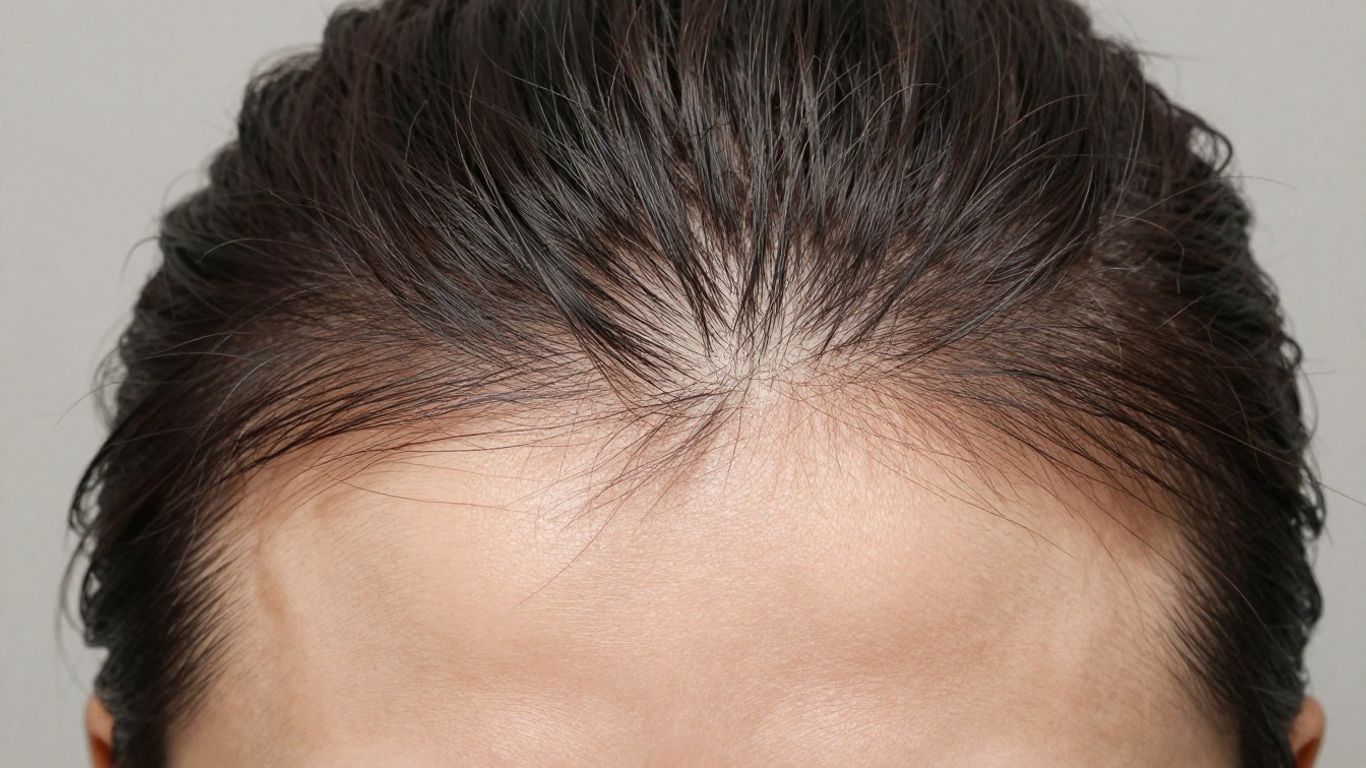
When you're looking into a hair transplant in the USA, the price tag can seem pretty hefty. It's not just a random number; it's built from a few key pieces. Getting a handle on these will help you figure out what you're actually paying for.
The Per Graft Pricing Model Explained
Most clinics in the U.S. use a cost-per-graft system. Think of a graft as a tiny bundle of hair follicles, usually one to four hairs. The surgeon takes these from an area where hair grows well, like the back of your head, and moves them to where you're seeing thinning. The price for each graft can swing quite a bit, often falling between $5 and $12. This means the more grafts you need, the higher the total cost will be. So, someone needing a few hundred grafts for a small hairline touch-up will pay much less than someone needing thousands to cover a larger area. This model really makes it tough to get a solid price without talking to the clinic directly.
Number Of Grafts Required For Restoration
The number of grafts is probably the biggest driver of your final bill. It really depends on how much hair you've lost and what your goals are for the transplant. A simple hairline refinement might only need 1,000 to 1,500 grafts. However, if you're looking to restore density across the crown and mid-scalp, you could be looking at 3,000, 4,000, or even more grafts. It’s not just about covering bald spots; it’s about creating a natural look that blends with your existing hair.
Here’s a general idea of graft numbers for different areas:
- Hairline: Typically 1,000 - 2,500 grafts
- Mid-scalp/Crown: Often 2,000 - 4,000 grafts
- Full Scalp Restoration: Can range from 4,000 - 6,000+ grafts
The Impact Of Clinic Location On Pricing
Where a clinic is located makes a real difference in cost. Places like New York City, Los Angeles, or Miami have higher operating expenses – think rent, staff salaries, and general overhead. Because of this, clinics in these big cities often charge more than clinics in smaller towns or less expensive regions. You might see a noticeable price difference, sometimes 20-30% or more, for the same procedure just based on the zip code. It’s worth looking into clinics outside the major hubs if budget is a big concern, but always check the surgeon’s credentials. The average cost of a hair transplant can vary significantly based on these factors.
The final price you see isn't just for the surgery itself. It includes the surgeon's skill, the clinic's resources, and the sheer number of individual grafts being moved. Understanding these core components is the first step to budgeting realistically for your hair restoration journey.
Factors Influencing Your Hair Transplant Investment
So, you're thinking about getting a hair transplant in the USA for 2026. That's a big step, and it's smart to look closely at what makes the price go up or down. It's not just about the number of hairs; a lot more goes into the final bill. Let's break down the main things that affect how much you'll end up paying.
Surgeon's Expertise and Reputation
This is a big one. Think about it like hiring any skilled professional – you often get what you pay for. A surgeon who has been doing hair transplants for years, has a ton of successful cases under their belt, and maybe even has a great reputation among peers or celebrities, will likely charge more. This isn't just for their name; it's for their refined skills, their eye for natural-looking results, and the confidence that comes from knowing you're in very capable hands. While a higher price doesn't automatically mean a better outcome, a well-regarded surgeon often means a smoother process and a more predictable, satisfying result. It's about minimizing risks and maximizing the chances of a great outcome. You can find a lot of information about what truly matters in a hair transplant procedure beyond just the cost here.
Advanced Surgical Techniques and Their Costs
There are different ways to do a hair transplant, and some methods are more involved and, therefore, more expensive. Techniques like Follicular Unit Extraction (FUE) and Direct Hair Implantation (DHI) have their own price points. DHI, for example, often uses specialized tools and can be more time-consuming, which can drive up the cost compared to other FUE variations. The tools used, like the Choi implanter pen in DHI, allow for precise placement and angle control, mimicking natural hair growth patterns. This level of detail requires significant training and meticulous execution by the surgical team.
Here's a general idea of how techniques can influence pricing:
- Standard FUE: Generally the most common and can be more budget-friendly.
- Sapphire FUE: Uses sapphire blades for creating incisions, potentially leading to faster healing and denser packing, often at a slightly higher cost.
- DHI (Direct Hair Implantation): Utilizes a special tool for implantation, offering high precision but typically comes with a higher price tag due to the specialized equipment and technique.
Anesthesia and Facility Fees
Don't forget about the behind-the-scenes costs. You'll have fees for the anesthesia used during the procedure, whether it's local or something more. There are also facility fees, which cover the use of the operating room, surgical supplies, and the general upkeep of the clinic. These are standard charges in most medical procedures and contribute to the overall cost. It's good to ask if these are included in the initial quote or if they're separate line items.
The final price you see isn't just for the surgeon's hands; it covers the entire operational setup, the sterile environment, the specialized equipment, and the skilled support staff who make the procedure safe and effective. These operational costs are a necessary part of delivering quality medical care.
When comparing prices, especially if you're looking at options outside the US, remember that the cost per graft can vary wildly. For instance, while the USA might charge $4-$8 per graft, places like Colombia can be as low as $1-$2.5 per graft, though this often comes with different considerations like travel and waiting times [c15b].
Navigating Additional Expenses In Hair Restoration
So, you've got a handle on the main costs of a hair transplant, like the grafts and the surgeon's fee. But hold on, there are a few other bits and pieces that can add up. It’s good to know about these upfront so there are no surprises later on.
Pre-Operative Medical Examinations
Before they even think about touching your scalp, clinics need to make sure you're healthy enough for the procedure. This usually involves some basic medical checks. Think blood tests to check for things like anemia or clotting issues, and maybe a quick review of your medical history. These initial checks are pretty standard and usually don't break the bank, but they are a necessary step. Sometimes, these might be included in your main package, but it's worth asking your clinic to be sure. It’s all about making sure everything is safe and sound before you go under the knife, so to speak.
Post-Operative Care Kits and Supplies
After the surgery, taking care of your new hair is super important for the best results. Most clinics will give you a post-op kit. What’s in it can vary, but you can usually expect things like:
- Special shampoos and conditioners designed to be gentle on your healing scalp.
- Saline sprays or solutions to keep the transplanted areas clean and moist.
- Pain relievers or anti-inflammatories, though often you can use your own.
- A special pillow or neck support to avoid putting pressure on the graft sites while you sleep.
These kits are meant to help you through the initial healing phase. While some clinics include them, others might charge extra. It’s a small cost, but it’s part of making sure your recovery goes smoothly. You can often find similar items at a lower cost if you shop around after your initial kit runs out.
Potential Add-Ons For Enhanced Results
Beyond the basics, there are some newer technologies and treatments that some clinics offer to potentially boost your results. These aren't always necessary, but they're worth knowing about if you're looking to maximize your investment. Some examples include:
- Platelet-Rich Plasma (PRP) Therapy: This involves drawing your blood, concentrating the platelets, and then injecting this plasma into your scalp. The idea is that the growth factors in the platelets can help stimulate hair growth and improve healing. It’s often done in a few sessions, sometimes alongside your transplant or a few months after. The cost can add up, as it’s usually priced per session.
- Low-Level Laser Therapy (LLLT): You might see devices like laser caps or combs. These use specific wavelengths of light to supposedly encourage hair growth and thicken existing hair. Again, this is an additional cost, and you’d typically need to use it consistently for several months to see any difference.
- Stem Cell Treatments: This is a more cutting-edge option that’s still being explored. It involves using stem cells to potentially regenerate hair follicles. It’s generally more expensive and less common than PRP or LLLT right now.
When considering these add-ons, it's really important to have a frank discussion with your surgeon. Ask them what evidence they have that these treatments will specifically benefit your situation and if they’ve seen significant improvements in their patients. Don't just go for something because it sounds fancy; make sure it makes sense for your hair loss and your budget. A good surgeon will be honest about the potential benefits and limitations.
Remember, the core procedure is the most important part. These extras are just that – extra. For many people, a well-done transplant with good post-op care is all they need. If you're looking at a procedure in the US, you might find costs for a 1,000-graft transplant ranging from $4,500 to $8,000, depending on where you go and what's included [cadc]. Always get a clear breakdown of what’s included in your initial quote.
Comparing Hair Transplant Costs Across The USA
So, you're looking into a hair transplant and wondering how much it's going to set you back, specifically here in the States. It's a big question, and honestly, the answer isn't a simple number. Think of it like buying a car – prices can swing wildly depending on where you are and what bells and whistles you want. The sticker price for a hair transplant can vary significantly from one city to another.
Major Metropolitan Areas Versus Smaller Cities
Let's get real about location. Clinics in big, bustling cities like Los Angeles or New York City tend to charge more. It's just the nature of doing business in a high-cost area. Rent for the office space is higher, staff salaries are usually more, and there's just generally more overhead. You might see prices that are 20-30% higher in these major hubs compared to a clinic in a smaller town or a more affordable region. For example, the average cost of a hair transplant in Los Angeles can be around $11,590, with prices per graft sometimes reaching $12 [d404]. Meanwhile, in a place like Houston, Texas, you might find a different average, though it still depends on individual needs [d558].
Regional Price Variations For Procedures
Beyond just big cities versus small towns, there are broader regional differences. The cost of living and doing business across different states can influence the final price. You'll often find that procedures in the Northeast or on the West Coast might be priced a bit higher than those in the Midwest or the South. It's not a hard and fast rule, but it's something to keep in mind when you're budgeting.
Here's a general idea of how costs might stack up, though remember these are just averages:
- High Cost Areas: Major coastal cities (e.g., NYC, LA, Miami, San Francisco)
- Mid-Range Areas: Larger cities in central US, some suburban areas
- Lower Cost Areas: Smaller cities, towns, and less expensive regions
Understanding Value Beyond The Sticker Price
It's easy to get fixated on the total dollar amount, but it's really about the value you're getting. A slightly higher price tag might mean you're getting a surgeon with decades of experience, a clinic using the latest technology, or a more thorough post-operative care plan. Don't just shop for the cheapest option; look at the surgeon's track record, read reviews, and understand what's included in the price. Sometimes, paying a bit more upfront for a highly reputable clinic can save you a lot of heartache (and money) down the road if you need revisions or aren't happy with the initial results. It's about finding that sweet spot between affordability and quality care.
When comparing prices, always ask for a detailed breakdown. Make sure you know exactly what you're paying for – is it just the surgery, or does it include consultations, medications, and follow-up visits? Understanding the specifics helps you truly compare apples to apples, rather than just comparing raw numbers that might not tell the whole story.
The Global Perspective On Hair Transplant Pricing
When you start looking into hair transplants, you'll quickly see that prices can be all over the place. It's not just about the clinic you pick in the US; where in the world you go makes a huge difference. The cost of a hair transplant can vary dramatically from one country to another.
Think about it: different countries have different costs for everything from rent to skilled labor. This naturally affects how much clinics charge. You might find that what costs $15,000 in a major US city could be done for a fraction of that elsewhere.
Medical Tourism Options And Their Appeal
Lots of people are looking at going abroad for their hair transplants. It's often called medical tourism, and there are some big reasons why it's so popular:
- Significant Cost Savings: This is usually the main draw. You can often get the same procedure for much less money than you would in the US or Canada. For example, in 2026, you might see prices ranging from $1,200 to $4,500 in places like Turkey, India, or Mexico, which is way less than the $8,000 to over $20,000 you could pay in high-cost countries.
- Access to Experienced Surgeons: Some countries, like Turkey, have become huge hubs for hair restoration. They perform a massive number of procedures each year, meaning surgeons gain a lot of experience very quickly. This can lead to great results.
- All-Inclusive Packages: Many clinics overseas offer packages that bundle the surgery, hotel stays, airport transfers, and post-op care. This can make the whole experience feel more organized and less stressful, like the hypothetical journey of Mark who felt like a VIP.
Comparing USA Costs To International Destinations
Let's break down some of the numbers to give you a clearer picture. Keep in mind these are estimates for 2026 and can change.
As you can see, the difference is pretty stark. A procedure that might cost $10,000 to $25,000 in the USA and Canada could be done for $2,000 to $5,000 in Turkey. It really makes you think about where you want to get your procedure done.
Assessing Quality Versus Affordability Abroad
So, if other countries are so much cheaper, does that mean the quality is worse? Not necessarily. It's more about finding that sweet spot between what you can afford and the quality you expect. You need to do your homework.
When looking at international options, it's vital to look beyond just the price tag. Research the clinic's accreditation, the surgeon's qualifications and experience, and read patient reviews. Sometimes, a slightly higher price in a more reputable international clinic can still be a better deal than the cheapest option available.
Don't just pick the cheapest place you find. Look for clinics that have good reviews, surgeons who are well-trained (maybe even in the US or Europe), and clear communication. A bit of extra research can save you a lot of money and help you get the results you're hoping for. It's about getting good value, not just the lowest price. You can find more information on international hair transplant costs to help you compare.
Maximizing Your Hair Transplant Budget In 2026

So, you're thinking about a hair transplant in 2026 and want to make sure you're getting the most bang for your buck. It’s a big decision, and the cost can seem a bit daunting at first glance. But with a smart approach, you can definitely make it work for your budget.
Consultation Importance for Accurate Quotes
First things first, you absolutely need to have a thorough consultation. This isn't just a quick chat; it's where the real planning happens. Your surgeon will look at your hair loss pattern, the density you're aiming for, and the health of your donor area. Based on this, they can give you a much more precise idea of how many grafts you'll need. Remember, the price per graft is a big part of the total cost, typically ranging from $5 to $12 in the USA. Getting a clear graft count upfront means no surprises later on. It’s also a good time to discuss what techniques are best for you, like Robotic FUE or Nano-DHI, as these can affect the final price.
- Initial Assessment: A detailed look at your scalp and hair loss.
- Graft Estimation: A realistic number of grafts needed for your desired outcome.
- Technique Discussion: Understanding how different methods impact cost and results.
- Goal Setting: Aligning your expectations with what's achievable within your budget.
A detailed consultation is your best tool for understanding the true cost and value of your hair transplant. Don't skip this step!
Financing Options for Hair Restoration
Let's be real, a hair transplant is an investment. If paying the full amount upfront isn't feasible, don't worry. Many clinics now offer financing plans to help spread the cost over time. These can be a lifesaver, making the procedure much more accessible. You might find options with low monthly payments or even interest-free periods, depending on the provider. It’s worth asking your clinic about any partnerships they have with financing companies. This can make a significant difference in managing the overall expense, especially when considering that multiple sessions might be needed over time, potentially adding thousands of dollars to the total.
Long-Term Value of a Successful Procedure
When you look at the cost of a hair transplant, think beyond just the immediate expense. Consider the long-term benefits. A successful procedure can significantly boost your confidence and self-esteem. For many, this translates into feeling better about their appearance in both personal and professional settings. It’s not just about regrowing hair; it’s about reclaiming a part of yourself that you might have lost. The psychological impact of looking and feeling your best can be profound and last for years. When you factor in the durability of modern techniques and the potential for a natural, permanent result, the long-term value often outweighs the initial financial outlay. It’s an investment in yourself that can pay dividends in confidence and well-being for a very long time.
Wrapping It Up: Your Hair Transplant Journey
So, we've gone over a lot about hair transplant costs in the US for 2026. It's clear that this isn't a simple decision, and the price tag can really vary. Things like where the clinic is, how experienced the surgeon is, and the specific technique they use all play a big part in the final number. While it's a significant investment, remember that it's about more than just the money; it's about getting back that confidence and a look you're happy with. Do your homework, talk to a few different places, and find the option that feels right for you and your budget. It’s a big step, but for many, it’s totally worth it in the end.
Frequently Asked Questions
What's the main way clinics figure out the price of a hair transplant?
Most clinics in the U.S. use a 'per graft' price. Think of a graft as a tiny bit of skin holding one to four hairs. They take these from where hair grows well and put them where it's thinning. The more grafts you need, the more it costs. Prices can range from $5 to $12 for each graft.
Does where the clinic is located change the cost?
Yes, it really does! Clinics in big cities like New York or Los Angeles usually cost more than those in smaller towns. This is because rent, staff pay, and other costs are higher in big cities. You might see a difference of 20-30% or even more.
How much does a typical hair transplant cost in the USA for 2026?
For 2026, you can expect to pay anywhere from $8,000 to $15,000 for a standard hair transplant procedure involving around 3,000 grafts. Some places might charge more, especially if you need a lot of grafts or choose a very famous surgeon.
Are there other costs besides the surgery itself?
Yes, sometimes. You might have to pay for check-ups before the surgery, special shampoos or medicines for after the surgery, and sometimes even travel or hotel costs if the clinic isn't nearby. It's good to ask what's included in the price.
Is it cheaper to get a hair transplant in another country?
Often, yes. Countries like Turkey offer hair transplants for much less, sometimes starting at $2,000 to $5,000 for a similar number of grafts. However, you need to think about travel costs, time away from home, and making sure the quality is still good.
What makes a surgeon's fee higher?
A surgeon's fee goes up if they have a lot of experience, a great track record of natural-looking results, or if they are known for fixing difficult cases. Paying more can mean you're getting the benefit of their years of practice and skill.



International Standards.
Brazilian Mastery.
Aesthetica Medical Travel Facilitators, LLC is an international care coordination company registered in Wyoming, United States. We provide services for the promotion and support of medical service providers, including physicians worldwide (“medical service providers”). These services are made available through Aesthetica’s website, and the same privacy terms also apply to the Aesthetica Advisor Program (the “application/platform”), created and operated by Aesthetica. Aesthetica is solely responsible for controlling and processing the information obtained via the platform or through other communications between users, businesses, hospitals, clinics, or third parties and members of the Aesthetica service team (the “Service Team”). Our services may include non-clinical care coordination for North American patients seeking elective procedures abroad, including provider matching, travel logistics, and administrative support throughout the care journey. Additional services or add-ons may be offered depending on the selected scope. Post-operative care is typically conducted in the destination country where the procedure is performed. Additional coordination or administrative support in the patient’s country of origin may be available separately, subject to scope and availability. Aesthetica may engage third-party service providers, partners, or affiliated entities to support its operations, including data processing and service delivery. Information may be shared with such parties solely as necessary to provide the services described. Our operations follow strict standards of transparency, privacy protection, and regulatory compliance. Testimonials reflect individual experiences and do not guarantee future results. By using Aesthetica’s services or platform, users acknowledge and agree to these terms and understand the limited, non-clinical role of Aesthetica in the care journey. For more information about our policies or compliance framework, please contact our support team.