
Understanding the Cost of Veneers in NYC: A Comprehensive Guide
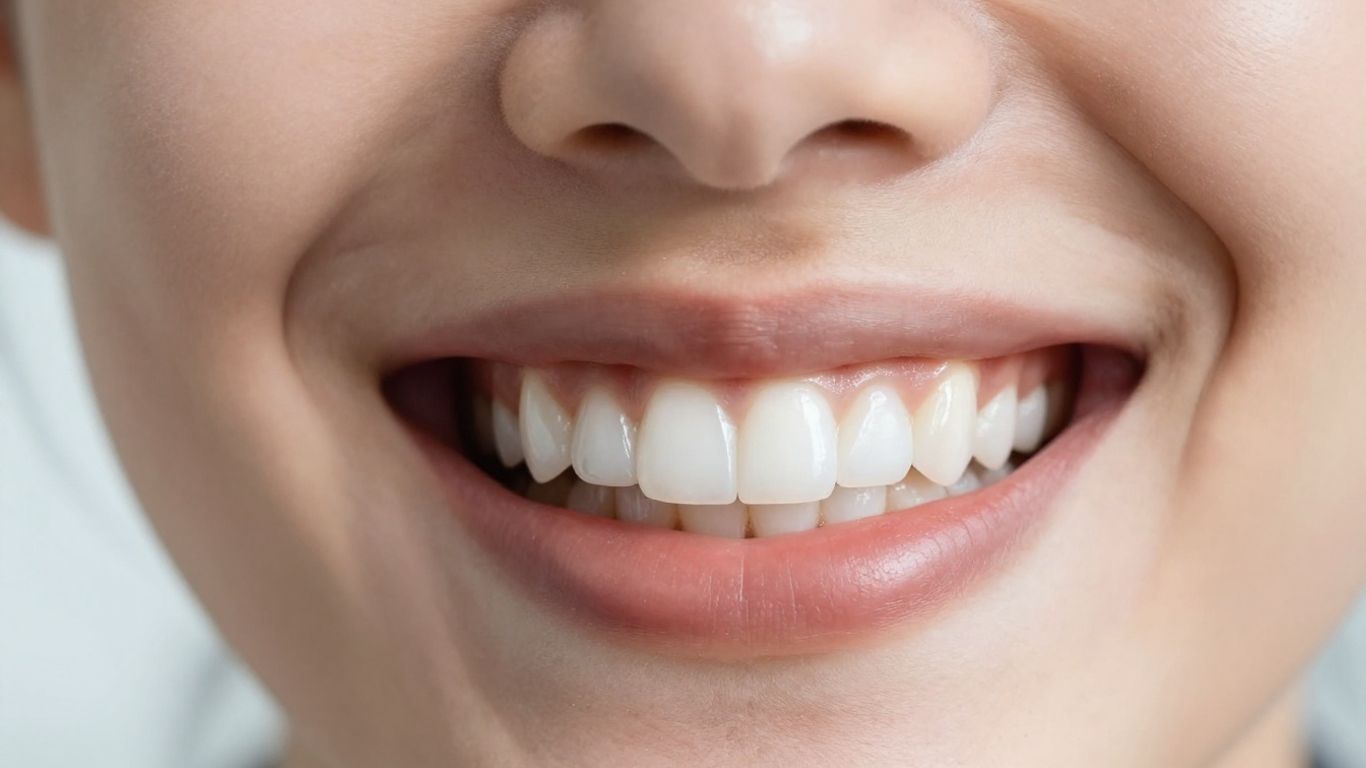
Thinking about veneers in New York City? Here are the main things to keep in mind about the cost and what you get.
Key Takeaways
- The cost of veneers in NYC varies a lot, with porcelain usually costing more than composite.
- Expect to pay between $2,000 to $4,500 per porcelain veneer in NYC, and $300 to $800 for composite.
- Factors like the dentist's skill, the lab used, and the complexity of your case all affect the final price.
- While veneers are an investment, they can last 10-20 years (porcelain) or 5-7 years (composite) with good care.
- Look into financing options and always choose a dentist you trust for the best results.
Understanding The Cost Of Veneers In NYC
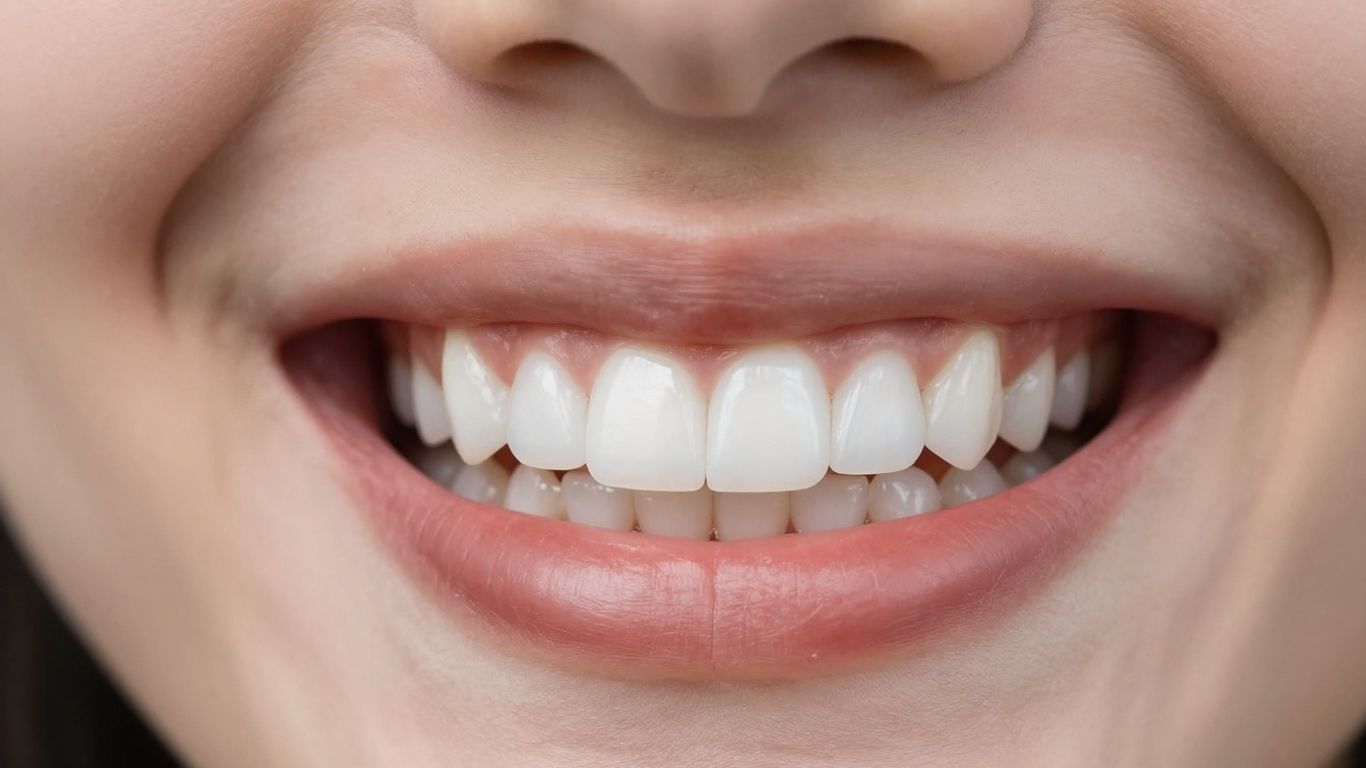
So, you're thinking about getting veneers in New York City? It's a big decision, and let's be real, the cost is probably one of the first things on your mind. NYC isn't exactly known for being cheap, and dental work here can definitely add up. But what exactly are you paying for when you opt for veneers?
The Investment Breakdown: Understanding The Cost Of Porcelain Veneers
When you look at the price tag for porcelain veneers, it's not just about the material itself. You're investing in a blend of artistry, advanced dental science, and personalized care. Think of it like commissioning a custom piece of art for your smile. The cost reflects the skill of the dentist, the quality of the lab creating the veneers, and the entire process designed to give you a stunning, natural-looking result. It’s a significant investment, but for many, the confidence boost and aesthetic improvement are well worth it.
General Price Range For Veneers
Okay, let's get down to numbers. The cost can really vary, but here’s a general idea of what you might expect in NYC:
- Porcelain Veneers: These are usually the pricier option, often ranging from $2,000 to $4,500 per tooth. They're known for their natural look and durability.
- Composite Veneers: A more budget-friendly choice, these typically fall between $300 and $800 per tooth. They can look great, but might not last as long as porcelain.
For a full smile makeover, say 6-10 veneers, you're looking at a bigger investment, potentially $12,000 to $36,000 or even more. It really depends on the number of teeth and the specific materials and techniques used. It’s always best to get a detailed quote from your dentist.
Factors Influencing Your Final Price
Why the big difference in price? Several things play a role:
- Material: Porcelain is generally more expensive than composite resin.
- Dentist's Expertise: Highly experienced cosmetic dentists, especially those using advanced technology, often charge more. This isn't just about their reputation; it's about the skill and precision they bring to the table.
- Number of Veneers: Obviously, the more teeth you're getting treated, the higher the total cost.
- Complexity of the Case: Some smiles require more intricate work than others, which can affect the price.
- Lab Fees: The dental lab that crafts the veneers also has costs associated with creating high-quality, custom restorations.
It's important to remember that while the upfront cost of veneers can seem high, especially in a city like New York, they are a long-term investment in your appearance and confidence. Thinking about the lifespan and the quality of the results can help put the price into perspective. Many patients find that the value they receive over the years far outweighs the initial expense.
When you're comparing prices, make sure you understand exactly what's included. Sometimes, a slightly higher quote might cover more comprehensive planning or better materials, which can make a difference in the long run. Don't hesitate to ask your dentist to break down the costs for you. You can find more details on how veneers are applied to get a better sense of the process involved.
Exploring Different Veneer Materials And Their Costs
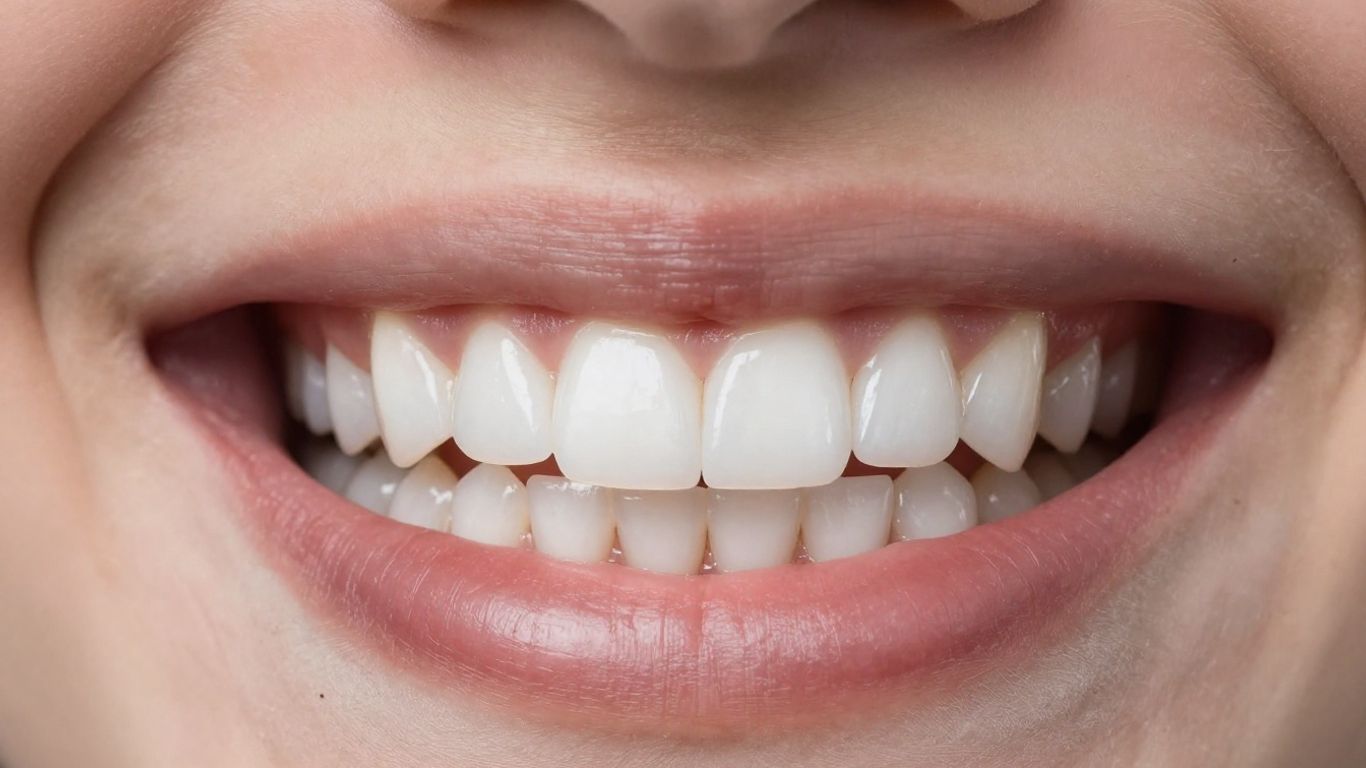
When you're looking into getting veneers, you'll quickly find out there are a few main options when it comes to materials. Each one has its own set of pros and cons, especially when you consider how they look, how long they last, and, of course, the price tag. It's not a one-size-fits-all situation, and understanding these differences is key to making the right choice for your smile.
Porcelain Veneers: The Premium Choice
Porcelain veneers are often considered the top-tier option, and for good reason. They're made from a strong ceramic material that really mimics the natural look of tooth enamel. This means they have a beautiful translucency and reflect light in a way that makes them look incredibly realistic. Plus, porcelain is super resistant to stains, so your coffee or red wine habit probably won't dull their shine over time. Because they're so durable and look so natural, they tend to come with a higher price tag. You're looking at anywhere from $2,000 to $4,500 per tooth in NYC for this premium option [d502].
- Aesthetics: Superior, highly natural, translucent, and stain-resistant.
- Durability: Excellent strength and chip resistance.
- Lifespan: Typically 10-20 years with proper care.
- Preparation: Usually requires minimal enamel removal.
Composite Veneers: A Budget-Friendly Alternative
If you're trying to keep costs down, composite veneers are definitely worth considering. These are made from a tooth-colored resin material that's applied directly to your teeth. The big advantage here is the cost; they're significantly more affordable, often ranging from $300 to $800 per tooth [d502]. They can usually be placed in a single visit, which is pretty convenient. However, they aren't quite as durable or stain-resistant as porcelain. You might find they last about 5-7 years before needing replacement or repair, and they can be more prone to chipping or staining compared to their porcelain counterparts.
- Cost: More affordable, typically $300-$800 per tooth.
- Procedure: Often completed in a single dental visit.
- Lifespan: Generally 5-7 years.
- Maintenance: More susceptible to staining and chipping.
Comparing Veneers vs. Bonding Costs
It's also helpful to compare veneers to another common cosmetic option: dental bonding. Bonding uses a tooth-colored resin material, similar to composite veneers, but it's typically used for smaller repairs or minor cosmetic changes. While bonding is the most budget-friendly choice, often costing between $300 and $600 per tooth, it's generally not as durable or aesthetically pleasing as veneers, especially porcelain ones. Veneers, despite their higher upfront cost, offer a more permanent and visually impactful solution for a complete smile makeover [7f80].
Choosing the right material is a big part of the process. It affects how they look, how long they last, and of course, the cost. Your dentist will help you figure out which is best for your specific needs and what you want to achieve with your smile.
The Comprehensive Veneer Procedure In New York City
Getting veneers is a process, and it's good to know what to expect before you start. It’s not just a quick fix, but it’s also not overly complicated. Most people find the whole experience pretty straightforward, especially with today's dental technology. The goal is always to give you a smile you'll love, and the steps are designed to make that happen smoothly.
Initial Consultation And Treatment Planning
This is where it all begins. You'll sit down with your dentist and talk about what you're hoping to achieve. Are you looking to fix discoloration, close small gaps, or maybe just get a brighter, more uniform look? Your dentist will examine your teeth and gums, take some X-rays, and discuss whether veneers are the right choice for you. They might use digital imaging to show you what your new smile could look like. This is also the time to ask any questions you have about the procedure, the materials, and of course, the cost. It's all about creating a personalized plan that fits your unique smile goals.
The Veneer Application Process
Once you've decided to move forward, the actual application usually happens over a couple of appointments. First, the dentist will prepare your teeth. This typically involves removing a very thin layer of enamel – about as thick as a fingernail – from the front surface of each tooth that will receive a veneer. This step is necessary to make sure the veneers fit naturally and don't look bulky. After preparation, precise impressions or digital scans of your teeth are taken. These are sent to a dental lab where your custom veneers are crafted. While those are being made, you might wear temporary veneers to protect your teeth and give you a preview of the final look. When your permanent veneers are ready, the dentist will check their fit and color before bonding them securely to your teeth using a special dental adhesive. The final step involves checking your bite and making any minor adjustments needed.
Post-Procedure Care And Maintenance
After your new veneers are in place, taking care of them is pretty simple. It's much like caring for your natural teeth. You'll want to brush and floss daily to keep your gums healthy and prevent any issues. It's a good idea to be mindful of what you eat, though. While porcelain veneers are quite durable, avoiding extremely hard foods or habits like chewing on ice or pens can help prevent any potential chipping or damage. Regular dental check-ups, usually every six months, are also important. Your dentist will check on your veneers, clean them, and make sure everything is still looking and feeling great. With good care, your veneers can last for many years, keeping your smile looking its best. How veneers are applied can give you more insight into the technical aspects.
Maximizing The Value Of Your Veneer Investment
So, you've decided to go for veneers. That's awesome! It's a pretty significant step towards a smile you'll love, and it's totally normal to want to make sure you're getting the most out of it. Think of it like buying a really nice piece of furniture – you want it to last and look good for years, right? Well, veneers are kind of the same, but for your smile.
Longevity and Durability Of Porcelain Veneers
When we talk about veneers, especially the porcelain kind, we're talking about something built to last. These aren't flimsy; they're made from strong ceramic material that's designed to handle all the daily stuff your teeth do, like eating, talking, and laughing. With the right care, your porcelain veneers can easily last 10 to 20 years, and sometimes even longer. When you spread that cost out over so many years, it really starts to look like a smart, long-term investment in your appearance and confidence. It's kind of like how people invest in good skincare or regular salon visits – it's about maintaining something that makes you feel good.
Here’s a quick look at what helps them stick around:
- Daily Brushing and Flossing: Just like your natural teeth, veneers need to be kept clean. Use a soft brush and fluoride toothpaste, and don't forget to floss daily. It keeps things healthy around the gum line.
- Regular Dental Check-ups: Seeing your dentist every six months is super important. They can spot any little issues before they become big ones and make sure your veneers are still in tip-top shape.
- Mindful Eating Habits: While they're tough, try not to use your teeth as tools (like opening packages) or bite down on really hard things, like ice or hard candies. It's just common sense to protect your investment.
- Protecting Against Grinding: If you grind your teeth at night, wearing a custom night guard is a must. It's a small step that can prevent a lot of potential damage.
Financing Options For Veneers In NYC
Okay, let's talk about the money side of things. Veneers are definitely an investment, and in a place like New York City, costs can add up. Most dental insurance plans don't cover cosmetic procedures like veneers, which can feel a bit daunting. But don't let that stop you from getting the smile you want! Many dental practices understand this and offer different ways to help make it more manageable.
- Payment Plans: Some offices partner with third-party financing companies that offer payment plans with low or no interest over a set period. This breaks down the total cost into smaller, monthly payments.
- In-House Financing: A few practices might have their own financing options available directly through the office.
- Dental Savings Plans: While not insurance, these plans can offer discounts on various dental procedures, sometimes including cosmetic work.
It's always a good idea to have an open conversation with your dental office about what financing options they have available. They can walk you through the application process and help you figure out what works best for your budget. You can often find more details about payment options on a dentist's website, like those that focus on making smile makeovers a reality.
Choosing An Experienced Cosmetic Dentist
This is probably the most important part of maximizing the value of your veneer investment. You're not just paying for the veneers themselves; you're paying for the skill, artistry, and experience of the dentist placing them. A dentist who really knows their stuff can make a huge difference in how natural your veneers look, how well they fit, and how long they last.
When you're looking for a dentist, consider these points:
- Look at their portfolio: Do you like the results they've achieved for other patients? Do the smiles look natural and beautiful?
- Read reviews: What are other patients saying about their experience? Look for comments about the dentist's attention to detail, communication, and the overall outcome.
- Ask about their experience with veneers: How many veneer cases do they handle? Do they work closely with a skilled dental lab?
- Schedule a consultation: This is your chance to meet the dentist, ask all your questions, and get a feel for their approach. A good dentist will take the time to listen to your goals and explain the process clearly.
Choosing the right dentist is like hiring a skilled artist for a masterpiece. Their expertise ensures that your veneers are not just functional but also aesthetically perfect, blending seamlessly with your natural features and boosting your confidence for years to come. It's an investment in both your appearance and your self-assurance.
Finding a dentist you trust is key. It’s a significant decision that impacts your appearance and your oral health for years to come. Taking the time to research and choose wisely will pay off in the long run.
Beyond Aesthetics: Functional And Psychological Gains
While the visual transformation from dental veneers is often the main draw, the benefits go much deeper than just looking good. For many, getting veneers is about more than just a prettier smile; it's about regaining function and a significant boost in how they feel about themselves.
Restoring Proper Bite Function
Sometimes, teeth can become worn down over time due to grinding or other issues. This wear can affect the natural alignment of your bite, leading to discomfort or even jaw pain. Veneers can be designed to restore the original height and shape of these teeth. This helps to bring your bite back into proper alignment, which can reduce strain on your jaw muscles and the temporomandibular joint (TMJ). It’s not just about making your teeth look even; it’s about making them work correctly again.
Enhancing Tooth Durability
Porcelain, the material most commonly used for veneers, is quite strong. When a veneer is bonded to your tooth, it actually adds a layer of protection to the front surface. This can help shield your teeth from further wear and tear, especially if you have a habit of grinding them. While they aren't indestructible, they can certainly make your teeth more resilient against minor impacts and daily use. Think of it as giving your teeth a tough, protective shield that also looks fantastic. This added durability can be a real game-changer for people worried about damaging their teeth further. You can explore how porcelain veneers are applied to understand this protective aspect better.
A Confidence Revolution
This is where the real magic happens, and it’s something you can’t always see in a photo. When people are unhappy with their smile, they tend to hide it. They might cover their mouth when they laugh, avoid smiling in pictures, or even feel self-conscious in conversations. Veneers can completely change that.
The feeling of being able to smile freely, without a second thought, is incredibly liberating. It impacts everything from social interactions to professional confidence. People often report feeling more outgoing, happier, and just generally more at ease in their own skin after getting veneers. It’s a powerful psychological shift that goes way beyond just having nice-looking teeth.
This newfound confidence can ripple into other areas of life, making you feel more positive and open. It’s amazing how much a smile can influence your overall well-being and how you present yourself to the world. For many, the psychological gains from dental veneers are the most significant part of the transformation, leading to a happier, more self-assured outlook. The impact on psychological well-being is often profound.
The visual transformation from dental veneers is often the main draw, but the benefits go much deeper than just looking good. For many, getting veneers is about more than just a prettier smile; it's about regaining function and a significant boost in how they feel about themselves.
It's inspiring to see how correcting minor imperfections can lead to such significant boosts in self-esteem. For instance, someone might have had slightly crooked teeth that made them feel self-conscious, and after getting veneers, they feel comfortable smiling in photos for the first time in years. Exploring these real-life accounts really brings the potential of veneers to life, showing the emotional and social benefits alongside the physical ones. You can find some amazing examples of these transformations online, showcasing how veneers can create a radiant appearance.
Navigating Potential Additional Costs
So, you've got a pretty good idea of what veneers might cost, but sometimes there are a few extra things that pop up. It's not like the dentist is trying to sneak anything past you; these are usually just necessary steps to make sure your new smile is healthy and looks its best. Think of it as getting your car ready for a long road trip – sometimes you need a few extra bits and pieces before you hit the highway.
Preliminary Treatments For Optimal Oral Health
Before we can even think about putting on those shiny new veneers, your mouth needs to be in tip-top shape. If there are any underlying issues, like cavities that need filling, gum disease that needs treating, or even just significant decay, those have to be sorted out first. These treatments are separate from the veneer cost itself, but they're super important for giving your veneers a solid, healthy foundation to sit on. It’s like building a house – you need a strong base before you put up the walls.
Teeth Whitening For Adjacent Teeth
This one's a bit of a visual thing. Veneers themselves don't really change color once they're on; they're pretty stain-resistant. So, if you're only getting veneers on, say, your front four teeth, and the rest of your teeth are a bit yellower, you might notice the difference. To get that perfectly uniform, bright smile, you might want to consider whitening your other natural teeth beforehand. This way, everything matches up nicely. It’s a way to make sure your whole smile looks cohesive and bright. You can explore professional teeth whitening options if this sounds like something you'd be interested in.
Custom Night Guards For Bruxism
Do you ever wake up with a sore jaw, or notice your teeth feel a bit worn down? That could be bruxism, which is just a fancy word for teeth grinding or clenching, often happening while you sleep. If this is you, your dentist will probably strongly suggest a custom-made night guard. This isn't just a little plastic thing; it's a carefully fitted appliance designed to protect your teeth, and especially your new veneers, from the forces of grinding. Without one, you could risk chipping or even cracking your veneers over time. It’s a really smart investment to keep your smile looking great for years to come. These typically run anywhere from $300 to $800.
It's always a good idea to have a clear picture of all potential costs involved in your dental work. Open communication with your dentist about pricing, including any additional procedures that might be necessary, helps avoid surprises and ensures you're fully prepared for your smile transformation. Understanding these extras upfront allows you to budget effectively and feel more confident about the entire process.
Conclusion
Deciding to get veneers is a big step, and understanding the cost of veneers in NYC is a major part of that decision. While the upfront investment can seem high, especially for porcelain veneers, it's important to look at the long-term benefits. These aren't just cosmetic; they can improve how your teeth function and give you a huge confidence boost. By carefully considering the factors that influence the price, exploring financing options, and choosing a skilled dentist, you can make an informed choice that leads to a smile you'll love for years to come. It's an investment in yourself and your overall well-being.
Frequently Asked Questions
How much do veneers actually cost in New York City?
The price for veneers in NYC can really change depending on what they're made of and how many you need. For a single porcelain veneer, you might be looking at anywhere from $2,000 to $4,500. If you're going for composite, it's usually less, maybe $300 to $800 per tooth. Getting a whole set for a big smile change will cost more, often starting around $10,000 and going up from there.
Are porcelain veneers or composite veneers better?
Porcelain veneers are usually seen as the top choice because they look really natural and last a long time, often 10 to 20 years. They also don't stain easily. Composite veneers are cheaper and can sometimes be done in one visit, but they don't last as long and can stain more easily. It really depends on your budget and what you want your smile to look like.
Does getting veneers hurt?
Most people don't find the process of getting veneers painful. Your dentist will likely give you some numbing medicine for your gums and teeth before they start working. You might feel a little bit of pressure or sensitivity, but it's usually not bad. If you're worried, definitely talk to your dentist about it beforehand.
How long do veneers usually last?
If you take good care of them, porcelain veneers can last a really long time, like 10 to 20 years. Composite veneers usually last about 5 to 7 years. To make them last, you need to brush and floss like normal, avoid biting really hard things, and go to your dentist for check-ups.
Will veneers look fake?
Not if you go to a good dentist! Modern veneers are made to look super natural. Dentists are really careful about matching the color and shape to your other teeth and your face. They're designed to blend right in, so people probably won't even know you have them unless you tell them.
Is the cost of veneers covered by insurance?
Usually, no. Veneers are mostly considered a cosmetic thing, meaning they're for improving how your teeth look, not for fixing a health problem. Because of this, most dental insurance plans don't cover them. You'll likely have to pay for them out-of-pocket, but many dentists offer payment plans to help make it more affordable.


American Standards.
Brazilian Mastery.
Aesthetica Medical Travel Facilitators, LLC is an international care coordination company registered in Wyoming, United States. We provide services for the promotion and support of medical service providers, including physicians worldwide (“medical service providers”). These services are made available through Aesthetica’s website, and the same privacy terms also apply to the Aesthetica Advisor Program (the “application/platform”), created and operated by Aesthetica. Aesthetica is solely responsible for controlling and processing the information obtained via the platform or through other communications between users, businesses, hospitals, clinics, or third parties and members of the Aesthetica service team (the “Service Team”). Our services may include non-clinical care coordination for North American patients seeking elective procedures abroad, including provider matching, travel logistics, and administrative support throughout the care journey. Additional services or add-ons may be offered depending on the selected scope. Post-operative care is typically conducted in the destination country where the procedure is performed. Additional coordination or administrative support in the patient’s country of origin may be available separately, subject to scope and availability. Aesthetica may engage third-party service providers, partners, or affiliated entities to support its operations, including data processing and service delivery. Information may be shared with such parties solely as necessary to provide the services described. Our operations follow strict standards of transparency, privacy protection, and regulatory compliance. Testimonials reflect individual experiences and do not guarantee future results. By using Aesthetica’s services or platform, users acknowledge and agree to these terms and understand the limited, non-clinical role of Aesthetica in the care journey. For more information about our policies or compliance framework, please contact our support team.