
Find Top-Rated Composite Veneers Near Me for a Stunning Smile Makeover
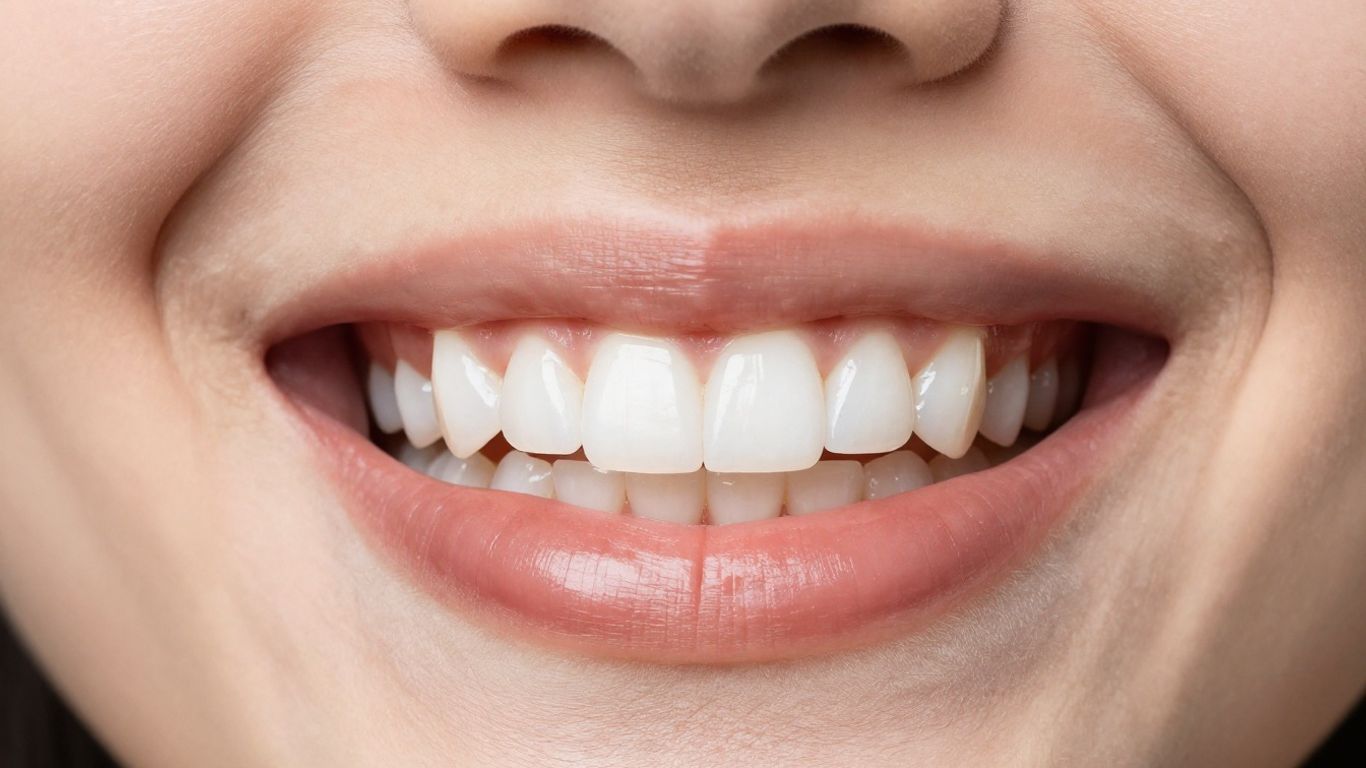
Thinking about a smile upgrade? You've probably heard about composite veneers and how they can really change your look. Maybe you're wondering if they're the right choice for you, or perhaps you're just curious about what goes into getting them. It's a pretty popular way to fix up your smile, making teeth look straighter, whiter, or just generally better. If you're on the hunt for composite veneers near me, this guide is here to break down what you need to know.
Key Takeaways
- Composite veneers are a popular cosmetic dental treatment used to improve the appearance of teeth, addressing issues like discoloration, chips, or minor alignment problems.
- While composite veneers are a great option for a smile makeover, other cosmetic dentistry services like porcelain veneers, dental bonding, and teeth whitening exist.
- Dental bonding, also known as tooth bonding or restorative bonding, is a less invasive and often more affordable alternative to veneers, using a tooth-colored resin.
- A consultation with a cosmetic dentist is the first step to understanding which treatment, including composite veneers, is best suited for your smile goals and oral health.
- Finding 'composite veneers near me' involves researching local dental practices that specialize in cosmetic dentistry and reviewing their patient testimonials or results.
1. Composite Veneers
Composite veneers are a popular choice for folks looking to spruce up their smile without a huge fuss. Basically, they're made from a tooth-colored resin material that a dentist applies directly to your teeth. Think of it like a skilled sculptor working with a special putty to fix chips, close small gaps, or even cover up some stubborn stains that whitening just can't touch. It's a pretty straightforward way to get a more uniform and brighter smile.
One of the big draws is that the procedure is often done in a single dental visit. The dentist will prep your teeth a bit, then apply the composite material, shape it just right, and harden it with a special light. It’s a direct application, meaning less lab work compared to other veneer types.
Here’s a quick look at what they can help with:
- Fixing minor chips and cracks
- Closing small spaces between teeth
- Improving the shape of uneven teeth
- Masking discoloration or stains
While they're a great option for many, it's good to know they might not be as stain-resistant or as long-lasting as porcelain veneers. However, they are generally more affordable and can be repaired more easily if they do get damaged. If you're considering this option, a chat with your dentist is the best way to see if composite veneers are the right fit for your smile goals.
Composite veneers offer a less invasive approach to cosmetic dental improvements. The material is bonded directly onto the tooth surface, often requiring minimal or no removal of the natural tooth enamel. This makes the process generally comfortable and can be a good option for those who prefer to keep as much of their natural tooth structure as possible.
2. Porcelain Veneers
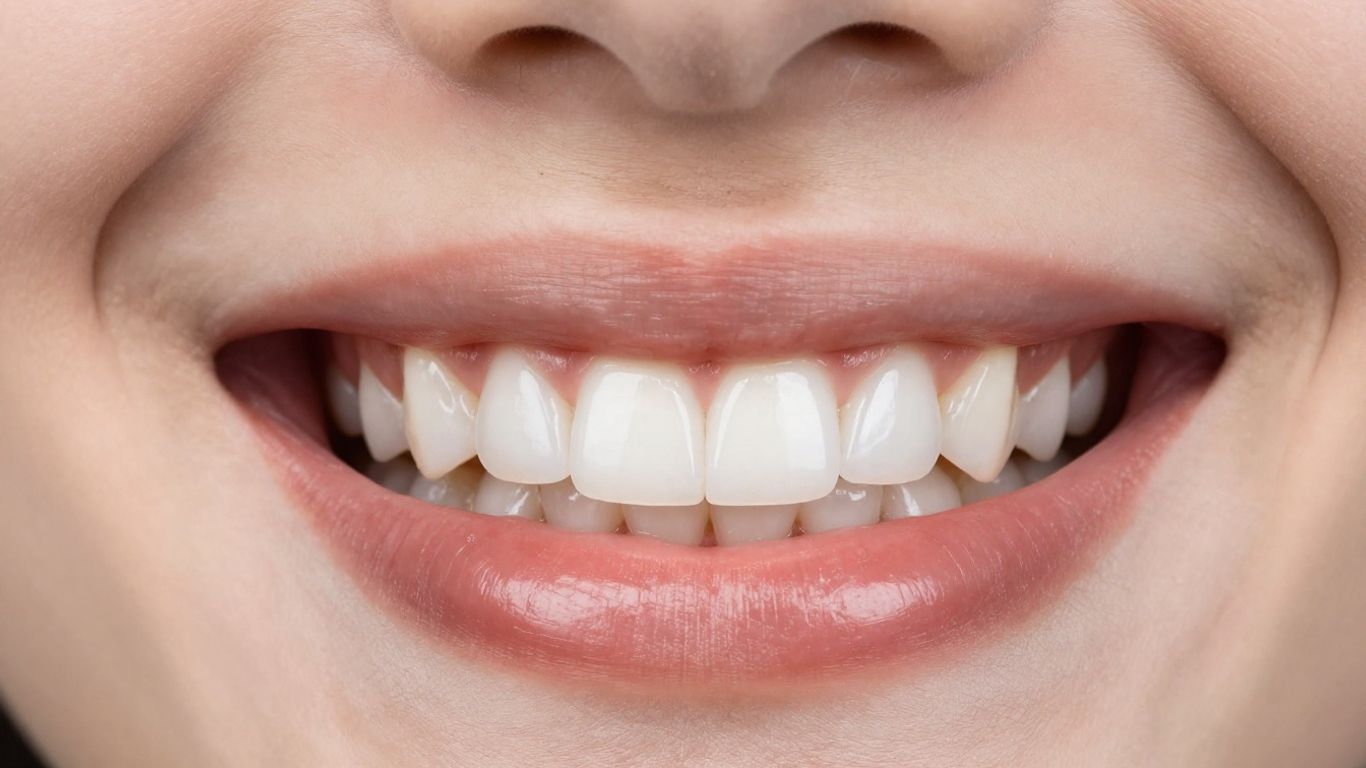
While composite veneers are a great option, porcelain veneers are another popular choice for a smile makeover. These are thin shells, custom-made from dental-grade porcelain, that are bonded to the front surface of your teeth. They're known for looking really natural, almost like real enamel. Porcelain veneers can fix a variety of cosmetic issues, from chips and cracks to discoloration and minor misalignments.
Think of them as tiny, custom-made masks for your teeth. The process usually involves a few visits. First, your dentist will talk with you about what you want and check your teeth. Then, they'll carefully shape your natural teeth, removing a tiny bit of enamel to make room for the veneer. This is a permanent step, so it's important to be sure. After that, they'll take impressions, which are like molds, to send to a lab. The lab then crafts your unique porcelain veneers.
When they're ready, you'll come back for another appointment. The dentist will check the fit and color, and then permanently bond them to your teeth using a special dental cement. It’s a pretty detailed process, but the results can be quite stunning.
Here's a quick look at what they can address:
- Discolored teeth that don't respond well to whitening.
- Teeth that are chipped, cracked, or worn down.
- Slightly misaligned or unevenly shaped teeth.
- Gaps between teeth.
The cost for porcelain veneers can vary quite a bit, often ranging from $900 to $2,500 per tooth in the U.S. This price reflects the high-quality material, the custom lab work involved, and the skill of the dentist applying them. It's definitely an investment in your smile.
Porcelain veneers are pretty durable and resistant to staining, which is a big plus. However, they aren't indestructible, so you'll still want to be mindful of biting into hard things or grinding your teeth. If you're looking for a long-lasting way to dramatically improve your smile's appearance, porcelain veneers are definitely worth considering.
3. Dental Bonding
Dental bonding is a pretty neat way to fix up your smile without a lot of fuss. It uses a special tooth-colored putty, called composite resin, that a dentist applies right onto your tooth. Think of it like a super-strong, natural-looking putty that can fix chips, fill in gaps, or even change the shape of a tooth. It’s a really common cosmetic procedure because it’s usually pretty quick and doesn’t cost as much as some other options.
Here’s a bit more about what dental bonding can do:
- Repair Chips and Cracks: If you’ve had a little accident and chipped a tooth, bonding can smooth it right out. It’s great for minor damage that doesn’t need a whole crown.
- Close Gaps: Got a small space between your front teeth that bothers you? Bonding can fill that in, making your smile look more uniform. It’s a faster alternative to braces for small gaps.
- Reshape Teeth: Bonding can also be used to change the length or width of a tooth. If one tooth looks a bit out of place, bonding can help it blend in better with the others.
- Cover Stains: For stubborn stains that whitening treatments can’t touch, bonding can be applied over the stained area to give you a brighter look. It’s a good option when teeth whitening isn’t enough.
The whole process is usually done in just one visit. The dentist will roughen the tooth surface a little, apply a conditioning liquid, then add the resin. They’ll shape it carefully to match your natural teeth before hardening it with a special light. After that, they’ll polish it up so it looks just like the real thing. It’s a pretty straightforward way to get a quick smile improvement.
One of the best parts about dental bonding is that it’s reversible. Since the dentist doesn’t remove any of your natural tooth enamel to apply the bonding material, you can always change your mind later and opt for a different procedure if you want. It’s a flexible choice for many people.
It’s also a really comfortable procedure. Most people don’t even need anesthesia for it. Because it’s done directly in the office without needing a dental lab, it’s often more affordable than veneers or crowns. If you’re looking for a way to improve your smile without breaking the bank or undergoing a lengthy treatment, dental bonding is definitely worth considering.
4. Teeth Whitening
When you're looking to brighten up your smile, teeth whitening is often one of the first things that comes to mind. It's a popular way to tackle stains and discoloration, giving your teeth a more vibrant appearance. While composite veneers can cover up stains, whitening actually changes the color of your natural teeth.
There are a few ways to go about it. You can get treatments done right in the dental office, which tend to be the quickest and give the most noticeable results. These professional treatments use stronger bleaching agents than what you can buy over the counter. Or, you might opt for take-home kits provided by your dentist, which involve custom trays and a less concentrated gel. These take a bit longer but can still be very effective.
Here's a quick look at some common approaches:
- In-Office Whitening: This is usually done in a single appointment and can make a big difference fast. A dental professional applies potent bleaching agents to your teeth.
- Custom Take-Home Trays: Your dentist makes trays that fit your teeth perfectly. You'll fill them with a special gel and wear them for a set amount of time each day.
- Over-the-Counter Products: These include whitening strips, toothpastes, and rinses. They are generally less potent and may take longer to show results, if any.
It's important to remember that whitening works best on natural tooth enamel and won't change the color of existing dental work like crowns or veneers. If you have deep stains or your teeth are discolored due to medication or injury, whitening might not be enough on its own. In such cases, other cosmetic options might be a better fit for achieving your desired smile.
Before you start any whitening treatment, it's a good idea to chat with your dentist. They can help you figure out the best method for your specific needs and make sure your teeth and gums are healthy enough for the process. They can also discuss the different professional teeth whitening options available to you.
Whitening treatments can sometimes cause temporary tooth sensitivity or gum irritation. Your dentist can advise on how to manage this and whether it's the right choice for you.
5. Dental Crowns
When you're looking to fix a tooth that's seen better days, dental crowns are a pretty common solution. Think of them like a cap that fits right over your existing tooth. They're used for all sorts of reasons – maybe a tooth is broken, has a really big filling that's weakening it, or it's just got a lot of decay. Crowns can also be a great way to cover up teeth that are severely stained or misshapen, especially if other methods like whitening or bonding aren't quite cutting it.
These restorations are designed to look, feel, and function just like your natural teeth. They're made from various materials, and the choice often depends on where the tooth is in your mouth and what you need it to do. For instance, you might hear about porcelain, ceramic, metal, or even porcelain-fused-to-metal options. Each has its own pros and cons when it comes to durability, appearance, and cost.
Here's a quick look at some common types:
- Porcelain-fused-to-metal (PFM): These have been around for a while. They offer good strength because of the metal base, with a porcelain exterior for a more natural look. They can be a reliable choice, often lasting between 8 to 15 years.
- All-Ceramic/All-Porcelain: These are really popular for front teeth because they look so natural and can mimic the translucency of real enamel. They're a good option if you're concerned about metal showing through, especially if your gums recede over time.
- Zirconia: This is a very strong type of ceramic, making it suitable for back teeth that handle a lot of chewing force. It's also quite aesthetic.
Getting a crown usually involves a couple of visits. First, your dentist will shape the tooth down so the crown can fit over it properly. They'll then take an impression, which is sent to a lab to create your custom crown. You'll typically wear a temporary crown in the meantime. Once the permanent one is ready, you'll come back in to have it cemented in place. The overall cost of dental crowns can vary quite a bit depending on the material and your location, but it's an investment in restoring your tooth's function and appearance.
While crowns are a robust solution for significant tooth damage or aesthetic concerns, they do involve altering the natural tooth structure. It's a permanent procedure, so it's important to discuss all your options thoroughly with your dentist to make sure it's the right path for you.
6. Cosmetic Dentistry
Cosmetic dentistry is all about making your smile look its absolute best. It's not just about fixing problems, but also about improving the overall appearance of your teeth, gums, and bite. Think of it as the art and science of smile beautification. This field focuses on aesthetics, aiming to give you that confident, radiant smile you've always wanted.
There are many ways cosmetic dentistry can help you achieve your smile goals. Here are some of the common treatments available:
- Teeth Whitening: Brightens discolored or stained teeth.
- Dental Bonding: Uses tooth-colored resin to repair chips, fill gaps, or reshape teeth.
- Veneers: Thin shells placed over the front of teeth to improve their appearance.
- Dental Crowns: Caps that cover a damaged tooth, restoring its shape, size, and strength.
- Smile Makeovers: A personalized plan combining multiple cosmetic procedures.
When you're considering cosmetic work, it's a good idea to prepare for your initial consultation. Your dentist will likely start with a check of your overall oral health to make sure your teeth and gums are in good shape before any aesthetic treatments begin. This ensures that any cosmetic improvements will have a solid foundation for lasting results.
Cosmetic dentistry can address a variety of concerns, from minor imperfections like small chips and gaps to more significant issues like deep stains or misshapen teeth. The goal is always to create a harmonious and attractive smile that you feel great about.
If you're looking to transform your smile, exploring cosmetic dentistry services is a great starting point. Many dentists offer personalized treatment plans to suit your specific needs and desires.
7. Smile Makeover
A smile makeover is basically a complete overhaul for your teeth. It's not just about fixing one little thing; it's a whole plan to make your smile look its best. Think of it like a renovation for your mouth. Dentists look at everything – the color, the shape, the alignment, and even how much gum shows when you smile. Then, they come up with a custom plan using different cosmetic procedures to get you the results you're after.
It's a really personal journey, and what works for one person might not be the right fit for another. The goal is always to create a smile that looks natural and feels great. It can involve a mix of treatments, and sometimes it takes a few appointments to get everything just right.
Here are some common steps involved in a smile makeover:
- Initial Consultation: This is where you talk to your dentist about what you want. They'll check your teeth and gums to see what's possible.
- Treatment Planning: Based on your goals and your dental health, the dentist will suggest a series of treatments.
- Procedure Execution: This is the actual work, which could include things like veneers, bonding, whitening, or even crowns.
- Follow-up: After the main work is done, there might be a check-up to make sure everything is settling in well.
A smile makeover is more than just cosmetic; it's about boosting your confidence and how you feel about yourself. It's about achieving a look that's both beautiful and healthy, tailored specifically to you.
It's pretty amazing what can be done these days. Whether you're dealing with chips, stains, gaps, or just want a brighter look, a smile makeover can really change things. It's a big step, but seeing the final results can be incredibly rewarding. If you're curious about what's possible, looking at before and after transformations can give you a good idea of the potential.
8. Tooth Bonding
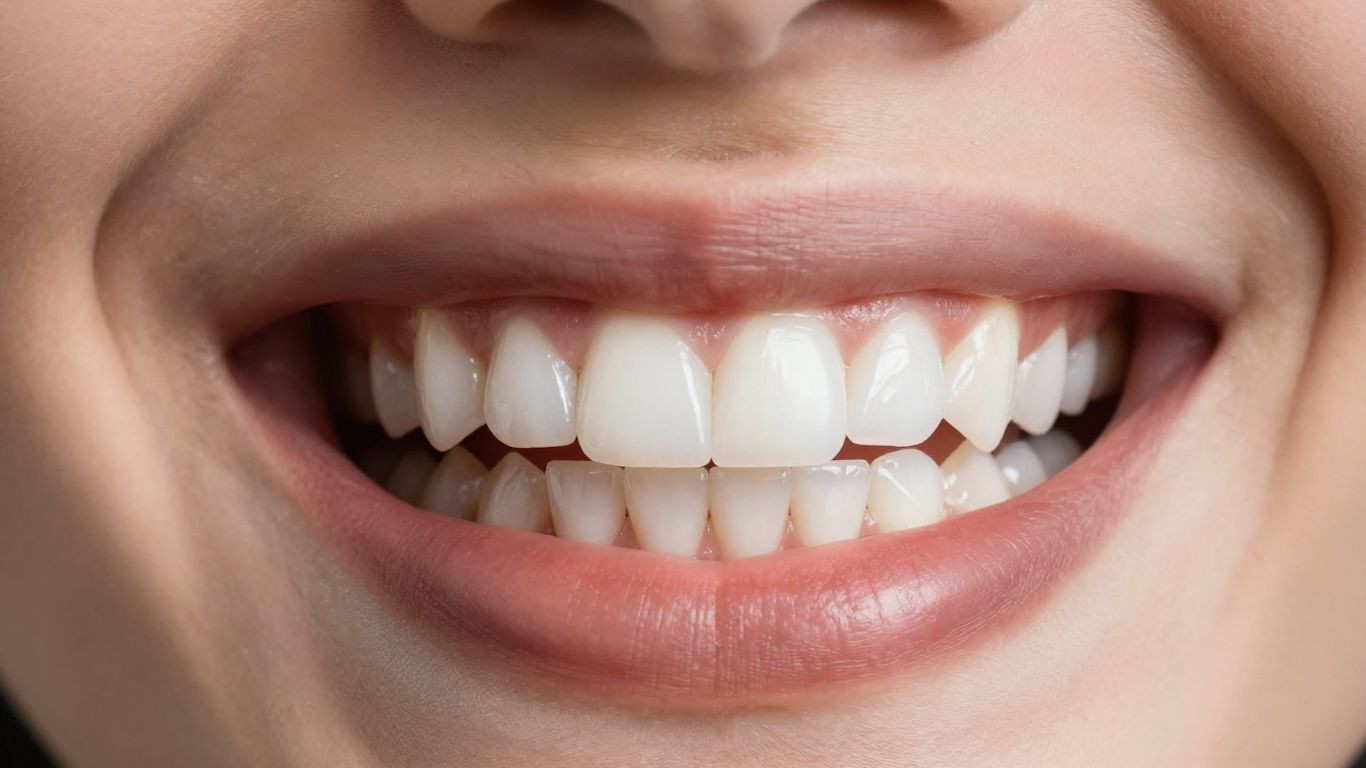
Tooth bonding is a really neat way to fix up your smile without a lot of fuss. It's basically using a special tooth-colored resin, kind of like a putty, that a dentist applies directly to your tooth. They shape it just right to match your natural teeth and then harden it with a special light. It’s a quick and often affordable fix for chips, cracks, or even gaps between teeth.
Think of it as a versatile tool in the cosmetic dentist's kit. It can reshape teeth that are a bit uneven, cover up stains that whitening can't touch, or even close up small spaces between your pearly whites. It’s pretty non-invasive too; most people don't even need numbing shots because they aren't drilling away at your natural tooth structure.
Here’s a quick rundown of what it can do:
- Repair Chips and Cracks: If you've had a little accident and chipped a tooth, bonding can smooth it right over.
- Close Gaps: Small gaps between teeth can be filled in, giving you a more uniform look.
- Reshape Teeth: If a tooth is too short or a bit misshapen, bonding can add to it to make it look better.
- Cover Stains: For stubborn stains, bonding can act like a little mask to hide them.
It's a pretty straightforward process, usually done in just one visit. The dentist will prep the tooth surface a little, apply the bonding material, sculpt it, and then cure it. Because it's applied directly and doesn't require a lab like veneers, it's often a more budget-friendly option. Plus, since they don't remove much, if any, of your natural tooth, the procedure is reversible, which is a nice bonus if you're unsure about permanent changes. It's a solid choice if you're looking for a noticeable improvement without a huge time or financial commitment. You can learn more about dental bonding as a cosmetic solution.
While bonding is durable, it's not quite as tough as your natural enamel or a porcelain veneer. So, you'll want to be mindful of biting into hard foods or using your teeth as tools. Taking good care of your teeth and avoiding overly acidic foods will help your bonding last longer, potentially for many years.
9. Restorative Bonding
Restorative bonding is a pretty neat way to fix up your smile without a whole lot of fuss. It uses a tooth-colored composite resin, which is basically a fancy plastic material, to repair or change the look of your teeth. Think of it like a dentist's version of a quick fix.
This procedure is great for addressing minor chips, cracks, gaps, or even discoloration on your teeth. It's a lot less involved than some other cosmetic options, and often, you can get it done in just one visit. The dentist will roughen the tooth surface a bit, apply a bonding agent, then carefully shape the resin to match your natural tooth. A special light hardens the resin, and voilà – your tooth looks better.
Here's a quick rundown of what restorative bonding can do:
- Repair Chips and Cracks: If you've had a little accident and chipped a tooth, bonding can smooth it right out.
- Close Gaps: Small spaces between your teeth can be filled in to create a more uniform look.
- Reshape Teeth: Bonding can alter the shape or length of a tooth to make it look more balanced with your other teeth.
- Cover Stains: For stains that whitening treatments can't tackle, bonding can effectively cover them up.
It's a pretty straightforward process, and most people find it quite comfortable. You usually don't even need anesthesia for it. Plus, since the dentist isn't removing much, if any, of your natural tooth enamel, the procedure is reversible. This means if you decide later on that you want a different kind of treatment, you can. It's also generally more affordable than options like veneers or crowns because there's no lab work involved.
While restorative bonding is a fantastic option for many, it's good to know it's not quite as durable as your natural teeth or some other restorations. It can be prone to chipping or staining over time, especially if you're not careful with hard foods or acidic drinks. Regular dental check-ups and good oral hygiene are key to making it last as long as possible.
If you're looking for a relatively quick and affordable way to improve your smile, dental bonding is definitely worth considering. It's a versatile cosmetic dentistry solution that can make a noticeable difference.
10. G.J. Palmieri DDS & Associates
If you're in the Lancaster County area and looking for dental services, G.J. Palmieri DDS & Associates, LLC has been around since 1984. They accept a variety of payment methods, including major credit cards, cash, and checks.
They offer dental bonding as a way to fix damaged teeth or just to make your smile look better. It's a pretty affordable option and doesn't take too long. The material they use is a tooth-colored resin that they shape to match your natural teeth. After they get it looking just right, they use a special light to harden it in place.
Here's a quick look at what dental bonding can do:
- Restore chipped or broken teeth
- Fill in gaps between teeth
- Improve the shape of misshapen teeth
- Cover stained or discolored teeth
This procedure is a great choice for both kids and adults who want a quick cosmetic fix without a lot of fuss. It's a dependable way to get a more attractive smile. If you're curious about how dental bonding might work for you, it's a good idea to give their office a call. They can look at your teeth and talk about the best options.
Dental bonding is a non-invasive cosmetic dentistry solution that can be both affordable and long-lasting. It's a dependable way to improve the appearance of your smile without extensive procedures.
They also serve patients from nearby cities like Lancaster, Landisville, and Columbia. If you're interested in learning more about cosmetic dentistry options, you might find it helpful to explore what cosmetic dentists can do.
Ready for Your Smile Upgrade?
So, you've learned a bit about composite veneers and how they can really change your smile for the better. Finding the right dentist is the next big step, and it's totally doable. Think about what you want your smile to look like, and don't be afraid to ask questions when you go for that first chat with a dentist. Getting that smile you've been dreaming of is closer than you think, and it's worth the effort to find someone you feel good about working with. Go ahead and start looking around – your new smile awaits!
Frequently Asked Questions
What exactly are composite veneers?
Composite veneers are like thin shells made from a tooth-colored material. Dentists use them to cover the front of your teeth to make them look better. They can fix chips, cracks, stains, or even slightly crooked teeth, giving you a brighter, more even smile.
How do composite veneers compare to porcelain veneers?
Think of composite veneers as a more budget-friendly option that can often be done in just one visit. Porcelain veneers are usually stronger and can last longer, but they cost more and might require a couple of appointments. Both are great for improving how your teeth look.
Is the dental bonding procedure painful?
Not at all! Dental bonding is a very comfortable process. The dentist will just lightly roughen your tooth, apply a special liquid, and then add a tooth-colored material. They shape it to look just like your natural tooth and then harden it. Most people don't even need numbing medicine.
Can dental bonding fix gaps between my teeth?
Yes, it can! If you have small spaces between your teeth, dental bonding is a quick way to close them up. It's a simpler and faster fix than braces or other methods, and it can usually be done in a single dental visit.
How long do composite veneers and dental bonding typically last?
Both composite veneers and dental bonding are quite durable. With good care, like regular brushing and avoiding hard or sticky foods, they can last for many years. However, they might not be as tough as porcelain veneers or crowns, so it's good to be mindful of how you use your teeth.
Are composite veneers or dental bonding a permanent solution?
While they are long-lasting, they aren't necessarily permanent. Dental bonding is reversible because the dentist doesn't remove much of your natural tooth. Composite veneers are also not permanent. If you decide you want a different look or treatment later on, you can usually have them replaced or removed.


American Standards.
Brazilian Mastery.
Aesthetica Medical Travel Facilitators, LLC is an international care coordination company registered in Wyoming, United States. We provide services for the promotion and support of medical service providers, including physicians worldwide (“medical service providers”). These services are made available through Aesthetica’s website, and the same privacy terms also apply to the Aesthetica Advisor Program (the “application/platform”), created and operated by Aesthetica. Aesthetica is solely responsible for controlling and processing the information obtained via the platform or through other communications between users, businesses, hospitals, clinics, or third parties and members of the Aesthetica service team (the “Service Team”). Our services may include non-clinical care coordination for North American patients seeking elective procedures abroad, including provider matching, travel logistics, and administrative support throughout the care journey. Additional services or add-ons may be offered depending on the selected scope. Post-operative care is typically conducted in the destination country where the procedure is performed. Additional coordination or administrative support in the patient’s country of origin may be available separately, subject to scope and availability. Aesthetica may engage third-party service providers, partners, or affiliated entities to support its operations, including data processing and service delivery. Information may be shared with such parties solely as necessary to provide the services described. Our operations follow strict standards of transparency, privacy protection, and regulatory compliance. Testimonials reflect individual experiences and do not guarantee future results. By using Aesthetica’s services or platform, users acknowledge and agree to these terms and understand the limited, non-clinical role of Aesthetica in the care journey. For more information about our policies or compliance framework, please contact our support team.