
DHI vs FUE: Decoding the Hair Transplant Techniques for Your Best Results

So, you're thinking about getting a hair transplant, huh? It's a big decision, and there are a couple of main ways to go about it: FUE and DHI. Both sound pretty technical, and honestly, they are. But don't worry, it's not as complicated as it seems. We're going to break down what FUE and DHI actually are, how they differ, and what might be the best fit for you. It's all about getting those results you're hoping for without any major drama.
Key Takeaways
- FUE involves taking individual hair follicles from a donor area and implanting them. It's known for minimal scarring.
- DHI is similar to FUE but uses a special pen tool to implant the follicles directly, allowing for precise placement.
- FUE might be better for covering larger areas, while DHI can offer more density and natural-looking direction.
- Recovery times are generally good for both, but DHI might have a slight edge in some cases due to less trauma.
- The best choice between DHI vs FUE really depends on your specific hair loss pattern, your hair type, and what you want the final result to look like. Talking to a doctor is key.
Understanding The Core Techniques: DHI vs FUE

When you're looking into getting more hair, you'll hear a lot about two main methods: FUE and DHI. They both aim to get you a fuller head of hair, but they go about it a little differently. Think of it like two different ways to plant seeds – both get the job done, but the tools and steps are distinct.
What Is Follicular Unit Extraction (FUE)?
Follicular Unit Extraction, or FUE, is a popular way to move hair. Instead of taking a whole strip of skin like older methods, FUE takes individual hair follicles from one part of your scalp (the donor area) and moves them to where you need them. This method is known for being less invasive and leaving less noticeable scars. It's a big step up from previous techniques.
How Does FUE Work?
Here’s a quick rundown of how FUE usually goes:
- Extraction: A tiny tool, like a small punch, is used to carefully take out individual hair follicles from the donor area. This is done one by one.
- Preparation: The extracted follicles are kept safe in a special solution to keep them healthy.
- Implantation: Tiny openings are made in the area where you want more hair. Then, the surgeon places the healthy follicles into these openings.
It's a detailed process that requires a steady hand. The goal is to make it look as natural as possible. You can find more details about hair transplantation in Istanbul if you're curious about specific locations.
What Is Direct Hair Implantation (DHI)?
Direct Hair Implantation, or DHI, is often seen as a more advanced version of FUE. It also extracts individual follicles, but the way it puts them back is where it really differs. DHI uses a special tool that can place the hair follicle directly into the scalp without needing to make separate holes first.
How Does DHI Work?
DHI has a few key steps that set it apart:
- Extraction: Just like FUE, hair follicles are taken out one by one from the donor area.
- Implantation: This is the main difference. DHI uses a tool called the Choi Implanter Pen. This pen can create a small hole and place the follicle into the scalp all at once. This means the surgeon has a lot of control over the angle, depth, and direction of each new hair.
This direct approach can lead to very precise results, making the new hair look like it's growing naturally from the start. It's a technique that really focuses on the fine details of placement.
Both FUE and DHI are considered minimally invasive hair transplant methods, offering significant improvements over older procedures. The choice between them often comes down to the specific needs and goals of the individual.
Key Differences In Procedure And Recovery
When you're looking into hair transplants, understanding how each method actually goes down and what recovery looks like is super important. It's not just about the end result, but also the journey to get there.
Graft Extraction And Implantation Methods
This is where FUE and DHI really show their differences. FUE involves taking out individual hair follicles, one by one, from a donor area using a tiny tool. Think of it like carefully picking individual seeds from a garden bed. Then, these follicles are prepared and implanted into the balding areas. DHI, on the other hand, uses a special pen-like tool, often called the Choi Implanter Pen. This tool does two things at once: it makes a tiny hole for the graft and then immediately places the follicle into that spot. It’s a more direct approach, aiming to get the follicle into its new home with minimal fuss.
Here’s a quick look at how they stack up:
Scarring And Minimally Invasive Nature
Both FUE and DHI are considered minimally invasive compared to older methods, which is a big plus. With FUE, because individual follicles are taken out, you end up with lots of tiny dot-like scars scattered across the donor area. These are usually so small and spread out that they're barely noticeable, especially if you keep your hair at a moderate length. DHI also results in very minimal scarring, similar to FUE, because it uses tiny instruments for implantation. The direct implantation method means less disruption to the scalp overall.
The goal with both techniques is to leave the donor area looking as natural as possible, so you don't have to worry about obvious signs of a procedure. It’s all about making the scars blend in or be virtually invisible.
Recovery Timelines And Patient Comfort
Recovery is a big deal for most people. Generally, FUE has a pretty quick recovery. Most people can get back to their normal routines, including light exercise, within a week or so, though you'll want to avoid anything too strenuous for a bit longer. You might feel some soreness or tightness in the donor area for a few days. DHI recovery is often considered similar, and sometimes even a bit faster, because the implantation is so direct. The reduced handling of grafts and the precise implantation can lead to less trauma on the scalp.
- Initial Healing: Expect some redness and minor swelling for the first few days with either method.
- Donor Area: The tiny extraction sites in FUE will scab over and heal within about a week to ten days.
- Activity Levels: Most clinics recommend avoiding intense physical activity and sweating for about 2-3 weeks to protect the grafts. You can usually return to work within a few days to a week, depending on your job.
- Graft Settling: The transplanted hairs will go through a shedding phase, which is normal, before new growth begins around 3-4 months post-procedure. This hair restoration guide can help you understand the whole process.
Ultimately, both techniques aim for a comfortable recovery with minimal disruption to your daily life. The choice often comes down to the surgeon's preference and what they believe will yield the best results for your specific situation.
Comparing DHI vs FUE: Advantages And Limitations
So, you're trying to figure out the best way to get more hair, and you've heard about FUE and DHI. Both sound pretty good, right? But they're not exactly the same, and knowing the pros and cons can really help you decide. It’s not just about which one is newer, but which one fits you best.
Advantages Of FUE Over DHI
FUE has been around a bit longer and has some solid benefits. For starters, it's known for being less invasive. Instead of taking a whole strip of skin like older methods, FUE pulls out individual hair follicles. This means you don't get that big, noticeable scar across the back of your head. You just get a bunch of tiny dots, which are way easier to hide, especially if you like to keep your hair short. Plus, people often bounce back pretty quickly after an FUE procedure.
- Less noticeable scarring: Tiny, scattered dots instead of a linear scar.
- Faster initial recovery: Many people can get back to their normal routine sooner.
- Widely available: More clinics offer FUE, making it accessible.
Advantages Of DHI Over FUE
DHI is often seen as the next step up, building on FUE. The big deal here is how they put the hair in. DHI uses a special tool, kind of like a pen, that lets the doctor place each hair follicle exactly where it needs to go. This means they can control the angle, depth, and direction really precisely. This level of control is what helps create a super natural look. Because the follicles go straight from the donor area to their new spot without much delay, they tend to survive better. It's a bit like giving them less time to be out of their natural environment. The whole process is also a single step – no separate cutting of channels first.
- High precision placement: Better control over how the hair looks.
- Potentially higher graft survival: Less time outside the body means healthier grafts.
- Streamlined implantation: Combines extraction and placement in one go.
DHI's method of directly implanting follicles with a specialized pen offers a unique advantage in achieving a natural hairline. This technique allows for meticulous control over the placement of each graft, contributing to a denser and more aesthetically pleasing outcome.
Potential Limitations Of Each Method
Now, it's not all perfect for either technique. FUE, while great for scarring, can take a really long time, especially if you need a lot of grafts. It's a detailed process. And sometimes, the cost per graft can be a bit higher because it's so hands-on. There's also a small risk of damaging a follicle during extraction if the surgeon isn't super experienced.
On the DHI side, because it requires that extra precision and special tools, it often costs more. It also takes a specific kind of training for the doctors, so not every clinic might offer it, or offer it with the same level of skill. Some people also find that DHI might not be the best fit for every single hair type or hair loss situation, so a good chat with your doctor is key. The procedure itself can also take longer than a standard FUE, sometimes 6-8 hours for a decent number of grafts, compared to FUE's 4-6 hours. This difference in time is something to consider if you have a busy schedule.
Factors Influencing Your Choice Between DHI vs FUE
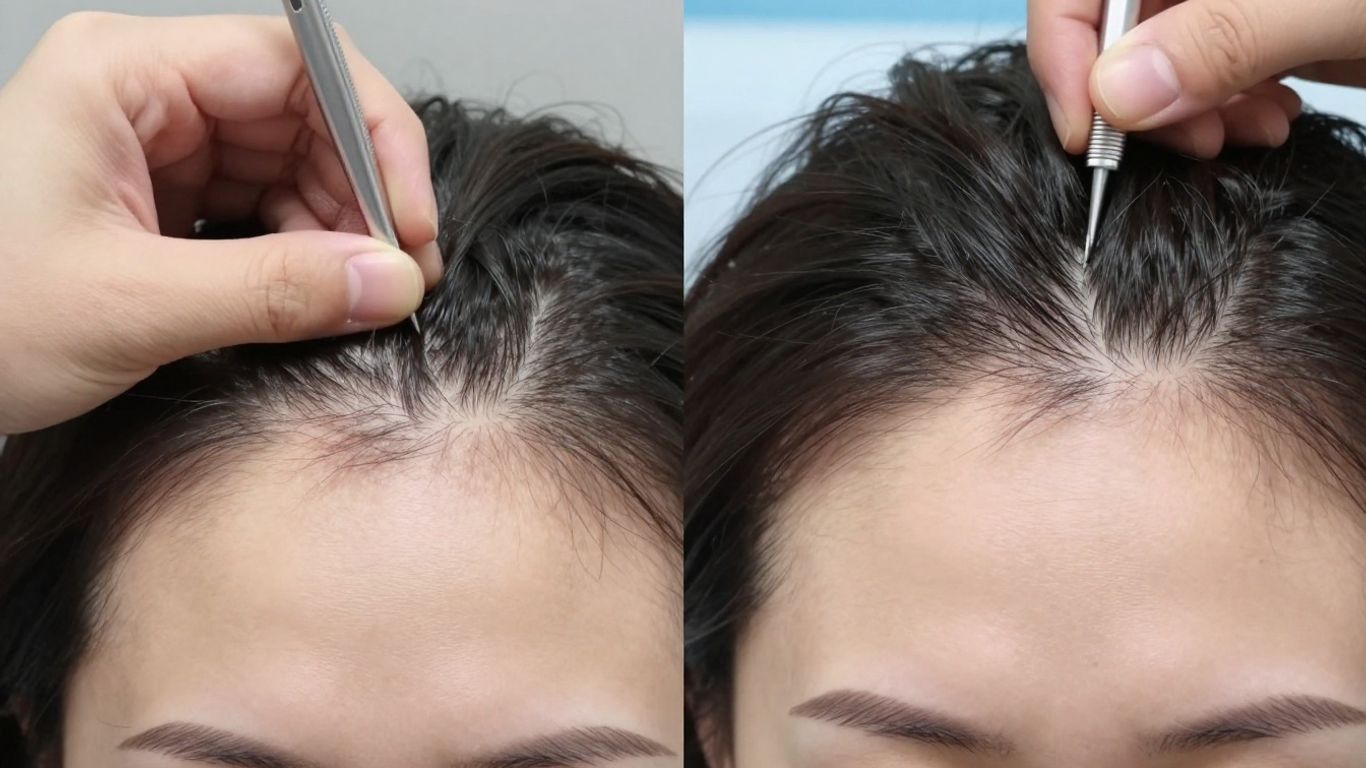
So, you're trying to figure out if DHI or FUE is the way to go for your hair transplant. It's not a one-size-fits-all situation, you know? What works wonders for one person might not be the best for another. It really comes down to a few key things about you and what you're hoping to achieve.
Assessing Your Hair Loss Pattern And Extent
First off, let's talk about how much hair you've lost and where. Are we talking about a receding hairline, thinning on top, or a more widespread loss? The pattern and how far along it is really matter. A surgeon can look at this and tell you which method might give you the most natural-looking coverage. For example, if you're aiming for a very specific hairline design, one technique might offer more control than the other. It's all about matching the procedure to your unique situation.
Considering Donor Area Characteristics And Hair Type
Next up is your donor area – that's where the hair is taken from, usually the back or sides of your head. How dense is your hair there? What's the texture like? These details are pretty important. Some people have thicker donor hair, which might make FUE a straightforward choice. Others might have finer or curlier hair, and this is where the precision of DHI could really shine, especially when it comes to graft placement and angle. It’s about seeing what you’ve got to work with and how best to use it.
Defining Your Aesthetic Goals For Natural Results
What do you really want your hair to look like afterward? This is where you need to be honest with yourself and your doctor. Are you looking for maximum density, a super natural-looking hairline, or perhaps a combination? DHI often gets praised for its ability to place each graft with extreme precision, which can lead to very natural results. FUE is also very capable of producing great outcomes, but the approach to placement differs. Communicating your vision clearly is probably the most important step in getting the results you dream of.
Here's a quick look at how some factors might lean you one way or the other:
- Receding hairline: DHI's precision might be favored for creating a sharp, natural-looking edge.
- Overall thinning: Both can work, but the surgeon's skill in graft placement is key for density.
- Curly or coarse hair: DHI's controlled angle and depth can be beneficial.
- Desire for minimal downtime: While both are minimally invasive, some find DHI offers a slightly faster recovery and less discomfort.
Ultimately, the choice between DHI and FUE isn't just about the technique itself, but how well it aligns with your specific hair loss, your donor hair quality, and your personal aesthetic desires. A thorough consultation is your best bet for figuring this out.
Evaluating DHI vs FUE For Optimal Outcomes
Graft Survival Rates And Procedure Efficiency
When we talk about getting the most out of a hair transplant, how well the grafts survive and how smoothly the procedure goes are big deals. With FUE, the survival rate really hinges on how skilled the surgeon is. They have to be super careful during extraction to avoid damaging the follicles. It's a meticulous process, and if done right, you get great results. DHI, on the other hand, has this edge because the follicles are put back into the scalp almost immediately after being taken out. This means they spend less time out of the body, which can really boost their chances of survival. Think of it like this: less time out in the cold, the better they'll do.
Here’s a quick look at how they stack up:
- FUE: Survival depends heavily on surgeon skill during extraction. Can be time-consuming, especially for larger sessions.
- DHI: Potentially higher survival due to minimal time outside the body. The Choi Implanter Pen allows for precise placement, which also helps.
The goal is always to get as many healthy, growing hairs as possible. Both methods aim for this, but the way they get there is different, and that difference can matter for your final look.
Cost-Effectiveness And Value
Let's be real, cost is a factor for most people. FUE can sometimes cost more per graft because it's so detailed and labor-intensive. You're paying for that precision and the individual attention to each follicle. DHI, with its specialized tools like the Choi Implanter Pen, might also come with a higher price tag. This is often because of the advanced equipment and the specific training surgeons need. However, you have to look at the overall value. If DHI leads to a quicker procedure or better density in certain areas, that might be worth the extra investment for you. It’s not just about the sticker price, but what you get for your money in the long run. It’s worth discussing the long-term value with your clinic.
Suitability For Different Hair Types And Conditions
Not everyone's hair is the same, and that's where suitability comes in. FUE is pretty versatile; it generally works well for a lot of different hair types and thinning patterns. A good surgeon can adapt the FUE technique to suit your specific situation. DHI, with its precise placement, can be particularly good if you're aiming for a very specific look or density in a particular area. However, it's important to chat with your doctor about whether DHI is the best fit for your hair texture and the extent of your hair loss. Sometimes, one technique just clicks better with certain hair characteristics than the other. The best approach is personalized, and that's key to getting the results you want.
The Future Of Hair Transplantation: Evolving DHI vs FUE
The world of hair transplantation isn't standing still, you know? Both FUE and DHI are getting better all the time, with new tech and smarter ways of doing things. It’s pretty exciting to think about what’s next.
Advancements In FUE Technology
Right now, a lot of work is going into making FUE even more precise and quicker. Think about automated tools that can help extract grafts with amazing accuracy. This could mean less time in the chair and maybe even lower costs down the line. Robotics are also starting to play a role, giving surgeons more control and consistency. It’s all about getting the best possible results with less fuss.
Innovations In DHI Techniques
For DHI, the focus is on refining the tools, like the Choi Implanter Pen. They're looking at ways to make it even better at placing grafts exactly where they need to go, controlling depth, angle, and direction. This means even more natural-looking results and better density. Plus, researchers are exploring how to make DHI work for more people, regardless of their hair type or the extent of their hair loss. It’s about making this technique more versatile.
Emerging Trends In Hair Restoration
Looking ahead, we might see even more personalized approaches. Combining the best aspects of FUE and DHI, or developing entirely new methods, could be on the horizon. The goal is always to improve graft survival rates and make the whole experience smoother for patients. It’s a field that’s constantly evolving, aiming to provide better and more effective solutions for hair loss.
The continuous development in both FUE and DHI techniques suggests a future where hair transplantation is more refined, efficient, and tailored to individual needs. These advancements promise improved outcomes and a more comfortable patient experience.
Here's a quick look at what's changing:
- Automation: More automated tools for graft extraction in FUE.
- Robotics: Increased use of robotic assistance for precision.
- Tool Refinement: Upgrades to implantation devices like the Choi Pen for DHI.
- Broader Applicability: Efforts to make techniques suitable for a wider range of patients.
It’s good to know that the field is always moving forward, offering hope for even better hair transplant results in the future. The cost of DHI, for instance, is something that might change as the technology becomes more widespread, though currently, it tends to be a bit higher than FUE [1a9e].
So, What's the Verdict?
Alright, so we've talked about FUE and DHI, two pretty popular ways to get more hair. It's not really a case of one being 'better' than the other, you know? They both have their own good points and their own quirks. FUE is great for covering bigger areas and is super common. DHI, on the other hand, is all about super precise placement, which can give you really natural-looking density. The biggest takeaway here? Don't just pick one based on what you read online. The best move is always to chat with a doctor who really knows their stuff. They can look at your specific hair loss, your scalp, and what you're hoping to achieve, and then help you figure out which method, or maybe even a combo of both, is going to give you the results you're looking for. It’s your hair, after all, so making the right choice now means you’ll be happier down the road.
Frequently Asked Questions
What's the main difference between DHI and FUE hair transplants?
Think of it like this: FUE takes out hair one by one from a donor spot and then makes tiny holes to put them in. DHI also takes hair one by one, but it uses a special pen tool to put the hair straight into the new spot, kind of like planting a seedling directly where you want it. DHI skips the step of making separate holes first.
Does FUE leave scars?
FUE leaves very small, dot-like scars where each hair was taken out. Because they are so tiny and spread out, they're usually hard to see, especially if you keep your hair a bit longer.
Is DHI better for a natural look?
Both methods aim for natural results. DHI might have an edge because the special pen tool lets the doctor control exactly how each hair is placed – its angle, direction, and depth. This can help create a really natural-looking density.
Which one takes longer, FUE or DHI?
Generally, FUE can take longer, especially if a lot of hair needs to be moved. DHI's method of putting the hair in right away can sometimes make the whole process a bit quicker, but it really depends on how much hair is being transplanted.
Can I get a DHI transplant without shaving my head?
One cool thing about DHI is that you often don't need to shave your whole head beforehand, which is great for women or anyone who wants to avoid that. FUE usually requires shaving the donor area.
Which method is more expensive?
DHI can sometimes cost more because it uses special tools and requires highly trained doctors. FUE might be less expensive per hair graft, but the total cost depends on how much hair you need moved and the clinic's pricing.



International Standards.
Brazilian Mastery.
Aesthetica Medical Travel Facilitators, LLC is an international care coordination company registered in Wyoming, United States. We provide services for the promotion and support of medical service providers, including physicians worldwide (“medical service providers”). These services are made available through Aesthetica’s website, and the same privacy terms also apply to the Aesthetica Advisor Program (the “application/platform”), created and operated by Aesthetica. Aesthetica is solely responsible for controlling and processing the information obtained via the platform or through other communications between users, businesses, hospitals, clinics, or third parties and members of the Aesthetica service team (the “Service Team”). Our services may include non-clinical care coordination for North American patients seeking elective procedures abroad, including provider matching, travel logistics, and administrative support throughout the care journey. Additional services or add-ons may be offered depending on the selected scope. Post-operative care is typically conducted in the destination country where the procedure is performed. Additional coordination or administrative support in the patient’s country of origin may be available separately, subject to scope and availability. Aesthetica may engage third-party service providers, partners, or affiliated entities to support its operations, including data processing and service delivery. Information may be shared with such parties solely as necessary to provide the services described. Our operations follow strict standards of transparency, privacy protection, and regulatory compliance. Testimonials reflect individual experiences and do not guarantee future results. By using Aesthetica’s services or platform, users acknowledge and agree to these terms and understand the limited, non-clinical role of Aesthetica in the care journey. For more information about our policies or compliance framework, please contact our support team.