
Unlock Your Best Look: Expert Miami Hair Transplant Solutions
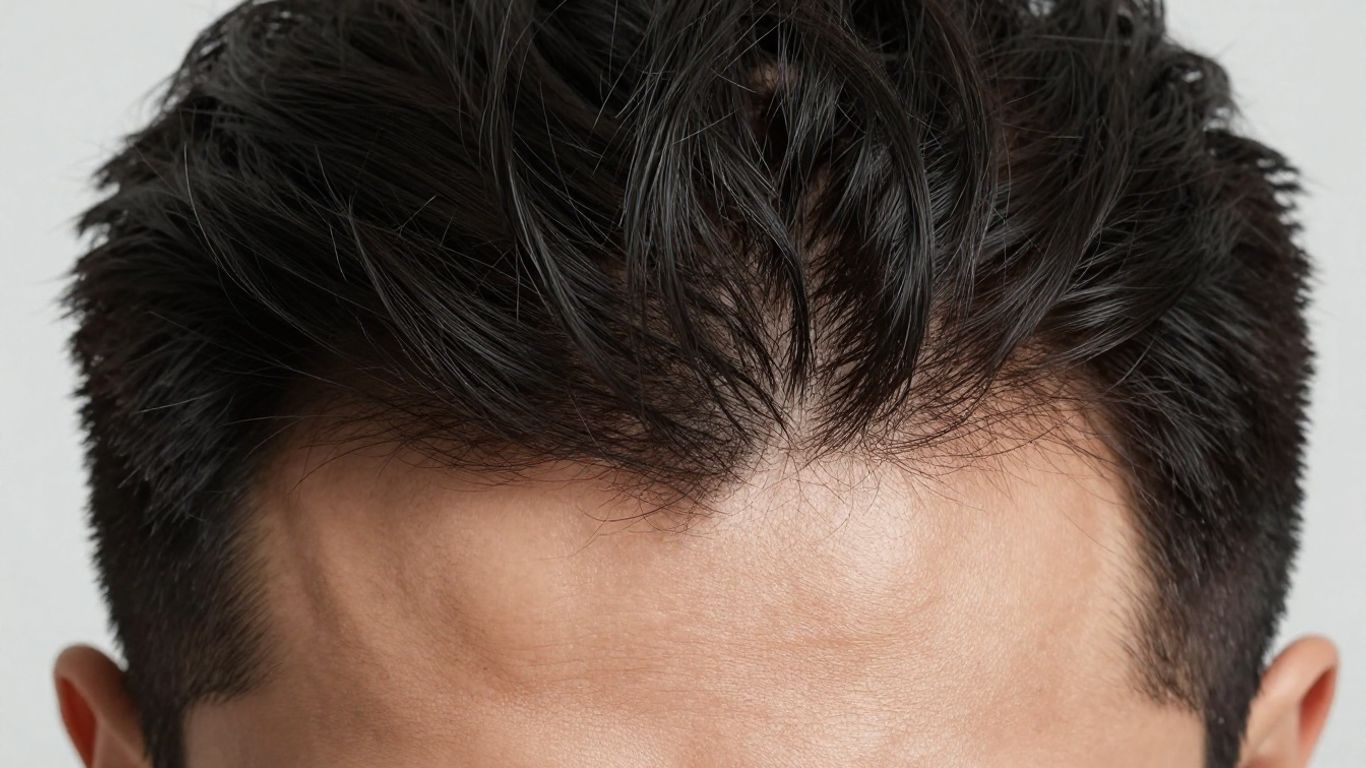
Thinking about a hair transplant in Miami? It's a big step, and honestly, a lot of people are looking into it these days. Whether you're dealing with thinning hair or just want to reshape your hairline, there are some really advanced options out there now. Gone are the days of obvious plugs; today's procedures are all about looking super natural. This guide is here to break down what you need to know about getting a miami hair transplant, from understanding the different techniques to finding the right clinic and making sure your results last.
Key Takeaways
- A miami hair transplant can help those with pattern baldness or thinning hair, provided they have enough healthy donor hair and realistic expectations.
- Advanced techniques like FUE and robotic FUE focus on precision, minimally invasive procedures, and natural-looking results with faster recovery times.
- Choosing a clinic like Nova Medical or Aesthetemed means benefiting from expert care, advanced technology, and personalized treatment plans for your hair restoration journey.
- Post-procedure maintenance, including proper hair care, stress management, good sleep, and a healthy diet, is vital for maximizing and maintaining your transplant results.
- The journey to fuller hair involves tailored plans, comprehensive support from consultation through recovery, and ultimately, achieving lasting confidence with modern hair restoration solutions.
Understanding Your Miami Hair Transplant Options
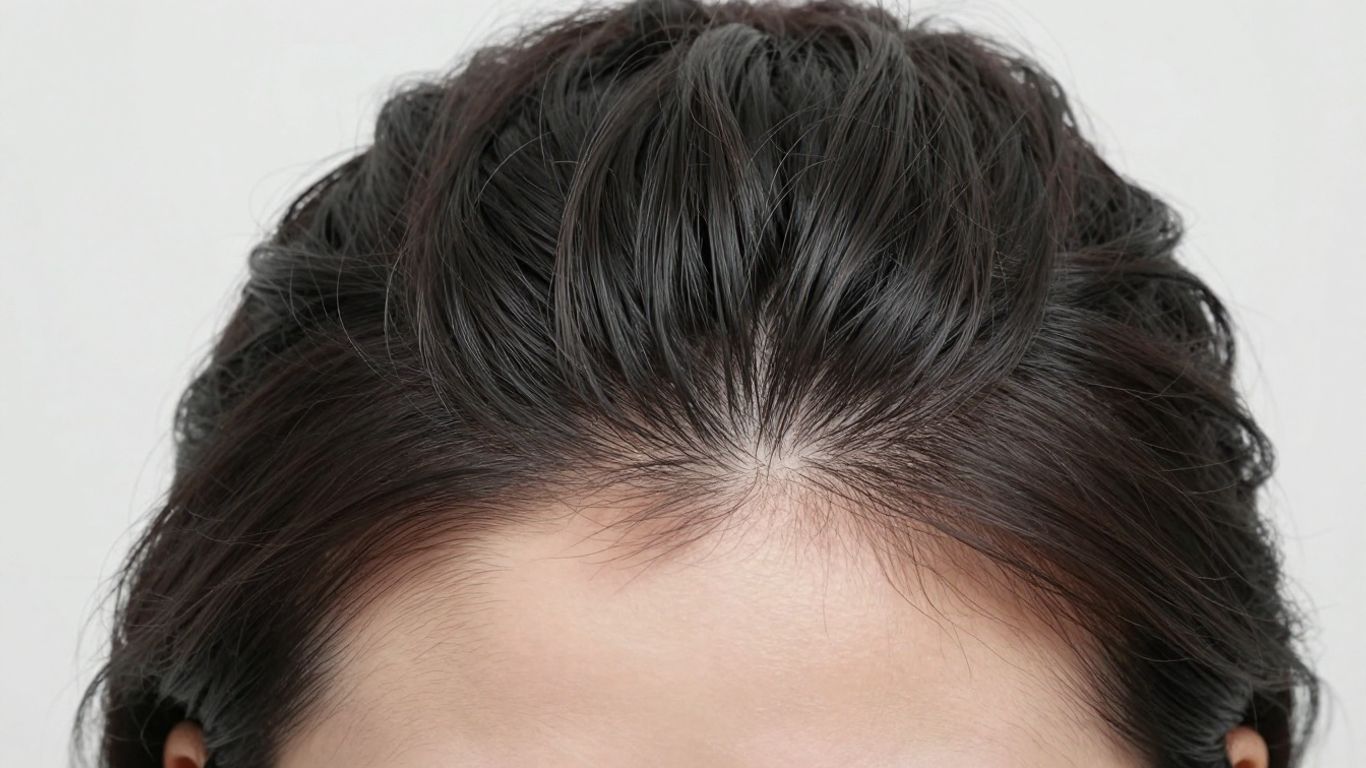
So, you're thinking about a hair transplant in Miami? It's a big decision, for sure, and there are a few things to get straight before you even think about booking an appointment. It's not a one-size-fits-all deal, and knowing your options is the first step to getting the look you want.
Who Benefits from a Miami Hair Transplant?
Basically, if you're noticing thinning hair or bald spots and want a more permanent fix, this could be for you. It's especially good for folks dealing with typical male or female pattern baldness. You'll need to have enough healthy hair in the donor area – usually the back or sides of your head – to move around. People who want a natural-looking hairline or just more density in certain spots are also great candidates. It’s also a good choice if you’re looking for a procedure that doesn’t take ages to recover from, meaning you can get back to your regular life pretty quickly.
- Individuals experiencing progressive hair thinning or baldness.
- Those seeking to restore a receding hairline or add density to thinning areas.
- People with sufficient donor hair available for transplantation.
- Patients who prefer a minimally invasive procedure with a relatively short recovery period.
The Science Behind Advanced Hair Restoration
At its core, hair transplantation is about moving hair follicles from one part of your body to another. The magic happens because hair on the back and sides of your head is genetically programmed to resist balding. Advanced techniques, like Follicular Unit Extraction (FUE), are super precise. They involve taking individual follicular units – which are small groups of hairs – and carefully placing them where you need them most. This meticulous placement is key to making the results look totally natural, blending right in with your existing hair. It’s a bit like a skilled gardener transplanting seedlings to fill in bare patches in a lawn.
The goal is always to create a result that looks like your hair just decided to grow back thicker and fuller, without anyone knowing you had a procedure done.
Choosing the Right Provider for Your Procedure
This is where things get really important. You don't just want anyone with a scalpel; you want someone who really knows what they're doing. Look for clinics that have experienced surgeons who specialize in hair restoration. Check out their before-and-after photos – do the results look natural? Are patients happy? It’s also worth considering clinics that use the latest technology, as this can make a big difference in precision and recovery. Don't be afraid to ask questions during your consultation. You want to feel comfortable and confident with your chosen provider. Some people find that looking into clinics that focus on natural-looking results can help narrow down the choices. Remember, this is your look we're talking about, so take your time to find the best fit for you.
Innovative Techniques for Natural Hair Restoration
When you're looking into hair transplants, it's not just about getting more hair; it's about getting it to look natural, like it was always there. The good news is that the technology has really come a long way. We're not talking about those old, pluggy-looking procedures anymore. Today, clinics in Miami are using some pretty advanced methods to make sure your new hair blends in perfectly.
How SmartGraft Delivers Precision and Natural Results
SmartGraft is one of those technologies that's making a big difference. Think of it as a more automated way to do Follicular Unit Extraction (FUE). It helps take out hair follicles from one area and put them into the thinning spots with a lot of precision. This means less trauma to the scalp and, honestly, a much better look in the end. It's designed to be less invasive, which usually means a quicker recovery. This is a big deal if you don't want to take a lot of time off work or away from your life.
The Advantages of Follicular Unit Extraction (FUE)
FUE itself is a big step up from older methods. Instead of taking a whole strip of skin, FUE takes individual hair follicles. This leaves tiny, almost unnoticeable scars, unlike the longer linear scars you might see with other techniques. This is why it's so popular – you can wear your hair short without worrying about anyone seeing evidence of the procedure.
Here are some of the main benefits of FUE:
- Minimal scarring: You're left with tiny dots, not a big line.
- Faster recovery: Most people are back to their normal routine in about a week to ten days.
- Natural appearance: The transplanted hair looks just like your own.
- Versatility: Donor hair can even come from areas like your beard if needed.
The goal with FUE is to make the transplanted hair look so natural that no one can tell you've had anything done. It's all about creating a seamless transition from your existing hair to the new growth.
Exploring Robotic FUE Technology
And then there's robotic FUE. This takes the precision of FUE even further. A computer-guided system helps the surgeon extract the follicles with incredible accuracy. This can lead to even higher success rates for the transplanted grafts, sometimes even close to 100%. While manual FUE is great, the robotic option adds another layer of control and consistency, which is pretty impressive when you think about it. It's all part of the push to get the best possible results for patients looking for advanced hair restoration.
These techniques are really changing the game for people dealing with hair loss. They focus on natural results and getting you back to feeling like yourself as quickly as possible.
Expertise and Technology at Leading Miami Clinics
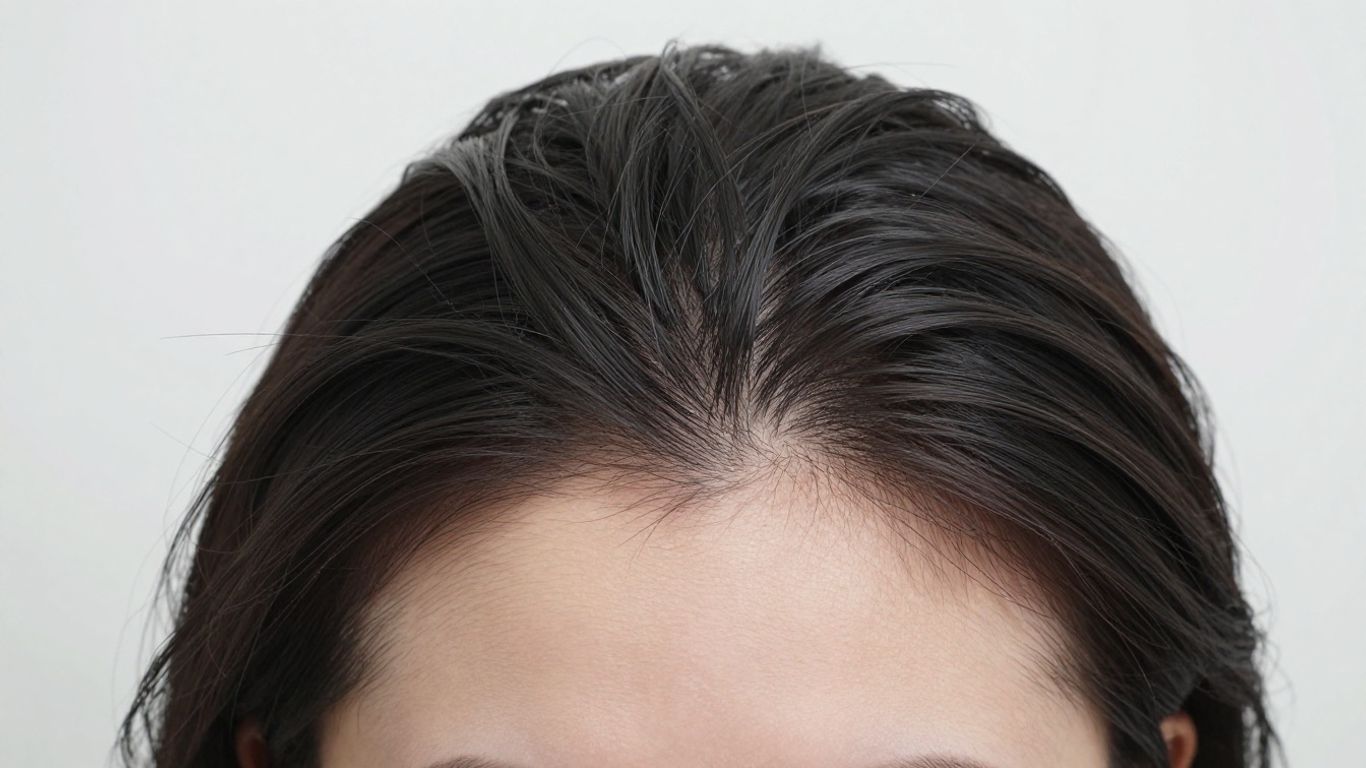
The Nova Medical Difference in Hair Restoration
When you're looking into hair restoration, you want to know you're in good hands. That's where places like Nova Medical Hair Transplant come in. They really focus on using the latest tools and methods to get you results that look natural. They've got this thing called SmartGraft technology, which is pretty neat. It helps with the extraction and putting the hair back in, making it less invasive. This means less downtime for you, which is always a plus, right? They say their approach goes even further than just the standard SmartGraft, aiming for top-notch aesthetic results. It’s all about making sure each hair goes exactly where it should, so it looks like your hair just grew back thicker.
Aesthetemed's Commitment to Patient Care
Aesthetemed is another clinic that seems to really care about the whole experience. Dr. Michael F. Wisiolek, who runs the place, actually went through hair treatments himself. That personal experience gives him a different perspective on what patients are going through, both physically and emotionally. They use advanced tech, like FUE, and focus on making sure you're comfortable. It’s not just about the surgery; it’s about supporting you through the whole process. They even offer support in English, Spanish, and Russian, which is pretty thoughtful. Plus, they have 24/7 support during your recovery, so you're not left hanging if something comes up.
Meet Our Renowned Hair Restoration Specialists
Finding the right doctor is a big part of this whole thing. At Aesthetemed, Dr. Wisiolek is known for his work, and people travel from all over to see him. He’s been doing this for nearly 20 years, so he’s seen a lot and knows his stuff. It’s good to know that the person doing your procedure has that much experience. For those looking for a specific type of procedure, like FUE hair restoration, knowing the surgeon’s background and their approach to creating natural hairlines is key. It’s not just about adding hair; it’s about making it look like it was always there, just fuller. The goal is to help you feel more confident, and that starts with trusting the team you’ve chosen.
The technology used in hair restoration is constantly improving. Clinics that invest in the latest equipment and techniques often provide more precise procedures with faster recovery times. It's worth looking into what tools they have and how they use them to achieve the best possible outcome for your specific situation.
Maximizing Your Hair Transplant Results
So, you've gone through the hair transplant procedure, and things are looking promising. But the journey doesn't end when you leave the clinic. What you do in the weeks and months afterward really matters for how good your new hair looks. It’s about giving those transplanted follicles the best possible environment to grow and thrive.
The Importance of Post-Procedure Maintenance
After your procedure, your scalp is in a delicate healing phase. It’s important to be gentle. This means avoiding anything that could put undue stress on the newly transplanted grafts. Think about it like planting a garden; you wouldn't just walk all over it, right? You'd water it, protect it, and give it the right conditions to grow.
- Gentle Scalp Care: Stick to the washing and care instructions provided by your clinic. Usually, this involves using mild, sulfate-free shampoos and avoiding harsh scrubbing.
- Activity Restrictions: For the first week or so, you'll likely need to avoid strenuous activities, heavy lifting, and intense workouts. This helps keep blood pressure stable and reduces the risk of swelling or bleeding that could affect graft survival. Avoiding strenuous activities is key here.
- Sun Protection: Keep your scalp protected from direct sunlight. A hat or sunscreen designed for sensitive skin can prevent sunburn and irritation.
Proper aftercare isn't just about healing; it's about setting the stage for long-term success. Following the recommended guidelines diligently helps ensure the best possible outcome for your investment.
Holistic Approaches to Enhance Hair Health
Beyond the immediate post-op care, adopting a more holistic approach can make a big difference in the overall health and appearance of your hair. This involves looking at your body as a whole system.
- Nutrition: What you eat directly impacts hair growth. Focus on a diet rich in proteins, vitamins (especially B vitamins, C, D, and E), and minerals like iron and zinc. Foods like lean meats, fish, eggs, fruits, vegetables, and nuts are great choices.
- Stress Management: High stress levels can negatively affect hair growth. Incorporating stress-reducing activities like meditation, yoga, or simply taking time for hobbies you enjoy can be beneficial.
- Sleep: Getting enough quality sleep is when your body does a lot of its repair work. Aim for 7-9 hours of sleep per night to support your body's recovery and hair follicle health.
Nutritional and Lifestyle Factors for Optimal Growth
Think of your hair follicles like tiny plants. They need the right nutrients and conditions to grow strong. While the transplanted hair is generally resistant, supporting your overall health can encourage robust growth and potentially improve the density of your existing hair.
- Hydration: Drinking plenty of water is important for overall health and can help with nutrient transport throughout your body, including to your scalp.
- Avoid Smoking: Smoking can impair circulation, which is not ideal for delivering nutrients to your hair follicles. Quitting or reducing smoking can be a positive step.
- Scalp Massage: Gentle scalp massages can help improve blood flow to the area, which may encourage hair growth. This is something you can do regularly once your scalp has healed sufficiently.
Remember, consistency is key. These practices, combined with the guidance from your Miami hair restoration specialist, will help you achieve the most natural and lasting results from your procedure. A well-defined graft plan is also a good starting point for managing expectations and understanding the scope of your treatment.
Your Journey to Fuller Hair in Miami
Tailored Treatment Plans for Unique Needs
Getting started with a hair transplant in Miami is all about you. It’s not a one-size-fits-all deal. The first step is a chat with a specialist who really gets what you’re going through. They’ll look at your hair loss, how it’s progressing, and what your goals are. Based on all that, they’ll map out a plan that’s just for you. This could involve different techniques or a combination of treatments. It’s about making sure the solution fits your specific situation, not the other way around.
Comprehensive Care from Consultation to Recovery
Once you decide on a procedure, the clinic’s job is to guide you every step of the way. It starts with a detailed consultation where all your questions get answered. Then comes the procedure itself, performed by skilled hands. But it doesn't stop there. After the transplant, you’ll get clear instructions on how to care for the area. This includes how to wash your hair and what activities to avoid for a bit. Follow-up appointments are key to checking on your progress and making sure everything is healing right. You’ll usually see new growth start within a few months, with more noticeable results appearing over the next year. It’s a process, and the clinic is there to support you through it all.
Achieving Lasting Confidence with Advanced Solutions
The ultimate goal is to help you feel more confident and comfortable with your appearance. Hair restoration techniques today are pretty amazing, offering natural-looking results that can last. But to get the best outcome, you need to be proactive. This means sticking to the aftercare plan and making smart lifestyle choices. Eating well, managing stress, and getting enough sleep all play a part in how well your transplanted hair grows and stays healthy. Think of it as a partnership between the advanced medical procedure and your commitment to overall well-being. It’s about more than just the surgery; it’s about a long-term strategy for looking and feeling your best. If you're considering options, Dr. Bared in Miami is a place to explore.
Post-transplant care is just as important as the procedure itself. Following the recommended guidelines and adopting healthy habits will significantly impact the final results and their longevity. This commitment ensures you get the most out of your investment in fuller hair.
Ready for Your Hair Transformation?
So, you've learned a bit about what makes a hair transplant in Miami a solid choice for getting your hair back. It's not just about the procedure itself, but also about finding the right clinic with skilled doctors and the latest tech. Whether you're looking at FUE, SmartGraft, or other advanced methods, the goal is always natural-looking results and a smoother recovery. Taking this step can really make a difference in how you feel about yourself. Don't hesitate to reach out to one of the local specialists to see what options might work best for you and start on your journey to a fuller head of hair.
Frequently Asked Questions
Who is a good candidate for a hair transplant?
A hair transplant works best for people who are losing their hair due to common baldness patterns. You should have enough healthy hair in other areas of your head to move to the thinning spots. It's also important to have realistic ideas about what the procedure can achieve. If you want to improve your hairline or make your hair look thicker, this could be a great option for you.
What makes FUE hair transplants different?
FUE stands for Follicular Unit Extraction. It's a way to move hair follicles one by one from a donor area to where you need them. This method is less invasive than older techniques, meaning it usually heals faster and leaves smaller scars, which are often hard to see. It's like a super precise way to fill in thinning hair.
How does SmartGraft help with hair transplants?
SmartGraft is a special tool that helps with the FUE process. It uses technology to carefully take out hair follicles and then put them where you want them. This makes the process more accurate and helps the transplanted hairs grow in a natural direction. It's designed to be gentle and help you recover quicker.
What should I do after my hair transplant surgery?
After your surgery, taking good care of your scalp is super important. This includes using gentle shampoos, avoiding harsh chemicals, and getting enough sleep. Eating healthy foods and managing stress also helps your new hair grow strong. Your doctor will give you specific instructions to follow.
How long does it take to see results from a hair transplant?
You won't see a full head of hair overnight. It usually takes about 3 to 4 months to start seeing new hair grow. The best results, where your hair looks much fuller, typically show up between 9 and 12 months after the procedure. So, patience is key!
Can I improve my hair transplant results with other treatments?
Yes, you can! Doctors often suggest other treatments to help your transplanted hair grow better and stay healthy. This might include special therapies like PRP (Platelet-Rich Plasma) or taking medicines that help hair grow. A healthy lifestyle with good food and less stress also makes a big difference.



American Standards.
Brazilian Mastery.
Aesthetica Medical Travel Facilitators, LLC is an international care coordination company registered in Wyoming, United States. We provide services for the promotion and support of medical service providers, including physicians worldwide (“medical service providers”). These services are made available through Aesthetica’s website, and the same privacy terms also apply to the Aesthetica Advisor Program (the “application/platform”), created and operated by Aesthetica. Aesthetica is solely responsible for controlling and processing the information obtained via the platform or through other communications between users, businesses, hospitals, clinics, or third parties and members of the Aesthetica service team (the “Service Team”). Our services may include non-clinical care coordination for North American patients seeking elective procedures abroad, including provider matching, travel logistics, and administrative support throughout the care journey. Additional services or add-ons may be offered depending on the selected scope. Post-operative care is typically conducted in the destination country where the procedure is performed. Additional coordination or administrative support in the patient’s country of origin may be available separately, subject to scope and availability. Aesthetica may engage third-party service providers, partners, or affiliated entities to support its operations, including data processing and service delivery. Information may be shared with such parties solely as necessary to provide the services described. Our operations follow strict standards of transparency, privacy protection, and regulatory compliance. Testimonials reflect individual experiences and do not guarantee future results. By using Aesthetica’s services or platform, users acknowledge and agree to these terms and understand the limited, non-clinical role of Aesthetica in the care journey. For more information about our policies or compliance framework, please contact our support team.