
Understanding the Price of One Dental Implant in 2026: A Comprehensive Guide
Thinking about dental implants in 2026? It's a big decision, and understanding the price of one dental implant is a major part of that. You've probably seen a lot of different numbers out there, and it can get confusing fast. This guide is here to break down what you can expect to pay, what goes into that cost, and how to figure out if it's the right move for your smile and your wallet. We'll look at everything from the basic parts of an implant to extra procedures and how insurance might play a role.
Key Takeaways
- The projected cost of one dental implant in 2026 typically ranges from $3,000 to $6,500, but this can change based on individual needs and location.
- The total price includes the implant post (the screw), the abutment (the connector), and the crown (the visible tooth part). Always check if a quote is all-inclusive.
- Additional procedures like bone grafting or sinus lifts, if needed, will add to the overall price of your dental implant.
- Factors like the surgeon's experience, the materials used, and where you live significantly influence the final price of a dental implant.
- While dental insurance might cover a portion, expect a substantial out-of-pocket expense for implants; financing options and HSAs/FSAs can help manage the cost of one dental implant.
Understanding The Price Of One Dental Implant
Thinking about getting a dental implant in 2026? It's a big decision, and the cost is usually the first thing on people's minds. It's not just a simple price tag; there are a few moving parts that add up. The total investment for a single dental implant can range from about $3,000 to $6,000. This might seem like a lot, but it's important to know what you're actually paying for and why the price can vary so much.
Projected Cost Ranges For 2026
While prices can shift, current estimates for 2026 suggest a single implant, including all its parts, will likely fall within the $3,000 to $6,000 bracket. Some sources even place the average closer to $3,000 to $4,800, but remember, this is just a baseline. If you need more than one tooth replaced, the costs go up significantly, potentially reaching $14,000 for a few implants or even over $90,000 for a full set.
What Is Included In The Total Price
When you get a quote for a dental implant, it's usually for the whole package, not just the screw that goes into your jaw. Here's a breakdown of what's typically covered:
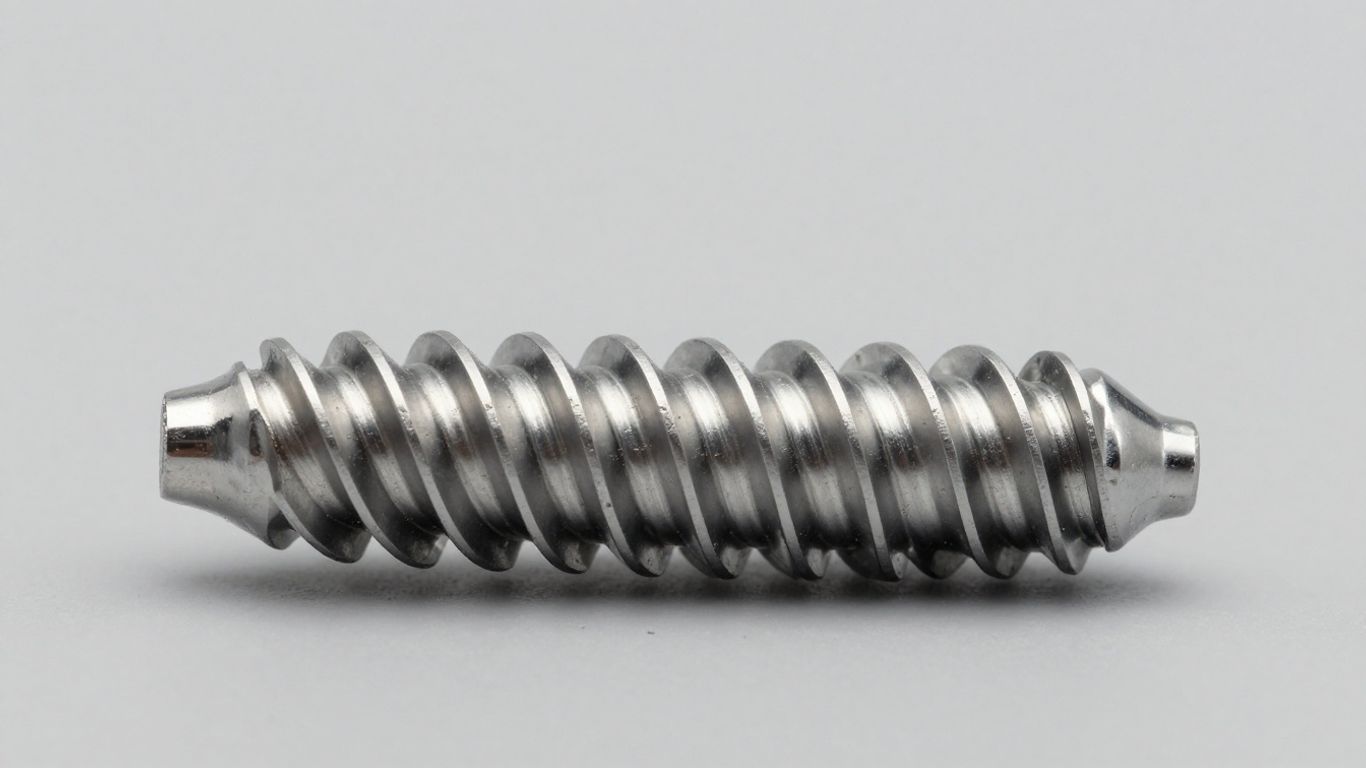
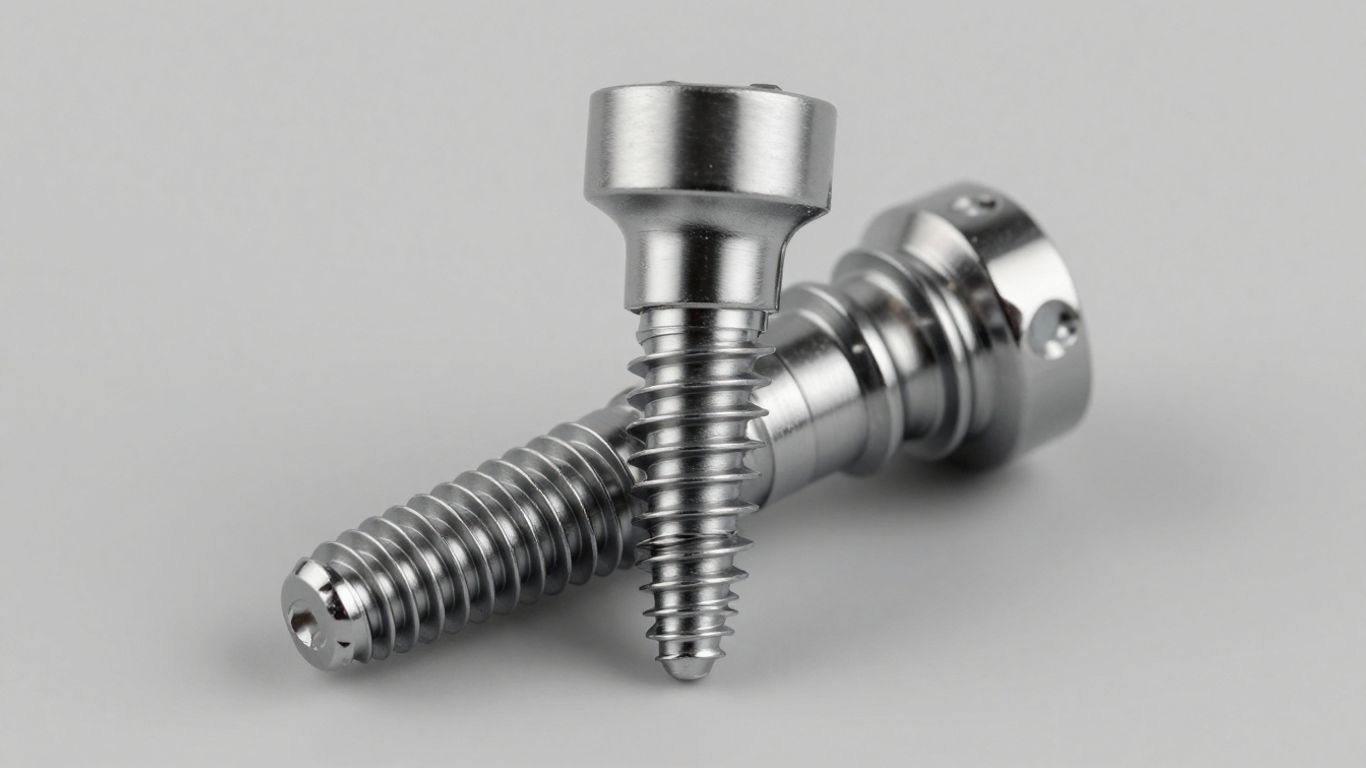
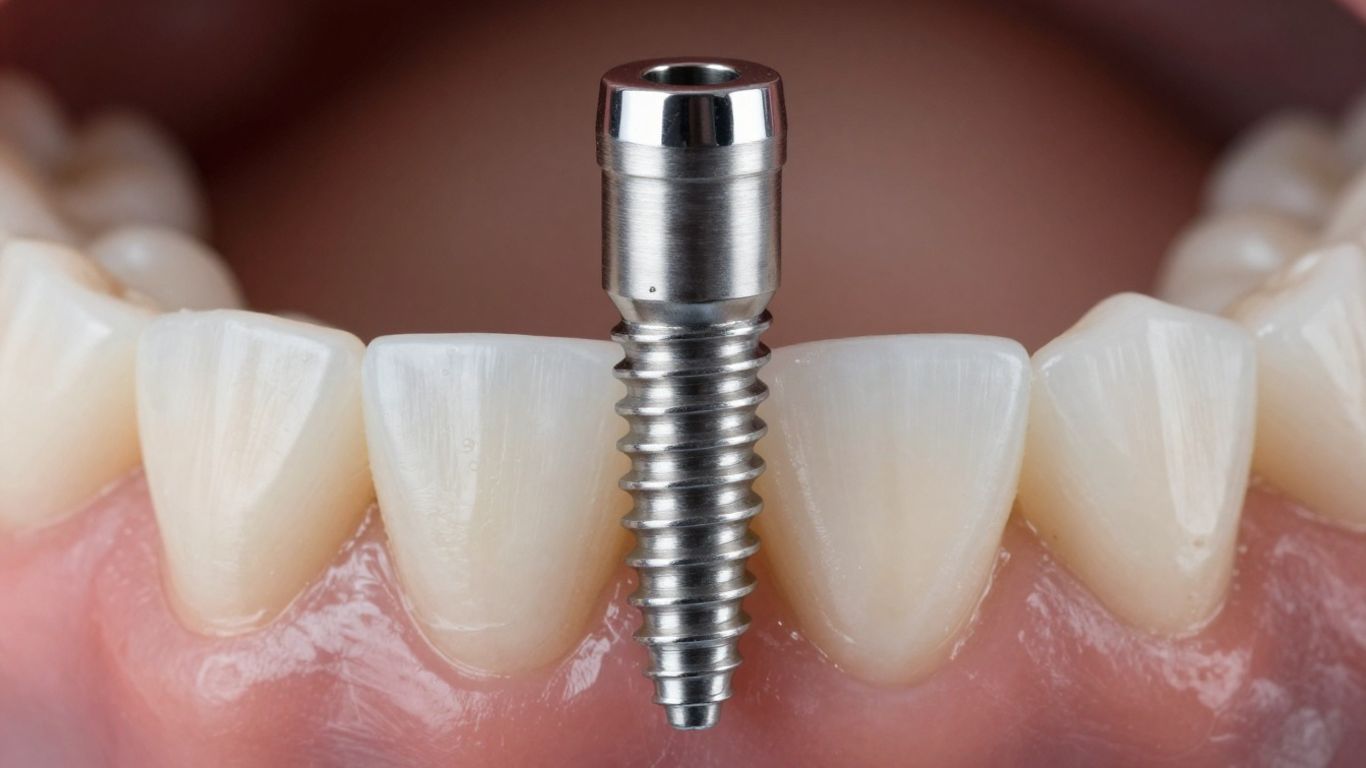
- The Implant Post: This is the artificial tooth root, usually made of titanium, that's surgically placed in your jawbone. It's the foundation for everything else.
- The Abutment: This is a small connector piece that attaches to the implant post after it has healed. It sticks out just above the gum line and holds the visible tooth.
- The Crown: This is the actual "tooth" part that you see. It's custom-made to match your natural teeth in color, shape, and size, and it attaches to the abutment.
It's always a good idea to confirm that your quote includes all three components. Sometimes, dentists might quote the implant post separately, which can be misleading.
Factors Influencing The Overall Investment
So, why the range from $3,000 to $6,000 (or more)? Several things play a role:
- Location: Where you live matters. Big cities often have higher costs due to rent and staffing expenses compared to smaller towns. You might find lower prices in suburban areas.
- The Dentist's Experience: A specialist with years of training and a great track record might charge more than a general dentist, but this often means a higher success rate.
- Materials Used: High-quality implant brands and crown materials can cost more upfront but may offer better long-term results.
- Additional Procedures: If you need bone grafting or a sinus lift before the implant can be placed, these add to the total cost.
Understanding these variables helps you get a clearer picture of the final price and why it's not a one-size-fits-all situation. It's an investment in your health and confidence, and knowing the details makes it easier to plan.
Other costs you might not think of initially include things like initial consultations, 3D imaging (like a CBCT scan), and possibly sedation if you're feeling anxious. These can add a few hundred to a couple of thousand dollars to the overall expense.
Components That Determine Dental Implant Pricing
When you're looking at the price tag for a dental implant, it's not just one single item you're paying for. Think of it more like a system, with a few key parts that all add up. Understanding these pieces helps explain why the final cost can vary.
The Implant Post: Artificial Tooth Root
This is the part that goes into your jawbone, kind of like a screw. It's usually made of titanium, which is great because your bone can grow right onto it, making it super stable. This process is called osseointegration. While it's the foundation for everything, it's often not the most expensive piece of the puzzle. You can find a lot of information about the latest dental implant cost trends for 2026 that break down these costs.
The Abutment: Connecting Piece
Once the implant post has healed in your jaw, a small connector piece called an abutment is attached. This part sticks out just a bit above your gum line. It's what the new tooth will actually attach to. Sometimes these are standard pieces, and other times they're custom-made to fit perfectly. This piece is often billed separately, so it's good to check if it's included in your initial quote.
The Crown: Visible Tooth Restoration
This is the part you actually see – the artificial tooth that sits on top of the abutment. It's custom-made in a dental lab to match the color, shape, and bite of your natural teeth. Because it's so customized and uses advanced materials like porcelain or zirconia, the crown is frequently the most costly component of the entire dental implant process. Getting a clear breakdown of all three parts – post, abutment, and crown – is key to understanding the full investment.
Here's a general idea of what each part might contribute to the cost:
- Implant Post: $1,500 – $3,000
- Abutment: $300 – $1,000
- Crown: $1,000 – $3,000
It's important to remember that a quote for just the implant post doesn't tell the whole story. Always confirm that the price includes the post, the abutment, and the final crown to get a true picture of the total cost. The total cost for a single dental implant in the USA can range significantly based on these components and other factors.
Additional Procedures Affecting Dental Implant Cost
So, you're thinking about getting a dental implant, which is awesome. But sometimes, the price tag you get upfront doesn't tell the whole story. There are a few extra things that can pop up, especially if your mouth needs a little extra prep work before the implant can even go in. It's like getting a house ready – sometimes you need to clear the land before you can build.
Bone Grafting For Jawbone Support
If you've been missing a tooth for a while, or maybe had an infection, your jawbone might have shrunk. It's totally natural, but it means there isn't enough solid bone to hold the implant steady. That's where bone grafting comes in. They basically add some bone material – either from your own body or a donor – to build up the area. This gives the implant a strong foundation to fuse with. It's a pretty common step for many people, and it's key for making sure your new tooth stays put for good. This procedure can add anywhere from $300 to $3,500 to the total cost, depending on how much bone is needed.
Sinus Lift Augmentation
This one's a bit more specific and usually applies to implants in the upper back part of your mouth. Sometimes, the space between your upper jawbone and your sinuses is just too thin to put an implant in. A sinus lift basically adds bone to that area, lifting the sinus membrane up a bit to make room. Think of it like adding a bit of height to your jaw. It's a more involved surgery, and you can expect it to add roughly $1,500 to $5,000 to your bill. It’s important to get this done right, as a failed implant in that area would be a real headache.
Tooth Extractions And Site Preservation
Okay, this one's pretty straightforward. If the tooth you need replaced is still there but is damaged beyond repair, it's gotta come out first. Simple extractions might cost around $150 to $500, but if it's a more complicated situation, like a broken root, it could be more. Sometimes, dentists also recommend "site preservation" right after extraction. This involves placing a small amount of bone graft material into the socket. It helps prevent the jawbone from collapsing inward after the tooth is gone, which is super helpful for future implant placement. It's a small extra step that can save you trouble down the line.
It's really important to have an open chat with your dentist about all the potential extra steps. Sometimes, a quote might seem low because it doesn't include these preparatory procedures. Knowing the full picture upfront helps avoid surprises later on and makes sure you're prepared for the entire process.
These additional procedures, while adding to the initial cost, are often necessary for the long-term success and stability of your dental implant. They're investments in making sure your new tooth looks great and functions perfectly for years to come. If you're looking into the details of these procedures, understanding the full scope of treatment is a good idea.
Factors Influencing The Price Of One Dental Implant
So, you're wondering why the price tag on a dental implant can swing so much from one dentist to another? It's not just random; a few key things really shape the final cost. Think of it like buying a car – the make, the model, and where you buy it all play a part.
Geographic Location And Regional Trends
Where you live makes a difference. Big cities like New York or Los Angeles tend to have higher prices. This is mostly because running a practice there costs more – think rent, staff salaries, and lab fees. You might find more budget-friendly options in smaller towns or suburban areas, where overhead is usually lower. Sometimes, people even travel a bit outside a major metro area to find a practice that offers better pricing without skimping on quality.
Surgeon Expertise And Specialization
This is a big one. The person doing the surgery matters. A general dentist might charge less, but a specialist like an oral surgeon or periodontist has years of extra training specifically for these kinds of procedures. They often have more advanced equipment and a track record of success, especially if you have bone loss or need more complex work. While specialists might cost more upfront, their experience can save you from future problems and extra costs down the line. It's about getting it done right the first time.
Material Quality And Brand Selection
Not all implants are created equal. Just like with anything else, there are premium brands and then there are more basic ones. Top-tier brands often have tons of research behind them, are designed to integrate really well with your bone, and have parts readily available if you ever need them. Cheaper options might save money now, but they could cause headaches later if parts are hard to find or if they don't hold up as well over time. The material of the crown that goes on top also adds to the cost – think about how a custom-made porcelain crown will cost more than a basic one.
It's important to remember that the cheapest option isn't always the best. Investing a bit more in quality materials and an experienced surgeon can lead to better long-term results and fewer complications, ultimately saving you money and hassle in the long run.
Here's a quick look at some common additional procedures that can add to the total cost:
- Bone Grafting: If your jawbone isn't thick enough, you might need a bone graft to create a solid base for the implant. This can add anywhere from $800 to $3,500. Learn more about bone grafting.
- Sinus Lift Augmentation: For implants in the upper jaw, sometimes the sinus cavity is too close. A sinus lift creates more space and can cost between $1,500 and $4,500.
- Tooth Extractions: If you still have the damaged tooth, it needs to come out first. Simple extractions are cheaper, but if it's a more complex removal, it can cost $150 to $500.
- 3D Imaging (CBCT Scan): Detailed scans help plan the surgery precisely, usually costing $200 to $600.
When you get a quote, make sure it's clear what's included. Sometimes, a low initial price might not cover necessary preparatory work like bone grafting or the final crown, which can be the most expensive part. Always ask for a full breakdown so you know exactly what you're paying for.
Navigating Insurance And Financing Options
So, you're looking into dental implants and wondering how to pay for it all. It's a big question, and honestly, the answer isn't always straightforward. Most people end up using a mix of strategies to make the cost manageable. Let's break down what you can expect with insurance, financing, and those handy savings accounts.
Dental Insurance Coverage Limitations
When it comes to dental insurance and implants, it's a bit of a mixed bag. Many traditional plans still see implants as a major procedure, and coverage can be pretty limited. You might find that the implant post itself isn't covered at all. However, insurance often chips in for related things like tooth extractions, bone grafting if you need it, or even the crown that goes on top. It's really important to check with your specific provider to see what your plan allows. Annual maximums, often between $1,500 and $2,500, can also be a factor, meaning insurance might cover a portion, but you'll likely have a significant out-of-pocket balance for the implant itself.
Here's a general idea of what some plans might cover:
- Implant Post: Usually little to no coverage.
- Abutment: Coverage varies widely, often partial.
- Crown: Frequently covered at 50%, but check your plan.
- Preparatory Procedures (like extractions or bone grafts): Sometimes covered under different benefit categories.
Remember, insurance is there to help, but it's rare for it to cover the entire cost of a dental implant. Always get a detailed estimate from your dentist and verify coverage with your insurance company before starting treatment.
Healthcare Financing And Credit Options
If insurance doesn't cover enough, or you want to spread out payments, there are several financing routes. Many dental offices partner with specialized lenders. These can include medical credit cards, which often have 0% interest promotional periods – great if you can pay off the balance within that time. Just be mindful of what happens if you miss payments, as deferred interest can kick in. For larger treatment plans, like full mouth reconstructions, dedicated medical or dental loans might be a better fit. These usually have fixed monthly payments and longer repayment terms, making them suitable for bigger investments. Some dental practices also offer their own in-house payment plans, which can be a flexible, interest-free option if available.
Utilizing Health Savings Accounts (HSA/FSA)
This is where things get really smart. If you have a Health Savings Account (HSA) or a Flexible Spending Account (FSA) through your employer, dental implants are typically considered a qualified medical expense. This is a fantastic way to save money because you're using pre-tax dollars. Effectively, this can reduce the overall cost of your implant by 20-30% depending on your tax bracket. It's like getting a built-in discount just for planning ahead. You can use these funds for the implant itself, as well as many of the preparatory procedures. Just be sure to understand the rules for your specific account, like whether funds roll over year to year (HSAs do, FSAs generally don't).
- HSA: Funds roll over annually and are yours to keep.
- FSA: Use it or lose it within the plan year (though some plans offer grace periods).
- Qualified Expenses: Implants, crowns, extractions, and more are usually covered.
Planning your treatment strategically, perhaps splitting procedures across calendar years to maximize different insurance benefits, can also make a big difference in your out-of-pocket costs. It's all about making the investment work for your financial situation. For more on how to improve your online presence and attract patients, SEO strategies for dentists can be quite helpful.
Long-Term Value And Cost Comparison
Dental Implants Versus Bridges and Dentures
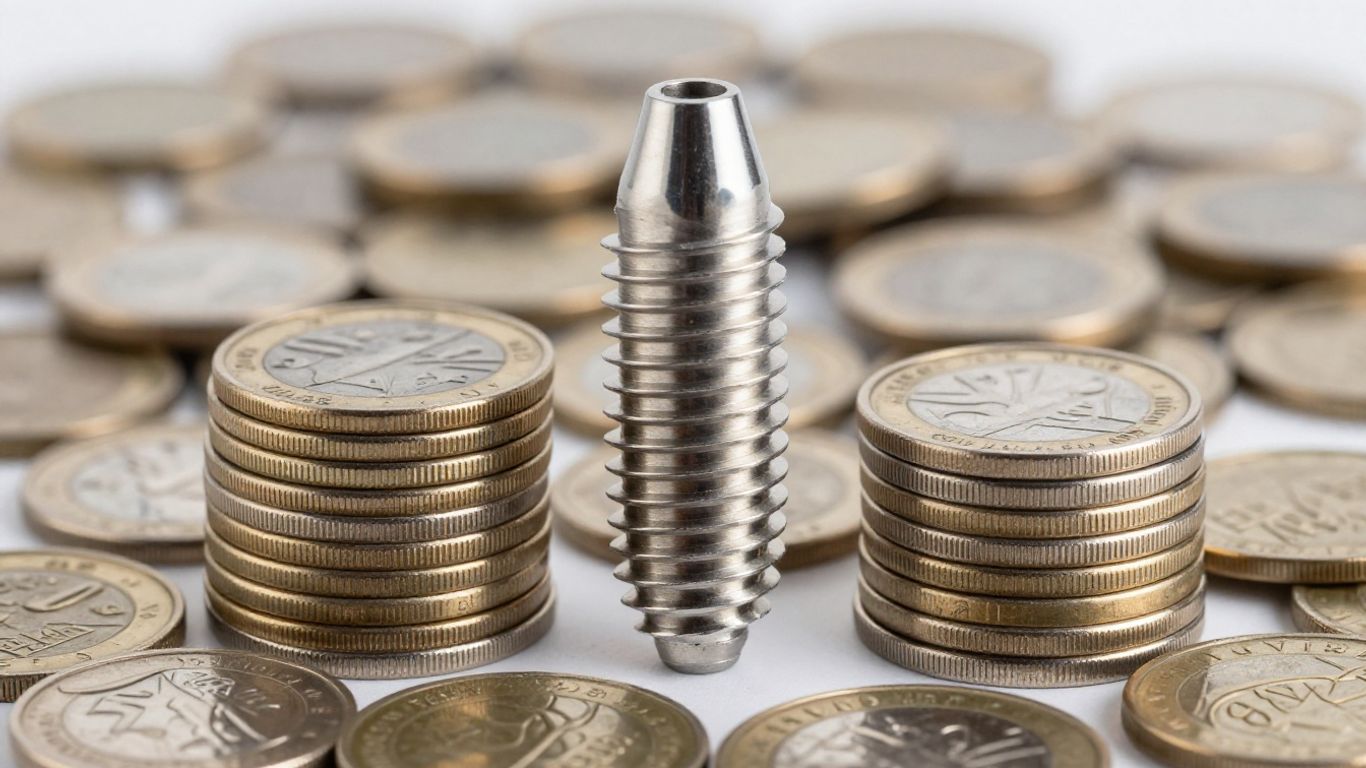
When you look at the price tag for a single dental implant, it can seem like a lot. But it's really important to think about how long it lasts and what it does for your health compared to other options like bridges or dentures. Bridges usually last about 10 to 15 years, and dentures might need replacing every 5 to 8 years. Implants, on the other hand, are designed to last for decades, often 20 years or more with good care. This means you might end up paying more over time for replacements and adjustments with bridges and dentures than for a single implant that stays put. Plus, implants don't mess with your other teeth, which is a big plus.
Here's a quick look at how they stack up:
- Dental Implant: Lifespan 20-30+ years, preserves jawbone, no impact on nearby teeth.
- Dental Bridge: Lifespan 5-15 years, requires grinding down healthy teeth, may need replacement.
- Dentures: Lifespan 5-8 years, can accelerate bone loss, may require relines and adhesives.
Calculating the Lifetime Value of Implants
Thinking about the total cost over your life really changes the picture. While the initial cost for a dental implant in 2026 might be between $4,000 and $6,000, that's often a one-time expense. If that implant lasts 30 years, you're looking at a yearly cost of around $130-$200. Compare that to a bridge that needs replacing twice in 30 years, plus the cost of those replacements. It starts to add up. Implants also help keep your jawbone healthy, which can prevent other costly dental problems down the road. It's not just about replacing a tooth; it's about preserving your oral health for the long haul.
Investing in dental implants is more than just a cosmetic fix; it's a strategic move for your long-term oral health and potentially your overall well-being. The durability and biological benefits often make them the more economical choice when you consider the full lifespan of the restoration.
Health and Lifestyle Benefits
Beyond the dollars and cents, the benefits to your daily life are huge. With implants, you can eat pretty much anything you want without worry – no more avoiding crunchy apples or tough meats. They feel and function just like your natural teeth, so you can talk and laugh confidently. This boost in confidence can really impact your social life and even your career. Plus, implants help keep your jawbone from shrinking, which maintains your facial structure and prevents that sunken look that can happen with missing teeth. It's a win-win for both how you feel and how you look. For more details on comparing options, you can check out implant vs. bridge costs.
Wrapping Up: Your Smile Investment
So, we've gone over a lot about what goes into the price of a dental implant in 2026. It's definitely not a small amount of money, and it's totally normal to feel a bit overwhelmed by the numbers. But remember, this isn't just about getting a new tooth; it's about getting something that can last for decades, keeping your jawbone healthy, and letting you eat and smile without worry. When you look at how long they last and how they help your overall health, implants often end up being a really smart choice in the long run, even if the initial cost seems high. Talking openly with your dentist about all the costs, including any extra procedures you might need, and exploring financing options like payment plans or using HSA/FSA funds can make a big difference in making this investment work for you. Your smile is worth it, and with the right planning, a healthy, confident smile is totally within reach.
Frequently Asked Questions
What's the typical price range for a single dental implant in 2026?
For a single tooth implant, which includes the post, the connector piece, and the visible crown, you can generally expect the cost to be somewhere between $3,000 and $6,500. This price can change based on where you live and the specific dental clinic you choose.
What parts make up the total cost of a dental implant?
A dental implant is actually made of three main parts. First, there's the implant post, which acts like an artificial root going into your jawbone. Then, there's the abutment, a small connector that attaches to the post. Finally, the crown is the part that looks like your natural tooth and sits on top.
Can extra procedures like bone grafting affect the total cost?
Yes, absolutely. If your jawbone isn't strong enough to support an implant, you might need a bone graft, which adds to the cost. Similarly, a sinus lift might be necessary for implants in the upper jaw. If you need to have a damaged tooth removed first, that's also an additional expense.
Does my location influence how much a dental implant costs?
Location can definitely play a role. Prices might be higher in big cities compared to smaller towns. Also, the dentist's level of experience and the quality of the materials used can affect the final price. Highly skilled specialists might charge more for their expertise.
Will my dental insurance help pay for implants?
Dental insurance often covers only a portion of implant costs, if at all. Many plans consider implants a 'major' procedure and have yearly limits on what they'll pay. You should be prepared for a significant out-of-pocket expense, though insurance might help with things like the crown or tooth extraction.
Are dental implants a good long-term investment compared to other options?
While implants have a higher upfront cost, they are often more cost-effective over time. Unlike bridges that need replacing and dentures that require adjustments, implants are designed to last for many years, sometimes a lifetime. They also help preserve your jawbone and overall oral health, which can prevent future dental problems and costs.


American Standards.
Brazilian Mastery.
Aesthetica Medical Travel Facilitators, LLC is an international care coordination company registered in Wyoming, United States. We provide services for the promotion and support of medical service providers, including physicians worldwide (“medical service providers”). These services are made available through Aesthetica’s website, and the same privacy terms also apply to the Aesthetica Advisor Program (the “application/platform”), created and operated by Aesthetica. Aesthetica is solely responsible for controlling and processing the information obtained via the platform or through other communications between users, businesses, hospitals, clinics, or third parties and members of the Aesthetica service team (the “Service Team”). Our services may include non-clinical care coordination for North American patients seeking elective procedures abroad, including provider matching, travel logistics, and administrative support throughout the care journey. Additional services or add-ons may be offered depending on the selected scope. Post-operative care is typically conducted in the destination country where the procedure is performed. Additional coordination or administrative support in the patient’s country of origin may be available separately, subject to scope and availability. Aesthetica may engage third-party service providers, partners, or affiliated entities to support its operations, including data processing and service delivery. Information may be shared with such parties solely as necessary to provide the services described. Our operations follow strict standards of transparency, privacy protection, and regulatory compliance. Testimonials reflect individual experiences and do not guarantee future results. By using Aesthetica’s services or platform, users acknowledge and agree to these terms and understand the limited, non-clinical role of Aesthetica in the care journey. For more information about our policies or compliance framework, please contact our support team.