
Top Hair Loss Treatments for Men in 2026: What Actually Works?
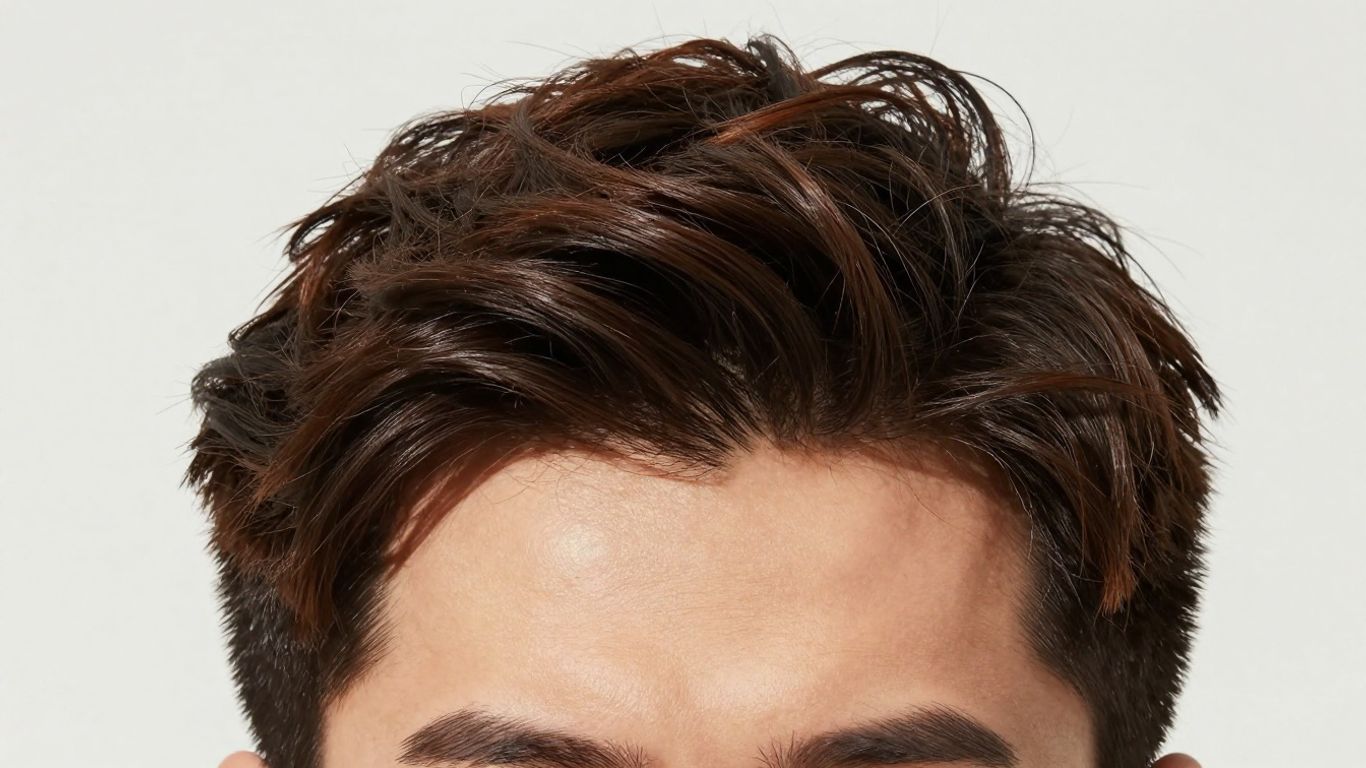
Losing hair can be a real bummer, right? It happens to a lot of guys, and honestly, it can mess with your head. But the good news is, 2026 is looking pretty good for options. We've got more ways than ever to tackle thinning hair and get things looking fuller. If you're wondering what's actually out there that works, stick around. We're breaking down the top hair loss treatment for men that are making waves.
Key Takeaways
- Hair transplants, like FUE and FUT, offer a permanent fix by moving healthy hair follicles to thinning areas.
- PRP therapy uses your own blood to kickstart hair growth, a popular non-surgical choice.
- Minoxidil and Finasteride are well-known treatments, one topical and one oral, that help slow loss and encourage growth.
- Newer options like scalp micropigmentation create the look of thicker hair, while stem cell therapy is on the horizon for follicle regeneration.
- Combining treatments, like using minoxidil with PRP, often yields the best results for a hair loss treatment for men.
1. Hair Transplant
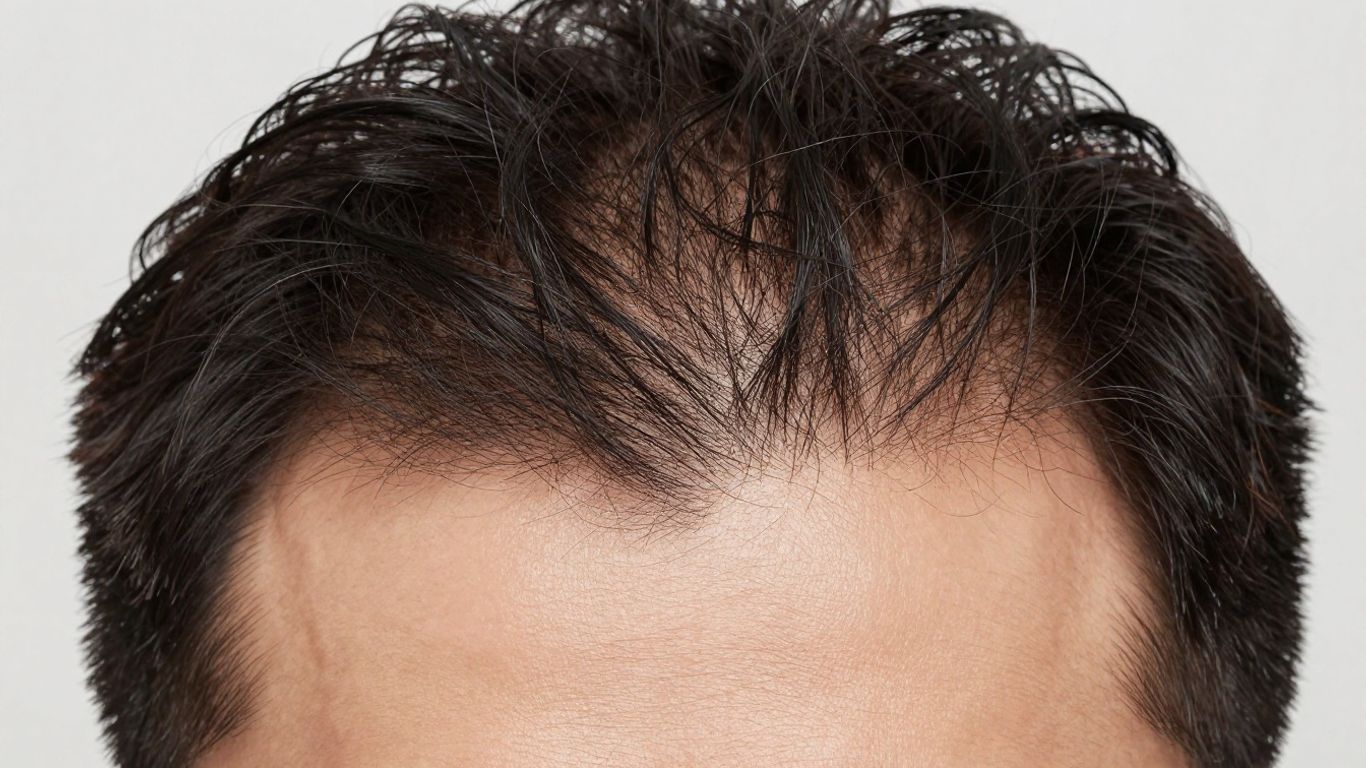
When you're looking for a permanent fix for hair loss, a hair transplant is often the go-to option. It's a surgical procedure where hair follicles are moved from one part of your scalp to a thinning or bald area. Think of it like relocating a healthy forest to a place that needs more trees.
There are two main techniques used:
- Follicular Unit Transplantation (FUT): This involves removing a strip of skin from a donor area (usually the back of your head) and then dissecting it into individual grafts to be transplanted. It's often used when a larger area needs coverage.
- Follicular Unit Extraction (FUE): With FUE, individual hair follicles are extracted directly from the donor area and then implanted into the recipient site. This method is less invasive and usually results in less scarring.
The success rate for hair transplant procedures is generally very high, often exceeding 90%. This means that most of the transplanted hair is expected to grow back successfully, giving you a more natural and fuller look. It's a significant investment, both in terms of cost and the procedure itself, but for many, it's the most effective way to achieve lasting results.
While it's a surgical procedure with a recovery period, the results can be quite dramatic and natural-looking. It's important to find a skilled surgeon who can create a hairline that suits your face and provides a dense, yet realistic, outcome. The recovery time can vary, but most people can return to normal activities within a week or two.
Choosing the right clinic is key. You want someone experienced who can assess your hair loss and determine the best approach for your specific situation. It's not a quick fix, as it takes time for the transplanted hair to grow, usually several months to a year to see the full effect, but it's a long-term solution for male pattern baldness.
2. PRP Therapy
PRP, or Platelet-Rich Plasma therapy, is a pretty interesting option that's been gaining a lot of traction. Basically, they take a small amount of your own blood, spin it in a centrifuge to concentrate the platelets, and then inject that plasma back into your scalp. The idea is that these platelets are packed with growth factors that can help wake up dormant hair follicles and encourage new growth. It's a natural approach because it uses your body's own healing mechanisms.
Here's a quick rundown of what you can expect:
- Blood Draw: A technician draws a small amount of blood, similar to a standard blood test.
- Centrifugation: The blood is spun in a special machine to separate the plasma and platelets from other blood components.
- Injection: The concentrated PRP is then carefully injected into areas of the scalp experiencing thinning or hair loss.
- Follow-up: Multiple sessions are usually needed, often spaced a few weeks apart, to see the best results.
Studies have shown that PRP can really help improve hair density and thickness. It's a non-surgical procedure, which is a big plus for many guys. While it's not a magic bullet and results can vary, it's definitely one of the more promising treatments out there for stimulating natural hair regrowth. Many men find it works well when combined with other treatments, like minoxidil, for a more robust approach to tackling hair loss. If you're looking for a way to boost your hair's thickness and count, PRP therapy is worth considering.
3. Minoxidil
Minoxidil is a pretty well-known name in the hair loss world, and for good reason. It's one of the few treatments out there that's actually FDA-approved for male pattern baldness. You can get it over-the-counter, which makes it super accessible. It works by increasing blood flow to your scalp, which can help wake up those dormant hair follicles and extend their growth phase.
Originally, minoxidil was actually a blood pressure medication, and scientists are still figuring out the exact way it helps hair grow. But hey, it works, and that's what matters, right? You can find it in a few forms, most commonly as a topical solution or foam that you apply directly to your scalp. Some people also take it in pill form, though that's usually prescribed by a doctor.
Here's a quick rundown of how it's typically used:
- Apply it consistently: This is key. You'll usually need to apply the topical solution or foam twice a day. Missing doses can really slow down your progress.
- Be patient: Don't expect overnight results. It can take several months, often around six, to start seeing noticeable changes, and more significant results might take a year or longer.
- Expect some shedding: It might sound scary, but an increase in shedding during the first few months is actually a good sign. It means your follicles are getting active and preparing to grow new hair. It's a sign the treatment is working!
While it's a solid option, it's not perfect. Some people experience scalp irritation, and in rare cases, there can be other side effects. Also, the results stop if you stop using it, so it's a long-term commitment. Newer formulations are being developed that aim to improve absorption and reduce side effects, but for now, the standard topical minoxidil is a reliable choice for many guys looking to combat hair loss. You can find generic versions, like Roman Men's Extra Strength Minoxidil Topical Solution, which offer the same active ingredient at a lower cost.
It's important to remember that minoxidil is a treatment, not a cure. It helps to slow down hair loss and can regrow some hair, but it won't bring back hair that's been gone for a very long time. Consistency and patience are your best friends when using this product.
4. Finasteride
Finasteride is a prescription medication that's been around for a while, specifically for treating male pattern baldness. It works by blocking the conversion of testosterone into dihydrotestosterone (DHT), a hormone that shrinks hair follicles. By reducing DHT levels, finasteride can help slow down hair loss and, in some cases, even lead to regrowth.
It's typically taken as a pill once a day. While it's considered one of the most effective treatments out there, it's not without its potential downsides. Some guys experience side effects, and it's important to be aware of them before you start.
Here's a quick rundown of what you might expect:
- Effectiveness: Studies show it can significantly reduce hair loss and increase hair count in many men.
- How it works: It targets the hormonal cause of male pattern baldness by lowering DHT.
- Duration of treatment: You'll likely need to take it long-term to maintain results, as stopping can cause hair loss to resume.
It's really important to chat with your doctor about finasteride. They can help you figure out if it's the right choice for you, considering your health history and any other medications you might be taking. They'll also explain the potential risks and benefits in detail.
Some men report experiencing decreased libido or erectile dysfunction while taking finasteride. These side effects aren't super common, but they do happen, and awareness is key. If you notice any changes, definitely talk to your doctor about it. They might suggest adjusting the dosage or exploring other options. For many, though, the benefits for hair regrowth outweigh these potential issues. It's one of the few FDA-approved treatments for male pattern hair loss, and its long track record means a lot of data is available on its use. You can find more information about potential side effects if you want to dig deeper.
5. Laser Hair Therapy
Laser hair therapy, also known as low-level laser therapy (LLLT) or red light therapy, is a non-surgical treatment that uses specific wavelengths of light to encourage hair growth. The idea is that this light energy gets absorbed by the cells in your hair follicles, giving them a little boost. Think of it like giving your scalp a gentle energy drink.
This method has been around for a while and is available in different forms, from in-office treatments to at-home devices like combs or helmets. The science behind it suggests that LLLT can help by increasing blood flow to the scalp and stimulating the metabolic activity of the cells within the hair follicle. This stimulation can help prolong the growth phase of your hair cycle.
Here's a quick rundown of what it aims to do:
- Stimulate dormant hair follicles to re-enter the growth phase.
- Increase blood circulation in the scalp, delivering more nutrients to the follicles.
- Reduce inflammation on the scalp, which can sometimes contribute to hair loss.
- Potentially thicken existing hair strands.
While results can vary from person to person, some studies have shown positive outcomes. For instance, a review in 2018 noted an average increase of about 17 hairs per square centimeter in participants using LLLT. It's often seen as a good option for men with early to moderate hair thinning, and it can sometimes be used alongside other treatments like minoxidil or finasteride for a more comprehensive approach. It's worth looking into if you're seeking a treatment that doesn't involve medication or surgery. You can find devices that are FDA-cleared for hair loss, which is a good sign of their legitimacy.
It's important to manage expectations with laser hair therapy. While it can be effective for many, it's not a magic bullet. Consistency is key, and you'll likely need to use the devices regularly over several months to see noticeable changes. Patience is definitely a virtue here.
When considering at-home devices, look for ones that use specific wavelengths, typically in the red spectrum (around 630-670 nanometers), as these are believed to be most effective for hair growth. Always follow the manufacturer's instructions carefully to ensure safety and maximize potential benefits. If you're unsure, chatting with a dermatologist about whether laser therapy is right for you is always a smart move.
6. Scalp Micropigmentation
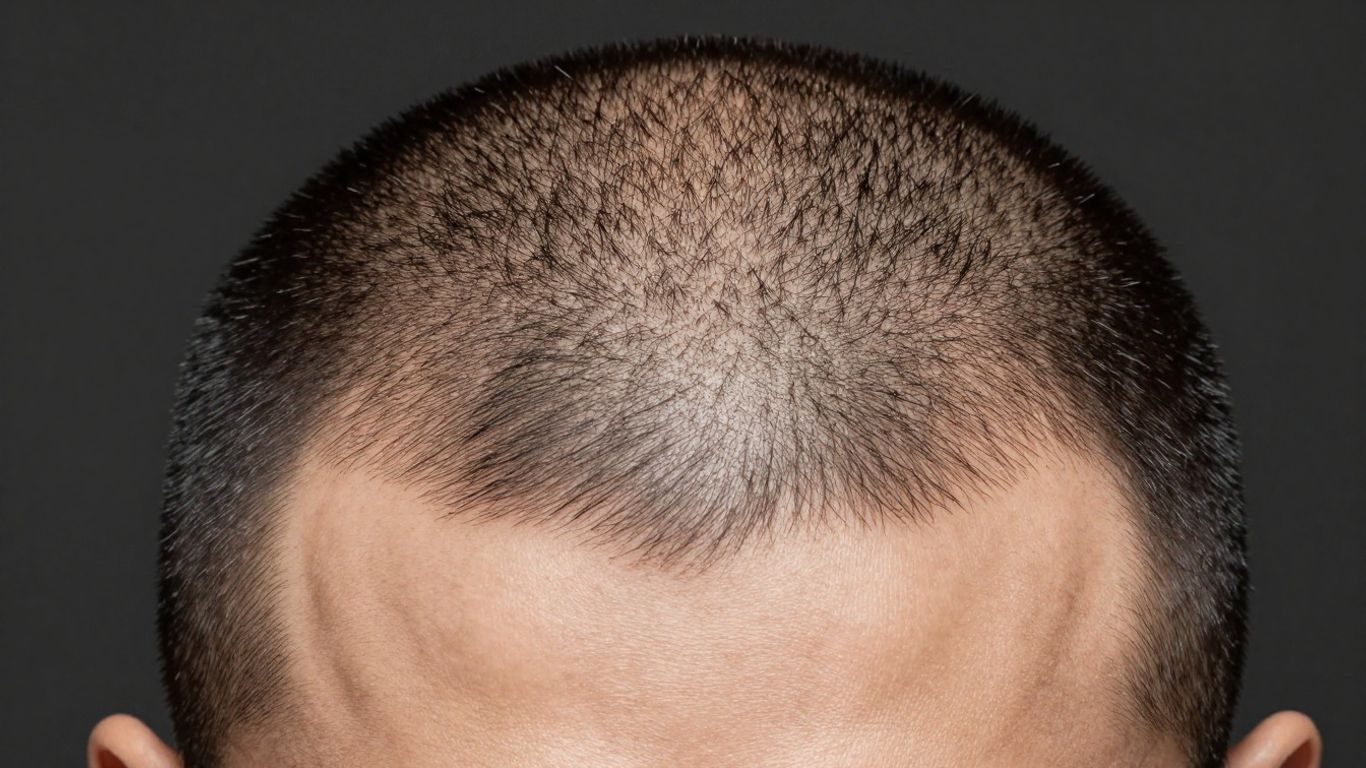
Scalp Micropigmentation, often called a 'hair tattoo,' is a really interesting option for guys dealing with thinning hair or bald spots. It's not about growing new hair, but rather creating the illusion of it. Think of it like a very detailed, artistic process where tiny dots of pigment are carefully placed into the scalp to replicate the look of natural hair follicles. This technique can make thinning hair look much fuller and can also camouflage scars.
It's a non-surgical cosmetic procedure, and the results can be quite impressive when done by a skilled technician. The process usually involves a few sessions to build up the density and ensure the color matches your natural hair and skin tone. It's a great choice if you're looking for a low-maintenance solution that doesn't involve ongoing treatments or medications.
Here's a general idea of what to expect:
- Consultation: You'll discuss your hair loss pattern, desired look, and the technician will assess your scalp.
- First Session: The initial application of pigment to create the base layer.
- Second Session: Adding more density and refining the look.
- Touch-up Session (if needed): Final adjustments to ensure a natural appearance.
It's important to find a reputable clinic. The quality of the work really depends on the artist's skill and experience. You can find some great examples of this technique at a hair tattoo clinic.
The pigments used are specifically designed for the scalp and are chosen to match your existing hair color. The goal is to create a seamless blend that looks incredibly natural, even up close. It's a permanent solution, though minor touch-ups might be needed over the years to keep it looking its best.
While it's a cosmetic procedure, the confidence boost it can provide is very real for many men. It's a way to reclaim a fuller-looking hairline without surgery or medication.
7. Stem Cell Therapy
Stem cell therapy for hair loss is one of the newer frontiers in hair restoration. The idea behind it is pretty straightforward: use your body's own regenerative cells to encourage hair follicles to grow again. It's not quite like the sci-fi stuff you see in movies, but the science is definitely moving forward.
Basically, the process often involves taking a small sample of your tissue, processing it to isolate stem cells, and then injecting those cells back into areas of your scalp where hair is thinning or has stopped growing. The hope is that these cells will signal dormant follicles to wake up and start producing hair again. Some research has shown promising results, with certain trials indicating a noticeable increase in hair density for participants. For example, one study showed a significant improvement in hair density for men with more advanced hair loss.
It's important to remember that this field is still developing, and not all treatments are created equal. You'll see a lot of advertising, but the actual clinical evidence and standardized protocols are still being worked out. It's a bit of a mixed bag right now, with some clinics offering treatments that are ahead of the solid scientific backing.
Here's a quick look at what to consider:
- Potential for Regeneration: The core idea is to reactivate dormant hair follicles, potentially leading to natural hair regrowth.
- Early Stage Research: While promising, stem cell therapy for hair loss is still considered experimental by many experts.
- Consultation is Key: Because it's a developing area, talking to a qualified professional is a must to understand the risks, benefits, and what's actually proven.
While the concept of using stem cells to regrow hair is exciting, it's crucial to approach it with realistic expectations. The technology is still maturing, and it's wise to be cautious about clinics making bold claims without robust scientific data to back them up.
As of 2026, stem cell therapy is not a universally approved or standardized treatment for hair loss. It's more of an emerging option that requires careful consideration and discussion with specialists. You might find more information on the latest advancements by looking into specific clinical trials for hair restoration. The ongoing research aims to establish its long-term safety and effectiveness.
8. Hair Growth Serums
Hair growth serums have become a popular choice for men looking to tackle thinning hair. These aren't your grandma's hair tonics; modern serums are packed with active ingredients designed to get to the root of the problem. They often contain things like peptides, caffeine, and various botanical extracts that aim to boost circulation to the scalp and encourage follicles to produce thicker, healthier hair. The key is consistency; you've got to use them regularly to see any real difference.
Many serums are designed to be applied directly to the scalp, usually once or twice a day. Some can feel a bit greasy, which is why some guys prefer to use them at night or even work them into their hair routine as a styling product. It's a bit of a trial-and-error process to find one that suits your hair type and doesn't feel heavy. You might find that some products, like the Happy Head TopicalRx Solution + SuperCapsule, offer a more complete system beyond just a cosmetic serum, aiming to address hair loss more directly.
Here's a quick look at what you might find in these bottles:
- Peptides: These are short chains of amino acids that can signal your hair follicles to grow.
- Caffeine: It's thought to help stimulate hair growth and block the effects of DHT, a hormone linked to male pattern baldness.
- Vitamins and Antioxidants: Ingredients like biotin, vitamin E, and green tea extract can help nourish the scalp and protect hair from damage.
- Minoxidil: While often found in foams and solutions, some serums incorporate this FDA-approved ingredient to promote regrowth.
Finding the right serum can feel like a quest. Some people notice a subtle improvement in hair thickness or a reduction in shedding after a few months of consistent use. It's important to manage expectations, as serums are generally better suited for mild to moderate thinning rather than significant bald patches. They work best when combined with a healthy lifestyle and potentially other treatments.
When you're shopping around, you'll see a lot of options. Some brands focus on a blend of prescription and over-the-counter ingredients, while others stick to more natural formulations. It's worth checking out reviews and maybe even talking to a dermatologist to see which hair growth serums might be a good fit for your specific situation.
9. Nutritional Supplements
Sometimes, hair loss can be a sign that your body is missing something important. Think of it like a plant – if it doesn't get the right nutrients, it won't grow well. The same goes for your hair. Paying attention to what you eat and what supplements you take can make a real difference.
Several vitamins and minerals are known to play a role in hair health. These include things like Biotin, Vitamin D, Zinc, Iron, and even protein. If you're not getting enough of these from your diet, your hair follicles might not be getting what they need to produce strong, healthy hair. It's not just about preventing shedding; these nutrients can also help support the hair growth cycle.
Here are some key players to consider:
- Biotin: Often called the 'hair vitamin,' it helps with keratin production, a protein that makes up hair.
- Vitamin D: Low levels have been linked to hair loss, and it's thought to help create new follicles.
- Zinc: This mineral is important for hair tissue growth and repair. It also helps keep the oil glands around the follicles working properly.
- Iron: Iron deficiency (anemia) is a common cause of hair loss, especially in men.
- Saw Palmetto: Some research suggests it might help block DHT, a hormone linked to male pattern baldness.
It's a good idea to talk to your doctor before you start popping a bunch of pills, though. They can check if you actually have any deficiencies. Sometimes, a simple blood test can tell you what you might be missing. If you do have a deficiency, supplementing can help get things back on track. For example, if you're low on iron, getting that back up could help your hair start to regrow. You can find many of these nutrients in foods, but sometimes a supplement is needed. If you're looking for a good starting point, checking out hair growth supplements might give you some ideas, but always consult a professional first.
While supplements can be helpful, they aren't a magic bullet. They work best when combined with a healthy lifestyle and other proven treatments. Think of them as support players, not the main stars of the show. If your hair loss is significant, relying solely on supplements might not give you the results you're hoping for. It's about a holistic approach to hair health.
10. Ketoconazole Shampoo
You might be surprised to see shampoo on a list of top hair loss treatments, but hear me out. Ketoconazole shampoo, often found over-the-counter under brand names like Nizoral, isn't just for dandruff. It's actually got some solid science behind it for tackling male pattern baldness.
How does it work? Well, ketoconazole has antifungal and anti-inflammatory properties. The antifungal part helps clear up scalp issues that can sometimes contribute to hair thinning. More importantly for us guys, it's thought to help reduce inflammation on the scalp and may even interfere with the production of DHT, that pesky hormone linked to androgenetic alopecia. While it's not FDA-approved specifically for hair loss, many specialists consider it a go-to option. A 2025 review even highlighted its effectiveness in reducing hair shedding.
Here’s a quick rundown of why it’s worth considering:
- Fights Scalp Inflammation: A healthy scalp is key for healthy hair growth.
- May Reduce DHT: It could potentially help block some of the effects of DHT on your follicles.
- Antifungal Properties: Addresses underlying scalp conditions that might worsen hair loss.
- Easy to Use: Just swap it in for your regular shampoo a couple of times a week.
When using ketoconazole shampoo, you'll typically want to lather it up and let it sit on your scalp for a few minutes before rinsing. Most people find using it two to three times a week is sufficient, and you can alternate with your regular shampoo on other days. Some users worry about their hair feeling different, but generally, once dry, hair returns to its normal texture. It’s a pretty straightforward addition to your routine, and many find it leaves their hair feeling just as clean as their usual wash.
While ketoconazole shampoo isn't a miracle cure and might not bring back hair that's been gone for years, it's a well-regarded treatment for reducing shedding and supporting existing hair. It's a good option to discuss with your doctor, especially if you're looking for something that's easy to incorporate into your daily life.
It's important to remember that results can vary. Some guys see a noticeable difference in shedding, while others might just maintain their current hair. If you're looking for a simple, accessible treatment that has some scientific backing, ketoconazole shampoos are a recommended option to explore. Just be sure to check the ingredients if you have a sensitive scalp, and always follow the product instructions.
So, What's the Takeaway?
Look, dealing with hair loss can feel like a real bummer, but the good news is you've got options. Seriously, 2026 is looking pretty solid for guys wanting to get a handle on thinning hair or bald spots. Whether you're leaning towards something like a hair transplant for a more permanent fix, trying out PRP therapy, or just sticking with tried-and-true stuff like minoxidil or finasteride, there are treatments out there that actually work. It's not always a quick fix, and sometimes you might need a mix of things, but the key is to figure out what's best for you. Talking to a professional at a place like Antech Hair is probably the smartest first move. They can help you sort through everything and get you on the right track to feeling more like yourself again.
Frequently Asked Questions
What's the quickest way to stop hair from falling out?
Some treatments, like finasteride and minoxidil, can help slow down hair loss pretty quickly, often within a few months. However, seeing new hair grow back takes more time. It's important to remember that results vary from person to person, and what works best might be a mix of different treatments.
Can I use different hair loss treatments at the same time?
Yes, doctors often suggest using a combination of treatments because it can be more effective than just one. For instance, you might use a topical solution along with a supplement. Just be sure to chat with your doctor before mixing treatments, especially if you're using prescription medications.
How long does it usually take to see results from hair loss treatments?
Don't expect overnight success! Most treatments need about 3 to 6 months before you'll notice a difference. Hair grows in cycles, so it takes time for treatments to slow shedding or encourage new growth. Sometimes, you might even see a little more shedding at first, which can actually be a good sign that things are starting to work.
Are over-the-counter hair loss products really effective?
Many over-the-counter options, like minoxidil (found in Rogaine), are proven to help slow hair loss and even encourage new growth for many guys. But, you need to use them regularly to keep seeing results. Combining these with other treatments or prescription options might give you the best outcome.
What's the main reason men lose their hair?
For most men, the biggest reason for hair loss is genetics, often called male pattern baldness. This is something you inherit. Other things like stress, not eating well, or certain health issues can also play a part, but genetics is the most common cause.
Is hair loss something I can prevent?
While you can't always prevent hair loss caused by genetics, you can take steps to manage it and keep your hair healthy. Eating a balanced diet, managing stress, and using treatments recommended by a doctor can help slow down the process and maintain the hair you have.



American Standards.
Brazilian Mastery.
Aesthetica Medical Travel Facilitators, LLC is an international care coordination company registered in Wyoming, United States. We provide services for the promotion and support of medical service providers, including physicians worldwide (“medical service providers”). These services are made available through Aesthetica’s website, and the same privacy terms also apply to the Aesthetica Advisor Program (the “application/platform”), created and operated by Aesthetica. Aesthetica is solely responsible for controlling and processing the information obtained via the platform or through other communications between users, businesses, hospitals, clinics, or third parties and members of the Aesthetica service team (the “Service Team”). Our services may include non-clinical care coordination for North American patients seeking elective procedures abroad, including provider matching, travel logistics, and administrative support throughout the care journey. Additional services or add-ons may be offered depending on the selected scope. Post-operative care is typically conducted in the destination country where the procedure is performed. Additional coordination or administrative support in the patient’s country of origin may be available separately, subject to scope and availability. Aesthetica may engage third-party service providers, partners, or affiliated entities to support its operations, including data processing and service delivery. Information may be shared with such parties solely as necessary to provide the services described. Our operations follow strict standards of transparency, privacy protection, and regulatory compliance. Testimonials reflect individual experiences and do not guarantee future results. By using Aesthetica’s services or platform, users acknowledge and agree to these terms and understand the limited, non-clinical role of Aesthetica in the care journey. For more information about our policies or compliance framework, please contact our support team.