
Understanding the Cost of Veneers in NYC: A 2026 Guide
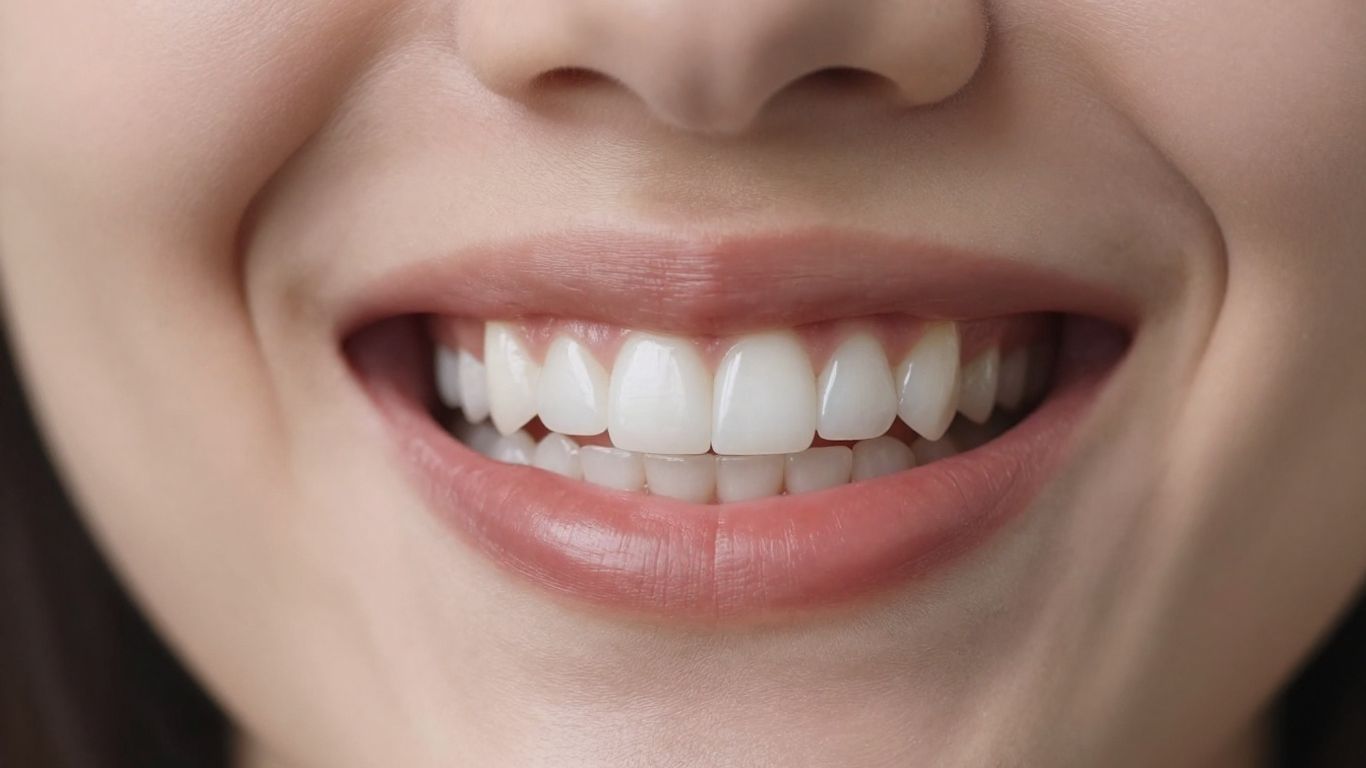
Navigating the cost of veneers in NYC requires understanding various elements that contribute to the final price. Here are the most important things to remember as you plan your smile transformation.
Key Takeaways
- The cost of veneers in NYC typically ranges from $300 to $3,500 per tooth, with porcelain being more expensive than composite resin.
- Factors like material choice, the number of teeth being treated, dentist's experience, and lab quality significantly impact the overall price.
- Porcelain veneers offer superior aesthetics and durability but come at a higher cost, while composite veneers are more budget-friendly.
- Dental insurance usually doesn't cover veneers as they are considered cosmetic, making financing options like CareCredit or Cherry important considerations.
- Choosing a reputable dentist with proven experience in cosmetic dentistry is crucial for achieving natural-looking, long-lasting results.
Understanding The Cost of Veneers in NYC
So, you're thinking about getting veneers in New York City? It's a pretty common thought, especially when you see those amazing smile transformations. But let's get real: the cost is usually the first thing that pops into people's minds. And in NYC, "it depends" is definitely the honest answer, but we can break down what makes that price tag go up or down.
National Averages Versus New York City Pricing
It's helpful to know the national numbers first. Across the US, a single porcelain veneer can range anywhere from $500 to $2,895, with an average hovering around $1,765. For a full set of eight, you're looking at an average of about $15,486 nationally. But here in New York City, things are a bit different. The cost of living and doing business here means dental work, especially cosmetic procedures like veneers, tends to be higher. You'll often find prices in NYC are at the higher end of those national ranges, and sometimes even exceed them. This isn't just about the city; it's about the level of specialized care and technology often involved.
Factors Influencing Veneer Expenses
Several things play a role in how much your new smile will cost. It's not just a flat fee per tooth. Here's what goes into the final price:
- Material Choice: This is a big one. Porcelain veneers are generally more expensive than composite resin veneers. Porcelain offers a more natural look and better stain resistance, but it comes at a higher price point. Composite is a more budget-friendly option.
- Number of Teeth: Obviously, the more teeth you're getting veneers for, the higher the total cost will be. Most people focus on the front 6-10 teeth, but some opt for a full smile makeover.
- Case Complexity: If your teeth have significant issues like severe chips, misalignment, or decay, the process might be more involved, requiring more time and skill from your dentist and the lab.
- Dentist's Experience: Highly experienced cosmetic dentists, especially those with specialized training, often charge more for their services. Their skill can make a huge difference in the final look and feel of your veneers.
- Lab Quality: The dental lab that crafts your veneers is crucial. Top-tier labs use advanced technology and highly skilled technicians, which adds to the overall cost but results in a more natural and durable product.
Porcelain Versus Composite Veneer Costs
When you're looking at veneers, the material is a primary driver of cost. Porcelain veneers are typically the pricier option, often ranging from $1,200 to $3,500 per tooth in NYC. This higher cost is due to the material's properties and the complex process of creating them. On the other hand, composite resin veneers are more accessible, usually costing between $300 and $800 per tooth. They're a great choice for simpler cosmetic fixes or for those on a tighter budget. While composite is more affordable, porcelain generally offers superior aesthetics and longevity, making it a popular choice for those seeking a dramatic smile upgrade [dbad].
The investment in veneers is significant, and understanding these cost factors upfront is key to budgeting for your dream smile. It's not just about the price per tooth, but the overall value and the lasting impact on your confidence and appearance.
Exploring Different Veneer Materials and Their Impact on Cost
When you're looking into getting veneers, one of the first things that comes up is the material they're made from. It's not just about how they look, but also how they hold up over time and, of course, what they cost. The two main players in this game are porcelain and composite resin.
The Premium Appeal of Porcelain Veneers
Porcelain veneers are often seen as the top-tier option, and for good reason. They're crafted to look incredibly natural, mimicking the way light reflects off real tooth enamel. This gives them a lifelike quality that's hard to beat. Plus, they're super resistant to stains, meaning your coffee or red wine habit is less likely to dull their shine compared to other materials. Because they're so durable and aesthetically pleasing, they tend to come with a higher price tag. Think of them as a long-term investment in your smile. Most people find their porcelain veneers can last anywhere from 10 to 20 years with proper care.
Composite Resin Veneers: A More Accessible Option
Composite resin veneers offer a more budget-friendly way to improve your smile. They're made from a tooth-colored plastic material that dentists can shape and bond directly onto your teeth. This can sometimes mean a quicker process, potentially even done in a single visit for some cases. While they look good and can make a big difference, they generally aren't as durable or stain-resistant as porcelain. The lifespan for composite veneers is typically shorter, often around 5 to 7 years. They're a great choice if you're looking for a noticeable improvement without the higher cost of porcelain, or if you want to try out cosmetic improvements before committing to a more permanent solution.
Comparing Material Durability and Aesthetics
Choosing between porcelain and composite really comes down to what matters most to you. If you're prioritizing a natural look that lasts for decades and resists staining, porcelain is likely the way to go. It's a more involved process, often requiring a dental lab to create the custom shells, which adds to the cost but also to the quality. On the other hand, composite veneers are a more accessible option, offering good aesthetics at a lower price point and often a faster application. They're a practical choice for many, especially if budget is a primary concern or if you're looking for a less permanent cosmetic fix. It's a trade-off between upfront cost, longevity, and the ultimate aesthetic finish.
The decision between porcelain and composite veneers isn't just about the price tag. It's about understanding the long-term value, the desired aesthetic outcome, and how the material aligns with your lifestyle and budget. A good dentist will walk you through these differences, helping you make an informed choice for your unique smile goals.
Ultimately, both materials can significantly improve your smile. The best choice depends on your personal priorities and what you hope to achieve. Talking through your options with a dentist is key to finding the right fit for your needs and budget. You can explore more about the different types of veneers and what they entail.
The Veneer Procedure and Associated Expenses
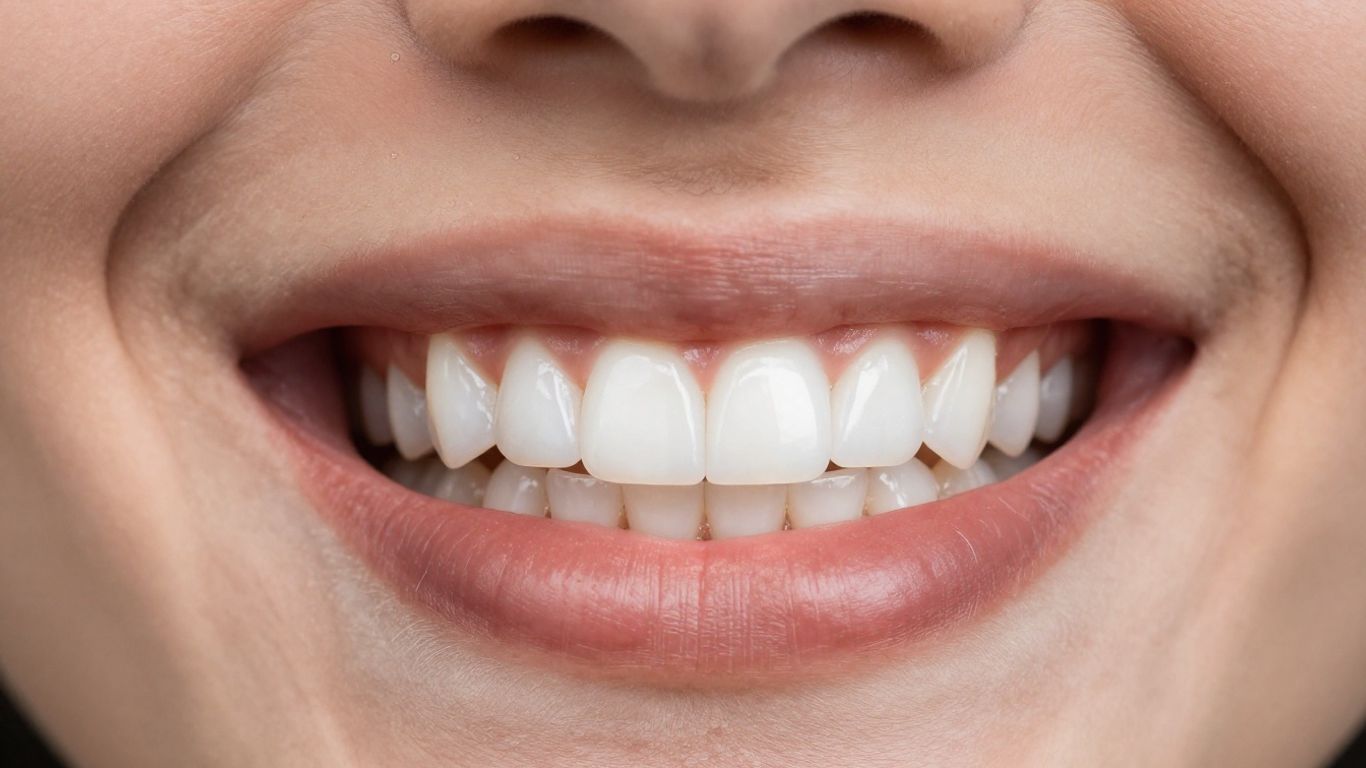
So, you're thinking about getting veneers. It's a pretty big step, and honestly, seeing the "before and after" is where the real magic seems to happen. It’s like looking at two different people, or at least, two very different smiles. But what exactly are these things, and how do they pull off such a dramatic change? Let's break it down.
Initial Consultation and Smile Design Fees
Before anything else, you'll have an initial chat with your dentist. This is where you talk about what you want your smile to look like. They'll check out your teeth, maybe take some X-rays or digital scans, and discuss if veneers are the right move for you. This part is super important because it sets the stage for everything that follows. It's not just about looking good; it's about making sure the final result fits your face and your overall dental health. Some dentists might charge a fee for this initial consultation and smile design, which can range from a couple hundred dollars to more, depending on the complexity of the planning involved. It's all part of crafting that perfect, personalized smile.
Tooth Preparation and Lab Craftsmanship Costs
Once you've decided to go ahead, the next step involves preparing your teeth. For porcelain veneers, this usually means removing a tiny bit of enamel from the front surface of your teeth. This is done to make sure the veneers sit flush and look natural. It's a permanent step, so it's important to be sure. After your teeth are prepped, impressions or digital scans are taken. These go off to a dental lab where your custom veneers are actually made. This is where a big chunk of the cost comes in. High-quality labs use skilled technicians and premium materials to create veneers that look incredibly lifelike, matching the color, shape, and translucency of your natural teeth. You're not just paying for a shell; you're paying for artistry and precision. This lab work can add anywhere from $300 to $600 or more per veneer, depending on the complexity and the lab's reputation.
The Bonding Process and Final Adjustments
Finally, you'll come back for your last appointment. This is when the magic really happens. Your custom-made veneers are carefully bonded to your prepared teeth using a special dental cement. The dentist will make sure they fit perfectly and look just right. There might be some minor adjustments needed to ensure your bite feels comfortable and natural. This bonding process is quite detailed and requires a steady hand and a good eye. It's the final step that brings your new smile to life. While this appointment might seem shorter than the others, it involves a lot of skill and attention to detail to get that seamless, beautiful finish. The total cost for veneers, including all these steps, can vary widely, but porcelain veneers often fall between $1,200 and $3,500 per tooth [3e7a].
Maximizing Your Investment in Dental Veneers
So, you're thinking about getting veneers. That's great! It's a big step towards a smile you'll love, and you want to make sure you're getting the most out of it. It's not just about the initial cost; it's about making sure your new smile looks good and lasts for years to come. Let's talk about how to really make your investment count.
The Importance of Dentist Expertise and Experience
When it comes to something as visible as your smile, the person doing the work really matters. A dentist who has spent years focusing on cosmetic dentistry, especially veneers, brings a level of skill that's hard to match. They understand the subtle details – like how to match colors perfectly so they look natural, or how to shape the veneers so they fit your face just right. It's not just about placing a shell on a tooth; it's about artistry and precision. Think of it like hiring a master craftsman versus someone just learning the trade. You're paying for that experience, and the results usually speak for themselves. A dentist with a strong track record in cosmetic procedures can help you achieve that beautiful and lasting result you're hoping for.
Understanding Lab Quality and Its Contribution to Cost
Did you know that your veneers are often made in a separate dental lab? The quality of that lab plays a huge role in how your veneers turn out. High-end labs use skilled technicians who hand-craft each veneer, paying attention to every tiny detail to make them look as natural as possible. This level of craftsmanship costs more, which is why some veneers are pricier than others. Cheaper labs might cut corners, and honestly, you can often tell. The color might be off, or the fit might not be perfect. So, when you're looking at the price, remember you're not just paying for the material, but for the skill and attention to detail that goes into making them.
Long-Term Value: Durability and Maintenance
Porcelain veneers are pretty tough, designed to handle everyday things like eating and talking. They're built to last, and importantly, they don't stain easily, so that bright look can stick around. While they aren't indestructible, they are made to handle daily use. With the right care, they can last for many years, often 10 to 15 years or even longer. This means your initial investment keeps paying off over time.
Here’s a quick rundown on how to keep them in great shape:
- Brush and floss daily: Just like your natural teeth, good oral hygiene is key.
- Avoid biting hard objects: Things like ice, hard candies, or using your teeth as tools can cause damage.
- Attend regular dental check-ups: Your dentist can spot any potential issues early on.
- Consider a nightguard: If you grind your teeth, especially at night, a custom guard can protect your veneers.
Taking care of your veneers is pretty straightforward, much like taking care of your natural teeth. It's about being mindful and consistent with your routine. This attention helps protect your smile and reduces the need for costly repairs or replacements down the line, safeguarding your investment.
Ultimately, maximizing your investment means choosing a skilled provider, understanding the quality that goes into your veneers, and committing to proper care. It's about achieving a smile that not only looks amazing but also stands the test of time. For those looking to maintain their dental work, understanding how to care for implants, for example, can also be proactive and informed.
Financial Considerations for Veneers in New York
Insurance Coverage Limitations for Cosmetic Procedures
Let's be real, dental veneers are usually seen as a cosmetic upgrade, not a medical necessity. This means that most dental insurance plans in NYC won't cover the cost. They're typically considered elective procedures, so you're generally looking at paying out-of-pocket. It's always a good idea to double-check with your specific insurance provider, but don't hold your breath for coverage unless there's a rare medical reason for the veneers. This is a pretty standard situation for cosmetic dentistry in general [bf69].
Financing Options for Veneer Treatments
Okay, so veneers can be a significant investment, especially here in New York. The good news is that many dental practices understand this and offer ways to make the cost more manageable. You'll often find options like third-party financing programs, such as CareCredit or Cherry. These allow you to spread the total cost over several months, sometimes with interest-free periods if you qualify. Some offices might also have their own in-house payment plans or membership options that can help reduce the cost of routine care. It's definitely worth asking about these possibilities during your consultation to see what fits your budget best.
Budgeting for Your Smile Makeover
Planning for your new smile involves more than just picking a dentist. You've got to think about the total cost, which can vary a lot depending on the material you choose (porcelain is usually pricier than composite resin [97c6]) and how many teeth you're getting done. For a full smile, you could be looking at anywhere from $10,000 to $25,000 or even more. It's smart to get a detailed breakdown of all the fees involved upfront – that includes the consultation, the actual veneer placement, and any follow-up appointments. Don't forget to factor in potential costs for things like temporary veneers or any necessary dental work beforehand. Creating a realistic budget will help you feel more in control and less stressed about the whole process. Remember, this is an investment in your confidence and appearance, so planning ahead is key.
When considering the cost, it's important to look beyond just the per-tooth price. Think about the dentist's skill, the quality of the lab creating the veneers, and the long-term durability you can expect. Sometimes, paying a bit more upfront for a highly experienced provider and top-quality materials can save you money and hassle down the road.
Choosing the Right Provider for Your Veneers
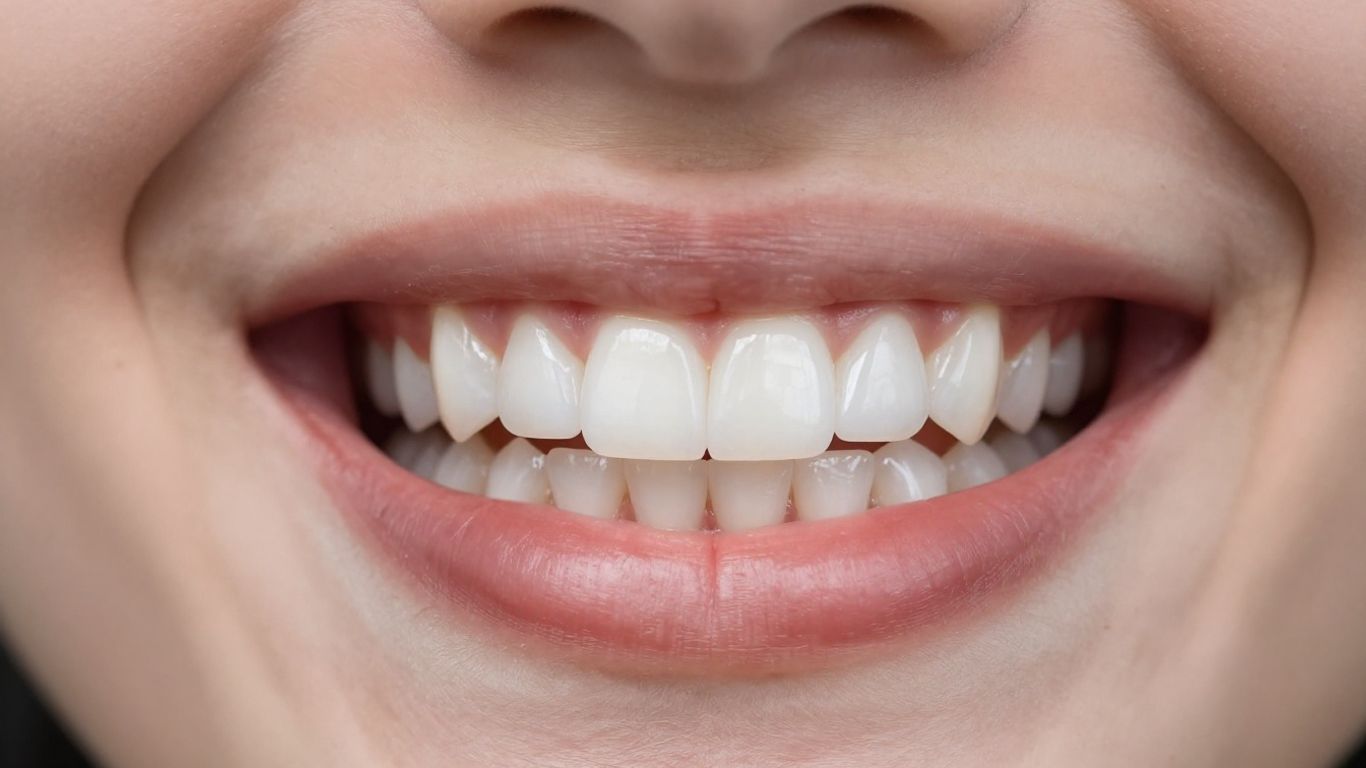
So, you've decided veneers are the way to go for your smile makeover. That's awesome! But before you book anything, let's talk about picking the right dentist. This isn't like picking a new pair of shoes; it's a pretty big deal for your face and your wallet. You want someone who really knows their stuff, not just someone who can slap some porcelain on your teeth.
Evaluating Dentist Experience and Specialization
When you're looking for a dentist for veneers, experience really matters. Think about it: cosmetic dentistry is kind of an art, and like any artist, some dentists have more practice and a better eye than others. You want someone who has done this a lot, especially with veneers. Some dentists focus heavily on cosmetic work, while others might do it occasionally. It's worth asking how many veneer cases they handle each month or year. A dentist who has placed thousands of veneers, like Dr. Steven Roth who has done over 50,000, has likely seen it all and has a refined skill set. It's also good to see if they have any special training or certifications in cosmetic dentistry. This shows they're committed to staying up-to-date with the latest techniques and materials. Don't be shy about asking about their background; it's your smile we're talking about here!
Assessing Practice Technology and Patient Care
Beyond just the dentist's personal experience, the practice itself plays a role. Are they using modern technology? Things like digital smile design software can be a game-changer. It lets you see a preview of what your new smile will look like before any work even begins. This helps make sure you and the dentist are on the same page. Also, think about the overall patient experience. Do you feel comfortable in the office? Does the staff seem friendly and helpful? A practice that prioritizes patient comfort and clear communication, like SmilesNY, often makes the whole process smoother. You want a place where you feel heard and understood, not just like another number. Check out reviews to get a sense of what other patients have experienced regarding their care and the office environment.
The Role of Personalized Treatment Plans
No two smiles are exactly alike, right? That's why a one-size-fits-all approach to veneers just doesn't cut it. The best dentists will create a treatment plan that's totally customized for you. This means they'll really listen to what you want to achieve, look at your unique facial structure, and consider your current oral health. They won't just suggest the most expensive option; they'll talk through the pros and cons of different materials and approaches. For example, some practices, like SoHo Dental Group, emphasize a collaborative approach, making sure you understand every step, cost, and timeline. This personalized plan is key to getting results that not only look amazing but also feel natural and suit your face perfectly. It’s about crafting a smile that’s uniquely yours.
Conclusion
Getting veneers in New York City is a significant decision, both financially and aesthetically. While the cost of veneers in NYC can be higher than national averages, understanding the factors that influence pricing, the differences between porcelain and composite materials, and the value of experienced providers can help you make an informed choice. Remember, veneers are an investment in your confidence and overall well-being. By carefully considering your options, choosing the right dental professional, and exploring financing possibilities, you can achieve the beautiful, lasting smile you desire.
Frequently Asked Questions
How much do veneers actually cost in New York City?
In NYC, you're generally looking at about $300 to $800 for each composite veneer. If you want porcelain veneers, which look more natural and last longer, the price jumps to around $1,200 to $3,500 for each tooth. It really depends on what you choose and who you go to.
What makes the price of veneers different from one dentist to another?
A few things make the price go up or down. The main ones are the material (porcelain costs more than composite), how many teeth you're getting done, and how skilled your dentist is. Also, the lab that makes the veneers plays a part; top-notch labs cost more but make better-looking veneers.
Are porcelain veneers really worth the extra money compared to composite ones?
For many people, yes. Porcelain veneers look incredibly natural, like real teeth, and they resist stains really well, so they stay white for a long time. They also tend to last longer, often 10 to 15 years or even more. Composite is cheaper, but it might not look as good or last as long.
Will my dental insurance help pay for veneers?
Sadly, most dental insurance plans don't cover veneers because they're seen as a cosmetic thing, not something you medically need. This means you'll likely be paying for them out of your own pocket. It's always a good idea to check with your insurance company just in case, though.
What if I can't afford to pay for veneers all at once?
Don't worry, many dental offices in NYC understand that veneers are a big expense. They often work with financing companies like CareCredit or Cherry, which let you pay for the treatment over time with monthly payments. Some offices might also have their own payment plans.
How long do veneers typically last?
If you take good care of them, porcelain veneers can last for about 10 to 15 years, and sometimes even longer. Composite veneers usually don't last as long, maybe around 5 to 7 years. Keeping up with brushing, flossing, and regular dentist visits helps them stick around.


American Standards.
Brazilian Mastery.
Aesthetica Medical Travel Facilitators, LLC is an international care coordination company registered in Wyoming, United States. We provide services for the promotion and support of medical service providers, including physicians worldwide (“medical service providers”). These services are made available through Aesthetica’s website, and the same privacy terms also apply to the Aesthetica Advisor Program (the “application/platform”), created and operated by Aesthetica. Aesthetica is solely responsible for controlling and processing the information obtained via the platform or through other communications between users, businesses, hospitals, clinics, or third parties and members of the Aesthetica service team (the “Service Team”). Our services may include non-clinical care coordination for North American patients seeking elective procedures abroad, including provider matching, travel logistics, and administrative support throughout the care journey. Additional services or add-ons may be offered depending on the selected scope. Post-operative care is typically conducted in the destination country where the procedure is performed. Additional coordination or administrative support in the patient’s country of origin may be available separately, subject to scope and availability. Aesthetica may engage third-party service providers, partners, or affiliated entities to support its operations, including data processing and service delivery. Information may be shared with such parties solely as necessary to provide the services described. Our operations follow strict standards of transparency, privacy protection, and regulatory compliance. Testimonials reflect individual experiences and do not guarantee future results. By using Aesthetica’s services or platform, users acknowledge and agree to these terms and understand the limited, non-clinical role of Aesthetica in the care journey. For more information about our policies or compliance framework, please contact our support team.