
Forehead Reduction Hair Transplant: Achieving a Balanced Facial Profile
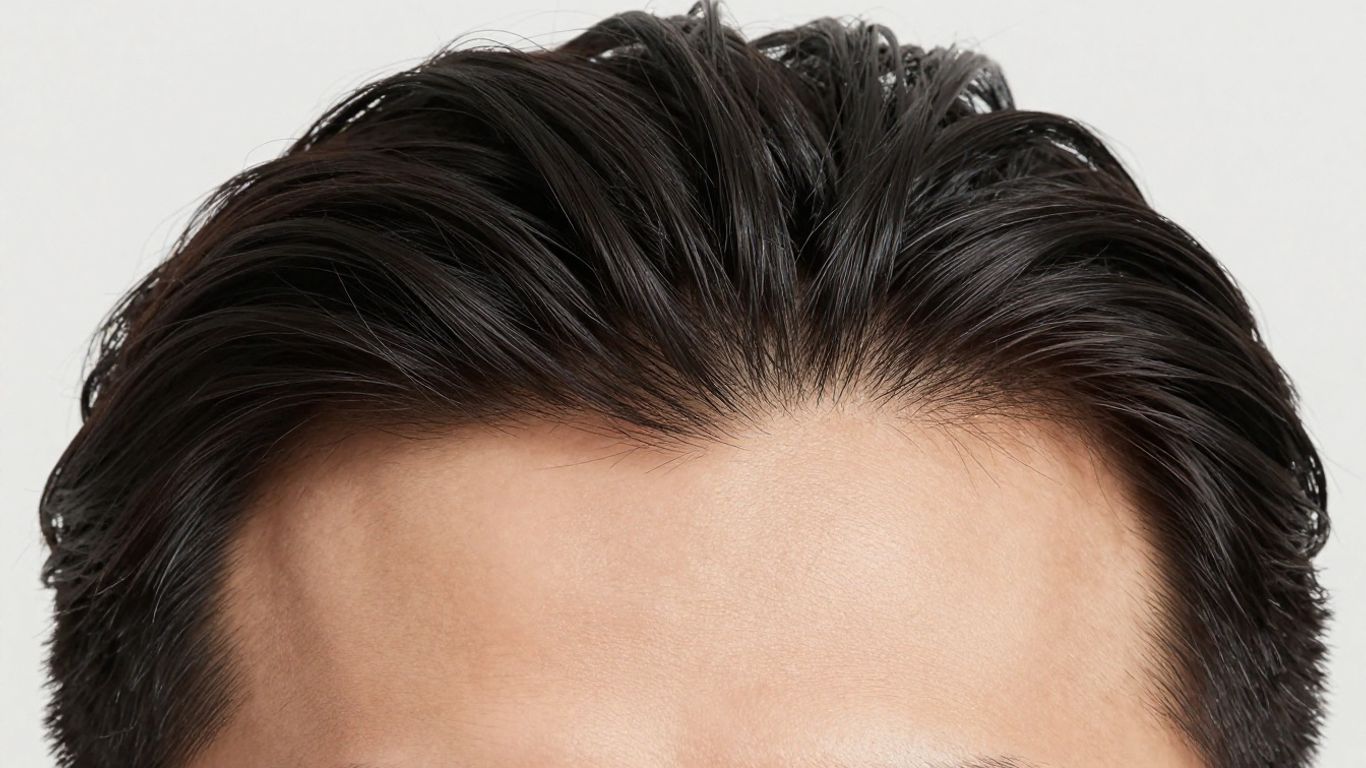
Ever feel like your forehead is just a little too big, throwing off your whole face's vibe? It’s a common thing people notice, and it can really mess with how you feel about your looks. Luckily, there are ways to fix it. We're talking about forehead reduction hair transplant procedures. It's not just about moving hair around; it's about getting your facial features to look more balanced and, honestly, just feel better about yourself. Let's break down what this whole forehead reduction hair transplant thing is all about and how it can help you achieve that look you're going for.
Key Takeaways
- A forehead reduction hair transplant can help create a more balanced facial profile by lowering the hairline.
- The FUE (Follicular Unit Extraction) method is a common technique used in forehead reduction procedures for natural-looking results.
- This procedure is suitable for both men and women who have a naturally high hairline or experience hairline recession.
- Forehead reduction surgery physically moves the scalp to lower the hairline, distinguishing it from standard hair transplant procedures that add density.
- Combining forehead reduction with FUE hair transplants can offer a comprehensive solution for a more proportionate and fuller hairline.
Understanding Forehead Reduction Hair Transplant
What is a Forehead Reduction with FUE?
A forehead reduction, often called hairline lowering surgery, is a procedure aimed at making the forehead appear smaller by bringing the hairline down. When combined with Follicular Unit Extraction (FUE), it becomes a powerful tool for facial reshaping. FUE is a method where individual hair follicles are carefully taken from a donor area, usually the back or sides of your head, and then transplanted to the new hairline. This isn't just about adding hair; it's about strategically placing it to create a lower, more natural-looking border for your forehead. The goal is to achieve a more balanced facial profile, making the forehead less dominant in the overall look. This technique is particularly useful for those with a naturally high hairline or one that has receded over time.
Why Choose Forehead Reduction for Facial Harmony?
Facial harmony is all about how different features work together. Sometimes, a high forehead can throw off this balance, making other features seem less prominent. Think of it like a painting where one element is just a bit too large – it draws all the attention. Lowering the hairline can correct this imbalance, bringing your eyes, nose, and mouth into better proportion with the rest of your face. It’s a way to create a more aesthetically pleasing and often more youthful appearance. Many people find that this adjustment significantly boosts their confidence because their face just looks more 'right' to them. It's about achieving a look that feels more natural and proportionate.
Benefits of FUE for Forehead Reduction
Using FUE for forehead reduction offers several advantages. It's a minimally invasive technique, meaning less scarring compared to older methods. The individual harvesting of follicles allows for a very natural-looking hairline, as the direction and density of the transplanted hair can be precisely controlled. This precision is key to making the results look completely natural, as if the hair had always grown there. Plus, the recovery is generally quicker, and the transplanted hair is permanent. It’s a reliable way to achieve a lasting change that can significantly improve your facial appearance and self-esteem. The average reduction in forehead height can be quite significant, often around 2 to 3 centimeters, which makes a noticeable difference.
Forehead reduction surgery, also known as hairline lowering, is a procedure designed to reduce the size of the forehead by surgically moving the hairline forward. This technique offers a permanent solution for those seeking a smaller forehead and a more balanced facial appearance.
Here are some key benefits:
- Natural Appearance: FUE allows for the creation of a soft, natural-looking hairline with excellent density.
- Minimal Scarring: Individual follicle extraction leaves very small, often unnoticeable scars.
- Permanent Results: The transplanted hair is permanent and will continue to grow like your natural hair.
- Improved Facial Proportions: Effectively lowers the hairline to create a more balanced facial aesthetic. Surgical hairline advancement is a common term for this procedure.
When considering this procedure, it's important to have a thorough consultation with a qualified surgeon to discuss your specific goals and determine if forehead reduction surgery is the right option for you.
The Forehead Reduction Procedure Explained
Hairline Lowering Surgery: A Path to Proportion
Forehead reduction surgery, often called hairline lowering, is a surgical method designed to bring your hairline down, making your forehead appear smaller and more in balance with the rest of your face. It's not about adding hair, but rather physically moving the scalp forward. This procedure can make a big difference in facial harmony. The surgery itself usually takes a couple of hours and is done with anesthesia.
Comparing Forehead Reduction to Hair Transplant Surgery
It's important to know that forehead reduction and hair transplant surgery are different. A hair transplant adds hair to thinning or bald spots, aiming to increase density. Forehead reduction, on the other hand, actually moves the existing hairline forward. Think of it this way: hair transplants fill in where hair is missing, while hairline lowering shortens the distance between your eyebrows and your hairline. For people with a naturally high hairline or a large forehead, this direct approach can be very effective. It's a permanent solution for adjusting the forehead's size. For those dealing with hair loss, a hair transplant might be the better choice, but for a high hairline, this procedure is quite different.
The Consultation Process with a Skilled Surgeon
Before you decide on anything, you'll have a chat with a surgeon. This is where they look at your hairline, how high your forehead is, and how much give your scalp has. They'll also want to hear what you're hoping to achieve. It's a good time to ask questions and make sure you both agree on what's possible. They'll explain the surgical techniques and what you can expect. This meeting is key to making sure the procedure is right for you and that your expectations are realistic. You'll get a clear idea of the steps involved and what the recovery might look like. It's also where you'll discuss the cost of hairline lowering surgery.
- Initial Assessment: The surgeon examines your scalp elasticity and hairline shape.
- Goal Discussion: You share your aesthetic goals and concerns.
- Procedure Explanation: The surgeon details the surgical method and potential outcomes.
- Risk Review: Any potential risks and how they are managed are discussed.
The goal of this procedure is to create a more balanced facial appearance by reducing the visible height of the forehead. It's a direct way to achieve a more proportionate look, and for many, it significantly boosts their confidence. The results are typically permanent, offering a lasting change to your facial profile.
Achieving Optimal Results with Combined Techniques
FUE: The Gold Standard in Hair Transplantation
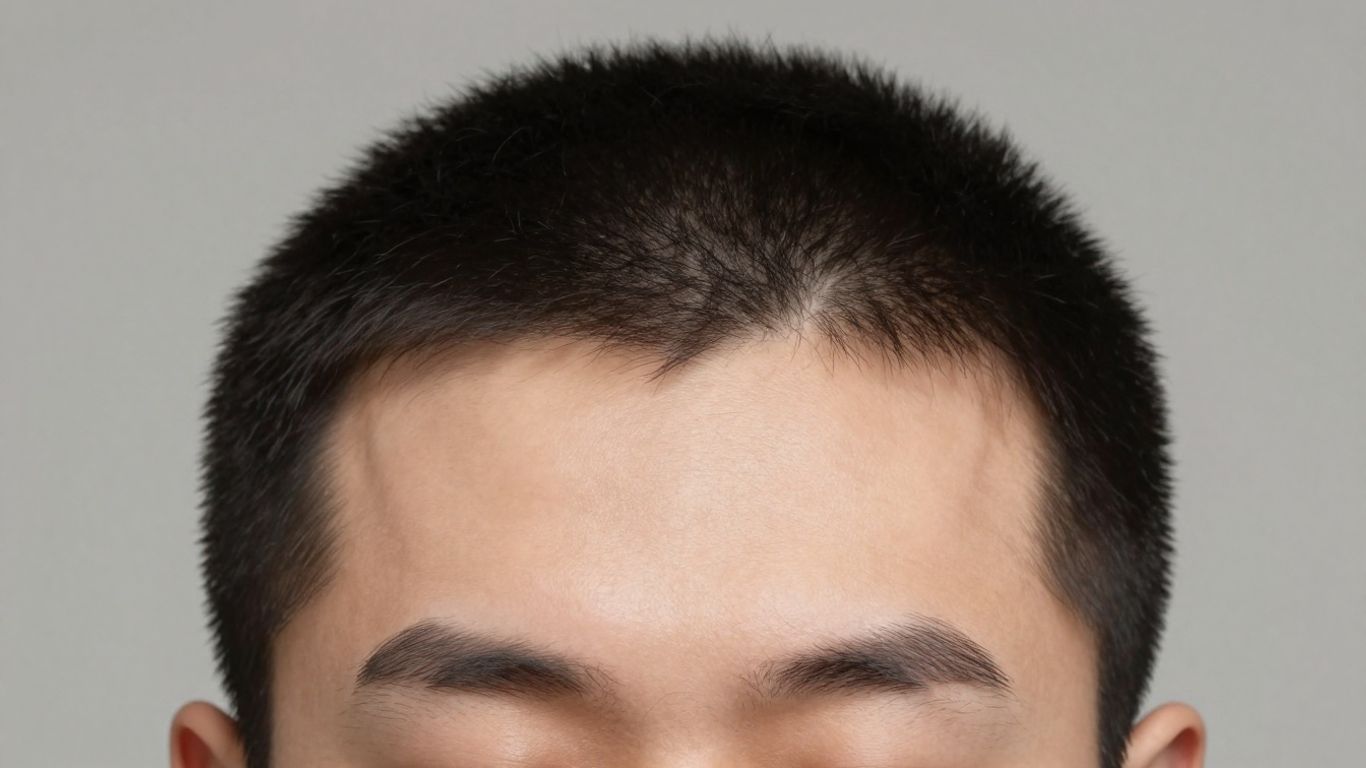
When we talk about getting the best results for a lower hairline, Follicular Unit Extraction (FUE) really stands out. It's a super precise way to move hair. Instead of taking a strip of skin, FUE takes individual hair follicles from one area of your scalp and moves them to where you need them, like along your new hairline. This method is great because it's less invasive and usually heals up without much fuss. The key is that it allows for a very natural-looking hairline.
Combining Forehead Reduction and FUE Hair Transplants
For a truly balanced facial profile, combining a surgical forehead reduction with FUE hair transplants is often the most effective approach. Think of it like this: the surgical reduction actually moves your hairline forward, making the forehead smaller. Then, the FUE transplant adds density and refines the edge of that new hairline, making it look completely natural and full. This one-two punch addresses both the size of the forehead and the appearance of the hairline itself. It’s a way to get a more proportionate look that really harmonizes your features. This combined approach can offer a significant improvement in facial aesthetics, creating a more youthful and balanced appearance. It's a way to achieve a more aesthetically pleasing and harmonious look by addressing both the forehead size and hairline [2d33].
Case Studies and Expert Insights
Seeing is believing, right? Looking at before-and-after photos from real patients can give you a clear picture of what's possible. Experienced surgeons often share these case studies, explaining the thought process behind each procedure. They highlight how they planned the new hairline, considering everything from facial symmetry to the patient's individual features. It’s not just about lowering the hairline; it’s about creating a result that looks like it was always meant to be there. This careful planning and artistic touch are what make the difference between a good result and a great one. It's about restoring confidence and achieving the proportional harmony you desire.
- Careful Planning: Understanding your facial structure is step one.
- Natural Design: Creating a hairline that complements your features.
- Density and Transition: Using FUE to ensure a full and soft hairline edge.
- Patient Satisfaction: The ultimate goal is a look that boosts your confidence.
Who Is a Good Candidate for Forehead Reduction?
So, you're thinking about a forehead reduction, maybe with some FUE hair transplant action thrown in? That's great! But like any procedure, it's not for everyone. It's super important to figure out if this is the right move for you. The best candidates usually have a few things in common.
Men and Women with High Hairlines
This is probably the most obvious one. If you've always felt your forehead is a bit too big, or your hairline sits really high up on your head, this procedure can really help bring things into balance. It doesn't matter if it's just how you were born or if it's due to hair loss; if a high hairline is bothering you, you might be a good fit. It's all about creating a more proportionate look for your face. For some, this means a more balanced facial profile, which can be a big confidence booster.
Individuals with Stable Hair Loss
This is a bit of a nuanced point. If you're experiencing hair loss, especially male or female pattern baldness, it's really important that your hair loss has stabilized. If your hair is still actively thinning or receding, a forehead reduction might not give you the lasting results you're hoping for. The transplanted hair needs a stable environment to grow. Sometimes, combining this procedure with a hair transplant is the best way to go, but the surgeon will want to see a predictable pattern of hair loss before proceeding. It's about making sure the results will last.
Good Overall Health and Realistic Expectations
Just like with any surgery, your general health plays a big role. You need to be healthy enough to undergo the procedure and recover well. This means no major underlying health issues that could complicate things. Also, and this is a big one, you need to have realistic expectations. Forehead reduction can do amazing things for facial harmony, but it's not magic. It won't change your entire appearance overnight. Understanding what the surgery can and can't achieve is key to being happy with the outcome. It's about making improvements, not creating a completely different person.
The goal is to achieve a look that feels natural and harmonious with your existing features. It's about enhancing what you have, not creating something entirely new. Thinking about the long-term results and how they fit with your personal style is a smart approach.
Here's a quick rundown of who typically benefits:
- High Hairline: Whether genetic or from thinning hair.
- Desire for Facial Balance: Wanting a more proportionate forehead-to-face ratio.
- Stable Health: Being in good physical condition for surgery.
- Realistic Outlook: Understanding the procedure's capabilities.
It's always best to have a chat with a qualified surgeon to see if forehead reduction surgery is the right path for you. They can assess your specific situation and give you the best advice.
The Transformative Benefits of Hairline Lowering
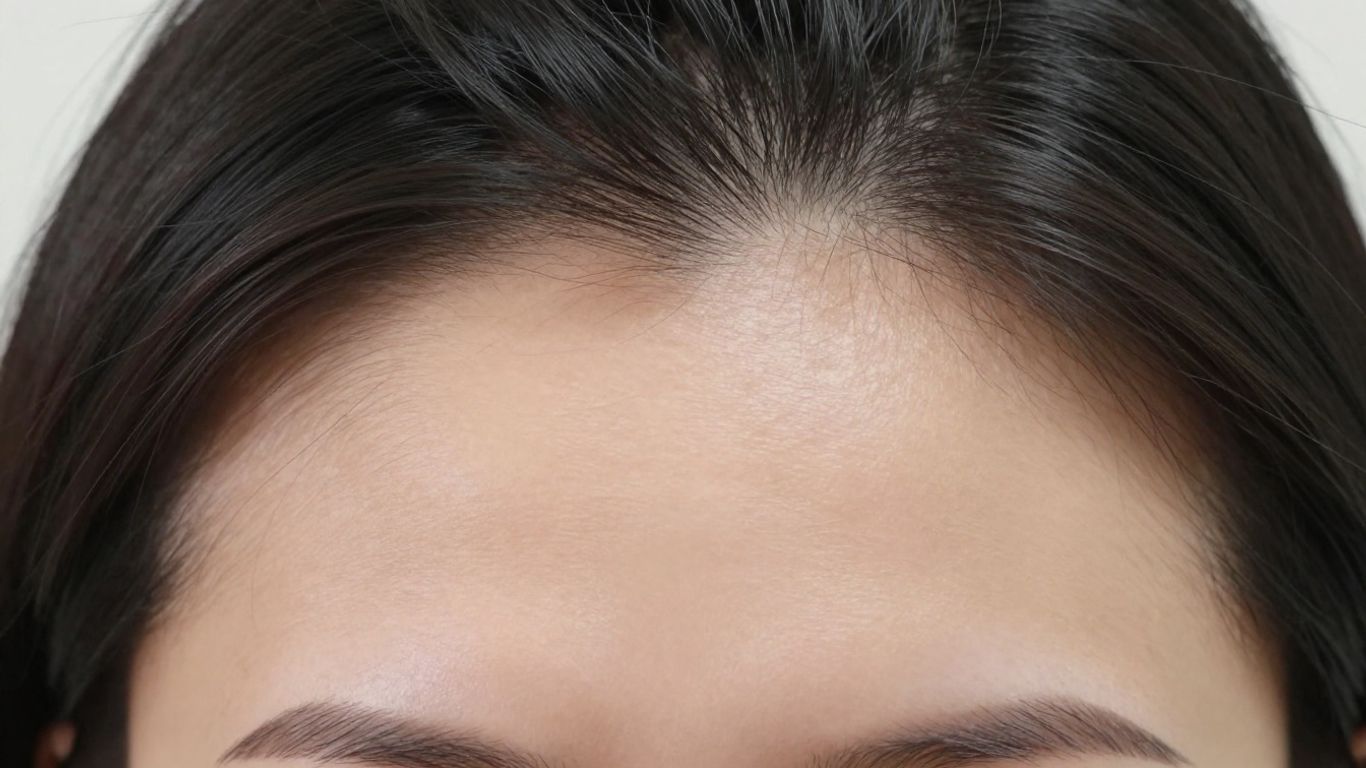
So, you're thinking about a hairline lowering procedure? It's a pretty big deal, and for good reason. This isn't just about changing how your hair looks; it's about reshaping your entire facial profile. Many people feel a high hairline throws off their facial balance, making their forehead look larger than they'd like. Hairline lowering surgery, sometimes called forehead reduction, directly tackles this by bringing your natural hairline down. The result is a more proportionate face and a look that feels just right.
Creating a Balanced and Harmonious Look
Think of your face like a well-composed picture. The hairline is like the top frame, and if it's too high, the whole picture can feel a bit off. By lowering the hairline, the upper third of your face becomes more balanced with the middle and lower thirds. This procedure can make your features appear more harmonious and aesthetically pleasing. It's about achieving that natural, pleasing symmetry that makes a face look 'right'. For many, this adjustment is subtle yet incredibly impactful, leading to a more pleasing overall appearance.
Increased Confidence and Satisfaction
It's amazing how much a change in appearance can affect how you feel. When your facial features are in better proportion, and that high hairline is no longer a concern, people often report a significant boost in their self-esteem. You might find yourself feeling more confident in social situations, at work, or even just looking in the mirror. This procedure can really help you feel more comfortable and happy with your reflection. It's not just about looking good; it's about feeling good about yourself.
Permanent, Natural-Looking Results
One of the best parts about hairline lowering surgery is that the results are meant to last. Unlike temporary fixes, this procedure permanently repositions your hairline. The goal is always to create a result that looks completely natural, as if your hairline was always meant to be there. While there's a scar, skilled surgeons work to make it very fine and place it strategically within the hairline so that it's well-concealed by your own hair as it grows. Over time, it becomes virtually unnoticeable. This means you get a lasting improvement without constant worry.
The satisfaction reported by patients after hairline lowering surgery is often quite high, with many feeling it significantly improved their overall facial aesthetics and personal confidence. It's a procedure that can bring about a profound sense of well-being.
Here's a quick look at what you can expect:
- Reduced Forehead Size: Visually makes the forehead appear smaller.
- Improved Facial Proportions: Creates better balance between forehead, mid-face, and lower face.
- Enhanced Symmetry: Contributes to a more harmonious and balanced facial structure.
- Boosted Self-Confidence: Addresses a long-standing aesthetic concern, leading to greater self-assurance.
Exploring Alternatives to Surgical Forehead Reduction
Scalp Micropigmentation: A Non-Surgical Illusion
While surgical forehead reduction offers a permanent solution by physically moving the hairline, scalp micropigmentation (SMP) presents a non-surgical alternative. SMP is essentially a cosmetic tattoo that creates the illusion of a fuller, lower hairline. Tiny dots are strategically placed on the scalp to mimic the appearance of hair follicles. It's a great option for those who aren't ready for surgery or want a less invasive approach. The results can be quite convincing, helping to balance facial features and create a more proportionate look. Many people find it a good way to address a high hairline without the downtime associated with surgery. It's important to note that SMP doesn't actually add hair; it's all about visual effect.
Understanding the Differences in Treatment Goals
It's really important to know what each procedure is designed to do. Surgical forehead reduction, or hairline lowering, actually moves your scalp forward, permanently reducing the visible forehead area. This is a structural change. Think of it like physically shortening the distance between your eyebrows and your hairline. On the other hand, treatments like Botox or SMP are more about creating an illusion or altering the appearance of existing features. Botox can relax muscles that might be pulling your eyebrows up, making the forehead appear smaller, while SMP fills in the visual space. Hair transplant surgery, for example, adds density to thinning areas or restores lost hair, which is different from lowering the hairline itself. Each has its own purpose and outcome.
Here's a quick look at how they stack up:
Choosing the right path depends on your specific goals, budget, and comfort level with surgical procedures. While surgery offers a definitive change, non-surgical options provide effective alternatives for many individuals seeking facial harmony.
Bringing It All Together
So, if you've been thinking about how to get your facial features looking more balanced, a forehead reduction with FUE hair transplant could be a really good option. It's not just about changing one thing; it's about creating a more harmonious look that can make a big difference in how you feel about yourself. It’s a way to get a more proportionate profile that looks natural and lasts. If this sounds like something you're interested in, talking to a specialist is the next step to see if it's the right fit for you.
Frequently Asked Questions
What exactly is a forehead reduction hair transplant?
Think of it like this: a forehead reduction using hair transplant is a way to lower your hairline. It uses a special method called FUE, where tiny hair roots are taken from one part of your head and carefully placed where your hairline should be. This makes your forehead look smaller and your face more balanced.
Why would someone want to lower their hairline?
Some people have a naturally high hairline, or their hair might be thinning up front, making their forehead look really big. Lowering the hairline can make your face look more in proportion, like a puzzle with all the pieces fitting just right. It helps create a more pleasing and balanced look for your whole face.
How is this different from a regular hair transplant?
A regular hair transplant usually aims to fill in thinning spots or bald areas to make hair look thicker. A forehead reduction, while it uses hair transplant techniques, is specifically about moving the hairline down to change the size of the forehead. It's like adjusting the frame of a picture to make the whole image look better.
Who is a good candidate for this procedure?
Good candidates are usually people with a high forehead or a hairline that has moved up. It works for both guys and girls. You should also be healthy overall and understand that the results will look natural, not fake. If your hair loss is stable, it's a good sign.
What are the main benefits of getting this done?
The biggest win is a more balanced face! Many people feel way more confident and happy with how they look after the surgery. Because the transplanted hair grows naturally and permanently, the results look great for a long, long time.
Are there any options if I don't want surgery?
Yes! If surgery isn't for you, there's something called Scalp Micropigmentation (SMP). It's like a tattoo that creates the look of tiny hair dots on your scalp, making your hairline appear lower. It's not permanent like surgery, but it can give you a similar visual effect without going under the knife.



American Standards.
Brazilian Mastery.
Aesthetica Medical Travel Facilitators, LLC is an international care coordination company registered in Wyoming, United States. We provide services for the promotion and support of medical service providers, including physicians worldwide (“medical service providers”). These services are made available through Aesthetica’s website, and the same privacy terms also apply to the Aesthetica Advisor Program (the “application/platform”), created and operated by Aesthetica. Aesthetica is solely responsible for controlling and processing the information obtained via the platform or through other communications between users, businesses, hospitals, clinics, or third parties and members of the Aesthetica service team (the “Service Team”). Our services may include non-clinical care coordination for North American patients seeking elective procedures abroad, including provider matching, travel logistics, and administrative support throughout the care journey. Additional services or add-ons may be offered depending on the selected scope. Post-operative care is typically conducted in the destination country where the procedure is performed. Additional coordination or administrative support in the patient’s country of origin may be available separately, subject to scope and availability. Aesthetica may engage third-party service providers, partners, or affiliated entities to support its operations, including data processing and service delivery. Information may be shared with such parties solely as necessary to provide the services described. Our operations follow strict standards of transparency, privacy protection, and regulatory compliance. Testimonials reflect individual experiences and do not guarantee future results. By using Aesthetica’s services or platform, users acknowledge and agree to these terms and understand the limited, non-clinical role of Aesthetica in the care journey. For more information about our policies or compliance framework, please contact our support team.