
Understanding the Cost of Fat Grafting to Face: What to Expect in 2026

Thinking about refreshing your look with fat grafting to the face in 2026? It's a popular choice for adding volume and getting a more youthful appearance. But like any procedure, there's a cost involved, and it's not always straightforward. We're going to break down what goes into the cost of fat grafting to the face, so you know what to expect before you even book a consultation. It's more than just a number; it's about understanding the value and the process.
Key Takeaways
- The total cost of fat grafting to the face depends on several things, like the surgeon's experience and where you get the procedure done.
- Expect to pay for harvesting the fat, the anesthesia, and the facility where the surgery happens.
- Fat grafting can be more cost-effective long-term than temporary fillers because the results last longer.
- While many see great results from one session, some might need a touch-up, so factor that into your expectations and budget.
- Choosing a qualified surgeon and understanding the procedure's safety guidelines are important parts of the overall process, not just the price tag.
Understanding The Cost Of Fat Grafting To Face
Facial fat grafting has become super popular for restoring lost volume and giving a refreshed look. But figuring out the price can feel like solving a puzzle. Everyone wants to know, "How much will it cost me?" The answer isn’t straightforward—it depends on several things that you’ll need to consider before making any decisions.
Factors Influencing Facial Fat Grafting Expenses
A handful of key elements shape what you’ll actually pay:
- The number of facial areas treated: More zones (like cheeks and under eyes) mean more time, effort, and usually a higher bill.
- The clinic or hospital’s reputation and how advanced their facilities are.
- Additional treatments done in the same session, like a facelift or eyelid surgery, often affect the total cost.
Remember: Set a budget, but expect that the final number might change based on your goals and specific treatment plan—fat grafting isn’t one-size-fits-all.
The Role Of Surgeon Expertise In Pricing
The skills of the doctor really matter, not just for your safety but also for how natural your face looks afterward. Surgeons who focus on facial fat grafting and have years of experience typically charge more. Here’s why:
- They use gentler techniques during fat harvesting and injection, so results are smoother and more balanced.
- They understand how much fat is likely to survive, which reduces the need for repeat touch-ups.
- Their past clients and reputation can be a good measure; try to see before/after photos during your consultation.
Going for someone with plenty of training might cost a bit more upfront, but it could mean better, longer-lasting results with fewer complications.
Geographic Location And Its Impact On Cost
Where you choose to get the procedure done is a huge deal. For example, facial fat transfer in Mexico usually ranges from $500 to $2,500, while taking a trip to clinics in Turkey might run around €2,200. Big cities with high rents and more recognized surgeons often charge more, whereas smaller towns might offer better deals.
- Urban areas: Higher overhead, typically higher prices.
- International destinations: Can be cheaper, but factor in travel, recovery, and possible follow-up visits.
- Local regulations and health system differences: These affect costs and what’s included in the package.
The price tag isn’t just about the procedure—it wraps in all the background expenses that clinics and surgeons face based on where they operate.
Components Of Facial Fat Grafting Pricing
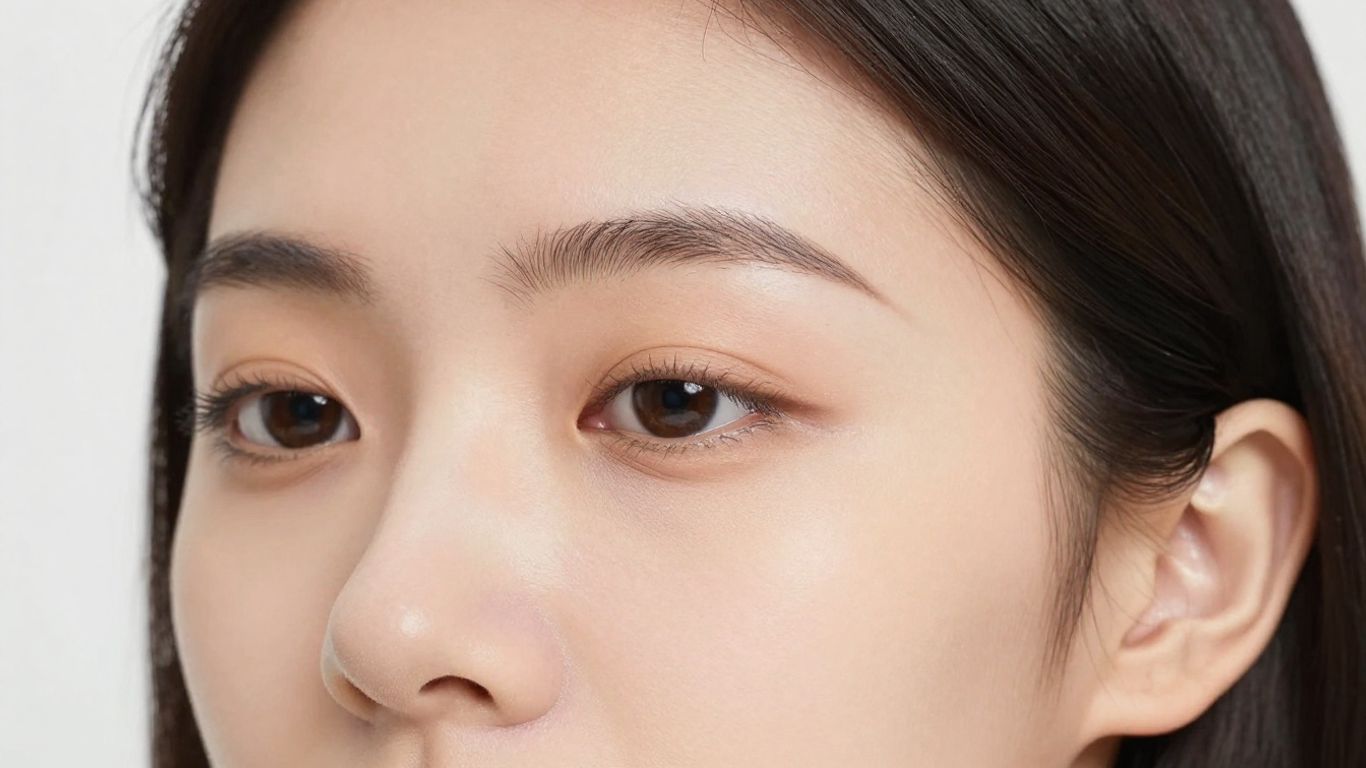
When you're looking into facial fat grafting, it's not just one big number. The total cost is really a sum of a few different parts, and understanding these can help you figure out where your money is going. It's a bit like building something – you need to account for the materials, the labor, and the place where the work happens.
Cost Of Fat Harvesting And Purification
This is where the process actually begins. Your surgeon will take fat from another part of your body, usually your abdomen or thighs, using liposuction. This part involves the surgical team, the equipment, and the time it takes to carefully extract the fat. After it's harvested, the fat needs to be processed. This usually means spinning it in a centrifuge to separate the healthy fat cells from other fluids and less viable tissue. This purification step is key to getting the best results, as only the best fat cells will survive and integrate into your face. The volume of fat needed can also play a role here; more fat harvested means more time and resources spent on this initial stage. Some surgeons might also add things like platelet-rich plasma (PRP) to help the fat cells survive better, but that's usually an extra charge.
Anesthesia Fees Associated With The Procedure
Facial fat grafting is typically done under some form of anesthesia. Depending on the extent of the procedure and your surgeon's preference, this could be local anesthesia with sedation or general anesthesia. Local anesthesia is usually less expensive than general anesthesia. The cost here covers the anesthesiologist's time and expertise, as well as the medications used. It's important for your safety and comfort, so it's a necessary part of the overall expense. The length of the surgery also influences anesthesia costs, as you're typically billed by the hour.
Facility Charges For The Surgical Setting
Whether your procedure is done in an accredited surgical center or a hospital operating room, there will be facility fees. These charges cover the use of the operating room, the specialized equipment, sterilization, nursing staff, and recovery room care. Accredited outpatient surgical centers are often more cost-effective than hospital settings for procedures like fat grafting. The type of facility and the duration of your stay, even if it's just for a few hours, contribute to this part of the bill. It's all about ensuring you're in a safe and sterile environment for your procedure. For a general idea of costs in certain areas, you can look at facial fat transfer costs in Texas.
It's worth noting that fat grafting is a two-part procedure: harvesting fat from one area and then injecting it into the face. This complexity is reflected in the pricing, distinguishing it from simpler treatments. The goal is to achieve a natural look using your own tissue, which requires meticulous technique at every step.
Comparing Fat Grafting To Face With Other Rejuvenation Options
When you're thinking about refreshing your look, there are quite a few paths you can take. Fat grafting to the face is one option, but it's helpful to see how it stacks up against others, especially when you're looking at the long haul and your wallet.
Fat Transfer Versus Dermal Fillers: A Cost-Benefit Analysis
This is a big one for many people. Dermal fillers are super common. You get them injected, and bam, you've got more volume. They're generally less expensive upfront than fat grafting. A syringe of filler might cost a few hundred dollars, and you can see results right away. But here's the catch: fillers don't last forever. You'll likely need touch-ups every six months to a year, sometimes less, sometimes more, depending on the filler and where it's placed. So, over several years, those costs can really add up.
Fat grafting, on the other hand, is a surgical procedure. It involves taking fat from one part of your body, like your abdomen or thighs, processing it, and then injecting it into your face. The initial cost is higher, but the results can be much more permanent. While not all the transferred fat survives – typically around 50-70% sticks around – the fat that does integrate becomes a natural part of your facial tissue. This means you might not need repeat procedures as often, if at all. It's a trade-off between a lower initial cost with ongoing expenses (fillers) versus a higher upfront cost with potentially longer-lasting results (fat grafting).
Here's a quick look:
While fillers offer immediate gratification and a lower entry price point, fat grafting presents a different value proposition. It's an investment in a more enduring change, leveraging your body's own tissue for a natural-looking restoration that can stand the test of time, provided you maintain a stable weight.
Evaluating Long-Term Value Of Fat Grafting
Thinking about the long-term value means looking beyond the initial price tag. With fat grafting, you're not just adding volume; you're potentially improving skin quality too. The fat cells contain stem cells that can help rejuvenate the skin they're placed under, making it look smoother and more youthful. This regenerative aspect is something synthetic fillers just can't replicate. So, while you might pay more upfront for fat grafting, the sustained results and potential for skin improvement can make it a more cost-effective choice over many years compared to the continuous cycle of filler injections. It's about achieving a more natural and lasting rejuvenation.
Combined Procedures And Their Financial Implications
Sometimes, a single procedure isn't enough to get the look you want. Many people consider combining fat grafting with other treatments. For instance, a facelift can address sagging skin and deeper wrinkles, while fat grafting can restore lost volume in areas like the cheeks or temples. Combining these techniques can offer a more complete facial rejuvenation. Financially, this might seem like a bigger expense initially. However, combining procedures can sometimes be more cost-effective in the long run than undergoing multiple separate surgeries. You might save on anesthesia fees, operating room time, and recovery periods if everything is done at once. It's worth discussing with your surgeon if a combined approach makes sense for your aesthetic goals and budget. This can lead to a more harmonious and comprehensive outcome.
Maximizing Your Investment In Facial Fat Grafting
So, you're thinking about facial fat grafting. It's a pretty neat way to add volume back to your face using your own body's resources. But like any investment, you want to make sure you're getting the most bang for your buck, right? Let's talk about how to make sure your facial fat grafting procedure gives you the results you're hoping for, both now and down the road.
Achieving Optimal Results With A Single Session
Most people want to get the best possible outcome without needing multiple procedures. While it's true that not all the transferred fat will survive, a skilled surgeon can often achieve significant improvements in a single session. This involves carefully harvesting enough fat, purifying it properly, and then injecting it with precision. The goal is to place the fat in a way that encourages it to connect with your existing blood vessels. Sometimes, surgeons might slightly overcorrect, meaning they add a little more volume than you might think you need initially, knowing that some will be reabsorbed. This technique helps achieve a more complete result from the start.
The Importance Of Realistic Expectations For Longevity
It's super important to go into this with your eyes wide open about how long the results will last. Fat grafting isn't quite like a permanent implant; it's living tissue. The survival rate for grafted fat is generally between 50% and 70% after about six months. The fat cells that make it through this initial period become a permanent part of your face. However, these cells will still react to changes in your body weight, just like any other fat. So, if you gain weight, the grafted areas might get a bit fuller, and if you lose a lot of weight, they might decrease in volume. Maintaining a stable weight is key to keeping your results looking consistent over time.
Understanding Fat Survival Rates And Potential Touch-Ups
As we've touched on, not all the fat cells make it. This is totally normal. Factors like how the fat is harvested, processed, and injected all play a role. Gentle techniques and careful injection methods really do make a difference in how much fat survives. Sometimes, a small touch-up procedure might be recommended a few months after the initial surgery to fine-tune the results or add a bit more volume where needed. This isn't a sign of failure, but rather a way to perfect the outcome. Discussing the potential need for touch-ups with your surgeon beforehand can help manage expectations and budget for any future needs. Some studies suggest that techniques like using stromal vascular fraction (SVF) enrichment can significantly boost fat graft survival, potentially reducing the need for repeat procedures.
Planning is everything when it comes to getting the most out of your facial fat grafting. This includes choosing the right surgeon, understanding the process, and knowing what to expect afterward. Being well-informed helps you make better decisions and feel more confident about the whole experience.
Safety And Regulatory Considerations In Fat Grafting
When you're thinking about fat grafting for your face, safety is obviously a big deal. It's not just about looking good; it's about making sure the procedure itself is as safe as possible. Thankfully, fat grafting, when done right, has a pretty solid safety record.
FDA Guidelines For Autologous Fat Transfer
The U.S. Food and Drug Administration (FDA) has specific guidelines for using your own fat – that's what autologous means – for transfer. Basically, they allow it as long as the fat is minimally manipulated. This means it's taken from one part of your body and put into another during the same surgery, and the processing is kept simple, like rinsing or cleaning it. They don't want anything too complicated happening to the fat before it's reinjected. This approach helps keep things safe and predictable.
Understanding Potential Risks And Complications
Like any surgical procedure, fat grafting isn't completely without risks. Most of the time, things go smoothly, but it's good to know what could happen. You might experience some bruising and swelling at both the spot where the fat was taken and where it was put in; this usually clears up in a couple of weeks. Sometimes, the fat doesn't survive evenly, which can lead to asymmetry, possibly needing a little touch-up later. Less common, but possible, is fat necrosis, where some of the grafted fat hardens. Infection is rare, especially when sterile techniques are used, and serious issues like fat embolism are extremely uncommon, particularly with modern facial procedures.
Here’s a quick look at what you might expect:
- Bruising and Swelling: Very common, usually gone in 2-4 weeks.
- Asymmetry: Happens occasionally, might need a follow-up.
- Fat Necrosis: Uncommon, can feel like a lump.
- Infection: Rare, but always a possibility with surgery.
It’s important to remember that most patients have a straightforward recovery. Choosing a qualified surgeon who follows best practices significantly reduces the chances of complications.
The Role Of The ASPS GRAFT Registry In Quality Assurance
To keep tabs on how fat grafting procedures are going nationwide and to improve techniques, there's something called the ASPS GRAFT Registry. This registry, managed by The Plastic Surgery Foundation and the American Society of Plastic Surgeons (ASPS), collects information from board-certified plastic surgeons about their fat grafting cases. They track things like the methods used, any complications, and how happy patients are. This data helps build a better picture of what works best and safest. Picking a surgeon who participates in this kind of tracking adds another layer of accountability and shows they're committed to quality outcomes. It’s a good sign if your surgeon is part of efforts to improve fat grafting safety across the board.
Preparing For Your Facial Fat Grafting Procedure

Getting ready for facial fat grafting is a bit like prepping for a big project – you want to make sure all your ducks are in a row for the best possible outcome. It's not just about showing up on the day; there are steps to take beforehand that really make a difference in how smoothly things go and how well your results turn out. Think of it as setting the stage for success.
Ideal Candidate Profile For Fat Harvesting And Transfer
So, who's a good fit for this procedure? Generally, if you're looking to add some volume back to your face, maybe in areas that have thinned out with age, and you have some extra fat elsewhere on your body, you might be a candidate. Even if you're on the leaner side, many people still have enough fat, often in the lower abdomen or inner thighs, for facial rejuvenation, which usually doesn't require huge amounts of fat. The key is having fat that can be safely harvested and processed. Your surgeon will assess your overall health and the quality of your fat during your consultation. It's also important to have realistic expectations about what fat grafting can achieve; it's great for restoring volume and contour, but it's not a magic wand for every concern.
When To Schedule Your Consultation For Best Outcomes
Your consultation is really where the planning begins. This is your chance to talk openly with your surgeon about what you want to achieve, ask all your burning questions, and get a clear picture of what the procedure involves. They'll look at your facial structure, discuss potential donor sites for the fat, and explain the risks and benefits. It's during this meeting that a personalized surgical plan is developed, ensuring the procedure is tailored to your unique anatomy and goals. Don't hesitate to bring photos or discuss any concerns you have. This initial meeting is vital for building trust and making sure you and your surgeon are on the same page. It's also a good time to discuss the possibility of needing a touch-up procedure down the line, as not all transferred fat survives. You can find more information about facial fat transfer to help you prepare for this discussion.
Post-Operative Care And Its Effect On Results
After the procedure, how you care for yourself plays a big role in how well the grafted fat settles in. You'll likely experience some swelling and bruising, which is totally normal. Following your surgeon's instructions for keeping the areas clean and managing discomfort is super important. This might include using specific ointments or taking prescribed medications. You'll also want to avoid strenuous activities for a bit to give your body time to heal. Gentle care of both the donor site and the treated facial areas is key. Remember, the final results take time to show as the fat integrates, so patience is a virtue here. Proper post-op care helps maximize the survival rate of the transferred fat, leading to more lasting and natural-looking results. It's also worth noting that maintaining good oral hygiene is important, similar to how it's advised before other procedures like gum graft surgery preparation.
Here's a quick rundown of what to expect and avoid:
- Medications: Stop taking blood thinners like aspirin or ibuprofen a couple of weeks before, as directed by your surgeon. This helps reduce bleeding.
- Smoking: If you smoke, you'll need to quit at least 4-6 weeks before and after surgery. Nicotine really messes with blood flow, which is critical for the fat to survive.
- Hydration & Diet: Stay well-hydrated and follow any specific dietary advice your surgeon gives you. Avoid alcohol for about a week before the procedure.
- Activity: You'll need to take it easy for a couple of weeks. Light daily activities are usually fine, but avoid anything too strenuous. Desk work might be okay after a week or two, but listen to your body.
Wrapping It Up: What to Remember About Fat Grafting Costs in 2026
So, when you're looking at the price tag for fat grafting to your face in 2026, remember it's not just a simple number. It's a reflection of a whole process, from carefully taking fat from one part of your body to making sure it settles in nicely on your face. Think of it as an investment in a more natural, lasting change compared to temporary fillers. While the exact cost can bounce around depending on how much fat you need and if you're doing other procedures at the same time, the key takeaway is that you're paying for a surgical technique that uses your own body's material. It’s about getting results that feel and look like you, just a refreshed version. Always chat with your surgeon to get the real scoop on what your specific plan will cost.
Frequently Asked Questions
How long do the results of fat transfer to the face last?
Once the transferred fat cells connect with your body's blood supply, they become a permanent part of you. Typically, about half to two-thirds of the injected fat survives the first few months. The fat that makes it through this period stays put for good! However, just like any other fat in your body, it can change if you gain or lose a lot of weight, so keeping a steady weight helps maintain the look.
Is fat harvesting different from regular liposuction?
Yes, they are different! Fat harvesting uses a very gentle liposuction method designed to keep the fat cells alive and healthy for reinjection. Regular liposuction is done to remove fat for body shaping and the fat is usually discarded. For fat harvesting, surgeons use smaller tools and less suction power to protect the fat cells. Both procedures shape the area where fat is taken from, but only fat harvesting saves the fat for another use.
What's the typical survival rate for the transferred fat?
Generally, around 50% to 70% of the fat that's moved survives and becomes a permanent part of the treated area. This is based on studies that track results a year after the procedure. The fat that survives has successfully grown its own blood supply, making it living tissue.
Will I need more than one fat transfer session?
Many people are happy with the results after just one treatment. But, if you want a really big change or are treating your face, you might need a second session to get the best look. Your doctor will help you figure out if one or more treatments are best for you.
Can I get a fat transfer if I'm not overweight?
You can still be a good candidate for fat transfer even if you don't have a lot of extra body fat. The procedure involves taking fat from one area and moving it to another. Surgeons often use smaller amounts of fat for facial treatments, and they are skilled at finding suitable donor spots. The key is having *some* fat available to harvest, even if it's not a large amount.
What are the main differences between fat transfer and temporary fillers?
Fat transfer uses your own body's fat, so your body accepts it naturally, meaning no allergic reactions. The results can last a very long time, potentially forever! Temporary fillers, on the other hand, are made from different materials and usually need to be re-injected every 6 to 18 months. Plus, fat transfer does two things at once: it takes fat from one area (like your belly or thighs) and uses it to add volume where you need it, like your face.



International Standards.
Brazilian Mastery.
Aesthetica Medical Travel Facilitators, LLC is an international care coordination company registered in Wyoming, United States. We provide services for the promotion and support of medical service providers, including physicians worldwide (“medical service providers”). These services are made available through Aesthetica’s website, and the same privacy terms also apply to the Aesthetica Advisor Program (the “application/platform”), created and operated by Aesthetica. Aesthetica is solely responsible for controlling and processing the information obtained via the platform or through other communications between users, businesses, hospitals, clinics, or third parties and members of the Aesthetica service team (the “Service Team”). Our services may include non-clinical care coordination for North American patients seeking elective procedures abroad, including provider matching, travel logistics, and administrative support throughout the care journey. Additional services or add-ons may be offered depending on the selected scope. Post-operative care is typically conducted in the destination country where the procedure is performed. Additional coordination or administrative support in the patient’s country of origin may be available separately, subject to scope and availability. Aesthetica may engage third-party service providers, partners, or affiliated entities to support its operations, including data processing and service delivery. Information may be shared with such parties solely as necessary to provide the services described. Our operations follow strict standards of transparency, privacy protection, and regulatory compliance. Testimonials reflect individual experiences and do not guarantee future results. By using Aesthetica’s services or platform, users acknowledge and agree to these terms and understand the limited, non-clinical role of Aesthetica in the care journey. For more information about our policies or compliance framework, please contact our support team.