
Transform Your Smile: Stunning Teeth with Veneers Before and After
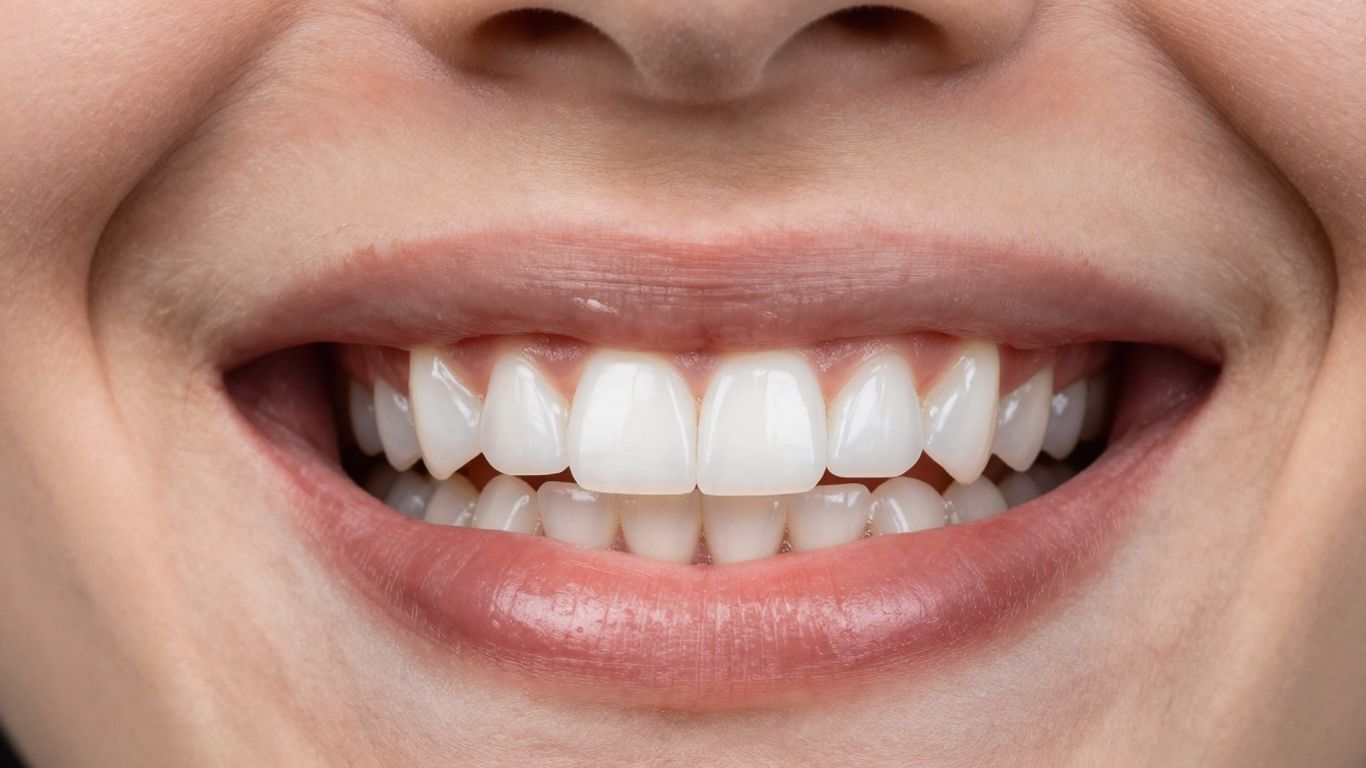
A smile can really change how you feel about yourself, right? If you've ever looked in the mirror and wished your teeth looked a bit different – maybe whiter, straighter, or just more… complete – you're not alone. Many people feel that way. Luckily, there are ways to fix those little (or big) things. Dental veneers are one of those ways. They're like a custom makeover for your teeth. We're going to talk about the whole process, from what they are to what you can expect, especially when you see those amazing teeth with veneers before and after pictures. It’s pretty incredible what can be done.
Key Takeaways
- Dental veneers are thin shells bonded to the front of teeth to improve their appearance, covering issues like stains, chips, gaps, and minor misalignments.
- The transformation with veneers is often immediate, providing a brighter, more uniform, and aesthetically pleasing smile that can boost confidence significantly.
- Veneers can address persistent discoloration, close gaps, repair chips and wear, and visually correct minor crookedness, offering a dramatic change.
- Beyond looks, veneers can help restore proper bite function for worn teeth and add durability, but they don't replace missing teeth or fix severe bite problems.
- Proper care, including good oral hygiene and avoiding habits that could damage them, is important for the longevity of your veneers, which can last many years.
Understanding The Power Of Dental Veneers Before And After
So, you're thinking about veneers, huh? It's a pretty big step, and honestly, seeing the "before and after" is where the real magic seems to happen. It’s like looking at two different people, or at least, two very different smiles. But what exactly are these things, and how do they pull off such a dramatic change? Let's break it down.
What Are Dental Veneers?
Basically, dental veneers are super thin shells, custom-made to fit over the front of your teeth. Think of them like tiny, perfect masks for your teeth. They're usually made from porcelain or a special type of resin, and they're designed to look just like natural tooth enamel. Dentists bond them permanently to your teeth. The main goal is to fix up the appearance of your teeth, whether that's by changing their color, shape, size, or even length. They're not just about making teeth whiter; they can reshape a whole smile.
The Artistry Behind Veneer Design
Creating veneers isn't just a technical job; it's really an art form. A good cosmetic dentist and a skilled lab technician work together to make sure your veneers look completely natural. They consider things like the color of your surrounding teeth, how light reflects off them, and even the shape of your face. It’s all about making them blend in perfectly, so nobody can tell they aren't your real teeth. It’s a bit like a painter choosing just the right shade and brushstroke. You can see some amazing examples of this artistry in a gallery of dental transformations here.
Types Of Veneer Materials
When you're looking into veneers, you'll mostly hear about two main types:
- Porcelain Veneers: These are super popular because they look incredibly natural and are very strong. They resist stains really well, too. Most people go with these for that "wow" factor.
- Composite Resin Veneers: These are often a bit more affordable and can sometimes be applied in a single visit. They're made from a tooth-colored plastic material. While they look good, they might not be quite as durable or stain-resistant as porcelain over the long haul.
Choosing the right material is a big part of the process. It affects how they look, how long they last, and of course, the cost. Your dentist will help you figure out which is best for your specific needs and what you want to achieve with your smile.
Transforming Smiles: Common Issues Addressed By Veneers
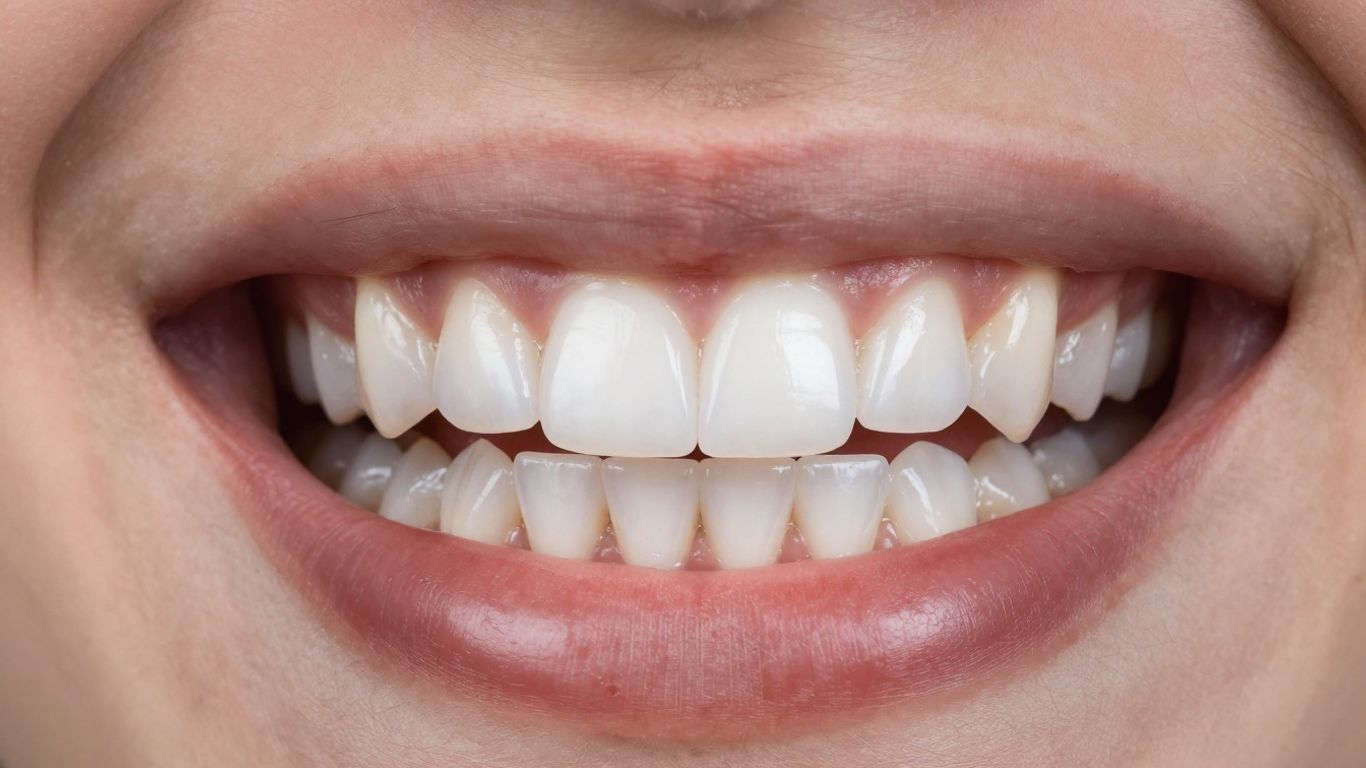
So, you're thinking about veneers? It's easy to see why. They really can fix a bunch of common smile problems that might be making you feel a bit self-conscious. It's not just about looking good, though that's a big part of it. It's about getting a smile you feel genuinely happy with, one that doesn't hold you back.
Conquering Stubborn Discoloration
Sometimes, no matter how much you brush or what whitening treatments you try, your teeth just stay stained. This can happen for all sorts of reasons, like certain medications you might have taken years ago, or even just genetics. Professional whitening can only do so much for deep-set stains. That's where veneers come in. They act like a perfect mask, covering up any yellowing, gray tones, or blotchy patches. Your dentist can pick a shade that looks naturally bright, not fake-white, and they can even add subtle variations so your new smile looks just like real teeth – only better.
Closing Gaps For A Seamless Smile
Got a little gap between your front teeth? Or maybe a few other spaces you'd rather not have? While braces can fix this, it takes a long time. Veneers offer a much quicker way to get that smooth, continuous smile. The veneer shells are custom-made to be just a bit wider than your natural teeth. When they're bonded on, they effectively close up those gaps, giving you a perfectly balanced look. It’s a pretty dramatic change that can happen in just a few weeks.
Repairing Chips And Wear
Over time, teeth can get worn down, maybe from grinding them at night or from acidic foods and drinks. Accidents happen too, leaving you with a chipped tooth. These issues can make your smile look older than you are, and sometimes they even affect how you bite. Veneers can restore the original shape and length of worn teeth, making them look youthful again. They also completely hide chips and cracks, making the damage disappear. The dentist shapes them so they not only look great but also fit perfectly with your bite.
Correcting Minor Misalignments
If your teeth are just a little bit crooked or rotated, veneers can often create the illusion of perfect straightness. The teeth themselves don't actually move, but the custom-shaped veneer covers the imperfect surface, making it look like the tooth is perfectly aligned. It’s a clever way to achieve a straighter smile without the need for extensive orthodontic work. This is one of the most popular reasons people opt for dental veneers because the visual impact is so significant.
It's important to remember that while veneers are fantastic for cosmetic fixes, they aren't a solution for major dental problems. Things like severe decay, gum disease, or significant bite issues need to be addressed first. Your dentist will help you figure out if veneers are the right path for you.
These transformations are why so many people are happy with their before and after veneer results. They address common concerns and give you back a smile you can be proud of.
The Dramatic Dental Veneers Before And After Journey
Seeing the actual results of dental veneers before and after can be pretty eye-opening. It’s not just about a slight tweak; for many, it’s a complete smile overhaul. You walk into the dental office with concerns about chips, stains, or gaps, and you walk out with a smile that feels brand new. This immediate change is one of the biggest draws for people considering veneers.
Immediate Aesthetic Improvements
The moment your dentist bonds the permanent veneers, the transformation is striking. It’s like flipping a switch on your smile. Suddenly, those stubborn stains that whitening treatments couldn't touch are gone. Gaps that always bothered you are closed, creating a smooth, even line of teeth. Chips and worn-down edges? They’re history, replaced by perfectly shaped, uniform surfaces. The visual impact is instant and often quite profound. This rapid improvement is a major reason why veneers are so popular for cosmetic makeovers. You don't have to wait months to see the difference; the results are there right after the procedure.
Real Patient Transformation Stories
Of course, the best way to understand the impact is to hear from people who've been through it. Many individuals share their experiences, detailing how veneers changed not just their teeth but their overall outlook. You'll find stories of people who used to cover their mouths when they laughed or spoke, now beaming with confidence. It’s inspiring to see how correcting minor imperfections can lead to such significant boosts in self-esteem. For instance, someone might have had slightly crooked teeth that made them feel self-conscious, and after getting veneers, they feel comfortable smiling in photos for the first time in years. Exploring these real-life accounts really brings the potential of veneers to life, showing the emotional and social benefits alongside the physical ones. You can find some amazing examples of these transformations online, showcasing how veneers can create a radiant appearance.
Visualizing Your New Smile
Before you even commit, your dentist will work with you to visualize what your new smile will look like. This often involves digital imaging or even temporary veneers. You get to see a preview, helping you feel more confident about the final outcome. It’s a collaborative process where your input is key to achieving the look you desire. This step is super important because it helps manage expectations and ensures you and your dentist are on the same page. It’s about crafting a smile that looks natural and feels like you, just a more polished version.
The journey from initial consultation to the final bonding of veneers is a carefully managed process. It involves detailed planning, precise preparation, and skilled application to achieve results that are both beautiful and long-lasting. The goal is always to create a smile that enhances your natural features and boosts your confidence significantly.
Here’s a general idea of what you might expect in terms of timeline and process:
- Consultation & Planning: Discussing your goals, examining your teeth, and creating a personalized treatment plan.
- Preparation: A small amount of enamel is removed to make space for the veneers.
- Impressions: Molds of your teeth are taken for the lab to create custom veneers.
- Temporary Veneers: Often placed while permanent ones are being made.
- Bonding: The permanent veneers are attached to your teeth.
This structured approach helps ensure that the dramatic before and after results are achieved with precision and care, leading to a smile you'll love. Many people find that the investment in porcelain veneers is well worth the confidence and aesthetic boost they provide.
Beyond Aesthetics: Functional And Psychological Gains
While the visual transformation from dental veneers is often the main draw, the benefits go much deeper than just looking good. For many, getting veneers is about more than just a prettier smile; it's about regaining function and a significant boost in how they feel about themselves.
Restoring Proper Bite Function
Sometimes, teeth can become worn down over time due to grinding or other issues. This wear can affect the natural alignment of your bite, leading to discomfort or even jaw pain. Veneers can be designed to restore the original height and shape of these teeth. This helps to bring your bite back into proper alignment, which can reduce strain on your jaw muscles and the temporomandibular joint (TMJ). It’s not just about making your teeth look even; it’s about making them work correctly again.
Enhancing Tooth Durability
Porcelain, the material most commonly used for veneers, is quite strong. When a veneer is bonded to your tooth, it actually adds a layer of protection to the front surface. This can help shield your teeth from further wear and tear, especially if you have a habit of grinding them. While they aren't indestructible, they can certainly make your teeth more resilient against minor impacts and daily use. Think of it as giving your teeth a tough, protective shield that also looks fantastic. This added durability can be a real game-changer for people worried about damaging their teeth further.
A Confidence Revolution
This is where the real magic happens, and it’s something you can’t always see in a photo. When people are unhappy with their smile, they tend to hide it. They might cover their mouth when they laugh, avoid smiling in pictures, or even feel self-conscious in conversations. Getting veneers can completely change that.
The feeling of being able to smile freely, without a second thought, is incredibly liberating. It impacts everything from social interactions to professional confidence. People often report feeling more outgoing, happier, and just generally more at ease in their own skin after getting veneers. It’s a powerful psychological shift that goes way beyond just having nice-looking teeth.
This newfound confidence can ripple into other areas of life, making you feel more positive and open. It’s amazing how much a smile can influence your overall well-being and how you present yourself to the world. For many, the psychological gains from dental veneers are the most significant part of the transformation, leading to a happier, more self-assured outlook. The impact on psychological well-being is often profound.
What Veneers Can And Cannot Achieve
So, you're thinking about veneers. They can do some pretty amazing things for your smile, but it's good to know their limits too. It's not magic, but it's pretty close sometimes.
Transformations Veneers Excel At
Veneers are fantastic for tackling a bunch of common smile issues. They're especially good when you've got problems that regular brushing or whitening just can't fix. Think of them as a custom-made shield for the front of your teeth.
- Stubborn Discoloration: If your teeth are stained deep down, maybe from certain medications or just genetics, veneers are a game-changer. They completely cover up stains that whitening treatments can't touch.
- Chips and Cracks: Little chips or wear from grinding? Veneers can hide them and even make the tooth feel stronger. It’s like giving your tooth a brand-new, perfect surface.
- Gaps Between Teeth: Small to medium gaps, especially those front ones, can often be closed up with veneers. It's a much faster way to get a uniform look than braces for many people.
- Minor Alignment Issues: Teeth that are just a little bit crooked or rotated can look straight with veneers. The teeth themselves don't move, but the veneer creates the illusion of perfect alignment.
- Shape and Size Concerns: Teeth that have worn down over time or just aren't the shape or size you like can be reshaped and resized with veneers. This can make a big difference in how youthful your smile looks.
It's important to remember that veneers are bonded to your existing teeth. They don't replace missing teeth or fix major structural problems on their own. They work best when you have a solid foundation to build upon.
Limitations Of Veneer Application
While veneers are versatile, they aren't the answer for every dental problem. There are definitely situations where they just won't work or aren't the best choice.
- Missing Teeth: If you're missing teeth entirely, veneers aren't an option because there's nothing for them to bond to. You'd need something like implants or bridges instead.
- Severe Bite Problems: Big issues like a significant overbite, underbite, or crossbite usually need orthodontic treatment first. Veneers can't correct these underlying structural problems.
- Extensive Tooth Damage: Teeth that are heavily decayed or have very large fillings might be too weak for veneers. In these cases, crowns are a better choice because they offer more complete coverage and protection.
- Active Gum Disease: You need healthy gums before getting veneers. Any active gum disease needs to be treated first, or the veneers might not last and could cause further issues.
- Bruxism (Teeth Grinding): If you grind your teeth, especially at night, you'll likely need to wear a night guard. Without protection, the grinding can chip or crack your porcelain veneers, just like it can damage natural teeth.
When To Consider Other Dental Solutions
Sometimes, after talking with your dentist, you might find out that veneers aren't the right fit for your specific needs. It's all about finding the best way to get you the smile you want and need.
- Replacing Missing Teeth: For missing teeth, options like dental implants or bridges are the standard. These solutions actually replace the missing tooth structure.
- Correcting Major Bite Issues: If your bite alignment is significantly off, orthodontics (like braces or clear aligners) is usually the first step. Getting your bite right is important for long-term oral health.
- Extensive Tooth Decay or Damage: When a tooth has lost a lot of its structure, a dental crown is often necessary. Crowns cover the entire tooth, providing strength and protection that veneers can't offer.
- Restoring Function for Severely Damaged Teeth: For teeth that are beyond repair with veneers, crowns offer a more robust solution. They can rebuild a tooth that has suffered significant wear or decay, protecting the underlying tooth structure.
- Temporary or Budget-Conscious Options: While not as permanent or aesthetically refined as porcelain veneers, composite resin veneers can be a more affordable and quicker option for some cases, though they may not last as long.
Caring For Your Transformed Smile
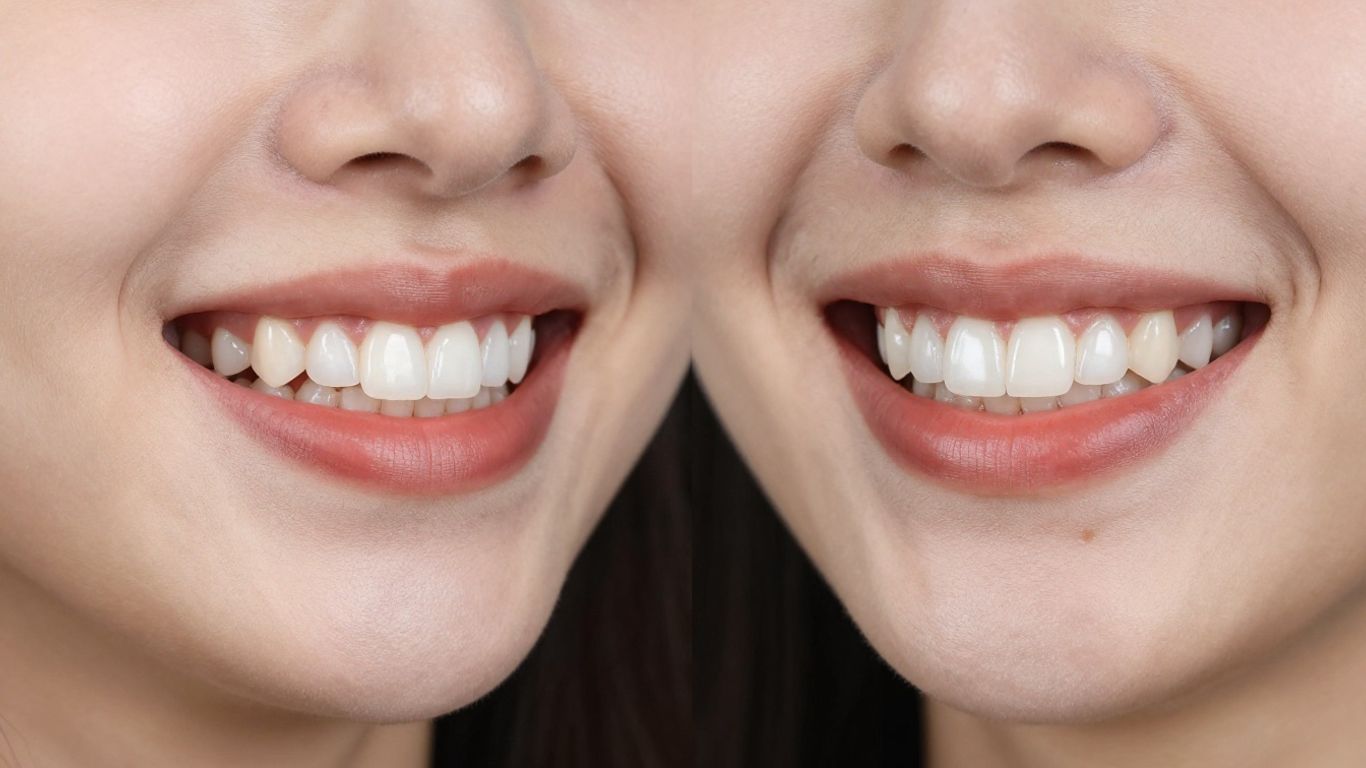
So, you've got that amazing new smile thanks to veneers. That's fantastic! Now, the big question is, how do you keep it looking so good? It's not rocket science, honestly. Think of it like taking care of a really nice car – a little regular attention goes a long way.
Maintaining Veneers For Longevity
The key to making your veneers last is consistent, gentle care. It’s really about integrating good habits into your daily routine. You don't need a whole new set of complicated steps, just a mindful approach.
Here’s a quick rundown of what helps:
- Regular Check-ups: Don't skip your dental appointments. Your dentist can spot any tiny issues before they become big problems and give your veneers a professional polish.
- Avoid Biting Hard Objects: This might seem obvious, but it's worth repeating. Resist the urge to chew on ice, pen caps, or anything similarly tough. Your veneers are strong, but they aren't indestructible.
- Mindful Eating: While you can eat most things, be a bit cautious with super hard foods like jawbreakers or very crusty bread. It’s better to be safe than sorry.
- Professional Cleaning: While you brush and floss at home, professional cleanings are still important. Your hygienist knows how to clean around veneers without causing damage.
Daily Oral Hygiene Practices
Keeping your smile bright and healthy after getting veneers is pretty straightforward. It’s mostly about sticking to the basics you probably already know, just with a slight adjustment in focus.
- Brushing: Brush your teeth at least twice a day. Use a soft-bristled toothbrush and a non-abrasive toothpaste. Focus on cleaning the area where the veneer meets your gum line, as this is where plaque can sometimes build up.
- Flossing: Flossing daily is a must. It gets into those tight spots between your teeth and along the gum line that your toothbrush can't reach. This helps prevent gum disease and keeps everything looking its best. If you find traditional floss tricky, consider using a floss threader or interdental brushes.
- Mouthwash: Using an alcohol-free mouthwash can be a nice addition. It helps rinse away any lingering food particles and can freshen your breath. Just make sure it doesn't contain harsh alcohol, which can sometimes dry out your mouth.
Remember, veneers are designed to be stain-resistant, but that doesn't mean they're completely immune. Limiting your intake of staining foods and drinks like coffee, red wine, and dark berries can help keep them looking their best for longer. If you do indulge, try to rinse your mouth with water afterward.
Protecting Your Investment
Think of your veneers as a significant investment in your confidence and appearance. Protecting them means ensuring they last for years to come, looking as good as they did the day you got them. This involves a bit of awareness and making smart choices.
- Night Guards: If you grind or clench your teeth, especially at night (a condition called bruxism), a custom-made night guard is non-negotiable. This protective device shields your veneers from the excessive force that can cause chips or cracks over time. Talk to your dentist about getting one fitted.
- Avoid Using Teeth as Tools: This is a big one. Don't use your teeth to open packages, tear tape, or crack nuts. It puts unnecessary stress on the veneers and can lead to damage. Keep scissors and bottle openers handy!
- Be Cautious with Certain Foods: While you can enjoy most foods, extreme caution is advised with things like hard candies, ice cubes, or very tough jerky. It's always better to err on the side of caution to prevent accidental chips or fractures. You can always ask your dentist about specific food concerns during your check-ups.
By following these simple guidelines, you'll be well on your way to enjoying your beautiful, transformed smile for many years. It’s all about gentle, consistent care and making smart choices to preserve your results.
Ready for Your Own Smile Transformation?
So, we've looked at a lot of before and after pictures and talked about how veneers can really change things up. Whether it's stubborn stains, little chips, or just wanting a more even look, veneers seem to do the trick for a lot of people. It's pretty amazing how something so thin can make such a big difference in how you feel about your smile. If you've been thinking about it, seeing these transformations might just be the push you need to explore if veneers are right for you. It's definitely worth a chat with your dentist to see what's possible.
Frequently Asked Questions
What exactly are dental veneers?
Think of dental veneers as super thin, custom-made covers that dentists place over the front of your teeth. They're usually made of porcelain or a special type of plastic. They're attached permanently and can change the color, shape, size, or even length of your teeth to make your smile look amazing.
What kinds of smile problems can veneers fix?
Veneers are great for covering up teeth that are stained and can't be whitened, fixing small chips or breaks, closing up gaps between teeth, and even making slightly crooked teeth look straight. They can really refresh the look of your smile.
Will my smile look fake after getting veneers?
Not at all! Dentists are really good at making veneers look super natural. They choose a color that matches your other teeth or is a brighter white, but they also make sure they have the same depth and slight variations as real teeth, so they don't look like fake, chalky squares.
How long do veneers usually last?
With good care, your veneers can last a really long time, often 10 to 15 years, and sometimes even longer! It's like taking care of any important investment – brushing, flossing, and avoiding bad habits will help them stay beautiful.
Can veneers fix serious bite issues or replace missing teeth?
Veneers are mainly for looks. They can't fix big problems with how your teeth bite together, like a severe overbite or underbite. Also, if you're missing teeth, veneers won't work because they need your natural tooth underneath to stick to. You'd need other options like implants for those situations.
What's the biggest change people notice after getting veneers?
Besides having a much prettier smile, many people feel a huge boost in their confidence. They feel happier to smile, laugh, and talk to people. It's amazing how a great smile can make you feel better about yourself in all parts of your life.


American Standards.
Brazilian Mastery.
Aesthetica Medical Travel Facilitators, LLC is an international care coordination company registered in Wyoming, United States. We provide services for the promotion and support of medical service providers, including physicians worldwide (“medical service providers”). These services are made available through Aesthetica’s website, and the same privacy terms also apply to the Aesthetica Advisor Program (the “application/platform”), created and operated by Aesthetica. Aesthetica is solely responsible for controlling and processing the information obtained via the platform or through other communications between users, businesses, hospitals, clinics, or third parties and members of the Aesthetica service team (the “Service Team”). Our services may include non-clinical care coordination for North American patients seeking elective procedures abroad, including provider matching, travel logistics, and administrative support throughout the care journey. Additional services or add-ons may be offered depending on the selected scope. Post-operative care is typically conducted in the destination country where the procedure is performed. Additional coordination or administrative support in the patient’s country of origin may be available separately, subject to scope and availability. Aesthetica may engage third-party service providers, partners, or affiliated entities to support its operations, including data processing and service delivery. Information may be shared with such parties solely as necessary to provide the services described. Our operations follow strict standards of transparency, privacy protection, and regulatory compliance. Testimonials reflect individual experiences and do not guarantee future results. By using Aesthetica’s services or platform, users acknowledge and agree to these terms and understand the limited, non-clinical role of Aesthetica in the care journey. For more information about our policies or compliance framework, please contact our support team.