
Transform Your Look: Top PRP Hair Treatment Options in New York
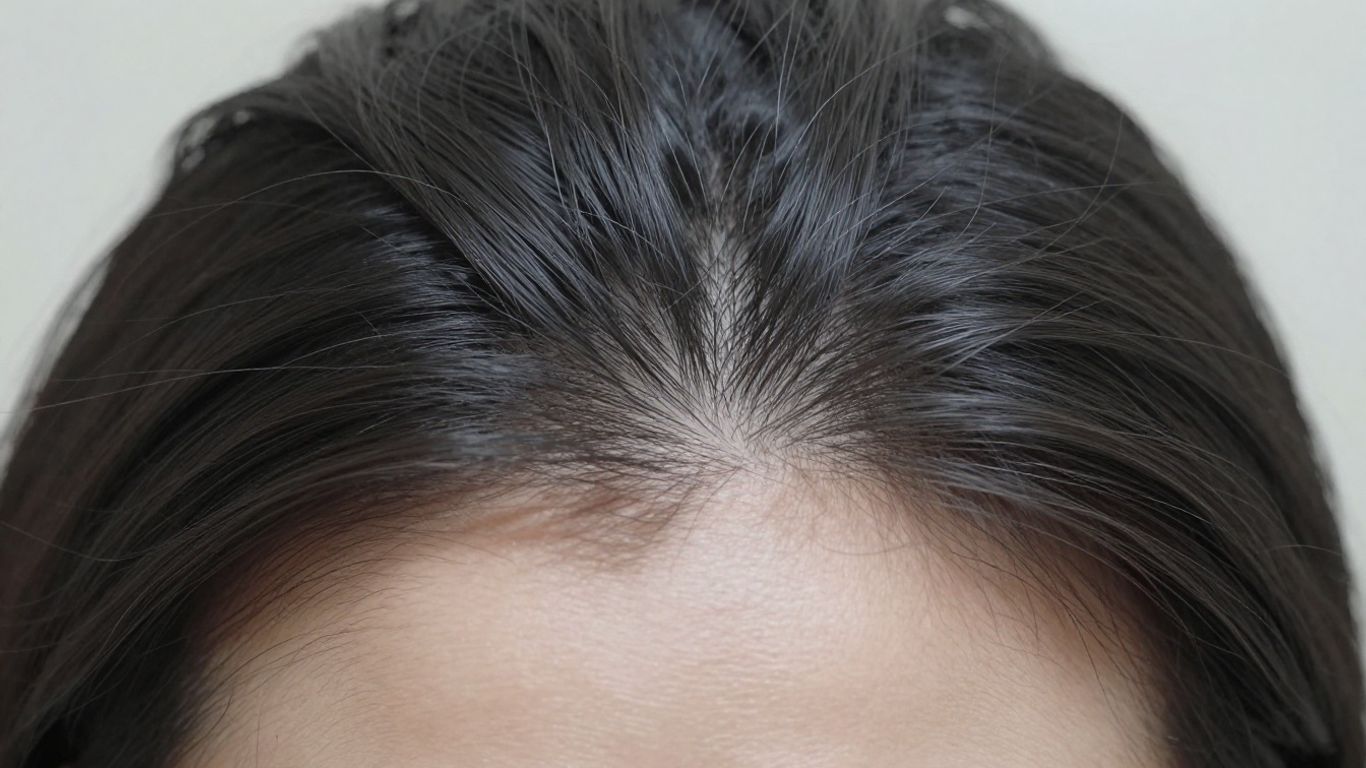
Thinking about your hair and how to get it looking its best? New York City has a ton of options, and it can be a lot to sort through. From treatments that use your own natural growth factors to more involved procedures, there's something for pretty much everyone. We're going to break down some of the top prp hair treatment new york and other hair restoration methods available, so you can figure out what might be the right move for you.
Key Takeaways
- PRP (Platelet-Rich Plasma) therapy is a non-surgical hair loss treatment that uses your own blood to stimulate hair growth.
- Exosome therapy works by using tiny cell messengers to signal regeneration and repair, often combined with PRP for supercharged results.
- Scalp Micropigmentation (SMP) is a cosmetic tattoo that mimics hair follicles, creating the appearance of a fuller head of hair or a shaved look.
- Hair transplant procedures like FUE and FUT involve moving healthy hair follicles to thinning or balding areas for permanent results.
- Specialized techniques such as Long Hair FUE and Unshaven DHI are available for discreet hair restoration, particularly for women.
1. PRP Therapy
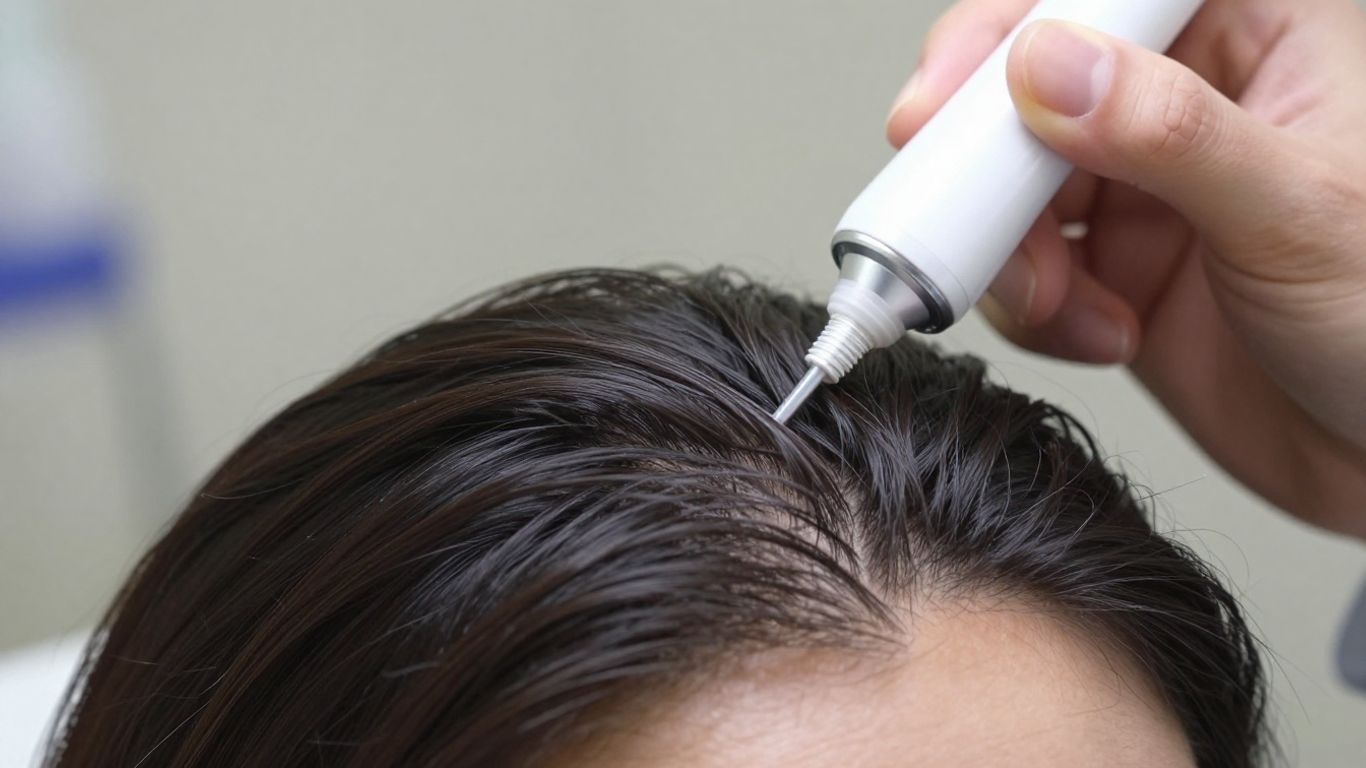
PRP therapy, or Platelet-Rich Plasma therapy, is a really interesting option for folks dealing with thinning hair. It's basically a way to use your own body's natural healing power to give your hair follicles a boost. The whole idea is that your blood has these things called platelets, which are packed with growth factors. When you concentrate these platelets and inject them into your scalp, they can signal your hair follicles to get back to work and grow stronger.
So, how does it actually happen? First, they draw a small amount of your blood, kind of like what they do for a regular blood test. This blood then goes into a special machine, a centrifuge, that spins it really fast. This spinning separates the blood into different parts, and they collect the plasma that's super rich in platelets. This concentrated plasma is what they'll inject into the areas of your scalp where your hair is thinning.
- Blood Draw: A small sample of your blood is taken.
- Centrifugation: The blood is spun to separate and concentrate the platelets.
- Injection: The platelet-rich plasma is injected into the scalp.
- Stimulation: Growth factors encourage follicle activity and hair growth.
It's a pretty straightforward process, and most people find it doesn't hurt too much, especially if they use a numbing cream beforehand. The whole appointment usually takes less than an hour. Since it's using your own blood, the risk of an allergic reaction is super low, which is a big plus. Many people find that a series of treatments, usually spaced a few weeks apart, gives them the best results, leading to thicker, healthier-looking hair over time. It's a great way to potentially improve your hair's thickness and health without surgery. You can find clinics in New York that specialize in PRP hair restoration and offer this treatment.
2. Exosome Therapy
Exosome therapy is a newer player in the hair restoration game, and it's pretty interesting. Think of exosomes as tiny little messengers. They're basically little sacs that cells use to talk to each other, and they carry all sorts of important stuff like proteins and growth factors.
When it comes to hair loss, these exosomes can be really helpful. They're applied to the scalp, and the idea is that they signal to your hair follicles, telling them to wake up and get back to work. It's all about creating a better environment for hair to grow.
Here's a bit more about how it works:
- Cell Communication: Exosomes act as messengers, transferring beneficial molecules to hair follicle cells.
- Growth Factor Delivery: They deliver concentrated growth factors that can stimulate hair growth cycles.
- Regenerative Potential: This therapy taps into the body's natural regenerative processes to improve scalp health.
The science behind exosomes suggests they can help revitalize dormant hair follicles and promote thicker, healthier hair growth. It's a non-invasive approach that's gaining traction because it works with your body's own systems. While it's often used alongside other treatments like PRP, exosome therapy is showing promise as a standalone option for those looking to boost their hair density and combat thinning. It's definitely one to keep an eye on in the world of hair restoration.
Exosomes are essentially extracellular vesicles, meaning they are tiny packages released by cells. These packages contain a mix of proteins, lipids, and nucleic acids that can influence the behavior of other cells. In the context of hair loss, they are thought to promote healing and stimulate the activity of hair follicles.
Many people find exosome treatments to be a comfortable experience, often involving a topical application or a series of injections. The goal is to encourage your hair to grow back naturally, making it a less aggressive option compared to some surgical procedures. If you're looking for a cutting-edge treatment to address hair thinning, exosome therapy in New York might be worth exploring [f887].
3. Scalp Micropigmentation
Scalp Micropigmentation, often called SMP, is a cosmetic procedure that gives the look of a fuller head of hair. Think of it like a very detailed tattoo, but instead of a picture, it's tiny dots that mimic hair follicles. It's a non-surgical way to deal with hair loss, thinning, or even to cover up scars. The process involves carefully placing pigment into the scalp. The goal is to create a natural-looking density that blends in with your existing hair or creates the appearance of a closely shaved head. It's a pretty innovative treatment that works for a lot of people.
SMP is a fantastic option for anyone experiencing hair loss, whether it's from genetics, medical conditions, or other factors. It doesn't involve surgery, which is a big plus for many. You get immediate results, and there's usually no downtime needed, meaning you can get back to your routine pretty quickly. It can really boost your confidence by restoring a more youthful appearance. Plus, it's a permanent solution, though it might need touch-ups over time to keep it looking its best.
Here are some key benefits:
- Restores Appearance of Fullness: Creates the illusion of thicker hair.
- Non-Surgical: Avoids the risks and recovery associated with surgery.
- Immediate Results: You see a difference right after the treatment.
- Low Maintenance: Once healed, it requires minimal daily upkeep.
- Versatile: Can address various types of hair loss and scalp conditions.
SMP is a procedure that requires a skilled hand and a good eye for detail. It's not just about applying ink; it's about understanding how hair grows and how to replicate that naturally on the scalp. The artists in New York are trained to achieve these realistic effects. It's suitable for both men and women, helping to create the appearance of a fuller scalp without the need for wigs or extensive styling. The technique is adapted to suit different hair types, colors, and desired looks, making it a great option for a wide range of individuals seeking to improve their appearance and self-assurance. You can find some great SMP artists in New York City if you look through directories and read what others have experienced.
Achieving scalp micropigmentation that looks like your real hair, just shorter, is the goal, right? It's all about the hairline. A poorly done hairline can look really obvious, like a drawn-on line. That's why finding an artist who really gets the subtle variations in pigment, the density of hair follicles, and how light interacts with the scalp is so important. A skilled artist will spend time assessing your unique features to replicate these natural elements, making the SMP virtually indistinguishable from real hair.
The process typically involves 2-3 sessions, spaced a few weeks apart. This allows the pigment to settle and for us to build up the density and shade gradually. Minimal downtime is a significant advantage, with most clients able to return to their daily activities almost immediately after a session. You might experience some redness or mild swelling for a day or two, but this usually subsides quickly. Following the aftercare instructions provided by your practitioner is key to maintaining the longevity of your new look.
4. Follicular Unit Extraction
Follicular Unit Extraction, or FUE, is a popular method for hair transplantation that's gained a lot of traction. Instead of removing a whole strip of skin like some older techniques, FUE involves taking individual hair follicles from a donor area, usually the back of your head, and then carefully placing them where you need them most. This approach is known for leaving minimal scarring, which is a big plus for many people.
It's a pretty meticulous process. The surgeon uses tiny tools, often just about a millimeter in diameter, to extract each follicular unit. These units contain one to four hairs. Then, they create small recipient sites in the thinning or balding area and implant the harvested follicles. Because it's done one follicle at a time, it can take a while, depending on how many grafts you need. Some clinics might use robotic assistance to help with the extraction part, aiming for precision and efficiency.
Here's a general idea of what the FUE process involves:
- Consultation: First, you'll meet with a specialist to discuss your hair loss, assess your donor area, and determine if FUE is the right fit for you. They'll talk about your goals and what kind of results you can expect.
- Graft Harvesting: The donor area is usually numbed, and then the surgeon uses a specialized punch tool to extract individual follicular units. This is done carefully to ensure the health of the grafts.
- Graft Preparation: The extracted grafts are then prepared under a microscope to ensure they are ready for implantation.
- Implantation: Tiny incisions are made in the recipient area, and the grafts are placed into these sites, paying close attention to the angle and direction for a natural look.
Recovery from FUE is generally quicker than with older methods. You might have some redness and small dots where the grafts were taken, but most people can get back to their normal activities within a few days. It's a technique that really focuses on natural-looking results and a less invasive experience. If you're looking into hair restoration options in New York, FUE is definitely something to consider [a93a].
The key to a successful FUE procedure lies in the skill of the surgeon and the meticulous nature of the extraction and implantation process. It requires patience and a good eye for detail to achieve a natural-looking density and hairline.
5. Follicular Unit Transplantation
Follicular Unit Transplantation, often called FUT or the "strip method," is a well-established hair restoration technique. It's a surgical procedure where a thin strip of scalp tissue is carefully removed from a donor area, usually the back of your head where hair is typically more resistant to balding. This strip is then dissected under microscopes by skilled technicians into individual follicular units – small clusters of hair follicles.
These individual units are then meticulously transplanted into the thinning or balding areas of your scalp. The main advantage of FUT is its ability to yield a large number of grafts in a single session, making it a very efficient option for significant hair loss. Because a strip is removed, it does leave a linear scar in the donor area, but this is usually well-hidden by surrounding hair once it grows out.
Here's a general idea of the process:
- Consultation: A surgeon assesses your hair loss, donor area, and discusses your goals.
- Donor Strip Removal: A thin strip of scalp is removed from the donor site.
- Graft Dissection: Technicians meticulously separate the donor strip into individual follicular units.
- Recipient Site Preparation: Tiny incisions are made in the balding areas where the grafts will be placed.
- Graft Implantation: The follicular units are carefully inserted into the prepared sites.
While FUE has gained popularity, FUT remains a powerful tool in hair restoration, especially when density is a primary concern. It's a tried-and-true method that can provide excellent, natural-looking results when performed by an experienced team.
The success of FUT, like any surgical hair transplant, relies heavily on the skill of the surgeon and their team. Attention to detail during graft dissection and implantation is key to achieving natural density and ensuring the transplanted hairs thrive in their new location.
6. Robotic Hair Transplant
Robotic hair transplant is kind of a game-changer, especially in New York, where folks are always chasing the latest and best. What sets this apart is the use of advanced robotics to assist the surgeon in extracting and placing hair follicles. This approach helps boost both precision and consistency when moving thousands of tiny grafts, reducing the odds of human error.
Here’s what you can expect if you’re considering a robotic hair transplant in NYC:
- The system uses AI and imaging to spot and select the healthiest hair for grafting—pretty wild, right?
- The robot assists the doctor with the actual extraction and positioning of follicles, making sure the angle and direction look as natural as possible.
- Many people find the process a bit faster than traditional FUE, since the robot doesn’t get tired or distracted.
- Minimal scarring is a big selling point. Individual follicles are removed, so you won’t get a big, noticeable scar, and recovery is often a bit quicker.
Here's a quick comparison between manual and robotic FUE:
If you’re after high-precision, natural results and don’t mind paying a premium, robotic hair transplant is worth thinking about. The initial investment can be steeper because the equipment isn’t cheap, but for many, it means less time in the chair and a smoother recovery.
Like with any procedure, finding a reputable, experienced clinic is the most important part. Ask lots of questions and don’t be afraid to shop around before making your decision.
7. Long Hair FUE
Long Hair FUE is a pretty neat variation of the standard FUE hair transplant method, and it's becoming more popular, especially for people who want to keep their hair length during the process. The main idea here is to avoid shaving the entire head, which is a big plus for many, particularly women. Instead of buzzing everything down, the donor area, usually at the back or sides of your scalp, is shaved in very small, strategic sections. These smaller shaved areas are then easily hidden by the longer hair that's still in place.
This technique is all about preserving your natural look and minimizing the visual impact of the procedure. It allows for a more discreet recovery, meaning you can often go back to your daily routine without anyone noticing you've had anything done. It's a great option if you're concerned about the appearance of having a shaved head post-surgery.
Here’s a quick rundown of why someone might choose Long Hair FUE:
- Discreet Recovery: The longer hair helps conceal the donor area, making the procedure less noticeable.
- Preserves Natural Look: Ideal for individuals who prefer not to shave their entire head.
- Suitable for Various Hair Loss Patterns: Can be effective for both men and women experiencing different types of thinning.
- Maintains Feminine Aesthetics: Particularly beneficial for women who want to maintain their hairstyle [0327].
When considering this method, it's important to discuss the specifics with your surgeon. They'll assess your hair type, density, and the extent of your hair loss to determine if Long Hair FUE is the best approach for you. The cost can vary, typically ranging from $15,000 to $25,000 in New York City, depending on the number of grafts and the surgeon's experience [401f].
The success of Long Hair FUE relies heavily on the surgeon's skill in carefully harvesting grafts from small, targeted areas while ensuring the surrounding longer hair remains undisturbed. This requires meticulous technique and a keen eye for detail to achieve natural-looking results without compromising the patient's appearance.
8. Unshaven DHI
Unshaven Direct Hair Implantation (DHI) is a hair restoration technique that's gaining traction, especially for those who want to keep their hair restoration process discreet. The main idea here is that you don't need to shave your head, or even large sections of it, before the procedure. This is a pretty big deal for many people, particularly women, who might feel self-conscious about visible signs of hair transplant surgery.
With Unshaven DHI, the surgeon carefully extracts individual follicular units from the donor area, usually the back of your scalp, using specialized tools. The key is that they can work around your existing hair, meaning your longer hair can cover up the donor sites almost immediately after the procedure. This makes recovery much less noticeable. After extraction, these follicles are then implanted directly into the thinning or balding areas of your scalp.
Here’s a bit more about how it works:
- Discreet Procedure: The biggest advantage is that it allows for a much more subtle treatment. Your existing hair acts as a natural camouflage.
- Direct Implantation: Like standard DHI, the extracted grafts are implanted directly into the recipient area, which can help with graft survival rates.
- Ideal for Specific Cases: It's particularly beneficial for individuals with diffuse thinning across the scalp or those who need to maintain their appearance without obvious signs of surgery.
While Unshaven DHI offers a great way to maintain discretion, it's a technique that requires a high level of skill from the surgeon. The process can be more time-consuming than traditional methods because of the need to carefully navigate around existing hair. It's important to find a clinic with experienced practitioners who specialize in this particular approach.
This method is a fantastic option if you're looking for hair restoration without the tell-tale signs. It's a way to address hair loss while keeping your daily life and appearance largely uninterrupted. You can learn more about discreet hair restoration techniques like no-shave FUE which shares similar goals of minimizing visible evidence of the procedure.
9. Eyebrow Transplant
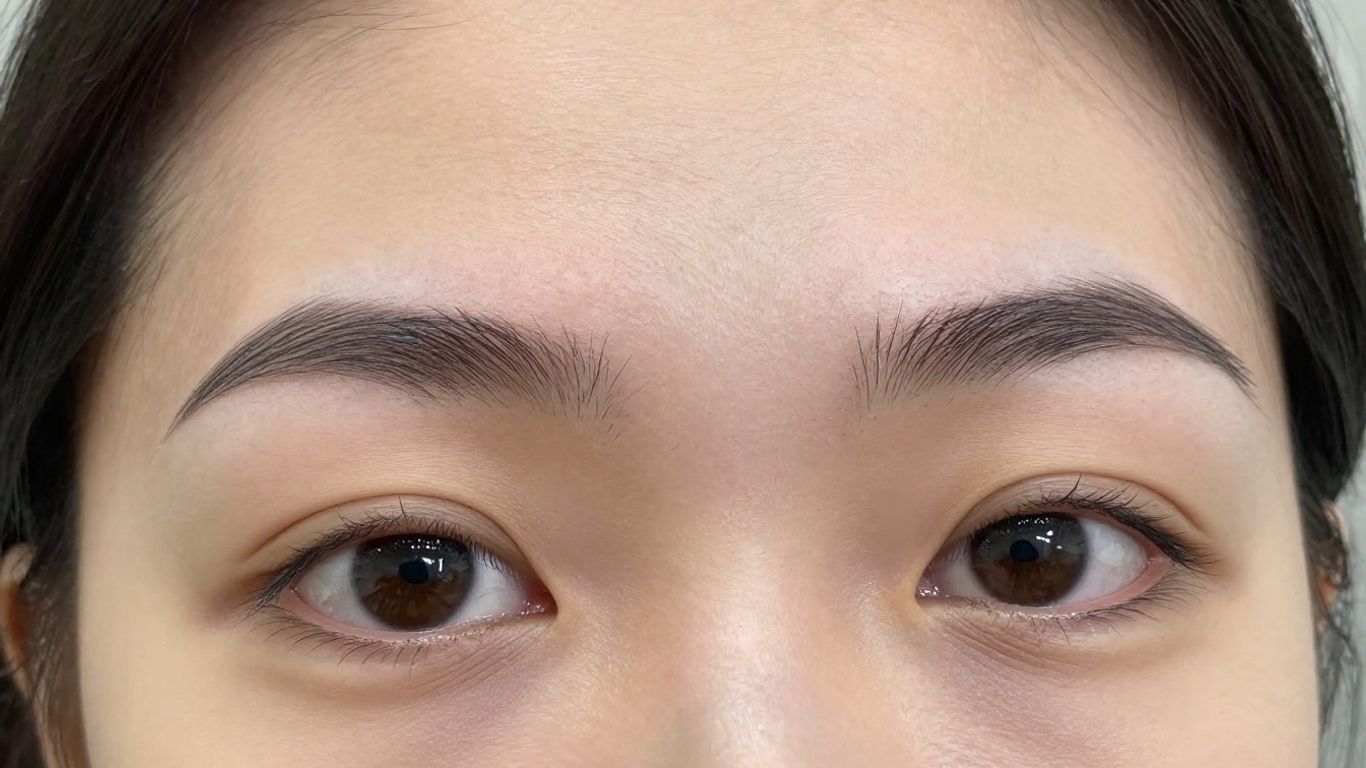
Eyebrows really frame your face, don't they? For a lot of people, thin brows from over-plucking, getting older, or even medical stuff can be a real bummer. Makeup and serums help for a bit, but what if you want something more permanent? That's where eyebrow transplants come in. They're a way to get fuller, more natural-looking brows using your own hair.
An eyebrow transplant is basically a surgical procedure where hair is moved from one part of your body, usually the back of your head, and placed into your eyebrow area. Think of it like planting tiny seeds for hair. Unlike makeup or tattooing, this uses your own real hair, which will then grow. This means you get natural-looking brows that keep growing. It’s a way to get fuller, more defined eyebrows if yours are naturally thin, have thinned out over time, or were affected by things like over-plucking or medical issues.
The goal of an eyebrow transplant is to create brows that look like they've always been there, perfectly shaped and naturally full. It's a meticulous process that takes into account your facial structure and desired outcome.
Here’s a quick look at what makes it so appealing:
- Permanent Results: Uses your own hair for a lifelong solution.
- Natural Appearance: Blends seamlessly with existing brow hair.
- Boosted Confidence: Improves facial aesthetics and self-esteem.
- Minimal Upkeep: Requires little maintenance after the initial healing period.
- Customizable Design: Tailored to your unique facial structure and preferences.
The procedure involves a consultation, harvesting donor hair (usually from the scalp using FUE), and then carefully implanting the follicles into the brow area at precise angles to mimic natural growth. The cost can vary, with prices typically ranging from $3,000 to $12,000 in the US [4c7d].
Recovery involves initial healing, shedding of transplanted hairs (shock loss), and then new growth starting around 2-4 months post-procedure. Patience is key as the brows gradually thicken and mature over the next year.
10. Finasteride Treatment
Finasteride is a prescription medication that's often used to combat male pattern baldness. It works by blocking an enzyme called 5-alpha-reductase. This enzyme is responsible for converting testosterone into dihydrotestosterone (DHT), a hormone that shrinks hair follicles over time. By lowering DHT levels in your scalp, Finasteride can help slow down hair loss and, for some men, even encourage regrowth.
It's typically taken as a 1mg pill once a day. The key is consistency; you need to take it regularly to see and maintain results. Many men start to notice a difference within a few months, but it can take up to a year to see the full effects. It's important to remember that Finasteride is generally considered a treatment to delay hair loss rather than completely stop it.
Here's a quick look at what you might expect:
- Mechanism of Action: Inhibits 5-alpha-reductase, reducing DHT levels.
- Dosage: Typically 1mg taken orally once daily.
- Timeline for Results: Initial changes may appear within months, with full effects seen after a year of consistent use.
- Effectiveness: Slows hair loss and can promote regrowth in many users.
While Finasteride is effective for many, it's not a magic bullet. Some individuals may experience side effects, and it's not suitable for everyone. It's always best to discuss your specific situation with a healthcare provider to see if this treatment is the right choice for you. They can help you understand the potential benefits and risks involved.
It's worth noting that Finasteride is also used in higher doses to treat an enlarged prostate, but the 1mg dose is specifically for hair loss. If you're considering this option, make sure to consult with a doctor who can properly assess your hair loss and prescribe the medication if appropriate. They can also guide you on how to use it effectively alongside other treatments, like PRP therapy, to potentially maximize your results.
Ready to Revitalize Your Hair?
So, you've learned about the different ways you can tackle hair thinning and loss right here in New York, from the advanced science of PRP therapy to the detailed artistry of scalp micropigmentation. It's a lot to take in, for sure, but the good news is there are real options out there. Whether you're looking for a non-surgical boost or something more permanent, the key is finding a clinic and a treatment that feels right for you. Take your time, do your research, and don't hesitate to book those consultations. Your journey to a fuller head of hair starts with that first step.
Frequently Asked Questions
What is PRP hair treatment and how does it work?
PRP, or Platelet-Rich Plasma, hair treatment is a simple and safe way to help with hair loss. The doctor takes a small amount of your blood, spins it in a special machine to separate out the good stuff (platelets), and then injects it into your scalp. These platelets have growth factors that can wake up hair follicles and help your hair grow thicker and healthier.
Who is a good candidate for PRP hair therapy?
PRP hair therapy works best for people who are just starting to lose their hair or have thinning hair. It’s safe for both men and women and uses your own blood, so there’s little risk of a bad reaction. If you have large bald spots, PRP might not be enough, and your doctor may suggest other treatments.
How many PRP treatments do I need to see results?
Most people need about four to six PRP treatments, one each month, to get the best results. After that, you might need a touch-up every few months to keep your hair looking good. The exact number of sessions depends on how much hair loss you have and how your body responds.
Does PRP hair treatment hurt or have side effects?
PRP hair treatment is usually not very painful. You might feel a little pinch from the needle, but doctors often use numbing cream to help. After the treatment, your scalp could feel a bit sore or swollen, but this goes away in a few days. Since it uses your own blood, there’s very little risk of side effects.
How long does it take to see new hair growth after PRP?
You won’t see new hair right away. Most people start to notice thicker or healthier hair after three or four months. Full results can take up to six months or more, as new hair grows slowly. Being patient and keeping up with your treatments helps you get the best outcome.
Can PRP be combined with other hair loss treatments?
Yes, PRP can be used with other treatments like hair transplants, exosome therapy, or medicines such as finasteride. Combining treatments can help you get better and longer-lasting results. Your doctor will help you choose the best plan for your needs.


International Standards.
Brazilian Mastery.
Aesthetica Medical Travel Facilitators, LLC is an international care coordination company registered in Wyoming, United States. We provide services for the promotion and support of medical service providers, including physicians worldwide (“medical service providers”). These services are made available through Aesthetica’s website, and the same privacy terms also apply to the Aesthetica Advisor Program (the “application/platform”), created and operated by Aesthetica. Aesthetica is solely responsible for controlling and processing the information obtained via the platform or through other communications between users, businesses, hospitals, clinics, or third parties and members of the Aesthetica service team (the “Service Team”). Our services may include non-clinical care coordination for patients worldwide seeking elective procedures abroad, including provider matching, travel logistics, and administrative support throughout the care journey. Additional services or add-ons may be offered depending on the selected scope. Post-operative care is typically conducted in the destination country where the procedure is performed. Additional coordination or administrative support in the patient’s country of origin may be available separately, subject to scope and availability. Aesthetica may engage third-party service providers, partners, or affiliated entities to support its operations, including data processing and service delivery. Information may be shared with such parties solely as necessary to provide the services described. Our operations follow strict standards of transparency, privacy protection, and regulatory compliance. Testimonials reflect individual experiences and do not guarantee future results. By using Aesthetica’s services or platform, users acknowledge and agree to these terms and understand the limited, non-clinical role of Aesthetica in the care journey. For more information about our policies or compliance framework, please contact our support team.