
Transform Your Smile: Stunning Composite Bonding Teeth Before and After Pictures

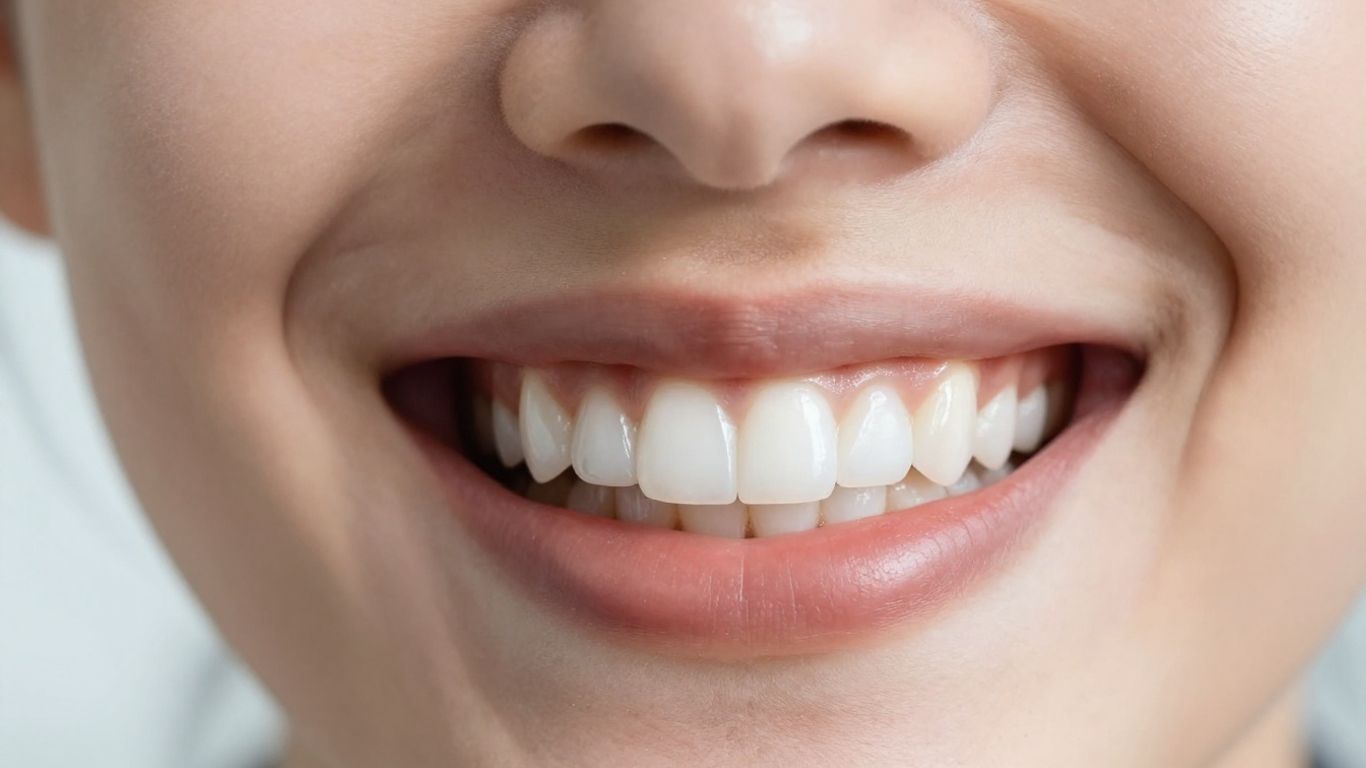
Thinking about changing up your smile? You're not alone. Lots of people want a brighter, straighter, or just plain better-looking smile. One way to do that is with something called composite bonding. It's a pretty neat way to fix small issues with your teeth without a lot of fuss. We're going to look at some real examples, you know, the "before and after" pictures, to show you what's possible. It’s amazing what a difference it can make.
Key Takeaways
- Composite bonding can fix crooked teeth by adding material to make them look straighter.
- It's a good option for repairing teeth that are chipped or broken.
- This method can also close small gaps between your teeth, giving a more uniform look.
- Composite bonding is often done in just one visit, making it a quick way to improve your smile.
- Looking at composite bonding teeth before and after pictures is the best way to see the results for yourself.
Transforming Smiles With Composite Bonding
Composite bonding is a pretty neat way to fix up your smile without a lot of fuss. It's a cosmetic dental procedure that uses a tooth-colored resin material, kind of like a putty, to repair or improve the look of your teeth. Think of it as a sculptor working with a tiny, very precise material right on your tooth. It's not like those big, involved procedures you might hear about; this is usually much quicker and less invasive. It's a fantastic option for people looking for noticeable improvements without a lengthy treatment plan.
Composite Bonding For Crooked Teeth
So, you've got some teeth that aren't exactly in a straight line? Maybe they're a little crowded or just not sitting right. Dental bonding can actually help with that. Dentists can use the composite material to add a bit of volume to the front of a tooth, making it appear straighter and more in line with its neighbors. It's especially good for those minor alignment issues where you don't want to go through the whole braces process. They can also adjust the length of teeth that might look a bit short because of how they sit. It's all about creating a more harmonious look for your smile. It's a way to mask or camouflage those slight imperfections, giving you a smoother appearance. For a better idea of what this can do, you can explore dental bonding before and after transformations.
Restoring Chipped and Broken Teeth
Accidents happen, right? Whether it's a sports injury, a fall, or just biting down on something too hard, chipped or broken teeth are pretty common. Composite bonding is a really effective way to fix these. The dentist carefully applies the resin to replace the missing tooth structure. They're really good at matching the color and shade to your natural teeth, so you usually can't even tell where the repair was made. It's a much more affordable and quicker alternative to things like porcelain veneers, especially if a good chunk of the tooth is missing. They can rebuild the shape and strength, making it look like the damage never even occurred. It’s amazing how they can recreate the natural look.
Addressing Gaps Between Teeth
Got a little space between your front teeth that you'd rather not have? Composite bonding can be used to close those gaps. The dentist adds a small amount of the bonding material to the sides of the teeth bordering the gap, effectively widening them just enough to close the space. It's a simple process that can make a big difference in how your smile looks. It helps create a more uniform appearance, and because the material blends so well with your natural teeth, the results look very natural. It’s a straightforward way to achieve a more balanced smile. This minimally invasive treatment can really change the overall look of your smile quickly.
Real-Life Composite Bonding Transformations

Seeing is believing when it comes to cosmetic dentistry, and composite bonding is no exception. While we can talk all day about how it works, nothing quite compares to seeing actual results. These real-life transformations show just what's possible with a bit of artistic application of composite resin. It’s amazing how a few strategic changes can make such a big difference in how someone’s smile looks and feels.
Enhancing Central Incisors
Often, the focus is on the front teeth, especially the central incisors, because they're so prominent when you smile. Many people come in because their front teeth might be a little uneven, perhaps one is slightly shorter or has a small chip from an accidental bump. Composite bonding is fantastic for this. Dentists can carefully add a small amount of tooth-colored resin to reshape the tooth, matching the color and texture of your natural enamel. This process can make a slightly shorter tooth look perfectly aligned with its neighbor, creating a balanced and symmetrical appearance. It’s a subtle change that has a huge impact on the overall look of your smile. It’s not about drastically changing your teeth, but about refining them to their best possible state.
Rebuilding Eroded Lower Teeth
It's not just the upper teeth that benefit from composite bonding. Lower teeth can also experience wear and tear, sometimes from grinding or just the natural aging process. When lower teeth become worn down, they can make a smile look less vibrant. Composite bonding can be used to carefully rebuild the edges and surfaces of these teeth. The challenge here is that there's often less space to work with compared to upper teeth, and the bite with the upper teeth needs careful consideration. However, skilled dentists can still achieve beautiful results, restoring the length and shape of lower teeth so they look natural and contribute positively to your smile. It’s about bringing back that youthful look, even to teeth that have seen better days.
Correcting Minor Misalignments
While braces or aligners are the go-to for significant orthodontic issues, composite bonding offers a great solution for very minor misalignments. If a tooth is just slightly out of place, perhaps sitting a little behind its neighbor, bonding can help. A dentist can add composite material to the front surface of the slightly-behind tooth, making it appear to align better with the rest. It’s a way to camouflage small imperfections without the time commitment of traditional orthodontics. This approach is particularly effective when the misalignment is slight and doesn't affect the overall bite significantly. It’s a quick way to achieve a straighter-looking smile, giving you more confidence when you talk and laugh. For many, this is a much simpler path to a more harmonious smile, and seeing the before and after results can be very inspiring.
The beauty of composite bonding lies in its ability to address specific, often minor, aesthetic concerns with precision. It’s a conservative approach that respects your natural tooth structure while delivering noticeable improvements. The results are often so natural-looking that it’s hard to tell where the bonding begins and the natural tooth ends.
Here’s a quick look at what can be achieved:
- Reshaping: Correcting slight chips, uneven edges, or minor shape irregularities.
- Lengthening: Adding volume to teeth that appear too short or uneven.
- Closing Small Gaps: Minimizing spaces between teeth for a more uniform look.
- Camouflaging: Masking minor misalignments or slight discoloration.
It’s truly a versatile tool in cosmetic dentistry, offering a way to achieve a more polished smile without invasive procedures. Many people find that direct bonding is a straightforward and effective way to get the smile they’ve always wanted.
The Artistry and Efficiency of Composite Bonding

Minimally Invasive Smile Enhancements
Composite bonding is a really gentle way to fix up your smile. Unlike some other procedures, it usually means the dentist doesn't have to do much to your natural tooth. They're not grinding down enamel or anything drastic. This means your teeth stay healthier in the long run. It's all about adding a tooth-colored resin material to fix chips, close small gaps, or reshape teeth. The goal is to make your smile look better without causing a lot of disruption. It’s a conservative approach that really preserves your natural tooth structure.
Achieving Natural-Looking Results
Getting a smile that looks totally natural is the big goal here, and it really comes down to the skill of the dentist. It's not just about slapping some material on; it's an art form. Dentists have to carefully match the shade of the bonding material to your existing teeth. Then, they sculpt it into the perfect shape, making sure it looks just like your real teeth. They pay attention to the little details, like texture and translucency, so no one can tell you've had anything done. The best results blend in so perfectly, you'd never know the difference. Looking at before and after pictures really shows how much artistry goes into this.
Single-Visit Smile Makeovers
One of the best things about composite bonding is how fast it is. For a lot of people, they can get their whole smile transformation done in just one appointment. Think about it – you walk in with a smile you're not totally happy with, and you walk out with a noticeably improved one, all in a few hours. This is a huge plus if you're busy or don't want to go through multiple dental visits. It’s a quick way to get a big confidence boost. This efficiency makes it a popular choice for anyone wanting a speedy smile refresh.
The process is quite straightforward. The dentist cleans the tooth, applies a bonding agent, and then carefully places and shapes the composite resin. A special light hardens the resin, and then it's polished to a shine. It's a methodical process that leads to immediate improvements.
Comprehensive Smile Rehabilitation
Sometimes, a single chipped tooth or a small gap isn't the whole story. For those looking for a complete overhaul, composite bonding can be a surprisingly effective tool. It’s not just about fixing one or two teeth; it’s about rethinking the entire smile.
Full Mouth Transformations
When multiple teeth need attention, whether due to wear, damage, or just a desire for a significant change, a full mouth rehabilitation using composite bonding is a real possibility. This approach looks at your whole smile – the shape, size, color, and alignment of all your visible teeth. It’s about creating a cohesive and balanced look that feels natural and works well together. This isn't a quick fix, but it can be a less invasive way to achieve dramatic results compared to other extensive treatments. It involves careful planning to ensure every tooth contributes to the overall harmony of your smile. You can see some amazing examples of these kinds of changes in smile makeover galleries.
Addressing Wear and Discoloration
Over time, teeth can wear down, lose their natural luster, or become stained. This can happen from grinding, acidic foods, or just the passage of time. Composite bonding is excellent for rebuilding worn-down edges, restoring the original shape of teeth, and covering up stubborn discoloration that whitening treatments can't touch. It’s like giving your teeth a fresh start, making them look brighter and more youthful. We can carefully layer the composite material to mimic the natural translucency and color variations of healthy enamel.
Creating a Youthful, Confident Look
Age can affect our smiles in many ways. Teeth might become shorter, darker, or develop chips. A full smile rehabilitation with composite bonding can reverse many of these signs of aging. By carefully reshaping and recoloring the teeth, we can create a smile that looks vibrant and healthy, often making people appear younger and more energetic. It’s about restoring not just the appearance, but also the confidence that comes with a great smile. Many dentists have years of experience in performing these kinds of smile transformations.
Think of it like a skilled artist restoring a masterpiece. Each tooth is considered individually, but also as part of the larger picture. The goal is a result that looks and feels completely natural, as if your teeth simply decided to look their best.
Beyond the Front Teeth: Bonding Solutions
While many people think of composite bonding for their front teeth, it's actually a really versatile treatment that can work wonders on other teeth too. It’s not just about that perfect smile you show off when you laugh; sometimes, it's about making sure all your teeth look and feel their best.
Enhancing Lower Teeth Appearance
Working on lower teeth can be a bit trickier. The way your upper teeth meet your lower ones, and the limited space, means dentists have to be extra careful about how much material they can add. But don't worry, skilled dentists know how to handle this. They can carefully shape and build up the lower teeth to match your uppers, creating a really balanced look. It’s all about making sure everything fits together perfectly, so you get a natural-looking smile from top to bottom. You can see some amazing examples of how this is done in before and after photos.
Addressing Small or Overlapping Teeth
Sometimes teeth are just naturally smaller than we'd like, or maybe they've become worn down over time. Composite bonding is fantastic for this. Dentists can add a bit of composite material to make these teeth appear larger and more in proportion with the rest of your smile. It’s a great way to fix issues that might stem from genetics or even teeth grinding. For mild cases of overlapping teeth, bonding can also be a good option. Instead of braces, a dentist can carefully add composite to the front of a tooth to make it look like it's aligned with its neighbours. It’s a quick fix for minor alignment quirks, though for more significant overlaps, other treatments might be better suited.
Composite Bonding for Aesthetic Zones
When we talk about the "aesthetic zone" in dentistry, we usually mean the teeth that are most visible when you smile. This typically includes your upper front ten teeth and the lower front six. These are the teeth most people focus on for cosmetic work, and composite bonding is a popular choice because it's so effective and quick. However, the skill of the dentist is really what makes the difference here. They need to be artists to get the shape, colour, and texture just right so the bonded teeth look completely natural. It’s a craft that takes practice and a good eye for detail.
The goal with composite bonding, no matter which teeth are being treated, is to create a result that looks and feels like your own natural teeth. It's about subtle improvements that make a big difference to your confidence.
Here's a quick look at what composite bonding can address:
- Size and Shape: Correcting teeth that are too small, misshapen, or worn down.
- Alignment: Improving the appearance of mildly crooked or overlapping teeth.
- Gaps: Closing small spaces between teeth for a more uniform look.
- Chips and Cracks: Restoring the natural contour of damaged teeth.
It's amazing what a difference these kinds of adjustments can make, even on teeth that aren't right at the very front. If you're curious about how bonding could help your specific situation, especially with crooked teeth, a chat with your dentist is the best next step.
Ready for Your Own Smile Transformation?
So, you've seen the pictures and read about how composite bonding can really change things up. It's pretty amazing what a difference it can make, whether you're dealing with a small chip, a bit of discoloration, or just want to even things out. The best part is that it's often a quick process and doesn't involve a lot of drastic work on your natural teeth. If you're thinking about giving your smile a boost, looking at these before and after examples should give you a good idea of what's possible. It really comes down to finding a dentist you trust and discussing what you're hoping to achieve. A brighter, more confident smile might be closer than you think.
Frequently Asked Questions
What exactly is composite bonding?
Composite bonding is a dental technique where a special tooth-colored putty, called composite resin, is applied to your teeth. It's used to fix small issues like chips, gaps, or slight crookedness, making your smile look better.
Can composite bonding fix crooked teeth?
Yes, for teeth that are just a little bit crooked, bonding can help. The dentist adds a bit of the bonding material to make the tooth look straighter and line up better with the others. It's like a quick fix for minor alignment problems.
How long does a composite bonding treatment take?
Often, you can get your smile fixed with composite bonding in just one visit to the dentist. It's a fast way to see a big change in how your teeth look.
Is composite bonding a permanent solution?
Composite bonding is quite durable, but it's not permanent. It can last for several years with good care. However, it might chip or stain over time, and sometimes needs touch-ups or replacement.
Does composite bonding hurt?
No, composite bonding usually doesn't hurt at all. The dentist doesn't need to remove much, if any, of your natural tooth. It's a gentle way to improve your smile.
What's the difference between composite bonding and veneers?
Composite bonding uses a tooth-colored resin applied directly to the tooth, often in one visit and with minimal tooth reshaping. Veneers are thin shells, usually made of porcelain, that are custom-made and bonded to the front of your teeth, often requiring more tooth preparation and sometimes multiple visits.


International Standards.
Brazilian Mastery.
Aesthetica Medical Travel Facilitators, LLC is an international care coordination company registered in Wyoming, United States. We provide services for the promotion and support of medical service providers, including physicians worldwide (“medical service providers”). These services are made available through Aesthetica’s website, and the same privacy terms also apply to the Aesthetica Advisor Program (the “application/platform”), created and operated by Aesthetica. Aesthetica is solely responsible for controlling and processing the information obtained via the platform or through other communications between users, businesses, hospitals, clinics, or third parties and members of the Aesthetica service team (the “Service Team”). Our services may include non-clinical care coordination for patients worldwide seeking elective procedures abroad, including provider matching, travel logistics, and administrative support throughout the care journey. Additional services or add-ons may be offered depending on the selected scope. Post-operative care is typically conducted in the destination country where the procedure is performed. Additional coordination or administrative support in the patient’s country of origin may be available separately, subject to scope and availability. Aesthetica may engage third-party service providers, partners, or affiliated entities to support its operations, including data processing and service delivery. Information may be shared with such parties solely as necessary to provide the services described. Our operations follow strict standards of transparency, privacy protection, and regulatory compliance. Testimonials reflect individual experiences and do not guarantee future results. By using Aesthetica’s services or platform, users acknowledge and agree to these terms and understand the limited, non-clinical role of Aesthetica in the care journey. For more information about our policies or compliance framework, please contact our support team.