
The Ultimate Guide to Composite Resin Veneers: Benefits, Procedure, and Cost
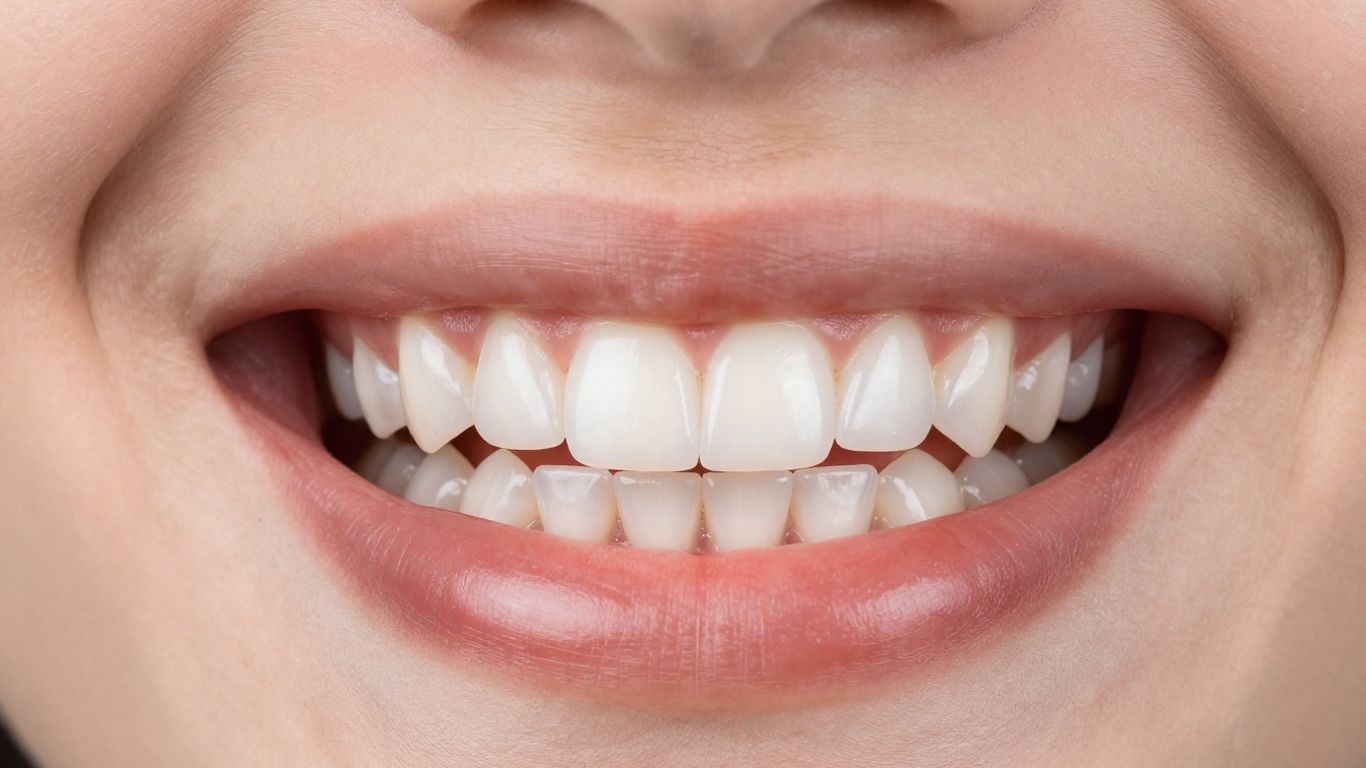
Thinking about a smile makeover? Composite resin veneers are a popular choice for fixing up teeth that might be a little chipped, stained, or just not looking their best. They're a way to get that brighter, more even smile you've been dreaming about without a super complicated process. We'll break down what composite resin veneers are all about, how they get put on, what they cost, and why they might be the right move for you.
Key Takeaways
- Composite resin veneers are custom-made shells bonded to the front of teeth to improve their appearance, addressing issues like discoloration, chips, and minor gaps.
- The procedure typically involves a consultation, tooth preparation, application of the resin, and final bonding and shaping.
- These veneers are known for their natural look and can be customized to match your existing teeth, offering a significant aesthetic boost.
- While durable for everyday use, their lifespan can be affected by habits and care, generally lasting several years with proper maintenance.
- The cost of composite resin veneers is often more affordable than other options like porcelain, but factors like dentist fees and location can influence pricing.
Understanding Composite Resin Veneers
What Are Composite Resin Veneers?
Composite resin veneers are thin layers of tooth-colored resin material applied directly to the surface of your teeth. They’re molded and cured by your dentist, right in the dental chair, to improve the look of teeth that are chipped, misshapen, stained, or slightly crooked. Unlike porcelain veneers, composite resin veneers can usually be crafted in just one appointment, making them a convenient option for people looking for fast results.
Here’s what sets composite veneers apart:
- Applied directly onto the tooth (no lab work required)
- Quickly sculpted and shaped in a single visit
- Can be adjusted or repaired if damaged
Composite resin veneers give you a way to fix cosmetic concerns without making permanent changes to your natural teeth.
Key Benefits of Composite Resin Veneers
People often choose composite resin veneers because they are:
- Affordable compared to other veneer types
- Minimally invasive (less enamel removal needed)
- Easy to repair if chipped or stained
- Completely customizable in color and shape
Many folks are surprised that you can walk out of the dentist’s office with a dramatically improved smile in just a few hours. It’s a practical way to address chips, gaps, stains, and slightly uneven teeth.
Porcelain Veneers Versus Composite Resin Veneers
While both types of veneers can create beautiful results, there are real differences that make one better for certain patients or situations. Here’s a quick breakdown to help you see how they compare:
Composite veneers are a great choice for quick fixes or smaller budgets, while porcelain makes sense for people after the most lifelike results and long-term performance. If you want more insight into how both work and reasons why folks choose one over the other, check out a guide that covers the pros and cons of each dental veneers advantages.
Think about how much time and money you want to spend, and how important things like stain resistance or ultra-realistic looks are to you. Both options have their place—it just comes down to your goals and lifestyle.
The Composite Resin Veneer Procedure
So, you're thinking about getting composite resin veneers? That's great! It's a pretty straightforward process, and most people find it's not nearly as complicated as they might imagine. It's all about making your smile look its best, and the steps are designed to be efficient and effective. Let's walk through what you can expect.
Initial Consultation and Planning
First things first, you'll have a chat with your dentist. This is where you talk about what you're hoping to achieve with your smile. Are you looking to fix a chipped tooth, cover up some stains, or just generally brighten things up? Your dentist will check out your teeth and gums to make sure veneers are the right move for you. They'll also discuss the different options, like composite versus porcelain, and help you pick the shade that will look most natural with your smile. This planning stage is super important because it sets the stage for the whole treatment. It's your chance to ask all your questions and get a clear picture of the process ahead. You can get a good idea of the veneer application process during this initial visit.
Tooth Preparation and Application
Once you're both on the same page, the actual application begins. For composite veneers, it's often a one-visit deal, which is pretty convenient. Your dentist will likely do a little prep work on your teeth. This usually involves lightly etching the surface of your teeth to help the resin stick better. It's not a big deal, and they'll make sure you're comfortable. Then, the dentist will carefully apply the composite resin material directly onto your teeth. They'll sculpt and shape it right there, building it up layer by layer to get the perfect look. This direct application is one of the cool things about composite – it allows for on-the-spot adjustments to get the shape, size, and color just right for your unique smile.
Bonding and Final Adjustments
After the composite resin is shaped to your satisfaction, it needs to be hardened. Your dentist will use a special curing light to set the resin firmly in place. This bonding process is quick and makes the veneers strong. Once they're hardened, the dentist will do some final shaping and polishing. They'll smooth out any rough edges and give the veneers a natural shine, making sure they blend in perfectly with your other teeth. They'll also check your bite to make sure everything feels comfortable when you close your mouth. The goal is a smile that looks fantastic and feels completely natural. The composite resin veneer procedure is designed to be efficient and give you great results.
The entire process is focused on creating a beautiful, natural-looking smile that you'll be happy with. It's a blend of art and science, with your dentist carefully sculpting the resin to match your existing teeth and facial features. The aim is always to achieve a result that looks like your teeth, just a perfected version.
Durability and Longevity of Composite Resin Veneers
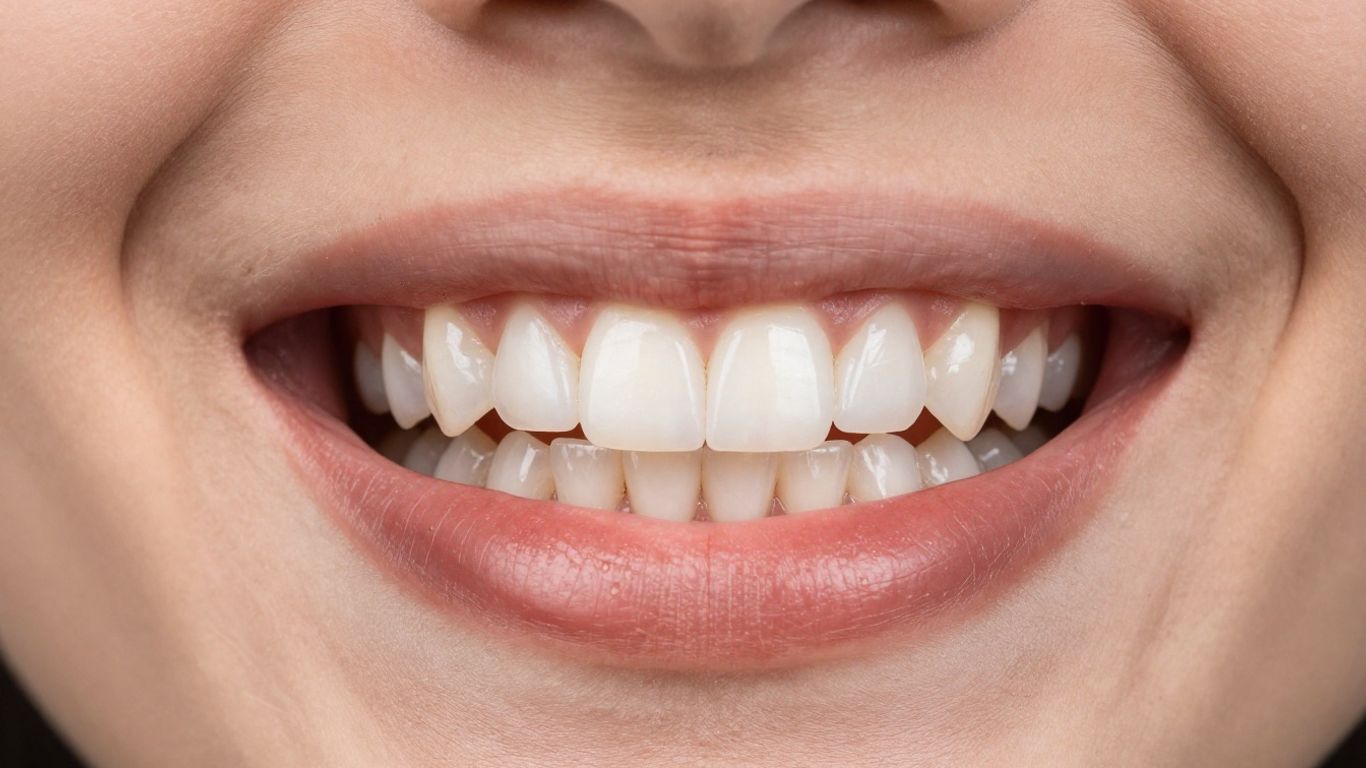
So, you're thinking about composite resin veneers, and naturally, you're wondering how long they'll actually stick around. It's a totally fair question, especially when you're investing in your smile. While they might not last as long as their porcelain cousins, composite veneers are still a pretty solid choice for many people.
Expected Lifespan of Composite Veneers
Generally speaking, composite resin veneers tend to last somewhere in the ballpark of 4 to 8 years. Now, that's a pretty wide range, right? It really boils down to how well you take care of them and a few other things we'll get into. Think of it like this: a well-maintained car will last longer than one that's just left out in the elements. The same idea applies to your veneers. While porcelain veneers might offer a longer lifespan, composite offers a more budget-friendly entry point into smile improvement.
Factors Affecting Veneer Durability
Several things can influence how long your composite veneers stay looking great:
- Oral Hygiene Habits: This is a big one. Brushing twice a day and flossing daily is non-negotiable. Keeping your teeth and gums clean helps prevent issues that could affect the bonding of your veneers.
- Dietary Choices: What you eat and drink plays a role. Things like coffee, red wine, and dark teas can potentially stain composite resin over time. Also, try to avoid biting directly into very hard foods, like ice or hard candies, as this can put unnecessary stress on the veneers.
- Grinding or Clenching: If you grind your teeth (bruxism) or clench your jaw, especially at night, this can wear down the composite material much faster. Your dentist might suggest a night guard to protect them.
- The Dentist's Skill: The way the veneers are applied makes a difference. A skilled dentist will ensure a strong bond and proper fit, which contributes to their longevity.
Taking care of your composite veneers isn't a huge chore, but it does require a little attention. It’s about being mindful of how you use your mouth and keeping up with basic hygiene. This consistent effort is what helps ensure your investment continues to pay off with a beautiful smile for years to come.
Maintaining Your Composite Resin Veneers
Keeping your composite veneers looking their best and lasting as long as possible is pretty straightforward. It's mostly about sticking to good habits:
- Brush and Floss Daily: Just like you would with your natural teeth, brushing twice a day and flossing once a day is key. This keeps things clean and prevents any issues from building up.
- Mindful Eating: Try to avoid biting down on really hard things. Also, don't use your teeth to open packages or bottles – that’s a sure way to chip them.
- Regular Dental Visits: Don't skip your check-ups! Seeing your dentist every six months or so is important. They can check on your veneers, make sure everything is fitting well, and catch any small problems before they become big ones. This regular attention is vital for maximizing the lifespan of your veneers.
While composite veneers might need replacing sooner than porcelain ones, with diligent care, you can certainly get many years of a great-looking smile out of them.
Aesthetic Advantages of Composite Resin Veneers
When you're thinking about improving your smile, the way your teeth look is probably at the top of your mind. Composite resin veneers are pretty great at making those aesthetic changes happen. They're like custom-made shells that go right over the front of your teeth, and they can fix a whole bunch of things that might be bothering you. It’s not just about making your teeth whiter; it’s about reshaping your whole smile to something you’ll love. This can really make a difference in how you feel about yourself.
Achieving a Natural Look and Feel
One of the best things about composite veneers is how natural they look. Dentists can match the color of the resin to your existing teeth really precisely. This means they blend in perfectly, and nobody will even know you've had anything done. They’re designed to mimic the way real tooth enamel looks and feels. Once they're bonded on, they feel secure and comfortable, letting you eat and talk normally. It’s all about creating a smile that looks like yours, just… better.
Customization for Your Unique Smile
Composite resin veneers are super customizable. Unlike some other options that are made in a lab, your dentist can often shape and adjust composite veneers right there in the office, sometimes even in a single visit. This means they can tweak the color, shape, and size on the spot to perfectly match your face and your desired look. It’s a really hands-on process that leads to a smile that’s uniquely yours. They can even be used to close small gaps or fix minor alignment issues, giving you that straight smile without braces.
Correcting Imperfections with Composite Resin
Composite resin is a real workhorse when it comes to fixing smile flaws. Got teeth that are stained and won't whiten up, no matter what you try? Veneers cover them right up. Maybe you have a chipped tooth from an accidental bump, or perhaps your teeth are just a bit uneven or worn down. Composite veneers can smooth out those rough edges, cover chips, and create a uniform look. They're a fantastic way to address discoloration, chips, cracks, and even minor spacing issues, giving you a brighter, more even smile. It’s a pretty straightforward way to get a big boost in confidence.
The goal with composite veneers is to create a smile that looks and feels completely natural, enhancing your features without looking artificial. It's a blend of art and science to get that perfect result.
Here’s a quick look at what composite veneers can fix:
- Stubborn stains that whitening can't touch
- Chips and minor cracks
- Slightly uneven or misshapen teeth
- Small gaps between teeth
- Minor alignment issues
It’s important to remember that while composite veneers are great for cosmetic improvements, they work best on teeth that are otherwise healthy. If you have bigger issues like decay or gum disease, those need to be sorted out first. Your dentist will help you figure out if composite veneers are the right choice for your specific needs.
Cost Considerations for Composite Resin Veneers
Thinking about getting composite resin veneers? Money is usually one of the first things people wonder about. While the aesthetic benefits are solid, you’ll want to know where your wallet stands before moving forward. Composite resin veneers are often chosen because they offer a noticeable smile makeover for a lower price compared to alternatives like porcelain.
Understanding the Investment
Composite veneers are usually less expensive than porcelain, but the price still varies based on a few details. Here’s a breakdown of typical costs:
For those in Newark, DE and similar areas, these numbers are a good benchmark to start with [resin veneer pricing in Newark]. When you compare composite to porcelain, you can see the immediate savings—especially if you need multiple teeth worked on.
Factors Influencing Veneer Pricing
What goes into the final bill at the dentist’s office? Several main points play a role:
- Number of teeth: More veneers, more cost.
- Dentist’s skill and reputation: A well-known cosmetic dentist may charge more.
- Location: Urban dental clinics usually cost more than small-town practices.
- Case complexity: If your teeth need extra prep or repairs, that can add up.
- Additional treatment: Sometimes you’ll need extra cleaning, whitening, or gum work.
Veneers are a personal investment that goes beyond simple vanity—they’re about comfort and confidence as much as they are about looks.
Insurance Coverage for Cosmetic Procedures
Insurance can be tricky here. Most health or dental insurance policies view veneers as elective, cosmetic procedures—not medically necessary. The usual result: you pay out-of-pocket. There can be a few exceptions, but for most people, insurance won’t cover composite veneers.
That being said, don’t immediately despair about affordability. There are ways to make veneers fit your budget, such as:
- Using a Health Savings Account (HSA) or Flexible Spending Account (FSA), which lets you pay with pre-tax dollars [veneer payment options].
- Looking into payment plans or third-party dental financing via your provider.
- Asking about discounts for multiple teeth or paying in full up front.
In the end, figuring out the cost of composite resin veneers is about weighing your priorities and finding an option that makes sense for your smile—and your bank account.
Choosing the Right Dentist for Your Veneers
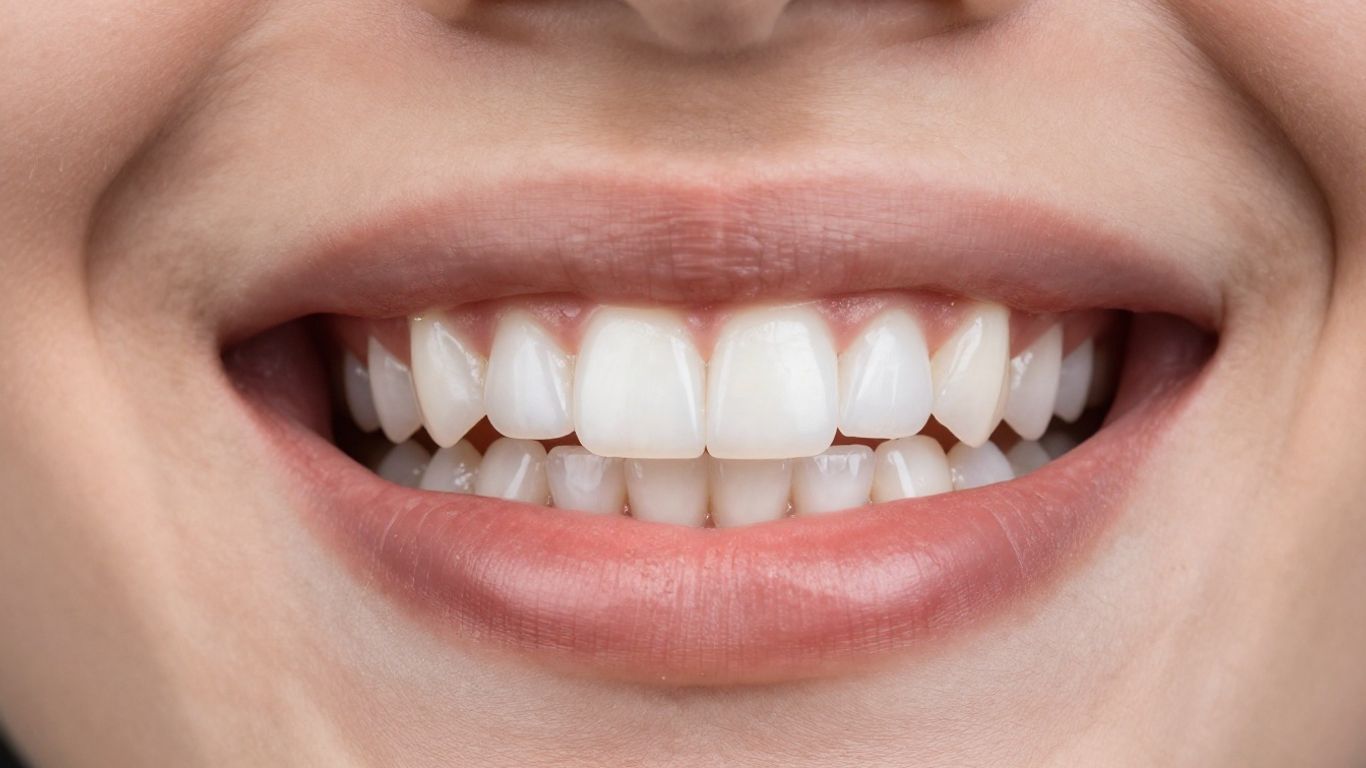
So, you've decided composite resin veneers are the way to go for your smile makeover. That's awesome! But before you get too far ahead of yourself, let's talk about the person who's going to make it happen: your dentist. Picking the right dentist isn't just about finding someone who can do the job; it's about finding someone who understands what you want and can execute it with skill and artistry. It’s a pretty big decision, and honestly, it can feel a little overwhelming with so many options out there.
Expertise in Cosmetic Dentistry
When you're looking for a dentist to handle your veneers, you really want someone who has a solid background in cosmetic dentistry. This isn't just about general dental care; it's a specialized area. You want a dentist who has specific training and a lot of experience with procedures like veneers. Think about it – they need to have a good eye for aesthetics, understand color matching, and know how to shape the veneers so they look totally natural. It's kind of like hiring an artist, not just a technician.
- Look for dentists who regularly perform veneer procedures. Check their website or ask their office staff about their experience. Some dentists even focus heavily on cosmetic work.
- Ask about their training. Have they taken advanced courses in cosmetic dentistry? This shows they're committed to staying up-to-date.
- Review before-and-after photos. This is probably the best way to see the kind of results they achieve. Do their veneers look natural? Do they match the patient's overall look?
Patient-Centered Care Approach
Beyond just the technical skills, you want a dentist who really listens to you. Your smile is unique, and what you want for it is personal. A good dentist will take the time to understand your goals, discuss your concerns, and explain all the options clearly. They should make you feel comfortable asking questions and involved in the decision-making process.
Finding a dental practice that focuses on you, listens to your concerns, and makes you feel comfortable is super important. It's about building trust and making sure you're happy with the entire experience, not just the final outcome.
- Initial Consultation: This is your chance to gauge their approach. Do they seem rushed? Do they explain things in a way you understand?
- Communication: Are they open about the procedure, potential risks, and what to expect afterward?
- Personalized Plans: A good dentist won't offer a one-size-fits-all solution. They'll tailor the treatment to your specific needs and desires.
Importance of a Skilled Dental Professional
Ultimately, the skill of your dentist directly impacts the final look and feel of your veneers. You're investing time and money into this, and you want to be sure it's done right. A dentist with a meticulous approach can make all the difference between a smile you love and one you're just okay with. Reading patient reviews can give you a good sense of a dentist's skill and professionalism [f0dd]. It’s worth doing your homework to find someone you trust completely for this kind of transformative work. Remember, these veneers are going to be a part of your smile for years to come, so choosing wisely is key.
Wrapping Up Your Smile Transformation
So, there you have it – a look at composite resin veneers. They really can be a fantastic way to fix up your smile, whether you're dealing with stains, chips, or just want a little something extra. Remember, the process involves a few steps, and it's a good idea to chat with your dentist to see if they're the right fit for you. While they're pretty tough, taking good care of them means brushing and flossing like usual, and maybe going a bit easier on those super hard snacks. It's a real investment in how you feel about yourself, and seeing that 'before and after' can be pretty amazing. Ultimately, choosing veneers is a personal decision, but knowing the benefits, the procedure, and what to expect can make that choice a whole lot easier.
Frequently Asked Questions
What exactly are composite resin veneers?
Think of composite resin veneers as thin, custom-made shells that dentists carefully attach to the front of your teeth. They're made from a tooth-colored material that looks a lot like your natural smile. They're great for fixing things like stains, chips, or teeth that aren't quite straight.
How long do composite resin veneers usually last?
Composite veneers are pretty tough and can last for about 5 to 7 years, sometimes even longer. To help them last, it's important to take good care of them by brushing and flossing daily, just like you would your regular teeth. Avoiding really hard or sticky foods can also help prevent damage.
Is the process of getting composite veneers painful?
Most people find that getting composite veneers doesn't hurt. Dentists usually don't need to remove much, if any, of your natural tooth enamel. They'll often use a local anesthetic to make sure you're comfortable during the procedure, but it's generally a very gentle process.
Can composite veneers be fixed if they get damaged?
Yes, they can! If a composite veneer chips or gets damaged, your dentist can often repair it. Sometimes they can fix it right there in the office without needing to replace the whole veneer. This makes them a bit easier to manage if something unexpected happens.
Do composite veneers stain easily?
Composite veneers can stain over time, especially if you drink a lot of coffee, tea, or red wine, or if you smoke. While they look great when first applied, they might not resist stains as well as porcelain veneers do. Keeping up with good oral hygiene and limiting stain-causing foods and drinks can help keep them looking their best.
Are composite veneers more affordable than porcelain veneers?
Generally, yes! Composite resin veneers are usually less expensive than porcelain veneers. This makes them a popular choice for people who want to improve their smile without a big upfront cost. The exact price can still vary depending on the dentist and where you live, though.


International Standards.
Brazilian Mastery.
Aesthetica Medical Travel Facilitators, LLC is an international care coordination company registered in Wyoming, United States. We provide services for the promotion and support of medical service providers, including physicians worldwide (“medical service providers”). These services are made available through Aesthetica’s website, and the same privacy terms also apply to the Aesthetica Advisor Program (the “application/platform”), created and operated by Aesthetica. Aesthetica is solely responsible for controlling and processing the information obtained via the platform or through other communications between users, businesses, hospitals, clinics, or third parties and members of the Aesthetica service team (the “Service Team”). Our services may include non-clinical care coordination for North American patients seeking elective procedures abroad, including provider matching, travel logistics, and administrative support throughout the care journey. Additional services or add-ons may be offered depending on the selected scope. Post-operative care is typically conducted in the destination country where the procedure is performed. Additional coordination or administrative support in the patient’s country of origin may be available separately, subject to scope and availability. Aesthetica may engage third-party service providers, partners, or affiliated entities to support its operations, including data processing and service delivery. Information may be shared with such parties solely as necessary to provide the services described. Our operations follow strict standards of transparency, privacy protection, and regulatory compliance. Testimonials reflect individual experiences and do not guarantee future results. By using Aesthetica’s services or platform, users acknowledge and agree to these terms and understand the limited, non-clinical role of Aesthetica in the care journey. For more information about our policies or compliance framework, please contact our support team.