
Discover Effective Methods: How to Regrow Hair Naturally and Scientifically
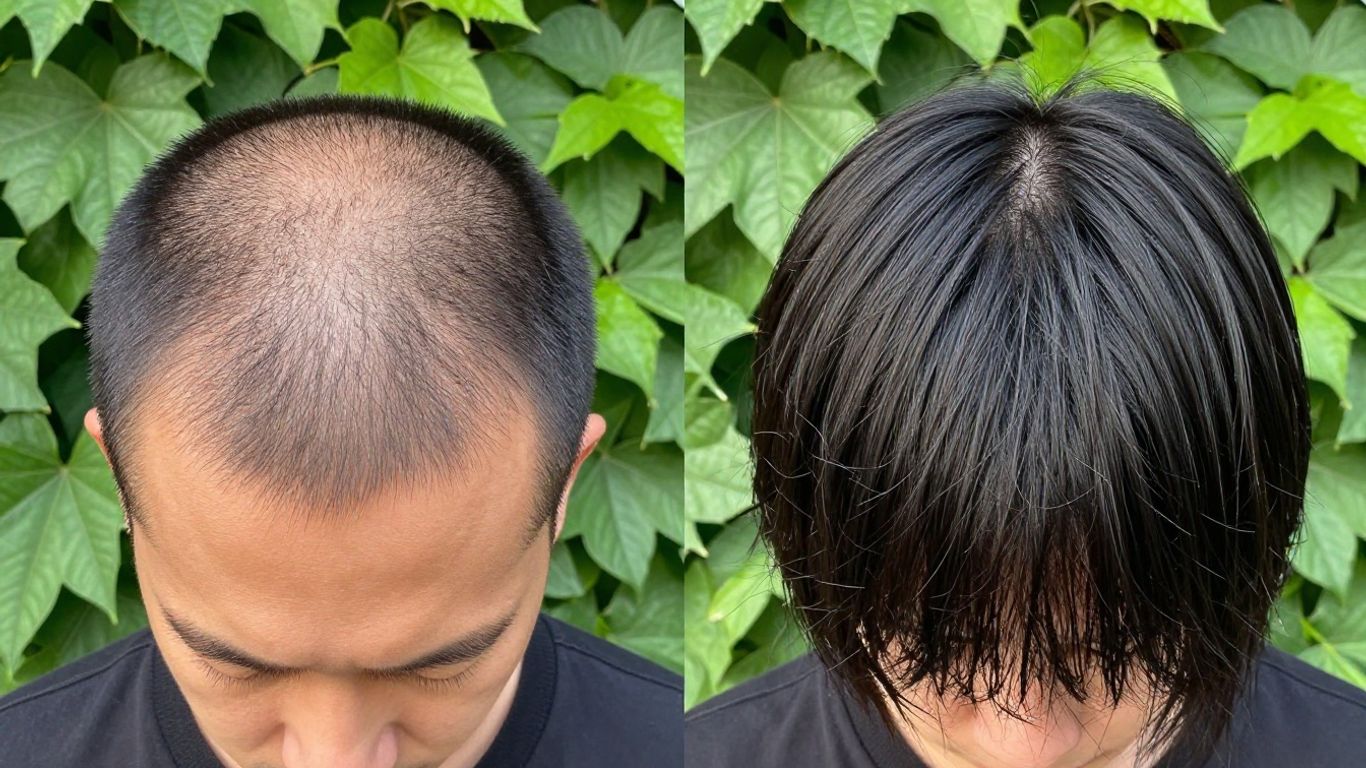
Here are the main things to remember about how to regrow hair. These points cover the different angles we've discussed, from natural remedies to scientific treatments and even surgical options.
Key Takeaways
- Natural methods like scalp massages and certain oils can help stimulate hair growth by improving circulation and nourishing follicles.
- Science-backed treatments such as Minoxidil and Finasteride are proven to slow hair loss and encourage regrowth, though they require consistent use.
- Advanced options like Platelet-Rich Plasma (PRP) therapy and Low-Level Laser Therapy (LLLT) offer innovative ways to stimulate dormant follicles.
- Surgical procedures, including FUT and FUE hair transplants, provide permanent solutions by moving healthy hair follicles to thinning areas.
- Lifestyle factors like diet, stress management, and proper hair care play a significant role in both preventing hair loss and supporting regrowth.
Understanding Natural Hair Regrowth Methods
When you're looking into ways to get your hair back, it's easy to get overwhelmed by all the options. But before we jump into the more technical stuff, let's talk about what nature and science already offer us. It turns out, a lot of what helps hair grow back is already around us, and sometimes, it's as simple as paying attention to our bodies and what we put into them.
Think of your scalp like soil for a plant. If the soil is healthy and has good circulation, plants grow better, right? The same idea applies to your hair. When blood flows well to your scalp, it brings all the good stuff – oxygen and nutrients – right to your hair follicles. This helps them do their job of growing healthy hair.
- Scalp Massages: This is probably the easiest thing you can do. Just use your fingertips (not nails!) to gently massage your scalp in small circles for a few minutes each day. It feels good, helps you relax, and can actually make a difference in hair thickness over time. Some studies suggest doing this for about 4 minutes daily for a few months can show results.
- Essential Oils: Certain oils, like rosemary oil, have shown promise in studies for stimulating new hair growth. You can mix a few drops with a carrier oil, like coconut oil, and massage it into your scalp. Just be sure to do a patch test first to make sure you don't have a reaction.
- Aloe Vera: This plant isn't just good for sunburns; it can also help soothe your scalp and potentially unblock hair follicles. You can apply pure aloe vera gel directly to your scalp a few times a week.
Good circulation means your hair follicles are getting the nourishment they need to produce strong, healthy hair. It's a foundational step for any natural regrowth effort.
Nature is full of amazing ingredients that have been used for centuries to care for hair. Many plants and their extracts contain compounds that can support hair follicle health. While the exact ways they work are still being studied, the results are often quite positive.
- Coconut Oil: This is a popular one for a reason. It can help make your scalp healthier and is great for conditioning your hair. You can use it as a pre-wash treatment or even leave it in overnight if your hair isn't too oily.
- Ginseng: Believe it or not, ginseng supplements might help by stimulating your hair follicles. The active parts of ginseng are thought to be responsible for this effect.
- Onion Juice: Okay, this one might sound a bit strange, and the smell isn't for everyone, but some research suggests onion juice can help with hair growth, especially for certain types of hair loss. It's thought to improve circulation to the scalp.
It's important to remember that while these natural remedies are generally safe, they might take a few months to show noticeable results. Consistency is key!
What you eat directly impacts your hair. Your hair follicles need a steady supply of vitamins and minerals to grow hair. If your diet is lacking, your hair might show it.
- Vitamins and Minerals: Key players include biotin, zinc, and vitamin C. Biotin is famous for hair health, zinc helps with tissue growth and repair, and vitamin C is an antioxidant that helps your body absorb iron.
- Proteins and Omega Fatty Acids: Hair is made of protein, so getting enough is vital. Omega fatty acids, found in things like fish oil, have also been linked to better hair density and less hair loss.
- Supplements: If you struggle to get enough nutrients from your diet, supplements can help. Products often contain a mix of ingredients like fish oil, silica, and vitamins. Always talk to your doctor before starting any new supplement regimen, and stick to the recommended dosage. You can find a variety of hair growth supplements that might fit your needs.
Making sure your body has the right building blocks is a simple yet powerful way to support natural hair regrowth.
Scientific Approaches to Hair Restoration
When natural methods aren't quite cutting it, or you're looking for more direct interventions, science offers some pretty solid options for tackling hair loss. These aren't just theories; they're treatments backed by research and often used by dermatologists and hair restoration specialists. It's about understanding how these methods work on a biological level to encourage regrowth or halt further loss.
Minoxidil and Finasteride: Proven Medications
These two are probably the most well-known medical treatments for hair loss, especially for androgenetic alopecia, or pattern baldness. Minoxidil, often recognized by brand names like Rogaine, is a topical solution that you apply directly to your scalp. It works by widening blood vessels, which is thought to increase blood flow to the hair follicles, potentially stimulating them to grow. It's available over-the-counter, which makes it pretty accessible. Finasteride, on the other hand, is a prescription oral medication. It works differently by blocking the hormone DHT (dihydrotestosterone), which is a key player in shrinking hair follicles in genetically susceptible individuals. It's generally prescribed for men, though sometimes used off-label for women post-menopause.
Here's a quick look at how they're typically used:
- Minoxidil: Applied topically (liquid or foam) once or twice daily. It can help slow hair loss and regrow hair for many users. Results usually start to appear after a few months of consistent use.
- Finasteride: Taken as a daily pill. It's very effective at reducing DHT levels, which can halt or even reverse hair loss in men. It requires a prescription and ongoing use to maintain benefits.
It's important to remember that both medications require consistent, long-term use to see and maintain results. Stopping treatment usually leads to the reversal of any regrowth achieved. Side effects can occur, so discussing these with a healthcare provider is a good idea.
While these medications are widely used and have proven effective for many, they aren't a magic bullet. Their success can vary greatly from person to person, and they often work best when combined with other approaches or used in the early stages of hair loss. It's always best to consult with a doctor to see if they're the right fit for your specific situation.
Platelet-Rich Plasma Therapy Explained
Platelet-Rich Plasma, or PRP therapy, is a bit more cutting-edge and uses your own body's healing power. The idea is pretty simple: your blood contains platelets, which are packed with growth factors. These growth factors are like signals that tell cells to repair and regenerate. For hair loss, the process involves drawing a small amount of your blood, spinning it in a centrifuge to concentrate the platelets, and then injecting this concentrated PRP into your scalp.
What happens during a PRP session:
- Blood Draw: A small amount of blood is taken from your arm, similar to a standard blood test.
- Centrifugation: The blood is placed in a centrifuge, which spins it at high speed to separate the plasma and platelets from other blood components.
- Injection: The concentrated PRP is then carefully injected into areas of the scalp experiencing thinning or hair loss.
This therapy is thought to stimulate dormant hair follicles and promote the growth of new hair. It's often recommended as a series of treatments, with follow-up sessions needed to maintain the results. Many people find it a good option because it uses their own biological material, reducing the risk of allergic reactions. You can find more details on PRP therapy and its applications.
Low-Level Laser Therapy for Hair Growth
Low-Level Laser Therapy, often called LLLT or cold laser therapy, is another non-invasive approach that uses specific wavelengths of light to encourage hair growth. You might see this in the form of laser combs, helmets, or caps that you use at home or in a clinic. The light energy is absorbed by the cells in the hair follicles, and it's believed to stimulate cellular activity, increase blood flow, and prolong the growth phase of the hair cycle. The science behind it suggests that this light energy can help energize the cells within the follicle, making them more active and promoting healthier, thicker hair.
Key aspects of LLLT:
- Mechanism: Uses low-level lasers or LEDs to stimulate hair follicles.
- Application: Devices range from handheld combs to full caps worn for a set duration.
- Frequency: Typically requires regular sessions, often several times a week, for several months to see results.
- Safety: Generally considered safe with minimal side effects when used as directed.
While it might sound a bit like science fiction, LLLT has gained traction as a legitimate treatment option for certain types of hair loss. It's often used for androgenetic alopecia and can be a good complementary therapy alongside other treatments.
Advanced Surgical Solutions for Hair Loss
When other methods haven't quite cut it, or if you're looking for a more permanent fix, surgical hair restoration might be the way to go. These procedures are designed to permanently move hair follicles from areas where you have plenty to the spots where you're experiencing thinning or baldness. It's a pretty significant step, but advancements have made these surgeries more effective and natural-looking than ever before.
Follicular Unit Transplantation (FUT) and Extraction (FUE)
These are the two main players when it comes to surgical hair transplants. They both involve taking healthy hair follicles from a donor area, usually the back or sides of your head, and transplanting them to the thinning or bald areas. The key difference is how they harvest those follicles.
- FUT (Follicular Unit Transplantation): This is often called the "strip method." A thin strip of scalp is removed from the donor area, and then skilled technicians carefully dissect it under microscopes to isolate individual follicular units (which contain one to four hairs). These units are then implanted into tiny incisions made in the recipient area. FUT can yield a large number of grafts in one session, which is great for more extensive hair loss. However, it does leave a linear scar in the donor area, though it's usually well-hidden by surrounding hair.
- FUE (Follicular Unit Extraction): With FUE, individual hair follicles are extracted directly from the donor area using a small, circular punch tool. This method is less invasive than FUT and doesn't leave a linear scar. Instead, it results in tiny, dot-like scars that are virtually unnoticeable, especially with shorter hairstyles. FUE is often preferred for its quicker recovery and minimal scarring, making it a popular choice for many.
Both FUT and FUE aim to create a natural-looking result by carefully placing the transplanted hairs at the correct angle and density. The choice between them often depends on the extent of hair loss, the patient's desired hairstyle, and the surgeon's recommendation.
Hair Transplantation for Women: Specialized Techniques
Hair loss in women often presents differently than in men, frequently appearing as diffuse thinning across the scalp rather than distinct bald patches. Because of this, hair transplant techniques for women are often tailored to address these specific patterns and maintain a more feminine aesthetic.
- Unshaven DHI (Direct Hair Implantation): This technique allows surgeons to extract follicular units without shaving the entire donor area. Existing hair can cover the treated spots, making the procedure more discreet. This is a big plus for women who want to maintain their appearance during recovery.
- Long Hair FUE: Similar to Unshaven DHI, this method involves shaving very small sections or thin strips within the donor area, which are then easily concealed by longer, surrounding hair. This preserves the natural look and minimizes the visual impact of the procedure.
These specialized approaches focus on restoring density and creating a natural hairline that complements a woman's facial features, all while prioritizing a less noticeable recovery. It's about achieving a fuller look without obvious signs of surgery.
Eyebrow Transplants for Enhanced Facial Aesthetics
Eyebrows play a huge role in framing the face and expressing emotion. For those experiencing thinning or loss of eyebrow hair due to over-plucking, aging, scarring, or medical conditions, an eyebrow transplant can be a game-changer. This procedure uses hair follicles, typically from the scalp, and transplants them to the brow area to create fuller, more defined eyebrows.
- Consultation and Design: The process begins with a detailed consultation where the surgeon discusses your goals and designs a natural-looking brow shape that complements your facial structure. This planning stage is vital for achieving the desired aesthetic.
- Donor Hair Harvesting: Hair follicles are usually harvested from the back of the scalp using the FUE method, as this hair texture is often similar to eyebrow hair. The surgeon carefully selects healthy follicles for transplantation.
- Implantation: The harvested follicles are then meticulously implanted into tiny incisions made in the eyebrow area. The surgeon pays close attention to the angle and direction of each graft to ensure the transplanted hairs grow naturally and blend seamlessly with existing brows.
Eyebrow transplants offer a permanent solution for sparse or lost brows, providing a natural appearance with minimal maintenance afterward. It's a way to significantly enhance facial aesthetics and boost confidence. You can find more information on eyebrow transplant procedures and what to expect.
Innovative Non-Surgical Hair Enhancement
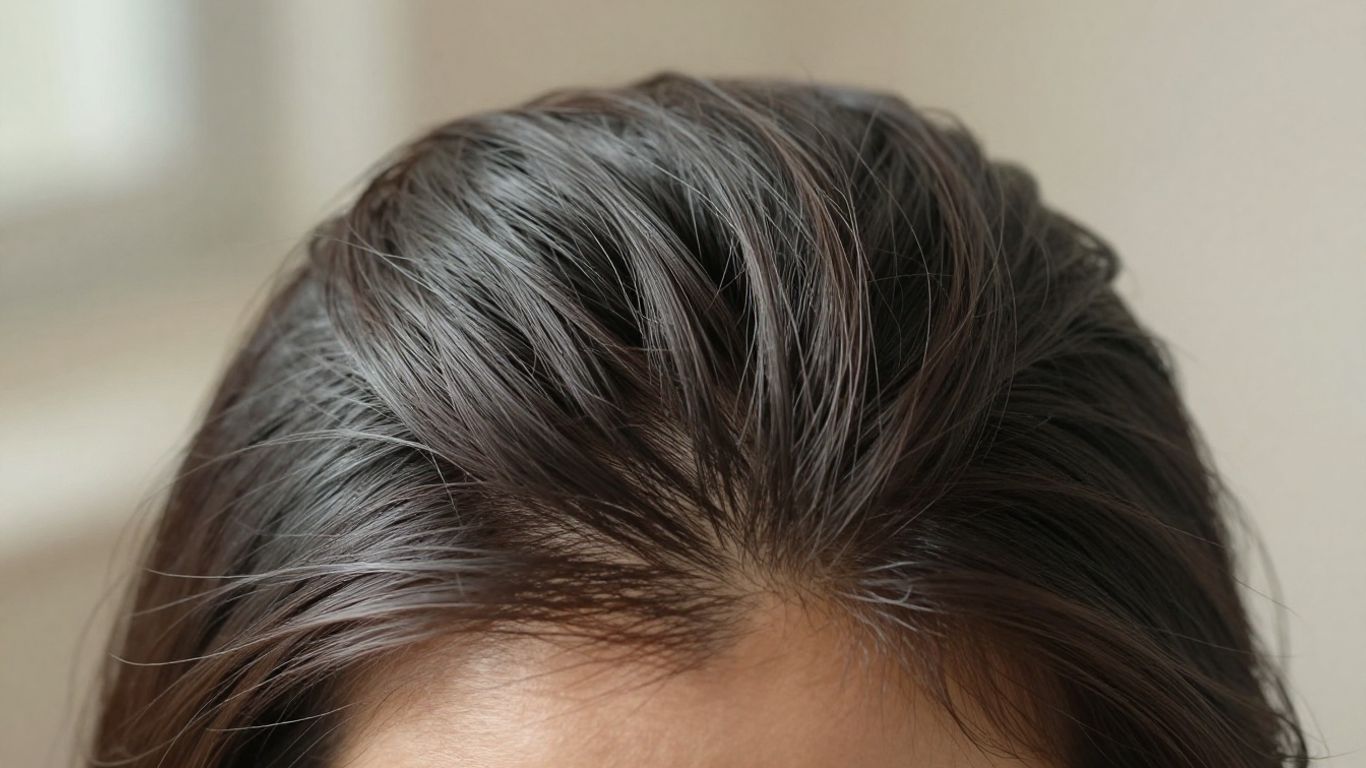
Sometimes, surgery isn't the route you want to take for hair restoration. Luckily, there are some pretty neat non-surgical options out there that can make a real difference in how your hair looks and feels. These methods are often less invasive and can give you great results without the downtime associated with surgical procedures.
Scalp Micropigmentation for Density and Scar Concealment
Scalp Micropigmentation, or SMP, is a really interesting technique that's gained a lot of popularity. Think of it like a very detailed tattoo, but instead of a picture, it's tiny dots of pigment placed on your scalp. These dots mimic the look of hair follicles, creating the appearance of a fuller head of hair or a closely shaved head. It's a fantastic option if you're dealing with thinning hair, receding hairlines, or even bald spots from conditions like alopecia. SMP is also surprisingly effective at camouflaging scars on the scalp, whether they're from previous surgeries like hair transplants or from injuries. The pigment is carefully matched to your skin tone and hair color, making the results look incredibly natural. It's not just about filling in gaps; it's about creating a seamless look that blends with your existing hair.
Here's a quick breakdown of what SMP can do:
- Boosts Density: Makes thinning hair appear much thicker by reducing the contrast between your hair and scalp.
- Conceals Scars: Blends scar tissue into the surrounding scalp, making it far less noticeable.
- Creates a "Shaved Head" Look: Perfect for those who prefer a buzz cut but are experiencing significant hair loss.
- Restores Hairlines: Can recreate a natural-looking hairline, even if it has receded significantly.
The artistry involved in SMP is key. A skilled practitioner understands how hair grows and how to replicate that natural look on the scalp. It's about more than just applying ink; it's about creating an illusion of density and fullness that looks completely authentic.
Understanding the Endotine Brow Lift Procedure
While not directly about scalp hair, the Endotine brow lift is an innovative procedure that can significantly impact facial aesthetics, which often goes hand-in-hand with hair concerns. This minimally invasive technique uses a special device to lift and reposition the brow and forehead tissues. It's designed to smooth out forehead lines and lift drooping brows, giving you a more refreshed and youthful appearance without that "pulled" look some older procedures could cause. The Endotine implant itself is made of a material that's safely absorbed by the body over time, leaving behind a natural-looking lift. It's a great option for those looking for noticeable rejuvenation with minimal scarring and a quicker recovery than traditional brow lifts. It really helps to open up the eyes and create a more balanced facial appearance.
Restoring Hairlines with Precision
For many, a receding hairline is a primary concern. While surgical transplants are an option, non-surgical methods are also making strides. Techniques like SMP can redefine a hairline, creating the appearance of density and a natural edge. The skill of the practitioner is paramount here, as they need to understand the subtle curves and variations of a natural hairline. They meticulously place pigment dots to mimic the look of tiny hair follicles, ensuring the result is indistinguishable from real hair. This precision can dramatically change your appearance, giving you back a more youthful and confident look without any surgery. It's a testament to how far cosmetic science has come in offering effective, less invasive solutions for hair loss concerns.
Lifestyle and Preventative Hair Care
Taking care of your hair isn't just about fancy treatments or products; it's also about what you do every day. Your lifestyle plays a pretty big role in how healthy your hair stays. Think of it like tending a garden – you need the right soil, water, and sunlight for things to grow well.
Dietary Impact on Hair Health
What you eat directly affects your hair. Hair follicles need a steady supply of nutrients to do their job. Protein is a big one, obviously, since hair is mostly made of it. But you also need vitamins and minerals. Iron is important for carrying oxygen to your follicles, and zinc helps with hair tissue growth and repair. If you're not getting enough of these, your hair might start to thin or grow slower. It's not just about avoiding junk food; it's about actively including foods that are good for you. Think lean meats, fish, eggs, beans, and plenty of fruits and vegetables. A balanced diet is really the foundation for healthy hair [1a31].
Here’s a quick look at some key nutrients and where to find them:
- Protein: Chicken, fish, beans, lentils, tofu, eggs.
- Iron: Red meat, spinach, fortified cereals, oysters.
- Zinc: Oysters, beef, pumpkin seeds, lentils.
- Vitamins A, C, D, E: Found in a wide variety of fruits, vegetables, nuts, and seeds.
- Biotin (B7): Eggs, nuts, sweet potatoes, salmon.
Restrictive diets can sometimes do more harm than good when it comes to hair health. If you're cutting out entire food groups, you might be missing out on vital nutrients that your hair needs to thrive. It's always better to aim for a varied and balanced intake.
Stress Management for Hair Retention
It sounds a bit cliché, but stress really can impact your hair. When you're under a lot of pressure, your body can go into 'fight or flight' mode, and this can sometimes push more hair follicles into the resting phase, leading to increased shedding a few months later. This is often called telogen effluvium. Finding ways to manage stress is therefore pretty important for keeping your hair on your head. It doesn't mean you have to become a meditation guru overnight, but incorporating some stress-reducing activities into your routine can make a difference. Things like regular exercise, spending time in nature, practicing mindfulness, or even just making time for hobbies you enjoy can help.
Some simple ways to de-stress:
- Deep Breathing Exercises: Just a few minutes can calm your nervous system.
- Light Physical Activity: A brisk walk or some gentle yoga can work wonders.
- Mindfulness or Meditation: Even 5-10 minutes a day can help.
- Engage in Hobbies: Doing something you love can take your mind off worries.
- Adequate Sleep: Aim for 7-9 hours of quality sleep per night.
Post-Procedure Care for Optimal Healing
If you've undergone any kind of hair restoration procedure, whether it's a transplant, scalp micropigmentation, or even just a deep conditioning treatment, the aftercare is super important. This is when your scalp is most vulnerable, and following the instructions given by your doctor or technician is key to getting the best results and avoiding complications. It’s not just about the procedure itself; it’s about giving your scalp the best environment to heal and for new growth to take hold. Proper care can mean the difference between a successful outcome and one that's less than ideal [8867].
Key aspects of post-procedure care often include:
- Gentle Cleansing: Using specific shampoos and avoiding harsh scrubbing.
- Avoiding Sun Exposure: Protecting the treated area from direct sunlight.
- Limiting Strenuous Activity: Giving your scalp time to recover without excessive sweating or pressure.
- Following Medication Regimens: Taking any prescribed antibiotics or anti-inflammatories as directed.
- Avoiding Touching or Scratching: This is vital to prevent dislodging grafts or causing irritation.
Conclusion
Regrowing hair can feel like a complex journey, but by understanding both natural and scientific approaches, you can find a path that works for you. Whether you're looking for simple lifestyle changes, medical treatments, or advanced surgical options, there are many ways to address hair loss. Remember to consult with a healthcare professional to determine the best strategy for your specific situation and to ensure the methods you choose are safe and effective for your needs. With the right approach and patience, you can work towards healthier, fuller hair.
Frequently Asked Questions
Can I really regrow hair naturally?
Yes, you can! Things like massaging your scalp, using natural oils such as coconut oil, and eating a balanced diet can help your hair grow back. It might take time, but these methods can make a difference by improving blood flow to your scalp and giving your hair follicles the nutrients they need.
How long does it take to see results from hair regrowth treatments?
That really depends on what you're doing. For natural methods, you might start noticing changes in a few months. Medical treatments like Minoxidil often show results after 3-6 months, and hair transplants can take up to a year to see the full effect. Patience is key!
Are medications like Minoxidil and Finasteride safe?
For most people, these medications are considered safe and effective when used as directed by a doctor. However, like any medicine, they can have side effects. It's super important to talk to your doctor about your health history before starting them so they can help you weigh the pros and cons.
What's the difference between FUT and FUE hair transplants?
Think of FUT as taking a small strip of skin with hair from the back of your head and then dividing it into grafts. FUE is a bit different; it involves taking individual hair follicles one by one directly from the scalp. FUE usually leaves less scarring and has a quicker recovery, but FUT can sometimes take more grafts.
Can stress really cause hair loss?
Absolutely. When you're under a lot of stress, your body can go into a sort of 'shock' mode, which can cause more hair to fall out than usual. This is often temporary, and managing your stress through things like exercise, meditation, or hobbies can help your hair return to its normal growth cycle.
Is scalp micropigmentation (SMP) a way to regrow hair?
SMP isn't exactly hair regrowth, but it's a really clever way to make your hair look fuller. It's like a cosmetic tattoo where tiny dots are placed on your scalp to mimic the look of hair follicles. This can create the appearance of a shaved head or add density to thinning areas, making your existing hair seem thicker.


American Standards.
Brazilian Mastery.
Aesthetica Medical Travel Facilitators, LLC is an international care coordination company registered in Wyoming, United States. We provide services for the promotion and support of medical service providers, including physicians worldwide (“medical service providers”). These services are made available through Aesthetica’s website, and the same privacy terms also apply to the Aesthetica Advisor Program (the “application/platform”), created and operated by Aesthetica. Aesthetica is solely responsible for controlling and processing the information obtained via the platform or through other communications between users, businesses, hospitals, clinics, or third parties and members of the Aesthetica service team (the “Service Team”). Our services may include non-clinical care coordination for North American patients seeking elective procedures abroad, including provider matching, travel logistics, and administrative support throughout the care journey. Additional services or add-ons may be offered depending on the selected scope. Post-operative care is typically conducted in the destination country where the procedure is performed. Additional coordination or administrative support in the patient’s country of origin may be available separately, subject to scope and availability. Aesthetica may engage third-party service providers, partners, or affiliated entities to support its operations, including data processing and service delivery. Information may be shared with such parties solely as necessary to provide the services described. Our operations follow strict standards of transparency, privacy protection, and regulatory compliance. Testimonials reflect individual experiences and do not guarantee future results. By using Aesthetica’s services or platform, users acknowledge and agree to these terms and understand the limited, non-clinical role of Aesthetica in the care journey. For more information about our policies or compliance framework, please contact our support team.