
Temporary Veneers: Your Guide to What to Expect Before the Final Smile
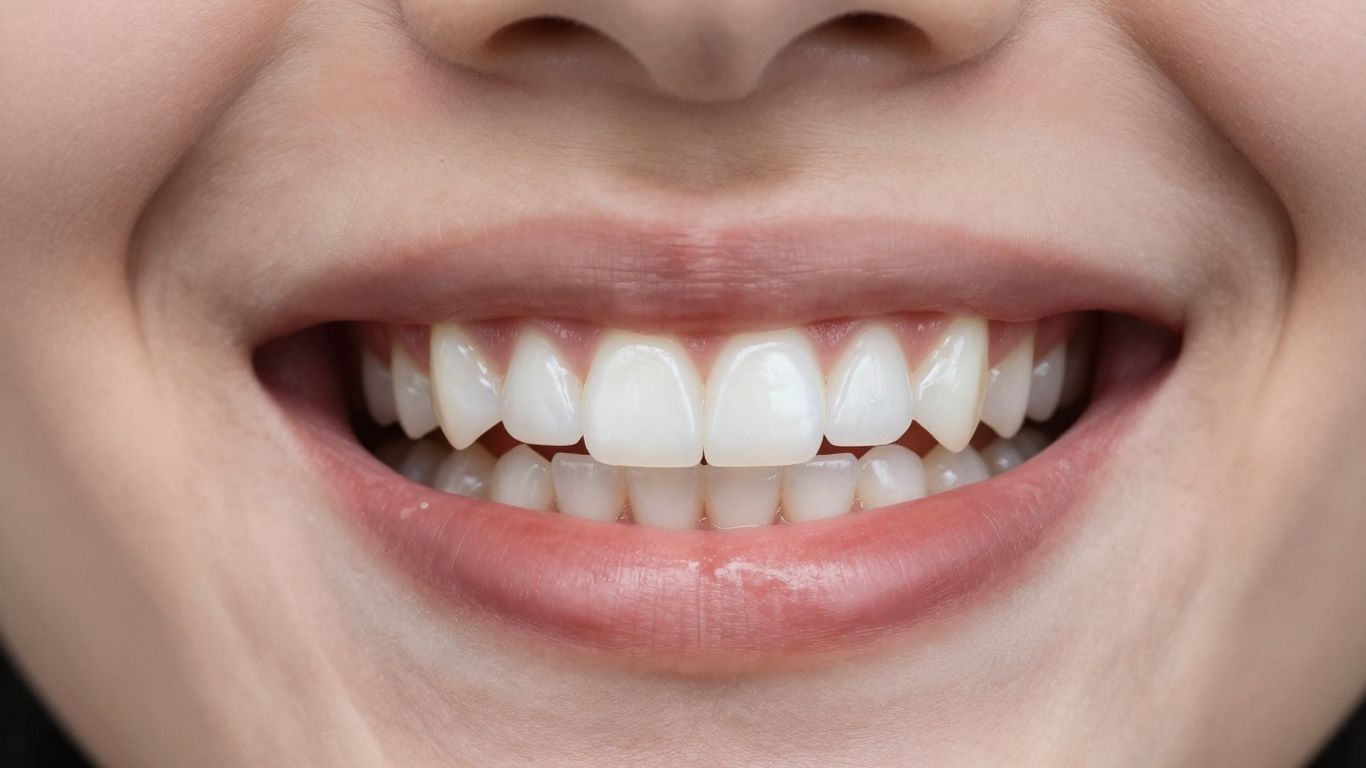
Thinking about getting veneers but not sure what to expect before the final ones are ready? You're in the right place. Temporary veneers, sometimes called provisionals, are like a dress rehearsal for your new smile. They give you a chance to see how things will look and feel before committing to the permanent ones. It’s a smart step that helps make sure you’ll love the final result. Let’s break down what temporary veneers are all about.
Key Takeaways
- Temporary veneers are short-term coverings placed on teeth after preparation, acting as a protective shield and a preview of the final smile design.
- They serve crucial roles like reducing sensitivity, maintaining tooth position, and allowing for aesthetic and functional adjustments before permanent veneers are made.
- The process involves a consultation, tooth preparation, impressions (for lab-made), and fitting with temporary cement, ensuring a comfortable and functional interim solution.
- Temporary veneers can be made chairside for immediate needs or lab-made for better fit and aesthetics, with removable options also available for specific situations.
- While living with temporary veneers, it’s important to modify your diet, practice gentle oral hygiene, and communicate any feedback to your dentist for the best outcome with your final veneers.
Understanding Temporary Veneers
So, you're thinking about getting veneers, but you've heard about these 'temporary' ones? It's a bit like a dress rehearsal for your smile. Temporary veneers are basically short-term coverings that go over your teeth. They're not meant to be a permanent fix, but they play a pretty important role in the whole process.
What Are Temporary Veneers?
Think of temporary veneers as a placeholder. They're usually made from materials like acrylic or composite resin, which are less durable than the porcelain or ceramic used for permanent veneers. They're custom-made, either right there in the dental office or by a dental lab, based on impressions of your teeth. Their main job is to protect your teeth after they've been prepared for the final veneers and to give you a preview of what your new smile will look like and feel like. They act as a protective shield for your teeth, guarding them against irritants like cold air and hot drinks. This protection helps to reduce discomfort and maintain the health of your exposed teeth.
When Are Temporary Veneers the Best Choice?
Temporary veneers are often used in a few key situations. The most common is when you're getting permanent veneers, and there's a waiting period for the lab to create them. This can be anywhere from a few days to a couple of weeks. They're also a great option if you want to 'test drive' a new look before committing to permanent changes, especially if you're considering altering the shape, length, or color of your teeth. Sometimes, they're used after orthodontic treatment or for specific events where you want a quick cosmetic boost. They allow you to see how your new smile looks and feels in everyday situations [c1a4].
The Purpose of Temporary Veneers
These temporary coverings serve a few main purposes. First, protection. After your dentist prepares your teeth for permanent veneers, the underlying tooth structure can be sensitive. Temporaries shield this sensitive enamel from temperature changes and physical irritation. Second, they act as a preview. You get to see and feel how the new shape, size, and alignment will affect your appearance, speech, and bite. This feedback is super valuable for making sure the final veneers are exactly what you want. They also help maintain the space between your teeth and keep your bite stable while the permanent ones are being made.
Temporary veneers are not just about looks; they're a functional step in the process. They bridge the gap between tooth preparation and the final restoration, ensuring comfort and allowing for crucial adjustments before the permanent bond.
The Temporary Veneers Process
So, you're getting ready for that new smile, and temporary veneers are part of the plan. It sounds a bit involved, but really, it's a pretty straightforward journey designed to get you to your final look smoothly. Think of it as a few key steps that make sure everything is just right.
Consultation and Planning
This is where it all begins. Your dentist will sit down with you to really get a handle on what you're hoping to achieve. Are we aiming for a cosmetic boost, or is this about protecting your teeth after some work has been done? They'll check out your bite, make sure your gums are healthy, and look for any little issues that might affect how long the temporaries last. Photos and a quick shade check are usually part of this, helping to set expectations for what's to come. It’s all about making sure you and your dentist are on the same page.
Tooth Preparation and Impression
Next up is getting your teeth ready. This might be super minimal, or it could involve a bit more if your teeth are being reshaped for the final veneers. If that's the case, the temporary veneers step in to cover up any exposed enamel and stop that yucky sensitivity. For some types of temporary veneers, your dentist will take impressions or digital scans. These are like detailed maps for the lab that will create your custom temporaries. If you're getting chairside temporaries, they're often made right there in the office on the same day.
Fitting and Temporary Cementation
This is the part where you actually get to see and feel your temporary smile. The fitting process is pretty precise. Your dentist will carefully trim and polish the temporary veneers, making sure they fit perfectly. They'll also check your bite to make sure nothing feels too high or awkward, which could lead to discomfort or even chipping. The edges should sit nicely along your gumline, and you should be able to floss without them snagging. Once everything looks and feels good, they're gently cemented in place with a special temporary adhesive. This means they'll stay put for now, but can be easily removed later when it's time for your permanent veneers. It’s a bit like a dress rehearsal for your smile, giving you a chance to get used to the look and feel before the main event. This process is key to visualizing the final outcome.
It's important to remember that temporary veneers are just that – temporary. They're not built for the same heavy-duty wear as your final restorations. So, while you'll be able to eat, talk, and smile, you'll need to be a little mindful of what you're biting into and how you're chewing.
Types of Temporary Veneers Available
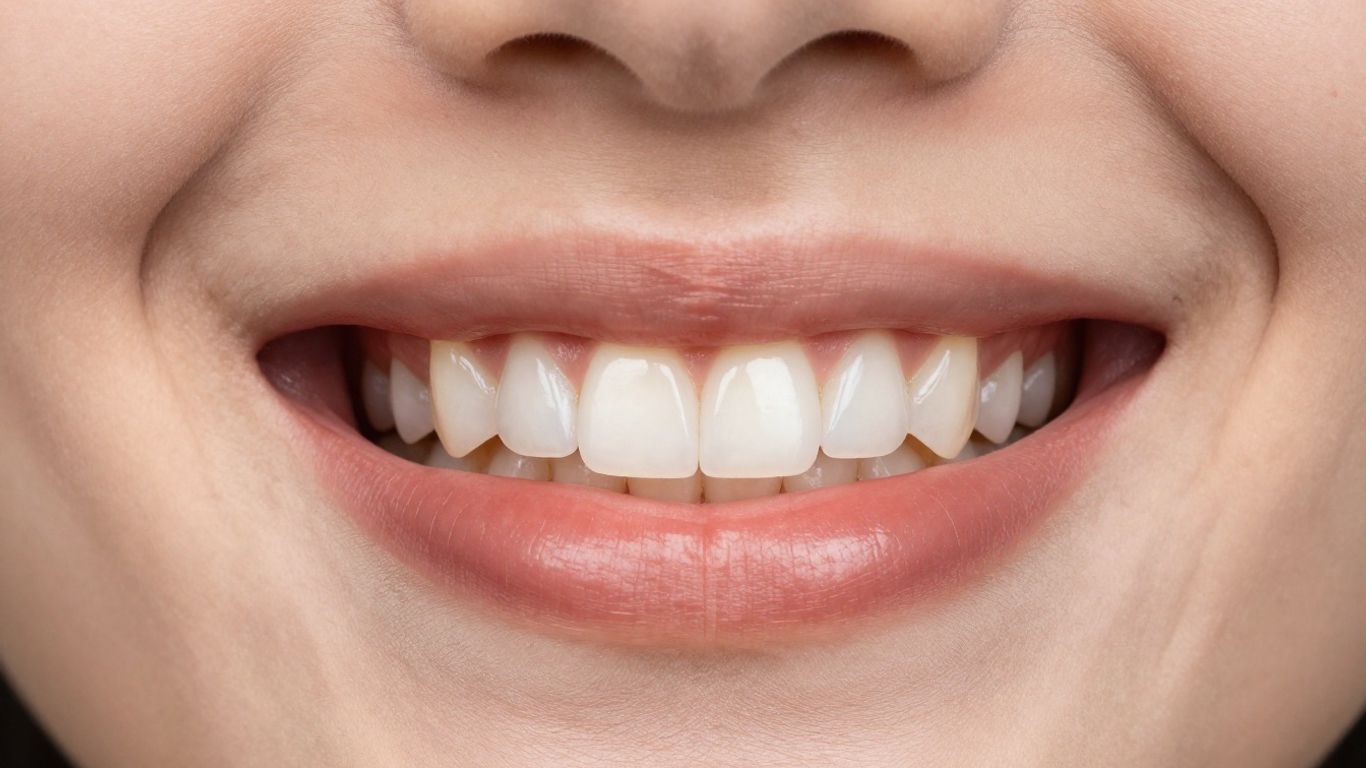
So, you're getting temporary veneers, but did you know there isn't just one kind? It's kind of like choosing between a quick fix and something a bit more polished while you wait. Dentists have a few options up their sleeves, and the best one for you really depends on how long you'll need them and what you'll be doing.
Chairside Temporary Veneers
These are the ones your dentist whips up right there in the office, often on the same day you have your teeth prepped. They usually use a special putty-like material, like bis-acryl or composite resin, that they shape and mold to fit your teeth. It's a pretty fast process, which is great if you need something quickly. They're perfect for immediate coverage after tooth preparation, helping to keep things comfortable and reduce sensitivity.
- Speed: Made on the spot, usually same-day.
- Convenience: No need for a separate lab appointment.
- Functionality: Good for short-term protection and a preview of your smile.
Lab-Made Temporary Veneers
For these, your dentist takes an impression or a digital scan of your teeth, and then sends it off to a dental lab. The lab technicians create the temporary veneers there. Because they're made with more precision, they tend to fit better and can look more natural. They're also generally stronger and hold up better if you need to wear them for a longer stretch while your permanent veneers are being made. This option might mean an extra visit or a short wait, but it's often worth it for a more refined look and feel.
These are often chosen when aesthetics and durability are a bigger concern during the waiting period. They offer a more refined fit and appearance compared to chairside options.
Removable Temporary Veneers
Think of these as the "snap-on" kind. You can take them out yourself, which is handy for cleaning or if you only need them for a specific event, like a wedding or a big presentation. They're great for a quick cosmetic boost without any permanent changes to your teeth. However, they aren't really designed for heavy chewing, and you might feel a little funny talking at first until you get used to them. They're a flexible choice for short-term cosmetic needs, offering a way to achieve your perfect smile for a special occasion.
- Flexibility: Can be removed for cleaning or specific events.
- Non-invasive: No tooth preparation is usually required.
- Aesthetics: Provides a temporary cosmetic improvement.
Living With Your Temporary Veneers
So, you've got your temporary veneers on. They look pretty good, right? It's exciting to see a glimpse of your future smile. But these temporary guys are, well, temporary. They're not quite as tough as the final ones, so you'll need to be a little more careful with them. Think of them as a placeholder, a trial run, if you will.
What to Expect Immediately After Fitting
For the first day or two, you might feel a little weird. Your teeth might be a bit sensitive, especially to hot or cold things. It’s also common to feel a slight pressure or notice your bite feels a bit different. This usually settles down pretty quickly. Don't panic if things feel a little off at first; it's normal. Your dentist will have made sure they fit well, but your mouth just needs a moment to get used to them.
Dietary Modifications and Eating Habits
This is a big one. You can eat with temporary veneers, but you really need to watch what you're eating. Forget about biting into a big, crunchy apple or tackling a chewy steak. Foods that are super hard, sticky, or require a lot of tearing can easily chip or even pop off your temporaries. It’s best to cut your food into smaller pieces and chew gently, preferably on the back teeth.
Here’s a quick rundown of what to steer clear of:
- Hard Foods: Ice, nuts, hard candies, crusty bread ends, raw carrots.
- Sticky Foods: Caramels, taffy, gummy candies, chewing gum.
- Foods Requiring Tearing: Jerky, bagels, corn on the cob.
It's also a good idea to be mindful of temperature extremes for the first 48 hours. Stick to lukewarm foods during this initial period. After that, you can gradually reintroduce warmer and cooler items, but still, be cautious avoiding extreme temperatures.
Remember, these temporaries are more fragile than your permanent veneers will be. Treating them gently now means fewer surprises and a smoother path to your final smile. It’s about protecting them until the real deal is ready.
Daily Care and Maintenance
Taking care of your temporary veneers is pretty straightforward, but it’s important. You’ll want to brush them gently, just like your natural teeth, using a soft toothbrush and a non-abrasive toothpaste. When you floss, be extra careful. Instead of snapping the floss up between your teeth, gently slide it out to the side. This helps prevent lifting the edges of the temporary veneers.
- Brush twice a day with light pressure.
- Floss daily, sliding the floss out sideways.
- Rinse your mouth after consuming staining foods or drinks like coffee, tea, or red wine to help prevent discoloration.
If you notice any sharp edges, or if a veneer feels loose or uncomfortable, don't try to fix it yourself. Give your dentist a call right away. They can usually make a quick adjustment to fix any issues and prevent further problems. It’s better to get it checked out sooner rather than later, especially if you're worried about damage to your temporary veneers.
Benefits and Limitations of Temporary Veneers
So, you're getting temporary veneers. They're like a placeholder for your future smile, and while they're super helpful, it's good to know what you're getting into. They're not the final product, and that comes with its own set of pros and cons.
Key Benefits of Temporary Veneers
Temporary veneers really shine when it comes to practical advantages during the waiting period for your permanent ones. They're not just for looks; they serve some important functions.
- Protection: After your dentist prepares your teeth, the underlying structure can be sensitive. Temporary veneers act as a shield, protecting them from temperature changes and irritation. This is especially important for reducing sensitivity to hot and cold. They also help keep your prepared enamel safe from plaque and bacteria, which is a big plus for oral health while you wait [1dee].
- Aesthetic Preview: This is a big one for many people. Temporaries let you see how your smile will look and feel before the permanent veneers are even made. You can get a feel for the shape, size, and overall appearance in real-life situations, not just in the dental chair. It’s a chance to test drive your new look.
- Functionality Check: You can usually eat and speak pretty normally with temporary veneers. This means you don't have to hide your smile or change your daily routine drastically. It’s a functional trial run, letting you get used to how your teeth feel and interact.
- Communication Tool: This is where the preview really helps. If something feels off – maybe a tooth feels too long, or the shape isn't quite right – you can tell your dentist. This feedback is invaluable for making minor adjustments to the final veneer design, so you're happier with the end result [882a].
Understanding the Limitations
Now, let's talk about where temporary veneers fall short. Because they're made from softer materials like acrylic, they just aren't as robust as permanent porcelain or ceramic veneers.
- Durability: They are significantly weaker. You'll need to be careful about what you eat. Think crunchy foods like apples or carrots, sticky candies, and even ice. These can chip, crack, or even pull the temporaries off. Chewing gum is usually a no-go.
- Staining: The materials used for temporaries are more porous and prone to staining than permanent veneers. So, things like coffee, tea, red wine, or dark sauces might discolor them over time. It’s best to limit these or be extra diligent with cleaning.
- Wear Time: They are strictly for short-term use. Your dentist will give you a specific timeframe, and it's important to stick to it. Wearing them for too long can lead to issues like gum irritation or the veneers becoming loose.
Temporary veneers are a fantastic bridge to your final smile, offering protection and a preview. However, their fragility means you need to be mindful of your diet and habits. They are not designed for the rigors of everyday chewing or long-term wear, so treating them with care is key to a smooth transition.
Potential Risks to Consider
While generally safe, there are a few things that could go wrong with temporary veneers.
- Debonding: They can sometimes come loose or fall off, especially if you bite into something hard or sticky. If this happens, it’s important to contact your dentist right away to have them re-cemented.
- Bite Issues: If a temporary veneer is fitted slightly too high, it can cause discomfort when you bite down. This can sometimes lead to jaw pain or even chipping of the temporary itself. A quick adjustment by your dentist usually solves this.
- Gum Irritation: If the edges of the temporary veneer aren't perfectly smooth or if there's a slight overhang, it can irritate your gums. Good oral hygiene and prompt attention from your dentist can prevent this.
Next Steps After Temporary Veneers
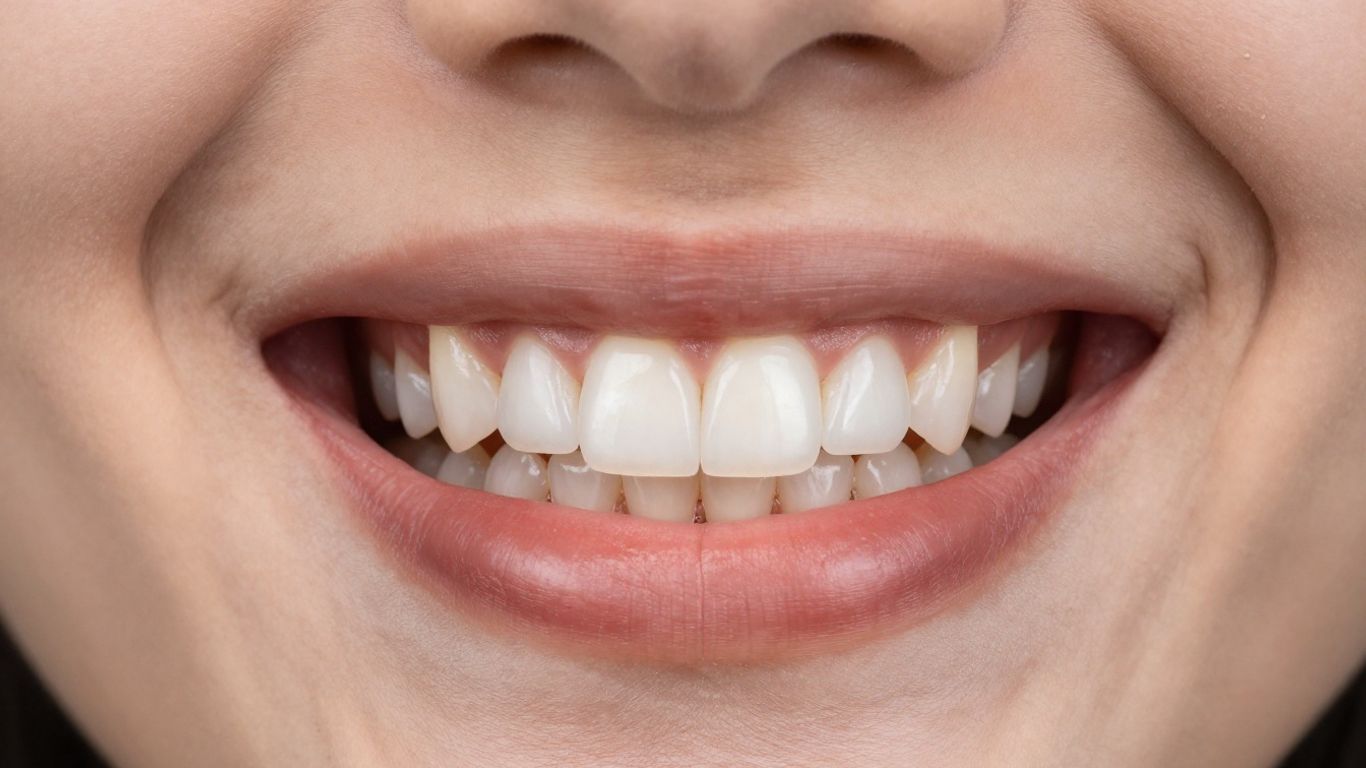
So, you've had your temporary veneers on for a bit, and now it's time to think about the final smile. This phase is all about making sure the permanent ones will be exactly what you want. It’s a bit like a dress rehearsal for your teeth!
Evaluating Your Temporary Smile
Take a good, long look in the mirror. How do the temporaries feel? How do they look? This is your chance to really get a feel for the shape, size, and color. Think about how they affect your speech – sometimes a slight change can make a big difference in how you talk. Also, pay attention to your bite. Do your teeth feel aligned when you close your mouth? Any discomfort or weird pressure points are important things to note. This is the time to be picky, because it’s much easier to make adjustments now than with the final veneers.
Communicating Feedback for Final Veneers
This is where you and your dentist really team up. Bring all your observations from the evaluation phase to your next appointment. Don't hold back! Your dentist needs to know what you like and what you don't.
- Shade and Shape: Discuss if the color is just right or if you'd prefer it a little lighter or darker. Talk about the shape – are they too square, too round, too long?
- Bite and Comfort: Report any issues with how your teeth meet or any soreness. This feedback is vital for preventing problems with the permanent veneers.
- Overall Aesthetics: Bring photos of smiles you admire, or even photos of yourself from when you felt your smile looked its best. This gives your dentist a visual reference.
Your dentist will use this feedback to guide the lab technician in crafting your final veneers. It’s a collaborative process to get your smile just right.
Remember, temporary veneers are designed to be functional and give you a preview. They might not be perfect, and that's okay. Their main job is to help you decide what you do want before the permanent ones are made. Don't hesitate to voice any concerns, no matter how small they seem.
Considering Alternatives and Costs
Sometimes, after living with temporaries, you might realize that permanent veneers aren't the only or best solution for you. It's worth having a chat with your dentist about other options that might fit your needs and budget better.
- Composite Bonding: For smaller issues like chips or minor gaps, bonding might be a quicker and less expensive fix. It's often done in a single visit.
- Professional Whitening: If your main concern is just discoloration, a good whitening treatment could be enough. Sometimes, this is all you need to brighten up your smile.
- Clear Aligners: If the issue is more about tooth alignment or spacing, clear aligners could be a better long-term solution, though they take more time. You can find more information about aligner treatments.
It's also a good time to get a clear breakdown of the costs for the final veneers, including any lab fees and the dentist's time. Make sure you understand what's covered and what isn't. If you're considering permanent veneers, discussing the timeline for fabrication and placement is also key. You might also want to ask about a night guard if you grind your teeth, as this can protect your investment.
Wrapping Up Your Temporary Veneer Journey
So, that’s the lowdown on temporary veneers. They’re basically a helpful stopgap, giving you a chance to see how things will look and feel before the real deal is cemented in place. Think of them as a dress rehearsal for your smile. They protect your teeth, let you get used to the new shape and size, and give you and your dentist a chance to make any last-minute tweaks. While they’re not meant for forever, they play a pretty important role in making sure your final veneers are exactly what you’re hoping for. It’s all about getting that perfect smile without any big surprises down the road.
Frequently Asked Questions
What exactly are temporary veneers and why would I need them?
Think of temporary veneers as a practice run for your smile! They're like little covers placed on your teeth for a short time. Dentists use them after preparing your teeth for permanent veneers, or sometimes just to let you try out a new look. They protect your teeth from feeling sensitive and give you a chance to see how a new shape or color feels before the final ones are made.
How long do temporary veneers usually stay on?
It really depends on why you're getting them. Often, they're worn for a few days to a few weeks, usually just until your permanent veneers are ready from the lab. Your dentist will tell you the exact timeframe and make sure they're safe for you to wear until your next appointment. It's important not to wear them longer than recommended.
Can I eat normally with temporary veneers?
You can eat, but you'll need to be a bit more careful. Temporary veneers are not as strong as the permanent ones. It's best to avoid really hard foods like ice or nuts, and super sticky things like caramel or gum, as they can pull the temporaries off. Cutting food into smaller pieces and chewing gently is a good idea.
Do temporary veneers look good enough for daily life?
Yes, they generally look pretty good! They're made to look natural and improve your smile while you wait. This way, you don't have to feel self-conscious about showing your teeth, whether you're at work, talking with friends, or even attending a special event. They help you feel confident during the process.
What happens if a temporary veneer breaks or falls off?
Don't panic! If a temporary veneer chips or comes loose, it's important to contact your dentist as soon as possible. They can usually fix it quickly or re-cement it. This is important because the temporary veneer is protecting your prepared tooth, and you don't want it to be exposed for too long.
Are temporary veneers expensive?
The cost can vary, but they are generally less expensive than permanent veneers. Sometimes, the cost of temporary veneers is included in the overall price of the permanent veneer treatment. Your dentist can give you the most accurate information about the cost based on your specific situation and the type of temporary veneer you need.

International Standards.
Brazilian Mastery.
Aesthetica Medical Travel Facilitators, LLC is an international care coordination company registered in Wyoming, United States. We provide services for the promotion and support of medical service providers, including physicians worldwide (“medical service providers”). These services are made available through Aesthetica’s website, and the same privacy terms also apply to the Aesthetica Advisor Program (the “application/platform”), created and operated by Aesthetica. Aesthetica is solely responsible for controlling and processing the information obtained via the platform or through other communications between users, businesses, hospitals, clinics, or third parties and members of the Aesthetica service team (the “Service Team”). Our services may include non-clinical care coordination for patients worldwide seeking elective procedures abroad, including provider matching, travel logistics, and administrative support throughout the care journey. Additional services or add-ons may be offered depending on the selected scope. Post-operative care is typically conducted in the destination country where the procedure is performed. Additional coordination or administrative support in the patient’s country of origin may be available separately, subject to scope and availability. Aesthetica may engage third-party service providers, partners, or affiliated entities to support its operations, including data processing and service delivery. Information may be shared with such parties solely as necessary to provide the services described. Our operations follow strict standards of transparency, privacy protection, and regulatory compliance. Testimonials reflect individual experiences and do not guarantee future results. By using Aesthetica’s services or platform, users acknowledge and agree to these terms and understand the limited, non-clinical role of Aesthetica in the care journey. For more information about our policies or compliance framework, please contact our support team.