
Finding the Best NYC Hair Transplant: Your Guide to Top Surgeons in 2026
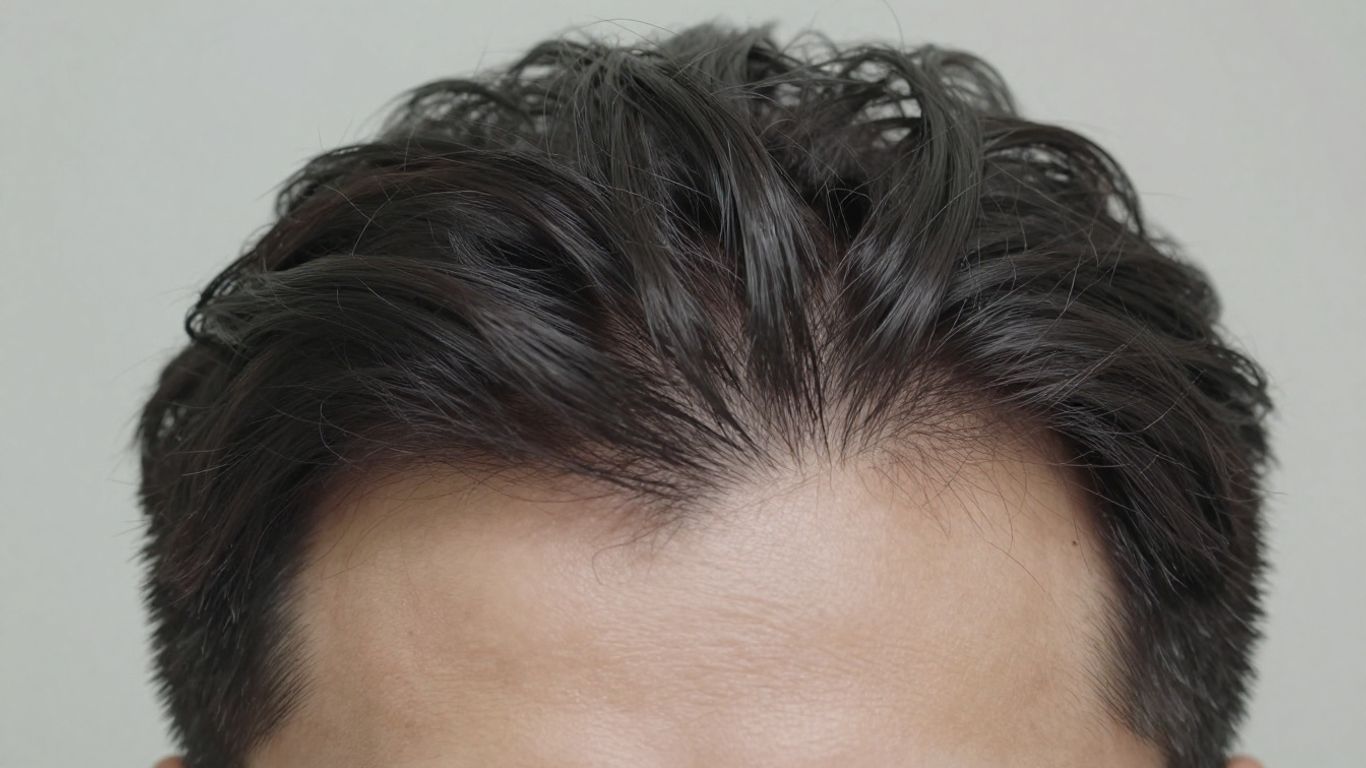
Thinking about getting a hair transplant in NYC? It's a big decision, and finding the right doctor makes all the difference. This guide is here to help you sort through the options for the best NYC hair transplant in 2026. We'll look at some top surgeons and clinics, plus touch on different procedures like FUE and FUT, and even scalp micropigmentation, so you can make an informed choice.
Key Takeaways
- Manhattan has a high number of skilled hair restoration doctors, which means they have to be really good to stand out.
- When looking for a surgeon, check their credentials, like board certifications and how many procedures they've done.
- FUE is the most common procedure, but FUT might be better for some people needing a lot of grafts.
- Don't forget about non-surgical options like Scalp Micropigmentation (SMP) and PRP therapy, which can work alone or with surgery.
- The cost can vary a lot, from around $4,000 to over $18,000, so it's important to get a clear breakdown during your consultation.
1. Dr. Roy B. Stoller
When you're looking into hair transplant options in New York City, Dr. Roy B. Stoller's name often comes up. He's got a reputation for being really straightforward with patients, which is something people seem to appreciate. He's described by some as one of the best doctors in the entire country for this kind of procedure.
Dr. Stoller focuses on giving you the facts and setting realistic expectations from the get-go. This approach helps make sure you know exactly what to anticipate throughout the process, from the initial consultation to the final results. It's all about clear communication and honest advice.
Here’s a general idea of what you might expect when considering his practice:
- Initial Consultation: A thorough discussion about your hair loss and goals.
- Personalized Plan: Tailoring the procedure to your specific needs.
- Procedure: Executing the hair transplant with attention to detail.
- Post-Op Care: Guidance for recovery and long-term hair health.
It's important to find a surgeon you feel comfortable with, especially when it comes to something as personal as hair restoration. Dr. Stoller's upfront style seems to build that trust for many individuals seeking solutions for hair loss. If you're thinking about procedures like FUE hair transplants, understanding the surgeon's philosophy is a big part of making the right choice.
Patients often mention feeling well-informed and confident in their decision after meeting with Dr. Stoller. His directness, while sometimes surprising, is frequently cited as a positive attribute that leads to a better patient experience and outcome.
2. Dr. Louis Mariotti
Dr. Louis Mariotti is a Board Certified Plastic Surgeon who really focuses on hair restoration medicine and surgery. He's been doing this for a while, and it shows in how he approaches each case. He doesn't just look at the hair loss itself, but also considers the overall health and aesthetic goals of his patients. It's kind of like how someone might feel after getting a beard transplant – initially unsure, but then really happy with how much better they look, even after just a week.
When you go in to see Dr. Mariotti, he usually breaks down the process into a few key steps:
- Initial Consultation: This is where he really gets to know you, your hair loss history, and what you're hoping to achieve. He'll do a thorough examination.
- Procedure Planning: Based on the consultation, he'll map out the best approach, whether it's FUE, FUT, or another method. He talks about density, hairline design, and donor area management.
- The Procedure: This is the actual transplant surgery. He and his team work carefully to place the grafts.
- Post-Operative Care: After the surgery, there's a recovery period, and he provides detailed instructions on how to care for the new grafts to get the best results.
He's known for being very precise, which is super important when you're dealing with something as delicate as hair follicles. His goal is to create natural-looking results that stand the test of time.
Patients often mention feeling well-informed throughout the entire process. Dr. Mariotti takes the time to explain the technical aspects in a way that's easy to understand, which can really ease any worries you might have about the surgery.
3. Dr. Christopher Pawlinga
Dr. Christopher Pawlinga is someone who really focuses on the artistic side of hair restoration. He's not just about the technical stuff; he genuinely wants to help people feel better about themselves. It’s like he sees each procedure as a chance to bring back not just hair, but also confidence.
He believes in a personalized approach, which makes sense because everyone's hair loss journey is different. He takes the time to figure out what will work best for each individual, aiming for results that look natural and help you feel more like yourself again. It's this blend of medical skill and a keen eye for aesthetics that sets him apart.
When you're looking into options, it's good to know there are surgeons like Dr. Pawlinga who are dedicated to this. You can find and compare many surgeons, including those specializing in different techniques, to see who might be the right fit for you [a477].
His philosophy centers on merging his medical knowledge with a creative touch. The goal is always to achieve a fuller head of hair while also boosting a patient's self-assurance.
Here’s a general idea of what you might expect when considering a consultation:
- Initial discussion about your hair loss history and goals.
- A thorough examination of your scalp and hair.
- Development of a tailored treatment plan.
- Clear explanation of the procedure and expected outcomes.
It's important to find a surgeon whose approach aligns with your own expectations for the outcome. The best results often come from a collaborative effort between the patient and the doctor, where clear communication is key.
4. Dr. Benjamin Paul
When you're looking into hair transplants in NYC, Dr. Benjamin Paul's name often comes up. He's a double-board-certified facial plastic surgeon, and he's done a ton of hair transplants – we're talking close to 2,000. His main focus seems to be on making results look as natural and artistic as possible. He believes that while many can do the procedure, few can do it beautifully. It's worth checking out his gallery to see what he means.
Dr. Paul's background is pretty solid. He went to Northwestern for his undergrad and medical degrees, then did his surgical training at NYU. He's also a member of the International Society for Hair Restoration Surgeons (ISHRS). His approach is all about safety and getting those natural, timeless results for patients both here and abroad.
Here's a quick look at what you might expect when considering a consultation:
- Initial Contact: Reach out to his office to set up an appointment. They offer both in-person and virtual consultations, which is pretty convenient. You can also just give them a call.
- The Consultation: This is where you'll meet with Dr. Paul. You can ask all your questions and talk about your goals. He'll go over your medical history and check out your hair to figure out the best plan.
- Surgical Plan: If you both agree on a plan, you'll then talk with the patient coordinator to set a surgery date. You'll get some instructions to follow beforehand to make sure everything goes smoothly.
Patients often mention how comfortable they felt with Dr. Paul and his team. The staff, like Norma and Stacy, get shout-outs for making the whole experience positive. It seems like they really focus on making your beauty goals a reality.
If you're thinking about addressing age-related hair changes, Dr. Paul's practice, HairCareMD, is a place that discusses various options. They aim to help both men and women achieve that natural, healthy-looking hair they desire. It sounds like they're really committed to making your vision come true, and many patients report being extremely happy with their outcomes after procedures like facelifts, too, with his practice offering an excellent experience for those procedures as well [bc56].
5. Michael Ferranti
Michael Ferranti, P.A., is a notable figure in the NYC hair restoration scene, bringing over 25 years of experience in aesthetic dermatology. He's particularly recognized for his work with Scalp Micropigmentation (SMP), a procedure that creates the look of fuller hair by tattooing tiny dots onto the scalp. This can be a great option for those experiencing thinning hair or even as a way to camouflage scars from previous procedures.
Ferranti's approach often involves combining different techniques to achieve the best results for each individual. He understands that hair loss isn't a one-size-fits-all problem, and tailoring the treatment is key. His background in dermatology means he has a solid grasp of skin health, which is pretty important when you're talking about procedures on your scalp.
When considering SMP, it's good to know what to expect. The process usually involves a few sessions to build up the density and color. It's a cosmetic procedure, so the goal is to create a natural-looking appearance that matches your existing hair color and skin tone.
- SMP can be effective for:
- Men and women with thinning hair
- Covering scars from hair transplant surgery
- Creating the appearance of a fuller hairline
- Individuals with alopecia
Ferranti's extensive background in aesthetic dermatology provides a strong foundation for his work in hair restoration. This means he's not just focused on the cosmetic outcome but also on the health of the scalp itself, which is pretty important for long-term results.
His work with Scalp Micropigmentation is a significant part of his practice, offering a non-surgical solution for many people dealing with hair loss concerns in the competitive New York City market.
6. Hair Doctor NYC
When you're looking into hair restoration in the city, Hair Doctor NYC often comes up. They're located right in Midtown Manhattan, which they really lean into as a benefit. The idea is that being in the heart of the city makes it easier for busy professionals to get appointments without taking a whole day off. Think about fitting in a consultation during a lunch break or between meetings – pretty convenient, right?
They highlight a team approach, featuring multiple double board-certified facial plastic surgeons and a specialist who has focused solely on hair transplants for 18 years. This setup means they can handle a range of procedures, from FUE and FUT to scalp micropigmentation (SMP) and even facial hair restoration. It's kind of a one-stop shop for different hair loss needs.
Here’s a quick look at what they emphasize:
- Location Advantage: Midtown Manhattan offers convenience and discretion, important for professionals. Appointments can be scheduled around work commitments.
- Experienced Team: A group of board-certified surgeons and a dedicated hair transplant specialist with years of focused experience.
- Full Spectrum of Services: Offering FUE, FUT, SMP, and other related treatments under one roof.
- Patient Experience: Aiming for a premium, private environment suitable for their clientele.
The clinic stresses that Manhattan's environment, with its pollution and stress, can actually speed up hair loss. Having a specialized clinic right there in the city is presented as the most logical solution for residents dealing with these specific challenges.
They also mention options like "No-Shave FUE," which is a big deal if you can't afford to have any visible signs of surgery. This technique allows for a quicker return to work, which is a major plus for many people in competitive careers. If you're considering treatment, understanding what to expect at a hair transplant consultation is key, and they seem to focus on providing that clarity upfront. For those weighing options, looking at clinics like this one, which has a strong presence in a major hub, makes sense. It's worth noting that the hair restoration market is growing fast, and getting treatment earlier can often lead to better results and potentially lower costs down the line, similar to what patients have experienced with techniques like Dr. Cole's method.
7. Dr. Paul
Dr. Benjamin Paul is a name you'll hear a lot when looking into hair transplants in NYC. He's a double-board-certified facial plastic surgeon, and he really focuses on hair restoration. He's done close to 2,000 hair transplants, which is a pretty big number.
His main thing is making sure the results look as natural and artistic as possible. He believes that while many can do a hair transplant, not everyone can do it beautifully. It’s worth checking out his gallery to see what he means.
Dr. Paul is part of the International Society for Hair Restoration Surgeons (ISHRS), which is a good sign he's keeping up with the latest stuff. He went to Northwestern for his undergrad and medical school, then did his training in surgery and facial plastic surgery at NYU. His approach is all about safety and getting results that look good and last, whether you're in New York or coming from somewhere else.
He understands that both men and women want hair that looks healthy and natural. Dr. Paul and his team work with all sorts of hair loss situations and hairlines. If you're thinking about a hair transplant in New York City, reaching out to his office is a good first step. They offer both in-person and virtual consultations, which is pretty convenient.
When you go for a consultation, Dr. Paul will chat with you about your medical history and check out your hair. This helps him figure out the best plan for your surgery. Being open about your health is important so they can make the best decisions and avoid any unnecessary risks. After you agree on a plan, you'll talk with a patient coordinator to set up your surgery date and get instructions for before the procedure.
Hair restoration is about bringing back a natural hairline and making hair look fuller. Dr. Paul knows that hair loss patterns are different for everyone, often influenced by genetics and life events. He creates personalized restoration plans that are easy to manage and complement your face in a way that looks natural and fits your age.
Dr. Paul is skilled in different hair transplant methods, including Follicular Unit Extraction (FUE) and Follicular Unit Transfer (FUT). He'll help you figure out which technique is best for you during your consultation. He also looks into other hair loss treatments, like vitamins, topical solutions, medications, and light therapy, sometimes combining them for better results. You can see some examples of his work in his before and after photos.
If you're considering a hair transplant, the initial step is to schedule a consultation with Dr. Paul's office. This is where you can discuss all your questions and goals for the surgery. He's dedicated to helping patients achieve a natural look with a reinforced hairline and improved density. You can contact his office at +1 (212) 832-8595 to schedule an appointment or request a consultation through their website. He's known for achieving natural, enduring results.
8. FUE Hair Transplant
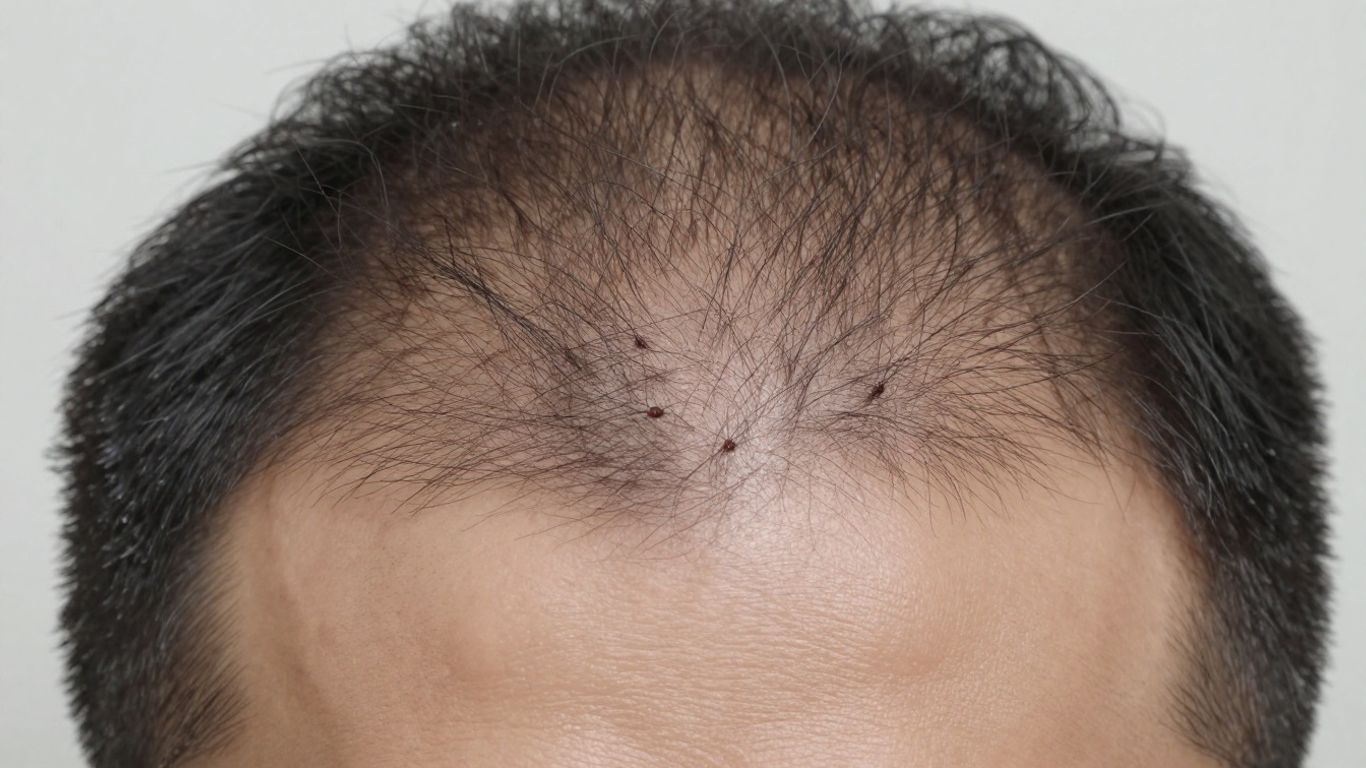
Follicular Unit Extraction, or FUE, is a popular method for hair restoration. Instead of removing a strip of skin like in FUT, FUE involves taking individual hair follicles from a donor area, usually the back of your head, and transplanting them one by one to the thinning spots. This technique is pretty precise and uses tiny punches to get each follicle out.
The main draw of FUE is that it typically leaves no linear scar, making it a great choice if you like to wear your hair short. Recovery is generally quicker too, and you can often get back to your normal routine pretty fast. It's a good option for both men and women dealing with hair loss.
Here’s a quick look at what happens:
- Donor Area Prep: The donor area is trimmed very short, usually to about 1-2 mm, so the surgeon can easily access the follicles.
- Follicle Extraction: Using a small tool, individual follicular units (groups of 1-4 hairs) are carefully removed from the donor scalp.
- Graft Preservation: The extracted follicles, called grafts, are kept in a special solution to keep them healthy until they're ready to be implanted.
- Recipient Site Creation: Tiny sites are made in the balding or thinning areas of your scalp where the new hair will go.
- Graft Implantation: The grafts are then meticulously placed into these sites, paying close attention to the angle and direction to create a natural look.
Studies show that FUE procedures often have high graft survival rates, sometimes in the 85-95% range, which is a pretty solid number. Many clinics are also adopting newer technologies like robotic FUE or Sapphire FUE for even more precision. If you're looking for a way to restore your hair with minimal visible scarring, FUE is definitely worth looking into. You can find clinics in NYC that specialize in advanced FUE techniques.
The process requires a lot of skill and attention to detail from the surgical team. They need to make sure each graft is placed correctly to blend in with your existing hair and achieve the best possible aesthetic result. It's not just about putting hair back; it's about creating a natural-looking density.
When considering FUE, it's good to know that while it avoids a linear scar, it does leave tiny dot scars where each follicle was removed. However, these are usually so small they're not noticeable, especially if you keep your hair at a reasonable length. You can often go out in public within a few days, though the transplanted area might look a bit different for about ten days as any scabs heal. For those seeking a permanent solution with minimal downtime, FUE is a leading choice among hair restoration options.
9. FUT Hair Transplant
Follicular Unit Transplantation, or FUT, is a tried-and-true method for hair restoration. It's often called the "strip method" because it involves taking a thin strip of skin from the donor area, usually the back of your scalp. From this strip, individual hair follicles are carefully separated and then transplanted to the areas where you're experiencing thinning or baldness.
This technique is particularly well-suited for individuals who need a significant number of grafts to achieve denser coverage. It can be a great option when you're looking for substantial results, especially for larger areas of hair loss. The donor site is then stitched closed, and the surrounding hair is typically left a bit longer to help hide the scar.
Here's a quick look at what FUT involves:
- Donor Strip Harvesting: A linear section of scalp is removed from a donor area.
- Graft Dissection: Technicians meticulously separate individual follicular units from the donor strip under magnification.
- Graft Implantation: The prepared grafts are then carefully placed into tiny incisions made in the recipient area.
While FUT does leave a linear scar, skilled surgeons can minimize its visibility. Many clinics in Manhattan have extensive experience with FUT procedures, optimizing outcomes for patients seeking maximum graft yield. It's a solid choice for many, especially when compared to other methods.
The FUT procedure, while effective, does require a recovery period where the linear scar needs time to heal. Patients are usually advised to keep their hair at a slightly longer length in the donor area to ensure the scar is well-camouflaged. It's a trade-off for achieving high-density results in a single session.
10. Scalp Micropigmentation
Scalp Micropigmentation, often called SMP, is a really interesting option for folks dealing with hair loss. It's basically a cosmetic procedure that uses tiny needles to deposit pigment into the scalp. Think of it like a very detailed tattoo, but instead of a picture, it creates the look of tiny hair follicles. This can make thinning hair look much fuller, or it can create a completely shaved head look for those who have lost all their hair. It's a great choice if you want a quick visual improvement without surgery.
SMP works by carefully placing dots of pigment that mimic the appearance of hair follicles. The color and density are matched to your natural hair color and skin tone for a realistic effect. It's a non-surgical process, which means less downtime compared to traditional hair transplants. Many people find it to be a fantastic way to boost their confidence.
Here’s a quick rundown of what makes SMP stand out:
- Creates the illusion of density: Makes thinning hair appear thicker.
- Defines hairlines: Can recreate a natural-looking hairline.
- Camouflages scars: Hides scars from previous hair transplant surgeries.
- Provides a consistent look: Offers a uniform appearance for bald or shaved heads.
The results are pretty immediate, and the procedure itself is generally well-tolerated. It usually takes a few sessions to achieve the final look, with each session spaced a few weeks apart to allow the pigment to settle and the skin to heal. It's important to find a skilled practitioner who understands the nuances of scalp pigmentation. Some places, like E'Luxxe Beauty, have really good reviews for this kind of work.
While SMP doesn't grow new hair, it's a clever way to achieve a fuller look or a defined hairline. It's a permanent cosmetic solution that requires minimal upkeep once the initial sessions are complete. Think of it as a long-term cosmetic enhancement for your scalp.
When considering SMP, it's good to know that it's a form of cosmetic tattooing specifically designed for the scalp. The pigments used are medical-grade, and the application is done with specialized equipment to ensure safety and natural-looking results. It's a popular choice for both men and women experiencing various types of hair loss.
Wrapping It Up
So, finding the right hair transplant surgeon in NYC for 2026 is a big deal, but it's totally doable. We've talked about why Manhattan is such a hotspot for this kind of work, with all the top docs and the latest tech. Remember to check those credentials, see what kind of tech they're using, and don't be afraid to ask questions. It’s not just about getting more hair; it’s about feeling better about yourself. Whether you're going for FUE, FUT, or even some non-surgical options, the goal is a natural look that boosts your confidence. Take your time, do your homework, and you'll find the perfect fit to get you looking and feeling your best.
Frequently Asked Questions
What are the main good things about getting a hair transplant?
Getting a hair transplant can really boost your confidence and make you feel better about how you look. It helps you get thicker, fuller hair, which can make you feel more attractive and less worried about hair loss. Plus, the recovery is usually pretty quick, and the results look very natural.
Who is a good candidate for a hair transplant?
The best people for a hair transplant are those who are generally healthy and have enough donor hair (hair that can be moved from one part of the scalp to another). If you want to improve your appearance by adding hair and have realistic ideas about the results, you're likely a good candidate. It's also important to know that hair loss might continue even after surgery.
How much does a hair transplant typically cost in NYC?
The cost can vary quite a bit, but generally, you can expect to pay anywhere from about $4,000 to over $18,000 for the whole procedure. The price often depends on how many hair follicles need to be moved and the specific technique used. Some top surgeons might charge even more for complex cases.
What's the difference between FUE and FUT hair transplants?
FUE, or Follicular Unit Extraction, involves taking individual hair follicles from the donor area. FUT, or Follicular Unit Transplantation, is also called the strip method because a small strip of skin with hair is removed and then divided into individual grafts. FUE is more common now because it usually leaves less scarring and has a quicker recovery.
What is Scalp Micropigmentation (SMP)?
Scalp Micropigmentation, or SMP, is a procedure that uses tiny needles to place pigment into the scalp. It creates the look of tiny hair follicles or a closely shaved head. It's a great option for people who want to add density or cover thinning areas, and it can also be used to hide scars.
What should I expect during the recovery after a hair transplant?
After your surgery, you'll get specific instructions to help you heal well. The recovery process is important for your new hair to grow in nicely. You might experience some redness or swelling, but most people can go back to their daily activities pretty quickly, often within a few days.



American Standards.
Brazilian Mastery.
Aesthetica Medical Travel Facilitators, LLC is an international care coordination company registered in Wyoming, United States. We provide services for the promotion and support of medical service providers, including physicians worldwide (“medical service providers”). These services are made available through Aesthetica’s website, and the same privacy terms also apply to the Aesthetica Advisor Program (the “application/platform”), created and operated by Aesthetica. Aesthetica is solely responsible for controlling and processing the information obtained via the platform or through other communications between users, businesses, hospitals, clinics, or third parties and members of the Aesthetica service team (the “Service Team”). Our services may include non-clinical care coordination for North American patients seeking elective procedures abroad, including provider matching, travel logistics, and administrative support throughout the care journey. Additional services or add-ons may be offered depending on the selected scope. Post-operative care is typically conducted in the destination country where the procedure is performed. Additional coordination or administrative support in the patient’s country of origin may be available separately, subject to scope and availability. Aesthetica may engage third-party service providers, partners, or affiliated entities to support its operations, including data processing and service delivery. Information may be shared with such parties solely as necessary to provide the services described. Our operations follow strict standards of transparency, privacy protection, and regulatory compliance. Testimonials reflect individual experiences and do not guarantee future results. By using Aesthetica’s services or platform, users acknowledge and agree to these terms and understand the limited, non-clinical role of Aesthetica in the care journey. For more information about our policies or compliance framework, please contact our support team.