
Understanding the Pubic Hair Transplant: What You Need to Know

Thinking about a pubic hair transplant? It's a thing, and more people are looking into it. Maybe you've lost hair there due to aging, treatments like laser hair removal, or just genetics. Whatever the reason, getting a pubic hair transplant can help bring back a fuller look. This procedure is pretty similar to hair transplants done on the scalp, using hair from your head to fill in the pubic area. It's all about restoring confidence and achieving a look you're comfortable with.
Key Takeaways
- A pubic hair transplant moves hair, usually from the scalp, to the pubic area to restore fullness. It can help with hair loss from aging, laser treatments, or genetic reasons.
- The procedure is similar to scalp hair transplants, often using FUE (Follicular Unit Extraction) or FUT (Follicular Unit Transplantation) techniques.
- Before the surgery, a doctor will check your health and discuss your expectations to make sure you're a good candidate and have realistic goals.
- Results aren't immediate; transplanted hair falls out first, then regrows over several months. The new hair will need trimming like regular hair.
- While generally safe, potential risks include infection or poor regrowth. Alternatives like hairpieces or microblading exist but are less permanent.
Understanding Pubic Hair Transplant
What Is a Pubic Hair Transplant?
So, you're curious about pubic hair transplants, huh? It's a procedure where hair, usually taken from the back of your head, is carefully placed into the pubic region. Think of it as hair restoration, but for a different, more private area. It's not something everyone talks about, but for some, it's a really personal choice. Whether it's due to genetics, past grooming choices like laser hair removal that you now regret, or even medical reasons, restoring hair in this area is becoming more common. The techniques used are pretty advanced now, making it a feasible option for those looking to achieve a fuller look. It's all about giving people more control over their appearance in an area that can be quite significant for self-esteem. The initial consultation is where the details of the procedure are discussed [644e].
Reasons for Considering a Pubic Hair Transplant
Why would someone want this? Well, the reasons are pretty varied. Some people might have naturally very little pubic hair, or none at all, which can sometimes cause distress or affect how they feel about themselves. In certain cultures, pubic hair is seen as a sign of health and fertility, so a lack of it can lead to psychological stress. Then there are those who've gone the route of permanent hair removal, like laser treatments, and later wished they hadn't. It's a bit like regretting a haircut, but more permanent. Aging, certain medical conditions, or even past surgeries can also lead to hair loss in the pubic area. For transgender individuals, it can be a way to address scarring from procedures or to achieve a desired look. Basically, if you're looking to restore or enhance hair in your pubic region, a transplant is a way to do it.
The Role of Pubic Hair Transplant Surgery
This surgery plays a role in addressing a range of concerns, from aesthetic preferences to the psychological impact of hair loss. It's not just about vanity; for many, it's about feeling more comfortable and confident in their own skin. The procedure itself is quite detailed. It involves taking individual hair follicles from a donor area, typically the scalp, and then meticulously placing them into tiny incisions in the pubic area. The goal is to make it look as natural as possible, mimicking the way hair grows normally. The surgical team meticulously places each graft, considering its thickness, size, and natural growth direction to ensure optimal results [df17]. It's a delicate process that requires precision and an artistic eye to achieve a natural-looking outcome.
The desire for pubic hair restoration is as diverse as the individuals seeking it. It can stem from personal aesthetic goals, the consequences of past grooming decisions, or medical factors influencing hair growth. Understanding these varied motivations is key to appreciating the procedure's significance for many people.
The Pubic Hair Transplant Procedure
So, you're thinking about a pubic hair transplant? It sounds a bit unusual, maybe, but it's a real thing, and the procedure itself is pretty similar to other hair transplants you might have heard about, like for your head or eyebrows. It's all about taking hair from one spot and putting it where you want more.
Donor Harvesting Techniques
First off, they need to get the hair that's going to be transplanted. This usually comes from the back of your head, where hair is typically thicker and less likely to thin out over time. The main ways they do this are:
- Follicular Unit Transplantation (FUT): This is where they take a small strip of skin from the donor area. Don't worry, it's usually from a spot that will be covered by your existing hair, so it's not super noticeable. They then carefully separate the individual hair follicles from that strip.
- Follicular Unit Extraction (FUE): This method is a bit different. Instead of a strip, they remove individual hair follicles one by one directly from the scalp. This is often preferred because it doesn't leave a linear scar, and recovery can be quicker. For manual FUE, a safe density of 10 to 15 excisions per square centimeter is recommended.
Graft Preparation for Transplantation
Once the hair follicles are harvested, they aren't just shoved into place. They need some careful prep work. The medical team will meticulously separate each follicle, making sure they're ready for their new home. This is a delicate process, often done under magnification, to keep the grafts healthy and viable for transplanting. It's kind of like preparing tiny seedlings before planting them in a garden.
Surgical Design and Natural Appearance
This is where the artistry comes in. The surgeon doesn't just randomly place hairs. They work with you to design the look you're going for. This involves considering the angle, direction, and density of the hair to make sure it looks completely natural. The goal is to create a result that blends in seamlessly with any existing hair and looks like it's always been there. They're basically trying to mimic the natural growth patterns of pubic hair. It’s a microsurgical procedure, and the whole thing can take a few hours, depending on how much work needs to be done. You'll be awake, but local anesthesia keeps things comfortable. You can even take a break for lunch if it's a longer session.
The process involves careful planning to ensure the transplanted hair grows in a natural direction and density, mimicking the original pattern. It's a detailed procedure that requires a skilled hand and an artistic eye to achieve the best aesthetic outcome.
After the procedure, you'll need to be gentle with the area for a bit. It takes time for the transplanted hairs to settle in. You'll start to see new growth in a few months, and those hairs will keep growing, so you might need to trim them eventually, just like regular hair. If you're curious about the FUE technique, you can find more information on follicular unit extraction.
Candidate Assessment and Eligibility
Before you even think about scheduling a pubic hair transplant, there's a whole process to figure out if it's the right move for you. It's not just about wanting more hair; it's about making sure you're a good candidate and that your expectations are realistic. This is where the pre-op evaluation really comes into play.
Preoperative Evaluation and History
This is where the doctor gets to know you and your medical background. They'll ask a bunch of questions about your health history, any medications you're taking, and if you've had any previous surgeries. It’s important to be totally upfront here. They need to know about any allergies, skin conditions, or even if you tend to scar easily. This information helps them figure out if the procedure is safe for you and what potential issues might pop up. Think of it as laying the groundwork for a successful surgery.
Tanner Staging and Medical Screening
Doctors often use something called Tanner staging to look at the development of pubic hair. It's a way to classify how mature the hair growth is, ranging from no hair to a full adult pattern. This helps them understand your natural hair development and plan the transplant accordingly. Beyond that, routine blood tests are usually done. These aren't just a formality; they check for things like endocrine disorders, infections, or blood clotting issues that could affect the surgery or healing. It’s all about making sure your body is ready for the procedure and won't have any hidden problems.
Excluding Psychological or Unrealistic Expectations
This part is super important. A good surgeon will want to make sure you're not expecting miracles or undergoing the procedure for the wrong reasons. They'll talk with you about what a pubic hair transplant can realistically achieve. It’s not about creating a completely different look overnight. If someone has significant psychological concerns or expectations that just aren't possible with the surgery, they might be advised against it. The goal is to improve your confidence and satisfaction, not to create a situation where you're disappointed with the outcome. It's about finding a natural-looking result that you'll be happy with long-term.
It's vital to have a clear conversation with your surgeon about your goals and what's achievable. Understanding the limitations and potential outcomes is just as important as knowing the benefits. This ensures you're both on the same page before moving forward with any body hair transplantation considerations.
Results and Recovery After Pubic Hair Transplant
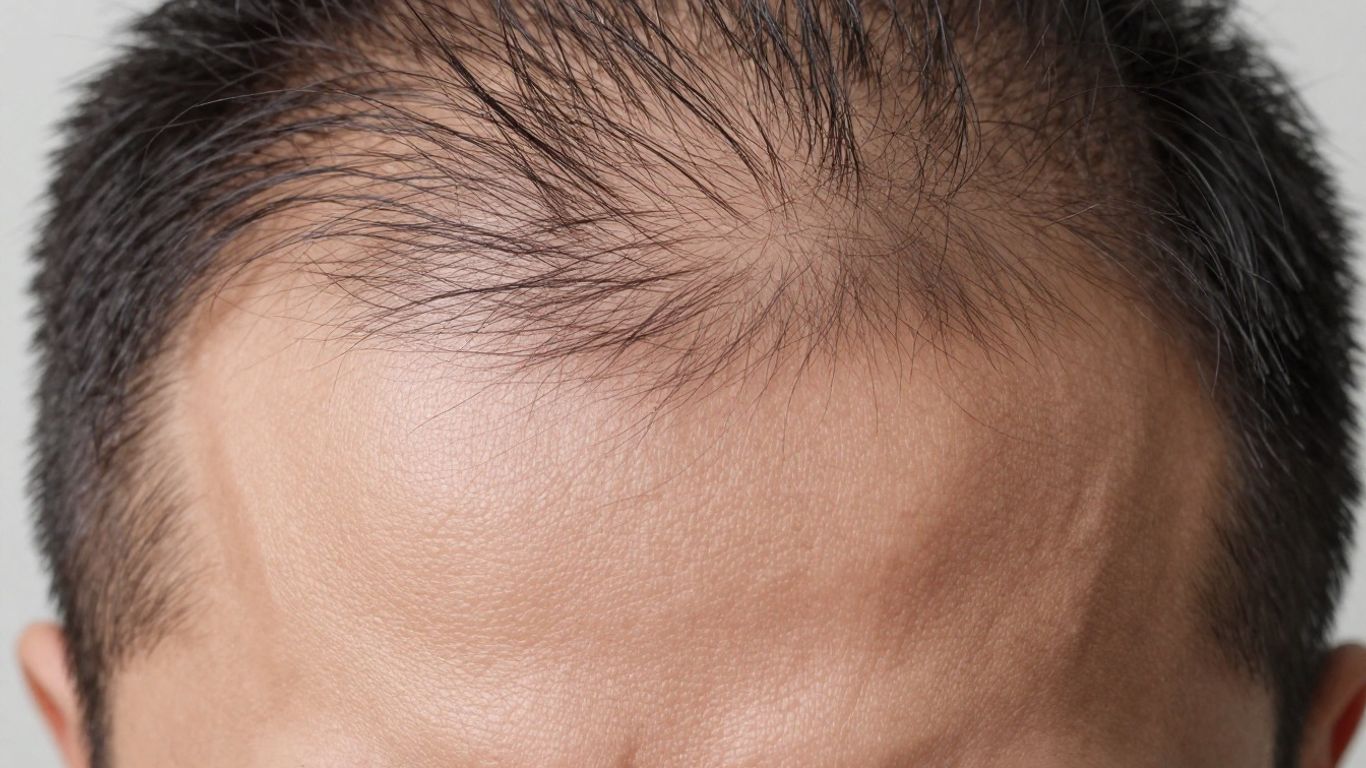
So, you've gone through the pubic hair transplant procedure. Now what? It's not like you'll see a full head of hair overnight, or even in a few weeks. Patience is definitely key here. The initial healing phase is pretty straightforward, but the real magic, the hair regrowth, takes its sweet time.
Timeline for Hair Regrowth
It's important to know that the transplanted hairs will likely fall out a few weeks after the procedure. Don't panic! This is totally normal and expected. It's often referred to as 'shock loss.' The real growth starts to happen later. Here's a general idea of what to expect:
- Initial Healing: Most people can get back to their daily routines within about a week to ten days. You'll need to be gentle with the area, though.
- Shock Loss: Around weeks 3-4, you'll notice the transplanted hairs shedding. This is a sign the follicles are settling in.
- Early Regrowth: You might start seeing some new growth around the 2-month mark.
- Significant Progress: By 6-12 months, you should see a noticeable difference in density and coverage.
- Final Results: It can take up to 12-18 months to see the complete, final outcome of your pubic hair transplant.
Post-Procedure Care and Activity Restrictions
Taking care of the transplanted area right after surgery is super important for the grafts to take hold. Your surgeon will give you specific instructions, but generally, you'll need to be cautious.
- Gentle Washing: You'll likely be advised to avoid washing the area for a few days, and then to use very mild soaps and gentle techniques when you do start washing.
- Activity Limits: For about a week, you'll probably need to avoid strenuous exercise and any sexual activity. This gives the grafts time to anchor properly.
- Clothing Choices: Opt for loose-fitting underwear and clothing to prevent irritation and friction on the newly transplanted area.
The transplanted hairs, since they come from the scalp, will continue to grow like scalp hair. This means you'll eventually need to trim them to maintain your desired look. It's a small price to pay for permanent results!
Assessing Final Results
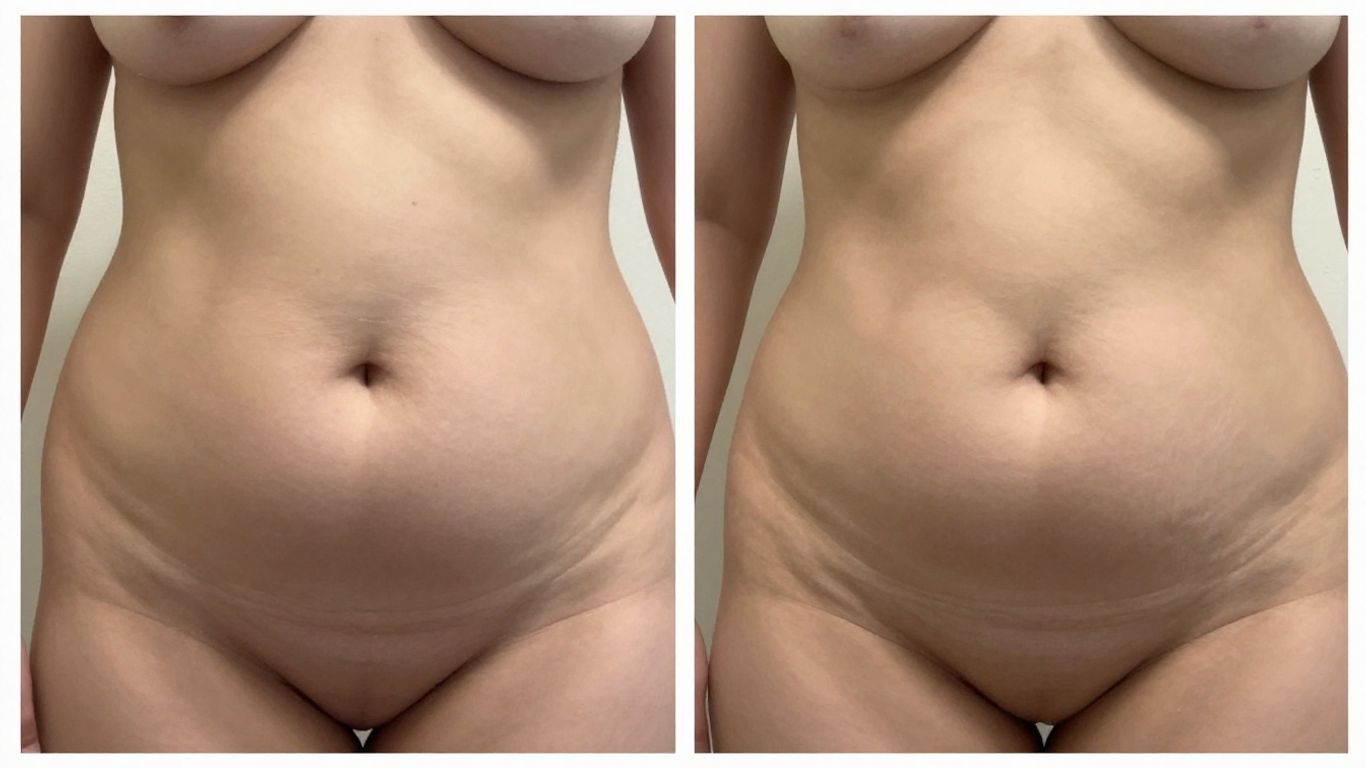
When do you actually get to see the final look? Well, as mentioned, it's a long game. You'll be looking at the 12-18 month mark for the full picture. It's not just about the amount of hair, but also how naturally it blends with your existing pubic hair. The angle and direction of the transplanted hairs are key to that natural appearance. Most patients find the results to be quite satisfying, restoring confidence and a sense of completeness. If you're curious about what's possible, looking at before-and-after photos from reputable clinics can give you a good idea of the potential outcomes.
Potential Risks and Alternatives
Like any surgical procedure, a pubic hair transplant isn't without its potential downsides. It's super important to go into this with your eyes wide open, knowing what could happen and what other options might be out there for you. While generally considered safe, there are a few things that can go wrong.
Possible Complications and Side Effects
Most of the time, things go smoothly, but it's good to be aware of the possibilities. You might experience some bleeding or swelling, which is pretty standard after surgery. There's also a small chance of infection, so following post-op care instructions is key. Sometimes, the transplanted hairs don't take as well as expected, leading to less dense regrowth than hoped for. Allergic reactions to the anesthetic are also a rare but possible complication.
Here's a quick rundown of what might pop up:
- Infection: This can happen if the surgical sites aren't kept clean.
- Poor Regrowth: Not all transplanted hairs might grow, or they might grow thinner than anticipated.
- Cysts: Very rarely, small cysts can form in the transplanted areas.
- Anesthesia Reactions: Some people can have adverse reactions to the numbing agents used.
It's also worth noting that the angle at which the new hairs grow can sometimes be off, making them appear less natural. This is something your surgeon will aim to avoid through careful planning and technique.
Scarring from Pubic Hair Transplant Methods
The way the donor hair is harvested plays a big role in scarring. The Follicular Unit Transplantation (FUT) method, which involves removing a strip of skin, typically leaves a linear scar. This can be more noticeable, especially if you prefer to keep your pubic hair very short or shave. The Follicular Unit Extraction (FUE) method, on the other hand, removes individual follicular units, leaving behind tiny, dot-like scars that are usually much less visible, even when the area is closely examined. For this reason, FUE is often preferred for procedures where scarring is a concern.
Exploring Alternatives to Pubic Hair Restoration
If surgery feels like too much, or if you're looking for something less permanent, there are other avenues to explore. While a transplant offers the most natural and lasting results, it's not the only game in town. Sometimes, less invasive options can provide a satisfactory outcome, depending on your specific needs and goals. For instance, body hair transplants can be an option if scalp donor hair is limited.
Here are a few alternatives to consider:
- Minoxidil: This is a topical medication that can help stimulate hair growth and thicken existing hairs. It's not a permanent solution, and you need to keep using it to maintain results.
- Microblading: This is a semi-permanent cosmetic tattooing technique that creates the illusion of hair by depositing pigment into the skin. It's a good option for creating a natural-looking density without actual hair growth.
- Hairpieces (Merkins): For a temporary and non-surgical fix, a custom-made pubic hairpiece, often called a merkin, can be worn. These are usually made from natural or synthetic hair and can be attached for specific occasions.
It's always a good idea to discuss these options with a qualified medical professional to figure out what's best for your situation. They can help you weigh the pros and cons of each approach, including the potential risks and complications associated with pubic hair transplant surgery.
Choosing the Right Approach for Pubic Hair Restoration
So, you're thinking about a pubic hair transplant. It's not as uncommon as you might think, and figuring out the best way to go about it is key. It really comes down to what you're looking for and what makes sense for your body.
Personalizing Your Pubic Hair Transplant Design
When it comes to designing your new pubic hair look, it's all about making it look natural. Think about the typical patterns you see and how hair grows in that area. A good surgeon will pay attention to the density and how the hairs are arranged. They'll also consider the angle and direction of each hair to mimic what nature does. It’s not just about adding hair; it’s about making it look like it’s always been there.
- Mimic natural growth patterns: The goal is to blend seamlessly with existing hair or create a believable natural look.
- Consider density: Too much or too little can look artificial. The right balance is important.
- Angle and direction matter: Hairs should grow in a way that looks organic, not stiff or out of place.
- Graft selection: Using grafts with one or two hairs can help create a softer, more natural appearance, especially for the edges of the area.
When to Seek Professional Consultation
If you're serious about this, talking to a professional is the next step. They can look at your specific situation and tell you what's possible. It’s important to find someone who really knows about these procedures, especially since it’s a bit different from a scalp transplant. They’ll be able to explain the different techniques, like Follicular Unit Extraction, and how they apply to pubic hair restoration.
It's really about finding a surgeon who understands the nuances of transplanting hair to a sensitive area. They need to have a good eye for aesthetics and be skilled in the surgical techniques required to achieve a natural-looking result. Don't be afraid to ask questions and get a second opinion if you need to.
Understanding Success Rates and Patient Satisfaction
Ultimately, you want a result you're happy with. Success isn't just about the hair growing back; it's about how it looks and feels afterward. Patient satisfaction often comes down to realistic expectations and a well-executed procedure. Some people seek these procedures for gender affirmation, while others might be correcting past grooming regrets or addressing hair loss due to medical reasons. Knowing what’s achievable and discussing your desires openly with your surgeon will go a long way in ensuring you’re pleased with the outcome.
Wrapping Up: Is a Pubic Hair Transplant Right for You?
So, we've gone over what a pubic hair transplant is, why someone might consider it, and how the procedure generally works. It's definitely not a topic everyone talks about, but for those who feel self-conscious about hair loss in this area, it can be a really effective way to get back some confidence. Remember, the results take time, and it's important to have realistic expectations. If you're thinking about it, chatting with a qualified doctor is the best next step to see if it's a good fit for your situation.
Frequently Asked Questions
What exactly is a pubic hair transplant?
A pubic hair transplant is a procedure where hair is moved from one part of your body, usually the back of your head, to your pubic area. It's done to help create a fuller or more natural-looking pubic hair pattern if you have very little or no hair there.
Why would someone want a pubic hair transplant?
People choose this for different reasons. Some might have lost pubic hair due to aging, medical treatments like chemotherapy, or even regret from getting laser hair removal. Others might have naturally very little pubic hair and feel self-conscious about it, especially in cultures where pubic hair is seen as a sign of health or maturity.
How is the hair moved to the pubic area?
The process is similar to a hair transplant on your head. Doctors take tiny groups of hair follicles, called grafts, from a donor area (like your scalp). Then, they carefully place these grafts into the pubic area where you want new hair to grow.
When will I see new hair growth?
After the transplant, the transplanted hairs will usually fall out within a few weeks. Don't worry, this is normal! New hair should start to grow back in about 4 to 6 months, and it will keep growing permanently. It takes about a year to see the final results.
Are there any risks or side effects?
Like any surgery, there are some risks, such as infection, bleeding, or a reaction to the anesthesia. Sometimes, the transplanted hair might not grow as well as expected, or tiny bumps called cysts could form. Using the FUE method usually leaves very small scars that are hard to see.
What are the alternatives if I don't want a transplant?
If a transplant isn't for you, there are other options, though they aren't permanent. You could try treatments like minoxidil, which might help hair grow a bit thicker. Some people also use temporary hairpieces, called merkins, or get semi-permanent tattoos to create the look of hair.


American Standards.
Brazilian Mastery.
Aesthetica Medical Travel Facilitators, LLC is an international care coordination company registered in Wyoming, United States. We provide services for the promotion and support of medical service providers, including physicians worldwide (“medical service providers”). These services are made available through Aesthetica’s website, and the same privacy terms also apply to the Aesthetica Advisor Program (the “application/platform”), created and operated by Aesthetica. Aesthetica is solely responsible for controlling and processing the information obtained via the platform or through other communications between users, businesses, hospitals, clinics, or third parties and members of the Aesthetica service team (the “Service Team”). Our services may include non-clinical care coordination for North American patients seeking elective procedures abroad, including provider matching, travel logistics, and administrative support throughout the care journey. Additional services or add-ons may be offered depending on the selected scope. Post-operative care is typically conducted in the destination country where the procedure is performed. Additional coordination or administrative support in the patient’s country of origin may be available separately, subject to scope and availability. Aesthetica may engage third-party service providers, partners, or affiliated entities to support its operations, including data processing and service delivery. Information may be shared with such parties solely as necessary to provide the services described. Our operations follow strict standards of transparency, privacy protection, and regulatory compliance. Testimonials reflect individual experiences and do not guarantee future results. By using Aesthetica’s services or platform, users acknowledge and agree to these terms and understand the limited, non-clinical role of Aesthetica in the care journey. For more information about our policies or compliance framework, please contact our support team.