
Finding the Best Hair Transplant Surgeon NYC: A Comprehensive Guide
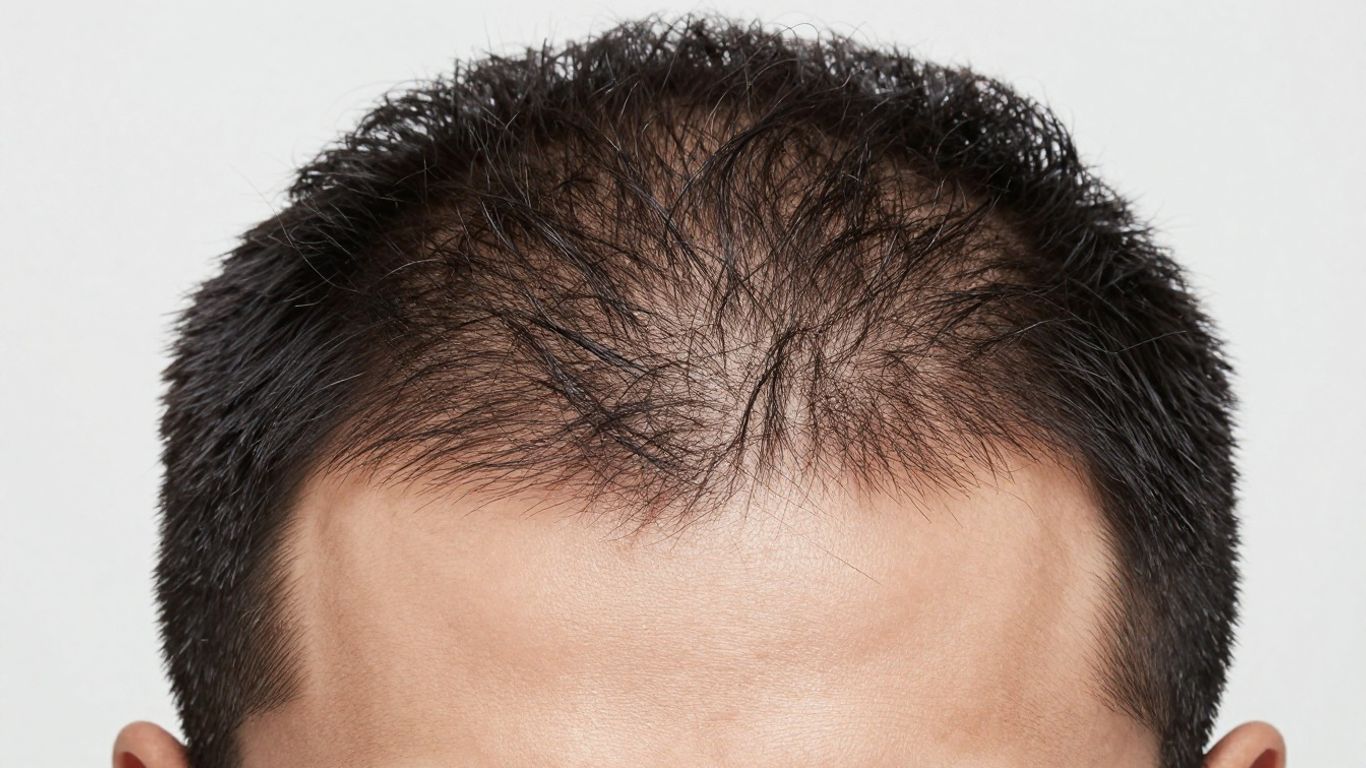
Thinking about a hair transplant in NYC? It's a big decision, and finding the right person to do it is super important. You want someone skilled, experienced, and who understands exactly what you're looking for. This guide is here to help you sort through all the options and find the best hair transplant surgeon NYC has to offer. We'll cover what to expect, how to choose a clinic, and what makes a good surgeon stand out.
Key Takeaways
- When looking for a hair transplant surgeon NYC, always check their board certifications and how many years they've specialized in hair restoration.
- Reviewing a surgeon's past work through before-and-after photos is crucial to assess their skill and aesthetic sense.
- A thorough consultation is necessary to discuss your specific hair loss, understand the procedure, and gauge your comfort level with the surgeon.
- Consider the clinic's overall environment, including staff professionalism and the technology used, to ensure a safe and effective procedure.
- Understand the total cost, what's included, and the post-operative care plan before committing to a surgeon or clinic.
Understanding Your Hair Transplant Options in NYC
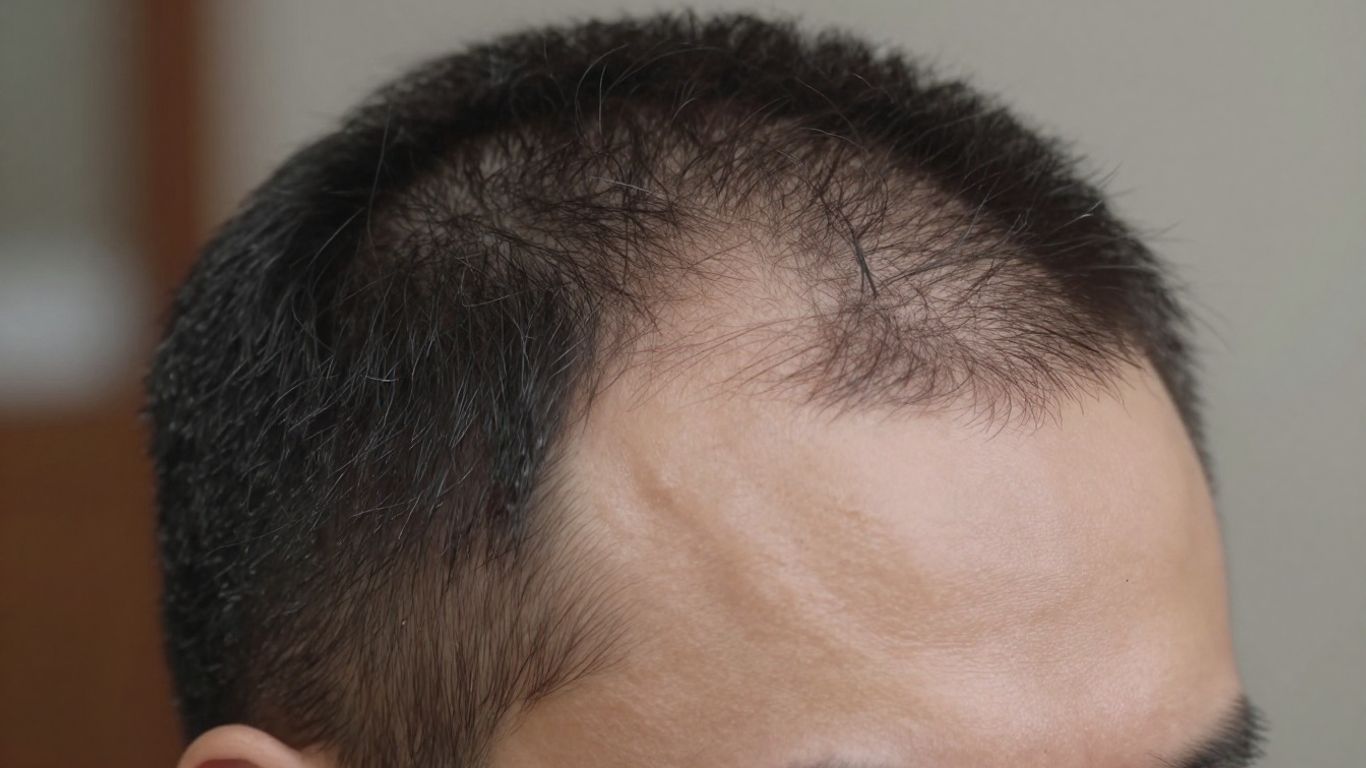
So, you're thinking about a hair transplant here in New York City. It's a big step, and knowing your options is the first part of the puzzle. There are a few main ways surgeons tackle hair restoration, and each has its own pros and cons. It's not a one-size-fits-all deal, and what works best for one person might not be the right choice for another. The goal is always to get you a natural look that you'll be happy with for years to come.
Exploring Follicular Unit Transplantation (FUT)
This is one of the older, more established methods. With FUT, sometimes called the 'strip method', the surgeon removes a thin strip of scalp from an area where hair is growing well – usually the back of your head. This strip is then carefully divided into tiny grafts, each containing one or a few hair follicles. These grafts are then transplanted into the areas where you're experiencing thinning or hair loss. It's a technique that can yield a lot of grafts in one session, which can be good if you have significant hair loss. However, it does leave a linear scar where the strip was removed, though skilled surgeons can often hide this with your existing hair. It's a solid option for many people looking for significant restoration.
Understanding Follicular Unit Extraction (FUE)
FUE is a bit different. Instead of removing a strip, the surgeon extracts individual hair follicles directly from the donor area using a tiny tool. Think of it like thousands of tiny, precise removals. These individual follicles are then transplanted to the thinning areas. The big advantage here is that there's no linear scar, just tiny dots where each follicle was taken. This means the recovery can be quicker, and it's often preferred by people who like to wear their hair short. It's a more meticulous process, and the surgeon's skill in extraction and placement is really key to getting great results. Many people opt for FUE because of the minimal scarring.
Considering Platelet-Rich Plasma (PRP) Therapy
Now, PRP isn't exactly a transplant, but it's often used alongside these procedures or as a standalone treatment for certain types of hair loss. The idea is pretty neat: they take a small sample of your blood, spin it in a centrifuge to concentrate the platelets (which are full of growth factors), and then inject this 'platelet-rich plasma' into your scalp. The theory is that these growth factors can stimulate your hair follicles and encourage new growth or thicken existing hair. It's a non-surgical option that many find helpful, especially for diffuse thinning or to support transplanted hair. It's usually done in a series of sessions.
Choosing the right method really depends on your specific hair loss pattern, your desired hairstyle, and how your scalp heals. A good surgeon will walk you through all of this during your consultation.
Choosing the Right Hair Transplant Surgeon NYC
Finding the right person to perform your hair transplant is a big deal. It's not just about getting hair back; it's about getting it back in a way that looks natural and lasts. You've probably seen a million ads and websites, all claiming to be the best. But how do you actually sort through all that noise and find a surgeon who's truly qualified and experienced?
Verifying Surgeon Credentials and Board Certifications
This is your first and most important step. You want to make sure the surgeon is board-certified in a relevant specialty, like dermatology or plastic surgery, and that they focus specifically on hair restoration. Board certification means they've met rigorous standards for training and practice. Don't be afraid to ask directly about their credentials and where they trained. A reputable surgeon will be happy to share this information. It's also a good idea to check if they are members of professional organizations, such as the International Society of Hair Restoration Surgery (ISHRS). This shows they are committed to staying current with the latest techniques and ethical standards in the field.
Assessing Surgeon Experience and Specialization
Beyond just being certified, how long has the surgeon been doing hair transplants? And more importantly, how many procedures do they perform regularly? Someone who does a few hair transplants a month is very different from someone who performs them daily. Look for surgeons who have a significant track record, ideally performing hundreds or even thousands of procedures. Specialization is key here; you want someone whose practice is dedicated primarily to hair restoration, not someone who dabbles in it alongside many other cosmetic procedures. For example, you might find surgeons like Dr. Roy Stoller in New York City who have extensive experience with both FUE and FUT techniques [9799].
Reviewing Before-and-After Patient Results
This is where you see the proof in the pudding. A surgeon's portfolio of before-and-after photos and videos is incredibly telling. Don't just glance at a few pictures; really study them. Look for consistency in results across different patients and different types of hair loss. Are the results natural-looking? Is the hairline design aesthetically pleasing? Do the transplanted hairs blend well with the existing hair? Pay attention to the quality of the photos – are they clear, well-lit, and taken from multiple angles? A surgeon who is proud of their work will have a robust collection of high-quality results readily available for you to review.
Understanding the Consultation Process
The consultation is your chance to interview the surgeon and the clinic. It's vital that you meet with the actual surgeon who will be performing your procedure, not just a consultant or a nurse. During the consultation, the surgeon should thoroughly examine your scalp, discuss your hair loss pattern, and explain the different treatment options available to you, like FUT or FUE. They should also be upfront about the potential outcomes, risks, and the recovery process. You should feel comfortable asking questions and should receive clear, detailed answers. If a surgeon seems rushed, dismissive, or doesn't adequately address your concerns, it might be a sign to look elsewhere. A good consultation should leave you feeling informed and confident about the next steps.
A thorough consultation is more than just a quick look at your scalp; it's a two-way street where you assess the surgeon's communication style, their understanding of your goals, and their overall approach to patient care. Don't hesitate to ask about their specific techniques, how they manage donor hair, and what their post-operative care plan involves. This initial meeting sets the tone for your entire hair transplant journey.
Key Factors in Selecting a Hair Transplant Clinic
Picking the right place for your hair transplant is a big deal, maybe even more important than the surgery itself. It's not just about finding a doctor; it's about the whole clinic and what they offer. You want to be sure you're in good hands from the moment you walk in until long after your procedure is done.
Evaluating Clinic Accreditation and Safety Standards
First off, you need to know the clinic is legit and safe. Look for accreditations from official bodies, like the Turkish Ministry of Health if you're looking abroad, or similar health organizations here. This shows they meet certain standards. Safety and cleanliness are non-negotiable. Think about it: you're having a medical procedure. You want to be sure everything is sterilized properly and that the environment is clean. Ask about their protocols for sterilization and infection control. It's a basic but vital step.
Assessing Surgeon's Direct Involvement in Procedures
This is a really important point. You need to know that the surgeon you consulted with is actually the one doing the work, not just supervising technicians. Ask directly: Who will be designing the hairline? Who will be creating the recipient sites? Who will be placing the grafts? A surgeon who is personally involved in all the critical steps, from design to placement, is much more likely to give you the results you're looking for. This direct involvement is a hallmark of a dedicated practice.
Understanding Pricing and What's Included
Costs can vary a lot, and it's easy to get confused. Make sure you get a clear breakdown of what the price includes. Is it just the surgery, or does it cover pre-op tests, medications, follow-up visits, and maybe even accommodation if you're traveling? Some clinics might seem cheaper upfront, but then tack on extra fees later. Transparency here is key. For example, a hair transplant in NYC can range from $15,000 to $35,000, depending on the specifics. Knowing exactly what you're paying for helps avoid surprises.
Examining Post-Operative Care and Follow-Up Support
What happens after the surgery is just as critical as the procedure itself. A good clinic will have a solid plan for your post-operative care. This usually involves detailed instructions on how to wash your scalp, what medications to take, and what activities to avoid. They should also have a clear follow-up schedule. Are they available for questions if something comes up? Do they check in on your progress? This ongoing support is vital for healing and getting the best possible outcome. Don't hesitate to ask about their follow-up process and how accessible they are after you've left the clinic.
What to Expect During Your Hair Transplant Journey
The Initial Consultation and Assessment
So, you've decided to explore a hair transplant. The very first step is usually a consultation with your chosen surgeon. This isn't just a quick chat; it's where the real planning begins. The doctor will take a good look at your scalp, check out your hair loss pattern, and assess the donor area – that's usually the back and sides of your head where hair is most plentiful. They'll want to understand your medical history too, just to make sure you're a good candidate for the procedure. This is also your chance to ask all those burning questions you have. Be honest about your expectations; the surgeon needs to know what you're hoping to achieve to see if it's realistic. They'll explain the different techniques, like FUE or FUT, and talk about what might work best for you. It's all about getting a clear picture before anything else happens.
Understanding Procedure Duration and Recovery
When it comes to the actual procedure, it can take a while. Depending on how many grafts are needed, a hair transplant session can last anywhere from five to eight hours, sometimes even longer. It's not a quick fix, but it's a significant step. After the surgery, you'll need some downtime. Most people can get back to light activities within a few days, but strenuous exercise is usually off the table for a week or two. You might feel a bit sore or tender in the treated areas, and that's totally normal. Your surgeon will give you specific instructions on how to care for your scalp during this initial recovery period. This might include how to wash your hair gently and what positions to avoid when sleeping. Preparing your donor site is also part of this, often involving shaving the area to make the follicle extraction easier [dd25].
Timeline for New Hair Growth and Final Results
Now, here's the part that requires the most patience: waiting for new hair to grow. You won't see a full head of hair overnight, or even in the first month. In the first few weeks after the procedure, you might actually notice some shedding, sometimes called 'shock loss.' Don't panic; this is a normal part of the process. The transplanted follicles are settling in. Real growth usually starts to become noticeable around the three-to-four-month mark. You'll see fine hairs at first, and they'll gradually thicken. Significant changes often appear between six to nine months, with the final, most impressive results typically showing up around 12 months post-procedure [7c3a]. It's a marathon, not a sprint, but the results are generally permanent.
Post-Procedure Care and Lifestyle Adjustments
Taking care of your scalp after the transplant is super important for getting the best results. Your clinic will give you a detailed list of do's and don'ts. Generally, you'll need to be very gentle with your scalp for the first week or so. This includes how you wash your hair – usually with a mild shampoo and very light touch. You'll also want to avoid direct sun exposure and maybe wear a loose hat if you go outside. Some surgeons recommend avoiding alcohol and smoking for a period, as these can affect healing. Making some lifestyle adjustments, like eating a balanced diet and managing stress, can also help support healthy hair growth in the long run. It's all about giving those new grafts the best environment to thrive.
Addressing Specific Hair Loss Concerns
Not all hair loss looks the same, and what works for one person might not be the best fit for another. It's really important to talk about the specific ways hair loss can show up and how hair transplant procedures can be tailored to help.
Hair Transplants for Female Hair Loss Patterns
Female hair loss often differs quite a bit from the male pattern baldness most people think of. It's frequently more about diffuse thinning, meaning the hair gets thinner all over the scalp, rather than a receding hairline or a bald spot. This can make it tricky because the goal is often to restore overall density and fullness, not just fill in a specific area. Techniques like Follicular Unit Extraction (FUE) are still very useful here, but the approach to planning and placement needs to be really thoughtful. Surgeons need to consider the natural density and distribution of hair in women to create a result that looks natural and maintains feminine aesthetics. Sometimes, less invasive methods that don't require shaving large areas are preferred, allowing for quicker camouflage of the procedure.
Techniques for Diffuse Thinning
Dealing with diffuse thinning, where hair becomes sparser across the entire scalp, requires a careful strategy. It's not about creating a sharp new hairline, but about adding density where it's needed most to give the appearance of thicker hair. Surgeons might use FUE to carefully harvest individual follicular units and then strategically place them to blend with existing hair. The key here is artistry – understanding how to distribute the transplanted hairs to maximize the visual impact. It's a bit like a painter adding subtle strokes to create depth and fullness on a canvas. The goal is to make the scalp less visible without looking overdone.
Restoring Natural-Looking Hairlines
Creating a hairline that looks like it's always been there is a big part of what makes a hair transplant successful, especially for women. It's not just about filling in a gap; it's about framing the face in a way that's flattering and natural. This involves looking at your facial structure, your age, and even your natural hair growth patterns. A skilled surgeon will pay close attention to the angle, direction, and density of the transplanted hairs right at the front of the scalp. They might use smaller grafts or single-hair grafts in this delicate area to achieve a soft, natural transition. It's a detail-oriented process that really makes a difference in the final outcome. The goal is always a result that looks so natural, no one would guess you've had anything done.
The success of a hair transplant often hinges on the surgeon's ability to understand and replicate natural hair growth patterns. This means considering not just where to place the hair, but also the precise angle and direction for each graft to mimic how hair grows organically from the scalp. It's a blend of scientific precision and artistic vision.
Here's a quick look at what goes into planning for different hair loss types:
- Female Pattern Loss: Focus on overall density, maintaining natural hairline shape, and often using techniques that minimize shaving.
- Diffuse Thinning: Strategic placement of grafts to increase overall scalp coverage and reduce visibility of the scalp.
- Hairline Restoration: Meticulous attention to graft placement, angle, and density at the frontal hairline for a soft, natural appearance.
Choosing a surgeon who understands these nuances is key to getting results that address your specific concerns effectively. You can find specialists who focus on these tailored approaches when looking into hair replacement services.
Beyond the Procedure: Long-Term Hair Health
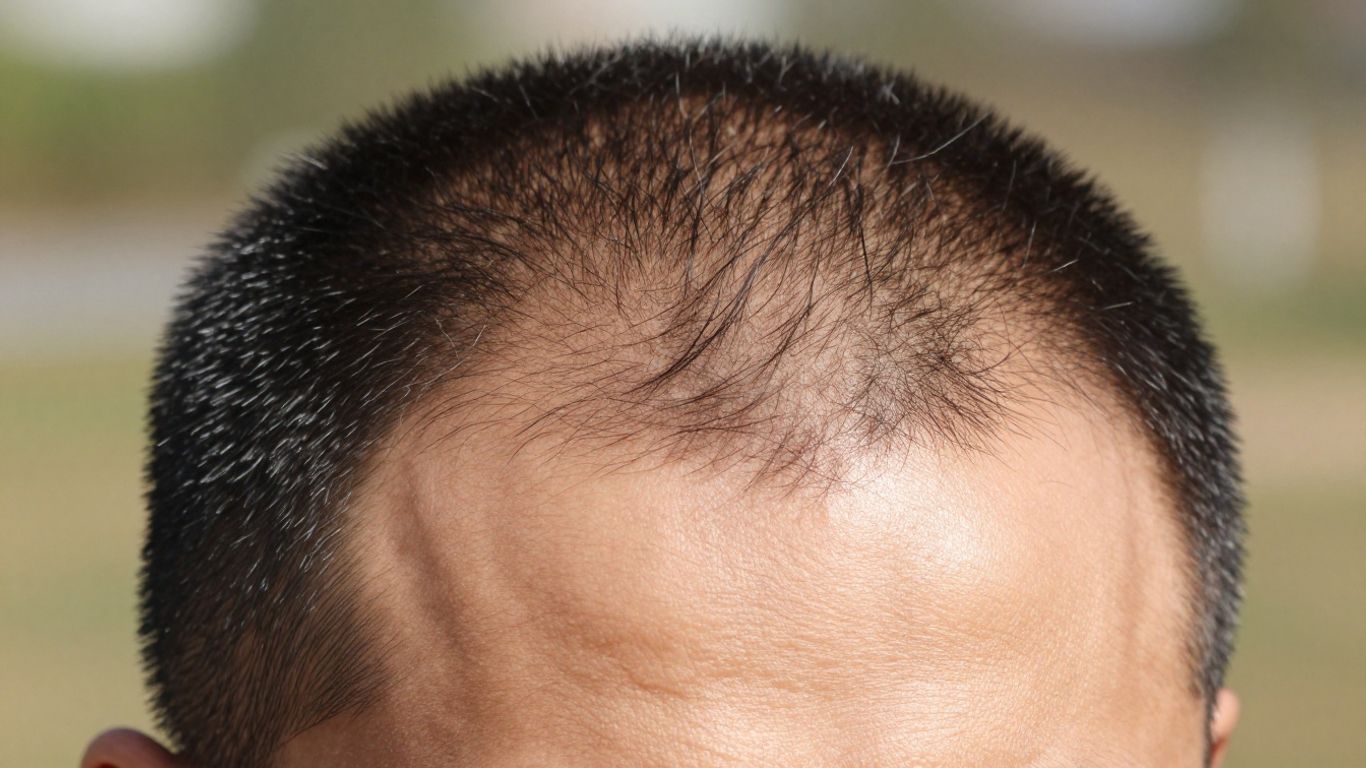
So, you've gone through the hair transplant process, and you're starting to see those new hairs emerge. That's fantastic! But the journey doesn't quite end when the surgery is done. To really make sure your results last and your scalp stays healthy, there are a few things you'll want to keep in mind.
Maintaining Scalp Health Post-Transplant
After your procedure, your scalp is going to be a bit sensitive. It's like a garden where you've just planted new seeds – you need to give it the right conditions to thrive. Your clinic will give you specific instructions, but generally, you'll need to be gentle. Washing your scalp will follow a schedule, starting very gently, often with a special shampoo. You might also need to sleep with your head a bit elevated for the first few nights to help with swelling. And definitely avoid strenuous exercise, direct sun, and tight hats for a while as recommended. Following these post-operative instructions diligently is super important for protecting those new grafts and helping everything heal up right. It really impacts the final look.
Lifestyle Choices for Optimal Hair Growth
What you do in your day-to-day life can actually make a difference in how well your transplanted hair grows and how healthy your scalp remains. Think about it: your body is a system, and everything is connected.
- Nutrition: Eating a balanced diet rich in vitamins and minerals, especially those good for hair like biotin, iron, and zinc, can support healthy growth.
- Stress Management: High stress levels can sometimes impact hair health. Finding ways to relax, whether it's through exercise, meditation, or hobbies, can be beneficial.
- Avoid Smoking: Smoking can affect blood circulation, which isn't ideal for delivering nutrients to your scalp and hair follicles.
- Scalp Care: Continue to use gentle shampoos and conditioners. Avoid harsh chemicals or excessive heat styling that could damage your hair or scalp.
Taking care of your overall health is a direct investment in the longevity and appearance of your transplanted hair. It's about creating the best possible environment for your new hair to flourish.
Understanding the Permanence of Transplanted Hair
One of the best parts about a hair transplant is that the hair you get is generally permanent. The reason for this is that the hair follicles are moved from areas of your scalp that are genetically resistant to balding, usually the back and sides. These follicles keep their natural characteristics when transplanted to the thinning or balding areas. So, the hair that grows from these transplanted follicles should continue to grow for a lifetime. However, it's important to remember that the procedure only addresses the areas where hair was transplanted. You might still experience hair loss in other areas of your scalp that weren't treated. This is why some people might consider ongoing treatments or future procedures to maintain density or address new areas of thinning. It's a lasting solution for the treated zones, but it doesn't stop the natural progression of hair loss elsewhere on the scalp. If you're curious about long-term solutions for hair loss, a hair transplant offers a lasting solution for many individuals seeking to restore natural-looking hair and regain self-assurance.
Wrapping Up Your Search for a NYC Hair Transplant Surgeon
So, you've done your homework and learned a lot about finding the right hair transplant surgeon in NYC. It's a big decision, for sure, and it's totally normal to feel a bit overwhelmed with all the options out there. Remember to focus on the surgeon's actual experience, look at their past work, and make sure you feel comfortable talking to them. Don't rush the process. Taking your time to find a qualified professional who understands your specific needs is the best way to get the results you're hoping for and get your confidence back. Good luck on your journey!
Frequently Asked Questions
What's the difference between FUT and FUE hair transplants?
Think of FUT like getting a whole strip of hair from the back of your head, then cutting it up into tiny pieces to plant. It can give you a lot of hair at once but leaves a thin scar. FUE is different; it's like picking out individual hairs from the back and planting them. This method leaves smaller dots as scars and usually heals faster.
How do I know if a surgeon is good?
You want to find a surgeon who is certified by a medical board and has lots of experience, especially with hair transplants. Look at pictures of their past patients to see if the results look natural. Also, make sure they are honest and answer all your questions during the first meeting.
What should I expect during the consultation?
During your first meeting, the doctor will look at your hair loss, check your scalp, and talk about what you want. They'll explain the different options, what the surgery is like, and what results you can realistically expect. It's your chance to ask anything you're wondering about.
How long does it take to see new hair growth?
After the surgery, you won't see much right away. It usually takes about 3 to 4 months before you start seeing new hair sprout. The full results, meaning how thick and natural your hair looks, will take about 9 to 12 months.
Is a hair transplant permanent?
Yes, the hair that is transplanted is permanent because it comes from a part of your scalp that doesn't typically lose hair. However, you might still lose hair in the areas that weren't treated, so sometimes people need more procedures later on.
What is PRP therapy and how does it help?
PRP stands for Platelet-Rich Plasma. It's a treatment where they take a small amount of your own blood, concentrate the healing parts (platelets), and inject it into your scalp. The idea is that these platelets can help wake up your hair follicles and encourage thicker hair growth, often used alongside transplants.

International Standards.
Brazilian Mastery.
Aesthetica Medical Travel Facilitators, LLC is an international care coordination company registered in Wyoming, United States. We provide services for the promotion and support of medical service providers, including physicians worldwide (“medical service providers”). These services are made available through Aesthetica’s website, and the same privacy terms also apply to the Aesthetica Advisor Program (the “application/platform”), created and operated by Aesthetica. Aesthetica is solely responsible for controlling and processing the information obtained via the platform or through other communications between users, businesses, hospitals, clinics, or third parties and members of the Aesthetica service team (the “Service Team”). Our services may include non-clinical care coordination for North American patients seeking elective procedures abroad, including provider matching, travel logistics, and administrative support throughout the care journey. Additional services or add-ons may be offered depending on the selected scope. Post-operative care is typically conducted in the destination country where the procedure is performed. Additional coordination or administrative support in the patient’s country of origin may be available separately, subject to scope and availability. Aesthetica may engage third-party service providers, partners, or affiliated entities to support its operations, including data processing and service delivery. Information may be shared with such parties solely as necessary to provide the services described. Our operations follow strict standards of transparency, privacy protection, and regulatory compliance. Testimonials reflect individual experiences and do not guarantee future results. By using Aesthetica’s services or platform, users acknowledge and agree to these terms and understand the limited, non-clinical role of Aesthetica in the care journey. For more information about our policies or compliance framework, please contact our support team.