
Unlock Fuller Hair: Your Guide to PRP Hair Growth Treatments
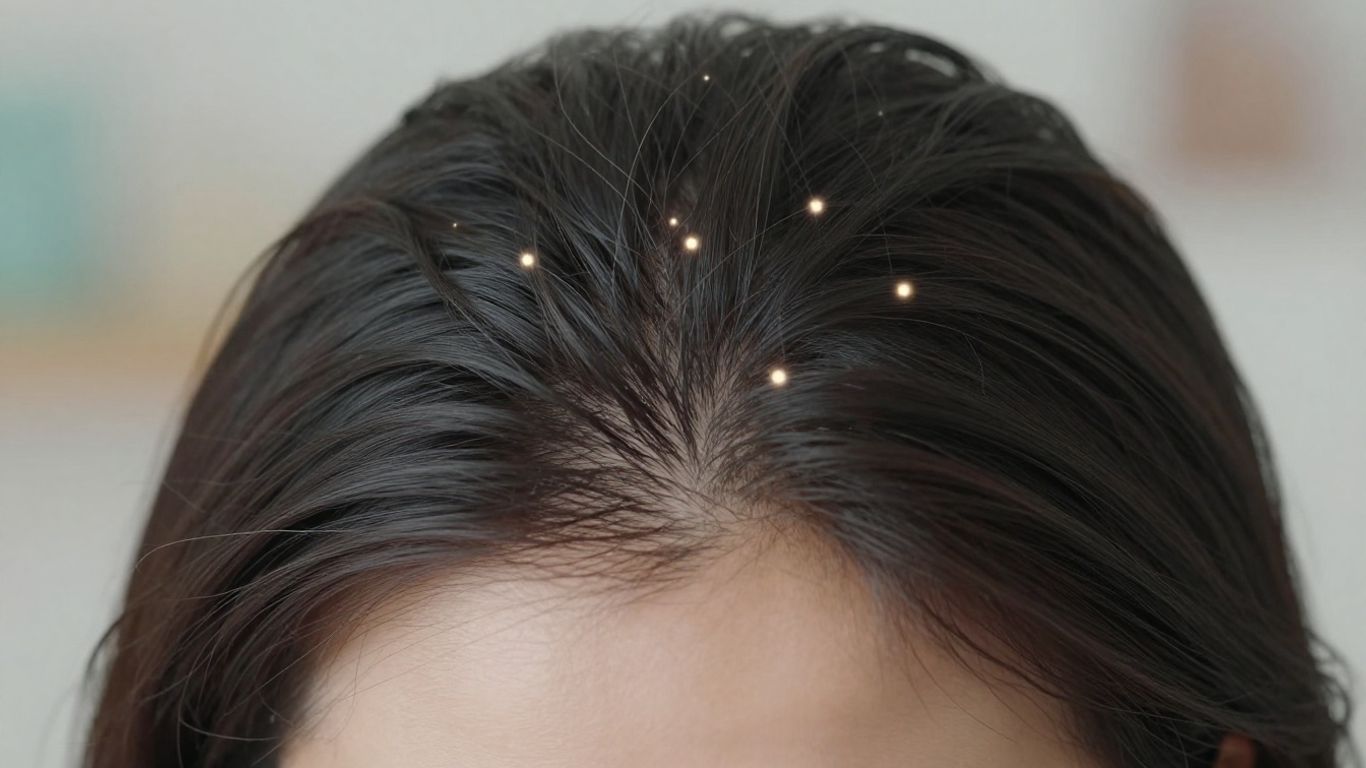
Dealing with thinning hair can be a real bummer, right? You try different products, maybe even change your diet, but sometimes it feels like nothing really works. Well, have you heard about PRP hair growth treatments? It sounds a bit science-y, but it's actually a pretty straightforward method that uses your own body to help your hair get thicker and fuller. We're going to break down what PRP is all about, how it works, and what you can expect if you're thinking about trying it.
Key Takeaways
- PRP hair growth treatment uses your own blood's platelets, which are packed with growth factors, to encourage hair follicles to produce thicker, healthier hair.
- The process involves a simple blood draw, concentrating the platelets, and then injecting this platelet-rich plasma into the scalp where hair is thinning.
- PRP therapy is a non-surgical option that is generally safe and effective for individuals experiencing early to moderate hair loss, particularly pattern baldness.
- While some notice less shedding sooner, significant improvements in hair density and thickness usually become visible after several treatment sessions, often around the six-month mark.
- To get the best results from prp hair growth, consistency with treatments and potentially combining it with other hair-care strategies is recommended.
Understanding PRP Hair Growth Treatments
So, you're curious about PRP for hair growth? It's a pretty neat approach that uses your own body's resources to help out your scalp. Basically, it's all about platelets. You know, those little guys in your blood that help stop bleeding? Well, it turns out they're also packed with proteins that can signal your body to repair things and grow new tissue. PRP therapy concentrates these platelets and injects them into areas where hair is thinning.
What is Platelet-Rich Plasma (PRP)?
Think of your blood. It's got red cells, white cells, and plasma. Floating around in there are also platelets. When you get a cut, platelets rush to the scene to help form a clot and start the healing process. In PRP, we take your blood, spin it in a special machine to separate everything, and then collect the plasma that's super rich in these platelets. It's like getting a concentrated dose of your body's natural repair kit. This platelet-rich plasma is then used to encourage hair growth.
How PRP Therapy Stimulates Hair Growth
PRP works by giving your hair follicles a boost. It's not about creating new follicles, but rather waking up the ones that are still there but aren't doing much. The growth factors in the platelets tell your follicles to get back to work, potentially leading to thicker hair and even new growth over time. It's a way to give your scalp the building blocks it needs for healthier hair.
Here's a quick look at what happens:
- Blood Draw: A small amount of your blood is taken, just like a regular blood test.
- Centrifugation: The blood is spun in a machine to separate the platelets.
- Injection: The concentrated platelet-rich plasma is injected into the scalp.
The Science Behind PRP's Regenerative Power
At its core, PRP therapy taps into the body's natural healing mechanisms. The platelets release growth factors that can signal cells to regenerate and repair. For hair, this means potentially improving blood flow to the scalp and encouraging the hair follicles to enter the growth phase. It's a biological process that aims to revitalize the scalp environment.
The idea is to give your existing hair follicles a better environment to thrive in. By delivering these concentrated growth factors directly to the scalp, PRP aims to strengthen the follicles and promote healthier, thicker hair strands. It's a targeted approach to hair restoration.
This treatment is a non-surgical option that uses your own blood, making it a natural choice for many people looking to address hair thinning. You can find more details about what PRP treatment is if you're interested.
The PRP Hair Growth Procedure Explained
So, you're curious about how this whole Platelet-Rich Plasma (PRP) thing actually works for hair growth? It's not some complicated, sci-fi process. Honestly, it's pretty straightforward and uses your own body's natural abilities. Let's break down what happens when you go in for a treatment session.
The Simple Blood Draw and Processing
It all starts with something you're probably familiar with: a blood draw. A technician will take a small amount of blood from your arm, much like a standard blood test. This sample is then placed into a special machine called a centrifuge. This device spins the blood at a high speed, separating it into its different components – red blood cells, white blood cells, and the plasma. The key part we're interested in is the plasma, which is then further processed to concentrate the platelets. These platelets are packed with growth factors, which are the real stars of the show for hair regrowth. This concentrated plasma is often called 'liquid gold' because of its regenerative potential.
Strategic Scalp Injections for Maximum Impact
Once we have your PRP ready, it's time for the injections. Before that, though, your scalp will be prepped. Usually, a numbing cream is applied to make sure you're comfortable. Nobody wants to feel unnecessary pain, right? After the numbing cream has done its job, a very fine needle is used to inject the PRP directly into the areas of your scalp experiencing thinning or hair loss. The injections are placed strategically to reach the hair follicles. Some practitioners might also use microneedling alongside the injections to help the PRP absorb better into the skin. It’s a minimally invasive step, and most people find it quite manageable.
What to Expect During and After Treatment
During the procedure itself, you might feel a slight pricking sensation from the injections, but thanks to the numbing cream, it's generally not painful. The whole injection process usually doesn't take too long, maybe 15-30 minutes depending on the area being treated. After the session, you can pretty much go back to your normal routine. Your scalp might feel a little tender or look slightly red for a day or two, kind of like a mild sunburn, but there's typically no significant downtime. It's important to follow any specific aftercare instructions your provider gives you, like avoiding strenuous exercise or harsh hair products for a short period.
Here’s a quick look at the typical timeline:
- Blood Draw: 5-10 minutes
- PRP Processing: 15-20 minutes
- Scalp Injections: 15-30 minutes
The entire session is designed to be efficient, fitting easily into your day without requiring you to take time off work or change your usual activities significantly. It’s a treatment that works with your life, not against it.
Benefits of PRP for Fuller Hair
So, what exactly makes Platelet-Rich Plasma (PRP) therapy such a popular choice for people looking to get more hair? It really comes down to a few key advantages that make it stand out from other options. It's not just about growing hair; it's about doing it in a way that feels natural and works with your body.
Natural and Safe Hair Restoration
One of the biggest draws of PRP is that it uses your own blood. That means the stuff being injected into your scalp comes directly from you. This makes it incredibly safe, with a very low chance of allergic reactions or other problems. It's a way to get your hair back without introducing foreign substances into your body. This natural approach is a big deal for many people who are wary of more invasive procedures.
The core idea behind PRP is simple: harness your body's own healing power. By concentrating the platelets from your blood, we're essentially giving your scalp a super-boost of the natural elements that encourage repair and growth. It's like giving your hair follicles exactly what they need, straight from the source.
Enhanced Hair Density and Thickness
PRP therapy doesn't just aim to stop hair loss; it actively works to make your existing hair look and feel better. The growth factors in the platelets help to improve blood circulation in the scalp. Better circulation means more nutrients and oxygen reach the hair follicles. This can lead to individual hair strands becoming thicker and stronger, which in turn makes your overall hair appear much denser and fuller. You'll notice your hair has more volume and feels healthier.
Stimulating Dormant Follicles for New Growth
Think of your hair follicles like tiny engines. Sometimes, they just get sluggish or even go into a sort of sleep mode, especially with age or certain types of hair loss. PRP therapy is designed to wake these dormant follicles up. The concentrated growth factors signal to these follicles that it's time to get back to work, encouraging them to enter the active growth phase. This can lead to the appearance of new, finer hairs in thinning areas, which eventually mature into thicker strands. It's about revitalizing the hair you have and encouraging new life where it's faded.
Here's a quick look at what PRP therapy aims to achieve:
- Reduced Shedding: Helps to slow down the rate at which you're losing hair.
- Increased Thickness: Individual hair strands become more robust.
- New Growth: Encourages dormant follicles to start producing hair again.
- Improved Scalp Health: Better blood flow supports a healthier environment for hair growth.
It's a multi-faceted approach that addresses hair loss from several angles, making it a really effective treatment for many individuals seeking more hair.
Who Benefits Most from PRP Hair Growth
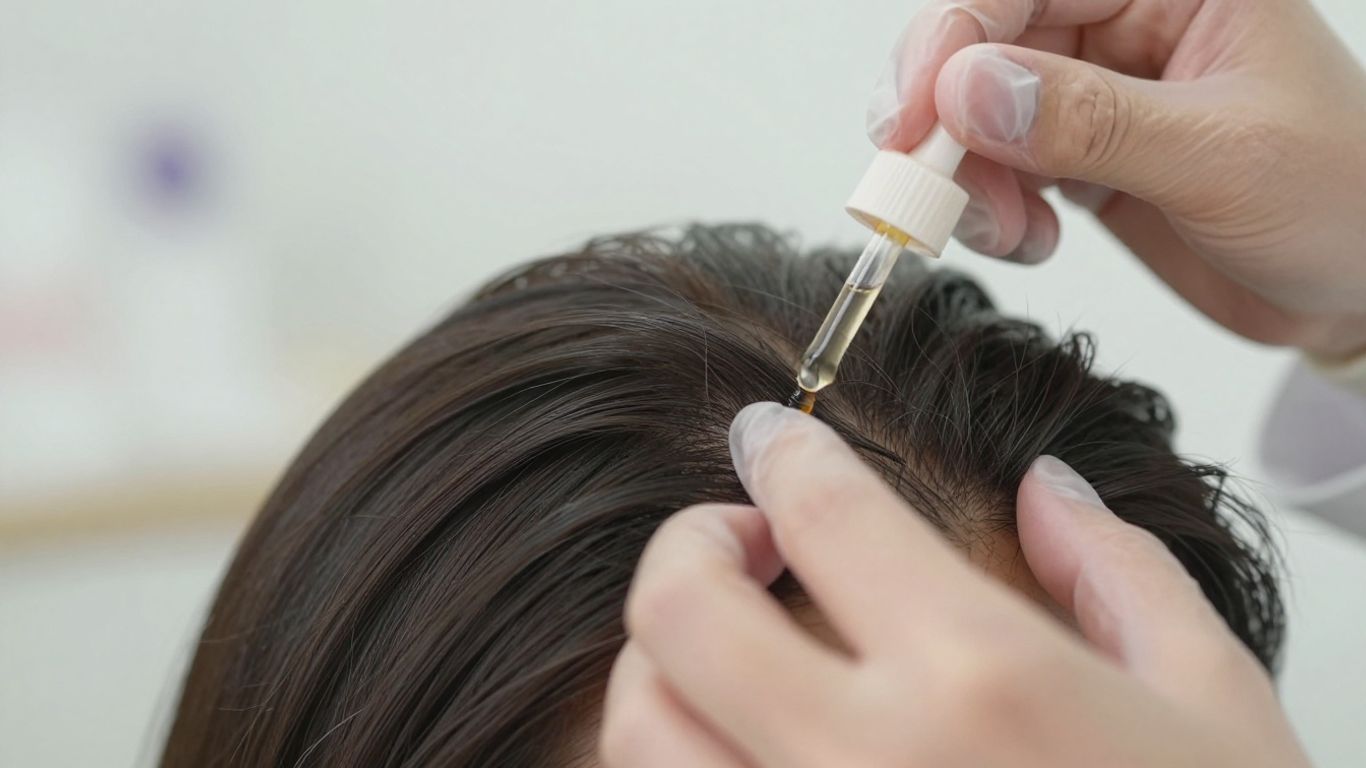
So, who is this PRP treatment really for? It's a great question, and the answer isn't always straightforward. While PRP is a fantastic option for many dealing with hair loss, it's not a one-size-fits-all solution. Think of it like this: PRP works best when there are still active, albeit struggling, hair follicles present. It's about giving those existing follicles a serious boost, not creating new ones out of thin air.
Ideal Candidates for PRP Therapy
Generally, the people who see the most impressive results are those experiencing early to moderate hair loss. This often includes conditions like androgenetic alopecia, which is the fancy term for male or female pattern baldness. If you're noticing your hair thinning gradually, or perhaps your hairline is starting to creep back a bit, you're likely in a good spot. The key is that your hair follicles aren't completely gone; they're just not producing hair as robustly as they used to. They might be miniaturized or just sluggish. PRP is like a concentrated dose of encouragement for these follicles, helping them get back to work.
Recognizing Early to Moderate Hair Loss
How do you know if you fall into this category? Well, start by looking closely at your scalp. Are you seeing more hair than usual in the shower drain or on your brush? Does the part in your hair seem wider than it used to? Maybe you can see a lot of fine, almost invisible hairs (sometimes called vellus hairs) in areas where your hair is thinning. These are all signs that your follicles are still there, just weakened. It's much easier to revitalize a tired follicle than to bring back one that's completely shut down. This is why starting treatment sooner rather than later can make a big difference in the outcome.
- Gradual thinning across the scalp
- Receding hairline or temples
- Noticeable decrease in hair volume and density
- Presence of miniaturized or fine hairs in thinning areas
When PRP is Most Effective
PRP therapy is most effective when used as a proactive measure. It's about maintaining the hair you have and encouraging the growth of what's currently dormant. If you're experiencing significant baldness with no visible follicles, PRP might not be the best primary treatment. However, it can still be beneficial in improving the quality and thickness of the hair that is present. For those looking for a natural way to combat thinning and boost hair density, PRP hair restoration is a strong contender. It's a treatment that works with your body's natural processes to encourage healthier, fuller hair growth.
The success of PRP hinges on the condition of your existing hair follicles. It's about revitalization, not regeneration from scratch. If your follicles are still viable, even if they're underperforming, PRP can provide the stimulation needed to encourage new growth and improve hair thickness.
Maximizing Your PRP Hair Growth Results
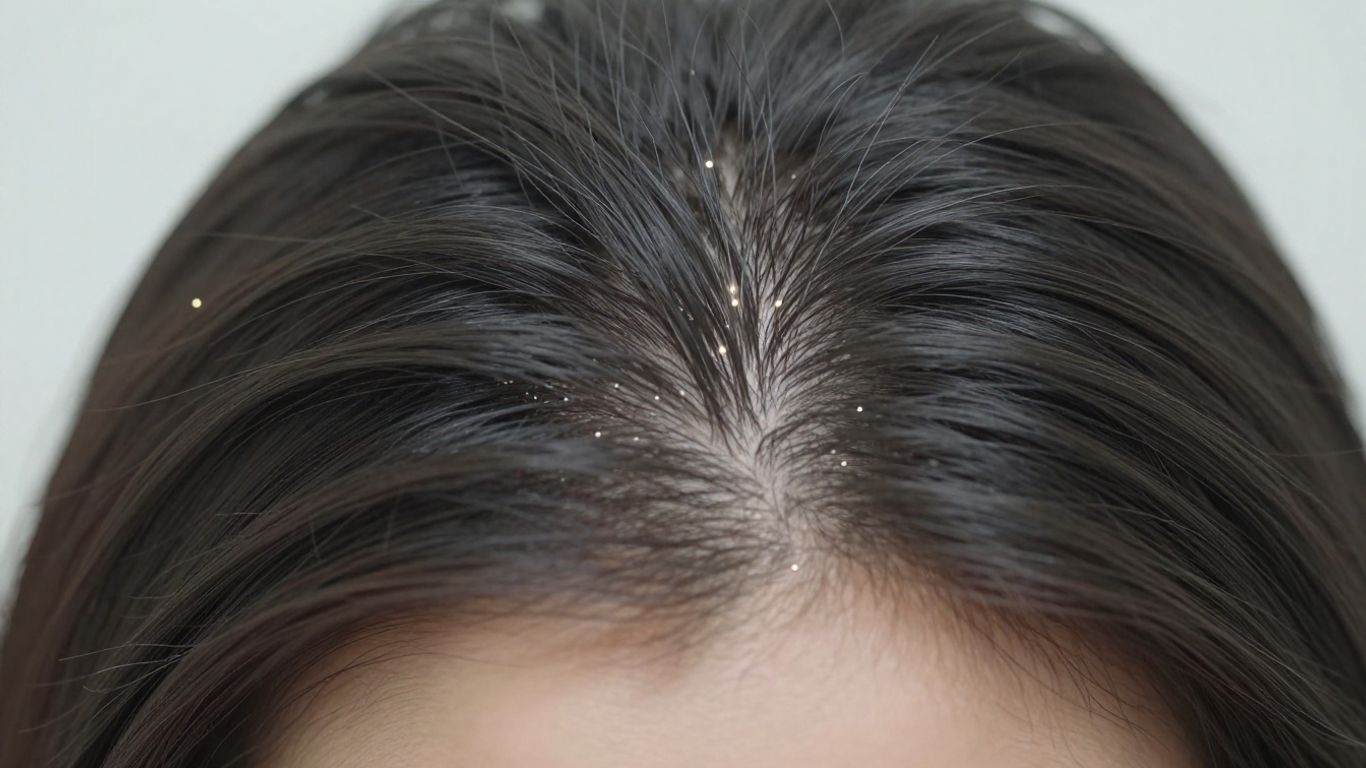
So, you've decided to go for PRP therapy to get your hair looking fuller. That's great! But just showing up for your appointments is only part of the story. To really get the most out of this treatment, you've got to be proactive. Think of it like training for a marathon – the race day is important, but all the prep work beforehand is what makes the difference.
The Importance of Consistency in Treatment
PRP works by stimulating your hair follicles, and this process takes time. Your doctor will likely recommend a series of treatments, often spaced a few weeks apart. It's really important to stick to this schedule. Missing appointments can disrupt the progress and might mean you don't see the results you were hoping for. Consistency is your best friend when it comes to seeing real changes.
Here's a general idea of what a treatment schedule might look like:
- Initial Phase: Typically 3-4 sessions, spaced 4-6 weeks apart.
- Maintenance Phase: After the initial phase, you might need booster sessions every 6-12 months, depending on your individual needs and how your hair responds.
Combining PRP with Complementary Therapies
PRP is powerful, but it often works even better when it's part of a bigger plan. Many people find that combining PRP with other treatments gives them a significant boost. For instance, some studies suggest that pairing PRP with microneedling can improve how well the PRP is absorbed into the scalp. Others might benefit from using specific topical solutions or oral medications alongside their PRP sessions. It’s about creating a multi-pronged attack on hair thinning. You can explore integrated hair loss strategies to see how different methods can work together.
Setting Realistic Expectations for Outcomes
It's easy to get excited about PRP, but it's important to keep your expectations grounded. This isn't a magic wand that will give you a full head of hair overnight. PRP works by revitalizing your existing follicles and encouraging dormant ones to wake up. You'll likely notice less shedding first, then gradually see an increase in hair density and thickness. Significant changes usually take several months and multiple treatment sessions. Remember, the goal is to restore and improve what you have, not to create hair where there was none.
After your PRP sessions, remember that good scalp care is key. Gentle washing, avoiding harsh chemicals, and a healthy diet all play a role in supporting your hair's health and maintaining the results you achieve from the treatment. Focus on long-term hair care to keep your hair looking its best.
Following these tips will help you get the most out of your PRP hair growth journey. Be patient, stay consistent, and work with your provider to create the best plan for you.
Realistic Timelines for PRP Hair Growth
When you're investing in PRP for hair growth, it's super important to know that it's not an overnight fix. Think of it more like tending a garden – it takes time, consistent care, and patience to see the best blooms. The process works by waking up your dormant hair follicles and strengthening the ones that are already there. This means the changes happen gradually, building on each other over several months.
Initial Signs of Improvement
Most people don't see dramatic changes right away, and that's totally normal. One of the first things you might notice, often within the first few weeks to a month after your initial sessions, is a reduction in hair shedding. You'll probably see less hair in your brush or in the shower drain. This is a good sign that the treatment is starting to stabilize your hair cycle and encourage follicles to stay in their active growth phase longer. It’s a subtle but encouraging indicator that things are moving in the right direction.
Visible Changes After Multiple Sessions
To really start seeing a difference in hair density and thickness, you'll likely need to complete a series of treatments. Typically, practitioners recommend an initial series of three to four sessions, spaced about four to six weeks apart. After about two to three of these sessions, many patients begin to notice more visible improvements. This could include areas starting to look a bit fuller and the existing hair strands feeling a little thicker. It’s around this stage that you can start to feel more optimistic about the treatment's potential.
Achieving Significant Results Over Time
The most substantial and satisfying results usually become apparent several months down the line. By the six-month mark, after completing your initial treatment plan, you can expect to see a noticeable increase in hair density and thickness. This is when those dormant follicles have had enough time to be stimulated and produce new, healthy hair. Continued maintenance sessions, often recommended every six to twelve months depending on your individual needs and response, are key to preserving and building upon these gains. It's a journey, but the payoff can be quite rewarding for those seeking fuller hair.
Remember, PRP therapy works by revitalizing your existing hair follicles. It's about improving the health and activity of what's already there, rather than creating entirely new hair from scratch on a completely bare scalp. The goal is to encourage stronger, thicker growth from the follicles that are still capable of producing hair.
Here’s a general idea of what the timeline might look like:
- Weeks 1-4: Reduced hair shedding is often the first noticeable sign.
- Months 2-3: Early signs of increased density and thickness may start to appear, especially after a couple of sessions.
- Months 4-6: More significant improvements in hair volume and coverage become evident.
- 6+ Months: Optimal results are typically achieved, with ongoing maintenance sessions helping to sustain these outcomes. Consulting with a professional can help you understand what to expect for your specific situation and get a personalized treatment plan for your hair.
Wrapping Up Your Hair Growth Journey
So, we've talked a lot about PRP and how it can help with thinning hair. It's pretty neat how it uses your own body's stuff to get things going again. Remember, it's not an overnight fix, and you'll likely need a few sessions to really see the best results. But for many people, it’s a solid way to get thicker, fuller hair without surgery. If you're thinking about it, chat with a doctor or a specialist to see if it's the right move for you. It could be the key to feeling more confident about your hair.
Frequently Asked Questions
What exactly is PRP and how does it help my hair?
PRP stands for Platelet-Rich Plasma. Think of it as a special serum made from your own blood. Your blood has tiny parts called platelets, which are full of things that help heal and grow. We take some blood, concentrate these platelets, and then inject them into your scalp. This gives your hair roots, called follicles, a big boost to help them grow thicker and stronger.
Is the PRP treatment painful?
Most people feel only mild discomfort. Before the injections, a numbing cream is applied to your scalp, which helps a lot. The needles used are very fine, so it's usually quite manageable. It's much less uncomfortable than a traditional hair transplant.
How long does a PRP session take and how many do I need?
A single PRP session usually takes about 45 to 60 minutes from start to finish. For the best results, you'll typically need a series of treatments, often spaced a few weeks apart. Your doctor will create a plan just for you, but usually, a few sessions are needed to start seeing real changes.
When will I start to see results from PRP hair treatment?
You won't see results overnight, but you might notice less hair falling out within a few weeks. More noticeable changes, like thicker hair and fuller-looking areas, usually start appearing after two or three treatment sessions. The best results often show up around six months after you finish your initial treatment plan.
Can I combine PRP with other hair growth treatments?
Yes, absolutely! Many people find that combining PRP with other methods, like special hair growth medicines or treatments like microneedling, can give even better results. It's like giving your hair a super-powered, multi-pronged attack against thinning.
Who is the best candidate for PRP hair therapy?
PRP works best for people who are in the early to moderate stages of hair thinning or hair loss, especially from common pattern baldness. It's most effective when you still have active, even if weak, hair follicles. If your scalp is completely bare in an area, PRP might not be as effective because there are no follicles left to stimulate.



American Standards.
Brazilian Mastery.
Aesthetica Medical Travel Facilitators, LLC is an international care coordination company registered in Wyoming, United States. We provide services for the promotion and support of medical service providers, including physicians worldwide (“medical service providers”). These services are made available through Aesthetica’s website, and the same privacy terms also apply to the Aesthetica Advisor Program (the “application/platform”), created and operated by Aesthetica. Aesthetica is solely responsible for controlling and processing the information obtained via the platform or through other communications between users, businesses, hospitals, clinics, or third parties and members of the Aesthetica service team (the “Service Team”). Our services may include non-clinical care coordination for North American patients seeking elective procedures abroad, including provider matching, travel logistics, and administrative support throughout the care journey. Additional services or add-ons may be offered depending on the selected scope. Post-operative care is typically conducted in the destination country where the procedure is performed. Additional coordination or administrative support in the patient’s country of origin may be available separately, subject to scope and availability. Aesthetica may engage third-party service providers, partners, or affiliated entities to support its operations, including data processing and service delivery. Information may be shared with such parties solely as necessary to provide the services described. Our operations follow strict standards of transparency, privacy protection, and regulatory compliance. Testimonials reflect individual experiences and do not guarantee future results. By using Aesthetica’s services or platform, users acknowledge and agree to these terms and understand the limited, non-clinical role of Aesthetica in the care journey. For more information about our policies or compliance framework, please contact our support team.