
Facial Hair Implants: A Comprehensive Guide to Understanding the Procedure and Results
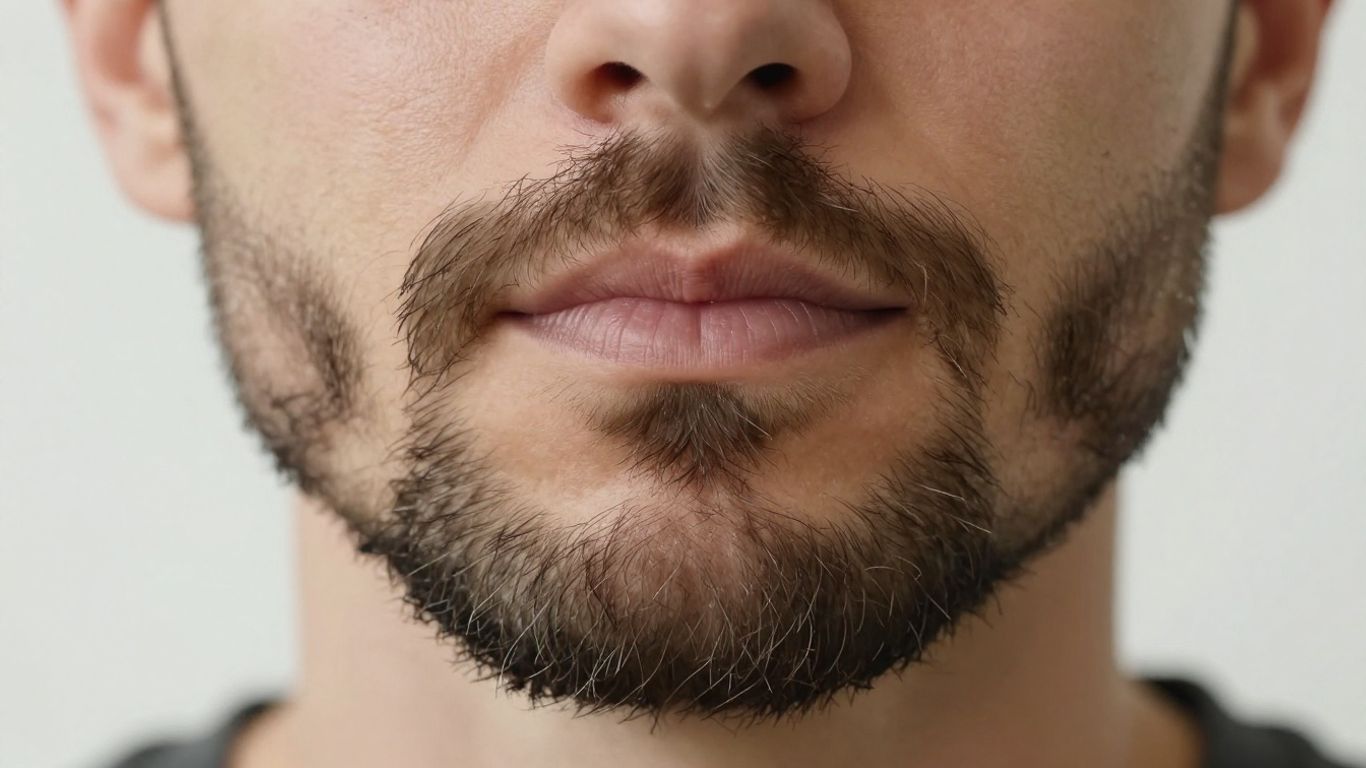
Thinking about getting a beard, but nature didn't quite give you the full coverage you were hoping for? Maybe you've got some scars or thinning patches you'd like to smooth out. Well, facial hair implants, also known as beard transplants, might be something to look into. It's a whole procedure where they move hair from one spot to your face to get that beard looking thicker. It's not as simple as just growing your own hair, but for some folks, it really makes a difference. We'll go over what's involved, who it's for, and what you can expect.
Key Takeaways
- Facial hair implants involve moving hair follicles from a donor area, usually the back of your scalp, to your face to create a fuller beard or facial hair.
- The procedure uses techniques like FUE (Follicular Unit Extraction) or DHI (Direct Hair Implantation) to carefully place each hair graft for a natural look.
- Recovery typically involves some shedding of the transplanted hair within the first few weeks, followed by new growth starting around 3-4 months.
- Full results from facial hair implants can take anywhere from 9 to 12 months to become visible as the new hair thickens.
- While generally safe when performed by trained professionals, it's important to have realistic expectations and understand potential side effects like mild swelling or itching.
Understanding Facial Hair Implants
What Is a Facial Hair Transplant Surgery?
Facial hair transplant surgery is a way to get more hair on your face, like a beard or mustache, when you don't have much or it's patchy. It's basically a hair transplant, but for your face. Doctors take healthy hair follicles from one part of your body, usually the back of your head where hair grows thick, and carefully place them onto your face. The goal is to make it look like you've always had that hair. It's a popular choice for men who want a fuller beard or to cover up scars on their face. This procedure is a form of hair restoration that aims for a natural look.
How Facial Hair Implants Restore Natural Growth
The magic behind facial hair implants is that the transplanted hair follicles keep their original characteristics. This means the hair that grows from them will continue to grow as it did on your scalp – it won't just fall out after a short while. Over time, this new hair blends in with your existing facial hair, creating a look that's both natural and permanent. It’s not just about adding hair; it’s about making it grow like it belongs there.
Who Benefits from Facial Hair Implants?
So, who is this procedure really for? Well, it's great for guys who have a naturally patchy beard and want to fill it in. It can also help men who have lost facial hair due to injuries or certain skin conditions. Even transgender men who desire a more masculine facial appearance often find this surgery beneficial. Basically, if you're looking to achieve a fuller beard or correct issues with facial hair growth, you might be a good candidate. It's all about creating the facial hair you want.
It's important to remember that while the results can be quite dramatic, the process takes time. Patience is key as the transplanted hairs go through their natural growth cycles.
Here’s a quick look at who typically benefits:
- Men with naturally sparse or patchy beard growth.
- Individuals seeking to cover facial scars or marks.
- Those experiencing hair loss on the face due to medical reasons.
- Transgender men aiming for a more defined beard and mustache.
This procedure is a serious step towards achieving your desired look, and understanding the process is the first part of that journey. It's a way to get a fuller beard that looks completely natural.
The Facial Hair Implant Procedure
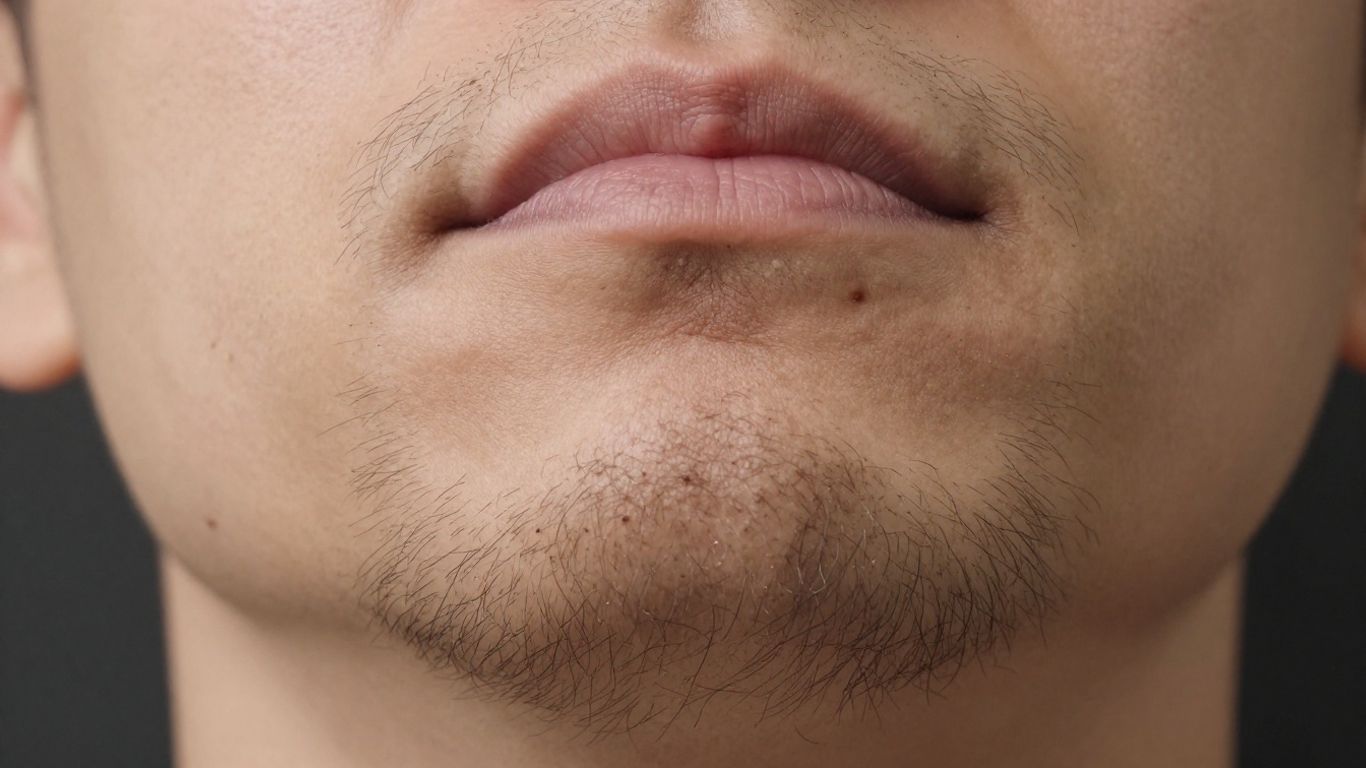
So, you're thinking about getting a facial hair implant? It's a pretty interesting process, really. It's all about taking healthy hair from one part of your body and carefully placing it where you want more facial hair, like your beard or sideburns. The goal is to make it look totally natural, like it's always been there. Doctors usually take the hair from the back of your scalp because it's generally strong and grows well. This procedure is a big deal for people with patchy beards, scars, or just those who want a fuller look they couldn't achieve on their own.
Donor Hair Extraction Techniques
First things first, the hair has to come from somewhere. This is called the donor area, and most of the time, it's the back of your head. The hair here is usually a good match for your facial hair and is less likely to fall out over time. The method used to get these little hair follicles is pretty precise. Think of it like carefully plucking individual strands, but with special tools. The idea is to get as many healthy follicles as possible without leaving a big, noticeable gap in the donor area. It's a delicate job, and the skill of the person doing it really matters for the final look.
Graft Placement Methods
Once the hair follicles are harvested, the real artistry begins: placing them. The surgeon makes tiny little openings in the skin where you want the new hair to grow. This is where they'll carefully insert each graft. They pay close attention to the angle and direction of each hair to make sure it grows out naturally and blends in with your existing facial hair. It’s not just about sticking them in; it’s about creating a pattern that looks like real, natural growth. This part takes a lot of time and patience because each graft is placed individually.
FUE Versus DHI Techniques
There are a couple of main ways surgeons do this, and the two you'll hear about most are FUE and DHI. FUE, or Follicular Unit Extraction, is where they take out the grafts one by one and then make tiny holes to put them into. DHI, or Direct Hair Implantation, is a bit different. It uses a special pen-like tool that can implant the graft directly into the skin. This can sometimes give the surgeon more control over the angle and depth, which is super important for a natural look, especially in smaller or more detailed areas. The choice between FUE and DHI often depends on how many grafts are needed and what kind of result the patient is hoping for. Both aim for a natural appearance, but the technique can vary.
The entire process, from taking the hair out to placing it, is done with extreme care. It's not a quick job, and it requires a steady hand and a good eye for detail to get that natural-looking beard or facial hair you're after. The surgeon's skill here is really what makes the difference between a good result and a great one.
It's important to remember that the initial days after the procedure can involve some redness and swelling in both the donor and recipient areas. This is a normal part of the healing process, and following your doctor's instructions is key. You can find more information on post-operative care and healing timeline to get a better idea of what to expect.
Recovery and Results of Facial Hair Implants
So, you've gone through the procedure, and now you're probably wondering what happens next. It's a bit of a waiting game, honestly. The first few weeks are all about healing, and you won't see much happening with the new hair. It's important to be patient and follow your doctor's instructions closely during this initial phase.
Post-Operative Care and Healing Timeline
Right after the surgery, your face might feel a little tender, and you'll likely see some redness and maybe a bit of swelling. Your doctor will give you specific instructions on how to care for the area. This usually involves keeping the area clean and avoiding touching the newly implanted grafts too much. You might be advised to use a special spray or gentle cleanser. Follow-up appointments are key; they let your doctor check on how things are healing and catch any potential issues early on. Most people can get back to their regular routines within a couple of weeks, but it's best to take it easy.
Expected Shedding and New Growth Phases
Here's something that surprises a lot of people: within the first month or so, the transplanted hairs will likely fall out. Don't panic! This is totally normal. It's called 'shock loss,' and it's just part of the process. The follicles are still there, just resting before they start producing new hair. You can expect to see the first signs of new growth around the 3-month mark. It's slow at first, just a few fine hairs here and there. By month 6, you'll start to notice more density, and the hairs will be getting thicker. This gradual improvement is what makes the results look so natural over time. It's a marathon, not a sprint, when it comes to seeing your final beard shape.
Achieving Natural Density and Full Results
Getting that full, natural-looking beard takes time. The hair growth happens in cycles, just like your natural hair. So, while you might see some growth at 3 months, and more at 6 months, the real magic happens closer to the 12-month mark. That's when the transplanted hairs have reached their full thickness and density. The goal is always to blend the new hair with your existing facial hair so it looks like it's always been there. Sometimes, if you're aiming for a really dense look or if you had significant patchiness to begin with, a second session might be considered down the line, but many people are happy with the results after just one procedure. The final look really depends on how well the grafts took and how your individual hair grows. You can check out some beard transplant results to get an idea of what's possible.
The journey from surgery to a full beard involves distinct stages. Initial healing gives way to expected shedding, followed by a gradual emergence and thickening of new hair. Patience is your best friend throughout this process, as the final, natural-looking results typically take up to a year to fully materialize.
Candidate Evaluation for Facial Hair Implants
Assessing Donor Area Availability
Before even thinking about scheduling a procedure, the first big question is whether you have enough good donor hair. This is usually the hair on the back or sides of your head. Think of it like having enough building material for a house. If the donor area is too thin or the hair quality isn't great, it can really limit what's possible. A good surgeon will carefully check this out. They're looking for density and the health of those individual hair follicles. The availability and quality of your donor hair are probably the most important factors in determining the success of your facial hair transplant. It's not just about how many hairs you have, but how strong they are and how well they'll take in their new spot. You can find more details on donor area assessment.
Understanding Medical History and Skin Conditions
Your overall health plays a big role. Doctors need to know about any past surgeries, allergies, or medications you're taking. Certain skin conditions, especially on your face or scalp, could also be a problem. Things like active infections, severe acne, or even certain autoimmune issues might mean you're not a good candidate, or at least need to wait until things are under control. It's all about making sure the procedure is safe for you and that the transplanted hairs have the best chance to grow without complications. They'll ask a lot of questions, so be prepared to share everything.
Setting Realistic Expectations and Goals
This is super important. Facial hair transplants can do amazing things, but they aren't magic. You won't go from zero beard to a full lumberjack beard overnight, especially if your donor hair is limited. It's vital to talk openly with your surgeon about what you want to achieve. Do you want to fill in patchy spots? Create a more defined beard line? Or just add a bit more density? Understanding the limitations is key. For instance, the number of grafts you can get from your donor area will directly impact the final look. It's about enhancing what you have or creating a natural-looking beard, not necessarily a completely different one. Discussing your goals helps the surgeon plan the best approach and helps you know what to expect. It's good to remember that ideal candidates usually have a good understanding of what the procedure can realistically achieve.
It's easy to get caught up in the idea of a perfect beard, but the reality is that the outcome is a collaboration between your natural hair growth potential and the surgeon's skill. Being honest about your desires and understanding the biological limits is the first step to a satisfying result.
Cost and Considerations for Facial Hair Implants
So, you're thinking about getting some facial hair implants? That's cool. But before you jump in, let's talk about the money side of things and what else you should be thinking about. It's not just about the procedure itself; there's more to consider.
Factors Influencing Procedure Costs
The price tag for facial hair implants can really vary. It's not a one-size-fits-all kind of deal. Several things play a role in how much you'll end up paying. The number of grafts needed is usually the biggest driver of the final cost. More grafts mean more work, more time, and therefore, a higher price. Think about it like building something – the more bricks you need, the more it costs.
Here's a quick rundown of what affects the price:
- Number of Grafts: This is the main one. More hair means more grafts, and that adds up.
- Technique Used: Different methods, like FUE (Follicular Unit Extraction) or DHI (Direct Hair Implantation), have different cost structures. FUE is often more detailed and can be pricier.
- Surgeon's Experience and Reputation: Highly skilled surgeons with a strong track record might charge more for their expertise.
- Geographic Location: Prices can differ quite a bit depending on where the clinic is located. Big cities often have higher costs.
- Clinic Facilities: The type of surgical facility and the technology used can also influence the overall price.
Financing Options and Insurance Coverage
Okay, so the cost can be a bit steep. Many clinics understand this and offer financing options. These are usually third-party plans that let you pay for the procedure over time with monthly payments. It's worth asking your clinic about what plans they work with. As for insurance, it's pretty rare for cosmetic procedures like facial hair implants to be covered. They're generally seen as elective. However, if there's a medical reason for hair loss in that area, there's a slim chance some part might be covered, but don't count on it. You'll likely be paying out of pocket.
It's always a good idea to get a detailed breakdown of all costs involved before you agree to anything. Make sure you know exactly what's included – the surgeon's fee, anesthesia, facility charges, and any follow-up appointments. No surprises later on!
Limitations of Facial Hair Implants
While facial hair implants can do a lot, they aren't magic. You need to have realistic expectations. The results depend heavily on the quality and quantity of hair in your donor area – usually the back or sides of your head. If your donor hair is thin or sparse, you might not achieve the super dense beard you're dreaming of. Also, the transplanted hair will grow like the hair from your donor area, meaning it will need regular trimming to maintain a beard-like length. It's a permanent solution for adding hair, but it requires ongoing maintenance just like natural facial hair. You can explore beard transplant cost details to get a better idea of the investment. Remember, the goal is to look natural, and that means considering how the new hair will blend with what you already have.
Safety and Potential Side Effects
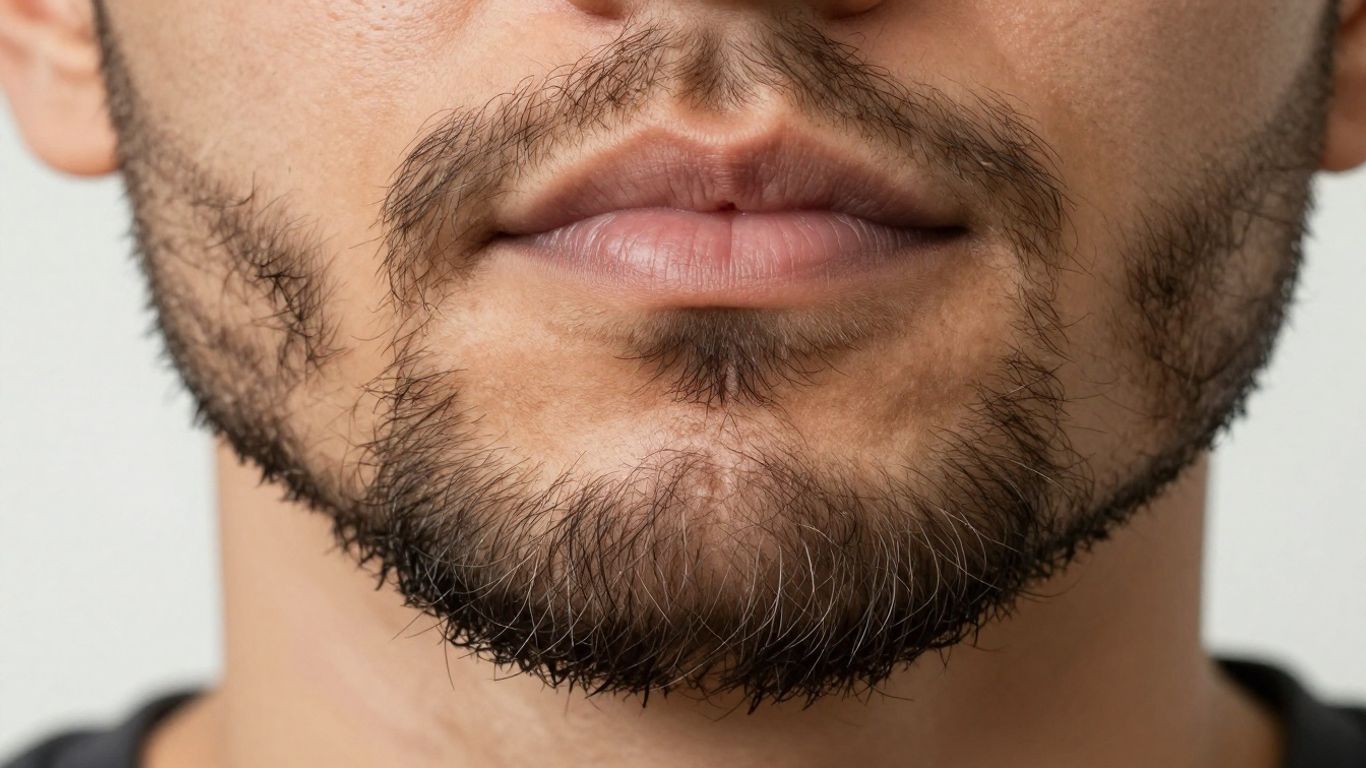
When you're thinking about getting facial hair implants, it's totally normal to wonder about the safety side of things and what kind of side effects might pop up. Most of the time, these procedures are pretty safe, especially when you go with a qualified and experienced surgeon. They know how to handle things to keep you safe and minimize any issues.
Ensuring Safety with Trained Professionals
The most important step for safety is picking the right professional. Look for surgeons who are board-certified in plastic surgery or dermatology and have specific experience with hair transplantation, particularly for facial hair. They should work in a clean, accredited facility. A good surgeon will walk you through the entire process, explain the risks, and answer all your questions before you even decide to move forward. They'll also assess your medical history thoroughly to make sure you're a good candidate.
Managing Mild Post-Procedure Swelling and Itching
After the surgery, it's common to experience some temporary side effects. You might notice a bit of swelling in the treated area and around your face. This usually calms down within a few days. Your doctor will likely give you instructions on how to manage this, often suggesting gentle cold compresses (applied carefully, not directly on the grafts) and keeping your head elevated when resting. Itching is also a frequent complaint as the area heals. This is a sign that things are regenerating. Your surgeon might recommend a special spray or lotion to help soothe the itchiness and keep the skin hydrated. It’s really important not to scratch the area, as this can dislodge the grafts or cause infection.
Here's a quick rundown of what to expect and how to manage it:
- Swelling: Usually peaks in the first 2-3 days. Use cold packs as directed.
- Itching: A normal part of healing, typically lasts a couple of weeks. Use soothing sprays provided by your doctor.
- Redness: The skin might look a bit pink for a while, which fades over time.
- Scabbing: Small scabs may form around the graft sites. These will fall off naturally.
Understanding Risks and Pain During the Procedure
While generally safe, like any surgical procedure, there are some risks involved. These can include infection, scarring, and poor graft survival. The risk of scarring is generally lower with FUE compared to older methods like FUT, but it's still something to discuss with your surgeon. FUT methods can sometimes lead to more noticeable scarring. Pain during the procedure itself is usually minimal because local anesthesia is used. You'll be awake but won't feel any pain. After the anesthesia wears off, you might feel some discomfort or tightness, but this is typically managed with over-the-counter pain relievers and subsides quickly. Serious complications are rare when the procedure is performed by a skilled professional in a proper setting. Post-operative symptoms like bleeding or oozing are also usually mild and short-lived.
It's vital to follow your surgeon's post-operative care instructions precisely. This isn't just about comfort; it's about giving the transplanted follicles the best possible environment to heal and grow. Skipping steps or not being careful can affect the final outcome and increase the chances of minor issues becoming bigger problems.
Wrapping It Up
So, if you've been thinking about boosting your beard game or filling in those patchy spots, a facial hair transplant could be something to look into. It's a pretty involved process, taking hair from one place and putting it where you want it, and it takes time to see the final results – usually up to a year. But for many, the outcome is a fuller, more natural-looking beard that can really change their look. Just remember to chat with a qualified doctor to figure out if it's the right move for you and what you can realistically expect. It's a big decision, but one that could give you the facial hair you've always wanted.
Frequently Asked Questions
What exactly is a facial hair transplant?
Think of it like planting seeds for your beard! A facial hair transplant is a special surgery where doctors take healthy hair from one part of your body, usually the back of your head, and carefully place it where you want more facial hair, like your beard or mustache. It's done to help make your beard look fuller, cover up thin spots, or even grow a beard if you couldn't before.
How does this surgery make hair grow?
The hair that's moved is special because it keeps its natural growing power. When the doctor puts these hair roots, called follicles, into your face, they keep acting like they did before. So, they start to grow new hair that looks and feels like your natural beard hair. It's like giving your face a new set of hair-growing tools!
Who usually gets this kind of surgery?
Lots of different people can benefit! If you have a patchy beard and want it to look more solid, this could be for you. It's also great if you have scars on your face that stopped hair from growing there. Even if you've always had trouble growing a full beard naturally, this surgery can help you achieve the look you want. It's also an option for transgender men who want to develop a beard.
What happens after the surgery?
After the surgery, you'll need to take good care of the area. You might see some redness or swelling, which is normal and usually goes away quickly. In the first few weeks, the transplanted hairs will likely fall out. Don't worry, this is part of the process! New hairs will start to grow in after a few months, and you'll see your full beard results usually within 9 to 12 months.
Is the surgery painful, and is it safe?
Doctors use numbing medicine so you shouldn't feel much pain during the surgery itself. You might feel a little sore or itchy afterward, but this is usually mild and manageable. It's very safe when performed by experienced doctors who follow strict rules. Like any surgery, there are small risks, but they are uncommon when done correctly.
How much does it cost, and will insurance pay for it?
The cost can vary a lot depending on how many hairs need to be moved and where you get the surgery done. It's usually considered a cosmetic procedure, so most health insurance plans don't cover it. However, sometimes if the hair loss was due to an injury or for gender-affirming care, insurance might help. Many clinics also offer payment plans to make it easier to afford.

American Standards.
Brazilian Mastery.
Aesthetica Medical Travel Facilitators, LLC is an international care coordination company registered in Wyoming, United States. We provide services for the promotion and support of medical service providers, including physicians worldwide (“medical service providers”). These services are made available through Aesthetica’s website, and the same privacy terms also apply to the Aesthetica Advisor Program (the “application/platform”), created and operated by Aesthetica. Aesthetica is solely responsible for controlling and processing the information obtained via the platform or through other communications between users, businesses, hospitals, clinics, or third parties and members of the Aesthetica service team (the “Service Team”). Our services may include non-clinical care coordination for North American patients seeking elective procedures abroad, including provider matching, travel logistics, and administrative support throughout the care journey. Additional services or add-ons may be offered depending on the selected scope. Post-operative care is typically conducted in the destination country where the procedure is performed. Additional coordination or administrative support in the patient’s country of origin may be available separately, subject to scope and availability. Aesthetica may engage third-party service providers, partners, or affiliated entities to support its operations, including data processing and service delivery. Information may be shared with such parties solely as necessary to provide the services described. Our operations follow strict standards of transparency, privacy protection, and regulatory compliance. Testimonials reflect individual experiences and do not guarantee future results. By using Aesthetica’s services or platform, users acknowledge and agree to these terms and understand the limited, non-clinical role of Aesthetica in the care journey. For more information about our policies or compliance framework, please contact our support team.