
Exploring the Reverse Tummy Tuck: A Guide to the Procedure and Expected Outcomes
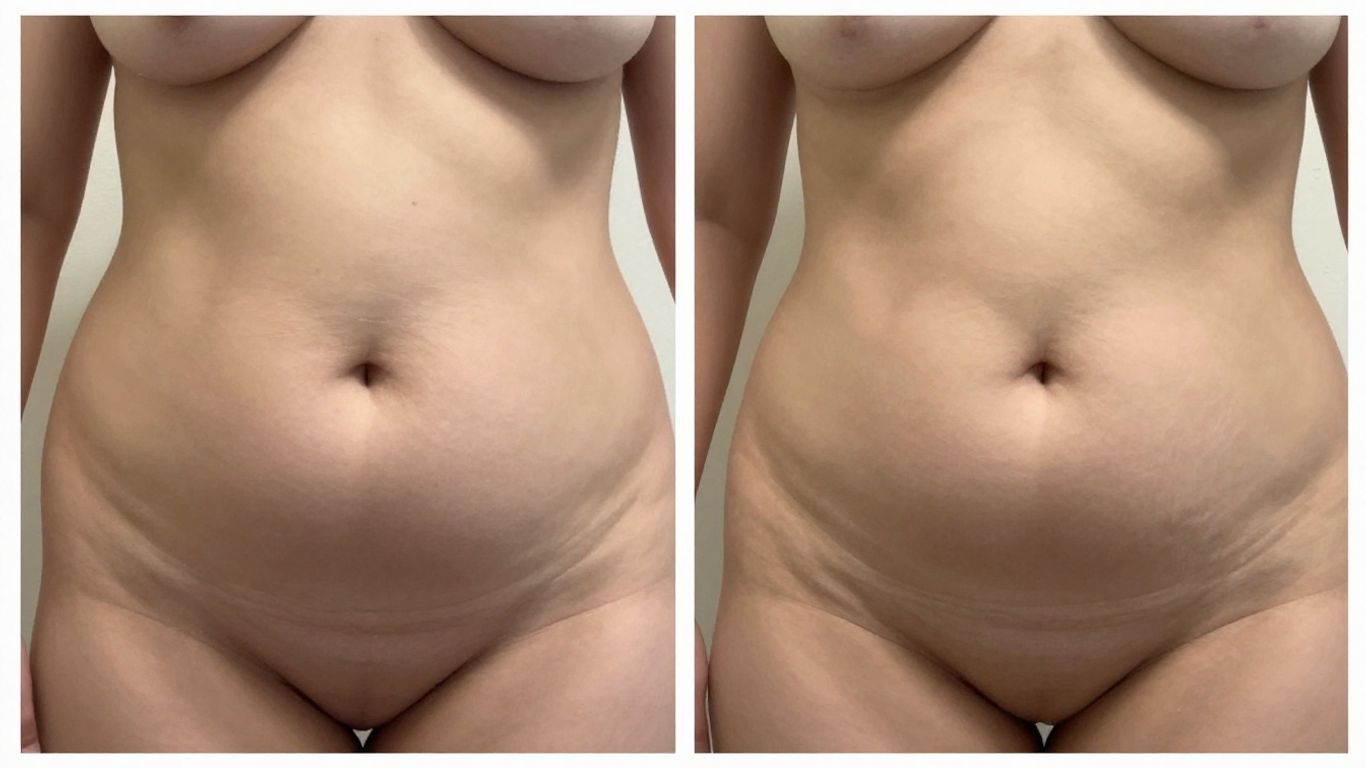
Thinking about getting a reverse tummy tuck? It's a procedure that's gaining attention for those looking to smooth out the upper part of their stomach. Unlike the more common tummy tuck that focuses lower down, this one targets the area right under your breasts. We'll break down what this reverse tummy tuck involves, who it's best for, and what you can expect if you decide to go for it. It's a big decision, so understanding the details is super important.
Key Takeaways
- A reverse tummy tuck specifically addresses excess skin and sagging in the upper abdomen, using an incision placed along the natural crease under the breasts.
- It differs from a traditional tummy tuck, which focuses on the lower abdomen with an incision near the bikini line.
- Ideal candidates are generally at or near their ideal weight, in good health, and have realistic expectations about improving their upper abdominal appearance.
- Recovery involves some discomfort, swelling, and bruising, with most patients returning to light activities within one to two weeks, though full healing takes longer.
- Results can include a more sculpted upper torso, with final outcomes becoming visible as swelling subsides over several months to a year.
Understanding the Reverse Tummy Tuck Procedure
So, you've heard about the reverse tummy tuck, and maybe you're wondering what makes it different from the usual tummy tuck everyone talks about. Well, it's a bit of a specialized procedure, focusing on a specific area that sometimes gets overlooked. Unlike the traditional abdominoplasty that targets the lower belly, this one zeroes in on the upper abdomen. It's designed to address loose skin and contouring issues above the belly button.
What Is a Reverse Tummy Tuck?
A reverse tummy tuck, sometimes called an upper abdominal lift, is a cosmetic surgery aimed at improving the appearance of the upper part of your stomach. Think of it as a way to lift and tighten the skin in that area, giving you a smoother, more toned look. It's particularly helpful for people who have excess skin or sagging just below the breasts, which can happen after significant weight loss or just due to aging.
How the Procedure Differs from Traditional Abdominoplasty
The main difference really comes down to where the work is done and how the incisions are made. A standard tummy tuck usually involves an incision low on the abdomen, near the bikini line, and pulls skin downwards. A reverse tummy tuck, however, works in the opposite direction. It focuses on the upper abdomen, and the surgeon lifts the skin upwards, towards the chest. This means it's a great option if your lower abdomen looks fine, but the upper part is causing concern.
- Target Area: Upper abdomen vs. lower abdomen.
- Skin Movement: Lifted upwards towards the chest vs. pulled downwards.
- Incision Location: Under the breast crease vs. along the bikini line.
This procedure is often chosen by individuals who don't have issues with their lower abdomen but are bothered by the appearance of their upper stomach. It's a more targeted approach for specific concerns.
Incision Placement and Scarring
Because the reverse tummy tuck focuses on the upper abdomen, the incision is placed differently than in a traditional tummy tuck. Instead of a scar hidden in the bikini line, the incision for a reverse tummy tuck is typically made along the natural crease just under the breasts. This placement helps to lift the upper abdominal skin. While any surgery will leave a scar, this location is often well-concealed by a bra or bikini top. The appearance of the scar will change over time, gradually fading from red or pink to a lighter, less noticeable color. You can find more details about scarring and healing on our site.
Here's a quick look at the incision differences:
It's important to remember that while the goal is to improve appearance, all surgical procedures come with potential risks and require a recovery period. Discussing your specific situation with a qualified plastic surgeon is the best way to understand if this procedure is right for you.
Ideal Candidates for a Reverse Tummy Tuck
So, who is this reverse tummy tuck thing really for? It's not exactly a one-size-fits-all deal, you know?
Who Benefits Most from This Procedure?
Basically, if you've got some extra skin hanging around your upper belly, especially right under your breasts, and you're not so thrilled about it, this might be something to look into. Think about people who've lost a good chunk of weight and are left with skin that just doesn't bounce back. Or maybe after having kids, the top part of your tummy just feels… loose. It’s for folks who are generally happy with their lower abs but that upper area is the main concern. It's really about targeting that specific zone.
Considering Weight and Health Status
Before you even think about booking anything, your weight needs to be pretty stable. Surgeons want to see that you're at a healthy weight for your body and that you plan to stay there. Jumping into surgery when your weight is still fluctuating isn't ideal. Plus, you've got to be in decent health overall. Things like diabetes or heart issues can make surgery riskier. And, no smoking. Seriously, if you smoke, you'll likely be asked to quit for a good while before and after the procedure to help with healing. It’s a big commitment, not just the surgery itself.
Realistic Expectations for Upper Abdominal Concerns
It’s super important to go into this with your eyes wide open. A reverse tummy tuck can do a lot for the upper abdomen, smoothing things out and giving you a more toned look there. But it’s not a magic wand for your entire body. If you're expecting to lose a ton of weight or fix issues in your lower belly, this isn't the procedure for that. It's focused. You'll want to talk through what you hope to achieve with your surgeon to make sure it lines up with what's actually possible. Remember, the goal is to improve the contour of your upper abdomen, not to completely reshape your entire physique.
This procedure is best for those whose main issue is skin laxity above the belly button, and who have good muscle tone in that area. It's not typically for significant fat removal or for correcting muscle separation in the lower abdomen.
The Reverse Tummy Tuck Recovery Journey
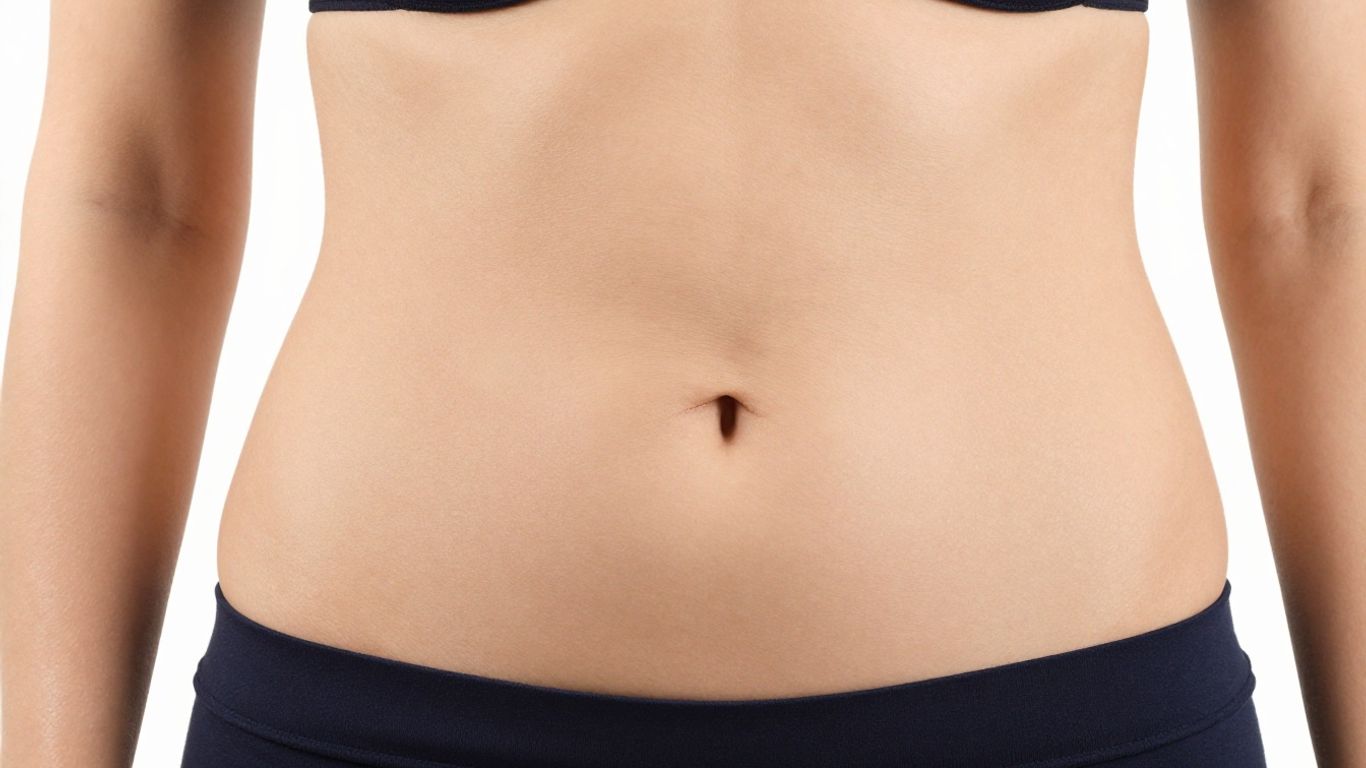
Alright, so you've gone through with the reverse tummy tuck. Now comes the part where your body does its thing to heal and show off those new contours. It's not exactly a walk in the park, but knowing what to expect can make a big difference.
Immediate Post-Operative Experience
Right after the surgery, you'll likely feel pretty sore and tight in your upper abdomen. This is totally normal. You'll be wearing a special compression garment, and honestly, it's your best friend for the first few weeks. It helps keep swelling down and supports everything as it settles. Expect to take it easy for the first few days; minimal movement is key. You'll be given pain medication to manage any discomfort, and your surgeon will give you specific instructions on how to care for your incisions. Getting up and walking around gently is actually encouraged to help prevent blood clots, even though it might feel like a chore.
Navigating the First Few Weeks
As you move into the first week or two, things will start to feel a bit better, though swelling and bruising will still be noticeable. You'll have follow-up appointments so your doctor can check on your healing progress. Most people can start doing light daily activities around the two-week mark, but don't even think about heavy lifting or strenuous exercise yet. Your body is still working hard to repair itself, and pushing it too soon can set you back.
Here's a general idea of what the first few weeks might look like:
- Days 1-3: Focus on rest, staying hydrated, and managing pain. Gentle, short walks are good.
- Week 1: Incisions are still healing, and you'll likely still be wearing your compression garment. Swelling might start to decrease slightly.
- Weeks 2-4: You can usually return to desk jobs or lighter daily routines. Swelling and bruising continue to improve, but you'll still feel tightness.
Remember, everyone heals at their own pace. It's important to listen to your body and not compare your recovery timeline to others. Patience is a virtue here.
Returning to Normal Activities and Exercise
By about six to eight weeks post-op, most of the major healing should be done. This is often when your surgeon will give you the green light to gradually reintroduce light exercise. Think walking, gentle stretching, and maybe some very light weights. Anything more intense, like running or heavy lifting, will need to wait a bit longer, often up to 3 months or more, depending on your surgeon's advice and how your body is responding. The scars will also start to change from red to a lighter color during this period. It's a slow process, but seeing yourself move more freely and feeling less discomfort is a huge milestone on the way to enjoying your results.
post-operative period is a critical time for healing.
Expected Outcomes and Results
So, you've had your reverse tummy tuck, and now you're probably wondering when you'll start seeing the changes. It's a bit of a process, honestly. Right after surgery, you'll notice some immediate differences, like a tighter feeling in your upper abdomen. But don't expect to see the final, sculpted look right away. There's swelling and bruising, which is totally normal, and it can hide some of the results for a while.
When to Anticipate Visible Changes
Most people start seeing more noticeable improvements within a few weeks as the initial swelling goes down. The real magic, though, happens gradually. It can take anywhere from three to six months, sometimes even up to a year, for everything to settle in completely and for you to see the full picture. Patience is definitely key here. You'll want to keep an eye on how your body heals and listen to what your surgeon tells you about the timeline.
Achieving a Sculpted Upper Torso
The main goal here is to give your upper torso a smoother, more toned appearance. Think of it as refining the area between your breasts and your belly button. The procedure aims to remove excess skin and tighten things up, which can really make a difference in how your clothes fit and how you feel in your own skin. The result is often a more youthful and streamlined silhouette. It's not about creating a six-pack, but more about getting rid of that loose skin that can make the area look saggy or aged.
Factors Influencing Long-Term Results
What you do after the surgery plays a big role in how long your results last. Keeping a stable weight is super important. Big weight fluctuations can affect the skin and the overall outcome. Eating well and staying active with regular exercise will help maintain the toned look you've achieved. It's also about taking care of yourself generally. Remember, this procedure is meant to complement a healthy lifestyle, not replace it. Your surgeon will likely give you a list of things to do and avoid to make sure you get the best possible outcome.
- Maintain a stable weight.
- Follow a balanced diet.
- Engage in regular, moderate exercise.
- Avoid smoking.
- Follow your surgeon's post-operative care instructions.
It's important to have realistic expectations. While a reverse tummy tuck can significantly improve the appearance of the upper abdomen, it's not a magic wand. The best results come from a combination of the surgery itself and a commitment to a healthy lifestyle afterward. Discussing your goals openly with your surgeon will help ensure you're on the same page about what can be achieved.
Potential Risks and Considerations
Like any surgical procedure, a reverse tummy tuck isn't without its potential downsides. It's super important to go into this with your eyes wide open, knowing what could happen.
Common Surgical Complications
While surgeons do their best to avoid them, complications can pop up. These might include things like infection at the incision site, which can sometimes need antibiotics or even more surgery if it gets bad. Another thing is a seroma, which is basically a collection of fluid that might need to be drained. Some people also experience temporary or even permanent numbness or changes in sensation in the treated area, often due to nerve responses during the surgery. And, of course, there's always a small risk of blood clots, which is why moving around as advised post-op is key. It's vital to discuss these possibilities thoroughly with your surgeon.
Managing Discomfort and Swelling
Expect some discomfort and swelling after the procedure. Pain is usually manageable with prescribed medication. Swelling is a normal part of healing and can take weeks, sometimes months, to fully go down. Wearing a compression garment as directed by your doctor is really helpful for both managing swelling and supporting the healing tissues. It might feel a bit restrictive at first, but it's a big part of the recovery process.
Understanding Scar Maturation
So, about the scars. The incision for a reverse tummy tuck is usually placed in the crease under your breasts, which helps hide it. But, it's still a scar, and like all surgical scars, it will go through a process. Initially, it might look red and a bit raised. Over time, usually within the first few months, it should start to fade and flatten out. How well it heals depends on a lot of things, including your own body and how well you follow post-op care instructions. Keeping the area clean, moisturized, and out of the sun can really help it heal nicely. Some people find scar massage or using silicone sheets beneficial for improving the final appearance of the scar over time. You can find more information on scar care to help with this.
Complementary Procedures and Enhancements
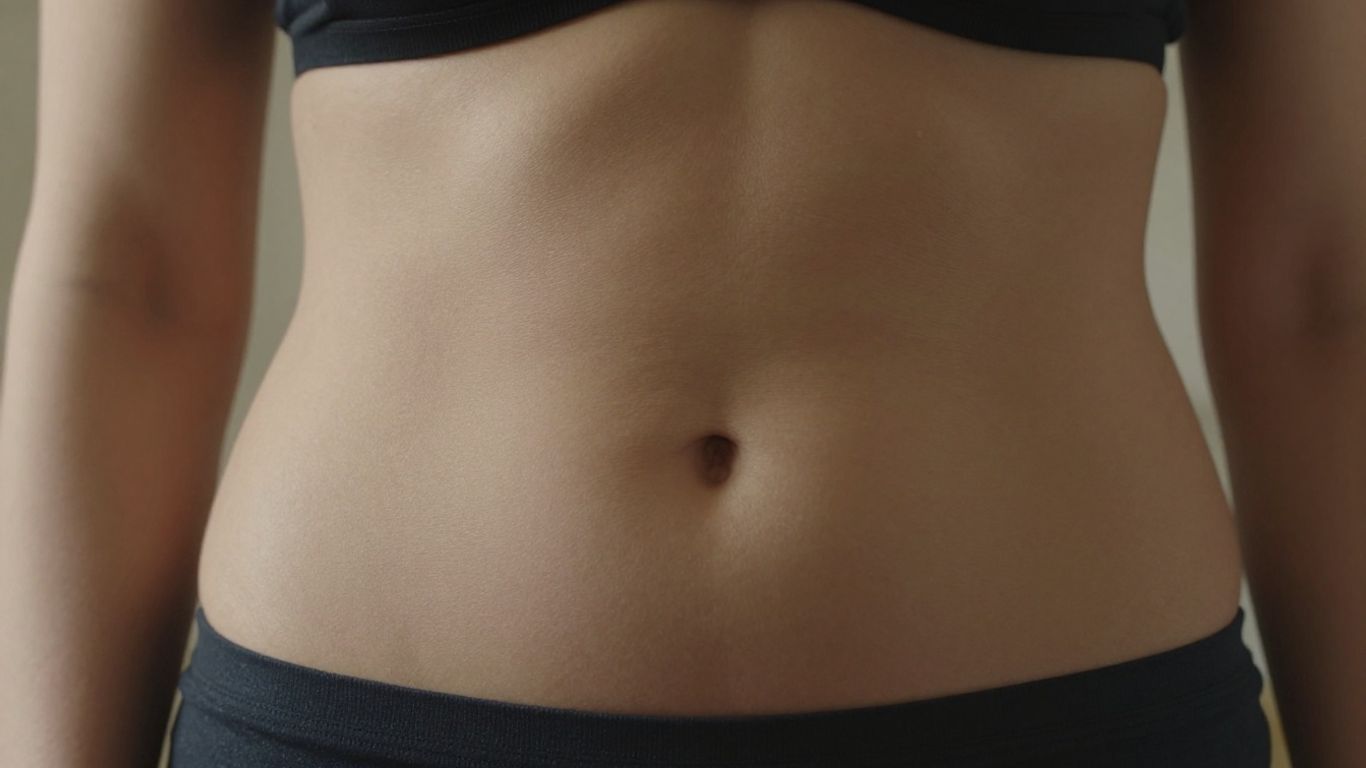
Sometimes, a reverse tummy tuck is just one piece of the puzzle when it comes to achieving your desired look. Many people find that combining it with other procedures really makes a difference for their overall body shape. It's all about creating a balanced and harmonious appearance.
Combining with Other Body Contouring
Think of it like this: if you're addressing the upper abdomen with a reverse tummy tuck, you might also be concerned about other areas. Liposuction is a common partner procedure. It can be used to remove stubborn pockets of fat from the flanks, waist, or even the back. This helps to further sculpt the torso and create smoother lines. The goal is to refine your silhouette from multiple angles.
Synergy with Lower Abdominoplasty
For some individuals, the concerns extend beyond just the upper abdomen. If you have excess skin or laxity in the lower abdomen as well, a standard abdominoplasty (often called a tummy tuck) might be recommended alongside the reverse procedure. This combination, sometimes referred to as a "full tummy tuck" or "dual tummy tuck," addresses both the upper and lower abdominal regions, providing a more complete transformation. It's a way to tackle significant skin laxity across the entire midsection.
Enhancing Overall Body Proportions
It's not just about the abdomen, though. A reverse tummy tuck can also work wonders when paired with procedures that affect the breasts. For instance, combining it with a breast lift or breast augmentation can create a more balanced and aesthetically pleasing upper body. If you've experienced significant weight loss, a reverse tummy tuck might be part of a larger plan that includes other body contouring surgeries to address excess skin throughout the body. It's about looking at the whole picture and making sure everything flows together nicely.
Here's a quick look at common combinations:
- Reverse Tummy Tuck + Liposuction: For fat removal and contouring of the waist and flanks.
- Reverse Tummy Tuck + Standard Tummy Tuck: For comprehensive abdominal rejuvenation, addressing both upper and lower areas.
- Reverse Tummy Tuck + Breast Lift/Augmentation: For overall upper body balance and shape.
When considering multiple procedures, it's really important to have a thorough discussion with your surgeon. They can help you understand the benefits, risks, and recovery involved in each combination, and guide you toward the best plan for your individual goals. It’s not just about fixing one thing; it’s about creating a result you’ll love long-term.
Your surgeon will help you figure out the best approach, whether it's a standalone reverse tummy tuck procedure or part of a larger surgical plan. The cost of these combined procedures can vary, so it's good to discuss that upfront too.
Wrapping Up Your Reverse Tummy Tuck Journey
So, we've gone over what a reverse tummy tuck is all about, who it's best for, and what you can expect during recovery and beyond. It's a really specific procedure, mainly for tightening up that upper belly area when other methods just don't cut it. Remember, healing takes time, and following your doctor's advice is super important for getting the best results. If you're thinking this might be the right move for you, the next step is always a chat with a qualified surgeon. They can really tell you if it fits your goals and your body. It's all about making informed choices for a look you'll feel great about.
Frequently Asked Questions
What exactly is a reverse tummy tuck?
Think of a reverse tummy tuck as a way to fix the skin on your upper belly that might be loose or saggy. Unlike a regular tummy tuck that works on the lower belly, this one focuses on the area just below your breasts. The surgeon makes a small cut right under your breasts, lifts the skin, and makes it look smoother and tighter.
How is it different from a regular tummy tuck?
The main difference is where the cut is made. A regular tummy tuck has a cut lower down, near your bikini line, and is great for the lower belly. A reverse tummy tuck makes a cut under the breasts, which is perfect for tightening the skin on the upper part of your stomach. It's like targeting different problem spots on your tummy.
Who should consider this procedure?
This surgery is a good choice for people who have extra, loose skin specifically on their upper belly. This can happen after losing a lot of weight or just as part of getting older. If your main concern is the skin above your belly button, this might be the right option for you.
What's the recovery like after a reverse tummy tuck?
After the surgery, you'll likely feel some soreness and see some swelling and bruising in your upper belly. You'll need to wear a special supportive wrap for a while. Most people can get back to their normal, light daily activities in about one to two weeks, but you'll need to wait longer, maybe 6 weeks or more, before doing heavy lifting or intense exercise.
When will I see the results?
You'll probably notice a difference right after the surgery, but it takes time for everything to look its best. As the swelling goes down over the next few weeks and months, your upper belly will start to look smoother and more toned. The final results can take up to a year to fully show as the scars heal and your skin settles.
Will there be a scar?
Yes, there will be a scar because it's surgery. But the good thing is, the cut is made right along the line under your breasts. This means the scar is usually hidden by a bra or bikini top, making it much less noticeable than the scar from a traditional tummy tuck.


International Standards.
Brazilian Mastery.
Aesthetica Medical Travel Facilitators, LLC is an international care coordination company registered in Wyoming, United States. We provide services for the promotion and support of medical service providers, including physicians worldwide (“medical service providers”). These services are made available through Aesthetica’s website, and the same privacy terms also apply to the Aesthetica Advisor Program (the “application/platform”), created and operated by Aesthetica. Aesthetica is solely responsible for controlling and processing the information obtained via the platform or through other communications between users, businesses, hospitals, clinics, or third parties and members of the Aesthetica service team (the “Service Team”). Our services may include non-clinical care coordination for North American patients seeking elective procedures abroad, including provider matching, travel logistics, and administrative support throughout the care journey. Additional services or add-ons may be offered depending on the selected scope. Post-operative care is typically conducted in the destination country where the procedure is performed. Additional coordination or administrative support in the patient’s country of origin may be available separately, subject to scope and availability. Aesthetica may engage third-party service providers, partners, or affiliated entities to support its operations, including data processing and service delivery. Information may be shared with such parties solely as necessary to provide the services described. Our operations follow strict standards of transparency, privacy protection, and regulatory compliance. Testimonials reflect individual experiences and do not guarantee future results. By using Aesthetica’s services or platform, users acknowledge and agree to these terms and understand the limited, non-clinical role of Aesthetica in the care journey. For more information about our policies or compliance framework, please contact our support team.