
Effective Treatment for Hair Loss in Men: Options and Innovations
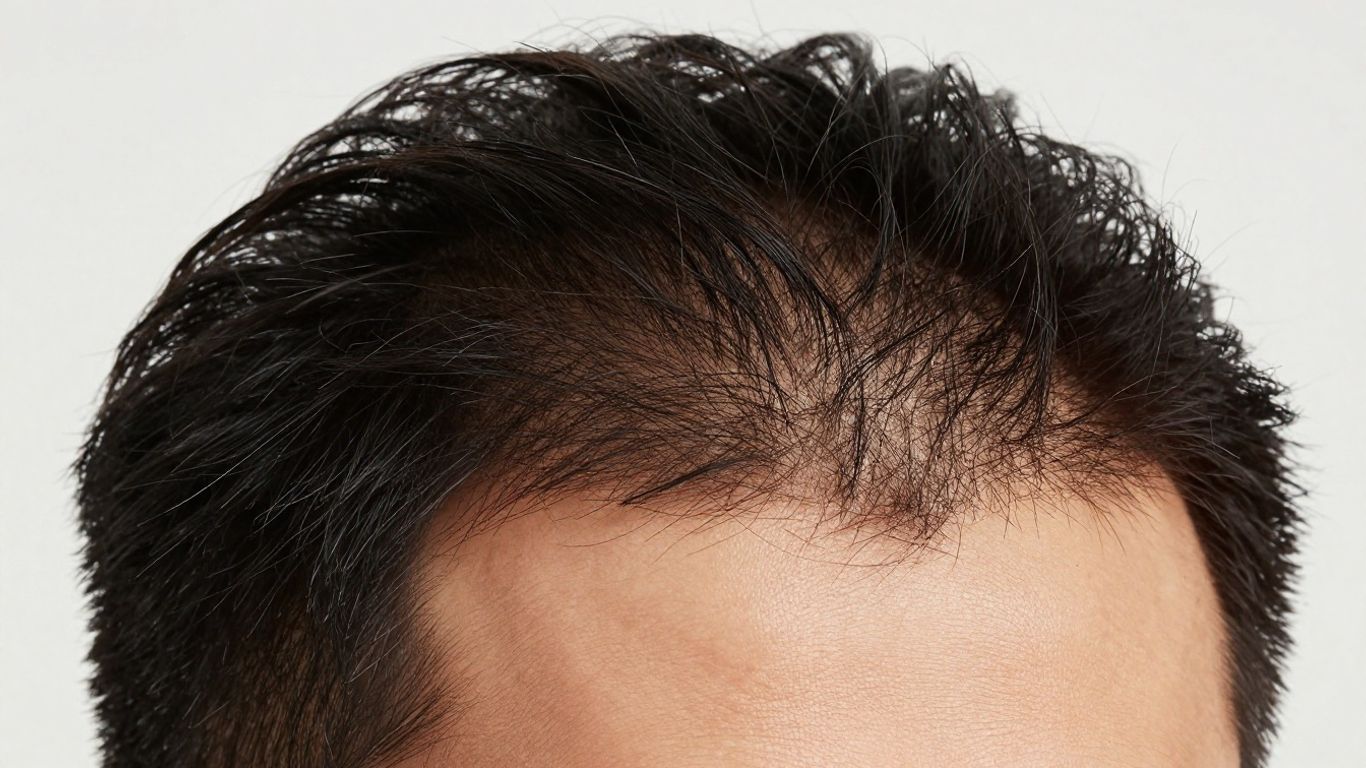
Lots of guys notice their hair thinning as they get older. Sometimes it's just a bit of sparseness, other times it's more noticeable, like a receding hairline or a bald spot on top. This is often called male-pattern baldness, and it can start surprisingly early, even in your late teens. It's not just about looks, either; hair loss can really mess with how you feel about yourself. The good news is, there are ways to deal with it. We're going to look at some of the most effective treatment for hair loss men have available today, from medications to newer options.
Key Takeaways
- Male-pattern baldness, driven by genetics and hormones like DHT, is very common and can start early.
- Medications like Finasteride (blocks DHT) and Minoxidil (stimulates follicles) are proven treatments for hair loss in men.
- Newer therapies such as Red Light Therapy and emerging topical DHT blockers offer additional options for hair regrowth.
- Surgical hair restoration, including FUT and FUE, provides a permanent solution for advanced hair loss.
- Lifestyle factors like diet and stress can impact hair health, and consistent care is important for managing hair loss.
Understanding Male Hair Loss
It’s pretty common for guys to notice their hair thinning out as they get older. But sometimes, it’s more than just a little thinning – you might see a receding hairline or a bald spot forming, and this can happen even when you're still pretty young. This whole thing is often called male-pattern baldness, and it's the main reason most men lose hair. Genetics and hormones are the big players here.
The Science Behind Hair Growth Cycles
Our hair doesn't just grow non-stop. It actually goes through cycles. There's a growth phase, a resting phase, and then a shedding phase. When things go wrong, like with male-pattern baldness, these cycles get messed up. The hair follicles, which are like tiny factories for hair, start to shrink. This means they produce thinner, shorter hairs, and eventually, they might stop producing hair altogether. It’s a gradual process, but understanding these cycles is key to figuring out why hair loss happens.
Key Factors Contributing to Male Hair Loss
So, what exactly throws these hair cycles off? For most men, it's a combination of things, but the biggest culprit is usually genetics. This is often referred to as androgenetic alopecia. It means your hair follicles are particularly sensitive to certain hormones. The main hormone involved is dihydrotestosterone, or DHT. It’s a byproduct of testosterone, and in genetically susceptible men, DHT can cause those hair follicles to shrink.
Beyond genetics and hormones, other factors can speed things up or make hair loss more noticeable:
- Stress: High levels of stress can push more hair follicles into the resting and shedding phases.
- Diet: Not getting enough essential nutrients can impact hair health.
- Overall Health: Certain medical conditions, like thyroid problems, or even some medications can contribute to hair thinning.
It's easy to feel like hair loss is just something that happens, but knowing the 'why' behind it is the first step toward finding a solution that works for you.
Recognizing the Signs of Male Pattern Baldness
Male pattern baldness usually follows a predictable pattern, though it can vary from person to person. The most common signs include:
- Receding Hairline: The hair starts to thin and move back from the forehead, often forming an 'M' shape.
- Thinning at the Crown: A patch of hair loss develops on the top, back of the head.
- Overall Thinning: Hair becomes generally thinner all over the scalp, making it look less dense.
It’s important to remember that male pattern baldness is incredibly common, affecting a large percentage of men as they age. Seeing these signs doesn't mean you're alone, and thankfully, there are more options than ever to address it.
Proven Medical Treatments for Hair Loss Men
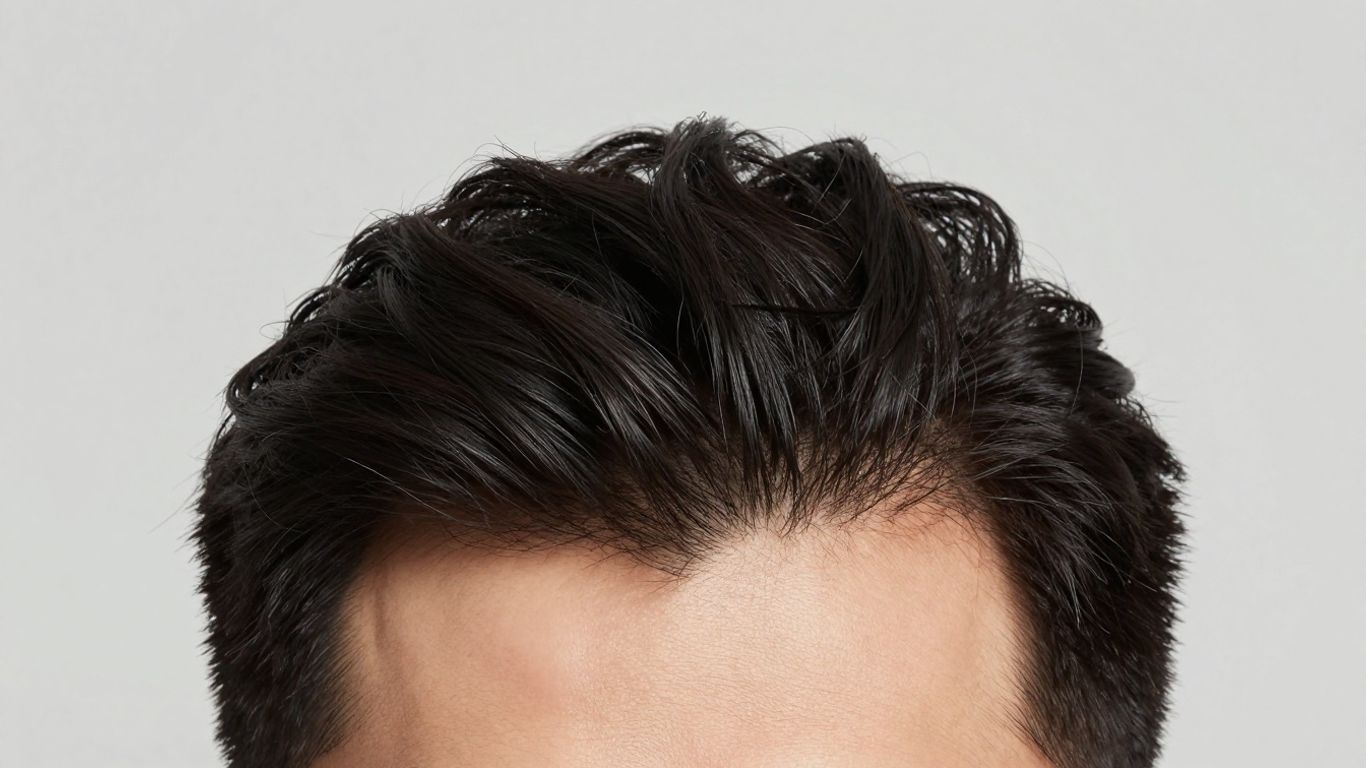
When it comes to tackling male hair loss, there are some solid, science-backed options that have been around for a while and really work. These aren't miracle cures, but they can definitely make a difference if you're dealing with thinning hair or a receding hairline. It's all about consistency and understanding how they work.
Finasteride: Blocking DHT for Regrowth
Finasteride, often known by its brand name Propecia, is a prescription medication that tackles hair loss from a hormonal angle. It works by inhibiting an enzyme that converts testosterone into dihydrotestosterone (DHT). DHT is the primary hormone linked to male pattern baldness, as it can shrink hair follicles over time. By reducing DHT levels, finasteride can help slow down hair loss and, for many men, even encourage regrowth. It's typically taken as a daily pill. Most men see noticeable results after about 6 to 12 months of consistent use.
It's important to know that if you stop taking finasteride, the hair loss process can resume, and you might lose the hair you've regrown. Some men might experience side effects, though they aren't universal. These can include changes in sex drive or erectile dysfunction. It's always best to discuss potential side effects with your doctor.
Minoxidil: Stimulating Follicles for Fuller Hair
Minoxidil is probably the most well-known over-the-counter treatment for hair loss. You'll find it in liquid or foam form, applied directly to the scalp, usually twice a day. Originally developed for high blood pressure, it was discovered that it also stimulated hair growth. The exact way it works isn't fully understood, but it's thought to widen blood vessels in the scalp, improving blood flow and delivering more nutrients to the hair follicles. This can help prolong the growth phase of your hair cycle, leading to thicker, fuller-looking hair.
Minoxidil is generally well-tolerated, though some people might experience scalp irritation, itching, or redness, especially with the liquid form due to an ingredient called propylene glycol. Like finasteride, consistency is key, and you need to keep using it to maintain the benefits. It's a great option for early-stage thinning or loss at the crown.
Combining Treatments for Enhanced Results
Sometimes, using more than one treatment can lead to better outcomes. Many doctors recommend combining finasteride and minoxidil for a more comprehensive approach. While finasteride works on the hormonal side by blocking DHT, minoxidil stimulates the follicles directly. This dual action can be more effective than using either medication alone. Think of it as attacking the problem from two different angles.
Here's a quick look at how they can work together:
- Finasteride: Reduces DHT to prevent follicle miniaturization.
- Minoxidil: Increases blood flow to stimulate existing follicles and prolong the growth phase.
Combining these FDA-approved treatments can offer a powerful strategy for managing male pattern baldness. It's about creating an environment where your hair can thrive, both by addressing the hormonal triggers and by actively stimulating growth.
It's always a good idea to chat with a healthcare professional or a dermatologist to figure out the best treatment plan for your specific situation. They can help you weigh the pros and cons and decide if a combination approach is right for you. You can find more information on FDA-approved medications for hair loss.
Innovative Therapies and Technologies
While the established treatments like finasteride and minoxidil are solid choices, the world of hair loss solutions is always buzzing with new ideas. Scientists are constantly looking for ways to get better results, often by targeting hair growth at a cellular level or finding more precise ways to block the hormones that cause thinning. It's an exciting time if you're looking for something beyond the usual.
Red Light Therapy for Cellular Energy
Think of red light therapy as giving your hair follicles a little energy boost. This treatment uses specific wavelengths of red light, or sometimes low-level lasers, to penetrate the scalp. The idea is that this light energy can help energize the cells within the hair follicles. This might help them work better and encourage hair to grow. It's a non-invasive approach, and many devices are designed for home use, like special caps you wear for a set amount of time. It's often seen as a good add-on treatment, potentially working well alongside other therapies.
Emerging Topical DHT Blockers
We know DHT is a major player in male pattern baldness. While oral finasteride blocks DHT throughout the body, researchers are developing topical treatments that aim to block DHT more specifically, right at the hair follicle. This could mean similar effectiveness with fewer body-wide side effects. Some of these newer compounds are designed to be very selective, targeting only the scalp. Clinical trials are still underway for many of these, but early signs are promising for a more localized approach to managing DHT.
Future Oral Minoxidil Formulations
Minoxidil is a well-known topical treatment, but what if you could get its benefits in a pill? There's research happening on new oral formulations of minoxidil. The goal is to create a convenient, once-daily pill that could be just as effective, if not more so, than the topical versions. If these new formulations prove safe and effective in larger studies and get the green light from regulators, it could offer a simpler way for men to use minoxidil for hair regrowth. This would be a significant step, potentially being the first non-hormonal pill specifically for male pattern baldness.
The development of new treatments often involves repurposing existing drugs or finding ways to make them work more precisely. This means looking at how treatments affect cells and hormones at a very local level, aiming for maximum benefit with minimal unwanted effects elsewhere in the body. It's a careful balancing act that science is getting better at with each passing year.
Surgical Restoration Options
Surgical options for hair loss are pretty straightforward, but people usually don't go down this road until other treatments haven't worked or the hair loss is pretty advanced. It’s not a quick fix, but for a lot of men, it’s the way they finally feel like themselves again.
Follicular Unit Transplantation (FUT)
This is one of the oldest surgical techniques, sometimes called the "strip method." The doctor removes a thin strip of scalp, usually from the back of your head. They then cut this strip into tiny grafts and put them into the thinning or bald spots.
- Good for those wanting more coverage in one go
- Leaves a linear scar (usually hidden by hair)
- Recovery can take a bit longer
FUT might be recommended if you’ve got significant balding and want a denser look in one session.
Follicular Unit Extraction (FUE)
FUE is a newer, less invasive technique. Here, each hair follicle is taken out one by one from the donor area and re-planted where you need it. There’s no strip, which means smaller, dot-like scars that are hard to spot.
- Popular because of minimal scarring
- Great if you like to wear your hair short
- Recovery can be a little quicker than FUT
Here's a simple side-by-side look at both procedures:
For more about how these two methods stack up, see this breakdown of hair transplant surgery options.
When Surgery Becomes the Best Solution
Not everyone needs surgery. But for lots of men, it ends up being the right decision when:
- Medications don’t slow or stop hair loss anymore
- The balding area is just too big for topicals or pills to help much
- You want the most permanent and natural-looking results
Sometimes, hair surgery is the only way to get back something you’ve already lost. And honestly, seeing your hairline come back can feel like getting a part of yourself again.
In general, if you’re considering surgical restoration, talk to a doctor who’s done a lot of these. Let them help you set realistic expectations, figure out the right surgery for you, and decide if you’re a good fit for the procedure.
Lifestyle and Supplement Considerations
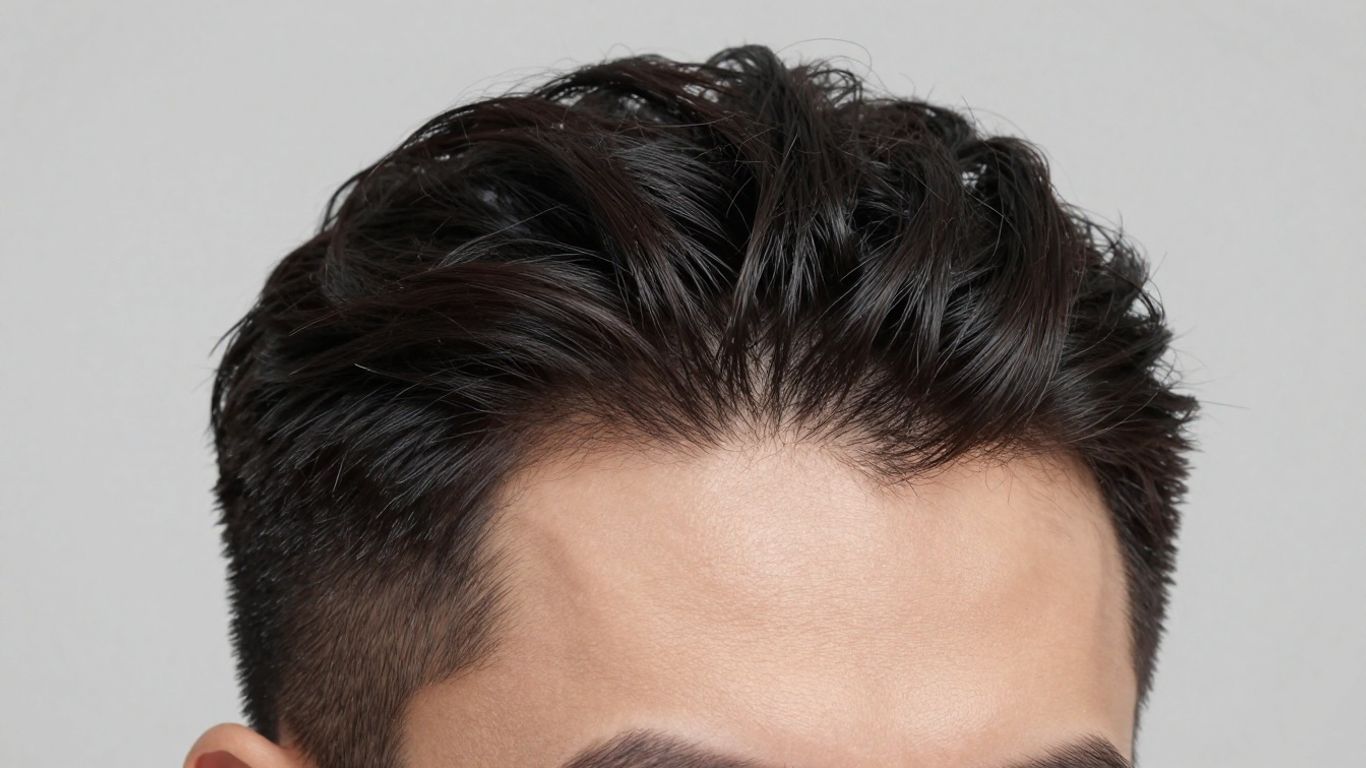
While medical treatments and surgical options get a lot of attention, what you do day-to-day can also play a role in your hair's health. It's not just about the big interventions; the smaller habits matter too.
Impact of Diet and Stress on Hair Health
Think of your hair follicles like tiny plants. They need good soil and the right nutrients to grow strong. A diet lacking in essential vitamins and minerals can definitely impact your hair. Things like iron, zinc, and certain B vitamins are pretty important for hair growth. If you're constantly stressed out, your body releases hormones that can actually push hair follicles into a resting phase, leading to more shedding. It's a tough cycle to break, but managing stress is good for your whole body, including your hair.
It's easy to overlook the connection between what we eat, how we feel, and the health of our hair. But the reality is, a balanced diet and effective stress management techniques can create a more supportive environment for hair follicles to thrive.
Cautionary Notes on Unproven Supplements
This is where things can get a bit murky. The market is flooded with supplements promising thicker, fuller hair. Many of these are not well-researched, and some can even be risky. You might see ingredients like ashwagandha or green tea extract on labels. While these might have other health benefits, their direct impact on male hair loss isn't always clear, and in rare cases, they've been linked to liver issues. Always be skeptical of products that make bold claims without solid scientific backing. It's often better to focus on getting nutrients from whole foods. If you're considering supplements, especially for deficiencies, it's wise to talk to a doctor first. They can help you figure out if you actually need them and recommend safe options. For instance, if a doctor identifies a deficiency, certain vitamins might be helpful, but it's not a one-size-fits-all situation.
The Role of Consistent Care
Consistency is key, whether you're using a topical treatment or just trying to live a healthier lifestyle. Sticking with a routine, even when you don't see immediate results, is important. This applies to your diet, stress management, and any treatments you're using. Think of it like tending a garden; you can't just water it once and expect it to flourish. Regular attention and care are what make the difference over time. Building these habits into your life can support the efforts of medical treatments and contribute to overall hair health. Remember, taking care of your hair is a marathon, not a sprint.
Taking the Next Step
So, dealing with hair loss can feel like a big deal, but it's good to know there are real options out there now. We've looked at some solid treatments, from daily pills and topical solutions to light therapy and even surgery. The main thing is that science has come a long way, and many men are finding success in slowing down or even reversing hair thinning. It's not a one-size-fits-all situation, though. What works best really depends on your specific situation and how far along the hair loss has progressed. The key takeaway? Don't just sit back and let it happen. Talk to a doctor or a specialist, figure out what's causing your hair loss, and explore the treatments that fit your needs. Starting early and sticking with a plan makes a big difference.
Frequently Asked Questions
What causes most hair loss in men?
Most hair loss in men happens because of genetics. This is called male pattern baldness. Hormones like DHT can make hair follicles shrink, which leads to thinner hair and, over time, bald areas.
How do finasteride and minoxidil work?
Finasteride is a pill that lowers DHT levels in your body, helping hair follicles stay healthy. Minoxidil is a liquid or foam you put on your scalp to boost blood flow, which can help hair grow thicker and stronger.
Are there any new treatments for hair loss?
Yes, new options are coming out. Red light therapy uses gentle lasers to help hair cells grow. Scientists are also working on new pills and creams that block DHT only at the scalp, which may have fewer side effects.
Is hair transplant surgery safe and effective?
Hair transplant surgery is a safe and proven way to restore hair. Doctors move healthy hair follicles from one part of your head to another. The results can look natural and last a long time, but the process can take several months to show full results.
Can changing my diet or using supplements help with hair loss?
Eating healthy foods and reducing stress can help your hair stay strong. But most supplements and vitamins sold for hair growth are not proven to work. Some can even be unsafe, so it's best to talk to a doctor before trying them.
How long does it take to see results from treatments?
Most people need to use treatments like finasteride or minoxidil for at least 4 to 6 months before seeing any changes. To keep the benefits, you have to keep using them. If you stop, the hair loss may come back.



International Standards.
Brazilian Mastery.
Aesthetica Medical Travel Facilitators, LLC is an international care coordination company registered in Wyoming, United States. We provide services for the promotion and support of medical service providers, including physicians worldwide (“medical service providers”). These services are made available through Aesthetica’s website, and the same privacy terms also apply to the Aesthetica Advisor Program (the “application/platform”), created and operated by Aesthetica. Aesthetica is solely responsible for controlling and processing the information obtained via the platform or through other communications between users, businesses, hospitals, clinics, or third parties and members of the Aesthetica service team (the “Service Team”). Our services may include non-clinical care coordination for North American patients seeking elective procedures abroad, including provider matching, travel logistics, and administrative support throughout the care journey. Additional services or add-ons may be offered depending on the selected scope. Post-operative care is typically conducted in the destination country where the procedure is performed. Additional coordination or administrative support in the patient’s country of origin may be available separately, subject to scope and availability. Aesthetica may engage third-party service providers, partners, or affiliated entities to support its operations, including data processing and service delivery. Information may be shared with such parties solely as necessary to provide the services described. Our operations follow strict standards of transparency, privacy protection, and regulatory compliance. Testimonials reflect individual experiences and do not guarantee future results. By using Aesthetica’s services or platform, users acknowledge and agree to these terms and understand the limited, non-clinical role of Aesthetica in the care journey. For more information about our policies or compliance framework, please contact our support team.