
Composite Resin Veneers: A Comprehensive Guide to Benefits, Costs, and What to Expect
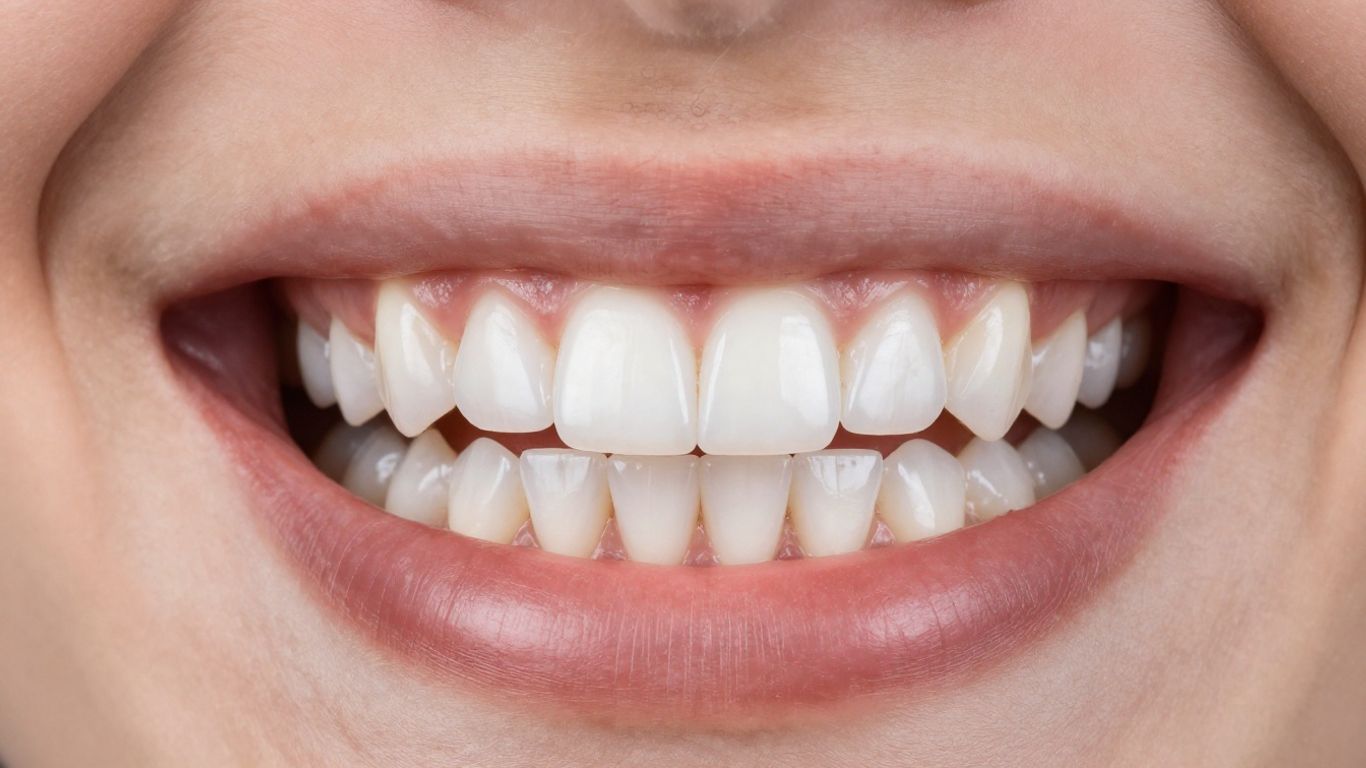
Composite resin veneers are a popular cosmetic dental solution for improving the look of your smile. Here are the main things to remember about them:
Key Takeaways
- Composite resin veneers are made from a tooth-colored plastic material applied directly to the teeth.
- They are a cost-effective and often minimally invasive option for smile makeovers.
- The application process can usually be completed in a single dental visit.
- Benefits include fixing discoloration, chips, gaps, and minor alignment issues.
- With proper care, they can last several years, offering a noticeable aesthetic improvement.
Understanding Composite Resin Veneers
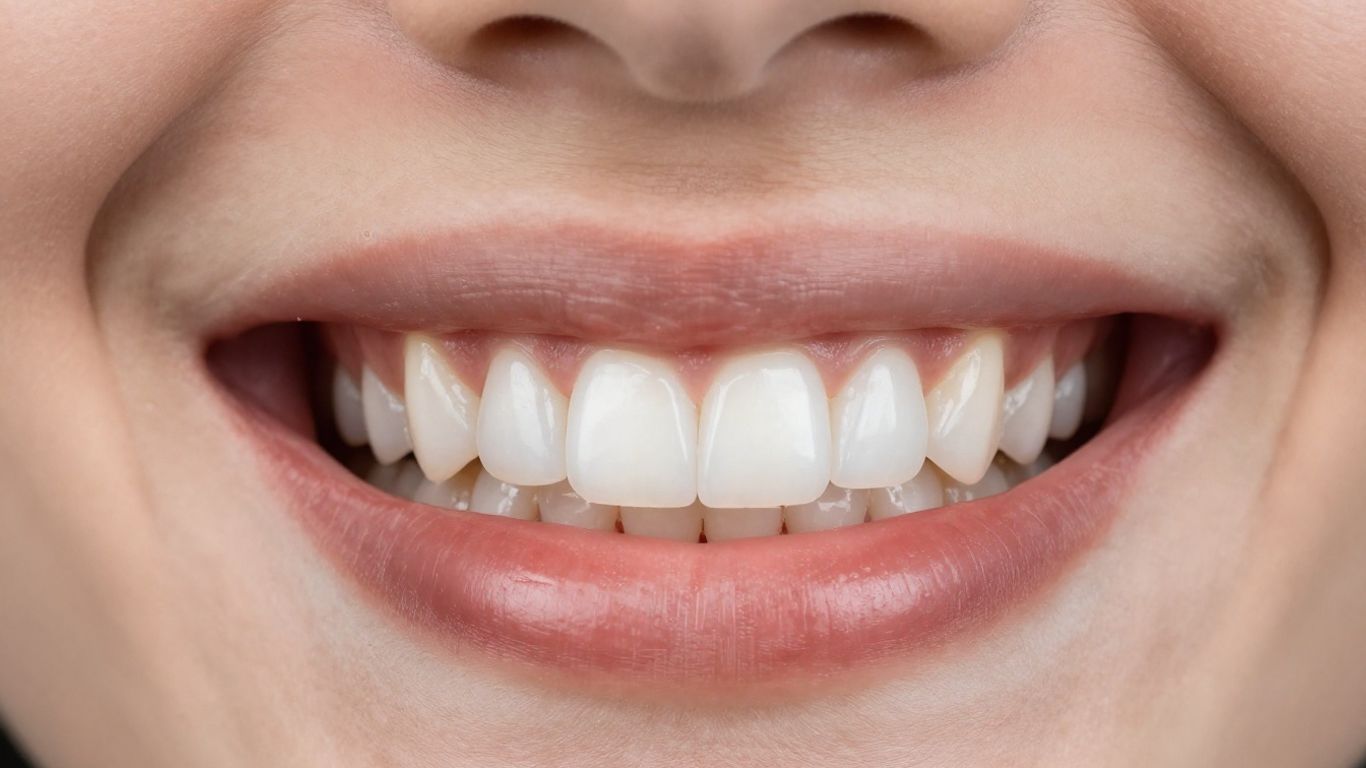
Composite resin veneers are a fantastic way to spruce up your smile without a huge fuss or a massive bill. Think of them as thin, custom-made shells that dentists bond directly onto the front of your teeth. They're made from a tooth-colored plastic material, which is why they blend in so well.
What Are Composite Resin Veneers?
Basically, these veneers are crafted from a special type of dental material called composite resin. It's the same stuff dentists often use for tooth-colored fillings. The cool thing about it is that it can be molded and shaped right there in the dental chair to perfectly fit your teeth. Your dentist will carefully layer this resin onto your teeth, sculpting it to fix imperfections like chips, cracks, stains, or even small gaps. The whole process is designed to give you a brighter, more uniform smile. Because the material is applied directly, it's often a quicker process compared to other veneer types. It's a really popular choice for people looking for a noticeable smile improvement without a lot of hassle. You can find out more about how they're applied here.
Ideal Candidates for Composite Veneers
So, who is composite resin veneer treatment best suited for? Generally, if you're looking to correct minor cosmetic issues, these could be a great fit. They work wonders for teeth that are:
- Slightly stained and don't respond well to whitening treatments.
- Chipped or have small cracks.
- Have minor gaps between them that you'd like to close.
- Are a bit misshapen or uneven in size.
It's important to note that composite veneers are best for aesthetic improvements rather than fixing major structural problems. If you have severe decay or significant bite issues, your dentist will likely recommend other treatments first. They're also a good option if you're looking for a more budget-friendly cosmetic solution or if you prefer a treatment that requires minimal alteration to your natural tooth structure.
Key Benefits of Choosing Composite Veneers
There are several reasons why people opt for composite resin veneers. For starters, they're known for being minimally invasive. This means that usually, very little, if any, of your natural tooth enamel needs to be removed. This preservation of your natural tooth is a big plus for many people.
Another major advantage is the cost. Compared to other veneer options, composite veneers are generally more affordable. This makes them accessible to a wider range of people who want to improve their smile without breaking the bank.
Finally, the application process is often quite fast. Many times, you can get your composite veneers applied in just a single dental visit. This is super convenient for anyone with a busy schedule who wants to see results quickly. It's a straightforward way to achieve a noticeable smile upgrade.
The Composite Veneer Application Process
So, you're thinking about composite veneers? It's a pretty straightforward process, and honestly, it's one of the main reasons people love them. Unlike some other dental work that can take ages, getting composite veneers is often a quick affair. The whole thing can usually be done in just one or two dental visits. That means you can walk out with a noticeably improved smile without a huge time commitment.
Initial Consultation and Planning
First things first, you'll have a chat with your dentist. This isn't just a quick "hello"; it's where you both figure out if composite veneers are the right move for you. Your dentist will look at your teeth, check your overall oral health, and talk about what you're hoping to achieve. Are you looking to fix a chipped tooth, cover up some stains, or maybe close a small gap? This is the time to spill all your smile goals. They might take some pictures or even do a digital mock-up so you can get a feel for how things might look. It’s all about making sure you’re on the same page before any work begins. This planning stage is super important for getting the results you want.
Tooth Preparation and Application
When it's time for the actual application, you'll be happy to hear that composite veneers are usually pretty minimally invasive. In many cases, your dentist won't need to remove much, if any, of your natural tooth enamel. They'll clean your teeth thoroughly, and then they'll start applying the composite resin. This material is like a putty that the dentist sculpts directly onto your teeth. They build it up layer by layer, shaping it to get the perfect look – think color, size, and form. Once the shape is just right, a special light is used to harden the resin. It’s a bit like sculpting and then baking, all right there in the chair. This direct application method gives the dentist a lot of control to make sure the veneers look just right for your smile. It’s a real art form, honestly.
Achieving Quick and Aesthetic Results
Because the composite material is applied directly to your teeth and hardened on the spot, the results are pretty immediate. You don't have to wait weeks for a lab to create them, like you might with porcelain. Your dentist can make adjustments right then and there, tweaking the color or shape until it’s perfect. This means you can walk out of the office with a brighter, more uniform smile after just one appointment, or maybe two if more extensive work is needed. It’s a fantastic option if you’re looking for a noticeable change without a long waiting period. The material itself can be color-matched really well to your natural teeth, so the final look is often very natural and pleasing. It’s a great way to boost your confidence quickly.
The beauty of composite veneers lies in their direct application and the immediate aesthetic improvements they offer. This process is designed to be efficient, allowing patients to see a significant change in their smile's appearance in a relatively short amount of time, often within a single dental visit.
Here’s a quick look at what happens:
- Consultation: Discuss your smile goals and assess suitability.
- Preparation: Minimal or no enamel removal.
- Application: Composite resin is sculpted and bonded directly to teeth.
- Curing: A special light hardens the resin.
- Finishing: Polishing and final adjustments for a smooth, natural look.
This step-by-step approach makes the process clear and manageable for patients seeking a smile makeover. You can learn more about the veneer application process to get a better idea of what to expect.
Comparing Composite Resin Veneers to Other Options
When you're thinking about sprucing up your smile, you've got a few different paths you can take. Composite resin veneers are definitely a popular choice, but it's good to know how they stack up against other cosmetic dental treatments. It's not a one-size-fits-all situation, and what works best really depends on what you're looking for.
Porcelain Veneers Versus Composite Resin
This is probably the most common comparison people make. Both porcelain and composite veneers are designed to cover the front of your teeth and fix up appearance issues like chips, stains, or minor gaps. But they're made of different stuff and have different pros and cons.
Porcelain veneers are like custom-made ceramic shells. They're known for looking super natural, almost like real tooth enamel, and they're really good at resisting stains. Think coffee, tea, red wine – porcelain handles them pretty well. They're also quite durable and can last a long time, often 10 to 15 years or even more with good care. The downside? They usually cost more upfront and often require a couple of dental visits to get them placed because they're made in a lab. Plus, the process might involve removing a bit more of your natural tooth enamel.
Composite resin veneers, on the other hand, are made from a tooth-colored plastic material that's applied directly to your teeth. One of the biggest advantages is that they're generally more affordable and can often be done in a single dental appointment. This makes them a great option if you want a quicker fix or are working with a tighter budget. While they look good and can make a big difference, they might not be quite as stain-resistant or last as long as porcelain. Typically, you might expect them to last around 5 to 7 years before needing some attention or replacement. However, if one gets chipped or damaged, it's usually easier and less expensive to repair compared to porcelain. It's a trade-off between immediate cost and long-term durability and aesthetics.
The Role of Composite in Smile Makeovers
Composite resin isn't just for standalone veneers. It plays a big role in what dentists call "smile makeovers." This is basically a plan to fix up multiple teeth or address various cosmetic issues all at once. Because composite is so versatile and can be applied directly, dentists can use it to:
- Fill in chips and cracks: If you have small imperfections, composite can be sculpted right onto the tooth.
- Close small gaps: It can add a little bit of material to make teeth look more aligned.
- Reshape teeth: If a tooth is slightly misshapen or uneven, composite can be used to give it a better contour.
- Cover minor discoloration: For stains that are hard to whiten, composite can provide a brighter surface.
It's a fantastic material for making subtle but noticeable improvements. For people looking for a less invasive way to improve their smile, composite bonding is often a go-to. It allows dentists to build up the tooth structure gradually, giving you a chance to see the results as they go.
Understanding No-Prep and Specialized Veneers
Beyond the standard porcelain and composite options, there are other types of veneers and cosmetic treatments to consider. No-prep veneers, for instance, are super thin shells that often require little to no removal of your natural tooth enamel. Think of them as a less invasive way to get a veneer look. They can be a great option if you're worried about altering your natural teeth too much. Some popular brands are known for being very thin and requiring minimal preparation, which can make the process quicker and more comfortable.
Then you have specialized materials like Zirconia or Emax, which are types of advanced ceramics. Zirconia is known for its incredible strength, making it super durable, while Emax is praised for its lifelike appearance and translucency, often used when a very natural look is desired. These might be chosen for specific cases or when a patient wants the absolute best in terms of durability or aesthetics. It really shows how much variety there is when you're looking to perfect your smile.
Choosing the right veneer material is a big decision. It's not just about how they look right after they're placed, but also about how they'll hold up over time, how much they'll cost, and how much work needs to be done on your natural teeth. Talking through all these options with your dentist is key to finding the best fit for your smile goals and your lifestyle.
Ultimately, whether you go with composite, porcelain, or explore other options, the goal is to achieve a smile you're happy with. Understanding the differences helps you make an informed choice that you won't regret down the line. For many, the affordability and speed of composite make it a really attractive starting point for cosmetic dental work.
Benefits of Composite Resin Veneers
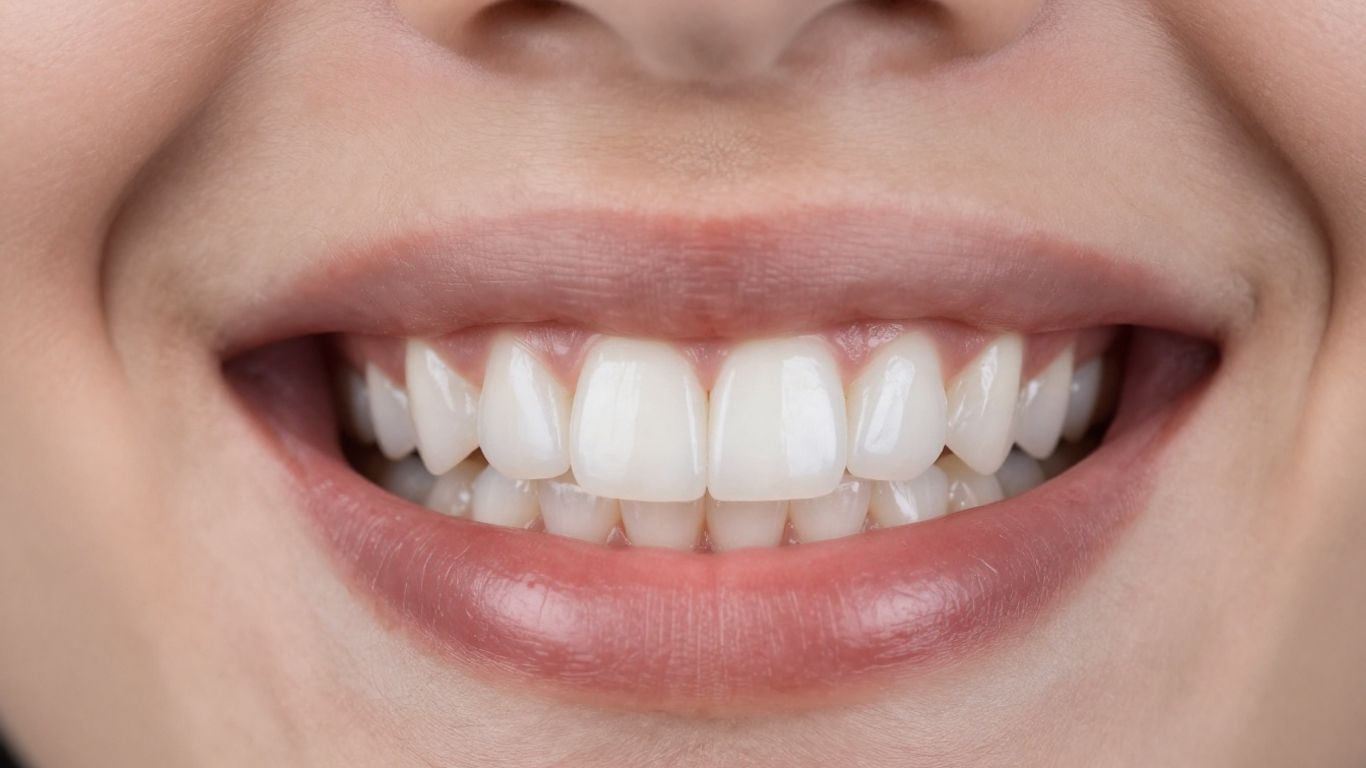
Choosing composite resin veneers is a practical step for people looking for a smile upgrade without all the fuss and high prices. There’s a reason these are gaining popularity—composite veneers just make things easier for a lot of patients.
Minimally Invasive and Reversible Treatment
Composite veneers don’t require aggressive drilling or shaving down your teeth. That means your natural tooth structure stays mostly untouched, which can reduce sensitivity and make the process way more comfortable than some other cosmetic treatments. If things change down the road, or you want a new look, composite resin can be safely removed or replaced with minimal hassle. Here are a few reasons people opt for this approach:
- Minimal or no enamel removal, preserving your original teeth
- Less discomfort after the procedure, usually no shots or drills
- Easy to reverse or update if you change your mind later
Many people are amazed at how non-intimidating this treatment turns out to be—it doesn’t feel nearly as drastic as other types of veneers.
Cost-Effectiveness and Affordability
Dentists often recommend composite resin when budget is a big consideration. Compared to porcelain, the upfront cost is lower—and for many, that’s a deal-maker. Composite veneers are frequently finished in just one visit, which also cuts back on both the price and your time in the chair. A look at cost and convenience:
- Up to half the cost of porcelain
- Quick, often single-appointment service (time-efficient alternative)
- Repairs performed chairside without extra lab bills
Aesthetic Flexibility and Natural Appearance
Composite resin is surprisingly adaptable. Dentists can blend shades to match your teeth and tweak the shape right there during your appointment, so you end up with a smile that feels and looks natural. Here’s what sets composite apart:
- Color-matching and shaping in real time
- Can fix chips, close gaps, reshape teeth, or mask discoloration
- Immediate results, so you walk out with your new smile the same day
One of the most satisfying aspects is seeing real changes while you’re still in the chair—no waiting for a dental lab or return visits for adjustments.
When you add everything up, the main reasons people turn to composite resin veneers are comfort, affordability, and instant improvements. If you want a fast, natural-looking result with minimal commitment, composite resin may be the option that fits best.
What to Expect with Composite Resin Veneers
So, you're thinking about getting composite resin veneers? That's great! They're a fantastic way to spruce up your smile without a huge fuss. But like anything, it's good to know what you're getting into. Let's break down what the whole process looks like and what you can expect down the road.
Longevity and Durability Expectations
When it comes to how long your new composite veneers will last, it really depends on a few things. Generally, you can expect them to hold up well for about 5 to 7 years. This is a bit shorter than porcelain veneers, but honestly, they're still pretty tough for everyday life. Things like how well you take care of them, what you eat, and even if you grind your teeth at night can play a role. Proper care is key to making them last as long as possible. They're not indestructible, of course, but they're designed to handle normal eating and talking.
Maintenance and Care for Your Veneers
Taking care of your composite veneers is pretty straightforward, thankfully. You'll want to keep up with your regular brushing and flossing routine, just like you always do. This helps prevent any issues with your natural teeth underneath and keeps your gums healthy. It's also a good idea to be mindful of what you're chewing on. While they're durable, avoiding super hard foods like ice or very sticky candies can help prevent any accidental chips or damage. Regular dental check-ups are also super important. Your dentist can check on your veneers, make sure they're still looking good, and catch any potential problems early on. Think of it like maintaining any other dental work – a little attention goes a long way.
The Value of Your Smile Investment
Investing in composite resin veneers is really about investing in yourself and how you feel. While they might not last as long as porcelain, they offer a more budget-friendly way to achieve a significantly improved smile. The fact that they are minimally invasive and often reversible is a big plus for many people. You get a noticeable boost in confidence and a smile you're proud to show off, often in just one or two dental visits. It's a practical choice for correcting minor imperfections and can truly make a difference in your daily life and how you present yourself to the world. For many, the immediate aesthetic improvement and the confidence that comes with it make composite veneers a worthwhile choice for their smile goals.
It's important to remember that while veneers are fantastic for cosmetic fixes, they aren't a solution for major dental problems. Things like severe decay, gum disease, or significant bite issues need to be addressed first. Your dentist will help you figure out if veneers are the right path for you.
Conclusion
Composite resin veneers offer a fantastic way to refresh your smile without a huge fuss or a massive dent in your wallet. They're a great option for fixing up minor imperfections and boosting your confidence. While they might not last as long as porcelain, their affordability, the quick application process, and the fact that they're minimally invasive make them a really popular choice for a lot of people. Just remember to take good care of them, and you'll be flashing that brighter smile for years to come!
Frequently Asked Questions
What exactly are composite resin veneers?
Think of composite resin veneers as thin, custom-made shells that dentists stick onto the front of your teeth. They're made from a special tooth-colored plastic material that looks a lot like your natural teeth. The main idea is to cover up things like stains, chips, or small gaps to make your smile look better.
Are composite veneers expensive?
Compared to other options like porcelain veneers, composite veneers are usually more affordable. This makes them a good choice if you're on a tighter budget but still want to improve how your smile looks. The exact cost can vary, though, depending on how many teeth you're getting done and where you live.
How long does it take to get composite veneers?
One of the best things about composite veneers is that they're often done in just one dental visit! Your dentist will prepare your teeth a little, then apply and shape the resin material right there in the office. It's a pretty quick way to get a smile makeover.
Do composite veneers look natural?
Yes, they really do! Dentists are skilled at matching the color of the composite resin to your natural teeth, so they blend in really well. While they might not have the exact same sparkle as porcelain, they still look very realistic and can make a big difference in your smile's appearance.
How long do composite veneers last?
Composite veneers typically last somewhere between 5 to 7 years. They're pretty durable for everyday use, but they might not be as tough or stain-resistant as porcelain over the long run. Things like coffee, tea, or red wine can potentially stain them over time, and they might wear down a bit faster.
What kind of care do composite veneers need?
Taking care of composite veneers is pretty much the same as taking care of your regular teeth. You should brush them twice a day and floss daily. It's also a good idea to visit your dentist regularly for check-ups. Try to avoid chewing on really hard things like ice or hard candy, as this could potentially chip or damage the veneers.


International Standards.
Brazilian Mastery.
Aesthetica Medical Travel Facilitators, LLC is an international care coordination company registered in Wyoming, United States. We provide services for the promotion and support of medical service providers, including physicians worldwide (“medical service providers”). These services are made available through Aesthetica’s website, and the same privacy terms also apply to the Aesthetica Advisor Program (the “application/platform”), created and operated by Aesthetica. Aesthetica is solely responsible for controlling and processing the information obtained via the platform or through other communications between users, businesses, hospitals, clinics, or third parties and members of the Aesthetica service team (the “Service Team”). Our services may include non-clinical care coordination for patients worldwide seeking elective procedures abroad, including provider matching, travel logistics, and administrative support throughout the care journey. Additional services or add-ons may be offered depending on the selected scope. Post-operative care is typically conducted in the destination country where the procedure is performed. Additional coordination or administrative support in the patient’s country of origin may be available separately, subject to scope and availability. Aesthetica may engage third-party service providers, partners, or affiliated entities to support its operations, including data processing and service delivery. Information may be shared with such parties solely as necessary to provide the services described. Our operations follow strict standards of transparency, privacy protection, and regulatory compliance. Testimonials reflect individual experiences and do not guarantee future results. By using Aesthetica’s services or platform, users acknowledge and agree to these terms and understand the limited, non-clinical role of Aesthetica in the care journey. For more information about our policies or compliance framework, please contact our support team.