
Effective Treatment for Hair Loss in Men: Expert Insights and Options for 2026
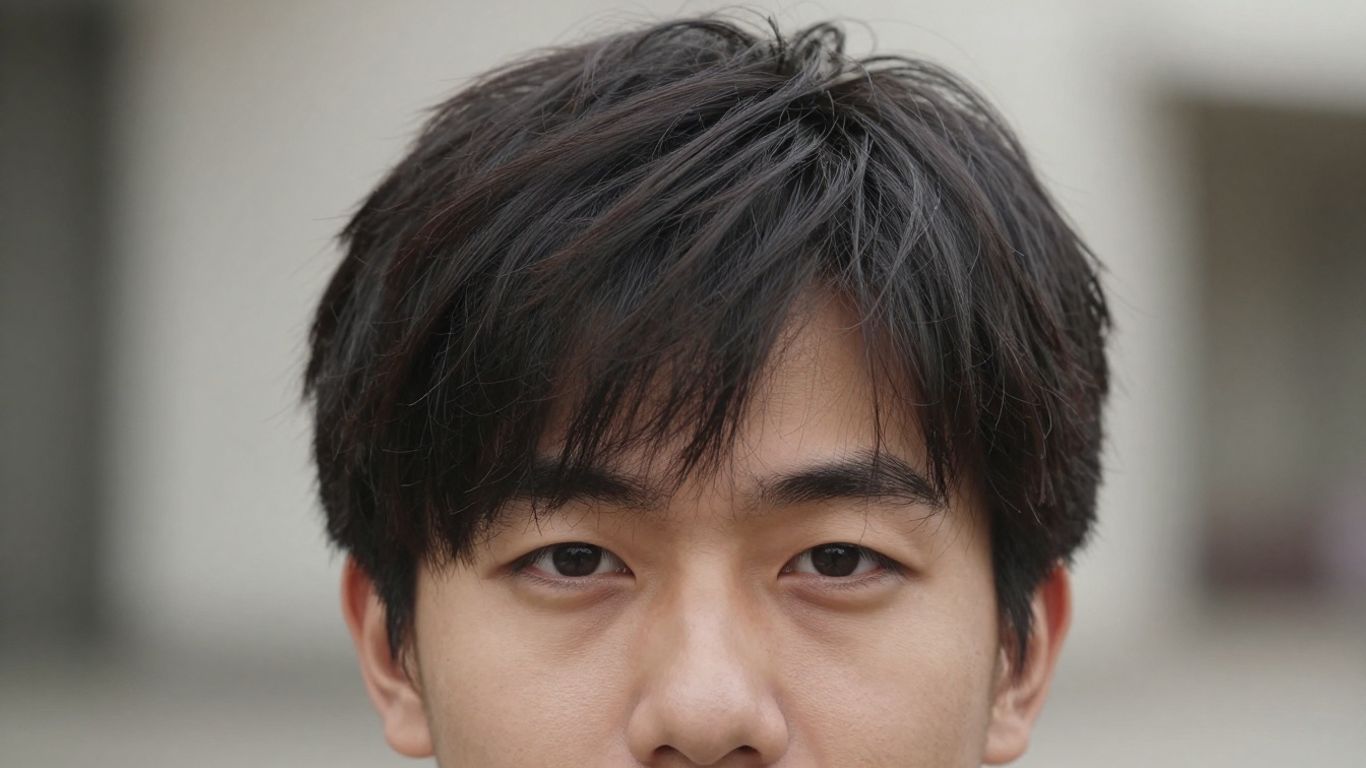
Losing your hair can be a real downer, right? If you've noticed your hairline creeping back or more hair than usual in the shower, you're definitely not alone. Millions of guys deal with hair loss, but the good news is, there are actually effective ways to slow it down or even get some of it back. We've looked into what works, what's coming up, and how you can figure out the best plan for you. This article breaks down the science, the treatments, and what to expect on your journey to thicker hair.
Key Takeaways
- Understanding the root causes of hair loss in men, from genetics and hormones like DHT to lifestyle factors, is the first step toward finding the right treatment.
- Proven medical treatments like Finasteride, Dutasteride, and Minoxidil remain reliable options for managing hair loss, with emerging therapies like JAK inhibitors showing promise.
- Advanced surgical techniques, including FUT and FUE hair transplants, offer permanent solutions, with newer methods focusing on precision and natural-looking results.
- Non-surgical options such as Scalp Micropigmentation (SMP), PRP therapy, and Low-Level Laser Therapy (LLLT) provide effective ways to improve hair density and stimulate growth.
- A personalized approach, combining various treatments and consulting with specialists, is key to achieving the best outcomes for your specific hair loss situation.
Understanding the Science Behind Hair Loss in Men
Genetics and Hormonal Influences on Male Pattern Baldness
So, you've noticed your hair isn't as thick as it used to be, or maybe the hairline's creeping back a bit. For a lot of guys, this is a familiar story. The main culprit behind this is usually something called androgenetic alopecia, or more commonly, male pattern baldness. It's a genetic thing, plain and simple. If hair loss runs in your family, chances are you've inherited the genes that make your hair follicles a bit sensitive. This sensitivity is a lifelong condition, but understanding it is the first step to managing it.
The Role of DHT in Follicle Miniaturization
Now, let's talk hormones. Specifically, dihydrotestosterone, or DHT. It's a byproduct of testosterone, and in men genetically predisposed to hair loss, DHT can be a real troublemaker for your hair follicles. Over time, DHT attaches to receptors in your scalp and basically tells your hair follicles to shrink, or miniaturize. This process doesn't happen overnight. It's gradual. You start with normal-sized follicles producing healthy, thick hair. But as DHT does its thing, the follicles get smaller and smaller. This means the hair they produce becomes thinner, shorter, and less pigmented. Eventually, the follicle might become so small that it stops producing visible hair altogether. It's a slow fade, but it's driven by this hormonal interaction.
Factors Beyond Genetics: Stress, Diet, and Lifestyle
While genetics and DHT are the big players in male pattern baldness, they aren't the only things that can affect your hair. Life happens, and sometimes that impacts your mane.
- Stress: Ever notice more hair in your brush after a particularly rough week? High stress levels can trigger a type of temporary hair shedding called telogen effluvium. It's not the same as male pattern baldness, but it can certainly make thinning more noticeable.
- Diet: What you eat matters. Your hair follicles need nutrients to grow strong hair. A diet lacking in essential vitamins and minerals, like iron or biotin, can weaken hair and contribute to shedding.
- Lifestyle Habits: Things like smoking can affect circulation, including to your scalp, which isn't great for hair growth. Even how you style your hair, using harsh products or tight hairstyles, can cause damage over time.
It's easy to get caught up in thinking it's all about the genes, but your daily habits and overall health play a significant role in how your hair looks and feels. Addressing these external factors can support your hair's health, even if you can't change your genetic blueprint.
Understanding these different influences helps paint a clearer picture of why hair loss happens and what might be contributing to your specific situation. It's a complex puzzle, but piecing it together is key to finding the right solutions. For more on the science behind hair loss, you can look into androgenetic alopecia.
Proven Medical Treatments for Hair Loss Men Can Trust
When it comes to tackling hair loss, especially male pattern baldness, there are some tried-and-true medical treatments that have stood the test of time. These aren't just fads; they're backed by science and have helped countless guys manage thinning hair. It’s good to know there are solid options out there.
Finasteride and Dutasteride: Oral and Topical Solutions
These medications work by targeting the hormonal side of hair loss, specifically by blocking DHT (dihydrotestosterone), a key player in shrinking hair follicles for those genetically predisposed. Finasteride is probably the most well-known, often prescribed as a daily pill. Dutasteride is similar but is a more potent DHT blocker, sometimes used when finasteride isn't enough. Both can be really effective at slowing down hair loss and, for some, even encouraging regrowth. Recently, topical versions of these medications have become available, which some men prefer because they aim to deliver the drug directly to the scalp with potentially fewer systemic side effects. It’s important to discuss with a doctor which option, oral or topical, and which drug, finasteride or dutasteride, might be best for your specific situation.
Remember, consistency is key with these treatments. You won't see results overnight, and stopping the medication usually means hair loss will resume.
Minoxidil: Topical Applications for Regrowth
Minoxidil, often recognized by brand names like Rogaine, is another cornerstone treatment. It's applied directly to the scalp, usually twice a day. How does it work? Well, it's thought to increase blood flow to the hair follicles and prolong the growth phase of the hair cycle. This can help to thicken existing hair and stimulate new growth in thinning areas. It's available over-the-counter, making it pretty accessible. Many men use minoxidil alongside finasteride or dutasteride for a more comprehensive approach. You might notice some increased shedding when you first start using it, which can be a bit alarming, but it's often a sign that the treatment is working and new hair is starting to push through.
Here’s a quick look at how minoxidil is typically used:
- Frequency: Apply to a dry scalp, usually twice daily.
- Application: Use the dropper or foam applicator provided.
- Consistency: Use it every day, even on days you don't wash your hair.
- Patience: It can take several months to see noticeable results.
JAK Inhibitors: Emerging Therapies for Alopecia Areata
While finasteride, dutasteride, and minoxidil are mainstays for male pattern baldness, the landscape for other types of hair loss, like alopecia areata (which causes patchy hair loss), is evolving. JAK inhibitors are a newer class of drugs that have shown promise, particularly for autoimmune-related hair loss conditions. These medications work by modulating the immune system's response, which can be overactive in conditions like alopecia areata, attacking hair follicles. They are typically taken orally and are usually prescribed by a dermatologist or specialist when other treatments haven't been effective. Because they are newer and target the immune system, they come with their own set of potential side effects and require careful medical supervision. It's a developing area, and research is ongoing to understand their full potential and long-term safety profile for various hair loss conditions [1030].
It's always best to consult with a healthcare professional to determine the most appropriate treatment plan for your specific type of hair loss. They can help you understand the benefits, risks, and expected outcomes of each option [d815].
Surgical Restoration: Advanced Hair Transplant Techniques
When it comes to tackling hair loss head-on, surgical hair transplantation remains a top-tier option for many men. It's not just about moving hair around; it's about precision, artistry, and using advanced methods to get the most natural-looking results possible. The field has really evolved, moving beyond older techniques to embrace technology and refined approaches that offer better outcomes and quicker recovery.
Follicular Unit Transplantation (FUT) vs. Follicular Unit Extraction (FUE)
These are the two main players in the hair transplant world. FUT, often called the 'strip method,' involves taking a thin strip of scalp from a donor area (usually the back of your head) and then dissecting it into individual follicular units for transplantation. It's effective for covering larger areas but does leave a linear scar. FUE, on the other hand, is more about precision. It involves extracting individual hair follicles directly from the donor area using tiny punches. This method is less invasive, results in minimal scarring, and often means a quicker return to normal activities. For many, FUE is the primary method for advanced hair restoration because of its subtlety and faster healing.
Here's a quick look at how they stack up:
Choosing between FUT and FUE often depends on the extent of hair loss, the desired outcome, and the surgeon's recommendation. Both can yield fantastic results when performed by skilled professionals.
Robotic Hair Transplantation for Precision
Robotics are entering the hair transplant arena, bringing a new level of accuracy to the procedure. AI-powered systems can assist surgeons by meticulously identifying and extracting healthy donor hairs, and then placing them with incredible precision. This technology aims to minimize human error, leading to more consistent results and potentially reducing scarring. The idea is that these machines can analyze hair angle, depth, and density to achieve optimal placement, creating a more natural flow with existing hair. While still evolving, robotic assistance is a significant step towards even more refined hair restoration.
The Vitruvian FUE™ Method for Enhanced Results
This is where things get really interesting. The Vitruvian FUE™ method takes FUE to another level by focusing on design and optimizing graft survival. It often integrates with advanced solutions like Ampligraf™ and AMP-T PRP™ to create a controlled environment for the harvested follicles. This means the grafts are kept in a prime condition from the moment they're extracted until they're implanted. The focus isn't just on the extraction and placement, but on the entire process, aiming for the highest reliability and density. It's a design-driven approach that really pushes the boundaries of what's possible with FUE, aiming for superior, long-lasting outcomes.
Innovative Non-Surgical Approaches
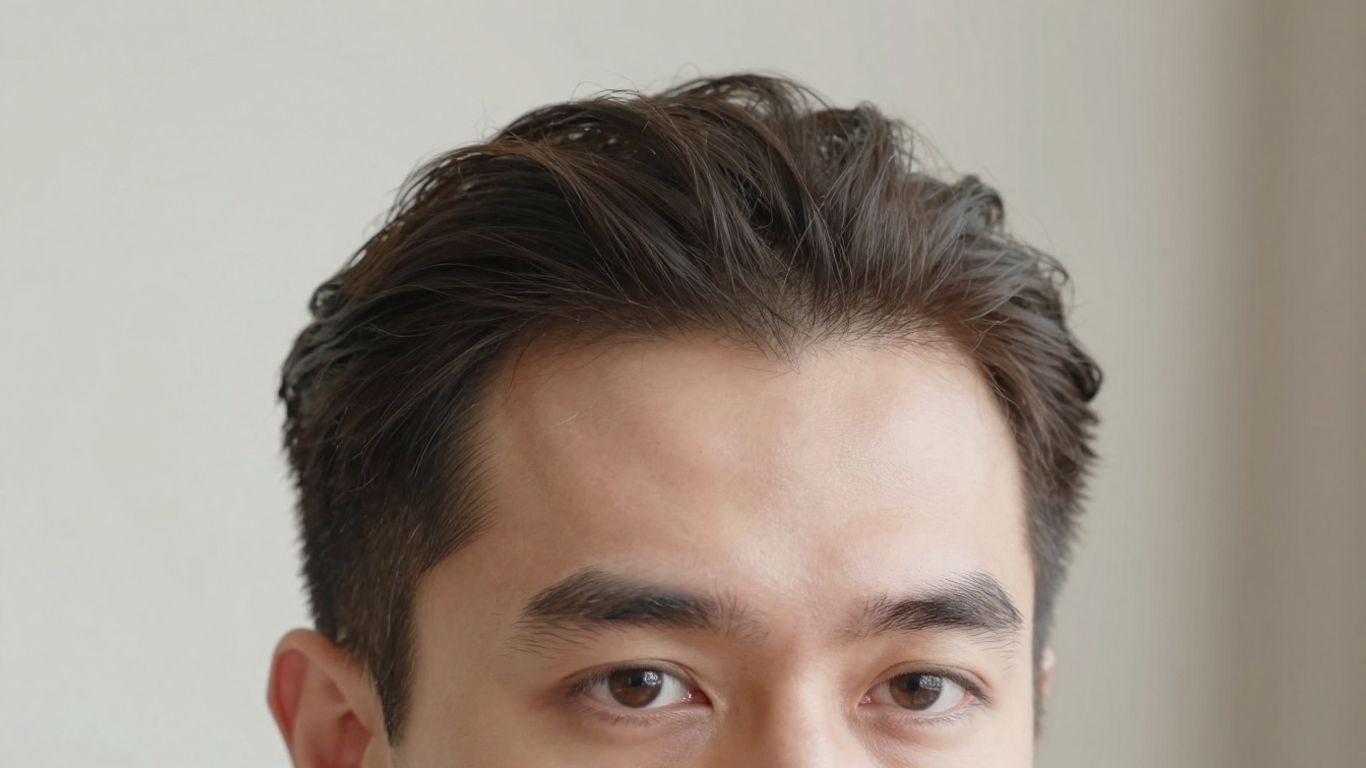
Sometimes, surgery isn't the first thing you want to consider for hair loss. Luckily, there are some pretty neat non-surgical options out there now that can make a real difference. These methods are becoming more popular because they often require less downtime and can be just as effective for many guys. We're talking about treatments that work with your body's natural processes or use clever techniques to give you the appearance of fuller hair.
Scalp Micropigmentation (SMP) for Density Illusion
Scalp Micropigmentation, or SMP, is a really interesting technique that's gained a lot of traction. Think of it like a highly detailed tattoo, but instead of a picture, it's tiny dots of pigment applied to your scalp. These dots mimic the look of natural hair follicles. The result? It creates the illusion of a fuller head of hair or a closely shaved head, depending on what you're going for. It's not about growing new hair, but about creating a visual density that can make thinning areas look much thicker. SMP is super versatile; it can help with general thinning, receding hairlines, and even camouflage scars from previous procedures like hair transplants. It's a non-surgical way to get a more confident look without any downtime. Many practitioners focus on creating incredibly natural hairlines, which is key to making the results look authentic.
Platelet-Rich Plasma (PRP) Therapy for Follicle Stimulation
PRP therapy is all about using your own body's healing power. The process involves drawing a small amount of your blood, then spinning it in a centrifuge to concentrate the platelets. These platelets are packed with growth factors. The concentrated platelet-rich plasma is then injected into your scalp. The idea is that these growth factors will stimulate your hair follicles, encouraging them to grow thicker and potentially slowing down further loss. It's a regenerative treatment that's becoming more refined, with clinics looking at better ways to prepare the PRP for maximum effect. It usually takes a series of sessions to see the best results, and consistency is important.
Low-Level Laser Therapy (LLLT) for Follicular Growth
Low-Level Laser Therapy, often called LLLT or red light therapy, uses specific wavelengths of light to interact with your hair follicles. The science behind it suggests that this light energy can help stimulate cellular activity within the follicles. This might lead to increased blood flow to the scalp and encourage hair growth. You'll see LLLT available in different forms, from clinical devices to at-home helmets or combs. While it might not produce dramatic regrowth on its own for everyone, it's often used as a complementary treatment alongside other therapies. It's generally considered safe and has minimal side effects, making it an accessible option for many men looking to support their hair health.
These non-surgical approaches offer a spectrum of solutions, from creating the visual effect of density to stimulating natural hair growth. They represent a significant step forward in providing men with effective hair loss management options that fit various lifestyles and preferences, often with fewer risks and less recovery time than surgical procedures.
Personalized Strategies and Future Frontiers
Okay, so we've talked about the science and the treatments that are already out there. But what's next? The hair loss world isn't just about the same old stuff anymore. Things are getting way more tailored, and there are some really cool new ideas bubbling up.
Customized Nutraceuticals and Supplements
Forget just grabbing any old multivitamin. The future is about getting super specific with what you put into your body. Think of it like this: instead of a general "good for you" pill, you're getting a blend designed just for your hair's needs. This could mean looking at your specific nutrient deficiencies, maybe you're low on iron or vitamin D, or even how your body processes certain things. Companies are starting to offer personalized blends, sometimes based on blood tests or even genetic information, to give your hair follicles exactly what they need to thrive. It's not just about slowing loss; it's about giving your hair the best possible building blocks.
- Targeted Nutrient Delivery: Supplements designed to address specific deficiencies impacting hair health.
- Bioavailability Focus: Formulations that make it easier for your body to absorb and use the nutrients.
- Synergistic Blends: Combining ingredients that work together for maximum effect, like biotin with zinc and vitamin C.
The idea here is to move beyond generic advice and create a truly individualized approach to hair health from the inside out. It's about precision nutrition for your scalp.
Emerging Biologics: Exosomes and Stem Cell Therapies
This is where things get really sci-fi, but it's happening now. Biologics are treatments that come from living organisms. Exosomes, for example, are tiny little vesicles that cells use to communicate. In the context of hair loss, they're being studied for their ability to signal hair follicles to grow and stay in the active phase longer. Stem cell therapy is another big one. The idea is to use stem cells, which can turn into different types of cells, to regenerate damaged hair follicles or even create new ones. While these are still pretty cutting-edge and often require multiple sessions, the early results are showing a lot of promise for stimulating regrowth in ways we haven't seen before. It's a whole new ballgame for regenerative medicine in hair restoration.
The Hybrid Approach: Combining Treatments for Optimal Outcomes
Honestly, the most effective strategy for many guys in 2026 isn't just one thing. It's about putting together a plan that uses the best of what's available. This might mean combining a proven medication like minoxidil with a regenerative treatment like Platelet-Rich Plasma (PRP) Therapy for a double whammy effect. Or maybe it's using advanced surgical techniques like FUE and then following up with specialized scalp treatments to keep the new grafts healthy and encourage further growth. The key is that a good plan is customized. It looks at your specific type of hair loss, your goals, and then builds a strategy using multiple tools. It’s about layering treatments for the best possible results, because what works for one person might not be the perfect fit for another. This integrated approach is really where the future of hair loss treatment is heading, offering more robust and satisfying outcomes for a wider range of individuals.
Navigating Your Hair Loss Journey

So, you've been looking into options for hair loss, and maybe feeling a bit overwhelmed. That's totally normal. It's a big deal, and figuring out the best path forward takes some thought. The good news is, you're not alone in this, and there are solid ways to tackle it. The most important first step is getting a clear picture of what's actually going on with your hair.
Consulting with Specialists for Accurate Diagnosis
Before you jump into any treatment, whether it's something you've seen online or a recommendation from a friend, it's really smart to talk to a professional. Think of it like getting a proper diagnosis before you start taking medicine. A dermatologist or a hair loss specialist can look at your scalp, understand your specific type of hair loss, and figure out the root cause. This isn't just about guessing; it's about getting accurate information. They can tell you if it's male pattern baldness, alopecia areata, or something else entirely. Knowing the exact reason helps a lot in choosing the treatments that will actually work for you. It’s about making sure you’re not wasting time and money on things that won’t help. This kind of tailored advice is key to effectively managing your hair concerns rather than relying on over-the-counter solutions.
Setting Realistic Expectations for Treatment Outcomes
Once you've got a diagnosis and a treatment plan, it's time to talk about what you can actually expect. Hair regrowth doesn't happen overnight. Seriously, it's a slow process. Most treatments, like minoxidil or finasteride, need consistent use for several months before you'll see any real changes. We're talking maybe three to six months, sometimes even longer, to notice thicker hair or less shedding. It's easy to get discouraged if you don't see results immediately, but patience is a big part of this journey. Your specialist can give you a better idea of the timeline based on your specific treatment and how your body responds. It's about understanding that this is a marathon, not a sprint.
The Importance of Consistency and Patience in Treatment
This is probably the most critical part of any hair loss treatment plan. Whatever you and your doctor decide on – whether it's a daily pill, a topical solution you apply, or a combination of things – you have to stick with it. Missing doses or skipping applications regularly will seriously mess with the results. Think about it: if a treatment needs months to start working, what do you think happens if you stop using it after a month? You're basically undoing any progress you might have made. So, find a routine that fits into your life and commit to it. It might mean setting reminders on your phone or making it part of your morning or evening routine. For example, many men find that incorporating a topical treatment into their daily grooming routine, like using Hims topical minoxidil solution, makes it easier to stay consistent. Remember, the goal is long-term hair health, and that requires ongoing effort and a good dose of patience. It's a commitment, but the payoff can be worth it.
Looking Ahead: Your Hair Loss Journey
So, we've covered a lot of ground when it comes to tackling hair loss in men. From established treatments like hair transplants and medications to newer approaches and what the future might hold, it's clear there are more options than ever. Remember, finding what works best for you is a personal journey. It often involves a bit of research, maybe a chat with a doctor, and definitely some patience. What works for one person might not be the perfect fit for another, so understanding your own situation is key. The main takeaway? Don't feel like you have to just accept hair loss. With the right information and approach, you can definitely take steps to manage it and feel more confident.
Frequently Asked Questions
What's the main reason guys lose their hair?
Most of the time, it's because of genetics, which means it's something you're born with. Hormones, especially one called DHT, also play a big part in shrinking the tiny roots where hair grows. But sometimes, things like stress, not eating right, or other lifestyle choices can make it worse.
Are there medicines that actually help with hair loss?
Yes, there are! Two popular ones are finasteride and minoxidil. Finasteride is usually a pill that helps block the hormone DHT, while minoxidil is a liquid or foam you put on your scalp to help hair grow back. There are also newer medicines being studied, like JAK inhibitors, which are showing promise for certain types of hair loss.
What's a hair transplant, and how does it work?
A hair transplant is like moving your own hair from one part of your head to another. Surgeons take healthy hair from the back or sides, where it usually keeps growing, and carefully place it in the thinning or bald areas. Techniques like FUE (Follicular Unit Extraction) are very common and leave tiny scars.
What are some non-surgical ways to make my hair look fuller?
There are a few cool options! Scalp Micropigmentation (SMP) is like a tattoo that creates the look of tiny hair follicles, making your hair seem denser. Platelet-Rich Plasma (PRP) therapy uses your own blood to stimulate hair growth. And Low-Level Laser Therapy (LLLT) uses light to encourage your hair follicles to grow.
Can I combine different treatments for better results?
Absolutely! Many experts believe that using a mix of treatments often works best. For example, you might use medication to stop hair loss while also getting a hair transplant for permanent coverage. Combining therapies, like FUE with PRP, can give you the most natural and effective outcome.
How long does it take to see results from hair loss treatments?
You'll need to be patient! Most treatments, whether it's medicine, laser therapy, or even after a transplant, take time. You usually won't see big changes for at least 3 to 6 months, and sometimes up to a year. Consistency is super important, so stick with your plan!


International Standards.
Brazilian Mastery.
Aesthetica Medical Travel Facilitators, LLC is an international care coordination company registered in Wyoming, United States. We provide services for the promotion and support of medical service providers, including physicians worldwide (“medical service providers”). These services are made available through Aesthetica’s website, and the same privacy terms also apply to the Aesthetica Advisor Program (the “application/platform”), created and operated by Aesthetica. Aesthetica is solely responsible for controlling and processing the information obtained via the platform or through other communications between users, businesses, hospitals, clinics, or third parties and members of the Aesthetica service team (the “Service Team”). Our services may include non-clinical care coordination for North American patients seeking elective procedures abroad, including provider matching, travel logistics, and administrative support throughout the care journey. Additional services or add-ons may be offered depending on the selected scope. Post-operative care is typically conducted in the destination country where the procedure is performed. Additional coordination or administrative support in the patient’s country of origin may be available separately, subject to scope and availability. Aesthetica may engage third-party service providers, partners, or affiliated entities to support its operations, including data processing and service delivery. Information may be shared with such parties solely as necessary to provide the services described. Our operations follow strict standards of transparency, privacy protection, and regulatory compliance. Testimonials reflect individual experiences and do not guarantee future results. By using Aesthetica’s services or platform, users acknowledge and agree to these terms and understand the limited, non-clinical role of Aesthetica in the care journey. For more information about our policies or compliance framework, please contact our support team.