
Understanding the Breast Lift Donut: What to Expect from the Procedure
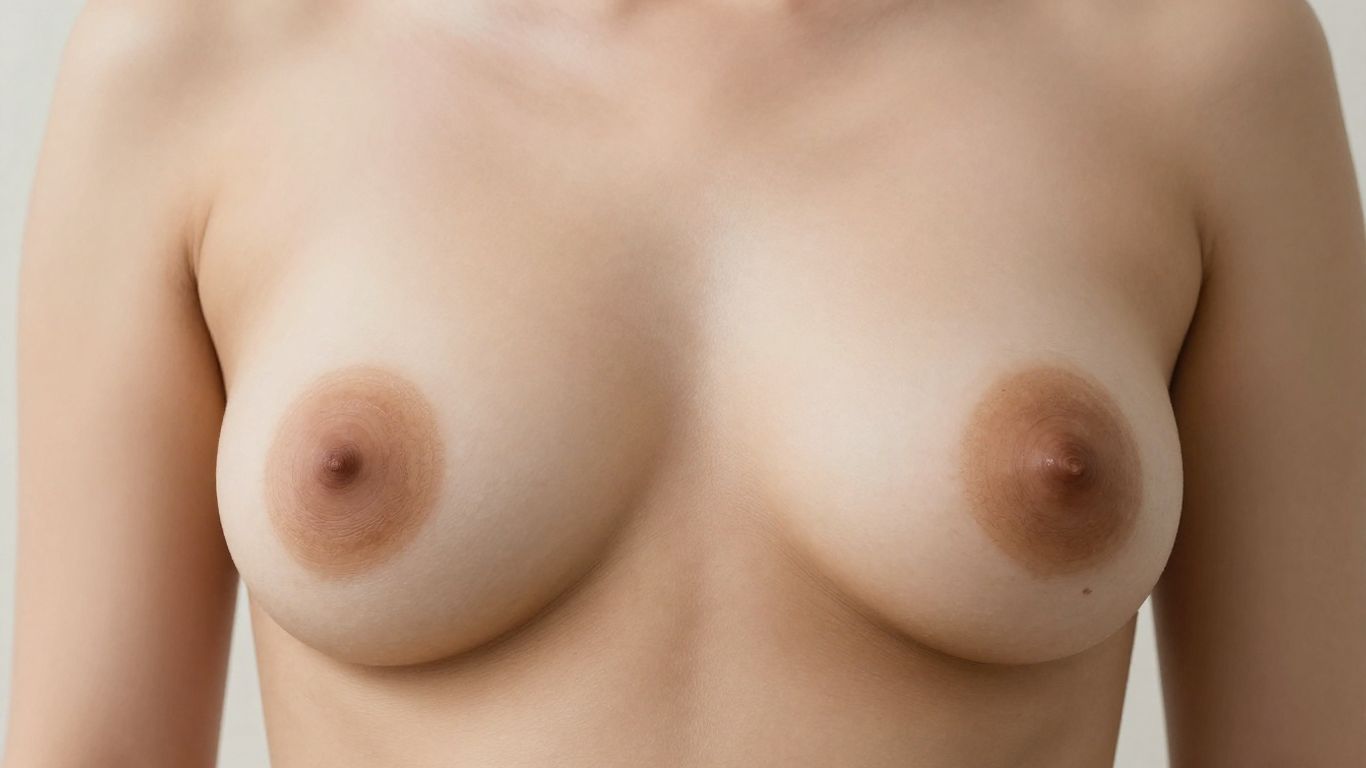
Feeling like your breasts have lost their perkiness over time? Maybe pregnancy, weight changes, or just getting older has left them looking a bit droopy. If you're looking for a way to lift them up without a super big surgery, a breast lift donut procedure might be something to consider. It's a specific type of breast lift that focuses on the area around your nipple, and it can make a noticeable difference. Let's break down what this procedure is all about and what you can expect if you're thinking about it.
Key Takeaways
- A breast lift donut, also called a periareolar or circumareolar mastopexy, is a surgery for mild breast sagging that uses an incision around the areola.
- This procedure is best for those with less severe drooping and often works well for smaller breasts or when combined with implants.
- The surgery involves removing a ring of skin around the areola to lift the breast and reposition the nipple, with scars typically hidden within the areola's edge.
- Recovery involves wearing a compression garment, avoiding strenuous activity for several weeks, and seeing final results typically within six months.
- While it offers a less extensive scar than some other lifts, it's important to discuss candidacy, potential outcomes, and costs with a qualified surgeon.
Understanding the Donut Breast Lift Procedure
So, you're curious about the donut breast lift, huh? It's a type of procedure that's gained some attention for its specific approach to addressing breast sagging. Unlike more extensive surgeries, this method focuses on a particular area to achieve a lift. It's often considered for those with mild to moderate sagging who want a noticeable improvement without a very large scar. The donut lift, also known as a periareolar mastopexy, uses a circular incision around the areola to remove excess skin. This technique aims to reposition the nipple and areola complex higher on the breast mound, giving a more youthful appearance.
What is a Donut Breast Lift?
A donut breast lift is a surgical technique designed to address mild breast ptosis, or sagging. The name comes from the shape of the incision made, which circles the areola, resembling a donut. This method is particularly suited for individuals whose breasts have dropped slightly but don't require the removal of a large amount of skin. It's a way to give your breasts a little boost and improve their overall shape and position. It's not about adding volume, but rather about reshaping and lifting what's already there. This procedure can also be beneficial if you're looking to reduce the size of your areolas, though this isn't always the primary goal or outcome for everyone.
The Donut Lift Technique Explained
The actual surgical process for a donut lift is quite specific. Your surgeon will start by making a circular incision right around the edge of your areola. From there, a ring of skin, typically about 2 to 3 centimeters wide, is carefully removed. This skin removal is what allows the breast tissue to be lifted and reshaped. After the excess skin is gone, the surgeon will close the incision. The result is a scar that follows the natural border of the areola, making it less conspicuous than scars placed elsewhere. It's a precise method aimed at tightening the breast skin and improving its contour. Sometimes, a portion of the areola itself might be included in the removed tissue, especially if reducing areola size is also a desired outcome.
Benefits of the Donut Breast Lift
There are several reasons why someone might opt for a donut breast lift. For starters, the placement of the scar is a big plus for many. Because it's right around the areola, where there's a natural change in skin color and texture, the scar tends to blend in quite well over time. It's generally a shorter procedure compared to other types of breast lifts, which can mean less time under anesthesia. Another point often highlighted is the preservation of nipple sensation, which is something that can sometimes be affected in more extensive surgeries. It can also help correct nipple-areolar asymmetry, making one breast look more like the other. For those with larger areolas, this technique can sometimes help reduce their size, creating a more balanced look.
While the donut lift offers a less invasive approach with a well-hidden scar, it's important to remember that it has limitations. It's most effective for mild sagging and may not provide sufficient lift for more significant cases. Discussing your specific concerns and expectations with your surgeon is key to determining if this procedure aligns with your goals.
Here's a quick look at what you might expect:
- Targeted Lift: Addresses mild to moderate breast sagging.
- Scar Placement: Incision around the areola, often well-camouflaged.
- Shorter Procedure Time: Generally quicker than other mastopexy techniques.
- Nipple Sensation: Often preserves sensation.
- Areola Reduction: Can sometimes reduce areola size.
It's worth noting that while the donut lift can provide a nice improvement, it might not be the best fit for everyone. If you have a lot of excess skin or very significant sagging, a different type of breast lift procedure might be more appropriate. The goal is always to achieve the best possible outcome for your individual needs.
Who is a Candidate for a Donut Breast Lift?
Assessing Breast Sagging Severity
So, you're thinking about a donut breast lift. That's great! But not everyone is a perfect fit for this specific procedure. The biggest factor is how much your breasts have sagged, a term doctors call 'ptosis.' Think of it like this: if your breasts are just starting to lose their perkiness, or if the droop is pretty mild, you might be a good candidate. It's usually best for those with smaller breasts or a moderate amount of sagging. If you have a lot of extra skin or significant drooping, a donut lift might not give you the results you're hoping for. Sometimes, combining it with implants can help, but that's a different conversation.
Ideal Candidates for the Donut Lift
Generally, the best candidates for a donut lift are women who:
- Have minimal to moderate breast sagging.
- Are looking for a lift that primarily repositions the nipple and areola.
- May also want to reduce the size of their areolas.
- Are in good overall health and don't smoke.
- Have realistic expectations about the outcome.
The donut lift is particularly well-suited for individuals whose breasts have begun to droop but haven't lost a significant amount of volume. It's a way to get a perkier look without the longer scars associated with other types of breast lifts. If you're looking for a less invasive option for mild sagging, this could be it. It's a good choice if you're not planning on future pregnancies, as significant weight fluctuations or pregnancy can alter the results over time.
When a Donut Lift May Not Be Sufficient
While the donut lift is a fantastic option for many, it's not a one-size-fits-all solution. If you have significant breast sagging, a lot of excess skin, or very large breasts, this technique might not be enough. In these cases, a more extensive breast lift with different incision patterns, like an anchor or lollipop lift, might be necessary to achieve the desired lift and contour. It's also important to remember that while this procedure can improve shape, it's not designed for major breast volume changes. If you're looking for a significant increase in size, implants might be considered alongside the lift, but that's a separate discussion.
It's really about matching the procedure to your specific needs. A donut lift works by removing a circle of skin around the areola, tightening things up in a very specific way. If the sagging is more widespread or severe, that technique alone might not be able to address all the concerns effectively. That's why a thorough consultation is so important.
It's always best to have a chat with a qualified plastic surgeon. They can look at your breasts, discuss your goals, and tell you honestly if a donut lift is the right path for you or if another approach would be better. They can also explain the potential outcomes and any limitations of the procedure. Remember, finding the right surgical approach is key to satisfaction.
Preparing for Your Donut Breast Lift
Getting ready for a donut breast lift involves a few key steps to make sure everything goes smoothly and your recovery is as good as it can be. It's not just about showing up on surgery day; there's some prep work involved.
Pre-Operative Consultations and Imaging
Before you even think about the surgery itself, you'll have a consultation with your surgeon. This is where you discuss your goals, ask all your questions, and get a clear picture of what the donut lift can do for you. Your surgeon will examine your breasts and talk about the best approach. They might also take some clinical photos. Sometimes, they can use 3D imaging, which is pretty neat. It helps you visualize the potential results and manage your expectations about what's achievable.
Medication and Lifestyle Adjustments
This is a big one. You'll need to have a thorough chat with your surgeon about all the medications, supplements, and even over-the-counter drugs you're taking. Some of these, especially blood thinners, can increase the risk of bleeding during surgery. Your surgeon will give you specific instructions on which ones to stop and when. It's really important to follow these directions to the letter.
Smoking Cessation for Optimal Healing
If you smoke, now's the time to quit, at least temporarily. Nicotine really messes with blood flow, and that's the last thing you want when you're trying to heal. Reduced blood flow can slow down the healing process and potentially lead to complications. Your surgeon will likely advise you to stop smoking well before your surgery date and continue to abstain for a period afterward. It's tough, I know, but it makes a real difference in how well you recover.
Preparing properly isn't just about following rules; it's about setting yourself up for the best possible outcome and a smoother recovery journey. Think of it as laying the groundwork for your new look.
Here’s a quick rundown of what to expect during this preparation phase:
- Consultations: Multiple meetings with your surgeon to discuss goals and plan.
- Imaging: Clinical photos and possibly 3D imaging for planning and expectation management.
- Medication Review: Detailed discussion about all current medications and supplements.
- Lifestyle Changes: Adjustments to diet, activity, and importantly, smoking cessation.
- Pre-Op Instructions: Specific guidance from your surgeon on what to do and avoid leading up to surgery day, including when to stop eating and drinking. You can find more information on post-surgery care to understand the importance of following all instructions.
Making these adjustments might seem like a hassle, but they are vital for a safe procedure and a good recovery. It's all part of the process to get you ready for your donut breast lift.
The Donut Breast Lift Surgical Process
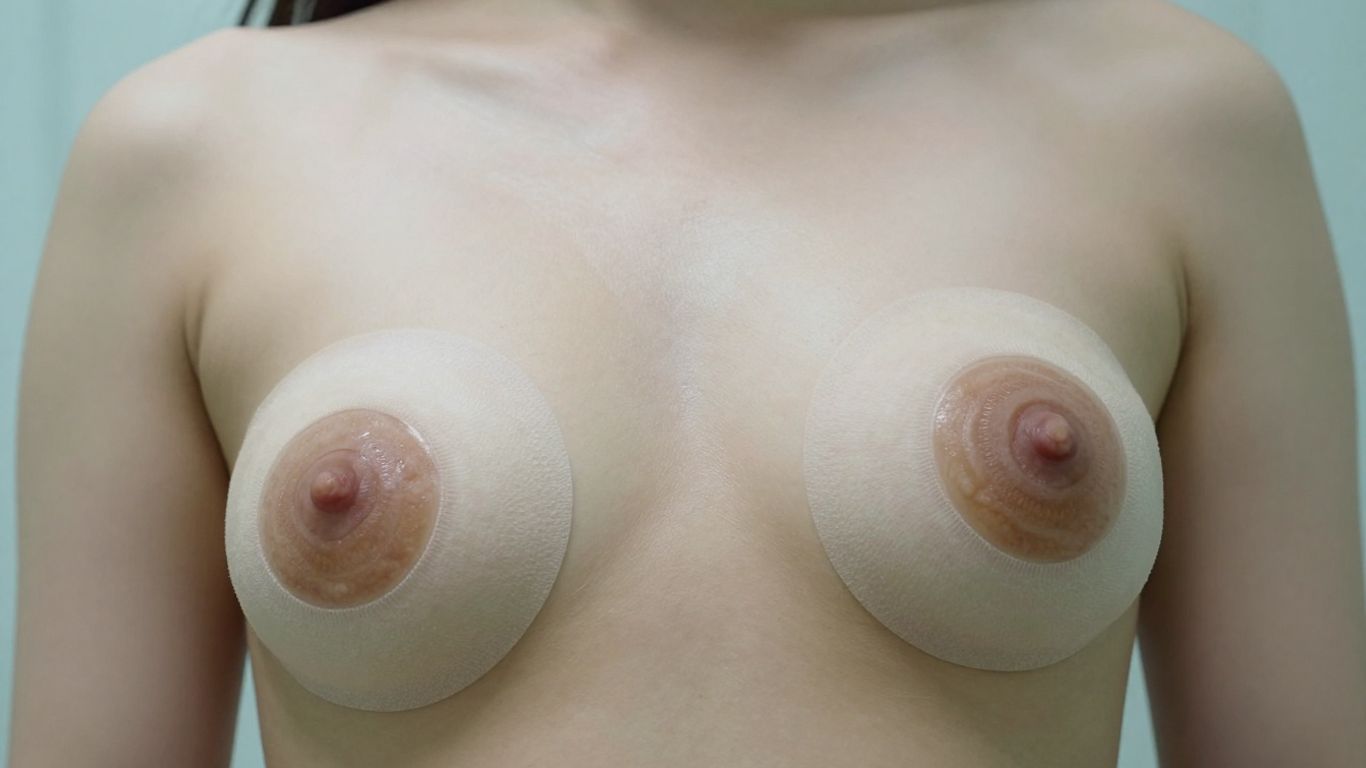
The Incision and Skin Removal
This is where the magic really happens, so to speak. Your surgeon will start by making a very specific cut, a circular one, right around the edge of your areola. Think of it like drawing a perfect circle. Then, they carefully remove a ring of skin. This ring is usually about 2 to 3 centimeters wide, but it really depends on what you need. Sometimes, a tiny bit of the areola itself might be included in this removal. This step is all about taking away the extra skin that’s causing the sag.
Closing the Incision
Once all the excess skin is gone, the surgeon will carefully stitch everything back together. They're really good at this, making sure the edges line up just right. The goal is to create a smooth closure that will heal well. This is where the scar will be, right around the areola, which helps to hide it.
Potential Areola Adjustments
Sometimes, during a donut lift, surgeons will also remove some tissue from around the areola. One reason for this is if you want your areola to be smaller. But it's also because, after a breast lift, areolas can sometimes get a bit bigger or stretch out. Removing some of that tissue can help prevent that or make them smaller if that’s what you’re after. It’s not guaranteed, and it can be a bit unpredictable how they’ll heal, but it’s something to discuss with your surgeon if you have concerns. They can adjust how much tissue they take to match what you’re hoping for. This procedure is a type of mastopexy.
It's important to remember that while the donut lift is less invasive than some other breast lift techniques, it's still surgery. Proper care and following your surgeon's instructions are key to getting the best results and a smooth recovery. Don't hesitate to ask questions about any part of the process that feels unclear.
Here's a quick look at what happens:
- Circular Incision: Made around the areola.
- Skin Excision: A ring of excess skin is removed.
- Closure: Incision is carefully stitched.
- Areola Modification (Optional): Tissue may be adjusted for size or shape.
This technique is similar in principle to the Benelli breast lift, focusing on the area around the nipple and areola.
Recovery and Results After a Donut Breast Lift
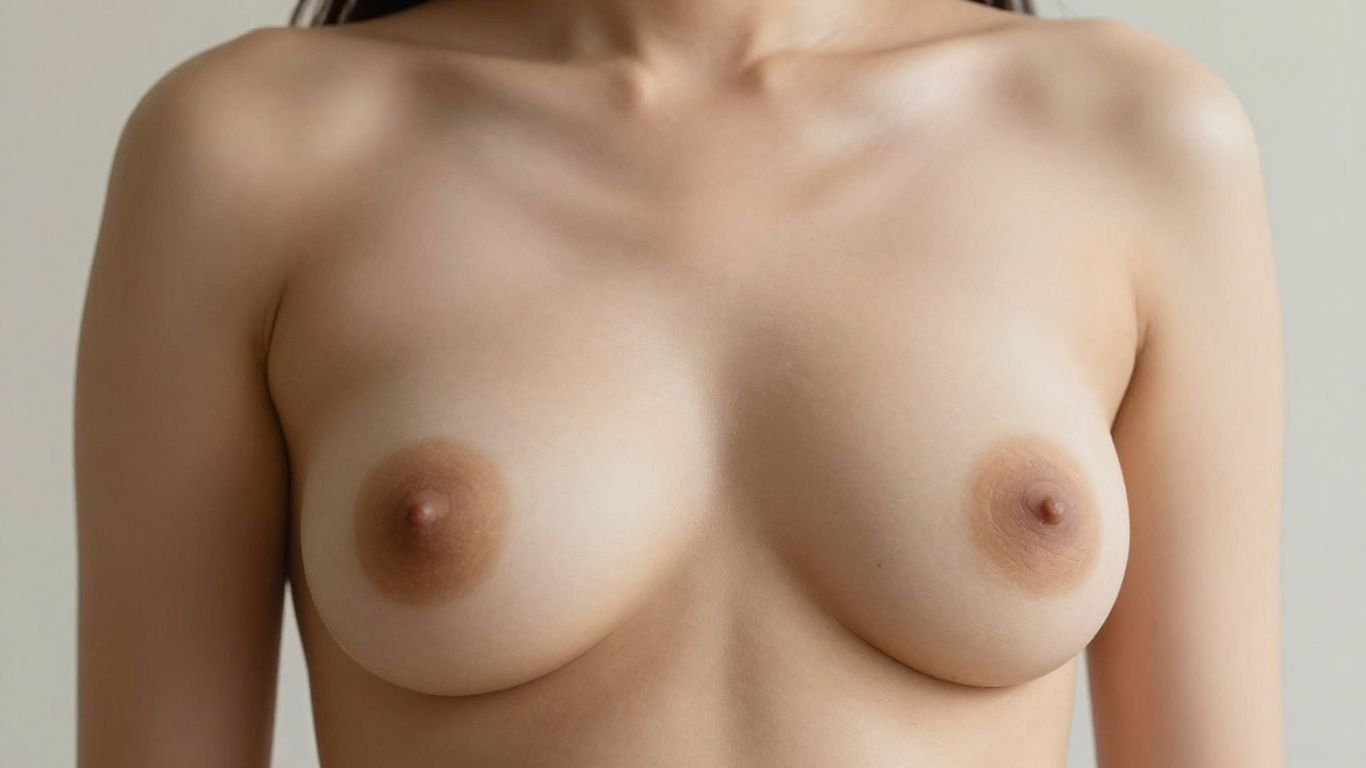
So, you've had your donut breast lift. What happens next? Well, the first few days are all about taking it easy. You'll likely feel some discomfort, and that's totally normal. Your surgeon will give you pain medication to help manage it. It's really important to follow their instructions about keeping the incision sites clean and dry. Sleeping on your back with your upper body a bit propped up is the way to go for the first little while to help with swelling.
Immediate Post-Operative Care
Right after surgery, your focus is on healing. You'll probably have bandages, and maybe even surgical drains, which need attention. Avoid lying on your stomach or sides; pressure on your breasts isn't helpful. Gentle walks are encouraged to keep circulation going, but anything strenuous is off the table. You'll also be wearing a special bra to support everything.
The First Few Weeks of Recovery
As the first week wraps up, the initial discomfort should start to ease. You'll notice swelling and bruising, but these should begin to fade. This is often when you get your first glimpse of the changes, though the final look takes time. By weeks two to four, most of the significant swelling should be down. You'll feel more up to light activities, but still, no heavy lifting or raising your arms way overhead. That compression bra is still your best friend during this period.
Long-Term Healing and Final Results
Healing is a process, and for a donut breast lift, it really stretches out over several months. Weeks five to eight are when you might get the green light for some light exercise, like walking. Your surgeon will guide you on when it's safe to start working your upper body. As the residual swelling disappears, your breasts will start to feel and look more natural in their new position. Scar care might begin around this time, with options like silicone sheets to help the scars fade. The real magic happens between months two and six. Your breasts continue to settle into their final shape, swelling reduces further, and those incision lines start to become less noticeable. By the six-month mark, you should be seeing the full, final results of your breast lift surgery. Remember, maintaining a stable weight and avoiding smoking are key to preserving these results long-term.
It's important to remember that while the immediate changes are exciting, true final results take time. Patience is a big part of the recovery journey. Your body needs several months to fully heal and for all the swelling to subside, allowing the breasts to settle into their final, natural-looking position.
Scarring and Aesthetic Outcomes of the Donut Lift
Understanding Scar Placement
So, you're thinking about a donut breast lift, and naturally, you're wondering about the scars. The good news is that this particular technique is designed to minimize their appearance. The incision is made in a circle right around the edge of your areola. Since the areola itself has a different color and texture than the surrounding breast skin, this placement helps to camouflage the scar. It's like nature already gave us a head start in hiding it! The goal is for the scar to blend in with the natural transition zone of the areola. While it won't disappear completely, it's generally much less noticeable than scars from other types of breast lifts.
Minimizing Scar Appearance
Even with the best placement, scars are part of the healing process after any surgery. For a donut lift, the scar typically starts out looking pink or red. Over time, usually within a year or so, it will flatten out and fade, becoming closer to your natural skin tone. It's a gradual process, so patience is key. You can help this along by following your surgeon's aftercare instructions diligently. This might include things like:
- Keeping the incision area clean and dry.
- Avoiding direct sun exposure on the scar.
- Using silicone sheets or gels as recommended by your doctor once the incision has fully healed.
- Gentle massage of the scar area, if advised by your surgeon.
It's important to remember that everyone heals differently. Factors like your skin type, genetics, and how well you follow post-operative care can all influence how your scar looks in the long run. Discussing any concerns about scar management with your surgeon before and after the procedure is always a good idea.
Achieving Natural-Looking Results
Beyond just the scars, let's talk about the overall look. A donut lift is great for lifting breasts that have mild to moderate sagging. It can give your breasts a perkier, more youthful shape. Sometimes, this procedure can also make the areolas appear smaller, which many women find to be a nice bonus. However, it's worth noting that the lift achieved is usually not as dramatic as with other methods, and the breasts might not project as far forward. The final shape will continue to evolve as swelling goes down over the first few months. You'll notice immediate changes, but the true, settled result takes time to appear. The aim is a subtle, natural improvement that makes you feel more confident.
Considering the Donut Breast Lift
So, you're thinking about a donut breast lift. It's a big decision, and it's totally normal to weigh all the options. This procedure, also called a periareolar mastopexy, is a way to address mild breast sagging without going for a more involved surgery. It's all about giving your breasts a little lift and a more youthful shape, often with a scar that's pretty well hidden.
Pros and Cons of the Donut Lift
Like any procedure, there are good points and not-so-good points to consider. On the plus side, the donut lift often results in a scar that's tucked right around the areola, where the natural color change of your skin can help camouflage it. It's generally a quicker surgery compared to other breast lift techniques, meaning less time in the operating room. Plus, many people find that sensation in the nipple and breast tissue is preserved, which is a big deal for some.
However, it's not a magic wand for everyone. The amount of lift you can get is limited – usually only about 1.5 inches. If you have significant sagging, this might not be enough. Also, while it can sometimes reduce the size of the areola, this isn't always guaranteed and can depend on how things heal. Sometimes, the breasts might also appear a bit flatter against the chest after the procedure, even if they're the same size.
Here's a quick rundown:
- Pros:
- Well-hidden scarring around the areola.
- Shorter surgical time.
- Often preserves nipple sensation.
- Can reduce areola size (sometimes).
- Cons:
- Limited lift for significant sagging.
- May result in less breast projection.
- Areola size reduction is not guaranteed.
- May not be sufficient for severe ptosis.
It's really important to have a clear picture of what this procedure can and cannot do for your specific situation. Talking openly with your surgeon about your expectations and their assessment of your breasts is key to a satisfying outcome.
Cost Considerations for a Donut Lift
Let's talk about the money side of things. The cost of a donut breast lift can really vary. Nationally, the average price might hover around $5,921, but you could see prices anywhere from $3,000 up to $10,250. This range depends on a bunch of factors, like where you live, the surgeon's experience, and the facility fees. If you're thinking about combining this with other procedures, like breast augmentation or maybe as part of a larger mommy makeover, the total cost will naturally go up.
When to Consult a Surgeon
Deciding if a donut lift is right for you is a conversation best had with a qualified plastic surgeon. You're likely a good candidate if you have mild to moderate breast sagging and are looking for a less invasive option. If you're hoping for a significant lift or have very large breasts with a lot of drooping, your surgeon might suggest a different type of breast lift that uses a different incision pattern, like an inverted 'T' or lollipop scar, to achieve the desired results. Sometimes, if the goal is to downsize after a previous augmentation, a more extensive lift might be needed to get a good look [e6cc]. Ultimately, a personal consultation will help determine the best path forward for your unique needs and goals.
Wrapping It Up
So, if you're looking for a way to address mild breast sagging and want a procedure with a less noticeable scar, the donut lift could be something to think about. It's not for everyone, especially if you have a lot of sagging, but for the right person, it can make a real difference. Remember to chat with your surgeon about all your options and what you can realistically expect. Healing takes time, so be patient with yourself and follow all the post-op instructions. The goal is to feel more confident and comfortable, and this procedure might just help you get there.
Frequently Asked Questions
What exactly is a donut breast lift?
A donut breast lift, also called a periareolar breast lift, is a surgery to lift breasts that have started to droop a little. It's done using a special cut that goes in a circle around the edge of your areola, which is the darker skin around your nipple. Think of it like making a donut shape with the cut.
Who usually makes a good candidate for this type of lift?
This procedure works best for people who have mild breast sagging. If your breasts aren't too large and haven't dropped very much, a donut lift can help make them look perkier. It's not usually the best choice for very droopy breasts.
What's the main difference between a donut lift and other breast lifts?
The biggest difference is the cut, or incision. A donut lift uses a circular cut around the areola, which often means a smaller and less noticeable scar compared to other lifts that might leave a scar going down the breast or under it. It also doesn't lift the breast as much as other methods.
Will I have scars after a donut breast lift?
Yes, there will be a scar that circles your areola. The good news is that this scar is usually hidden within the natural color and texture changes of the areola, making it less obvious. Over time, the scar will fade even more.
How long does it take to recover from a donut breast lift?
You'll need to rest for a few weeks. Most people can go back to light activities in about two weeks, but it takes about six months for your breasts to fully heal and for the final results to be visible. You'll likely need to wear a special support bra during this time.
Can a donut breast lift make my areolas smaller?
Sometimes, yes! During the surgery, the doctor might remove some skin from the areola itself, which can make it appear smaller. This can be a nice bonus if you also want your areolas to be a bit more petite.



American Standards.
Brazilian Mastery.
Aesthetica Medical Travel Facilitators, LLC is an international care coordination company registered in Wyoming, United States. We provide services for the promotion and support of medical service providers, including physicians worldwide (“medical service providers”). These services are made available through Aesthetica’s website, and the same privacy terms also apply to the Aesthetica Advisor Program (the “application/platform”), created and operated by Aesthetica. Aesthetica is solely responsible for controlling and processing the information obtained via the platform or through other communications between users, businesses, hospitals, clinics, or third parties and members of the Aesthetica service team (the “Service Team”). Our services may include non-clinical care coordination for North American patients seeking elective procedures abroad, including provider matching, travel logistics, and administrative support throughout the care journey. Additional services or add-ons may be offered depending on the selected scope. Post-operative care is typically conducted in the destination country where the procedure is performed. Additional coordination or administrative support in the patient’s country of origin may be available separately, subject to scope and availability. Aesthetica may engage third-party service providers, partners, or affiliated entities to support its operations, including data processing and service delivery. Information may be shared with such parties solely as necessary to provide the services described. Our operations follow strict standards of transparency, privacy protection, and regulatory compliance. Testimonials reflect individual experiences and do not guarantee future results. By using Aesthetica’s services or platform, users acknowledge and agree to these terms and understand the limited, non-clinical role of Aesthetica in the care journey. For more information about our policies or compliance framework, please contact our support team.