
Effective Hair Loss Treatment Options for 2026: What You Need to Know
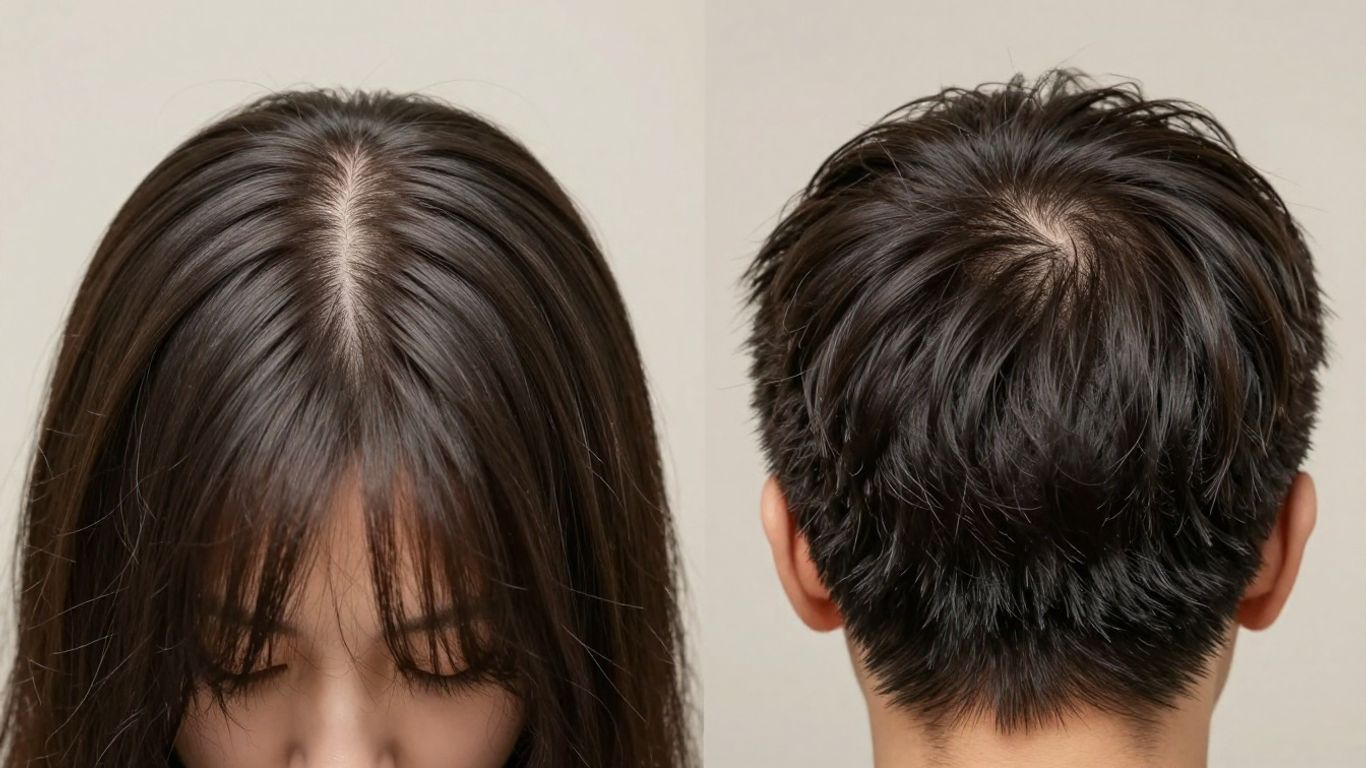
Here are the main points to remember when considering hair loss treatment options. Understanding these can help you make more informed decisions about your hair health journey.
Key Takeaways
- Various hair loss treatments exist, including topical solutions, oral medications, in-office procedures, and surgical options.
- Hair transplant techniques like FUT and FUE are permanent solutions for significant hair loss.
- Non-surgical methods such as PRP, PRF, and LLLT can stimulate natural hair growth.
- Lifestyle factors like diet, stress, and gentle hair care play a supportive role in hair health.
- Choosing the right provider and managing expectations are vital for successful hair restoration outcomes.
Understanding Your Hair Loss Treatment Options
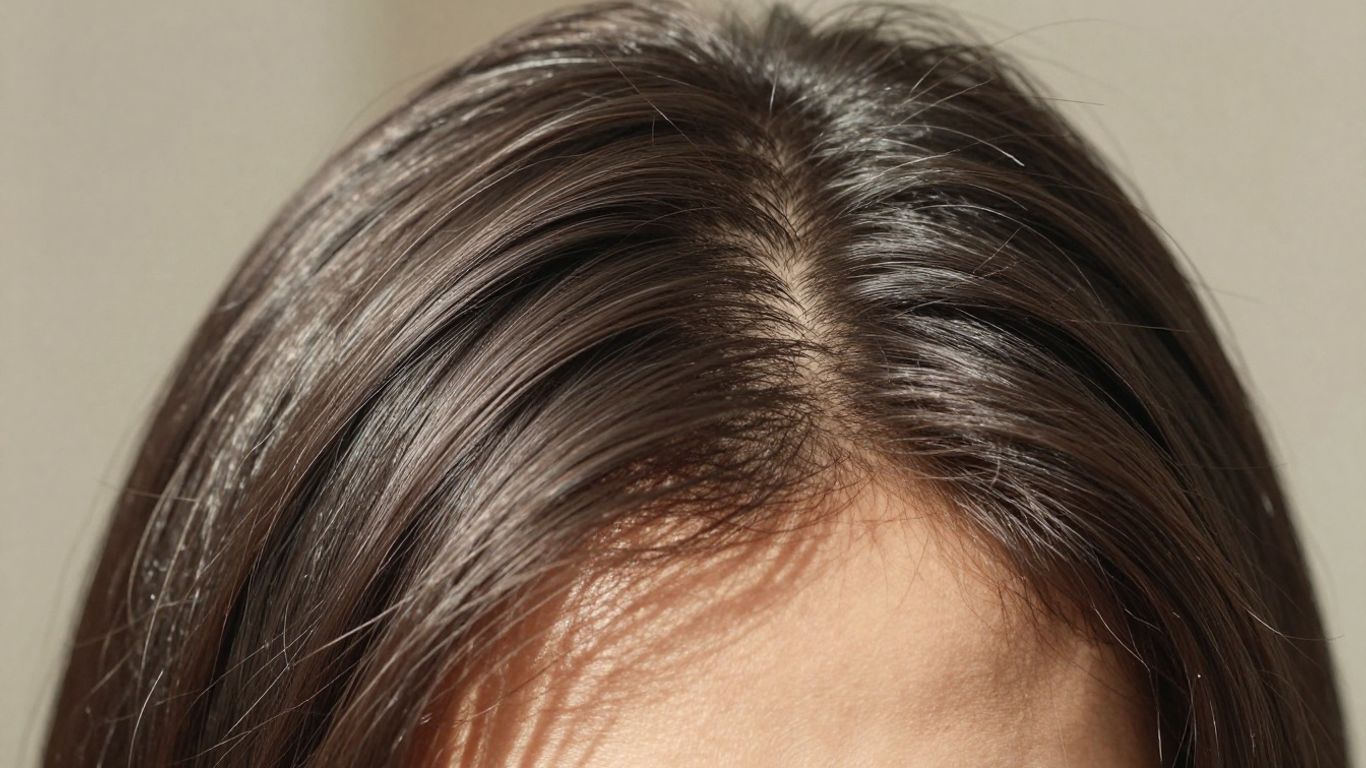
Losing hair can be a real downer, affecting how you feel about yourself. It's super common, too, with millions of people experiencing some form of hair thinning or loss. The good news is that by 2026, we've got a whole lot more ways to tackle it than ever before. It’s not just about slowing things down anymore; it’s about actually getting hair to grow back and looking like yourself again. But with so many options out there, it can get confusing fast. Let's break down the main categories so you know what's what.
Topical Treatments for Scalp Application
These are usually the first things people try because they're readily available and relatively simple to use. Think of them as treatments you apply directly to your scalp.
- Minoxidil (Rogaine): This is probably the most well-known. You can get it over the counter. It comes as a liquid or foam and you apply it to your scalp, usually once or twice a day. It works by increasing blood flow to your hair follicles, which can help them grow thicker and longer. It takes time, though – you're looking at a few months before you see any real difference, and you have to keep using it to maintain the results. If you stop, the hair you regrew will likely fall out.
- Other Topicals: There are other prescription-strength topical solutions and foams available that might contain different active ingredients or combinations. These can sometimes offer more potent effects but might also come with a higher chance of side effects.
It's really important to remember that consistency is key with topical treatments. Missing applications can really set back your progress, so try to build it into your daily routine.
Oral Medications for Systemic Approach
If topicals aren't cutting it, or if your hair loss has a more specific cause, oral medications might be the next step. These work from the inside out to affect your hair growth cycle.
- Finasteride (Propecia): This is a prescription medication primarily for men experiencing male pattern baldness. It works by blocking a hormone called DHT, which is a major culprit in shrinking hair follicles. Like minoxidil, it requires consistent use over several months to see results, and stopping the medication will likely lead to hair loss resuming. It's generally not prescribed for women of childbearing age due to potential risks.
- Spironolactone: Sometimes prescribed for women, this medication can help with hair loss related to hormonal imbalances. It's also used for other medical conditions, so it's always a prescription item.
- Dutasteride: Similar to finasteride but potentially more potent, it's also used off-label for hair loss in some cases.
It's crucial to discuss these options with your doctor. They can help you understand the potential benefits, side effects, and whether they're appropriate for your specific situation. You can find more details on hair loss medication timelines to see what to expect over time.
In-Office Procedures for Advanced Solutions
When you need something a bit more intensive, or if your hair loss is more advanced, there are procedures done right in a clinic or doctor's office. These often involve stimulating your scalp or transplanting hair.
- Platelet-Rich Plasma (PRP) Therapy: This involves drawing your blood, processing it to concentrate the platelets, and then injecting this plasma back into your scalp. The idea is that the growth factors in the platelets will stimulate your hair follicles. It usually requires a series of treatments.
- Low-Level Laser Therapy (LLLT): You might see devices like laser combs or helmets. These use specific wavelengths of light to try and energize hair follicles and promote growth. Results can vary, and it often takes consistent use over many months.
- Hair Transplantation: This is a more permanent solution where hair follicles are moved from a donor area (usually the back of your head) to the thinning or bald areas. Techniques like FUE and FUT are common, and they can provide significant, natural-looking results, though they are surgical procedures with their own recovery periods. You can explore hair transplant options if this sounds like a path you're considering.
These advanced treatments often require multiple sessions or a significant time commitment, but they can offer more dramatic and lasting results for many people dealing with hair loss.
Surgical Hair Restoration Techniques
When other methods haven't quite cut it, surgical hair restoration steps in as a more permanent solution for many dealing with significant hair loss. These procedures are all about moving healthy hair follicles from areas where hair is dense to the spots that are thinning or balding. It's a pretty intricate process, but the results can be quite dramatic and long-lasting.
Follicular Unit Transplantation (FUT)
This is one of the older, more established surgical techniques. With FUT, often called the 'strip method,' a thin strip of scalp is removed from a donor area, usually the back of your head where hair is typically thickest. This strip is then carefully dissected under microscopes into individual follicular units – that's groups of one to four hairs. These units are then transplanted into tiny incisions made in the thinning areas of your scalp. The main advantage here is that FUT can often yield a large number of grafts in a single session, making it efficient for covering larger areas. The downside? It does leave a linear scar where the strip was removed, though skilled surgeons can often minimize its visibility by closing it meticulously. Recovery usually takes a couple of weeks.
Follicular Unit Extraction (FUE)
FUE is a more modern approach that's gained a lot of popularity. Instead of removing a strip, FUE involves extracting individual hair follicles directly from the donor area using a very small, circular punch tool. These individual follicular units are then transplanted to the recipient sites. The big plus with FUE is that it leaves behind tiny, dot-like scars that are much less noticeable and can often be hidden by existing hair, especially if you keep your hair at a shorter length. This method generally has a quicker recovery time compared to FUT, and many people prefer it because of the minimal scarring. It's a great option for those who want to wear their hair shorter or are concerned about visible scarring. You can find more details on FUE hair transplants.
Hair Transplant for Women
While hair loss is often associated with men, women experience it too, and hair transplant surgery can be a viable option for them as well. Female hair loss patterns can differ significantly from male pattern baldness, often presenting as diffuse thinning across the scalp rather than a receding hairline or bald spot. Techniques like FUE are particularly well-suited for women because they minimize scarring and can often be performed without shaving the entire head, allowing for easier concealment. The goal is to restore density and create a natural-looking hairline that complements the woman's facial features. It's important for women to seek out surgeons who have specific experience in female hair restoration, as the approach and aesthetic considerations can be quite different.
Surgical hair restoration is a significant step, and choosing a qualified surgeon is paramount. They should be able to explain the nuances of each technique, discuss realistic outcomes, and tailor the procedure to your specific needs and hair loss pattern. Don't hesitate to ask plenty of questions during your consultation.
Non-Surgical Approaches to Hair Restoration
Okay, so let's talk about PRP and PRF therapy for hair loss. These are pretty cool treatments because they use your own body's natural healing powers. Basically, a small amount of your blood is drawn, and then it's spun in a centrifuge to concentrate the platelets and growth factors. For PRP, it's mainly the platelets, while PRF (Platelet-Rich Fibrin) is a bit more advanced, including white blood cells and fibrin, which can release growth factors more slowly over time. This concentrated solution is then injected into your scalp.
The idea here is that these growth factors can wake up dormant hair follicles and encourage them to produce thicker, healthier hair. It's not a magic bullet, and results take time, usually showing up within three to six months. Because it uses your own blood, the risk of allergic reactions is super low. Many people find it helps with thinning hair or early stages of hair loss. It's often recommended to have a series of treatments to get the best results, and then maybe some maintenance sessions down the line.
- How it works: Your blood is processed to concentrate growth factors.
- Application: Injected directly into the scalp.
- Benefits: Stimulates dormant follicles, promotes thicker hair growth, low risk of reaction.
- Timeline: Visible results typically start appearing after 3-6 months.
This approach is gaining traction because it's a natural way to potentially boost hair growth without harsh chemicals or surgery. It's a good option to discuss with your doctor if you're looking for something that works with your body's own systems.
Lifestyle and Supportive Hair Care
Beyond the treatments and procedures, what you do in your everyday life can make a real difference for your hair. It’s not just about what you put on your scalp, but also what you put into your body and how you manage stress. Think of it as building a strong foundation for healthy hair growth.
Nutritional Support and Supplements
Your hair needs good fuel to grow, just like the rest of your body. A balanced diet is key. Make sure you're getting enough protein, which is basically the building block for hair. Also, don't skimp on vitamins and minerals. Things like iron, zinc, and certain B vitamins play a big role. If you're thinking about supplements, it's a good idea to talk to your doctor first. Sometimes, deficiencies in things like iron or Vitamin D can contribute to hair loss, and fixing those can help. But taking extra vitamins when you don't need them usually doesn't do much. Some people find blends of vitamins and botanicals helpful, but always check with a healthcare pro before starting anything new.
Stress Management and Hair Health
It might sound a bit out there, but stress really can affect your hair. When you're under a lot of pressure, your body can go into overdrive, and sometimes that leads to hair thinning or even temporary hair loss. Finding ways to chill out is important. Simple things like deep breathing exercises, a bit of yoga, or even just taking a walk can help. Getting enough sleep is also a big one for overall health, including your hair. It gives your body time to repair and reset.
Gentle Hair Care Practices
How you treat your hair day-to-day matters. Try to avoid anything too harsh. That means being careful with chemical treatments like dyes or perms, and going easy on the heat from blow dryers and styling tools. Tight hairstyles, like ponytails or braids that pull hard on your scalp, can also cause stress on your hair follicles over time. When washing your hair, use a mild shampoo and conditioner, and try not to scrub your scalp too aggressively. Being gentle with your hair can prevent unnecessary breakage and stress on your follicles.
Taking care of your hair involves more than just topical treatments. A holistic approach that includes proper nutrition, stress reduction, and gentle hair care practices can significantly support your hair's health and potentially slow down thinning. It's about creating the best possible environment for your hair to thrive from the inside out and the outside in.
Choosing the Right Hair Restoration Provider
So, you've decided to take the plunge and explore hair restoration options. That's a big step, and honestly, a really exciting one! But before you book anything, the most important thing you can do is find the right professional to guide you. It’s not just about the fancy equipment or the price tag; it’s about finding someone you trust to get you the results you’re looking for.
Evaluating Surgeon Credentials and Clinic Expertise
When you're looking for a hair restoration specialist, you want someone who really knows their stuff. This isn't a one-size-fits-all situation. Look for doctors who are board-certified in dermatology or plastic surgery, and ideally, have specific training and a lot of experience in hair restoration procedures. Some organizations, like the International Society of Hair Restoration Surgery (ISHRS), have standards that surgeons can meet, which is a good sign. It’s also worth checking out the clinic itself. Is it clean? Does it seem well-organized? A reputable clinic will be transparent about their procedures and their team's qualifications. Don't be afraid to ask questions – lots of them! A good provider will be happy to explain everything and make you feel comfortable.
Understanding Patient Testimonials and Reviews
Online reviews can be a goldmine of information, but you have to read them with a critical eye. Look for patterns. Are most people happy with their results? What do they say about the staff, the consultation process, and the aftercare? A clinic with consistently positive feedback, like Bauman Medical which boasts an impressive 4.9 out of 5-star rating from nearly 2,000 patients [06ac], is usually a safe bet. However, remember that everyone's experience is unique. Try to find reviews that detail the specific procedure you're interested in. Before-and-after photos are also super helpful to see the actual results a clinic can achieve.
Key Considerations for Medical Tourism
If you're considering going abroad for a hair transplant, especially to places like Turkey which has become a popular destination, there are a few extra things to think about. While the cost savings can be significant, you need to do your homework. Research clinics thoroughly, looking for those with strong credentials and positive international patient reviews. Understand what's included in the package – flights, accommodation, the procedure itself, and post-operative care. Communication is key here; make sure the clinic has good English-speaking staff and clear channels for you to ask questions before and after your trip. It’s also wise to understand the local healthcare standards and what recourse you might have if something doesn't go as planned.
Choosing the right provider is arguably the most critical step in your hair restoration journey. It impacts not only the outcome of the procedure but also your overall safety and satisfaction. Take your time, do your research, and trust your gut feeling. A well-chosen provider will make all the difference.
Here’s a quick checklist to help you compare potential providers:
- Credentials: Board certification, ISHRS membership, specific hair restoration training.
- Experience: Number of years performing procedures, volume of similar cases.
- Patient Feedback: Online reviews, testimonials, before-and-after photos.
- Clinic Environment: Cleanliness, organization, modern equipment.
- Communication: Responsiveness, clarity, availability of information.
- Transparency: Clear explanation of costs, procedures, and risks.
- Aftercare: Detailed post-procedure instructions and follow-up support.
Managing Expectations and Recovery
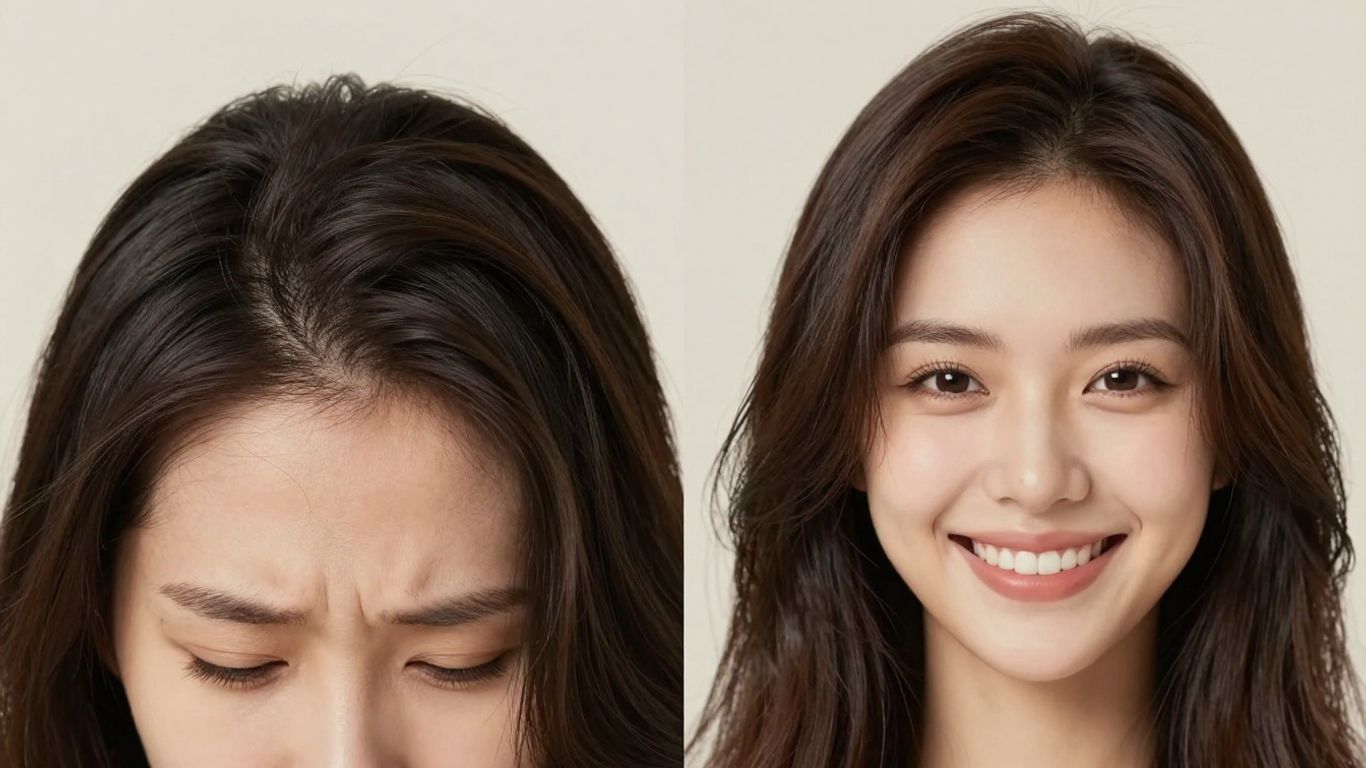
So, you've gone through a hair restoration procedure, or maybe you're just starting to explore your options. It's totally normal to wonder what happens next and when you'll actually see results. The truth is, hair growth is a slow process, and patience is definitely your best friend here. It's not like flipping a switch; it's more like watching a garden grow.
Timeline for Visible Hair Growth Results
It's important to understand that seeing significant changes takes time. Most treatments, whether they're topical, oral, or procedural, require a consistent effort over several months before you start noticing a real difference. For instance, with treatments like minoxidil or finasteride, you might see initial improvements in 2 to 4 months, but the full effect often takes 6 to 12 months to become apparent. Procedures like PRP or LLLT also follow a similar timeline, with noticeable results typically appearing between 3 to 6 months, and sometimes up to a year for LLLT. Remember, hair grows in cycles, so what you see is a gradual thickening and filling in.
Essential Post-Procedure Care Steps
After any procedure, especially surgical ones like hair transplants, following post-operative instructions is super important. Your clinic will give you a detailed list, but generally, it involves being gentle with your scalp. This means:
- Washing: You'll likely have a specific schedule for washing your scalp, starting with very gentle methods.
- Activity: Strenuous exercise, direct sun exposure, and tight headwear are usually off-limits for a while to protect the healing area.
- Medications: Take any prescribed antibiotics or anti-inflammatories exactly as directed to prevent infection and manage swelling.
- Sleeping: You might need to sleep with your head elevated for the first few nights.
Proper aftercare is just as vital as the surgery itself. It helps protect the newly transplanted grafts and promotes optimal healing, which directly impacts the final outcome. It's about giving those new hairs the best possible environment to grow.
The success of your hair restoration journey hinges significantly on how well you follow the post-operative care instructions. Gentle handling and cleanliness are paramount during the initial healing period to allow the grafts to establish themselves properly. This diligent care is the foundation for achieving the results you're hoping for.
Understanding Shedding and New Growth Cycles
One of the most common things people experience after a hair transplant or starting certain treatments is shedding. It can be a bit alarming, but it's a totally normal part of the process. Around 3-4 weeks after a transplant, you'll likely see some of the transplanted hairs fall out. Don't panic! This is often called 'shock loss,' and it means the follicles are settling in and preparing for new growth. The roots are still there, just dormant for a bit. New hair growth typically begins shortly after this shedding phase, marking the start of your new hair's development. It might look thin at first, but these hairs will gradually thicken over the next several months. Patience is key as you witness these natural cycles unfold.
Conclusion
Dealing with hair loss can be tough, but knowing your options is the first step toward feeling more confident. From simple topical treatments to advanced surgical procedures, there's a wide range of solutions available. Remember to talk to a doctor or a hair loss specialist to figure out what's best for your specific situation. With the right approach and a bit of patience, you can effectively manage hair loss and achieve the results you're looking for.
Frequently Asked Questions
What's the difference between topical and oral hair loss treatments?
Topical treatments, like minoxidil, are applied directly to your scalp. They work locally to help hair grow. Oral medications, such as finasteride, are taken by mouth and work throughout your body to address the causes of hair loss, often by affecting hormones.
How long does it usually take to see results from hair loss treatments?
It really depends on the treatment. Some things, like hair transplants, show initial changes in a few months, with full results taking up to a year. Medications and therapies like PRP might start showing improvements in 3 to 6 months. Patience is key because hair grows slowly.
Are hair transplants painful?
Most people find hair transplant procedures uncomfortable rather than truly painful. Local anesthesia is used to numb the scalp, so you shouldn't feel sharp pain during the procedure. Some soreness or tightness might be felt afterward, but this is usually managed with pain medication.
Can women get hair transplants too?
Yes, absolutely! While hair transplants are often associated with men, they are a very effective option for women experiencing hair thinning or loss. Different techniques are used to suit women's hair loss patterns, which can be different from men's.
What is Scalp Micropigmentation (SMP)?
SMP is like a cosmetic tattoo for your scalp. It uses tiny dots of pigment to create the look of hair follicles. It doesn't actually grow hair, but it can make thinning hair look much fuller or give the appearance of a closely shaved head. It's a great option for visual density.
Are there any natural ways to help with hair loss?
While not a cure, some natural approaches can support hair health. This includes eating a balanced diet rich in vitamins and minerals, managing stress through things like meditation, and being gentle with your hair care routine. Some essential oils, like rosemary oil, are also being studied for their potential benefits.


International Standards.
Brazilian Mastery.
Aesthetica Medical Travel Facilitators, LLC is an international care coordination company registered in Wyoming, United States. We provide services for the promotion and support of medical service providers, including physicians worldwide (“medical service providers”). These services are made available through Aesthetica’s website, and the same privacy terms also apply to the Aesthetica Advisor Program (the “application/platform”), created and operated by Aesthetica. Aesthetica is solely responsible for controlling and processing the information obtained via the platform or through other communications between users, businesses, hospitals, clinics, or third parties and members of the Aesthetica service team (the “Service Team”). Our services may include non-clinical care coordination for patients worldwide seeking elective procedures abroad, including provider matching, travel logistics, and administrative support throughout the care journey. Additional services or add-ons may be offered depending on the selected scope. Post-operative care is typically conducted in the destination country where the procedure is performed. Additional coordination or administrative support in the patient’s country of origin may be available separately, subject to scope and availability. Aesthetica may engage third-party service providers, partners, or affiliated entities to support its operations, including data processing and service delivery. Information may be shared with such parties solely as necessary to provide the services described. Our operations follow strict standards of transparency, privacy protection, and regulatory compliance. Testimonials reflect individual experiences and do not guarantee future results. By using Aesthetica’s services or platform, users acknowledge and agree to these terms and understand the limited, non-clinical role of Aesthetica in the care journey. For more information about our policies or compliance framework, please contact our support team.