
Effective Hair Loss Treatment for Women: Options and Solutions in 2026

Losing hair can be a real bummer, and for women, it's something that happens more often than you might think. It's not just a cosmetic thing; it can really mess with your confidence. The good news is, there are a bunch of different ways to tackle hair thinning and loss these days, way more than just the usual suspects. Whether it's a medical issue, stress, or just how your hair naturally behaves, there are options out there. We're going to look at what's available in 2026 to help you find the right hair loss treatment for women.
Key Takeaways
- Understanding the specific cause of your hair loss is the first step to finding the most effective hair loss treatment for women.
- FDA-approved medications like Minoxidil and prescription options like Spironolactone are proven to help with hair regrowth.
- In-office procedures such as PRP therapy and low-level laser therapy offer advanced solutions for stimulating hair follicles.
- At-home treatments, including specialized serums and shampoos with key ingredients, can support overall hair health.
- Lifestyle changes, including diet, stress management, and gentle hair care, play a significant role in maintaining healthy hair and preventing further loss.
Understanding the Causes of Female Hair Loss
It can be really unsettling when you start noticing more hair in your brush or on your pillow. Hair loss in women isn't uncommon; in fact, it affects a significant number of us at some point in our lives. The tricky part is that there isn't just one reason why it happens. Figuring out the 'why' is the first big step toward finding a solution that actually works for you.
Female Pattern Hair Loss (FPHL)
This is probably the most talked-about cause, and it's often linked to genetics and aging. Unlike the male version where a hairline might recede, FPHL usually shows up as a general thinning on the top of the scalp, often starting with a widening part. The hair follicles themselves can become smaller over time, producing finer, shorter hairs. It's a gradual process, and for many, it's just a part of getting older, especially around menopause. This hereditary condition is a primary driver of thinning hair in women.
Telogen Effluvium: Temporary Shedding
Ever experienced a period of intense stress, illness, or even childbirth, only to notice a wave of hair loss a few months later? That's likely telogen effluvium. It happens when a significant life event shocks your system, pushing a large number of hair follicles into a resting phase all at once. Then, a few months down the line, all those hairs start to shed. The good news is, this type of hair loss is usually temporary. Once the stressor is gone and your body recovers, your hair often starts to grow back.
Traction Alopecia: The Impact of Hairstyles
This one is all about how you wear your hair. Styles that pull tightly on your scalp – think super-tight braids, ponytails, weaves, or extensions – can cause traction alopecia. If you've been rocking these styles for a long time, the constant tension can damage your hair follicles. In some cases, this damage can become permanent, leading to hair loss in the areas where the pulling is most severe. It's a good reminder to give your scalp a break and opt for looser styles when you can.
Hormonal Imbalances and Hair Thinning
Hormones play a huge role in our bodies, and hair growth is no exception. Fluctuations in hormones, particularly androgens like testosterone and DHT, can really mess with your hair. These hormonal shifts can weaken hair shafts and make follicles shrink, leading to thinner hair and less density. Conditions like polycystic ovary syndrome (PCOS) or thyroid issues can also throw your hormones out of whack and contribute to hair thinning. Understanding these hormonal factors is key for some women.
It's important to remember that hair loss can be influenced by a mix of these factors. What might cause thinning for one person could be a combination of genetics, stress, and a slight hormonal shift for another. Identifying the specific triggers is the first step in finding the right treatment path.
Here's a quick look at common causes:
- Genetics: Predisposition to conditions like FPHL.
- Stress: Major life events or chronic stress.
- Hormonal Changes: Menopause, PCOS, thyroid issues.
- Nutritional Deficiencies: Lack of iron, zinc, or certain vitamins.
- Hairstyles: Constant pulling from tight styles.
It's worth noting that androgenetic alopecia is the most common form of hair loss for both men and women, though it presents differently. For women, it's typically a diffuse thinning rather than a receding hairline. Consulting with a doctor can help pinpoint the exact cause of your hair loss, which is vital for effective treatment.
FDA-Approved Medications for Hair Regrowth

When it comes to tackling female hair loss, the FDA has given the green light to a few key players that can really make a difference. It's not just about covering up thinning hair; these options aim to actually encourage regrowth. Minoxidil stands out as the most widely recognized and accessible treatment.
Minoxidil: A Proven Topical Solution
Minoxidil, often known by brand names like Rogaine, is the only over-the-counter topical treatment specifically approved by the FDA for Female Pattern Hair Loss (FPHL). It works by boosting blood flow to your hair follicles. This increased circulation helps extend the growth phase of your hair cycle and can even make miniaturized follicles a bit bigger, leading to thicker existing hairs and encouraging new growth. You'll find it in 2% and 5% concentrations. While dermatologists sometimes suggest the 5% for women, some reviews haven't found a significant difference in effectiveness between the two concentrations, and side effects were similar. Just be aware that scalp irritation like dryness or itching can happen. A less common but possible side effect is unwanted hair growth elsewhere on the body, so applying it carefully is key. Remember, consistency is everything with minoxidil; you need to keep using it to maintain results. If you stop, any regrowth will likely disappear within a few months. Also, it's not safe to use if you're pregnant, planning to get pregnant, or breastfeeding.
Spironolactone: Addressing Hormonal Factors
For women whose hair loss is linked to hormonal factors, like those with PCOS, spironolactone is a prescription option. It's an anti-androgen, meaning it helps block the effects of male hormones that can shrink hair follicles. By doing this, it can help slow down thinning and promote regrowth. It's sometimes prescribed alongside oral contraceptives for women of reproductive age. Potential side effects can include dizziness or fatigue, so it's important to discuss these with your doctor.
Oral Contraceptives for Hormone Regulation
Speaking of oral contraceptives, certain types can also be beneficial. Low-androgen birth control pills can help stabilize hormone levels, which in turn can support a longer hair growth phase and reduce overall thinning. This is particularly helpful if your hair loss is tied to hormonal fluctuations.
Choosing the right medication often depends on the specific cause of your hair loss. It's not a one-size-fits-all situation, and what works for one person might not be the best fit for another. Working with a doctor is the best way to figure out the most effective path forward.
Here's a quick look at some key medications:
- Minoxidil: Available over-the-counter, topical treatment for FPHL. Helps increase blood flow to follicles and prolongs the growth phase. Requires continuous use.
- Spironolactone: Prescription medication, often used for hormonal hair loss. Acts as an anti-androgen to counteract male hormone effects on follicles.
- Oral Contraceptives: Certain types can help regulate hormones contributing to hair thinning, promoting a healthier growth cycle.
It's important to remember that while these medications are FDA-approved, they are still powerful treatments. Always discuss your medical history and any concerns with your healthcare provider before starting any new regimen. They can help you understand the potential benefits and risks specific to your situation and guide you toward the most suitable FDA-approved treatments for your hair loss.
Advanced In-Office Procedures for Hair Restoration
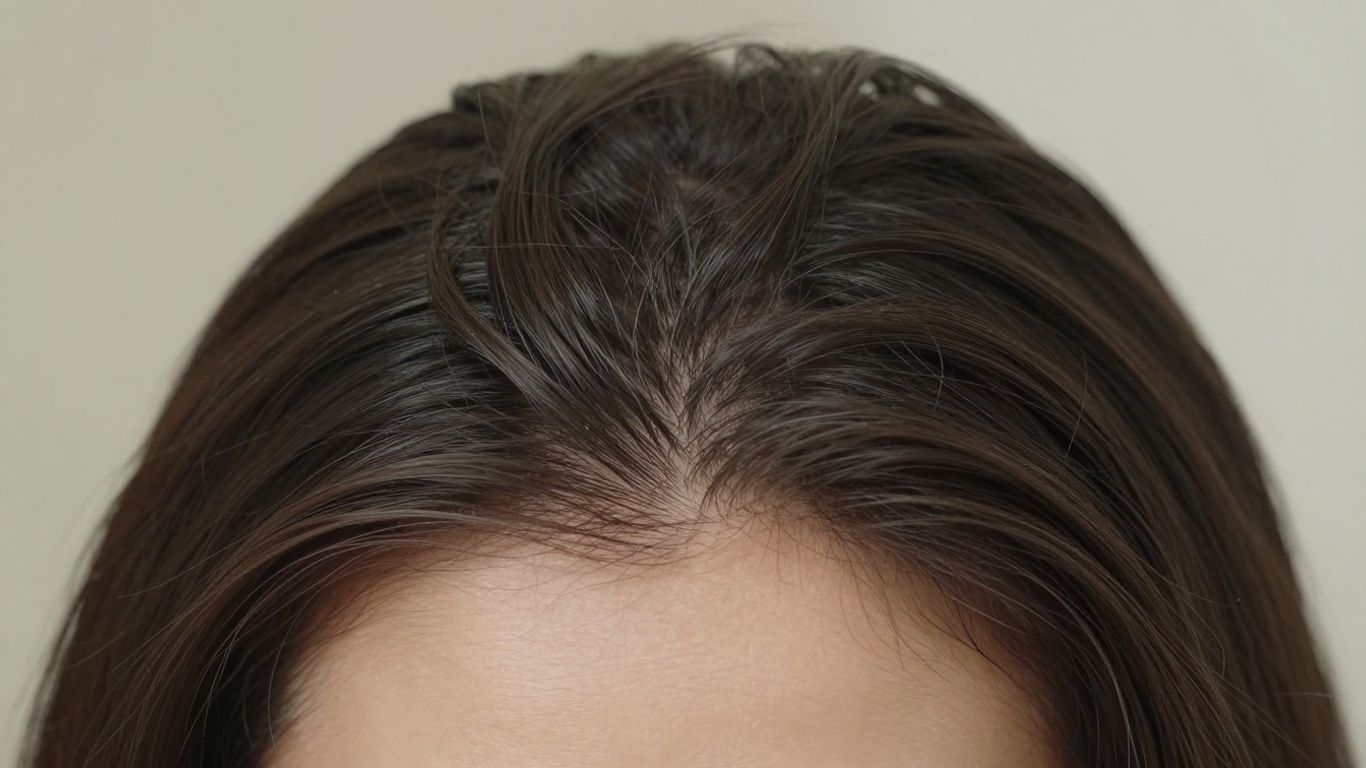
Sometimes, topical treatments and medications just aren't enough to get the results you're looking for. That's where in-office procedures come in. These treatments are done by trained professionals and can offer a more direct approach to stimulating hair growth and improving scalp health. They're often used when other methods haven't quite hit the mark or for those seeking more significant restoration.
Platelet-Rich Plasma (PRP) Therapy
PRP therapy is pretty interesting. It uses your own blood to help kickstart hair growth. They draw a bit of your blood, spin it in a centrifuge to concentrate the platelets and growth factors, and then inject that special plasma back into your scalp. The idea is that these growth factors signal your hair follicles to get back to work, potentially leading to thicker, fuller hair. It's minimally invasive, and since it's your own blood, the risk of a bad reaction is pretty low. You might feel a little sore or see some redness afterward, but that usually fades quickly.
Microneedling for Follicular Stimulation
Microneedling involves using a device with tiny needles to create microscopic punctures in your scalp. Don't worry, it sounds scarier than it is! These little pricks actually help by boosting collagen production and increasing blood flow to the area. This improved circulation can wake up dormant hair follicles. It's often combined with topical treatments, like minoxidil, because the tiny channels created by the needles can help those products absorb better and work more effectively. It's a way to give your scalp a bit of a boost.
Low-Level Laser Therapy (LLLT)
Low-Level Laser Therapy, or LLLT, uses specific wavelengths of red light directed at your scalp. The theory behind it is that this light energy is absorbed by the cells in your hair follicles, encouraging them to become more active and promoting blood flow. You can find FDA-approved devices for home use, but professional treatments might offer a more concentrated dose. While some people report good results, it's worth noting that studies have had mixed findings on just how effective it is compared to placebo treatments. It's a non-invasive option that some find helpful as part of a broader hair restoration plan.
These advanced procedures represent a significant step forward in addressing female hair loss. By harnessing the body's natural healing processes or using targeted energy, they offer hope for regrowth and improved hair density when other methods fall short. It's important to discuss your specific situation with a professional to see if these options are right for you.
For those looking for more permanent solutions, hair transplant surgery is also an option to consider, especially for more localized thinning. This advanced technique helps restore a full head of hair. Remember, consistency and patience are key with any hair loss treatment, whether it's an in-office procedure or a daily regimen. The journey to regaining your hair can take time, but with the right approach, positive changes are possible. Hair loss treatment is evolving beyond surgery, with a multi-modal approach becoming standard.
At-Home Treatments and Supportive Care
When you're dealing with thinning hair, it's easy to feel like you need a doctor's prescription to make any real progress. But honestly, there are quite a few things you can do right at home to support your hair's health and even encourage regrowth. These options can work on their own for milder thinning or really boost the results you're getting from professional treatments. Think of it as giving your hair the best possible environment to thrive.
Topical Serums and Specialized Shampoos
These are probably the most common go-to for at-home care. Serums are great because you can leave them on your scalp, letting the active ingredients get right to the hair follicles. Shampoos, while they don't stay on as long, can still be super helpful, especially if they target scalp issues that might be getting in the way of healthy growth. Some people find that using a specialized shampoo, like one designed for hair loss, is a good first step. For instance, the Hers Triple Threat Shampoo is formulated to tackle thinning hair from multiple angles.
Key Ingredients to Look For
So, what should you be looking for on those ingredient lists? It can be a bit of a jungle out there. Here are a few things that often pop up in effective products:
- Peptides: These little guys can help make your hair strands stronger and less likely to break.
- Caffeine: Yep, the same stuff in your morning coffee might give your hair follicles a little wake-up call.
- Saw Palmetto: This natural ingredient is thought to help block certain hormones that can contribute to hair thinning.
- Ketoconazole: Often found in anti-dandruff shampoos, it can also help calm an irritated scalp, which is important for hair growth.
Remember, consistency is key with topical treatments. Applying them regularly as directed is how you'll see the best results over time.
The Role of Supplements and Vitamins
Beyond what you put directly on your scalp, what you put in your body matters too. A balanced diet is super important, of course, but sometimes you might need a little extra help. Supplements can fill in nutritional gaps that might be affecting your hair. Think about vitamins like biotin, iron, and zinc, which are often linked to hair health. There are also many natural remedies for hair growth that come in supplement form. It's always a good idea to chat with your doctor before starting any new supplement, though, just to make sure it's right for you and won't interact with anything else you're taking.
Lifestyle Adjustments for Healthier Hair
Sometimes, the simplest changes can make a big difference for your hair. It's not all about fancy treatments; what you do day-to-day really matters. Making smart lifestyle choices can support your hair's health and even help with regrowth.
The Importance of a Balanced Diet
Think of your hair as a plant – it needs good soil and nutrients to grow strong. A diet that's packed with protein, vitamins, and minerals is key. You'll want to focus on foods that give you:
- Iron: Found in red meat, spinach, and lentils. It helps carry oxygen to your hair follicles.
- Zinc: Present in oysters, pumpkin seeds, and chickpeas. It plays a role in hair tissue growth and repair.
- B Vitamins (especially Biotin): You can get these from eggs, nuts, and whole grains. They are important for hair's natural cycle.
- Vitamin D: Sunlight is a good source, but you can also find it in fatty fish and fortified foods. It's thought to help create new follicles.
Try to cut back on processed foods and sugary drinks. They don't offer much in the way of nutrients and can actually cause inflammation, which isn't great for your scalp.
Eating well isn't just about your body; it's about your hair too. Giving your body the right building blocks from your diet can really help your hair look and feel better.
Stress Management Techniques
It's a bit of a cliché, but stress really can mess with your hair. When you're under a lot of pressure, your body can go into 'survival mode,' and hair growth can take a backseat. This is often why people notice more shedding after a stressful event. Finding ways to chill out is super important.
Here are a few things that might help:
- Mindfulness and Meditation: Even just a few minutes a day can calm your nervous system.
- Gentle Exercise: Yoga, walking, or swimming can be great stress relievers.
- Hobbies and Downtime: Make sure you're scheduling in time for things you enjoy.
- Talking it Out: Sometimes, just chatting with a friend or a therapist can make a huge difference.
Gentle Hair Care Practices
How you treat your hair daily has a big impact. Harsh treatments and rough handling can lead to breakage and even hair loss over time. It's about being kind to your strands and scalp.
- Washing Wisely: Use lukewarm water, not hot. When shampooing, focus on your scalp. When conditioning, apply it from the mid-lengths to the ends of your hair. Consider using shampoos with ingredients like rosemary oil which can help create a healthier scalp environment.
- Drying and Styling: Pat your hair dry with a soft towel instead of rubbing it vigorously. Air dry whenever possible. If you must use heat, use the lowest setting and a heat protectant spray. Avoid tight hairstyles like ponytails, braids, or buns that pull on your roots, as these can cause traction alopecia.
- Brushing: Use a wide-tooth comb or a brush designed for wet hair. Start detangling from the ends and work your way up to the roots to minimize breakage.
- Product Choices: Be mindful of ingredients in your hair products. Sulfates, alcohol, and strong fragrances can be drying and irritating to the scalp. Look for gentler formulations.
Choosing the Right Hair Loss Treatment for You
So, you've been looking into options for hair loss, and maybe feeling a little overwhelmed. That's totally normal. With so many treatments out there, figuring out what's best for you can feel like a puzzle. The most important first step is understanding why your hair is thinning in the first place. It's not a one-size-fits-all situation, and what works for one person might not do much for another.
Consulting with Medical Professionals
Before you start buying every serum on the shelf, it's a really good idea to chat with a doctor. They can help pinpoint the cause of your hair loss. Sometimes, it's something simple like stress or a vitamin deficiency, but other times it could be related to hormones or a medical condition. A dermatologist or a trichologist (that's a hair and scalp specialist) can run tests, like checking your thyroid levels or hormone balance, to get a clearer picture. This professional guidance is key to picking a treatment that actually targets your specific issue. They can also talk to you about treatments beyond the usual suspects, like other effective medications.
Evaluating Treatment Efficacy and Safety
Once you have an idea of the cause, you can start looking at treatments. It's smart to look for things that have been proven to work. The FDA approves medications and some devices, which is a good sign. You'll see a lot of products claiming amazing results, but it's wise to be a bit skeptical. Look for treatments with scientific backing and clear information about how they work and what ingredients are in them. Avoid anything that sounds too good to be true, like promising instant hair growth. Also, be mindful of ingredients that might irritate your scalp, especially if you have sensitive skin. A patch test is always a good idea before slathering a new product all over.
Here's a quick look at how some common treatments stack up:
Remember that most hair loss treatments take time to show results. It's not like flipping a switch. You'll likely need to be consistent for several months before you notice a difference. Patience is definitely a virtue here.
Patience and Consistency in Treatment
This is a big one. Hair grows slowly, so treatments need time. Don't get discouraged if you don't see changes overnight. Most treatments require consistent use for at least 3 to 6 months, sometimes longer, to start seeing noticeable regrowth. For example, minoxidil often takes this long to show results. It's also important to know that many treatments only work as long as you keep using them. If you stop, your hair might go back to how it was before. So, finding a treatment plan you can stick with long-term is really important for success. It might even be worth looking into various hair regrowth options to see what fits your lifestyle best.
Moving Forward with Confidence
Dealing with hair loss can feel overwhelming, but it's important to remember you're definitely not alone in this. We've looked at a bunch of different ways to tackle thinning hair, from medications you can get from a doctor to simple things you can do at home. Whether it's minoxidil, special procedures, or just tweaking your diet and stress levels, there are options out there. The key is finding what works for you and sticking with it. It might take some time to see results, so be patient with yourself and your hair. With the right approach and a bit of persistence, you can absolutely work towards healthier, fuller hair and feel more like yourself again.
Frequently Asked Questions
What causes women to lose their hair?
Lots of things can make hair fall out. Sometimes it's because of genetics, like a condition called Female Pattern Hair Loss. Other times, it's temporary, like after being sick, having a baby, or going through a lot of stress. Tight hairstyles that pull on your scalp can also cause hair loss. Hormones can play a big role too, especially during menopause or if you have conditions like PCOS.
Are there medicines that can help hair grow back?
Yes, there are! Minoxidil, often known as Rogaine, is a popular option that you put on your scalp. It helps blood flow to your hair roots. For hair loss linked to hormones, doctors might suggest medicines like Spironolactone or certain birth control pills to help balance things out.
What can I do at a doctor's office for hair loss?
Doctors have special treatments they can do. One is called Platelet-Rich Plasma (PRP) therapy, where they use your own blood to help your hair grow. Another is Low-Level Laser Therapy (LLLT), which uses light to wake up your hair follicles. Microneedling is also an option, where tiny needles help boost your scalp's healing.
What about treatments I can use at home?
You can find many helpful things at home. Look for special shampoos and serums that have ingredients like caffeine, peptides, or saw palmetto, which can help make hair stronger and stimulate growth. Vitamins and supplements, especially biotin, iron, and vitamin D, can also support healthy hair if you're lacking them.
How can my lifestyle help with hair loss?
Your daily habits matter a lot! Eating healthy foods full of protein, vitamins, and minerals is key. Trying to manage stress through things like yoga or meditation can prevent hair from falling out. Also, be gentle with your hair – avoid super-hot styling tools, harsh chemicals, and hairstyles that pull too tight.
How long will it take to see results from hair loss treatments?
You need to be patient! Hair grows slowly, so most treatments take several months of regular use before you start seeing a difference. It's important to stick with your chosen treatment consistently to get the best results.


International Standards.
Brazilian Mastery.
Aesthetica Medical Travel Facilitators, LLC is an international care coordination company registered in Wyoming, United States. We provide services for the promotion and support of medical service providers, including physicians worldwide (“medical service providers”). These services are made available through Aesthetica’s website, and the same privacy terms also apply to the Aesthetica Advisor Program (the “application/platform”), created and operated by Aesthetica. Aesthetica is solely responsible for controlling and processing the information obtained via the platform or through other communications between users, businesses, hospitals, clinics, or third parties and members of the Aesthetica service team (the “Service Team”). Our services may include non-clinical care coordination for North American patients seeking elective procedures abroad, including provider matching, travel logistics, and administrative support throughout the care journey. Additional services or add-ons may be offered depending on the selected scope. Post-operative care is typically conducted in the destination country where the procedure is performed. Additional coordination or administrative support in the patient’s country of origin may be available separately, subject to scope and availability. Aesthetica may engage third-party service providers, partners, or affiliated entities to support its operations, including data processing and service delivery. Information may be shared with such parties solely as necessary to provide the services described. Our operations follow strict standards of transparency, privacy protection, and regulatory compliance. Testimonials reflect individual experiences and do not guarantee future results. By using Aesthetica’s services or platform, users acknowledge and agree to these terms and understand the limited, non-clinical role of Aesthetica in the care journey. For more information about our policies or compliance framework, please contact our support team.