
Achieving Naturals Breast Augmentation: Exploring Fat Transfer and Beyond
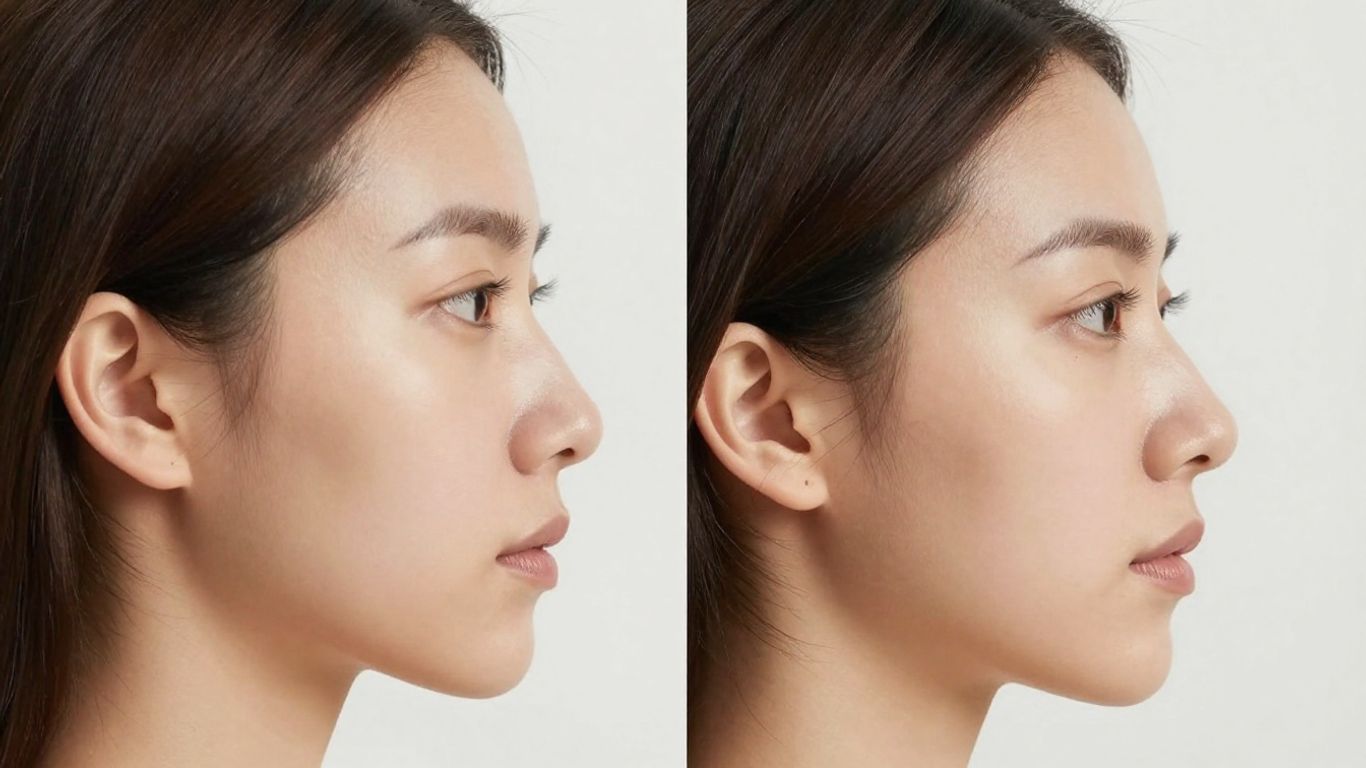
Thinking about changing up your look with a breast augmentation? There are a few ways to go about it, and one that's really catching on is called 'naturals breast augmentation,' which often uses your own body fat. It's a bit different from the usual implants, and it can give you a really natural feel and look. We're going to explore what this fat transfer method is all about, how it compares to other options, and what you can realistically expect from the procedure. It's all about understanding your choices to get the results you're hoping for.
Key Takeaways
- Naturals breast augmentation using fat transfer involves taking your own fat from one part of your body and moving it to your breasts for a subtle volume increase.
- This method offers a very natural look and feel because it uses your own tissue, and it also provides body contouring benefits where the fat is taken from.
- Compared to implants, fat transfer typically results in a more modest size increase and can't significantly lift sagging breasts.
- A portion of the transferred fat may be reabsorbed by the body over time, and sometimes multiple sessions are needed to achieve the desired fullness.
- Choosing a skilled surgeon experienced in fat transfer is super important for achieving safe and aesthetically pleasing naturals breast augmentation results.
Understanding Naturals Breast Augmentation With Fat Transfer
What Is Fat Transfer Breast Augmentation?
So, you're curious about breast augmentation but not so keen on the idea of implants? That's where fat transfer comes in. It's a really neat way to get a fuller look using your own body's natural resources. Basically, we take fat from one part of your body – think your tummy, hips, or thighs – and carefully put it into your breasts. It's like a two-for-one deal: you get a smoother silhouette in the area where the fat is removed, and your breasts get a subtle, natural boost. This method is all about using your own tissue for a result that feels and looks completely authentic. It’s a great option if you're looking for a modest increase in size or want to even out any asymmetry between your breasts.
How Does the Procedure Work?
The whole process usually takes a few hours and is pretty straightforward. First, a surgeon uses liposuction to gently remove fat from a chosen spot on your body. The little incisions needed for this are super small, usually less than a quarter-inch, and placed where they won't be easily seen. After the fat is collected, it's processed to get rid of anything that won't help it survive, like blood or excess fluid. Then comes the injection part. The purified fat is carefully placed into your breasts in many tiny amounts, spread out to give you that desired shape and volume. It’s a meticulous technique that requires a skilled hand to make sure everything looks smooth and natural.
Ideal Candidates for Fat Transfer
Who makes a good candidate for this kind of augmentation? Well, a few things usually line up. First, you need to have enough extra fat in areas like your abdomen or thighs that can be safely removed and used. If you're very, very slim, this might not be the best route for you. Also, people who are looking for a significant jump in size, like multiple cup sizes, might find implants a better fit, as fat transfer typically offers a more subtle to moderate increase, often around half to one cup size per session. It's also a fantastic choice for those who want to avoid foreign materials in their body or are looking for a way to improve breast symmetry. Patients who have had implants removed and want to restore a more natural shape are also often good candidates.
It's important to have realistic expectations. While fat transfer can create beautiful, natural-looking results, it's not a magic wand for dramatic size changes. Some of the transferred fat will naturally be absorbed by your body over time, which is why multiple sessions might be needed to achieve your final goal. Discussing your desired outcome thoroughly with your surgeon is key to a successful experience.
Exploring the Benefits of Fat Transfer
Natural Look and Feel
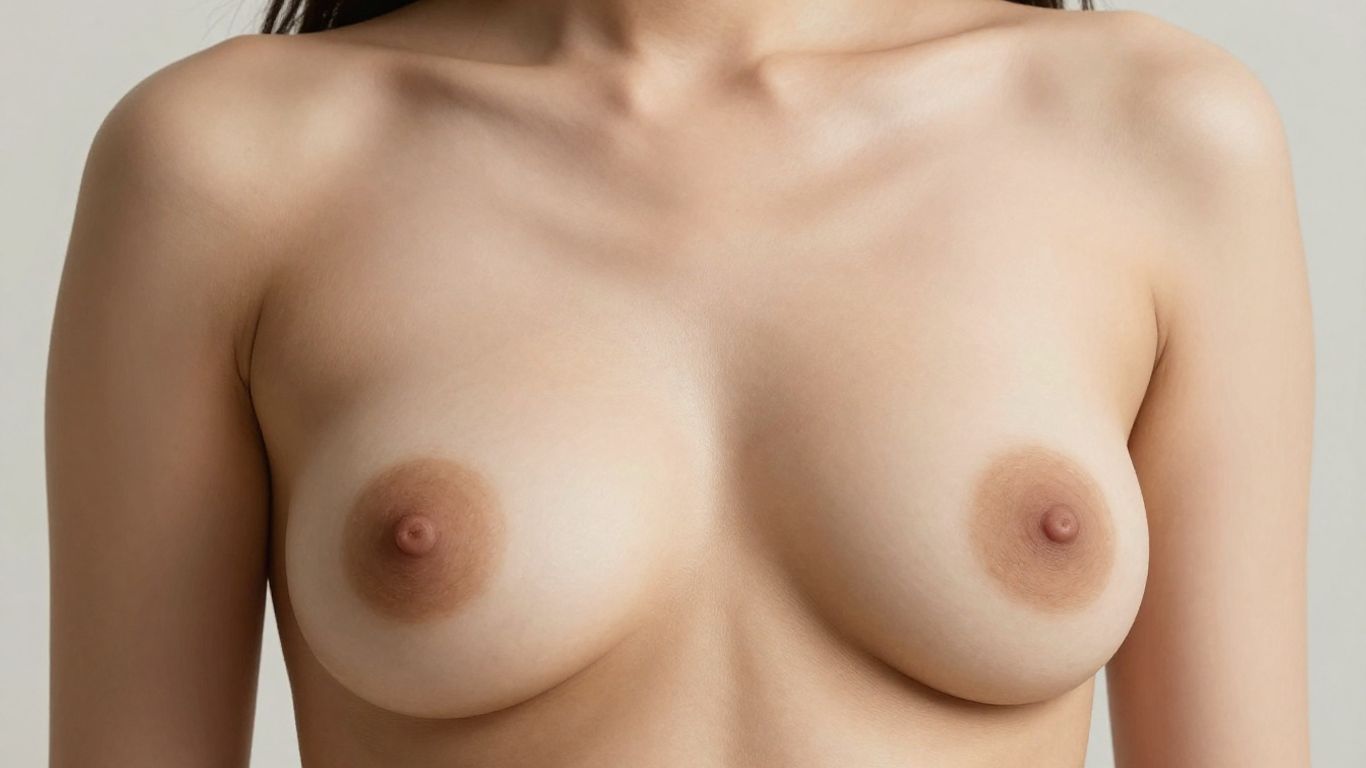
One of the biggest draws of using your own fat for breast augmentation is how natural the results look and feel. Since the material comes from your own body, it integrates seamlessly with your existing breast tissue. This means you get a softer, more organic shape and texture compared to the sometimes firmer feel of implants. It truly feels like your own breast tissue because, well, it is. This natural integration also means the results tend to age with your body, adapting to natural changes over time.
Body Contouring Advantages
This procedure isn't just about enhancing your breasts; it's a bit of a two-for-one deal. The fat used for the augmentation is harvested from other areas of your body, typically where you might have a little extra, like your abdomen, hips, or thighs. So, while you're getting a subtle lift and volume in your breasts, you're also getting some gentle sculpting in the donor areas. It’s a way to refine your silhouette in two places at once, leading to a more balanced and harmonious appearance. This dual benefit makes it a really appealing option for many people looking for more than just a breast enhancement. It’s a chance to improve your overall body shape through liposuction.
Avoiding Foreign Materials
For many individuals, the idea of having a foreign object like a silicone or saline implant inside their body can be a source of concern. Fat transfer completely bypasses this issue. By using your own harvested fat, you eliminate the risks associated with implants, such as capsular contracture (where scar tissue tightens around the implant), implant rupture, or the potential need for future replacement surgeries. This method offers a more organic approach to augmentation, which can provide significant peace of mind. It’s about working with your body’s natural components to achieve your desired aesthetic goals.
The beauty of fat transfer lies in its simplicity and natural integration. It's a procedure that uses your body's own resources to create subtle yet significant improvements. The results are not only aesthetically pleasing but also feel completely natural, blending harmoniously with your existing form. This makes it a fantastic choice for those seeking a less invasive and more organic path to breast augmentation.
Here’s a quick look at what makes fat transfer stand out:
- Authentic Feel: Results feel and move like natural breast tissue.
- Dual Benefit: Enhances breasts while also contouring donor areas.
- Reduced Risks: Avoids complications associated with foreign implant materials.
- Long-Term Potential: Surviving fat cells become permanent, offering lasting results.
Fat Transfer Versus Traditional Implants
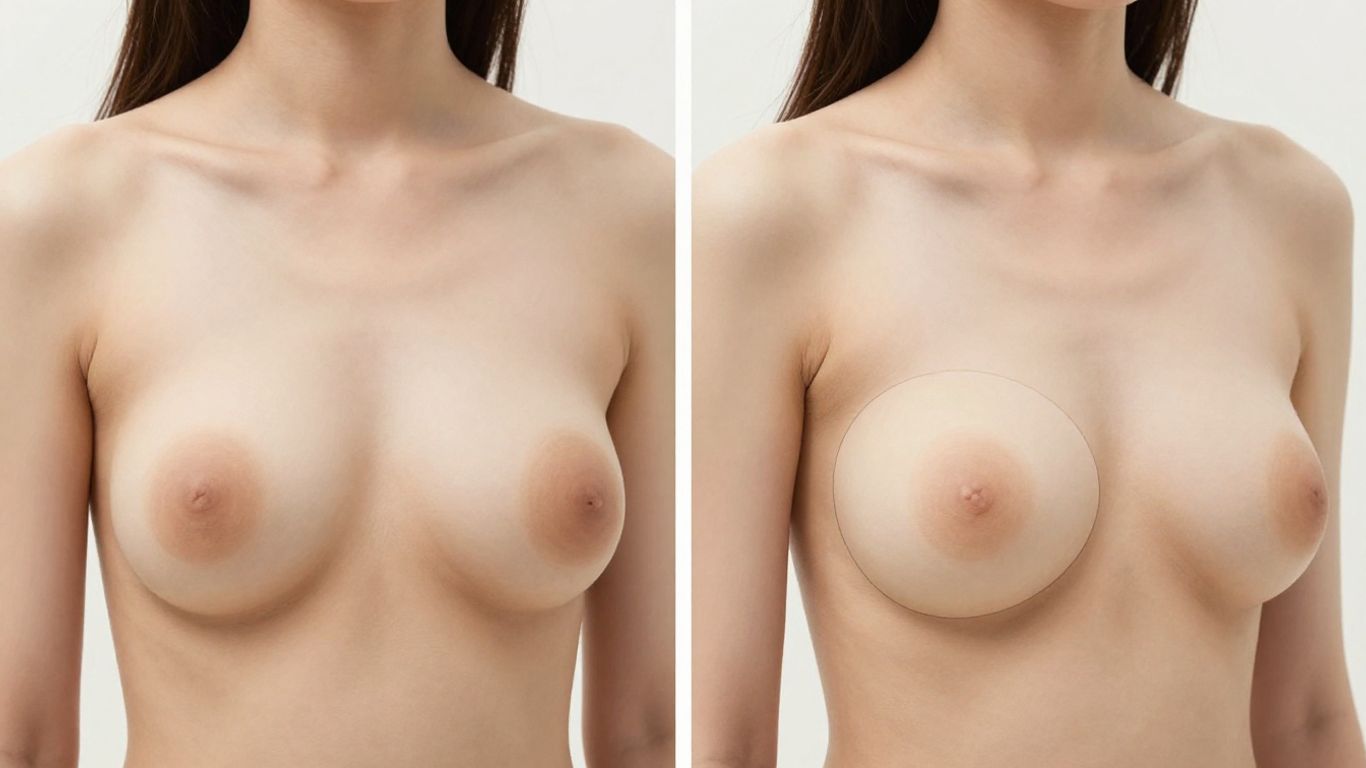
When you're thinking about getting your breasts augmented, it's natural to wonder how the different methods stack up. Two of the main players are traditional implants and fat transfer. They both aim to give you fuller breasts, but they go about it in pretty different ways, and the results can be quite distinct.
Comparing Desired Volume Increase
One of the biggest differences comes down to how much size you're hoping to gain. If you're looking for a dramatic change, like going up several cup sizes, implants are usually the way to go. They can offer a significant volume boost that fat transfer typically can't match. Fat transfer is better suited for a more subtle enhancement, usually adding about one cup size. It's perfect if you want a gentle lift and a bit more fullness without a drastic change.
Material Differences and Risks
This is a pretty big one for a lot of people. Implants, whether they're filled with saline or silicone, are foreign objects being placed in your body. While they're generally safe and have a long track record, there are always some risks associated with having foreign materials inside you. Things like capsular contracture (where scar tissue tightens around the implant) or the possibility of rupture can happen. On the flip side, fat transfer uses your own body's fat. This means you avoid the risks tied to implants and introducing foreign materials [c599]. Since it's your own tissue, your body is less likely to react negatively to it, and the results tend to feel and look incredibly natural.
Long-Term Maintenance and Results
When it comes to how long the results last and what kind of upkeep is involved, there are also differences. Implants generally have a lifespan. Most surgeons recommend considering replacement or revision surgery every 10 to 15 years, though many implants last longer. Fat transfer, once the transferred fat cells establish a blood supply, is considered permanent. The fat cells become part of your breast tissue and will change with your weight, just like any other fat in your body. This means no future surgeries are needed just to maintain the size, which is a huge plus for many.
Here's a quick rundown:
- Implants: Can provide significant size increase, predictable shape, but involve foreign materials and potential long-term maintenance.
- Fat Transfer: Offers natural feel and look, uses your own tissue, provides body contouring benefits, but has limitations on achievable size increase and requires fat survival.
Deciding between these two methods really hinges on your personal goals and what you're looking for in terms of outcome and the overall process. It's not a one-size-fits-all situation, and what's perfect for one person might not be the best fit for another.
The Fat Transfer Procedure In Detail
Fat Harvesting and Purification
The whole process starts with getting the fat we need. This usually happens through liposuction, where a surgeon gently removes excess fat from areas like your tummy, thighs, or hips. Think of it as a two-for-one deal – you get a little contouring in one spot and the material for your breast augmentation in another. The incisions for this are super small, often less than a quarter-inch, and placed where they won't be easily seen. After the fat is collected, it's not just injected straight away. It goes through a purification process. This step is pretty important because it helps separate the healthy, living fat cells from any other stuff that might have been removed during liposuction. This purification is key to making sure the transferred fat has the best chance of surviving and giving you the results you want.
Precision Injection Techniques
Once the fat is prepped, the real artistry begins. The surgeon carefully injects the purified fat into your breasts. This isn't just a quick squirt; it's a meticulous process. The fat is placed in multiple layers within the breast tissue. This technique helps create a smooth, natural shape and volume. It also helps the fat cells integrate better with your existing tissue. The goal is to make it look and feel as natural as possible, like it's always been there. It's a bit like sculpting, really, using your own body's material to achieve a beautiful outcome. This method is a great way to achieve natural breast enhancement without foreign materials.
Volume Increase and Recovery Timeline
So, how much bigger can you expect to get? With fat transfer, it's typically a subtle to moderate increase. You won't see the dramatic size jump you might get with implants, but that's often the point for many people seeking a more natural look. The amount of volume you can achieve depends on how much fat can be safely harvested and how well it survives after transfer. Some patients might need more than one session to reach their desired fullness, as a portion of the fat might be reabsorbed by the body over time. Recovery is generally quicker than with implants, but it does involve healing from both the liposuction and the injection sites. Most people can return to light activities within a few days, but full recovery, where you can resume all normal activities and see the final results, usually takes a few weeks. It's important to follow your surgeon's post-operative instructions carefully.
The success of fat transfer relies heavily on the surgeon's skill and the patient's body's ability to integrate the new fat cells. Patience during the recovery period is also a virtue, as the final results become apparent over several weeks to months.
Limitations and Considerations for Fat Transfer
While fat transfer for breast augmentation sounds pretty great, it's not always the perfect fit for everyone, and it's good to know the downsides before you jump in. It’s not like getting a new pair of shoes; you can’t just pick the size you want and expect it to fit perfectly.
Achievable Size Increase
One of the biggest things to understand is that you probably won't get a dramatic size boost from fat transfer alone. Think more subtle enhancement rather than a huge leap. If you're dreaming of going up several cup sizes, this might not be the route for you. The amount of volume you can add is limited by how much fat can be safely harvested and how much your body can successfully integrate.
Here’s a general idea of what to expect:
- Modest Increase: Typically, you can expect an increase of about one cup size per procedure.
- Multiple Sessions: To achieve a more noticeable change, you might need more than one fat transfer session. This is common, and surgeons often plan for this possibility in their approach.
- Donor Site Availability: The amount of fat available for transfer depends on your own body. If you don't have enough extra fat in areas like your abdomen or thighs, the potential for size increase is limited.
Addressing Breast Sagging
Fat transfer is primarily about adding volume, not lifting. If sagging is a significant concern for you, fat transfer alone might not give you the results you're hoping for. It can add fullness, which might slightly improve the appearance of mild sagging, but it doesn't tighten skin or reposition breast tissue like a breast lift procedure does. For more pronounced sagging, combining fat transfer with a lift might be a better option, but that's a different conversation.
Fat Survival and Potential Reabsorption
This is a big one. Not all the fat that's transferred will survive. Your body will naturally reabsorb some of it. This is totally normal, but it means the final results can be a bit unpredictable. The amount of fat that survives can vary quite a bit from person to person, and even from one side of the body to the other.
- Survival Rates: Anywhere from 20% to 40% of the transferred fat might be reabsorbed over time.
- Factors Influencing Survival: Things like the surgeon's technique, how the fat is processed, and your own body's healing play a role.
- Long-Term Stability: Once the surviving fat cells stabilize, usually after a few months, the results tend to be permanent. However, this means you need to be patient and understand that initial swelling can be misleading.
It's important to have realistic expectations about the longevity and predictability of fat transfer. While it uses your own tissue, the body's response can be variable, and understanding this variability is key to patient satisfaction. Discussing potential outcomes and the possibility of needing touch-ups is a standard part of the consultation process with any qualified surgeon regarding risks.
So, while fat transfer offers a natural way to augment your breasts, it's essential to go into it with your eyes wide open about these limitations. It's a fantastic option for many, but knowing what it can and can't do helps you make the best decision for yourself.
Advanced Techniques and Combinations
Hybrid Breast Augmentation Explained
Sometimes, just fat transfer might not give you the size increase you're hoping for, or maybe you have very little body fat to begin with. That's where the hybrid approach comes in. It's basically a mix of using implants for the main volume and then adding your own fat to smooth things out and make it look even more natural. Think of the implant as the foundation and the fat as the finishing touches. This method is great for getting a significant size change while still keeping that soft, natural feel. It can also help hide any signs of the implant, especially if you have thinner breast tissue. It's a way to get the best of both worlds, really.
Combining Fat Transfer with Implants
This combination, often called hybrid breast augmentation, is becoming super popular. It lets surgeons fine-tune the results. The implant gives you the volume you want, and then the fat grafting helps shape the breast, especially around the edges, so there are no harsh lines. It's particularly useful for patients who want a noticeable lift and fullness but also want to avoid that artificial look or feel that can sometimes happen with implants alone. It helps create a really smooth transition from your chest wall to the new breast shape. This approach can be a fantastic option for achieving a very specific aesthetic goal.
Utilizing Technology for Planning
Planning is a big deal in any surgery, and breast augmentation is no different. Nowadays, we have some pretty cool technology that helps. 3D imaging systems can create a realistic picture of what your breasts might look like after surgery. You and your surgeon can look at different implant sizes and shapes right there on a simulation of your own body. This makes it way easier to talk about what you want and for the surgeon to pick the best option. There are also AI tools that can analyze lots of past surgeries to suggest what might work best for you based on your body and what has led to good results before. It's all about making sure everyone is on the same page before you even get to the operating room, which can really help with satisfaction afterward. This technology helps align expectations and makes the decision process feel more concrete. It's a big step up from just looking at pictures of other people.
The goal with these advanced techniques is always to tailor the procedure to your unique body and desires. It's not a one-size-fits-all situation anymore. Surgeons are using a combination of methods and technology to get results that look and feel as natural as possible, while also meeting your aesthetic goals for size and shape.
Wrapping It Up: Your Natural Breast Augmentation Journey
So, we've talked a lot about fat transfer for breast augmentation. It's a really interesting option if you're looking for a more natural way to get a bit more volume or shape. It uses your own body's fat, which is pretty neat, and you get the bonus of some body contouring too. But, it's not for everyone, and it's important to know it usually gives a more subtle change than implants. If you're after a dramatic size increase or have a lot of sagging, other options might be better. The main thing is to have a good chat with your doctor, figure out what you really want, and understand what each procedure can realistically do for you. It’s all about making the choice that feels right for your body and your goals.
Frequently Asked Questions
What exactly is fat transfer breast augmentation?
Think of fat transfer breast augmentation as a natural way to make your breasts fuller. Instead of using artificial implants, doctors take a little bit of your own body fat from places like your tummy or thighs and carefully move it to your breasts. It's like a two-in-one deal: you get rid of unwanted fat in one area and enhance your breasts at the same time, making them look and feel totally natural.
How is the fat moved to the breasts?
First, a small amount of fat is gently removed from an area like your stomach or hips using a special thin tube, kind of like a mini-vacuum. This is called liposuction. Then, the fat is cleaned up to get rid of anything that won't help it grow. Finally, the healthy fat is carefully injected into your breasts in tiny amounts to add volume and shape them.
Can I get much larger breasts with fat transfer?
Fat transfer is best for a subtle to moderate increase in size, usually about one cup size. It's not designed for dramatic changes. If you're looking for a very large increase or a very specific shape, traditional implants might be a better choice. Fat transfer aims for a natural enhancement that fits your body.
Will all the transferred fat stay in my breasts?
Your body will naturally absorb some of the transferred fat, usually around 20% to 40%. The fat cells that survive and connect to your blood supply will stay permanently. Because of this, some people might need more than one session to reach their desired fullness. The fat that stays becomes a permanent part of your breast tissue.
Can fat transfer fix sagging breasts?
Fat transfer primarily adds volume, which can make breasts look a bit perkier. However, it doesn't actually lift the breasts or tighten loose skin. If you have significant sagging, a breast lift procedure might be needed along with or instead of fat transfer to get the best results for a lifted appearance.
Can fat transfer be combined with implants?
Yes, it absolutely can! This is called 'hybrid breast augmentation.' It's a popular option where implants provide the main increase in size, and then fat is added to smooth out the edges, create a more natural transition, or add a little extra volume. This combination can give very customized and natural-looking results, especially for people with less natural breast tissue.



American Standards.
Brazilian Mastery.
Aesthetica Medical Travel Facilitators, LLC is an international care coordination company registered in Wyoming, United States. We provide services for the promotion and support of medical service providers, including physicians worldwide (“medical service providers”). These services are made available through Aesthetica’s website, and the same privacy terms also apply to the Aesthetica Advisor Program (the “application/platform”), created and operated by Aesthetica. Aesthetica is solely responsible for controlling and processing the information obtained via the platform or through other communications between users, businesses, hospitals, clinics, or third parties and members of the Aesthetica service team (the “Service Team”). Our services may include non-clinical care coordination for North American patients seeking elective procedures abroad, including provider matching, travel logistics, and administrative support throughout the care journey. Additional services or add-ons may be offered depending on the selected scope. Post-operative care is typically conducted in the destination country where the procedure is performed. Additional coordination or administrative support in the patient’s country of origin may be available separately, subject to scope and availability. Aesthetica may engage third-party service providers, partners, or affiliated entities to support its operations, including data processing and service delivery. Information may be shared with such parties solely as necessary to provide the services described. Our operations follow strict standards of transparency, privacy protection, and regulatory compliance. Testimonials reflect individual experiences and do not guarantee future results. By using Aesthetica’s services or platform, users acknowledge and agree to these terms and understand the limited, non-clinical role of Aesthetica in the care journey. For more information about our policies or compliance framework, please contact our support team.