Achieve Fuller Brows: Your Ultimate Guide to Eyebrow Transplants
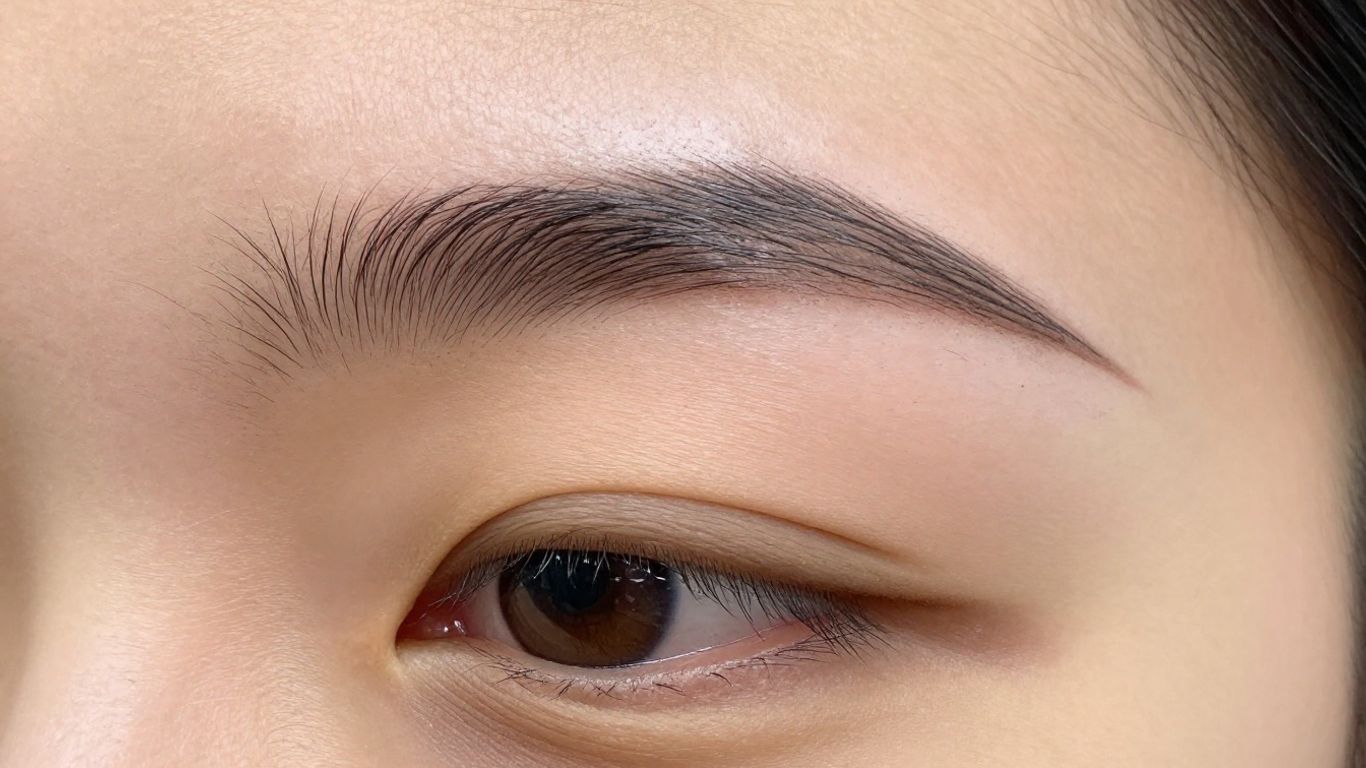
Eyebrows really frame your face, don't they? For a lot of people, thin brows from over-plucking, getting older, or even medical stuff can be a real bummer. Makeup and serums help for a bit, but what if you want something more permanent? That's where eyebrow transplants come in. They're a way to get fuller, more natural-looking brows using your own hair. We're going to break down what these eyebrow transplants are all about, how they work, who they're for, and what you can expect.
Key Takeaways
- Eyebrow transplants move hair follicles from one part of your body, usually the scalp, to your eyebrows to create fuller, natural-looking brows.
- The procedure involves a consultation, harvesting donor hair, and then carefully implanting the follicles into the brow area.
- Ideal candidates have naturally thin brows, lost brows due to over-plucking, aging, or scarring, and are generally in good health.
- Benefits include natural and permanent results, improved facial aesthetics, and long-term satisfaction with low maintenance.
- Recovery involves initial healing, shedding of transplanted hairs (shock loss), and then new growth starting around 2-4 months post-procedure.
Understanding Eyebrow Transplants

What Is an Eyebrow Transplant?
An eyebrow transplant is basically a surgical procedure where hair is moved from one part of your body, usually the back of your head, and placed into your eyebrow area. Think of it like planting tiny seeds for hair. Unlike makeup or tattooing, this uses your own real hair, which will then grow. This means you get natural-looking brows that keep growing. It’s a way to get fuller, more defined eyebrows if yours are naturally thin, have thinned out over time, or were affected by things like over-plucking or medical issues.
Why Consider an Eyebrow Transplant?
Lots of people think about eyebrow transplants for different reasons. Maybe you’ve always had very sparse brows, or perhaps you plucked them a bit too much in your younger days and they never quite grew back the same. Sometimes, medical conditions or injuries can also lead to hair loss in this area. While there are temporary fixes like makeup or microblading, these require ongoing effort. An eyebrow transplant offers a more permanent solution. It can really change how your face looks, framing your eyes better and giving you a boost in confidence. It’s about achieving a look that feels truly yours, without the daily upkeep. For many, it's a way to regain a feature that significantly impacts their appearance and self-esteem.
Historical Evolution of Eyebrow Restoration
Eyebrow restoration hasn't always been as advanced as it is today. In the past, if someone wanted fuller brows, options were pretty limited. People might have tried tattooing, but that often looked unnatural and could fade or change color over time. Semi-permanent makeup was another route, but again, it wasn't quite the same as real hair. Over the years, cosmetic surgery techniques have gotten much better. We've moved from methods that just drew on the appearance of brows to procedures that actually transplant real hair follicles. This shift means we can now achieve results that look and feel much more natural, blending in with your existing hair. It’s a pretty big leap from where we started, offering a more authentic and lasting solution for people seeking better brow definition.
The goal of an eyebrow transplant is to create brows that look like they've always been there, perfectly shaped and naturally full. It's a meticulous process that takes into account your facial structure and desired outcome.
The Eyebrow Transplant Procedure Explained
So, you're thinking about an eyebrow transplant? It sounds pretty involved, but honestly, it's a pretty straightforward process when you break it down. It's all about carefully moving hair from one spot to your brows to make them look fuller and more defined. Let's walk through what actually happens.
Consultation and Design Phase
This is where the magic starts, even before any hair is moved. You'll sit down with your surgeon to chat about what you're hoping for. They'll look at your face, your current brows, and talk about the best shape and thickness for you. This planning stage is super important because it sets the whole direction for the surgery. They'll draw out the new brow shape, and you'll get to approve it. It’s all about making sure you’re on the same page and that the final look will fit your face naturally.
Donor Hair Harvesting Techniques
Next up is getting the hair. Most of the time, the hair comes from the back of your scalp. Why there? Because the hair texture is usually pretty similar to eyebrow hair. The most common method used is called Follicular Unit Extraction, or FUE. It's a bit like a tiny, precise operation where individual hair follicles are carefully taken out one by one. This method is great because it's less invasive and usually heals up pretty quickly. The surgeon makes sure to select healthy follicles that will grow well in their new spot.
The Implantation Process
This is the main event. Once the donor hair is harvested and prepared, the surgeon gets to work implanting it into your eyebrow area. They create tiny little openings, almost like micro-incisions, where each follicle will go. The angle and direction of these openings are key – they have to match how your natural eyebrow hairs grow. This is what makes the final result look so real. It takes a lot of skill and patience to place each graft just right. The whole process can take a few hours, depending on how many grafts are needed to achieve your desired look. After this, you'll need to follow some specific aftercare instructions to help everything heal properly and give your new brows the best chance to thrive. You can find more details on eyebrow transplant aftercare.
The goal is always to create brows that look like they've always been there, just fuller and perfectly shaped. It's a meticulous process that combines artistic vision with surgical skill.
Who Is a Suitable Candidate?
So, you're thinking about an eyebrow transplant. That's great! But not everyone is a perfect fit for this procedure. It's really important to figure out if it's the right move for you. The best candidates are generally those with permanent eyebrow hair loss.
Ideal Candidates for Eyebrow Transplants
Most people who want fuller, more defined eyebrows and have lost hair due to various reasons can be good candidates. This includes individuals who:
- Have naturally sparse or thin eyebrows.
- Experienced hair loss from over-plucking or waxing.
- Suffered eyebrow hair loss due to scarring (from injuries or surgery).
- Are dealing with hair thinning from aging.
- Want to correct uneven or misshapen brows.
If you're looking for a permanent fix for your brows, this procedure might be a good option for you. It's a long-term restoration solution for many people seeking a permanent fix for hair loss in their eyebrows.
Conditions That May Affect Suitability
While many can benefit, some conditions might make you less suitable or require extra consideration. It's not always a straightforward yes or no.
- Trichotillomania: This is a condition where people compulsively pull out their hair. If this isn't managed, transplanted hairs could be pulled out too.
- Alopecia Areata: This autoimmune condition causes patchy hair loss. While some with alopecia areata can be candidates, success depends on the stability of the condition.
- Certain Medical Treatments: If you're undergoing treatments like chemotherapy, it's usually best to wait until you've recovered.
- Active Skin Infections: Any active infection in the eyebrow area or on the scalp needs to be cleared up before a transplant can be considered.
Assessing Your Candidacy
Figuring out if you're a good candidate usually starts with a chat with a specialist. They'll look at a few things:
- Your Medical History: They'll ask about any health conditions you have and medications you're taking.
- The Cause of Hair Loss: Understanding why your eyebrows are thin is key. Is it genetics, a past injury, or something else?
- Donor Hair Availability: The surgeon needs to see if you have enough healthy hair in donor areas (usually the back of your head) to transplant.
- Your Expectations: It's important to have realistic ideas about what an eyebrow transplant can achieve. The surgeon will discuss the potential results and limitations.
A thorough consultation is your best bet to understand if an eyebrow transplant aligns with your personal health and aesthetic goals. It's all about making sure the procedure is safe and likely to give you the results you're hoping for.
Choosing the right professional is also a big part of this. Look for someone with specific experience in eyebrow transplants, as they'll be better equipped to assess your situation and guide you through the process. You can find surgeons with specific experience with eyebrow transplants and can provide before-and-after photos.
Benefits of Choosing Eyebrow Transplants
So, you're thinking about an eyebrow transplant? It's a pretty big decision, but honestly, the payoff can be huge. Forget about spending ages in front of the mirror trying to draw on perfect brows every morning. This procedure offers a way to get fuller, more defined eyebrows that look completely natural and, get this, are permanent.
Achieving Natural and Permanent Results
This is probably the biggest draw. Unlike makeup that washes off or microblading that fades and needs touch-ups, an eyebrow transplant uses your own hair. The follicles are taken from your scalp, where the hair is similar in texture and thickness to brow hair. Once implanted, these hairs grow just like your natural brow hairs. This means you get real hair, real growth, and a look that’s genuinely yours, lasting for years. It’s a long-term solution that really makes a difference in how you look and feel every single day. It’s a permanent solution for fuller, well-shaped brows [4a7b].
Enhancing Facial Aesthetics and Confidence
Eyebrows really do frame your face, don't they? They play a massive role in your expressions and overall facial balance. If yours are thin, sparse, or uneven due to over-plucking, genetics, or medical reasons, it can really affect how you feel about your appearance. Getting an eyebrow transplant can dramatically change that. By restoring density and shape, you can achieve better facial symmetry, making your eyes pop and giving your whole face a more polished look. This boost in appearance often translates directly into a big jump in self-confidence. You'll find yourself feeling more comfortable and less self-conscious, whether you're at work or out with friends.
Low Maintenance and Long-Term Satisfaction
Once the healing is done and the new hairs start growing, you'll find that your transplanted brows are surprisingly low-maintenance. Sure, you might need to trim them occasionally if they get a bit too long, just like your scalp hair. But that's about it. No more daily filling, no more worrying about smudging, and no more expensive touch-up appointments every year or two. It’s a set-it-and-forget-it kind of deal, which is pretty amazing when you think about it. This procedure offers a permanent way to achieve fuller, more defined eyebrows [37be].
Here’s a quick look at what makes it so appealing:
- Permanent Results: Uses your own hair for a lifelong solution.
- Natural Appearance: Blends seamlessly with existing brow hair.
- Boosted Confidence: Improves facial aesthetics and self-esteem.
- Minimal Upkeep: Requires little maintenance after the initial healing period.
- Customizable Design: Tailored to your unique facial structure and preferences.
Navigating Recovery and Growth

So, you've had your eyebrow transplant. Now what? The next few months are pretty important for how your new brows will look. It’s not instant magic, but with a little patience and care, you'll see some great results. Understanding the timeline and what to expect is key to a smooth recovery.
The Typical Eyebrow Transplant Recovery Timeline
Recovery isn't a single event; it's a process with different stages. Knowing what happens when can help you feel more prepared.
- Days 1-7: This is the initial healing phase. You might notice some redness, swelling, and small scabs forming around the tiny incisions where the new hairs were placed. It’s important to keep the area clean but avoid touching it.
- Weeks 2-4: The scabs will naturally start to fall off. Around this time, you'll likely see the transplanted hairs shed. Don't panic! This is totally normal and is often called 'shock loss'. It's just part of the hair's natural cycle.
- Months 2-4: This is when the real magic starts to happen. You'll begin to see new hairs emerging from the follicles. They might look a bit thin at first, but they're growing!
- Months 6-12: By this point, your brows should be looking much fuller and more natural. Most of the growth will be complete, and you'll be able to see the final shape and density.
Immediate Post-Procedure Care
Taking care of the area right after the surgery is super important. Your surgeon will give you specific instructions, and it's best to follow them to the letter. Generally, you'll want to:
- Keep it clean: Use a gentle saline spray or whatever solution your doctor recommends. This helps prevent infection without irritating the new grafts.
- Hands off: Try your best not to touch, rub, or scratch the transplanted area. Itching is common, but picking can dislodge the grafts or cause scarring.
- Protect the area: Avoid direct sun exposure and strenuous activities for a while. Think of it as giving your new brows a safe space to settle in. You might need to wear a hat when you go outside. For the first few days, avoid applying makeup directly to the brows.
The success of your eyebrow transplant hinges significantly on how well you follow the post-operative care instructions. Gentle handling and cleanliness are paramount during the initial healing period to allow the grafts to establish themselves properly.
Understanding Shedding and New Growth
That shedding phase I mentioned? It can feel a bit weird, especially after you've just had something done to add hair. But remember, it’s a sign that the transplanted follicles are settling in and preparing for new growth. Think of it like a plant shedding old leaves before putting out new ones. The new hairs that start to appear will initially be fine, but they will thicken over time. It takes patience, but seeing those first few sprouts is really encouraging. If you're looking for more details on what to expect during this phase, checking out eyebrow transplant growth begins can be helpful.
It's also worth noting that the healing process can vary slightly from person to person. Some people might experience a bit more swelling or take a little longer to shed their initial hairs. The most important thing is to stay in touch with your surgeon if you have any concerns. They can offer personalized advice and reassurance. Remember, the goal is natural-looking, permanent results, and that journey starts with diligent care right after the procedure. Proper eyebrow transplant aftercare is truly the foundation for achieving those beautiful, full brows you're after.
Potential Risks and Considerations
While eyebrow transplants are generally safe, it's smart to know about any potential bumps in the road. Most people sail through the procedure without a hitch, but like any surgery, there are things to be aware of. It's not just about the surgery itself, but also about making sure you're a good fit and what happens afterward.
Possible Complications and Side Effects
It's rare, but sometimes things don't go exactly as planned. You might experience some temporary numbness in the brow or where the hair was taken from. Scarring is also a possibility, though it's less common with newer techniques. Sometimes, the transplanted hairs might grow in a direction that looks a bit off, or the texture might not be quite what you expected. Discussing these possibilities with your surgeon beforehand is really important. The discomfort from an eyebrow transplant usually fades within a couple of weeks. Serious pain long-term is uncommon once the new hairs settle in.
Graft Survival and Potential Revisions
One thing that can happen is that not all the transplanted hair follicles take hold. This means the new hairs might not grow as expected, and in some cases, a touch-up procedure might be needed down the line. It’s a bit like planting seeds; some sprout right away, others need a little more time, and a few might not sprout at all. This is why choosing a skilled surgeon is so key – they know how to maximize the chances of successful graft integration.
Choosing an Experienced Surgeon
This is probably the most significant factor in getting great results and minimizing risks. You want someone who really knows their stuff when it comes to eyebrow transplants. They should be able to explain the whole process clearly, show you examples of their work, and make you feel comfortable. Don't be afraid to ask questions about their experience and what makes them qualified. A good surgeon will also be upfront about potential issues and help you understand if you're a suitable candidate. Sometimes, certain medical conditions, like alopecia areata or trichotillomania, or even a history of bleeding disorders, might make the procedure less suitable or require special attention. It’s all part of making sure the procedure is the right choice for you.
Following your surgeon's post-operative instructions to the letter is your best bet for a smooth recovery. This includes how to clean the area, what activities to avoid, and when you can start using your usual skincare products again. Paying attention to these details can make a big difference in how well everything heals and how natural your new brows look.
Ready for Your Dream Brows?
So, we've gone over what eyebrow transplants are all about, how they work, and what you can expect afterward. It's a pretty cool option if you're tired of dealing with thin or sparse brows and want something that looks totally natural and lasts. Think of it as a permanent fix for brows that just won't cooperate. If this sounds like something you're interested in, the next step is to chat with a pro. They can tell you if it's the right move for you and help you get those fuller brows you've been wanting. It’s a big decision, but the results can really make a difference in how you feel about your face.
Frequently Asked Questions
What exactly is an eyebrow transplant?
An eyebrow transplant is a special surgery where tiny hair roots are taken from one part of your body, usually the back of your head, and carefully placed into your eyebrow area. It's like planting seeds for new hair to grow, making your eyebrows look fuller and more natural over time. It uses your own real hair, so it keeps growing!
Why would someone get an eyebrow transplant?
People choose this procedure for many reasons. Maybe their eyebrows are naturally thin, or they've lost hair from over-plucking, aging, or even an injury. Some medical issues can also cause brows to thin out. It's a way to get back fuller, beautifully shaped eyebrows that frame your face nicely and make you feel more confident.
How is the surgery done?
First, you'll talk with a doctor to decide on the perfect shape and thickness for your new brows. Then, the doctor takes hair roots from a donor spot, like your scalp. Finally, these roots are placed one by one into your eyebrows at just the right angle to look totally natural. It's done very carefully!
Will the results look real?
Yes, the goal is for the results to look completely natural. The doctor uses your own hair and places each strand at an angle that matches how real eyebrow hair grows. Because it's your real hair, it will grow and look just like your natural eyebrows, but fuller.
What happens after the surgery?
Right after, your eyebrows might be a little red or have tiny scabs. It's normal for the transplanted hairs to fall out after a few weeks – don't worry, this is just part of the process! New hairs will start to grow in their place over the next few months, and you'll see your full brows come in over about a year.
Are there any risks involved?
Like any surgery, there can be some small risks, such as temporary swelling or redness. Sometimes, not all the transplanted hairs might grow, and in rare cases, a follow-up might be needed. That's why it's super important to choose a skilled and experienced surgeon who knows exactly what they're doing to get the best and safest results.


International Standards.
Brazilian Mastery.
Aesthetica Medical Travel Facilitators, LLC is an international care coordination company registered in Wyoming, United States. We provide services for the promotion and support of medical service providers, including physicians worldwide (“medical service providers”). These services are made available through Aesthetica’s website, and the same privacy terms also apply to the Aesthetica Advisor Program (the “application/platform”), created and operated by Aesthetica. Aesthetica is solely responsible for controlling and processing the information obtained via the platform or through other communications between users, businesses, hospitals, clinics, or third parties and members of the Aesthetica service team (the “Service Team”). Our services may include non-clinical care coordination for patients worldwide seeking elective procedures abroad, including provider matching, travel logistics, and administrative support throughout the care journey. Additional services or add-ons may be offered depending on the selected scope. Post-operative care is typically conducted in the destination country where the procedure is performed. Additional coordination or administrative support in the patient’s country of origin may be available separately, subject to scope and availability. Aesthetica may engage third-party service providers, partners, or affiliated entities to support its operations, including data processing and service delivery. Information may be shared with such parties solely as necessary to provide the services described. Our operations follow strict standards of transparency, privacy protection, and regulatory compliance. Testimonials reflect individual experiences and do not guarantee future results. By using Aesthetica’s services or platform, users acknowledge and agree to these terms and understand the limited, non-clinical role of Aesthetica in the care journey. For more information about our policies or compliance framework, please contact our support team.