
Unlock Fuller Hair: Your Guide to PRP for Hair Restoration
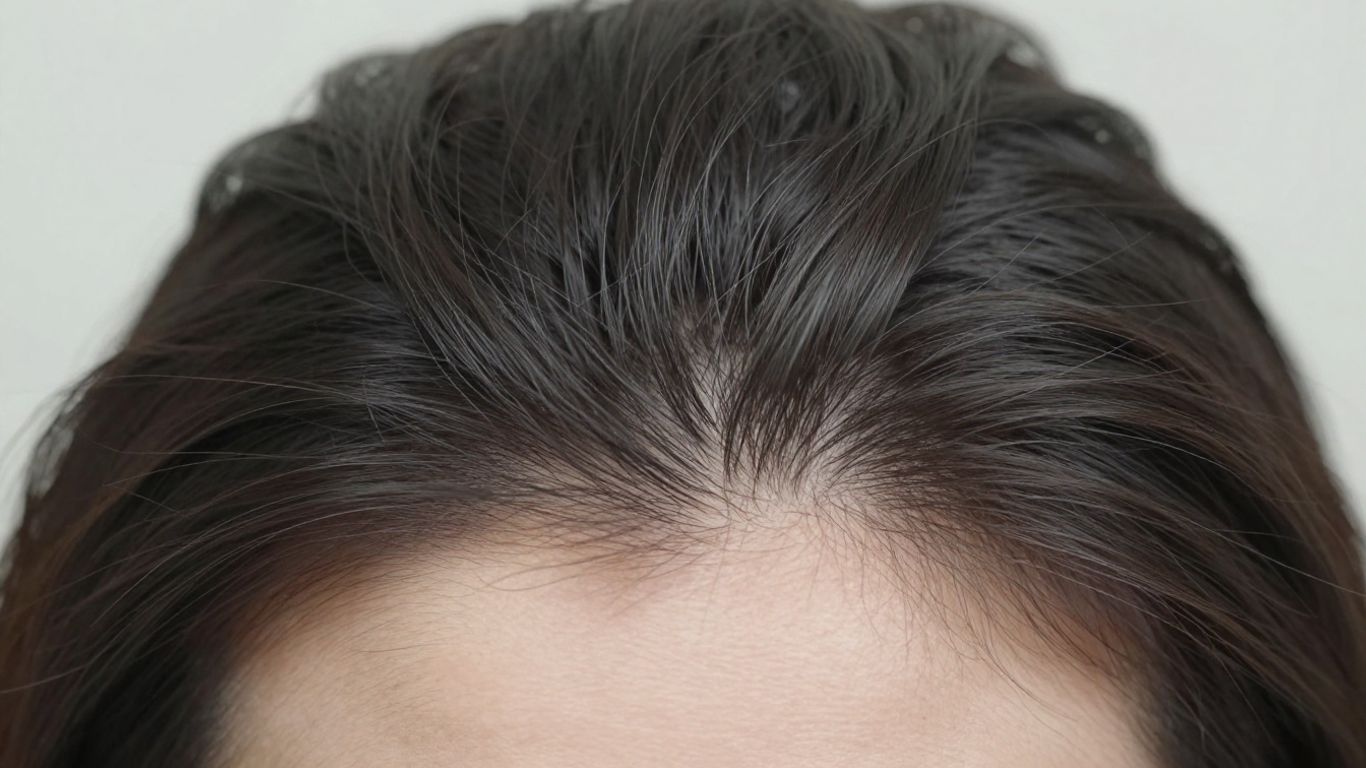
Thinking about your hair and how to make it fuller? You've probably heard about PRP, or Platelet-Rich Plasma, for hair restoration. It sounds fancy, but it's actually a pretty neat way to use your own body's power to help your hair. We're going to break down what PRP is all about, how it works for your hair, and what you can expect if you decide to try it. It's not a magic wand, but for many people, prp for hair restoration can make a real difference in getting back that thicker look.
Key Takeaways
- PRP for hair restoration uses your own blood platelets, concentrated with growth factors, to encourage new hair growth and thicken existing strands.
- The treatment process typically involves a blood draw, processing to create PRP, and then injecting it into the scalp, often combined with microneedling.
- Benefits include stimulating dormant hair follicles, making hair thicker and improving its texture, and slowing down further hair loss.
- To get the best results from PRP, consistency with treatment plans and open communication with your provider are important.
- PRP is a safe, minimally invasive option that taps into your body's natural healing abilities for a more natural approach to hair revival.
Understanding Platelet-Rich Plasma For Hair Restoration
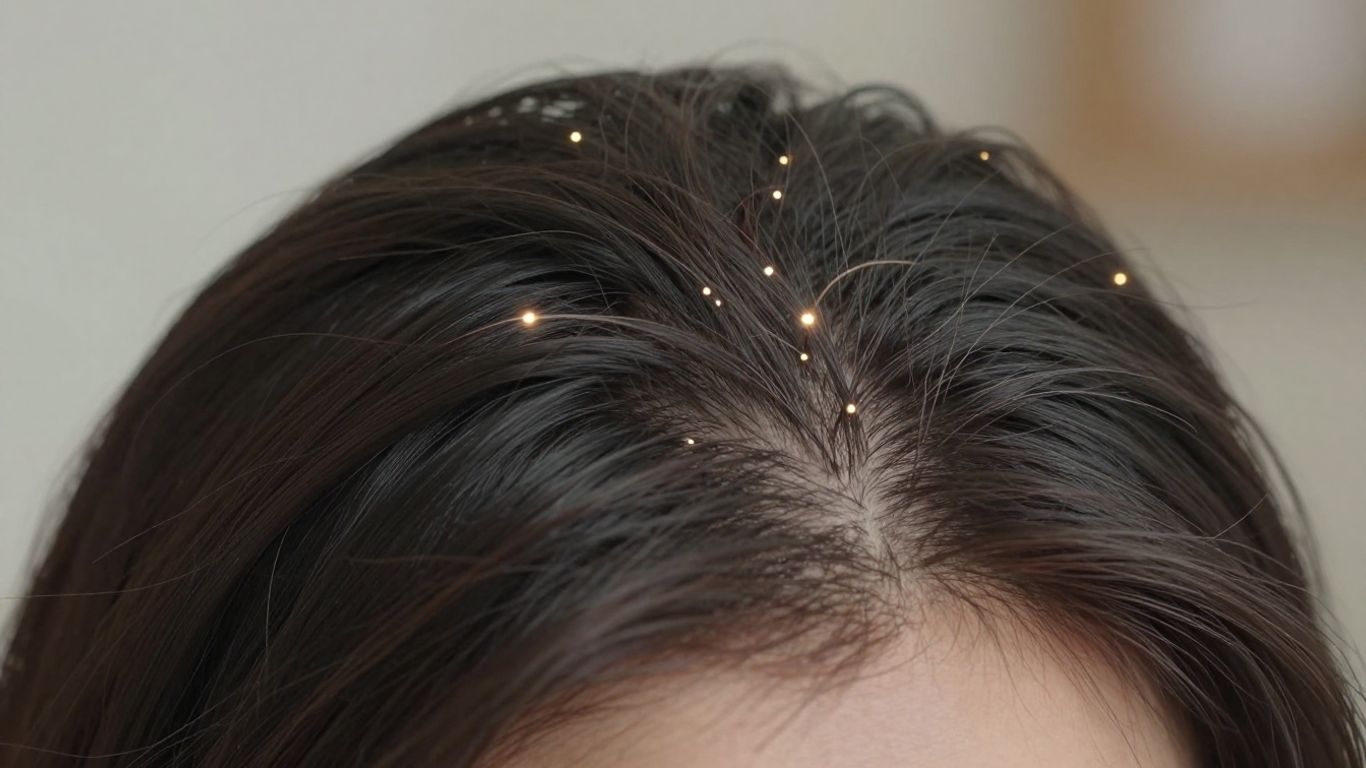
So, you're thinking about PRP for your hair? It sounds a bit sci-fi, but it's actually a pretty straightforward process that uses your own body to help with hair growth. Basically, it's a way to give your scalp a concentrated boost of the good stuff your body naturally produces to heal and rebuild. It's not some magic potion, but rather a smart way to tap into your body's own repair mechanisms.
What Is Platelet-Rich Plasma?
Platelet-Rich Plasma, or PRP, is exactly what it sounds like: plasma from your blood that has a higher concentration of platelets than normal. Platelets are tiny cells in your blood that are super important for clotting, but they also carry a bunch of growth factors. These growth factors are like little messengers that tell your body to start healing and regenerating tissue. When we talk about PRP for hair, we're talking about taking a small amount of your blood, spinning it in a special machine to separate out that platelet-rich part, and then using that concentrated serum.
How PRP Stimulates Natural Hair Growth
When this PRP serum is put back into your scalp, it's like giving your hair follicles a wake-up call. The growth factors signal to the follicles that it's time to get back to work. This process can help wake up dormant follicles, encouraging them to start producing new hair. It also helps improve blood flow to the scalp, which is pretty vital for healthy hair growth. Think of it as providing a more nutrient-rich environment for your hair to thrive in. It’s a way to encourage your body to do what it’s supposed to do, just with a little extra help.
The Science Behind PRP Therapy
The science behind it is pretty neat. When you get a cut, your platelets rush to the area to start the healing process. They release these growth factors that help repair damaged tissue and promote new cell growth. In PRP therapy, we're essentially concentrating those growth factors and delivering them directly to the areas of your scalp where hair growth is struggling. This concentrated dose can significantly amplify the natural regenerative process. It's a minimally invasive treatment that uses your own biological material, making it a safe option for many people looking to improve their hair density and thickness. The goal is to create a better environment for your existing hair and encourage new growth from follicles that might have become less active over time. You can learn more about how PRP works in dermatology applications.
The core idea is to concentrate the healing and regenerative components already present in your blood and reintroduce them to areas needing a boost. It's about working with your body's natural systems rather than introducing foreign substances.
The PRP Hair Restoration Treatment Process
So, you're thinking about PRP for your hair? That's great! It's a pretty straightforward process, and knowing what to expect can make it even easier. It all starts with you, your body, and a little bit of your own blood. Seriously, that's the main ingredient.
Your Initial Consultation
Before anything else, you'll have a chat with your provider. This is where they get to know your hair situation – what's going on, what you're hoping for, and if PRP is actually the right move for you. They'll look at your scalp, ask about your health history, and figure out a plan that makes sense for your specific needs. It’s all about making sure this treatment is a good fit.
The Blood Draw and Processing
This part is super simple. A small amount of blood, usually just a few vials, is drawn from your arm. Think of it like a regular blood test, but for hair growth. This blood then goes into a special machine called a centrifuge. It spins the blood around really fast, separating the different parts. What we're after is the platelet-rich plasma (PRP), which has all those good growth factors.
Injection and Microneedling Techniques
Once the PRP is ready, it's time for the application. This is usually done with very fine needles, injecting the PRP directly into the areas of your scalp where you're experiencing thinning. Sometimes, this is combined with microneedling. The microneedling device creates tiny little channels in the skin, which helps the PRP soak in better and work its magic deeper down. It might sound a bit intense, but most people find it quite manageable. The whole thing is designed to be minimally invasive, so you can get back to your day pretty quickly.
Post-Treatment Recovery and Care
One of the best things about PRP is that there's not much downtime. You can usually go back to your normal routine right after the session. However, your provider will likely give you some specific instructions. This might include avoiding washing your hair for a certain period, skipping intense workouts for a day or so, and generally being gentle with your scalp. It’s all about giving the PRP the best chance to do its job.
Taking care of your scalp after the treatment is key. It's not just about the injections; it's about creating the right environment for new hair to grow. Following your provider's advice closely will help you see the best results from your PRP hair restoration journey.
Remember, consistency is important. You'll likely need a series of treatments to really see the full benefits, so be prepared for that. It's a process, but one that uses your body's own power to help you achieve fuller hair.
Benefits of PRP for Fuller Hair
So, you're thinking about PRP for your hair, huh? It's not just some trendy thing; there are some pretty solid reasons why people are turning to it. It really gets to the root of hair thinning and loss, using your own body's power to get things going again.
Stimulating Dormant Hair Follicles
Ever wonder why some hair just seems to stop growing? It might be that the follicles are just taking a really long nap. PRP is like a gentle nudge to wake them up. The concentrated growth factors in the plasma signal these sleepy follicles to re-enter the active growth phase, called anagen. This means you can start seeing new hair emerge from areas that were previously thinning out. It's all about getting those follicles back to work.
Enhancing Hair Thickness and Texture
It's not just about getting more hair, but also about making the hair you have look and feel better. The growth factors in PRP can actually help to strengthen the hair shaft itself. This can lead to hair that feels thicker, has more body, and is less prone to breakage. Think of it as giving each individual strand a bit more substance and resilience. You might notice your hair feels softer and looks more vibrant.
Minimizing Further Hair Loss
This is a big one for a lot of people. PRP therapy doesn't just focus on growing new hair; it also works to slow down or even stop the hair you have from falling out. By nourishing the scalp and strengthening the hair follicles, it makes them less likely to shrink and eventually stop producing hair. This helps to preserve your existing hair and maintain the density you already have. It's a proactive step in keeping your hair.
Improving Overall Scalp Health
A healthy scalp is the foundation for healthy hair. PRP can really help here too. It boosts blood circulation to the scalp, which means more nutrients and oxygen are getting to your hair follicles. This improved environment can reduce inflammation and create better conditions for hair to grow strong and healthy. It's like preparing the soil so your plants can thrive.
The science behind PRP is pretty neat. It taps into your body's natural healing abilities. By concentrating the platelets from your own blood, we're essentially giving your scalp a super-boost of the elements it needs to repair and regenerate. It's a way to work with your body, not against it, for a more natural approach to hair restoration.
Here's a quick look at what you might experience:
- Increased Hair Count: More strands emerging from the scalp.
- Thicker Strands: Existing and new hairs have more diameter.
- Reduced Shedding: Less hair found on your brush or in the shower.
- Improved Scalp Condition: A healthier environment for hair growth.
PRP therapy is a minimally invasive procedure, and since it uses your own blood, the risk of allergic reactions is very low. Many people find it to be a safe and effective way to address hair thinning and loss, leading to more confidence and a fuller look. The results can be quite noticeable over a series of treatments.
Maximizing Your PRP Hair Restoration Results
So, you've decided on PRP for your hair. That's great! But getting the best results isn't just about the treatment itself; it's also about what you do before, during, and after. Think of it like tending a garden – the soil and care you give it really matter for healthy growth.
Consistency in Treatment Plans
One of the most important things is sticking to the schedule your provider recommends. PRP isn't usually a one-and-done deal. Most plans involve a series of treatments spaced out over a few months, followed by occasional maintenance sessions. Skipping appointments or not completing the full course can really impact how well it works. Your commitment to the treatment timeline is key to seeing noticeable improvements.
Combining PRP with Complementary Therapies
While PRP is powerful on its own, sometimes pairing it with other approaches can give you even better results. Many people find success by combining PRP with microneedling, which can help with absorption and stimulate the scalp further. Some doctors might also suggest using topical treatments like minoxidil or oral medications alongside PRP, depending on your specific situation. It’s all about creating the best environment for your hair to thrive.
Setting Realistic Expectations for Growth
It's easy to get excited about the potential of PRP, but it's important to be patient. Hair growth takes time, and PRP is no different. You won't see a full head of hair overnight. Instead, expect gradual changes like reduced shedding, finer hairs becoming thicker, and new, finer hairs starting to appear over several months. It’s a process of revival, not an instant fix.
Open Communication with Your Provider
Don't be shy about talking to your doctor or technician. They need to know about any health conditions you have, medications you're taking, or any concerns you might have about the treatment. This information helps them tailor the PRP process specifically for you and makes sure it's the right choice. Being open means you'll get the most personalized and effective treatment possible. Remember to follow their advice on post-treatment care to help the healing process along.
Tailoring PRP for Diverse Hair Needs
Addressing Specific Hair Types
PRP therapy isn't a one-size-fits-all kind of deal, especially when it comes to hair. Think about it – curly hair has different needs than straight hair, right? Curly hair can sometimes be more prone to dryness and breakage, which can lead to thinning. The growth factors in PRP can help nourish those strands and make them stronger, potentially improving curl definition too. For finer hair types, the goal might be more about boosting thickness and volume. The treatment can be adjusted to focus on stimulating those follicles to produce more robust hair. The key is that the process can be adapted to work with the unique characteristics of your hair.
Personalized Treatment Plans
Because everyone's hair situation is a bit different, your treatment plan should be too. A good provider will look at your specific hair loss pattern, your hair type, and what you're hoping to achieve. They might suggest a certain number of sessions or a specific interval between them. For instance, someone with significant thinning might need a more intensive initial series of treatments compared to someone just looking to maintain density. It’s all about creating a roadmap that makes sense for your individual journey. This approach helps make sure you're getting the most out of the PRP hair restoration process.
It's important to remember that while PRP is effective for many, it's not a magic bullet for every single type of hair loss. Conditions like advanced scarring alopecia might not respond as well, and it's best to discuss these limitations upfront. Knowing what PRP can and cannot do for your specific situation is part of getting the best results.
Here's a general idea of how treatment might be structured, though your provider will customize this:
- Initial Phase: Often involves 3-4 sessions spaced about 4-6 weeks apart to kickstart follicle activity.
- Maintenance Phase: Typically requires follow-up treatments every 6-12 months, depending on your progress and goals.
- Monitoring: Regular check-ins with your provider to assess results and make any necessary adjustments to the plan.
This kind of tailored approach, focusing on your specific hair type and needs, is what makes PRP therapy such a promising option for so many people looking to revive their hair.
Choosing PRP for Natural Hair Revival
A Safe and Minimally Invasive Option
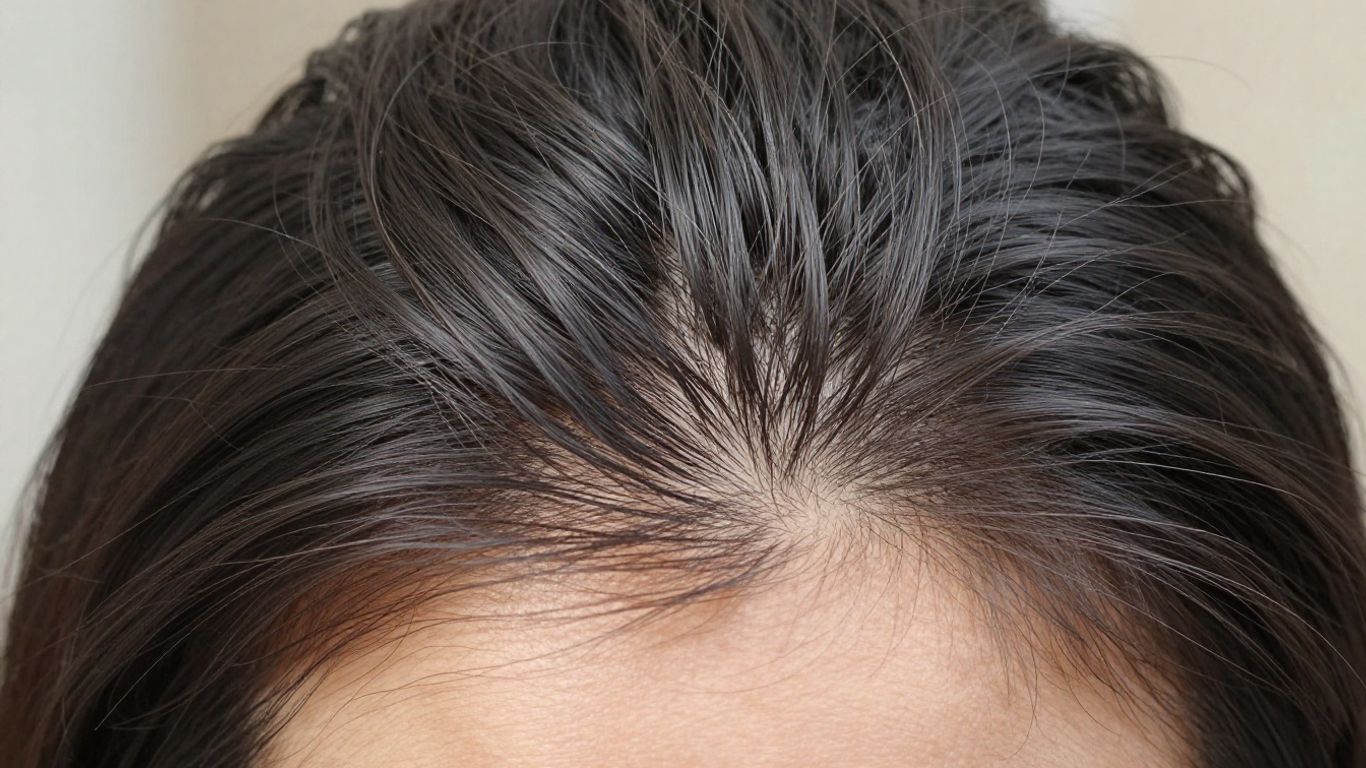
When you're looking into ways to get your hair back, it's easy to get overwhelmed by all the options. But PRP therapy really stands out because it's so straightforward. It uses your own body's natural healing power, which means the chances of having a bad reaction are super low. Think about it – no foreign substances, just your own platelets doing their thing. The process itself is pretty simple: a small amount of blood is drawn, processed to concentrate those helpful platelets, and then injected back into your scalp. It's not a surgery, so there's no cutting or major downtime. You can usually get back to your day right after a session. It’s a really gentle way to encourage your hair to grow back.
Harnessing Your Body's Healing Power
PRP therapy is all about working with your body, not against it. The magic is in the platelets from your blood. These little guys are packed with growth factors that signal your body to start repairing and regenerating. When we inject this concentrated platelet-rich plasma into your scalp, it's like giving your hair follicles a wake-up call. This can help wake up those dormant follicles that have stopped producing hair, and it also helps improve the blood flow to your scalp, which is super important for healthy hair growth. It’s a natural process that taps into your body’s own ability to heal and rebuild.
Long-Lasting and Sustainable Solutions
One of the best things about PRP for hair restoration is that it's not just a quick fix. The results tend to be quite sustainable. Because it's stimulating your natural hair growth cycle, you can see improvements that last. It’s not about creating something artificial; it’s about getting your hair back to its healthier, fuller state. Of course, consistency is key. You'll likely need a series of treatments to get the best results, and then maybe occasional touch-ups to maintain them. But the goal is to give you back your hair in a way that feels natural and lasts.
- Stimulates dormant follicles: Wakes up hair roots that have slowed down or stopped producing hair.
- Improves scalp circulation: More blood flow means more nutrients and oxygen reach your hair roots.
- Strengthens existing hair: Can make your current hair strands thicker and more resilient.
- Promotes new growth: Encourages the development of new, healthy hair.
The beauty of PRP lies in its simplicity and effectiveness. By using your own biological material, it offers a safe pathway to addressing hair thinning and loss, aiming for results that feel and look natural. It’s a treatment designed to work with your body’s inherent regenerative capabilities, providing a sustainable approach to achieving fuller hair over time.
Wrapping Up Your Hair Restoration Journey
So, we've talked a lot about how PRP can help with thinning hair. It's pretty neat how it uses your own body to get things going again. Remember, it's not an overnight fix, and sticking with the plan your doctor suggests is key. Think of it as a commitment to healthier hair over time. If you're tired of dealing with hair loss and want a more natural approach, PRP is definitely something to look into. Chat with a specialist to see if it's the right move for you. You might be surprised at the results you can achieve.
Frequently Asked Questions
What exactly is Platelet-Rich Plasma (PRP)?
Think of PRP as a special mix made from your own blood. When you get a little bit of blood taken, it's put into a machine that spins it around. This separates the blood into different parts, and we collect the part that has a lot of platelets. Platelets are tiny parts of your blood that have special stuff called growth factors, which help things heal and grow. So, PRP is basically your blood's natural healing power, concentrated and ready to help your hair.
How does PRP help my hair grow back?
PRP is like a super-food for your hair roots, called follicles. When we put the PRP onto your scalp, the growth factors in it tell your sleepy hair follicles to wake up and start growing again. It also helps make the hair that's already there stronger and thicker. It's like giving your scalp a boost to encourage more hair to grow naturally.
Is PRP treatment safe for my hair?
Yes, PRP is very safe! Because we use your own blood, your body already knows it and is less likely to have a bad reaction. It's a natural process that uses your body's own healing abilities. It's also not surgery, so there's usually no major pain or long recovery time.
What happens during a PRP hair treatment?
First, you'll chat with a doctor or nurse about your hair. Then, they'll take a small amount of blood from your arm, kind of like a regular blood test. This blood is then prepared to get the PRP. Finally, the PRP is carefully injected into the spots on your scalp where your hair is thinning or falling out. Sometimes, they might also use a tool that makes tiny little pricks in your skin to help the PRP soak in better.
How long does it take to see results from PRP?
You won't see a full head of hair overnight! Hair grows slowly. Most people start to notice changes, like less hair falling out or new, finer hairs appearing, after a few treatments. It usually takes several months of regular treatments to see thicker, fuller hair. It's important to be patient and stick with the plan your provider suggests.
Can I combine PRP with other hair treatments?
Many people find that combining PRP with other treatments can give even better results. This might include special shampoos, vitamins, or even other procedures like microneedling. Your doctor can help you figure out the best mix of treatments for your specific hair situation to get the most out of your hair restoration journey.


International Standards.
Brazilian Mastery.
Aesthetica Medical Travel Facilitators, LLC is an international care coordination company registered in Wyoming, United States. We provide services for the promotion and support of medical service providers, including physicians worldwide (“medical service providers”). These services are made available through Aesthetica’s website, and the same privacy terms also apply to the Aesthetica Advisor Program (the “application/platform”), created and operated by Aesthetica. Aesthetica is solely responsible for controlling and processing the information obtained via the platform or through other communications between users, businesses, hospitals, clinics, or third parties and members of the Aesthetica service team (the “Service Team”). Our services may include non-clinical care coordination for North American patients seeking elective procedures abroad, including provider matching, travel logistics, and administrative support throughout the care journey. Additional services or add-ons may be offered depending on the selected scope. Post-operative care is typically conducted in the destination country where the procedure is performed. Additional coordination or administrative support in the patient’s country of origin may be available separately, subject to scope and availability. Aesthetica may engage third-party service providers, partners, or affiliated entities to support its operations, including data processing and service delivery. Information may be shared with such parties solely as necessary to provide the services described. Our operations follow strict standards of transparency, privacy protection, and regulatory compliance. Testimonials reflect individual experiences and do not guarantee future results. By using Aesthetica’s services or platform, users acknowledge and agree to these terms and understand the limited, non-clinical role of Aesthetica in the care journey. For more information about our policies or compliance framework, please contact our support team.