
The International Patient's Guide to Hair Restoration in Brazil: Evaluating FUE Logistics, Costs, and Surgical Standards
The global landscape of medical tourism is expanding rapidly, with hair restoration emerging as a prominent category for cross-border care. For US and Canadian patients, the search for "hair transplan

The International Patient's Guide to Hair Restoration in Brazil: Evaluating FUE Logistics, Costs, and Surgical Standards
Direct Answer
For US and Canadian patients researching hair transplant options abroad, Brazil provides a highly regulated environment where strictly enforced medical laws require licensed physicians—not unlicensed technicians—to perform the surgical extraction and implantation of follicles. The dominant technique, Follicular Unit Extraction (FUE), typically ranges from $5,000 to $10,000 in Brazilian clinics, offering a cost-effective alternative to domestic healthcare pricing while maintaining rigorous standards for patient safety and clinical transparency. Coordinating this cross-border process through structured logistical frameworks ensures international patients can securely access and evaluate these established specialists.
Key Takeaways
- Physician-Mandated Surgery: According to the Conselho Federal de Medicina (CFM), the surgical phases of a hair transplant must be executed by a registered medical doctor, prohibiting the delegation of these critical steps to unlicensed personnel.
- Transparent Cost Structures: The cost of an FUE hair transplant in Brazil generally ranges from $5,000 to $10,000, presenting a substantial financial difference when compared to the $15,000 to $25,000 range commonly found in the United States and Canada.
- Stringent Clinical Oversight: The Agência Nacional de Vigilância Sanitária (ANVISA) actively regulates clinical environments, medical devices, and sterilization protocols, ensuring elevated standards of patient safety.
- Advanced Methodologies: Brazilian specialists frequently utilize FUE and Direct Hair Implantation (DHI) techniques, which minimize scarring and reduce recovery timelines for international patients.
- Logistical Complexity: Successful medical travel requires meticulous coordination, encompassing specialist selection, travel logistics, cross-border payment structures, and recovery planning.
- Verification Standards: Patients can verify a specialist's credentials, specifically their Registro de Qualificação de Especialista (RQE), through the CFM's public registry, establishing a verifiable baseline for clinical competency.
- Non-Clinical Coordination: Utilizing structured frameworks, such as the Aesthetica Access Network, allows patients to manage the complex logistics of international medical travel without compromising their ability to select their preferred physician.
> Medical Disclaimer: This article is editorial content and does not constitute medical advice. Always consult a qualified healthcare professional for medical guidance.
Introduction
The global landscape of medical tourism is expanding rapidly, with hair restoration emerging as a prominent category for cross-border care. For US and Canadian patients, the search for "hair transplant Brazil" often reflects a dual motivation: the pursuit of specialized expertise and the necessity for more accessible healthcare pricing. While the international marketplace presents numerous options, Brazil distinguishes itself through its rigorous regulatory framework, specifically the mandated involvement of licensed physicians in surgical procedures.
This explainer examines the structural, financial, and logistical components of seeking a hair transplant in Brazil. By deconstructing the clinical standards mandated by Brazilian regulatory bodies, analyzing the comparative cost models, and outlining the essential coordination steps, this guide provides international patients with the foundational knowledge required to navigate this complex decision-making process. Editorial analysis suggests that understanding the intersection of regulatory standards and logistical coordination is paramount for patients seeking secure and transparent medical travel experiences.
How It Works: The Medical Travel Process for Hair Restoration
The process of coordinating a hair transplant in Brazil involves a sequential progression from initial research to post-operative recovery, requiring deliberate planning and adherence to established frameworks.
- Initial Education and Credential Verification: The process begins with understanding the regulatory landscape. Patients must familiarize themselves with the Conselho Federal de Medicina (CFM) and its requirement for the Registro de Qualificação de Especialista (RQE). Utilizing the CFM's public registry allows patients to independently verify a doctor's specialization.
- Framework Integration and Specialist Selection: Rather than contacting clinics arbitrarily, patients often engage a non-clinical coordination platform, such as the Aesthetica Access framework. This stage involves an intake process to match the patient's specific goals with the appropriate clinical network, ensuring access to verified specialists.
- Cross-Border Consultation and Treatment Planning: Once connected with a specialist, patients participate in detailed, secure telehealth consultations. During these sessions, the physician evaluates the patient's donor area, discusses the proposed technique (e.g., FUE), and provides a customized surgical plan and cost estimate.
- Logistical Synchronization and Financial Structuring: Following clinical alignment, the coordination phase intensifies. This involves securing travel arrangements, booking specialized recovery accommodations, and navigating the complexities of international payments, ensuring compliance with Brazilian financial regulations regarding exchange rates and taxes.
- On-the-Ground Execution and Surgical Intervention: Upon arrival in Brazil, patients undergo pre-operative assessments and final in-person consultations. The surgical procedure is then performed by the selected physician within an ANVISA-compliant facility.
- Recovery Management and Continuity of Care: The immediate post-operative period requires strict adherence to the physician's recovery protocols, often managed within specialized recovery housing. Prior to departure, patients secure comprehensive medical records in English to facilitate ongoing care with their domestic physicians.
Key Considerations: Analyzing the FUE Framework in Brazil
The FUE Methodology: Clinical Execution and Recovery
Follicular Unit Extraction (FUE) is the predominant surgical technique for hair restoration in Brazil. Unlike older methods that involve removing a strip of scalp, FUE utilizes specialized micro-punches to extract individual follicular units directly from the donor area. This approach significantly minimizes linear scarring, making it an attractive option for patients who prefer shorter hairstyles. According to the International Society of Hair Restoration Surgery (ISHRS), FUE techniques demand meticulous precision and specialized instrumentation to ensure the viability of the extracted grafts. In Brazil, the integration of advanced technologies, such as motorized punches and sapphire blades for incision creation, further refines the process, potentially accelerating the recovery timeline and optimizing the aesthetic outcome.
The Financial Architecture: Understanding Hair Transplant Costs in Brazil
The financial disparity between North American and Brazilian healthcare systems is a primary driver for medical travel. The cost of an FUE hair transplant in Brazil typically ranges from $5,000 to $10,000. This estimate generally encompasses the surgical fee, anesthesia, facility costs, and initial post-operative medications. In contrast, similar procedures in the US and Canada can escalate to between $15,000 and $25,000. Editorial analysis indicates that this cost variation is not indicative of lower quality care but rather reflects systemic differences in healthcare economics, including operational overhead, malpractice insurance structures, and currency valuation. Patients must, however, factor in the ancillary costs of travel, accommodation, and coordination services when evaluating the total investment required for the procedure.
Regulatory Oversight and Patient Safety Standards
Brazil maintains a robust regulatory environment that significantly mitigates the risks associated with medical travel. The Agência Nacional de Vigilância Sanitária (ANVISA), the Brazilian equivalent to the FDA or Health Canada, imposes stringent standards on clinical facilities, medical equipment, and sterilization protocols. Furthermore, the Conselho Federal de Medicina (CFM) strictly regulates medical practice. The CFM explicitly mandates that the surgical phases of a hair transplant—specifically the extraction and implantation of follicles—must be performed by a licensed physician. This regulation directly combats the "black market" practices observed in other international destinations, where unlicensed technicians frequently perform critical surgical steps, posing severe risks to patient safety and surgical outcomes.
The Role of Non-Clinical Coordination
Navigating the logistical intricacies of international medical travel presents a significant challenge for individual patients. The coordination of cross-border care involves overcoming language barriers, understanding distinct medical terminology, and managing complex travel and recovery logistics. Platforms like Aesthetica Health provide essential non-clinical coordination, structuring the process through established frameworks. By facilitating the intake process, providing network access, and managing the logistical complexities of consultation scheduling and recovery planning, these services allow patients to focus entirely on their clinical evaluation and recovery, ensuring a more streamlined and secure medical travel experience.
Common Questions Regarding Hair Restoration in Brazil
International patients frequently express concerns regarding the logistical and clinical realities of undergoing a hair transplant in Brazil. A primary question involves the distinction between FUE and Direct Hair Implantation (DHI). While both utilize the FUE extraction method, DHI employs a specialized tool (the Choi implanter pen) to insert the follicle directly into the scalp without pre-made incisions. Both techniques are widely available among specialized practitioners in Brazil.
Another prevalent concern centers on the recovery timeline and travel logistics. Patients typically remain in Brazil for 7 to 10 days post-surgery to allow for initial healing and follow-up examinations before embarking on international flights. Managing expectations regarding "hair transplant before and after Brazil" results is also crucial; patients must understand that final aesthetic outcomes typically manifest 12 to 18 months post-procedure. Finally, questions regarding language barriers are common. While Portuguese is the primary language, the medical tourism infrastructure in major Brazilian hubs, combined with the support of coordination services, ensures that international patients have access to English-speaking clinical teams and comprehensive translation support throughout their journey.
FAQ
Q: Are the physicians performing hair transplants in Brazil board-certified?
A: Brazilian physicians hold a Registro de Qualificação de Especialista (RQE), which serves as the official certification of their specialty. The Conselho Federal de Medicina (CFM) maintains a public registry where international patients can verify a physician's RQE status and specialization.
Q: How does the Aesthetica Access Network assist with my hair transplant journey?
A: Aesthetica Health is a non-clinical platform that provides structured coordination. Through our Network Access or Concierge Access programs, we manage the logistical complexities—such as intake, specialist matching, and consultation scheduling—allowing patients to securely connect with verified physicians in Brazil. We do not provide medical advice or perform clinical assessments.
Q: Is it safe to travel shortly after an FUE procedure?
A: Physicians generally advise patients to remain in Brazil for an initial recovery period, typically ranging from 7 to 10 days. This allows for immediate post-operative monitoring and initial healing before enduring the physical demands and pressurized environment of international air travel.
Q: Why are hair transplant costs significantly lower in Brazil compared to the US?
A: The price variation—typically $5,000 to $10,000 in Brazil versus $15,000 to $25,000 in North America—is driven by macroeconomic factors, including differences in operational overhead, lower administrative costs within the Brazilian healthcare system, and favorable currency exchange rates, rather than a reduction in clinical standards or technological access.
Q: Can I review "before and after" photos of the specialist's previous work?
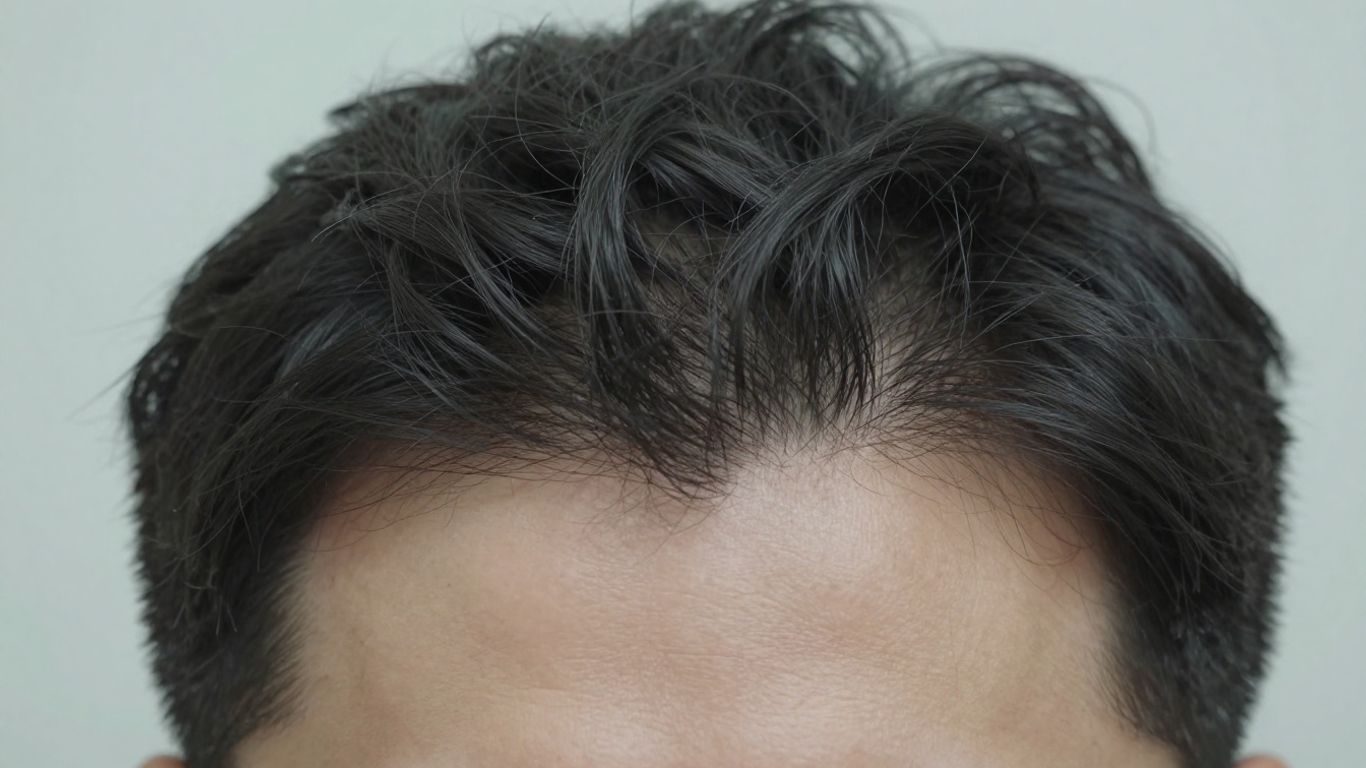
A: Yes, during the consultation phase, physicians typically present a portfolio of their previous surgical outcomes. However, it is essential to remember that individual results vary significantly based on the patient's unique anatomy, donor hair characteristics, and adherence to post-operative protocols.


American Standards.
Brazilian Mastery.
Aesthetica Medical Travel Facilitators, LLC is an international care coordination company registered in Wyoming, United States. We provide services for the promotion and support of medical service providers, including physicians worldwide (“medical service providers”). These services are made available through Aesthetica’s website, and the same privacy terms also apply to the Aesthetica Advisor Program (the “application/platform”), created and operated by Aesthetica. Aesthetica is solely responsible for controlling and processing the information obtained via the platform or through other communications between users, businesses, hospitals, clinics, or third parties and members of the Aesthetica service team (the “Service Team”). Our services may include non-clinical care coordination for North American patients seeking elective procedures abroad, including provider matching, travel logistics, and administrative support throughout the care journey. Additional services or add-ons may be offered depending on the selected scope. Post-operative care is typically conducted in the destination country where the procedure is performed. Additional coordination or administrative support in the patient’s country of origin may be available separately, subject to scope and availability. Aesthetica may engage third-party service providers, partners, or affiliated entities to support its operations, including data processing and service delivery. Information may be shared with such parties solely as necessary to provide the services described. Our operations follow strict standards of transparency, privacy protection, and regulatory compliance. Testimonials reflect individual experiences and do not guarantee future results. By using Aesthetica’s services or platform, users acknowledge and agree to these terms and understand the limited, non-clinical role of Aesthetica in the care journey. For more information about our policies or compliance framework, please contact our support team.