
Hair Plugs for Beard: The Ultimate Guide to Facial Hair Transplantation
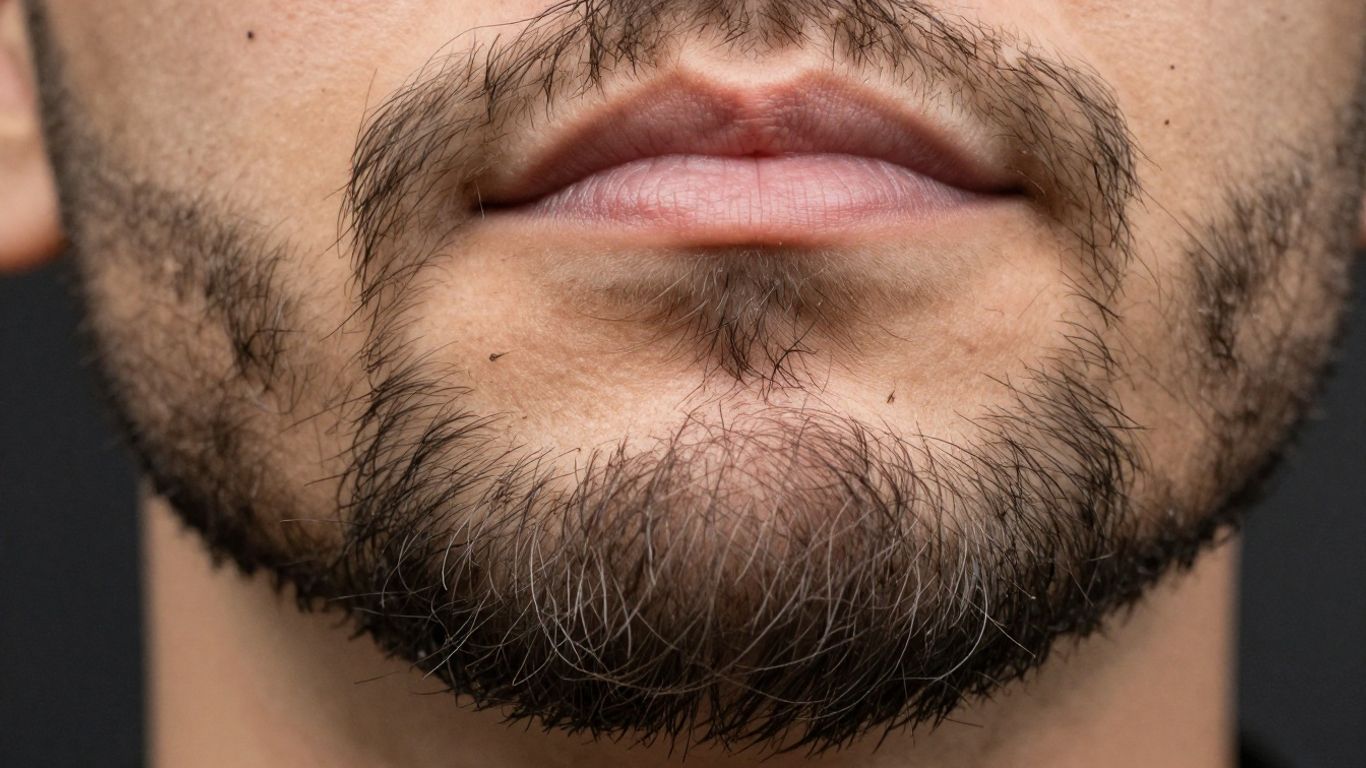
So, you're thinking about getting some hair plugs for your beard? It's a thing people do now, and honestly, it makes sense. Some guys just don't grow facial hair the way they want, whether it's patchy or just not thick enough. This whole beard transplant thing is basically taking hair from somewhere else on your head and putting it where you want it on your face. It sounds a bit wild, but it's becoming pretty common for guys who want a fuller beard. We're going to break down what it's all about, how it works, and what you can expect if you're considering it.
Key Takeaways
- Beard plugs, or beard transplants, involve moving hair follicles from your scalp to your face to create a fuller beard.
- The procedure typically uses FUE (Follicular Unit Extraction), which is minimally invasive and results in little scarring.
- Ideal candidates have sufficient donor hair, good health, and realistic expectations for their beard's appearance.
- Results are permanent, with new hair growing naturally, but it takes several months to see the full effect.
- Choosing an experienced clinic and following post-procedure care instructions are vital for successful outcomes.
Understanding Beard Plugs For Enhanced Facial Hair
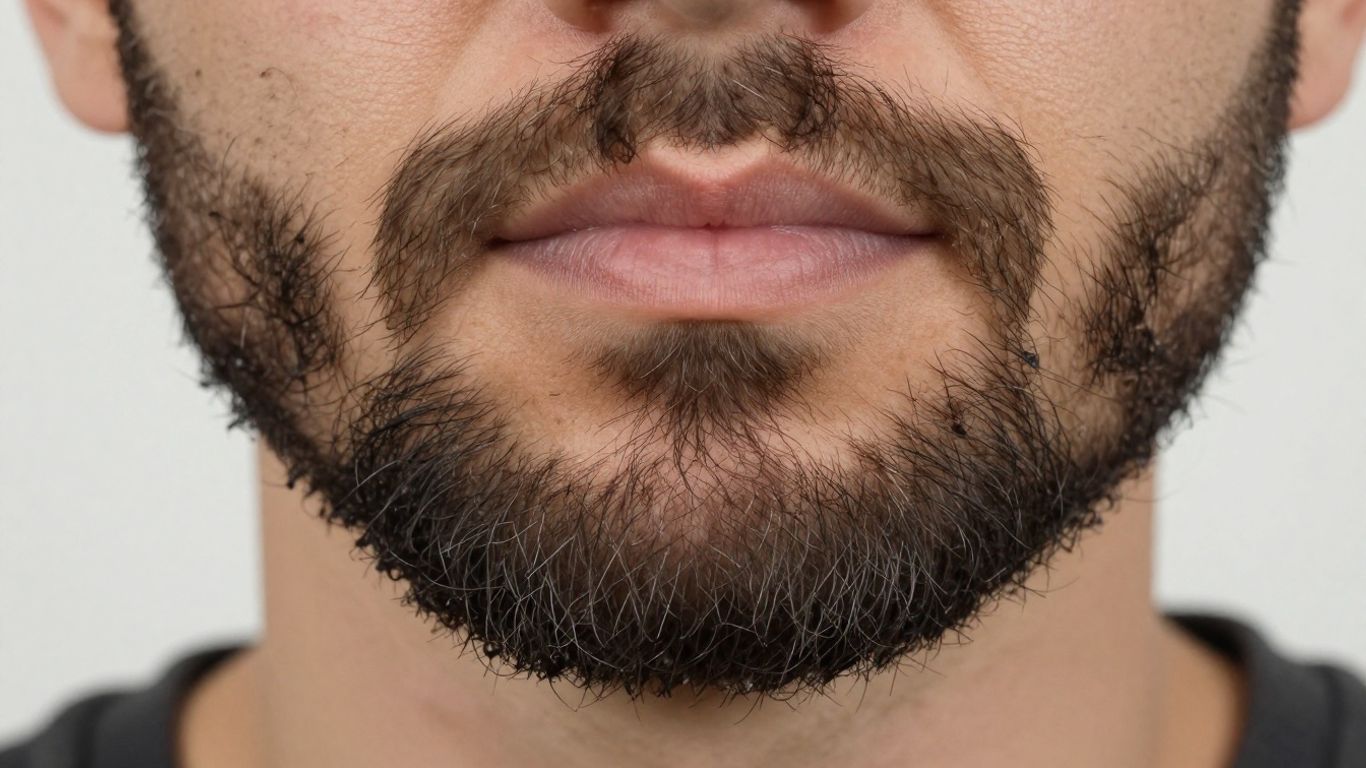
So, you're thinking about getting a beard transplant, sometimes called "beard plugs"? It's a pretty cool option for guys who want a fuller beard but don't quite have the genetics for it, or maybe have some patchy spots they want to fill in. Basically, it's a way to get the beard you've always wanted without waiting for nature to take its course, or dealing with a beard that just won't cooperate.
What Are Beard Plugs?
Beard plugs are really just a specialized type of hair transplant. The idea is simple: hair follicles are taken from a donor area, usually the back of your scalp where hair is typically thicker and less prone to thinning, and then carefully placed into your face where you want more beard growth. These transplanted follicles then start growing just like your natural beard hair. It's a permanent solution because the transplanted hair keeps its original characteristics. Think of it as borrowing hair from one spot to grow it in another, creating a more complete and natural-looking beard.
How Is The Procedure Performed?
The actual process is quite detailed and requires a steady hand. Here’s a general rundown:
- Consultation: First, you'll meet with the surgeon to talk about what you're looking for. They'll check out your current beard, your hair type, and where they can take donor hair from.
- Extraction: The surgeon then carefully removes individual hair follicles from the donor area. The most common method is called Follicular Unit Extraction (FUE), where each follicle is taken one by one. This is less invasive and usually results in minimal scarring.
- Implantation: Next, tiny incisions are made in your facial skin where the new beard hair will go. The surgeon then places each follicle into these tiny cuts, paying close attention to the angle and direction to make sure it looks natural, just like your existing beard hair.
- Healing: After the procedure, there's a healing period. You'll likely see some scabbing and redness, but this usually clears up within a week or so. The transplanted hair might even fall out initially, which is totally normal.
The goal is always to make it look as natural as possible. Surgeons spend a lot of time ensuring the angle and density match your existing facial hair, so no one can tell you've had anything done.
Benefits Of Beard Plugs
Why would someone go for this? Well, there are several good reasons:
- Fuller Beard: The most obvious benefit is achieving a denser, more complete beard, filling in those annoying gaps.
- Natural Look: Since it's your own hair, the result looks and feels completely natural. It grows, you can shave it, style it – just like regular beard hair.
- Permanent Results: The transplanted hair follicles are usually resistant to the balding genes that might affect scalp hair, meaning your new beard growth should be permanent.
- Boosted Confidence: For many, a fuller beard significantly improves their appearance and, consequently, their self-esteem. It's a way to take control of your look. You can read more about hair restoration procedures to get a better idea of the science behind it.
Hair Transplantation: Restoring Confidence And Appearance
Hair transplantation isn't just about regrowing hair; it's about rebuilding how you feel about yourself. For many, losing hair, whether on the scalp or struggling with a sparse beard, can really chip away at self-esteem. This is where hair transplantation steps in, offering a way to bring back a more youthful look and, frankly, a much-needed boost of confidence. It’s a procedure that has come a long way, and when done right, the results can look incredibly natural.
Types Of Hair Transplant Techniques
When you're looking into hair transplants, you'll hear about a couple of main methods. They both involve taking hair from one part of your body, usually the back of your head where hair is typically thicker and less prone to thinning, and moving it to where you need it.
- Follicular Unit Extraction (FUE): This is the more modern approach. Tiny individual hair follicles are carefully removed one by one from the donor area. The great thing about FUE is that it leaves very small, dot-like scars that are usually hard to spot, especially once your hair grows out a bit. It’s a bit more time-consuming per graft, but the recovery is often quicker and less noticeable.
- Follicular Unit Transplantation (FUT): This is the older method, sometimes called the strip method. A thin strip of skin with hair is removed from the donor area. Then, the technicians carefully dissect this strip under microscopes to separate the individual follicular units. The main difference here is the linear scar left behind, which can be more visible if you keep your hair very short. However, it can sometimes be a faster way to harvest a large number of grafts.
Who Is A Candidate For Hair Transplantation?
So, who is this procedure actually for? It’s not a one-size-fits-all solution. Generally, good candidates are people who:
- Have experienced hair loss that has stabilized. If your hair is still thinning rapidly, you might want to wait or discuss medication options first.
- Have a decent amount of healthy, growing hair in the donor area. This is where the new hair will come from, so you need enough to spare.
- Are in reasonably good health overall. Any surgery, even a minor one like this, requires your body to be able to heal properly.
- Have realistic ideas about what the transplant can achieve. It’s amazing, but it’s not magic. You won’t suddenly have a full head of hair if you were completely bald for years, but you can definitely get a significant improvement.
The goal of hair transplantation is to provide a lasting solution for hair loss, allowing individuals to feel more self-assured about their appearance. It's about restoring not just hair, but also a sense of normalcy and confidence that hair loss can take away. Restoring confidence is a major part of the outcome.
Benefits Of Hair Transplantation
Beyond just looking better, the benefits run deeper. For many, it's a life-changer.
- Permanent Hair Restoration: The hair moved from the donor site is usually genetically resistant to the kind of thinning that caused the original hair loss. This means the transplanted hair should stay put for good.
- Improved Appearance: Whether it's filling in a receding hairline or creating a fuller beard, the visual impact can be quite dramatic, making you look younger and more vibrant.
- Boosted Self-Esteem: This is probably the biggest win. When you feel good about how you look, it affects everything. Feeling more self-assured is a common and significant outcome for patients.
Comparing Beard Plugs And Scalp Hair Transplantation
Target Area and Donor Hair Source
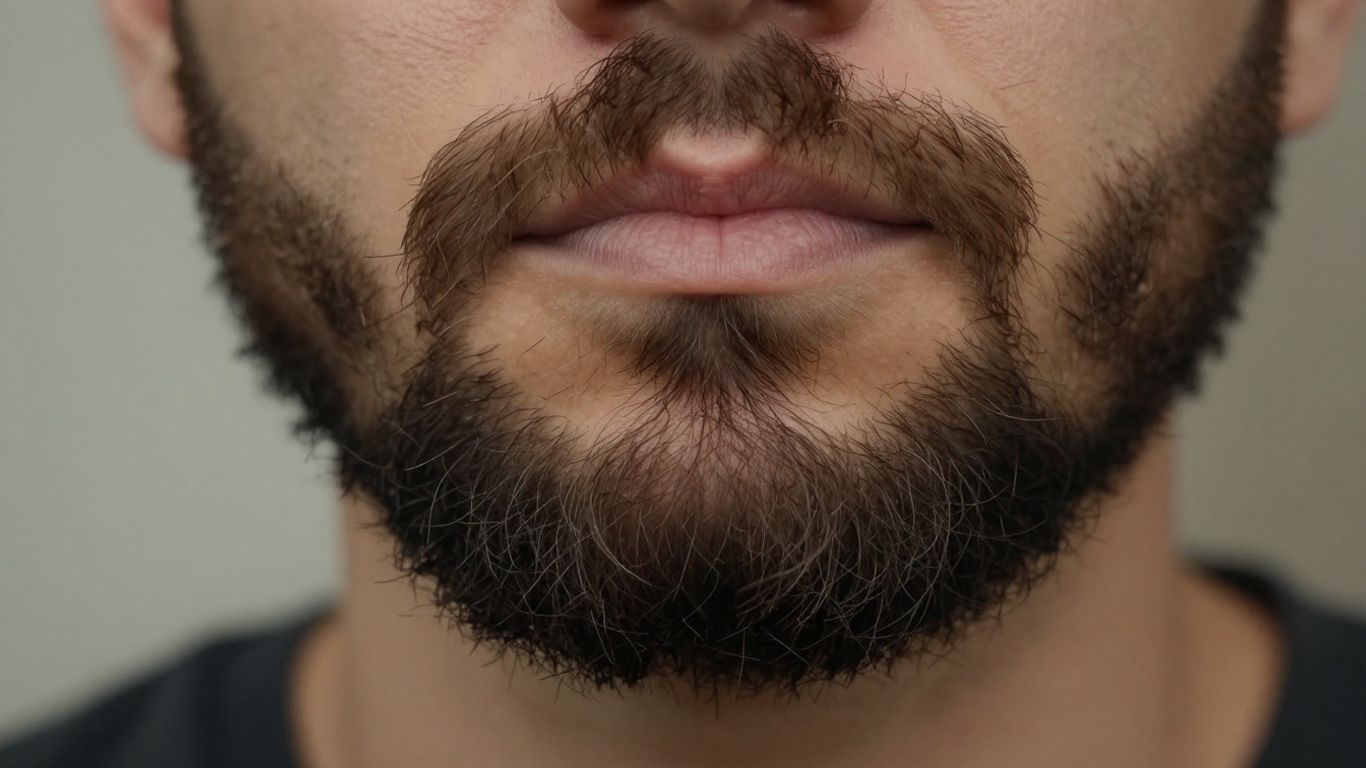
When we talk about beard plugs versus scalp hair transplants, the most obvious difference is where the hair is going and where it's coming from. For beard transplants, the goal is to fill in areas of the face – think your chin, cheeks, or mustache. The hair used for this usually comes from your scalp, typically from the back or sides where hair is often denser and less prone to thinning. This is because scalp hair has a similar texture and growth pattern to beard hair, making it a good match. On the other hand, a traditional scalp hair transplant is all about restoring hair on your head, usually for thinning areas or receding hairlines. The donor hair for this also comes from your scalp, but the focus is on areas that are genetically resistant to balding.
Procedure Complexity and Recovery Time
Both procedures use similar techniques, like FUE (Follicular Unit Extraction), but the complexity can vary. For a beard transplant, the surgeon needs to be extra careful about the angle and direction of each transplanted hair to make sure it grows out naturally, mimicking how real beard hair grows. It's a bit like artistic detail work. Scalp transplants also require precision, especially for creating a natural-looking hairline, but the facial hair growth angle is a unique challenge for beard work. Recovery times are generally pretty close. You might see some redness and scabbing in both cases for about a week or two. Most people can get back to their normal routines fairly quickly, though strenuous activity might need to be put on hold for a bit longer.
Result Visibility and Expectations
This is where patience really comes into play. For both beard and scalp transplants, you won't see the final results overnight. The transplanted hairs usually fall out within the first few weeks after the procedure. Don't panic! This is normal. New growth typically starts to appear around three to four months later. Full, mature results for both beard and scalp transplants can take anywhere from nine months to a full year to become apparent. It's important to have realistic expectations; it's a gradual process. While the transplanted hair is permanent, it takes time for it to grow in thick and look completely natural. You can eventually shave or style your transplanted beard just like your natural facial hair, and the same goes for your scalp hair.
It's worth noting that while beard hair can sometimes be used for scalp transplants in specific situations, it's not as common. The texture difference can be more noticeable on the scalp, so scalp hair is generally preferred for head restoration. Scalp hair offers natural integration and appearance for head transplants.
The Beard Hair Transplant Procedure Explained
So, you're thinking about getting a beard transplant, huh? It sounds pretty intense, but honestly, it's a lot like a regular hair transplant, just for your face. The main idea is to take hair from somewhere else on your body, usually your head, and put it where you want more beard growth. It’s a surgical thing, so there’s a bit of planning and a procedure involved, but people seem pretty happy with the results.
How Does Beard Hair Transplant Work?
Basically, the process involves harvesting healthy hair follicles from a donor area, most often the back or sides of your scalp. These follicles are then carefully implanted into the areas of your face where you want to increase beard density or fill in patches. The most common method used today is called Follicular Unit Extraction, or FUE. With FUE, individual follicles are plucked out one by one. This is pretty neat because it means the donor area heals up with just tiny dots that are hard to see. After they're harvested, these follicles are placed into tiny incisions made in your beard area. The surgeon has to be really precise here, making sure the angle and direction of the new hairs look totally natural, just like your original beard would grow. The transplanted hairs keep their original growth pattern, meaning you can shave and style them like normal.
Who Is an Ideal Candidate for Beard Hair Transplantation?
Not everyone is a perfect fit for this procedure, and that's okay. Generally, you're a good candidate if you have:
- Patchy or sparse beard growth that's bothering you, maybe due to genetics or even a scar.
- Enough healthy donor hair on your scalp. This is super important because they need hair to move around.
- Good overall health. You don't want any underlying conditions that could mess with healing.
- Realistic expectations. It's not magic, but it can make a big difference.
It's really about understanding what's possible and what you're hoping to achieve. A good surgeon will be upfront about this during your consultation.
The Procedure: Step-by-Step
Let's break down what actually happens:
- Consultation and Planning: First, you'll meet with the surgeon. They'll look at your face, check out your donor hair, and talk about the beard style you're going for. They'll figure out how many grafts you need and where they should go.
- Donor Hair Harvesting: Using the FUE method, the surgeon carefully removes individual hair follicles from your scalp. They're usually taken from the back or sides of your head because that hair tends to be more robust.
- Recipient Site Preparation: Tiny little cuts are made in your beard area. The placement, angle, and direction of these cuts are key to making the new beard look natural.
- Graft Implantation: This is where the magic happens. The harvested follicles are meticulously placed into those small incisions. The goal is to mimic how a natural beard grows, with hairs going in different directions and densities.
- Post-Procedure Care: After everything is done, you'll get specific instructions on how to take care of the area. This usually involves gentle cleaning and avoiding anything too strenuous for a bit. Following these steps is vital for successful implantation and healing.
It might sound like a lot, but the whole point is to give you a fuller, more natural-looking beard that you can be proud of. Remember, patience is key, and you'll want to follow all the post-procedure advice to get the best results. You can find more details about the expected timeline and risks in other sections.
Achieving Natural Results With Beard Hair Transplantation
So, you're thinking about getting a beard transplant, huh? It's a pretty big step, and naturally, you want it to look good. Nobody wants a patchy, weird-looking beard after going through all that. The good news is, with the right approach, you can get results that look totally natural.
Natural Appearance and Permanent Solution
One of the biggest draws of a beard transplant is that it's a permanent fix. Unlike temporary solutions, the hair follicles transplanted are yours, and they'll keep growing. The goal is for this new hair to blend in so well that nobody can tell it wasn't there all along. This means the transplanted hair will grow at the same rate and texture as your natural beard hair, requiring the same grooming routine. It’s not just about adding hair; it’s about making it look like it belongs there.
The key to a natural look lies in the meticulous placement of each graft. Surgeons pay close attention to the angle, direction, and density of the implanted hairs to mimic the patterns of natural beard growth. This detailed work is what makes the difference between a transplant that looks obviously done and one that appears completely authentic.
Customizable Styles and Boosted Confidence
This isn't a one-size-fits-all deal. A beard transplant lets you design the beard you've always wanted. Whether you're aiming for a full, rugged look, a neatly defined jawline, or just filling in those annoying sparse spots, the procedure can be tailored to your specific desires. This ability to customize can really make a difference in how you feel about your appearance. Many guys report a significant boost in their self-esteem after getting the beard they envisioned.
Here’s a quick look at what you can achieve:
- Fullness: Add density to patchy areas for a more complete look.
- Shape: Define or redefine your beard line, goatee, or mustache.
- Coverage: Conceal scars from acne, injury, or burns.
- Style: Achieve specific beard styles you couldn't before.
Minimal Scarring and Potential Risks
When it comes to scarring, especially with the FUE (Follicular Unit Extraction) method, it's usually very minimal. The tiny dots left behind are typically unnoticeable once the hair grows back. However, like any surgical procedure, there are risks. These can include infection, swelling, or temporary redness. Sometimes, the transplanted hair might shed initially, which is a normal part of the process before new growth starts. It's also possible, though rare, to experience some shock loss of existing hairs around the transplant site. Choosing a skilled surgeon and a reputable clinic is your best bet for minimizing these risks and ensuring a smooth recovery. You can find more information on the beard transplant procedure itself to understand the process better.
It's important to have realistic expectations. While the results are permanent, it takes time for the transplanted hair to grow in fully. You're looking at several months to see initial growth, and up to a year or more for the final, mature look. Patience is definitely a virtue here, but the end result is often well worth the wait, leading to a beard that looks and feels completely natural, just like the example of one year post-transplant results shows.
Recovery And Results Timeline For Beard Transplants
So, you've gone through the beard transplant procedure. Now what? It's all about patience and following the right steps to let those new hairs settle in. Think of it like planting a garden; you don't see a full bloom overnight, right?
The First Few Weeks Post-Procedure
Right after the surgery, things might look a little… rough. You'll likely see some redness, maybe a bit of swelling, and small scabs forming around where the new hairs were placed. This is totally normal and a sign that your body is healing. The initial 10 days are pretty important for graft security, so try not to mess with the area too much. Avoid strenuous activity, and definitely keep it clean according to your doctor's instructions. Gentle cleansing is key here; think mild soap and careful dabbing, not scrubbing.
New Hair Growth And Maturation
Around two to six weeks after your transplant, you'll probably notice the transplanted hairs start to fall out. Don't freak out! This is called shedding, and it's a completely natural part of the process. The follicles are essentially resetting themselves before they start growing new, permanent hair. Real growth usually begins to pop up around the three to four-month mark. At first, it might look a bit sparse, but give it time. The density will gradually increase over the next few months.
Patience For Full Results
This is where the virtue of patience really comes into play. While you'll see new growth starting around the 3-4 month mark, the beard will continue to thicken and mature. Most people start seeing significant improvements between 6 and 9 months. However, for the full, final look – that dense, natural-looking beard you've been dreaming of – it typically takes about 9 to 12 months, sometimes a bit longer. It's a marathon, not a sprint, but the results are permanent and worth the wait. Remember, the transplanted hair is your own, so it will grow and behave just like your natural facial hair. You can shave it, trim it, or style it however you like once it's fully established.
It's important to manage your expectations during the recovery period. The shedding phase can be discouraging, but it's a necessary step before new, robust growth emerges. Following your clinic's specific aftercare instructions is paramount for optimal healing and graft survival.
Here's a general idea of what to expect:
- Weeks 1-2: Initial healing, redness, scabbing, and potential shedding.
- Months 1-3: Continued shedding, followed by the first signs of new growth.
- Months 3-6: Noticeable increase in density and thickness.
- Months 6-12: Beard continues to mature, reaching its final, full appearance.
Choosing The Right Clinic For Your Beard Hair Transplant
So, you've decided a beard transplant is the way to go. Awesome! But before you book anything, let's talk about picking the right place. This isn't like picking a new pair of socks; it's a surgical procedure, and the clinic you choose makes a huge difference in how you'll look and feel afterward. Finding a clinic with surgeons who really know their stuff when it comes to facial hair is key.
Experience and Expertise of Surgeons
Think about it: transplanting hair onto your scalp is one thing, but creating a natural-looking beard is a whole different ballgame. You want a surgeon who understands the unique angles, densities, and growth patterns of facial hair. They need to have a good eye for aesthetics, not just technical skill. Ask about their specific experience with beard transplants. How many have they done? Do they have before-and-after photos of beard procedures, not just scalp ones? Some places might be great at head hair but less so with beards. It's worth looking into clinics that specialize in facial hair restoration, like Houston Hair Transplant.
Advanced Techniques and Technology
Technology in this field moves fast. You'll want a clinic that uses modern techniques, most likely Follicular Unit Extraction (FUE). This method is less invasive and generally leads to quicker healing and less noticeable scarring compared to older methods. Ask what technology they use and why they prefer it for beard transplants. A clinic that invests in the latest tools and training is usually a good sign they're serious about providing top-notch care.
Patient Reviews and Consultation Process
Don't just take the clinic's word for it. See what other people are saying. Look for reviews on independent websites, not just the ones on their own page. Pay attention to comments about the surgeon's skill, the staff's professionalism, and the overall patient experience. Also, the initial consultation is super important. A good clinic will spend a decent amount of time with you, discussing your goals, assessing your donor hair, explaining the procedure in detail, and answering all your questions honestly. They should also be upfront about potential risks and what kind of results you can realistically expect. If a consultation feels rushed or they're not clear about the details, that might be a red flag.
Choosing a clinic is a big decision. It's not just about the price tag; it's about the skill, the technology, and the overall care you'll receive. Taking the time to research and find the right fit will significantly impact your satisfaction with the final results.
Here's a quick rundown of what to look for:
- Surgeon's Specialization: Focus on facial hair restoration.
- Technique: Preference for FUE and modern equipment.
- Portfolio: Plenty of beard transplant before-and-after photos.
- Reviews: Check independent patient feedback.
- Consultation: Thorough, honest, and detailed discussion of your case.
Remember, you're investing in your appearance and confidence. While places like Turkey are known for hair transplants, finding a highly skilled surgeon locally or internationally who specializes in beard work is paramount.
Preparing For Your Beard Plug Or Hair Transplant
So, you've decided to go for it – a beard plug or a hair transplant. That's awesome! But before you get to the exciting part of seeing your new facial hair, there's a bit of prep work involved. Think of it like getting ready for a big trip; you wouldn't just hop on a plane without packing, right? This preparation phase is super important because it really helps make sure the procedure goes smoothly and you get the best results possible. It's all about setting the stage for success.
Lifestyle Adjustments Before Surgery
There are a few things you'll want to adjust in your daily life leading up to the procedure. For starters, try to cut back on smoking and drinking alcohol. Both can mess with your body's ability to heal properly and might even affect how well those new grafts take. Your surgeon will likely give you a specific timeline for this, but generally, it's good to stop a few weeks before and maybe a bit after.
- Smoking: Avoid it for at least two weeks prior to surgery. Nicotine can really constrict blood vessels, which isn't great for healing.
- Alcohol: Try to limit or avoid alcohol for about a week before and after the procedure. It can thin your blood, which might increase bleeding.
- Diet: While not always a strict rule, eating a balanced diet rich in vitamins and nutrients can support overall healing.
Medication and Hygiene Guidelines
This is where you really need to pay attention to what your doctor says. They'll give you a list of medications and supplements to avoid. Things like aspirin, ibuprofen, and certain herbal supplements can thin your blood, so you'll likely need to pause those for a while before your surgery. Always double-check with your clinic about this.
It's really important to be completely upfront with your surgeon about every single medication, supplement, or even herbal remedy you're taking. Don't assume anything is too minor to mention; they need the full picture to keep you safe.
When it comes to hygiene, keeping the areas that will be worked on – your face and your donor site (usually the back of your head) – clean is key. This helps reduce the risk of infection. Your clinic will probably recommend a specific gentle cleanser to use in the days leading up to your appointment. Just follow their instructions to the letter.
Planning For Post-Procedure Recovery
Recovery is a big part of the whole beard transplant journey. You'll want to have a plan in place for when you get home. This means thinking about:
- Time off work: Depending on how extensive the procedure is and your job, you might want to take a few days to a week off to rest and heal without worrying about looking your best immediately.
- Comfort: Make sure you have comfortable pillows, especially if you're a side sleeper, as you'll likely need to sleep on your back for a bit.
- Help: If you can, arrange for someone to help you out for the first day or two, especially if you're feeling a bit groggy from any medication.
Remember, taking care of yourself before the procedure is just as vital as the aftercare. It's all part of getting ready for that fuller beard you're aiming for. For more on how the procedure itself works, you can check out details on how beard hair transplant works.
Wrapping It Up
So, we've gone over a lot about getting a fuller beard with transplants. It's pretty cool how far this stuff has come, right? Whether you're dealing with a patchy beard or just want to change up your look, these procedures can really make a difference. Just remember to do your homework, find a good doctor you trust, and follow their advice after the procedure. It takes a little patience, but the results can be pretty awesome for your confidence and how you feel about yourself. It’s definitely an option worth considering if you’re looking for a more permanent change.
Frequently Asked Questions
What exactly are beard plugs?
Beard plugs, also known as beard transplants, are a way to get a fuller beard. It's like planting tiny hair seeds from another part of your body, usually your scalp, into your beard area where it's thin or missing. These hairs then grow like your natural beard.
How do doctors put the hairs in?
Doctors carefully take out individual hair roots from a donor spot, like the back of your head. Then, they make tiny little holes in your beard area and place these hair roots in, making sure they grow in the right direction to look natural.
Will my new beard look fake?
Not at all! When done by a skilled doctor, the new beard looks totally real. They pick hairs that match your natural beard color and thickness and place them at the same angle as your other beard hairs.
When will I see my new beard growing?
It takes some time. You might see some hairs fall out at first, which is normal. Real new growth usually starts to show up after about 3 to 4 months, and your beard will keep getting thicker and fuller for up to a year.
Can I shave or trim my transplanted beard?
Yes, you can! Once the hairs have grown in well, you can treat them just like your natural beard. You can shave them, trim them, or style them however you like.
Are there any risks involved?
Like any procedure, there can be small risks like a little swelling, redness, or maybe a minor infection, but these are rare. Choosing a good doctor and following their aftercare instructions helps a lot to keep things safe and ensure great results.


American Standards.
Brazilian Mastery.
Aesthetica Medical Travel Facilitators, LLC is an international care coordination company registered in Wyoming, United States. We provide services for the promotion and support of medical service providers, including physicians worldwide (“medical service providers”). These services are made available through Aesthetica’s website, and the same privacy terms also apply to the Aesthetica Advisor Program (the “application/platform”), created and operated by Aesthetica. Aesthetica is solely responsible for controlling and processing the information obtained via the platform or through other communications between users, businesses, hospitals, clinics, or third parties and members of the Aesthetica service team (the “Service Team”). Our services may include non-clinical care coordination for North American patients seeking elective procedures abroad, including provider matching, travel logistics, and administrative support throughout the care journey. Additional services or add-ons may be offered depending on the selected scope. Post-operative care is typically conducted in the destination country where the procedure is performed. Additional coordination or administrative support in the patient’s country of origin may be available separately, subject to scope and availability. Aesthetica may engage third-party service providers, partners, or affiliated entities to support its operations, including data processing and service delivery. Information may be shared with such parties solely as necessary to provide the services described. Our operations follow strict standards of transparency, privacy protection, and regulatory compliance. Testimonials reflect individual experiences and do not guarantee future results. By using Aesthetica’s services or platform, users acknowledge and agree to these terms and understand the limited, non-clinical role of Aesthetica in the care journey. For more information about our policies or compliance framework, please contact our support team.