
Finding the Best Forehead Reduction Surgeons: A Comprehensive Guide
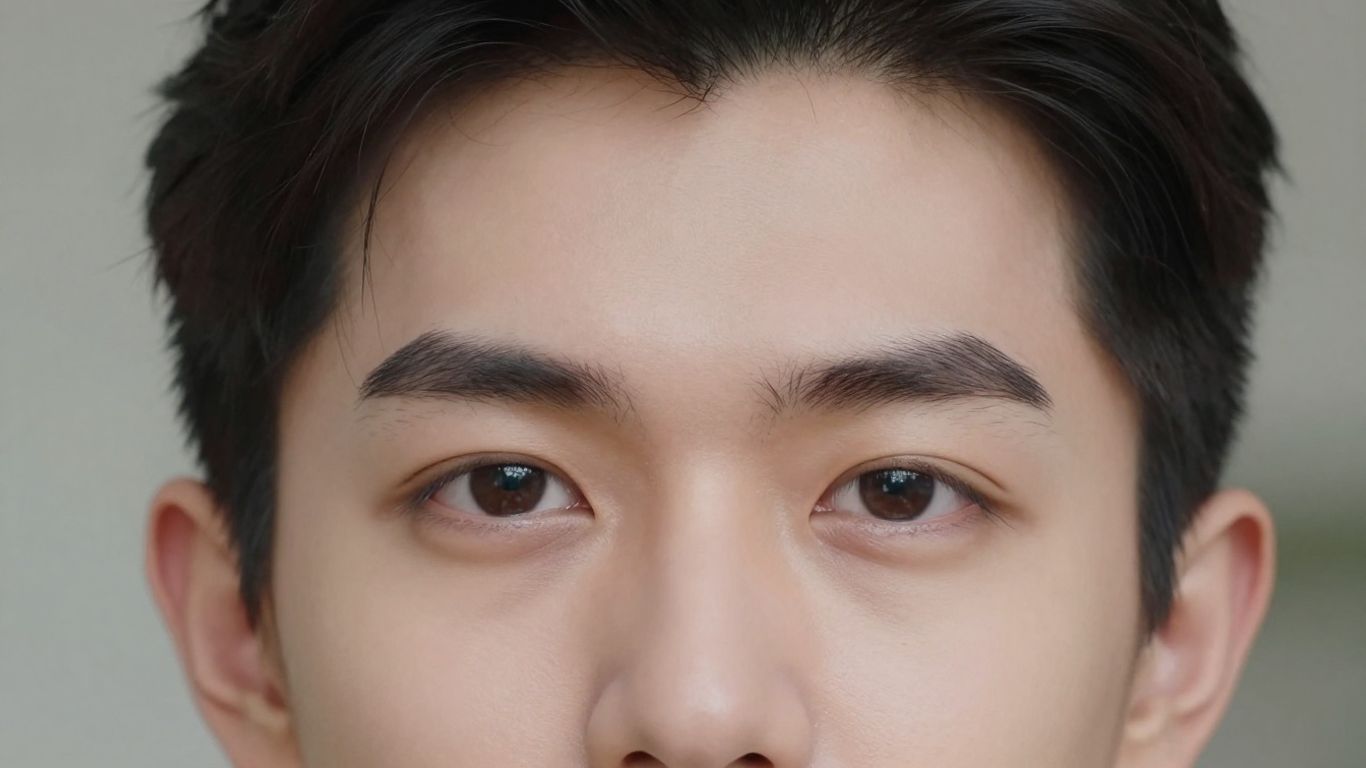
Thinking about forehead reduction surgery? It's a big decision, and finding the right surgeon is probably your top priority. This guide is here to help you sort through all the details, from what the surgery actually involves to how to pick the best forehead reduction surgeons for your needs. We'll cover what to look for, what to expect, and even some alternatives if surgery isn't quite what you had in mind. Let's get started on finding that balanced look you're after.
Key Takeaways
- When looking for forehead reduction surgeons, check their board certification and how much experience they have with this specific procedure. Don't just go for the cheapest option; skill and results matter most.
- Patient reviews and before-and-after photos are super important. They give you a real look at what a surgeon can do and how happy their past patients were.
- Forehead reduction surgery aims to lower your hairline, making your forehead look smaller and your face more balanced. The process involves an incision along the hairline and moving the scalp forward.
- Good candidates usually have a naturally high forehead, decent scalp flexibility, are in good health, and have realistic ideas about what surgery can achieve.
- Recovery takes a couple of weeks, with some restrictions on activities. Be sure to follow your surgeon's aftercare advice closely to minimize risks and get the best outcome.
Selecting Your Forehead Reduction Surgeon
Picking the right surgeon for forehead reduction surgery is a big deal, honestly. It’s not something you want to rush into. Think of it like choosing someone to build a house – you want someone skilled, experienced, and who really gets what you're going for. Your surgeon’s skill is what makes or breaks the results, so pay attention here.
Board Certification and Surgical Experience
First off, check if your surgeon is board-certified. This basically means they’ve met some pretty high standards in their field. It’s a good sign they know their stuff. Beyond that, look into how long they’ve been doing this specific procedure. Someone who’s performed many forehead reductions likely has a better handle on the little details and potential hiccups. It’s like anything else, really – practice makes perfect, or at least, much better.
- Verify Board Certification: Look for credentials from recognized medical boards.
- Assess Experience: Inquire about the number of forehead reduction surgeries they've performed.
- Review Training: Understand their specific training in cosmetic or reconstructive surgery.
Choosing a surgeon with a solid background in facial procedures is key. They should be able to explain the process clearly and show you they understand your goals.
Reviewing Patient Testimonials and Before-and-After Photos
Don't just take the surgeon's word for it. See what their past patients have to say. Online reviews and testimonials can give you a real peek into how patients felt about their experience, from the initial consultation to the final results. And, of course, the before-and-after photos are super important. They’re the visual proof of the surgeon’s work. Look for results that seem natural and align with what you hope to achieve. If you’re looking for examples of what’s possible, checking out forehead reduction surgery results can be helpful.
Prioritizing Skill Over Cost
It’s tempting to go for the cheapest option, but with surgery, that’s usually not the best idea. Think about the long-term outcome. A slightly higher cost upfront for a skilled surgeon can save you a lot of trouble, and potentially money, down the road if you need revisions or aren’t happy with the results. Your face is important, so investing in quality care makes sense. The goal is a balanced, natural look, and that comes from a surgeon who knows what they’re doing, not just one who offers a discount.
Understanding the Forehead Reduction Procedure
So, you're thinking about forehead reduction surgery. It's a pretty straightforward idea, really: the main goal is to make your forehead look smaller by bringing your hairline down. People often feel like a high forehead throws off their whole face's balance, and this surgery aims to fix that. It's not just about making the forehead smaller, though; it's about creating a more harmonious look overall. This procedure is designed to create a more balanced facial appearance.
Goals of Forehead Reduction Surgery
What exactly are we trying to achieve with this surgery? Well, the big one is lowering that hairline. Think of it like this: if your forehead is too tall, bringing the hair down visually shrinks it. This can really change how your whole face looks, making it seem more proportional. It's also about achieving a more balanced look between your forehead, eyes, and chin. Some people also find that the tightening of the skin during the procedure helps smooth out some of those little lines and wrinkles on the forehead, giving a more refreshed appearance. Ultimately, it's about feeling better about your reflection.
The Surgical Process and Incision Placement
Let's break down how it actually happens. The surgeon makes a cut, usually right along where your hair meets your forehead. This is key because it helps hide the scar later on. They'll remove a bit of skin from the forehead area – this is what actually lowers the hairline. Then, they pull the scalp forward to meet the new hairline position. Finally, they stitch everything up. The exact way the incision is made and how much skin is removed depends on how much you want your hairline lowered and what looks best for your face. It's a pretty precise process.
Here's a simplified look at the steps:
- Incision: A cut is made along the natural hairline.
- Skin Removal: A strip of forehead skin is removed.
- Scalp Advancement: The scalp is pulled forward to create a lower hairline.
- Closure: The incision is closed with stitches or staples.
Areas Targeted for Enhancement
The primary focus is definitely the hairline itself. By moving it down, the visible forehead area is reduced. But it's not just that. Removing that strip of skin can also lead to tighter, smoother skin across the forehead. For some, this means fewer visible wrinkles. The whole idea is to improve the overall look of the upper part of your face and make it fit better with the rest of your features. It's about creating a more balanced and pleasing facial structure. You can find more details about forehead reduction surgery if you're curious.
It's important to remember that while this surgery can make a big difference in how your forehead looks, it's not going to change your eyes or nose. The goal is to improve facial harmony by adjusting the proportions of the forehead and hairline.
Evaluating Ideal Candidates for Surgery
So, who's actually a good fit for forehead reduction surgery? It's not a one-size-fits-all deal, you know. While many people might be curious about it, there are specific things that make someone a better candidate for getting those desired results. It really comes down to a few key factors that the surgeon will look at.
Genetic Predisposition to a High Forehead
First off, we're talking about people who naturally have a higher forehead. This isn't about hair loss making your forehead look bigger; it's about the actual bone structure and hairline placement from birth. If your forehead is just genetically proportioned that way, you're likely a stronger candidate. It means the surgery is addressing the core issue you're concerned about.
Scalp Elasticity and Overall Health
Next up is scalp elasticity. Think of it like a rubber band – how much can it stretch and then snap back? A more elastic scalp allows the surgeon to bring the hairline down more effectively without too much tension. This is super important for both the surgical outcome and healing. Also, your general health matters a lot. Are you dealing with any chronic stuff like uncontrolled diabetes or heart issues? These can really complicate surgery and recovery, so being in good health is a big plus.
Realistic Expectations and Surgical Goals
This one's a biggie. You've got to go into this with your eyes wide open. What do you realistically hope to achieve? Forehead reduction is about improving facial balance and proportions, not about creating a completely different face. If you understand what the surgery can and can't do, and you're happy with the potential improvements, that's a great sign. It’s about enhancing what you have, not a magic wand.
Here's a quick rundown of who generally makes a good candidate:
- Naturally High Forehead: Your forehead is large due to genetics, not hair loss.
- Good Scalp Mobility: Your scalp has enough flexibility to be moved downward.
- Overall Good Health: No serious medical conditions that would interfere with surgery or healing.
- Clear Goals: You understand the procedure and have realistic expectations for the outcome.
It's really about finding that sweet spot where your physical attributes align with what the surgery can safely and effectively provide, all while you have a clear picture of the results. This alignment is key to a satisfying experience and outcome.
Navigating the Recovery and Aftercare
So, you've had the surgery – that's a big step! Now comes the part where you let your body do its thing and heal up. It's not exactly glamorous, but it's super important for getting the best results. Think of it like letting a cut heal properly; you wouldn't pick at it, right? Same idea here.
Immediate Post-Operative Stages
Right after surgery, you'll likely feel pretty groggy and maybe a bit sore. Your head will probably be wrapped up, and that's totally normal. The first 24 to 48 hours are all about resting. Seriously, just chill. Try to keep your head elevated, even when you're sleeping, to help with swelling. You might be prescribed some pain meds, so take those as directed. Also, don't be surprised if there's some swelling and bruising – it's just your body's reaction to the procedure.
The First Few Weeks of Healing
Over the next week or two, things start to settle down. The swelling should begin to decrease, and any discomfort should become more manageable. Your surgeon will likely want to see you to check on your progress and possibly remove any stitches or staples. This is also when you'll start to notice the initial changes, though things will still look a bit puffy.
- Keep the incision clean: Follow your surgeon's specific instructions for cleaning the surgical site. This is key to preventing infection.
- Manage swelling: Continue to keep your head elevated when resting and avoid activities that could increase blood flow to your head.
- Medication: Take any prescribed pain relievers or antibiotics exactly as directed.
- Gentle care: Be very careful when washing your hair and avoid any harsh products or vigorous scrubbing.
It's really important to resist the urge to touch or pick at the incision area. Let it heal on its own. Your surgeon has a plan for how it should heal, and interfering can cause problems.
Activity Restrictions and Follow-Up Appointments
This is where patience really comes into play. You'll need to hold off on strenuous activities for a good while. We're talking about avoiding heavy lifting, intense workouts, and even bending over too much for about 4 to 6 weeks. This is to prevent putting too much strain on the healing incision and to avoid increasing swelling. Your follow-up appointments are non-negotiable. They're scheduled to make sure everything is healing correctly and to catch any potential issues early. Missing these could mean missing important signs of trouble. You can usually get back to most normal daily activities within a week or two, but the more demanding stuff needs to wait. Remember, healing takes time, and rushing it can set you back. Your surgeon will give you the green light when it's safe to gradually reintroduce more strenuous activities.
Considering the Financial Aspects
Okay, let's talk about the money side of things. Forehead reduction surgery isn't exactly pocket change, and understanding the costs involved is a big part of making sure it's the right move for you. It’s not just about the surgeon’s fee, though that’s a big chunk. There are other bits and pieces that add up, and it’s good to know what you’re getting into before you commit.
Understanding the Cost Breakdown
When you get a quote for forehead reduction, it usually includes a few different things. The surgeon's fee is the main one, covering their time, skill, and the actual procedure. Then there's the facility fee, which is for the operating room, the staff, and any equipment used. If you're having anesthesia, that's another cost, and it depends on the type and how long you're under. Don't forget about things like pre-op tests, any medications you'll need afterward, and maybe even special garments. It’s worth asking for a detailed breakdown so you know exactly where your money is going.
Factors Influencing Surgical Fees
So, why do prices vary so much? Well, a few things play a role. The surgeon's experience and reputation are huge. A doctor who's been doing this for years and has a great track record might charge more. The complexity of your specific case matters too; if you need a more involved procedure, it'll cost more. The type of facility where the surgery is done can also affect the price – a fancy private surgical center might cost more than a hospital operating room. And, of course, where you live can make a difference, as costs tend to be higher in major cities.
Discussing the Full Financial Commitment
It's really important to have an open conversation with your surgeon's office about the total financial commitment. Ask about payment plans or financing options if you need them. Sometimes, clinics work with third-party financing companies that can help spread the cost over time. Also, clarify what happens if you need a follow-up appointment that isn't part of the standard package or if, by some rare chance, you need a revision. Getting all these details ironed out upfront can save you a lot of stress down the line and help you budget properly for your procedure.
When you're looking at the numbers, remember that this is an investment in yourself. While it's smart to be budget-conscious, the cheapest option isn't always the best. Think about the long-term results and your overall satisfaction. Finding a surgeon you trust and feel comfortable with, even if they aren't the absolute cheapest, is often the wisest choice for a procedure like this.
Here’s a general idea of what you might expect, though remember these are just estimates:
- Forehead Reduction Surgery: Typically ranges from $5,000 to $15,000 or more.
- Anesthesia Fees: Can add $500 to $2,000, depending on the type and duration.
- Facility Fees: Often between $1,000 and $3,000.
- Pre- and Post-Operative Care: This can include consultations, tests, and medications, potentially adding a few hundred dollars.
Exploring Alternatives to Forehead Reduction
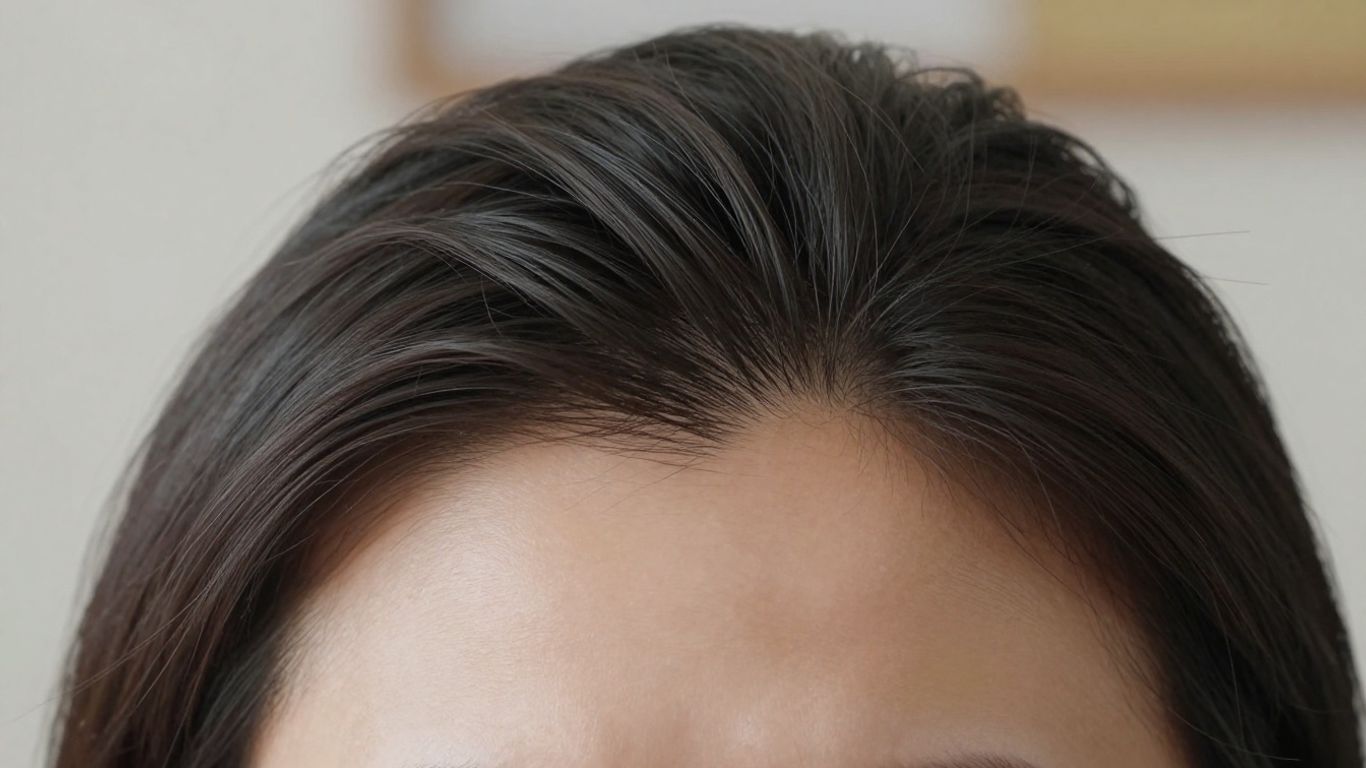
While forehead reduction surgery is a direct way to address a high forehead, it's not the only option out there. Sometimes, you might be looking for something less involved, or maybe a different approach altogether. Luckily, there are a few other paths you can explore to achieve a more balanced look.
Hair Transplantation Techniques
If you're concerned about a receding hairline or a naturally high forehead, hair transplantation can be a really effective solution. This procedure involves taking hair follicles from one part of your scalp, usually an area with thicker hair, and transplanting them to your hairline. It's a great way to lower your hairline and create a more proportionate forehead appearance. The results can look very natural, especially with modern techniques.
- Follicular Unit Transplantation (FUT): This method involves removing a strip of scalp and then dissecting out individual follicular units to transplant.
- Follicular Unit Extraction (FUE): Here, individual follicular units are extracted directly from the donor area and then implanted into the hairline.
- Direct Hair Implantation (DHI): A variation of FUE where the grafts are implanted directly into the scalp using a special tool, minimizing handling.
The goal is to create a natural-looking hairline that frames the face better.
Non-Surgical Illusion Methods
For those who prefer to avoid surgery altogether, there are ways to create the illusion of a smaller forehead. These methods are generally less permanent but can offer immediate, albeit temporary, changes.
- Cosmetic Fillers: Injectable fillers can be strategically placed along the hairline or brow bone to add subtle volume and alter the perceived proportions of the forehead.
- Botulinum Toxin (Botox): While not directly reducing the forehead, Botox can be used to relax certain muscles in the brow area, which can subtly lift the brows and make the forehead appear less prominent.
- Strategic Makeup: Using contouring and highlighting techniques can create shadows and light to visually alter the size and shape of the forehead.
These non-surgical options are often best for minor adjustments or for individuals who want to test out a different look before committing to something more permanent. They require ongoing treatments to maintain results.
Complementary Cosmetic Treatments
Sometimes, the best approach isn't just one thing, but a combination. Other cosmetic treatments can work alongside or as alternatives to directly altering the forehead size.
- Brow Lift: A brow lift procedure can reposition the eyebrows, which can visually shorten the appearance of the forehead. This can be done surgically or non-surgically.
- Scalp Micropigmentation (SMP): This is a cosmetic tattooing technique that can create the appearance of a fuller hairline or even a lower hairline by depositing pigment into the scalp. It's a good option for those with thinning hair or who want to define their hairline.
- Hairstyling: Simply choosing the right hairstyle can make a big difference. Bangs, side-swept styles, or even certain layered cuts can help camouflage a larger forehead and create a more balanced facial appearance.
Assessing Potential Risks and Complications
Okay, so we've talked about how great forehead reduction can be, but like any surgery, it's not all sunshine and rainbows. It's super important to go into this with your eyes wide open about what could potentially go wrong. Most of the time, things go smoothly, but knowing the possibilities helps you and your doctor be prepared.
Common Surgical Risks
There are a few things that can pop up after the surgery. These are generally manageable, but worth being aware of:
- Infection: This is a risk with any cut into the body. Keeping the area clean and following your doctor's instructions is key to preventing this.
- Scarring: You'll have a scar where the incision is made, usually right along your hairline. While surgeons try to hide it with your hair, some scarring is inevitable. It usually fades a lot over time, but it's still a scar.
- Temporary Numbness: You might feel some numbness or tingling in your forehead or scalp for a while. This usually gets better on its own, but it can take months.
- Hair Loss: Sometimes, hair can fall out along the incision line. Often, it grows back, but not always. This is something to discuss with your surgeon.
- Asymmetry: It's possible the hairline might not look perfectly even on both sides. While surgeons aim for symmetry, sometimes a little adjustment might be needed later.
Minimizing Risks Through Preparation
So, how do you lower the chances of these things happening? A lot of it comes down to picking the right person for the job and being a good patient.
- Choose Wisely: This is probably the biggest factor. Make sure your surgeon is board-certified and has tons of experience specifically with forehead reduction. Look at their before-and-after pictures and see what other patients say. A skilled surgeon is your best defense against complications.
- Be Honest About Your Health: Tell your doctor everything – all your medical conditions, any medications you're on, and if you smoke. Smoking, for example, can really mess with healing. You might need to quit for a bit before and after surgery.
- Follow Instructions: Seriously, do what they tell you. This includes how to care for the incision, what medications to take, and when you can get back to normal activities. Don't push it too soon.
It's really about a partnership between you and your surgeon. They bring the skill, and you bring the commitment to following the plan. This teamwork is what helps make the surgery as safe and successful as possible.
Understanding Individual Variability
Everyone heals differently, and that's just a fact of life. What happens with one person might not happen with another. Some people bounce back super quickly with hardly any issues, while others might take a bit longer or experience something unexpected. Factors like your age, your general health, and even your skin type can play a role in how you recover and what results you see. It's also important to remember that while the goal is a lower hairline, the exact outcome can vary. Discussing these possibilities openly with your surgeon before the procedure is the best way to set realistic expectations and feel prepared for your specific journey. If you're considering options, looking into hair transplantation techniques might also be helpful to understand the landscape of hairline procedures.
Wrapping Things Up
So, you've learned a lot about forehead reduction surgery. It's a big step, for sure, and finding the right surgeon is key. Remember to check their credentials, look at before-and-after pictures, and read what other patients say. Understanding the whole process, from what happens during surgery to how long recovery takes, is also super important. Don't rush into anything, and make sure you feel comfortable with your surgeon and their team. Ultimately, this procedure can really help you feel better about your appearance and boost your confidence. Take your time, do your homework, and you'll be well on your way to achieving the results you're looking for.
Frequently Asked Questions
What is the main goal of forehead reduction surgery?
The main goal is to make your forehead look smaller by moving your hairline down. This helps your face look more balanced and can make you feel more confident.
Is forehead reduction surgery safe?
Yes, it's generally safe. Like any surgery, there can be some risks like temporary swelling, bruising, or a small scar. Your doctor will discuss these with you.
How do I pick the best surgeon for this operation?
Look for a surgeon who is certified, has lots of experience with this specific surgery, and check reviews and before-and-after pictures from other patients. It's important to feel comfortable with them.
What happens during the surgery?
The surgeon makes a cut along your hairline, removes some skin from your forehead, and pulls your scalp down to create a new, lower hairline. Then, they close the cut.
What should I expect after the surgery?
You'll likely have some swelling and maybe a little discomfort for a week or two. You'll need to rest and follow your doctor's instructions for healing. Most people can go back to normal activities after a couple of weeks.
Are there other ways to make my forehead look smaller besides surgery?
Yes, you can try things like certain hairstyles that create the illusion of a lower hairline, or some people consider hair transplants. You can talk to your doctor about these options.



International Standards.
Brazilian Mastery.
Aesthetica Medical Travel Facilitators, LLC is an international care coordination company registered in Wyoming, United States. We provide services for the promotion and support of medical service providers, including physicians worldwide (“medical service providers”). These services are made available through Aesthetica’s website, and the same privacy terms also apply to the Aesthetica Advisor Program (the “application/platform”), created and operated by Aesthetica. Aesthetica is solely responsible for controlling and processing the information obtained via the platform or through other communications between users, businesses, hospitals, clinics, or third parties and members of the Aesthetica service team (the “Service Team”). Our services may include non-clinical care coordination for North American patients seeking elective procedures abroad, including provider matching, travel logistics, and administrative support throughout the care journey. Additional services or add-ons may be offered depending on the selected scope. Post-operative care is typically conducted in the destination country where the procedure is performed. Additional coordination or administrative support in the patient’s country of origin may be available separately, subject to scope and availability. Aesthetica may engage third-party service providers, partners, or affiliated entities to support its operations, including data processing and service delivery. Information may be shared with such parties solely as necessary to provide the services described. Our operations follow strict standards of transparency, privacy protection, and regulatory compliance. Testimonials reflect individual experiences and do not guarantee future results. By using Aesthetica’s services or platform, users acknowledge and agree to these terms and understand the limited, non-clinical role of Aesthetica in the care journey. For more information about our policies or compliance framework, please contact our support team.