
Finding Inexpensive Dental Implants in NYC: Your Guide to Affordable Options

Finding affordable dental implants in NYC can feel like a treasure hunt. Prices can really jump around depending on where you go and what exactly you need done. This guide is here to help you sort through the options, so you can get that smile you want without emptying your wallet. We'll break down the costs and point you toward some smart ways to save on inexpensive dental implants NYC.
Key Takeaways
- Dental schools offer a way to get implants at a lower cost, with students working under experienced faculty.
- Looking at dental practices in areas outside of prime Manhattan locations can often lead to significant savings.
- Using Health Savings Accounts (HSAs) or Flexible Spending Accounts (FSAs) can reduce the overall out-of-pocket cost for implants.
- Always compare written quotes from different providers to understand exactly what's included and avoid hidden fees.
- While cost is important, don't forget to consider the quality of materials and the dentist's experience for long-term value.
Understanding The Cost Of Inexpensive Dental Implants NYC

So, you're looking into dental implants in New York City and wondering about the price tag. It's a big question, and honestly, the numbers you hear can be all over the place. That's totally normal. Let's break down what goes into the cost so you're not left guessing.
Breaking Down The Components Of A Dental Implant
A dental implant isn't just one thing; it's usually a three-part system. Think of it like building a house – you need a foundation, a support structure, and the finished room.
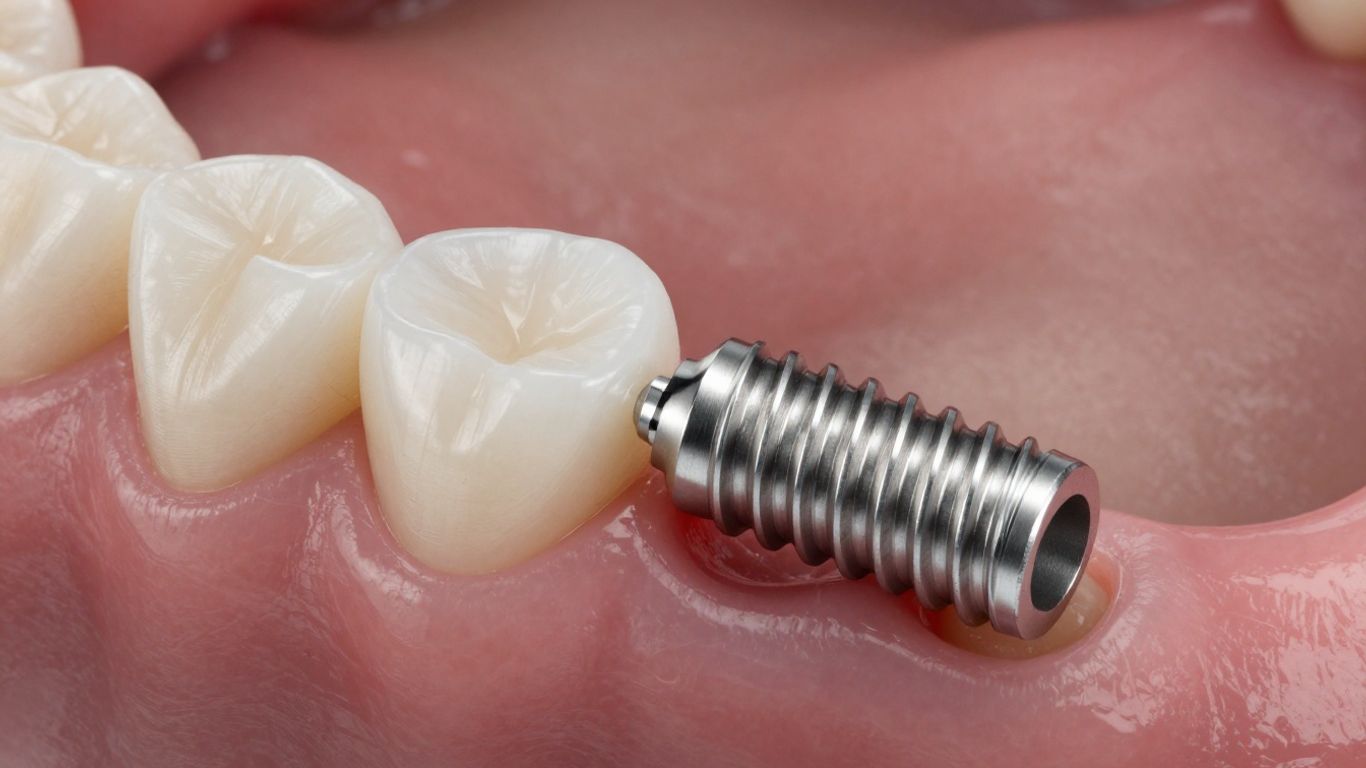
- The Implant Post: This is the part that gets surgically placed into your jawbone. It's typically made of titanium, which is great because your bone can actually fuse with it over time. This is the foundation.
- The Abutment: This is a small connector piece that screws onto the implant post. It sticks out just above the gum line and acts as a base for the new tooth.
- The Crown: This is the visible part, the actual artificial tooth that looks and functions like your natural one. It's custom-made to match your other teeth.
Each of these parts has its own cost, and they all add up to the final price you see. Sometimes, you might also need extra procedures like bone grafting if your jawbone isn't strong enough, which adds to the total.
Factors Influencing Dental Implant Pricing In NYC
Why do prices vary so much, especially in a city like New York? A few things play a big role:
- Location within NYC: Practices in prime Manhattan locations often have higher overhead costs (think rent!) compared to those in outer boroughs. This difference can be significant, sometimes 15-25 percent more.
- Dentist's Experience and Specialization: Highly experienced specialists, like oral surgeons or periodontists who have completed years of extra training, often charge more. Their extensive experience in placing thousands of implants is a major factor.
- Materials Used: The quality of the titanium for the implant post, the materials for the abutment, and especially the crown (like porcelain or zirconia) can affect the price. High-quality materials usually mean better durability and a more natural look.
- Technology and Equipment: Advanced dental practices invest in top-notch technology like 3D scanners and digital X-rays. While these tools make the process safer and more accurate, they also contribute to the overall cost.
Navigating Advertised Prices For Dental Implants
It can be tricky when you see ads for dental implants. Some prices might seem low, but they might not include everything. It's important to understand what's actually covered.
Always ask for a detailed breakdown of the costs. Make sure you know if the price includes the implant post, abutment, crown, and any necessary surgical procedures. Don't be afraid to get quotes from a few different places to compare.
Here's a general idea of what a single implant might cost in NYC:
Remember, these are just estimates. The actual cost for a single tooth implant in NYC can range from $3,500 to $6,000 or more, depending on all the factors we've discussed. For full-arch restorations, the costs are considerably higher, often ranging from $15,000 to $31,000 per arch, and can go up to $60,000 in some Manhattan practices [a41f]. It's a significant investment, but understanding these components helps you make a more informed decision about your oral health.
Exploring Affordable Dental Implant Options In New York
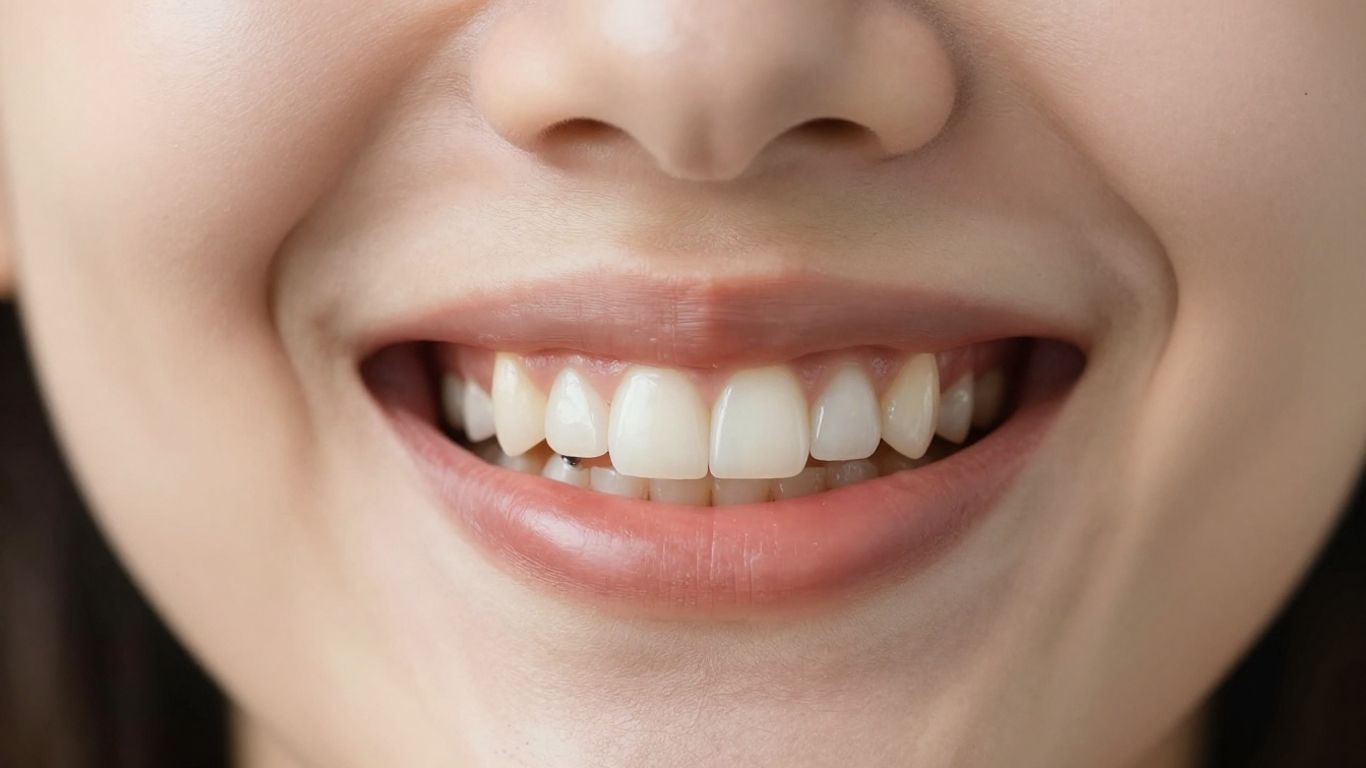
Finding a way to get dental implants without spending a fortune in NYC can feel like a challenge, but it's definitely doable. There are several avenues you can explore to make this important dental work more accessible. It’s all about knowing where to look and what options are out there.
Dental School Clinics As A Cost-Effective Choice
One of the smartest ways to cut down on costs is by looking into dental school clinics. These places are often associated with universities and offer treatments performed by students who are supervised by experienced dentists. Because it's a teaching environment, the prices are usually much lower than what you'd find in a private practice. You still get quality care, but at a fraction of the usual price. It's a win-win situation for your wallet and your oral health.
Considering Outer Boroughs For Lower Prices
Did you know that where you get your implants can affect the price? Practices located in Manhattan, especially in prime areas, tend to have higher overhead costs. This often means they charge more for the same services. If you're willing to travel a bit, looking into dental offices in the outer boroughs like Brooklyn or Queens could lead to significant savings. You can often find highly skilled dentists offering competitive pricing. For example, practices in Brooklyn are known for making high-quality treatments more affordable. [Affordable dental implants Brooklyn](Brooklyn Affordable Dental Implants makes high-quality care affordable to increasing numbers of patients.)
Leveraging HSA And FSA For Dental Implants
Don't forget about your Health Savings Accounts (HSA) and Flexible Spending Accounts (FSA). If you have one of these accounts through your employer or a private plan, you can use those pre-tax dollars to pay for dental implants. This is a fantastic way to reduce the out-of-pocket expense because you're essentially getting a discount by using money that hasn't been taxed yet. It’s a smart financial move that many people overlook.
Dental implants are a significant investment in your health, and exploring these cost-saving avenues can make a big difference in making them achievable. It's about being proactive and informed about your choices.
Here's a quick look at how costs can break down:
Keep in mind that these are just estimates, and additional procedures like bone grafting or tooth extractions can add to the total cost. The average cost for a single dental implant can vary widely.
Maximizing Value With Dental Implant Financing
Getting dental implants in NYC can feel like a big financial hurdle, but there are ways to make it more manageable. It's not just about the sticker price; it's about how you pay for it and what you get for your money in the long run. Thinking about financing options upfront can save you a lot of stress down the road.
Exploring Payment Plans and Credit Options
Most dental practices understand that paying for implants all at once is tough. That's why many partner with financing companies to offer payment plans. These plans often break down the total cost into smaller, monthly payments, sometimes with little to no interest if paid off within a certain period. It's worth asking your dentist about options like CareCredit or other third-party lenders they work with. These services can cover the entire cost of your treatment, making it easier to budget for.
Insurance Coordination For Dental Implant Coverage
While dental implants are often seen as cosmetic, sometimes insurance can help. It's a bit of a maze, but don't assume nothing is covered. Some dental plans might cover a portion of the implant cost, especially if it's deemed medically necessary. It's a good idea to call your insurance provider directly to understand your specific benefits. Keep in mind that many plans have annual maximums, and there might be waiting periods before coverage kicks in. Don't leave money on the table by not asking!
Comparing Written Quotes For Transparency
When you're getting quotes from different dental offices, make sure you're comparing apples to apples. Ask for a detailed breakdown of all costs involved – not just the implant itself, but also any necessary procedures like bone grafting, the abutment, the crown, and even follow-up visits. A clear, written treatment plan and quote are essential for understanding the total investment. This transparency helps you avoid surprises and ensures you're making an informed decision about where to get your implants placed.
It's easy to get caught up in the initial price tag, but remember that dental implants are a long-term investment in your health and confidence. Exploring financing and insurance options thoroughly can make this investment much more accessible.
Quality And Longevity Of Dental Implants
When you're looking into dental implants, especially in a place like NYC where costs can add up, it's smart to think about the long game. You want something that's not just affordable now, but also a solid investment for years to come. That's where quality and how long the implants last really come into play.
The Role Of High-Quality Materials
It might seem obvious, but the materials used in your dental implants make a big difference. Most implants are made from titanium, which is great because your body usually accepts it really well. It's strong and it can actually fuse with your jawbone over time, which is pretty amazing. The crown that goes on top, the part you see, can be made from different things like porcelain or zirconia. High-quality materials here mean they'll look more natural, resist staining, and hold up better to everyday use like eating and talking.
Long-Term Value Compared To Dentures
Let's talk numbers and time. While dentures might seem cheaper upfront, they often need replacing every 5 to 7 years. Bridges can last a bit longer, maybe 10 to 15 years, but they can also be pricey to replace and require work on your natural teeth. Dental implants, on the other hand, are designed to last much longer. The implant post itself, the part in your jawbone, can potentially last a lifetime with good care. The crown on top might need replacing after 10-15 years due to normal wear, but that's still a significant lifespan. When you break down the cost over 20 or 30 years, implants often end up being more cost-effective than constantly replacing dentures or bridges.
Here’s a general idea of how they stack up:
The Importance Of Proper Oral Hygiene
No matter how high-quality your implants are, they won't last forever without your help. Taking care of them is pretty much like taking care of your natural teeth. This means brushing at least twice a day, flossing daily to get those hard-to-reach spots, and seeing your dentist for regular check-ups and cleanings. Skipping these steps can lead to problems like peri-implantitis, which is basically an infection around the implant that can cause it to fail. So, while the implant itself is durable, your commitment to good hygiene is what really seals the deal for its longevity. It’s a partnership between the implant’s quality and your daily care.
Investing in dental implants is a significant decision, and understanding their long-term value is key. While the initial cost might seem high, their durability and the potential to last a lifetime often make them a more economical choice compared to alternatives that require frequent replacement. Proper care and maintenance are non-negotiable for maximizing this investment.
Choosing The Right Provider For Your Dental Implants
So, you've decided dental implants are the way to go. That's awesome! But before you jump into booking appointments, let's talk about picking the right dentist. This isn't like choosing a new coffee shop; it's a big decision for your health and your wallet.
Specialist vs. General Dentist For Implants
This is a big one. You've got general dentists, who are great for your everyday check-ups and cleanings, and then you have specialists, like oral surgeons or periodontists, who have extra training specifically for things like implants. Think of it like this: you wouldn't ask a general contractor to perform heart surgery, right? While many general dentists can place implants, specialists often have more experience with complex cases and the latest techniques. They've spent years focusing on the intricate details of the jawbone and surrounding structures. It's worth asking potential providers about their specific training and how many implants they've placed. Some sources suggest that prosthodontists, for example, undergo an extra three to four years of study in these procedures.
The Benefits Of Experienced Dental Teams
Beyond just the main dentist, the whole team matters. A well-oiled dental team means smoother appointments. This includes friendly receptionists who can help with scheduling and insurance, skilled dental assistants who make sure everything runs efficiently during procedures, and hygienists who are great at follow-up care. An experienced team often means they're up-to-date on the latest technology and sterilization practices, which is super important for your safety and comfort. They should be able to explain the whole process clearly, from the initial consultation to the final crown placement. Don't hesitate to ask about their sterilization protocols – it's non-negotiable.
Initial Consultations For Personalized Care
Your first visit is your chance to interview the dentist and their team. This initial consultation is where you'll get a feel for their approach and whether you're a good fit. Come prepared with questions. Ask for a full breakdown of costs, including the implant post, abutment, and crown. Inquire about any potential additional procedures like bone grafting and their associated fees. It's also a good time to ask about the dentist's experience and if they use advanced imaging like 3D CT scans to plan your treatment. A good provider will welcome your questions and provide clear answers. If a practice seems hesitant to share details or pushes you into a decision too quickly, it might be a sign to look elsewhere. Remember, you're looking for a partner in your oral health journey, not just a service provider. Getting a few different opinions and quotes can also be really helpful, as prices and what's included can vary quite a bit. For instance, the average cost for a single dental implant in Brooklyn can range from $2,000 to $5,000, but this is just a ballpark figure.
Choosing the right dental provider is as important as choosing the implant itself. Look for someone who communicates openly, demonstrates a clear understanding of your needs, and makes you feel comfortable and confident throughout the process. This partnership is key to a successful and satisfying outcome for your dental implants.
Wrapping Up Your Search for Affordable Implants
So, finding dental implants in NYC doesn't have to mean emptying your bank account. We've seen that there are definitely ways to get quality care without paying top dollar. Whether it's looking into dental schools, exploring financing options, or even considering practices a bit further out from the busiest parts of Manhattan, there are paths to a more affordable smile. Remember to get a few quotes and really understand what's included. Your smile is important, and with a little research, you can find a great option that fits your budget and gives you the results you're looking for.
Frequently Asked Questions
How can I find cheaper dental implants in NYC?
To find more affordable dental implants in New York City, think about checking out dental schools where students, supervised by teachers, perform procedures for less money. Also, looking into areas outside of Manhattan, like Brooklyn or Queens, might offer lower prices because of lower office costs. Don't forget to ask about payment plans and if your insurance can help cover some costs.
What makes dental implants in NYC so expensive?
The cost of dental implants in NYC can be high due to several things. The city has high living costs, which means dentists have bigger expenses for their offices and staff. Plus, the dentists in NYC are often highly trained specialists using the latest technology, which adds to the overall price. It's a mix of the city's expenses and the advanced care provided.
Are there ways to pay for dental implants if I don't have insurance?
Yes, absolutely! Many dental offices in NYC provide payment plans that let you spread the cost over time. You can also look into using a Health Savings Account (HSA) or Flexible Spending Account (FSA) if your employer offers one, as these use pre-tax money for medical expenses. Some places might also offer special dental financing options.
What's the difference between a dental implant and a denture?
A dental implant is like a new, permanent tooth root made of titanium that's placed in your jawbone. It fuses with the bone, providing a super strong base for a replacement tooth. Dentures, on the other hand, are fake teeth that sit on top of your gums and can be taken out. Implants feel and work more like your real teeth and help keep your jawbone healthy, while dentures don't do that.
How long do dental implants usually last?
With good care, dental implants can last a really long time, often 20 years or even a lifetime! They're made to be durable and permanent. This is a big advantage compared to dentures, which usually need to be replaced every 5 to 10 years. Taking care of them with regular brushing, flossing, and dentist visits is key to making them last.
Should I see a specialist or a general dentist for implants?
For dental implants, seeing a specialist like an oral surgeon or a periodontist is often recommended. These specialists have extra training and experience specifically with implant surgery, which can lead to better results and fewer complications. A general dentist can also place implants, but if your case is complex, a specialist might be the better choice.


International Standards.
Brazilian Mastery.
Aesthetica Medical Travel Facilitators, LLC is an international care coordination company registered in Wyoming, United States. We provide services for the promotion and support of medical service providers, including physicians worldwide (“medical service providers”). These services are made available through Aesthetica’s website, and the same privacy terms also apply to the Aesthetica Advisor Program (the “application/platform”), created and operated by Aesthetica. Aesthetica is solely responsible for controlling and processing the information obtained via the platform or through other communications between users, businesses, hospitals, clinics, or third parties and members of the Aesthetica service team (the “Service Team”). Our services may include non-clinical care coordination for North American patients seeking elective procedures abroad, including provider matching, travel logistics, and administrative support throughout the care journey. Additional services or add-ons may be offered depending on the selected scope. Post-operative care is typically conducted in the destination country where the procedure is performed. Additional coordination or administrative support in the patient’s country of origin may be available separately, subject to scope and availability. Aesthetica may engage third-party service providers, partners, or affiliated entities to support its operations, including data processing and service delivery. Information may be shared with such parties solely as necessary to provide the services described. Our operations follow strict standards of transparency, privacy protection, and regulatory compliance. Testimonials reflect individual experiences and do not guarantee future results. By using Aesthetica’s services or platform, users acknowledge and agree to these terms and understand the limited, non-clinical role of Aesthetica in the care journey. For more information about our policies or compliance framework, please contact our support team.