
Exploring Lower Hairline Surgery: A Comprehensive Guide to Forehead Reduction

Ever felt like your forehead is just a little too big? You're not alone. Many people look into ways to change their hairline for a more balanced look. One way to do this is through lower hairline surgery, often called forehead reduction. It's a procedure that can really change your appearance. We're going to break down what it is, who it's for, and what you can expect if you're thinking about it. This guide aims to make things clear, so you can figure out if this is the right step for you.
Key Takeaways
- Lower hairline surgery, also known as forehead reduction, physically moves your hairline down by removing forehead skin and advancing the scalp.
- This procedure is best for individuals with a naturally high forehead and good scalp flexibility, aiming for a significant reduction in forehead height.
- While effective, it involves a surgical incision along the hairline, leading to a linear scar and a longer recovery period compared to hair transplants.
- Ideal candidates have a large forehead, good scalp elasticity, and realistic expectations about the surgical outcome and potential scarring.
- It's important to consult with a qualified surgeon to determine if lower hairline surgery or a hair transplant is the better option for your specific needs and anatomy.
Understanding Lower Hairline Surgery
So, you're thinking about a lower hairline surgery, huh? It's a pretty common thing people consider when they feel their forehead is a bit too prominent, making their face look out of proportion. This isn't just about vanity; for many, it's about feeling more balanced and confident. There are a couple of main ways to achieve this, and it's good to know the basics before you even think about booking a consultation.
What Is Forehead Reduction Surgery?
Forehead reduction surgery, sometimes called scalp advancement, is a surgical procedure aimed at physically lowering your existing hairline. Think of it like this: a surgeon makes a cut along the edge of your hairline, removes a section of skin from your forehead, and then pulls the scalp forward to meet the remaining skin. This effectively brings your hairline down, making your forehead appear smaller. It's a direct way to change your facial proportions. This method offers immediate results because it's a surgical adjustment, not something that relies on new hair growth.
This procedure is a surgical intervention that directly alters the position of your hairline by removing skin. It's a significant change that can dramatically impact your facial appearance.
The Surgical Process Explained
When we talk about forehead reduction, the process usually involves a few key steps. First, there's the consultation where a surgeon assesses if you're a good candidate, looking at things like your scalp's flexibility and your overall facial structure. Then comes the actual surgery. A cut is made along the hairline, usually in a way that tries to hide the scar within the natural hair. A section of the forehead skin is removed, and the scalp is advanced forward. Finally, the incisions are closed, bringing the hairline down. It's a pretty straightforward surgical concept, though the execution requires a skilled hand.
Benefits of a Lowered Hairline
Why do people opt for this? Well, the main benefit is achieving a more balanced facial aesthetic. A high forehead can sometimes make a face look longer than it is, and lowering the hairline can create a more harmonious look. It can also help frame the face better, drawing more attention to your eyes and other features. For some, it's about correcting a feature that has bothered them for years, leading to a significant boost in self-esteem. It's about feeling more comfortable and proportional in your own skin. If you're curious about how this compares to other methods, you might want to look into hairline lowering surgery.
Here are some of the advantages:
- Improved Facial Proportions: Creates a more balanced and aesthetically pleasing facial structure.
- Enhanced Confidence: Many individuals report feeling more self-assured after the procedure.
- Immediate Results: Unlike procedures that rely on hair growth, the visual change is apparent right after surgery.
- Natural Appearance: When performed skillfully, the results can look very natural, with careful attention paid to hairline design.
Identifying Ideal Candidates for Lower Hairline Surgery
So, who's actually a good fit for this kind of surgery? It's not a one-size-fits-all deal, you know. The main thing is figuring out if your body and your expectations line up with what the procedure can actually do. It’s about making sure you get the results you’re hoping for without any unnecessary surprises.
Who Benefits Most from This Procedure?
This surgery is often a great choice for people who feel their forehead is just too big, making their face look a bit out of proportion. It's particularly helpful if you have a naturally high hairline or if your hairline has receded significantly over time. The goal is to bring your hairline down to create a more balanced look. It can really change how your whole face appears, making things look more harmonious. If you're looking for a permanent fix to a high forehead, this could be it. It's also a good option if you're not a candidate for hair transplants, maybe because you need a bigger change than grafts can provide.
Assessing Scalp Laxity and Hair Growth
Two big factors surgeons look at are how stretchy your scalp is (that's scalp laxity) and your hair growth patterns. For forehead reduction, having a flexible scalp is pretty important. It means your surgeon can pull your scalp forward more easily to lower the hairline without too much tension. Think of it like having a bit of extra give. If your scalp is tight, it might make the procedure trickier or limit how much the hairline can be moved. As for hair growth, while this procedure isn't about adding hair like a transplant, having healthy hair around the new hairline helps it blend in naturally. It's not about needing a ton of donor hair, but rather about how your existing hair frames the new hairline. A good surgeon will check this out during your consultation.
Realistic Expectations for Surgical Outcomes
It's super important to go into this with your eyes wide open. This surgery can make a big difference, but it's not magic. You won't end up with a completely different face. The aim is to lower your hairline and improve facial balance. You should expect a noticeable change, but it will still look like you. Things like scarring are also part of the deal, though surgeons work hard to make them as minimal as possible. Discussing what's achievable with your surgeon is key. They can show you examples and talk about what a realistic outcome looks like for someone with your features. Remember, the goal is improvement, not perfection.
Here’s a quick rundown of who might be a good candidate:
- Individuals with a naturally high hairline or a large forehead.
- People who desire better facial symmetry and proportion.
- Those in good general health with no major medical issues that could affect healing.
- Individuals who have realistic expectations about the results and recovery process.
- Non-smokers, as smoking can negatively impact healing.
It's really about finding the right procedure for your specific needs and anatomy. A thorough consultation with a qualified surgeon is the best way to figure out if forehead reduction surgery is the right path for you. They'll look at your scalp, your hair, and your face shape to give you personalized advice. Don't hesitate to ask lots of questions; it's your face, after all!
For more on what goes into creating a natural hairline, you can check out hairline design details.
The Forehead Reduction Procedure in Detail
Pre-Surgery Preparation Steps
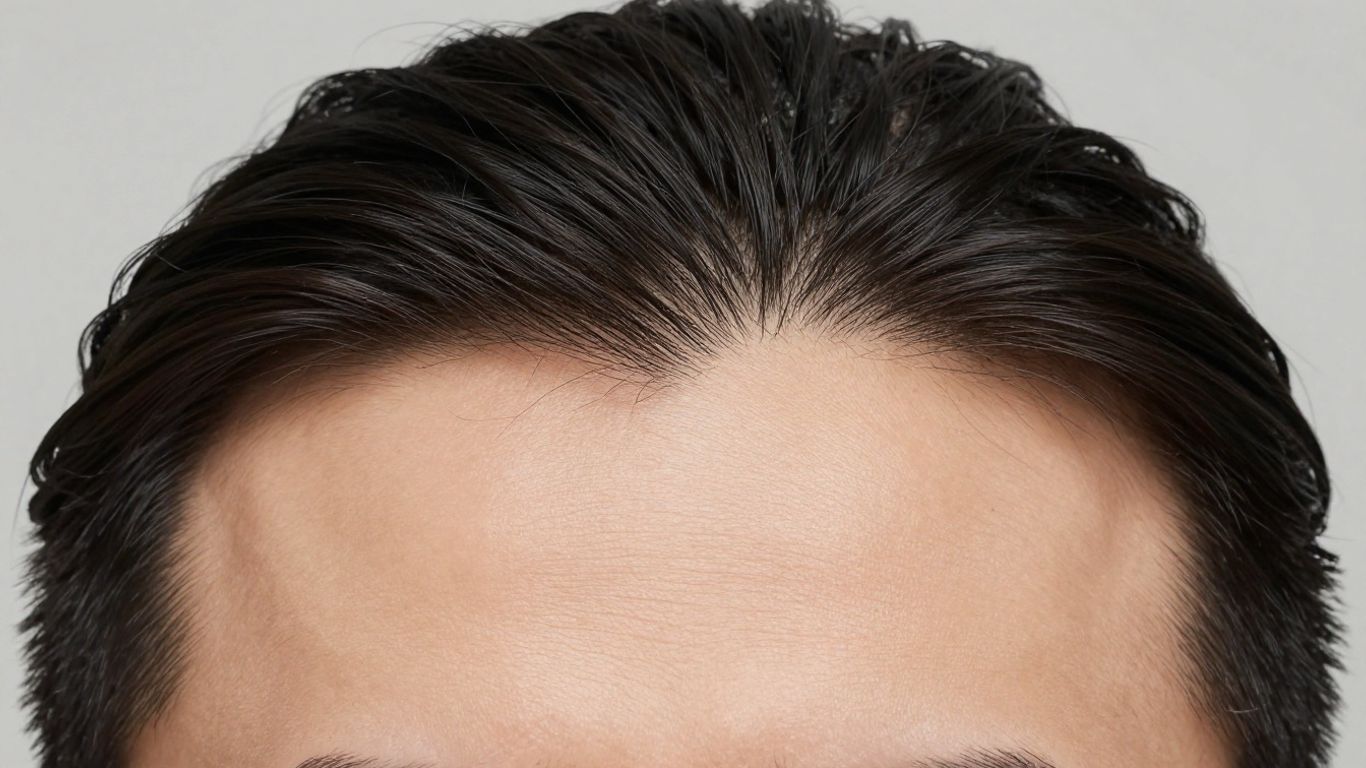
Getting ready for forehead reduction surgery involves a few key steps to make sure everything goes smoothly. First off, you'll have a detailed consultation with your surgeon. This is where you'll talk about what you're hoping to achieve and they'll explain the whole process, including any potential risks. It’s super important to be honest about your health history, any medications you're taking, and if you smoke. Smoking, for instance, can really mess with healing, so you'll likely be asked to quit for a while before and after the surgery. You'll also get instructions on when to stop eating and drinking before the procedure, usually the night before. Following these guidelines is a big part of making sure the surgery is safe and effective.
Key Stages During the Operation
The actual surgery is pretty straightforward, though it does take some time. It usually happens under general anesthesia, so you'll be asleep the whole time. The surgeon starts by making a precise incision right along your natural hairline. The length and shape of this incision depend on how much you're looking to lower your hairline. After the incision is made, a strip of skin is carefully removed from the forehead area. This is the part that actually reduces the forehead's height. Then, the scalp is gently pulled forward and secured in its new, lower position. This advancement is what creates the desired change in facial proportions. The surgeon then closes the incision with stitches or staples, making sure to place them so they'll be hidden by your hair as it grows back. The whole thing typically takes a few hours.
Techniques for Scalp Advancement
Scalp advancement is the core technique in forehead reduction surgery, and surgeons use specific methods to make it work well. The goal is to move the scalp forward without causing too much tension, which could lead to problems. Different techniques might be used depending on the patient's scalp elasticity and the amount of reduction needed. Sometimes, surgeons might use techniques to help release tension in the scalp, allowing for a more significant advancement. This could involve carefully dissecting certain tissue layers. The way the scalp is sutured is also important; it needs to be secure but also allow for healing without excessive pulling. This careful manipulation is what allows for a natural-looking result and helps minimize the risk of complications like scar widening. It's all about getting that new hairline in just the right spot. You can learn more about forehead reduction and how it works.
Navigating Recovery After Lower Hairline Surgery
So, you've had your hairline lowered – congrats! Now comes the part where you let your body do its thing and heal up. It's not exactly a walk in the park, but it's definitely manageable if you know what to expect. The first few weeks are the most important for setting the stage for good results.
Immediate Post-Operative Care
Right after the surgery, you'll likely feel a bit sore and maybe a little groggy. Your surgeon will give you specific instructions, but generally, you'll want to keep the area clean and protected. This usually involves gentle washing and avoiding anything that could irritate the incision site. You might have a bandage on for a day or two. It's also a good idea to have someone drive you home and help out for the first day or so.
- Follow your surgeon's cleaning instructions precisely.
- Take any prescribed pain medication as directed.
- Avoid touching or picking at the incision.
You'll probably notice some swelling and maybe a little bruising around your forehead and eyes. This is totally normal and should start to go down within a few days. Just try to rest and keep your head elevated when you lie down – it really helps.
Timeline for Returning to Normal Activities
When can you get back to your usual routine? Well, it depends on what that routine involves. For most people, light activities like walking or gentle desk work are okay within a week or two. Anything more strenuous, though, like hitting the gym or playing sports, usually needs to wait a bit longer, often around three to four weeks. Your surgeon will give you the green light when it's safe to increase your activity level. Remember, pushing too hard too soon can affect healing.
Here's a general idea:
- First 1-3 days: Rest, minimal activity, focus on healing.
- 1-2 weeks: Return to light daily activities and non-strenuous work.
- 3-4 weeks: Gradually reintroduce moderate physical activities.
- 4-6 weeks: Most patients can return to normal exercise routines.
Managing Swelling and Discomfort
Discomfort after this kind of procedure is usually pretty mild. Over-the-counter pain relievers often do the trick, but your doctor might prescribe something stronger for the first day or two. Swelling is also common, especially in the first few days. Keeping your head elevated, especially when sleeping, can make a big difference. Applying a cold compress gently to the surrounding areas (not directly on the incision) can also help reduce puffiness. Most of the significant swelling should resolve within a couple of weeks [400d]. If you notice any unusual or persistent swelling, it's always best to check in with your doctor.
- Use prescribed or recommended pain relievers.
- Keep your head elevated when resting or sleeping.
- Apply cool compresses to the cheeks and sides of the face, avoiding the surgical site.
Potential Risks and Complications
Like any surgical procedure, lowering your hairline comes with its own set of potential issues. It's super important to go into this with your eyes wide open, knowing what could happen. While most people sail through without a hitch, understanding these possibilities helps you make a truly informed choice.
Understanding Infection and Scarring
Infection is a risk with any cut made into the skin, and this surgery is no different. Your surgeon will give you instructions on how to keep the area clean to minimize this risk. The most visible potential complication is scarring. The incision is made right along your new hairline, and while surgeons are really good at placing it where hair can help hide it, there will be a scar. Most of the time, these scars fade significantly over several months, becoming much less noticeable. However, in some cases, scarring can be more prominent. Studies have shown that issues like folliculitis (inflammation of hair follicles) and postoperative effluvium (temporary hair shedding) can occur, alongside less common issues like dehiscence (wound opening) [327b].
Addressing Changes in Sensation
It's pretty common to experience some numbness or a feeling of tightness in the forehead area after surgery. This is usually temporary, a result of the nerves being a bit stunned by the procedure. For most folks, sensation returns to normal within a few weeks or months. However, in rare instances, these changes can be more long-lasting. It's something to discuss with your surgeon during your consultation so you know what to expect.
Minimizing Risks Through Proper Care
Following your surgeon's post-operative instructions to the letter is your best defense against complications. This includes:
- Keeping the incision site clean and dry as directed.
- Taking prescribed medications, including antibiotics if given, and pain relief.
- Avoiding strenuous activities and anything that could put pressure on your healing incision.
- Attending all follow-up appointments so your surgeon can monitor your healing progress.
While the overall complication rate for forehead reduction is low, with less than 1% experiencing significant issues, it's still a surgical procedure. Being aware of potential problems like infection, scarring, or temporary changes in sensation is part of making a responsible decision about whether this surgery is right for you. A thorough discussion with your surgeon about your specific health and the procedure itself is key.
Sometimes, despite best efforts, complications can arise. One patient, for example, dealt with infection, persistent inflammation, and spitting sutures, which led to open areas and a longer healing process [bcfb]. This highlights why diligent post-operative care and open communication with your medical team are so important.
Comparing Lower Hairline Surgery Options
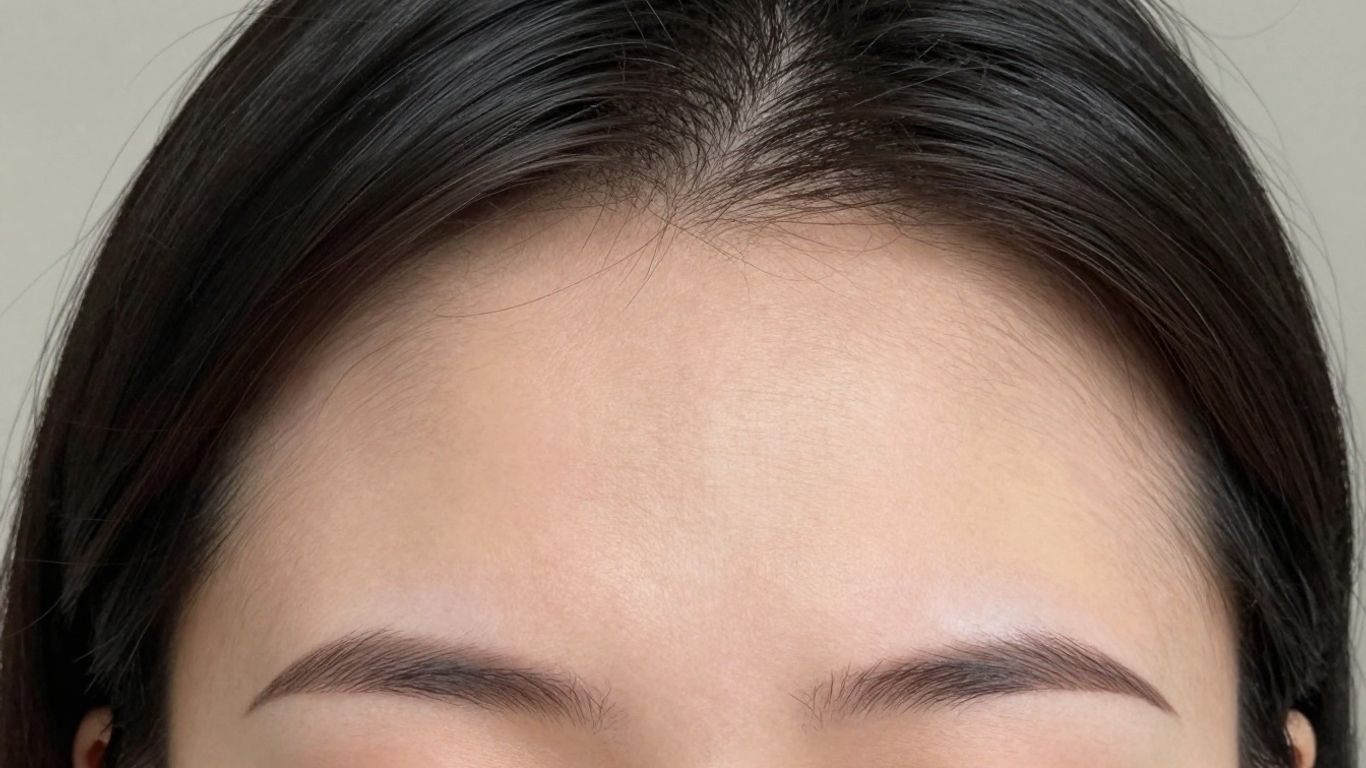
So, you're thinking about changing your hairline, huh? It's a big decision, and honestly, it's easy to get a little mixed up between the different procedures out there. The two main players you'll hear about are hairline lowering, which is basically a hair transplant, and forehead reduction, also known as scalp advancement. They both aim to give you a shorter forehead, but they go about it in totally different ways.
Forehead Reduction vs. Hairline Transplantation
Think of it like this: forehead reduction is like taking a piece of the forehead away and pulling the scalp down. It's a surgical move that directly lowers your existing hairline. On the other hand, hairline lowering, using techniques like FUE hair transplantation, is more about building a new hairline by adding hair where you want it. It's less about cutting and more about artistic placement of your own hair follicles. The biggest difference really comes down to whether you're moving existing scalp or adding new hair.
Here’s a quick look at how they stack up:
- Forehead Reduction (Scalp Advancement): This involves surgically removing a strip of skin from your forehead and then pulling the scalp forward to create a lower hairline. It gives you immediate results.
- Hairline Lowering (Hair Transplantation): This uses hair follicles taken from another part of your scalp and implants them along a new, lower hairline. The results develop over time as the transplanted hair grows.
When Scalp Advancement Is Preferred
Scalp advancement, or forehead reduction, is often the go-to for people who want a noticeable, immediate change. If you have good scalp elasticity – meaning your scalp can be stretched down easily – this procedure can really reshape your facial proportions quickly. It's a direct way to shorten the forehead. You'll have a scar along the new hairline, but surgeons are pretty good at making it blend in with the hair.
It's important to remember that while scalp advancement offers instant results, the final look is heavily influenced by how well the incision heals and how the new hairline integrates with your facial features. It's a more invasive approach compared to hair transplantation.
Choosing the Right Procedure for You
Deciding between these two can feel a bit overwhelming, but it really boils down to what you're looking for and what your hair and scalp situation is like. If you're looking for a dramatic, instant change and have the scalp laxity for it, forehead reduction might be your path. If you prefer a less invasive approach, want more artistic control over the shape and softness of your new hairline, and are okay with waiting for the hair to grow in, then a hair transplant procedure could be a better fit. It's always best to chat with a surgeon who does both to get a personalized recommendation based on your specific anatomy and goals. They can help you understand the benefits of each approach and what kind of outcome you can realistically expect.
Wrapping It Up
So, we've gone over what forehead reduction surgery is all about, from how it's done to who might be a good fit. It's a pretty big step, for sure, and not something to jump into without thinking. But for the right person, it can really make a difference in how they feel about their face. Remember, talking to a qualified surgeon is the most important part of this whole process. They can help you figure out if this is the right path for you and what results you can realistically expect. It's all about finding that balance and feeling good in your own skin.
Frequently Asked Questions
What exactly is forehead reduction surgery?
Forehead reduction surgery, also called hairline lowering, is a way to make your forehead look smaller. It works by bringing your hairline down closer to your eyebrows. This is done by removing a bit of skin from your forehead and then moving your scalp forward. It's a permanent fix for a high hairline.
Who is a good candidate for this surgery?
This surgery is great for people who naturally have a high hairline or a larger forehead and want their face to look more balanced. You should also have skin on your scalp that can stretch easily. It's important to be healthy overall and have realistic ideas about what the surgery can do.
How is this surgery different from a hair transplant to lower the hairline?
Think of it this way: a hair transplant adds hair to create a new, lower hairline. Forehead reduction surgery actually moves your existing hairline down by removing skin. It’s like pulling your scalp forward to cover more of your forehead.
What happens during the surgery?
First, you'll be given anesthesia so you don't feel anything. The doctor will mark where your new hairline will be. Then, they'll make a cut along your hairline, take out some forehead skin, and pull your scalp down. Finally, they'll stitch it all up neatly.
What should I expect during recovery?
Right after surgery, you'll need to rest a lot. You'll likely have some swelling and might feel a little sore for a week or two. Most people can get back to their normal daily activities within about 2 to 3 weeks, but full healing takes longer.
Are there any risks involved with this surgery?
Like any surgery, there are some risks. These can include infection, scarring where the cut was made, or temporary numbness in the area. Sometimes, hair might not grow well right along the scar. Your doctor will talk to you about all the possible risks before you decide.


International Standards.
Brazilian Mastery.
Aesthetica Medical Travel Facilitators, LLC is an international care coordination company registered in Wyoming, United States. We provide services for the promotion and support of medical service providers, including physicians worldwide (“medical service providers”). These services are made available through Aesthetica’s website, and the same privacy terms also apply to the Aesthetica Advisor Program (the “application/platform”), created and operated by Aesthetica. Aesthetica is solely responsible for controlling and processing the information obtained via the platform or through other communications between users, businesses, hospitals, clinics, or third parties and members of the Aesthetica service team (the “Service Team”). Our services may include non-clinical care coordination for patients worldwide seeking elective procedures abroad, including provider matching, travel logistics, and administrative support throughout the care journey. Additional services or add-ons may be offered depending on the selected scope. Post-operative care is typically conducted in the destination country where the procedure is performed. Additional coordination or administrative support in the patient’s country of origin may be available separately, subject to scope and availability. Aesthetica may engage third-party service providers, partners, or affiliated entities to support its operations, including data processing and service delivery. Information may be shared with such parties solely as necessary to provide the services described. Our operations follow strict standards of transparency, privacy protection, and regulatory compliance. Testimonials reflect individual experiences and do not guarantee future results. By using Aesthetica’s services or platform, users acknowledge and agree to these terms and understand the limited, non-clinical role of Aesthetica in the care journey. For more information about our policies or compliance framework, please contact our support team.