
Expert Hair Replacement in New York City: Solutions for Thinning Hair
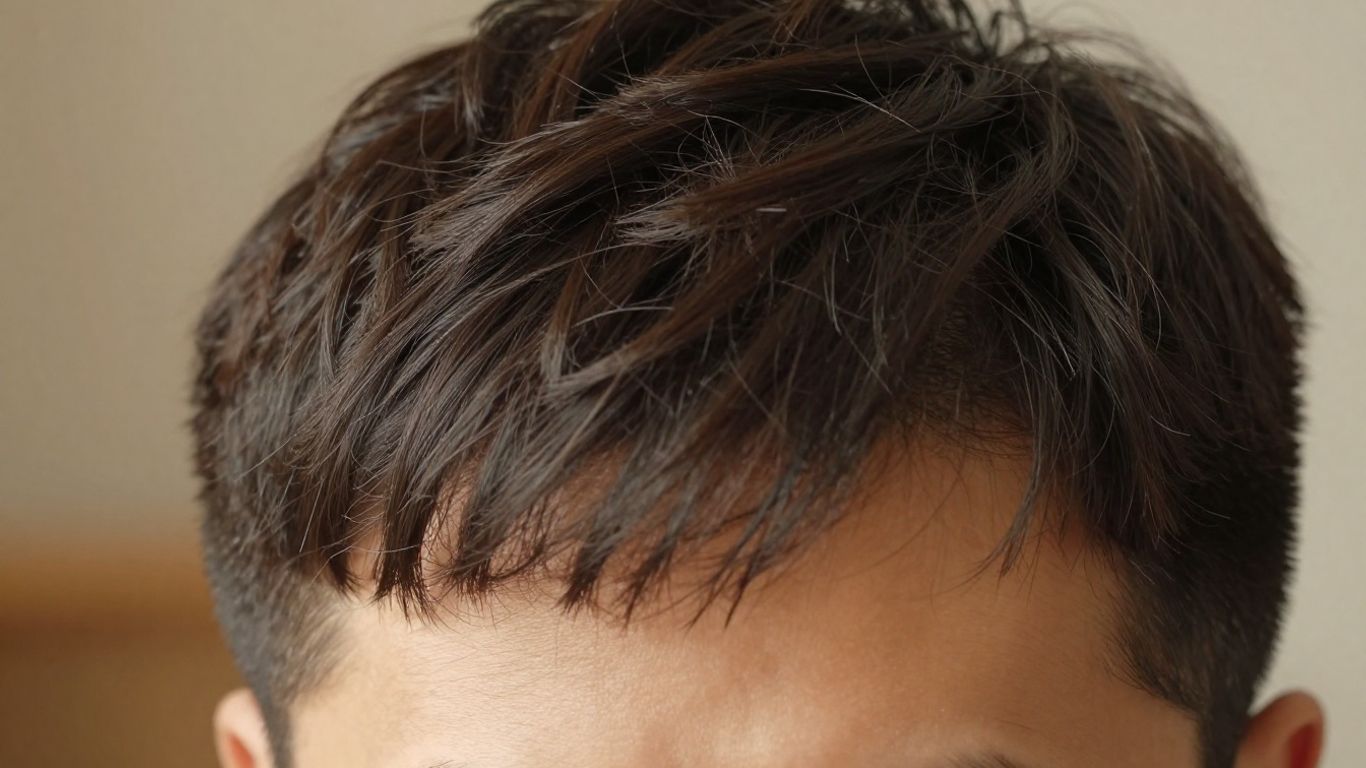
Dealing with thinning hair in New York City can feel like a real challenge. You look in the mirror, and it's just not what it used to be. Luckily, the city has a ton of options for hair replacement, from surgical fixes to less invasive treatments. It's all about finding what works for you and your specific situation. We're going to break down some of the top ways to tackle hair loss right here in NYC.
Key Takeaways
- Hair replacement in New York City offers a variety of solutions, including surgical and non-surgical options like FUE, FUT, and Scalp Micropigmentation (SMP).
- Choosing the right hair replacement provider is crucial; look for experienced practitioners with a strong portfolio and positive patient reviews.
- Advanced techniques like FUE and FUT focus on creating natural-looking results by carefully transplanting individual hair follicles.
- Scalp Micropigmentation (SMP) is a non-surgical option that mimics the appearance of hair follicles, effectively concealing scars and adding density.
- A personalized treatment plan, considering factors like hairline design and individual hair loss patterns, is essential for achieving natural-looking outcomes in hair replacement.
Understanding Hair Replacement Options in New York City
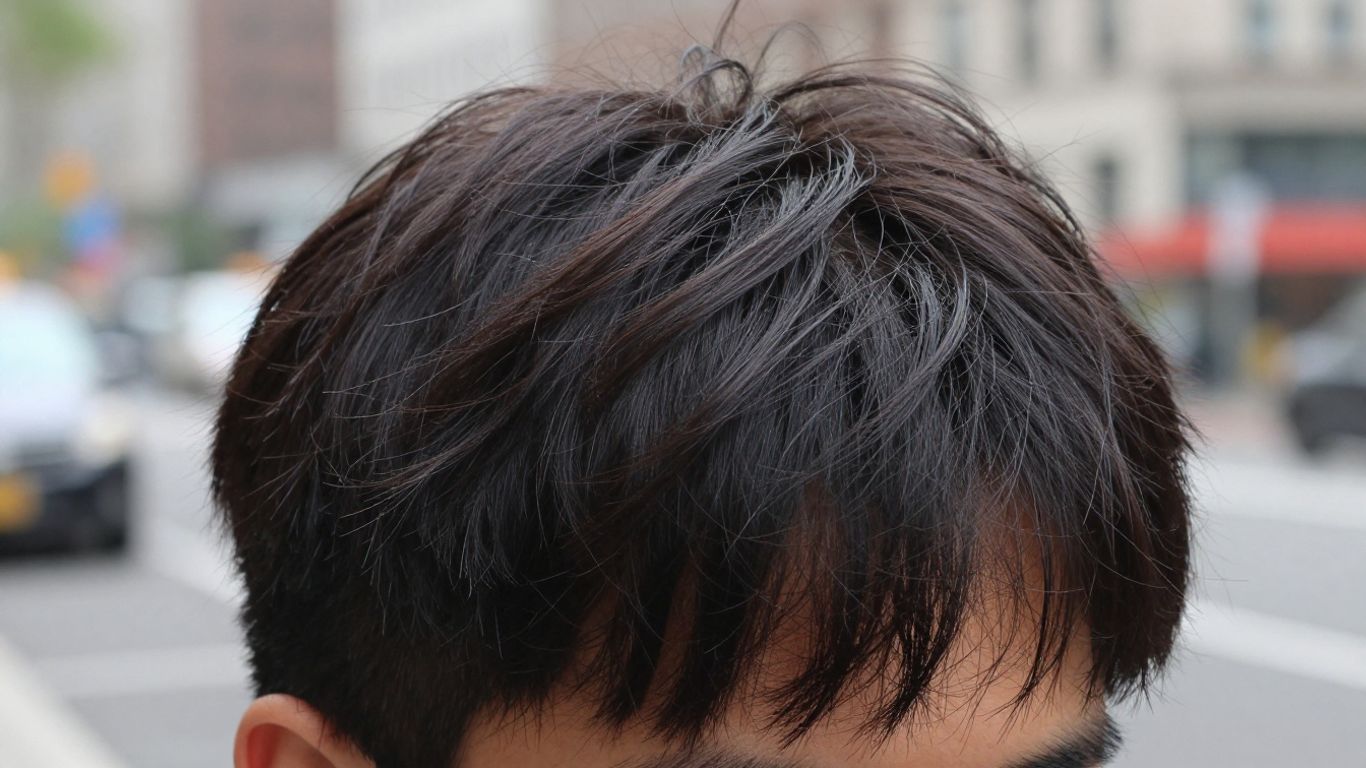
Losing hair can feel like a big deal, especially when you're living in a fast-paced city like New York. It's totally normal to feel a bit self-conscious about thinning hair or a receding hairline. But the good news is, there are a lot of ways to tackle hair loss right here in the city. We're talking about everything from surgical procedures to non-surgical fixes that can help you get back that fuller look you're after.
What is Hair Restoration?
Hair restoration is basically the umbrella term for all the treatments aimed at dealing with hair loss. It's not just about transplanting hair, though that's a big part of it. It also includes methods to encourage your natural hair to grow back thicker and stronger, or to replace hair in areas where it's just not growing anymore. Think of it as a multi-pronged approach to getting your hair back on track.
Surgical vs. Non-Surgical Solutions
When you're looking at hair restoration, you'll generally find two main paths: surgical and non-surgical. Surgical options, like hair transplants (we'll get into FUE and FUT later), involve moving hair follicles from one part of your scalp to another. They're often seen as a more permanent solution. Non-surgical methods, on the other hand, include things like topical treatments, medications, or laser therapy. These aim to stimulate natural growth or provide temporary coverage. Sometimes, a combination of both surgical and non-surgical approaches works best for an individual.
Tailored Treatments for Men and Women
It's important to know that hair loss doesn't look the same for everyone, and treatments aren't one-size-fits-all. Men often experience hair loss in a pattern, like a receding hairline or thinning at the crown, often due to genetics. Women can experience thinning all over, or specific patterns related to hormones or stress. Because of these differences, treatments are often customized. What works wonders for one person might not be the best fit for another. That's why getting a personalized plan is so key. For example, some solutions are designed to give instant coverage for thinning hair [48be], which can be a great option for immediate results.
The goal of any hair restoration plan is to achieve results that look natural and boost your confidence. It's about finding the right method that fits your specific needs and lifestyle.
Here's a quick look at some common approaches:
- Medications: Like minoxidil or finasteride, which can help slow loss or encourage regrowth.
- Laser Therapy: Low-level laser treatments can stimulate hair follicles.
- Hair Transplants: Moving healthy follicles to thinning areas (FUE and FUT).
- Scalp Micropigmentation (SMP): A cosmetic procedure that creates the illusion of hair follicles.
Choosing the right path often starts with a good consultation. It's where you can discuss your concerns and figure out what options are available to you right here in New York City. If you're looking into thinning hair solutions, exploring options in places like Stamford can give you a good idea of what's out there [5cbd].
Exploring Advanced Hair Restoration Techniques
Follicular Unit Extraction (FUE) for Natural Results
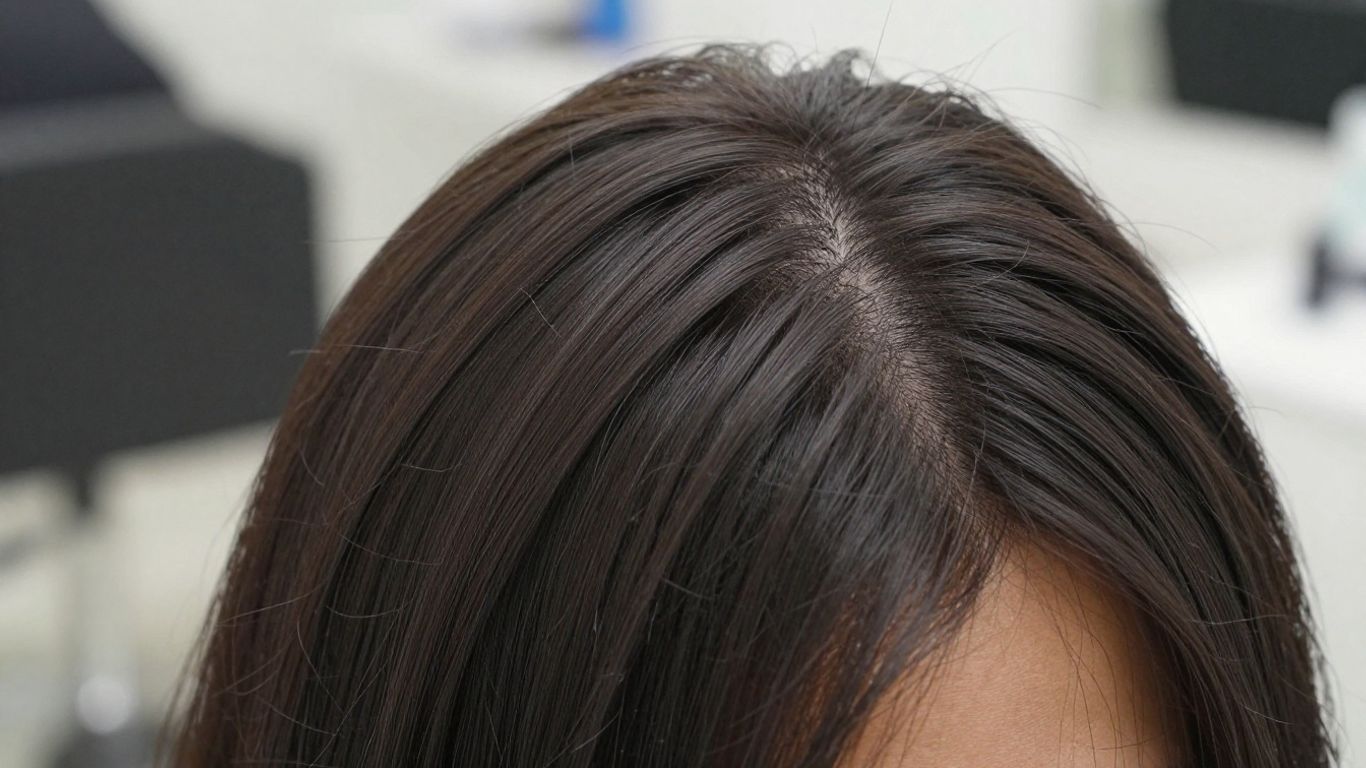
Follicular Unit Extraction, or FUE, is a really popular method for hair restoration these days. It's a minimally invasive technique where individual hair follicles are taken directly from a donor area, usually the back or sides of your head. The cool part is that it doesn't require removing a large strip of skin like older methods. This means less scarring, and for many, it's a big deal because the scarring is so minimal, it's often unnoticeable. The process involves using tiny tools to extract each follicle, and then these are carefully transplanted to the areas where you're experiencing thinning or hair loss. Because each follicle is treated individually, it allows for a very natural look, almost like your hair is just growing back on its own. It's a meticulous process, but the results can be quite impressive, giving you back a fuller head of hair without obvious signs of a procedure.
Follicular Unit Transplantation (FUT) Explained
Follicular Unit Transplantation, often called FUT or the 'strip method,' is another established technique for hair restoration. With FUT, a small strip of skin containing hair follicles is removed from a donor area, typically the back of the scalp. This strip is then carefully dissected under a microscope into individual follicular units, which are groups of one to four hairs. These units are then transplanted into the thinning or balding areas of your scalp. While FUT can yield a significant number of grafts in a single session, it does leave a linear scar in the donor area. This scar is usually hidden by your existing hair, but it's something to consider. It's a tried-and-true method that many surgeons still use effectively, especially for more extensive hair loss, and it can provide excellent, natural-looking results when performed by a skilled professional. Dr. Roy Stoller in New York City, for example, has extensive experience with both FUE and FUT [9148].
Scalp Micropigmentation: A Non-Surgical Approach
Scalp Micropigmentation, or SMP, is a fantastic non-surgical option for those looking to create the appearance of a fuller head of hair. Think of it like a very detailed cosmetic tattoo. Tiny dots of pigment are strategically placed on the scalp to mimic the look of hair follicles. This can give the illusion of a closely shaved head or add density to thinning areas, making your existing hair look thicker. It's a versatile treatment that works for both men and women and can even be used to camouflage scars from previous surgeries. The process usually involves a few sessions, and the downtime is minimal, making it a convenient choice for many. It's a great way to achieve a more defined look without surgery. The artists in New York are trained to achieve these realistic effects [5c12].
SMP is a procedure that requires a skilled hand and a good eye for detail. It's not just about applying ink; it's about understanding how hair grows and how to replicate that naturally on the scalp. The artists in New York are trained to achieve these realistic effects.
Achieving Natural-Looking Results with Expert Care
Getting hair replacement that looks totally natural is the main goal, right? It’s not just about adding hair; it’s about making it look like it was always there, perfectly blended with what you already have. This is where the skill of the practitioner really shines. They need to have an artistic eye, understanding the subtle curves and textures that make a hairline look real. It’s a bit like being a sculptor, but with hair.
The Artistry of Hairline Design
Designing a hairline is more than just drawing a line. It involves looking at your face shape, your age, and even your personality to create something that feels right for you. A good hairline isn't perfectly straight; it has little variations, maybe a few wisps here and there, that make it look authentic. Think about how hairlines grow naturally – they’re rarely perfectly symmetrical. The best practitioners spend a lot of time studying these natural patterns to recreate them. They know that a slightly feathered edge looks much more believable than a sharp, defined one. It’s this attention to detail that makes all the difference between a result that looks good and one that looks truly natural.
Importance of Practitioner Skill and Experience
When you're looking for hair restoration, especially in a busy place like New York City, you'll find a lot of options. But not all practitioners are created equal. The skill and experience of the person performing your procedure are incredibly important. We're talking about people who have spent years honing their craft, understanding the nuances of hair growth and scalp anatomy. They’ve likely seen a wide range of hair loss situations and have developed the ability to adapt their techniques accordingly. For example, some practitioners have performed thousands of procedures, giving them a deep well of knowledge to draw from. This kind of experience means they can handle pretty much any situation and create results that look incredibly real. It’s not just about following a set of steps; it’s about having the judgment and artistic sense to make the best decisions for your unique situation.
Personalized Treatment Plans
No two people experience hair loss in exactly the same way, which is why a one-size-fits-all approach just doesn't cut it. A good hair replacement provider will take the time to get to know you and your specific needs. This means looking at:
- Your Hair Loss Pattern: Are you experiencing thinning all over, a receding hairline, or bald spots? Understanding the pattern is key.
- Your Hair Type and Color: This affects how grafts will blend and what pigments might be used for procedures like scalp micropigmentation.
- Your Desired Outcome: What do you hope to achieve? Discussing your goals openly helps set realistic expectations.
- Your Lifestyle: This can influence the type of treatment recommended and the recovery process.
Creating a personalized plan ensures that the treatment is tailored to your individual circumstances, maximizing the chances of achieving the natural-looking results you're hoping for. It’s about making sure the solution fits you, not the other way around.
This detailed approach means you’re not just another patient; you’re an individual with unique concerns and goals. It’s this level of personalized care that often leads to the most satisfying and natural-looking outcomes. For instance, understanding hair loss statistics for women can help tailor treatments specifically for female hair thinning, which often differs from male patterns. Similarly, advanced therapies like PRP and PRF treatments are often customized based on a patient's specific needs.
Addressing Specific Hair Loss Concerns
Hair loss can show up in different ways, and what works for one person might not be the best fit for another. It's not just about thinning all over; sometimes it's a receding hairline that bothers you, or maybe you're dealing with scars on your scalp. Understanding these specific issues is the first step to finding a solution that really works.
Solutions for Thinning Hair and Receding Hairlines
Thinning hair is super common, especially as we get older. For men, it often starts at the temples, creating that classic "M" shape, or it might appear as thinning at the crown. Women often experience more diffuse thinning, meaning the hair gets thinner all over, sometimes making the part line look wider. Targeted treatments can make a big difference here.
- Medications: Topical solutions like minoxidil can help stimulate growth and thicken existing hair. For men, prescription medications like finasteride or dutasteride can block DHT, a hormone linked to male pattern baldness. These are often used to slow down loss and encourage regrowth.
- Hair Transplantation: For more permanent results, procedures like Follicular Unit Extraction (FUE) or Follicular Unit Transplantation (FUT) can move healthy hair follicles from denser areas to thinning spots, effectively rebuilding the hairline or adding density where it's needed most.
- Low-Level Laser Therapy (LLLT): This non-invasive treatment uses light energy to stimulate hair follicles, promoting growth and improving hair thickness. It's often used as a complementary therapy.
Addressing a receding hairline or general thinning requires a personalized approach. What works best depends on the cause, the extent of the loss, and your individual goals. It's about finding the right combination of treatments to restore density and confidence.
Concealing Scars with Scalp Micropigmentation
Scalp micropigmentation (SMP) is a fantastic option for camouflaging scars on the scalp. Whether they're from previous hair transplant surgeries, accidents, or other procedures, scars can be a source of self-consciousness. SMP involves tattooing tiny dots that mimic the appearance of hair follicles directly onto the scalp. This process effectively blends the scar tissue with the surrounding skin, making the scar much less noticeable. It creates the illusion of natural hair growth over the area, helping you feel more comfortable and confident. It's a non-surgical way to achieve a smoother, more uniform look. You can explore scalp micropigmentation as a solution for scar concealment.
Restoring Density and Definition
When hair loss leads to a lack of density, it can affect the overall look and feel of your hair. SMP can help here too, by creating the appearance of fuller hair. It's not just about filling in gaps; it's about recreating the look of natural hair follicles to add visual thickness. For those with very short hair or thinning hair, SMP can give the impression of a closely shaved head or add significant density. This technique is also great for defining hairlines, giving them a sharper, more youthful appearance. The pigment is matched to your natural hair color, so the results look incredibly natural. It's a way to regain that sense of fullness and definition that hair loss can take away. Sometimes, simple changes like dietary adjustments and specialized scalp care routines can also play a role in promoting healthier hair and minimizing shedding [c75d].
Your Hair Replacement Journey in New York City
Embarking on a hair replacement journey in New York City is a significant step towards regaining confidence and achieving a look you're happy with. It's a process that involves several stages, from your initial thoughts to the final results. We aim to make this experience as smooth and informative as possible for you.
The Consultation and Design Process
This is where it all begins. Your journey starts with a detailed consultation. It’s your chance to talk openly about your hair loss concerns, what you're hoping to achieve, and any questions you might have. We'll look at your hair loss pattern, discuss your medical history, and explore the different treatment options available. The goal is to create a personalized plan that’s tailored specifically to you. This might involve surgical procedures like FUE or FUT, or perhaps non-surgical solutions. We'll also discuss the artistry involved, especially in designing a natural-looking hairline that complements your facial features. It’s all about setting realistic expectations and ensuring you feel comfortable and confident moving forward.
What to Expect During Treatment Sessions
Once your treatment plan is set, the actual sessions begin. The specifics will depend on the chosen method. For surgical procedures, you can expect a sterile environment and a team dedicated to your comfort and safety. For non-surgical options like scalp micropigmentation (SMP), it involves carefully applying pigment to the scalp in a series of sessions. Each session is designed to build upon the last, gradually achieving the desired density and look. We understand that undergoing any procedure can bring about questions, so we’re here to guide you through each step, explaining what’s happening and what to anticipate.
Post-Operative Care and Recovery
After your treatment sessions, the focus shifts to recovery and ensuring the best possible outcome. Proper post-operative care is absolutely vital. This typically involves following specific instructions provided by your practitioner. These might include:
- Gentle scalp care and washing routines.
- Avoiding strenuous activities or direct sun exposure for a set period.
- Taking any prescribed medications as directed.
- Sleeping with your head slightly elevated, if recommended.
Following these guidelines diligently helps protect the treated area, promotes healing, and supports the growth of new, healthy hair. We'll provide you with all the information you need to manage your recovery smoothly and effectively, ensuring you achieve the natural-looking, lasting results you desire. If you're considering options like scalp micropigmentation or surgical transplants, understanding this recovery phase is key.
Choosing the Right Hair Replacement Provider
So, you've decided to take the plunge and explore hair replacement options right here in New York City. That's a big step, and honestly, a really exciting one! But with so many clinics and specialists out there, how do you even begin to pick the right one? It can feel a bit overwhelming, I get it. You want someone who knows their stuff, someone you can trust with something as personal as your hair. It's not just about finding a provider; it's about finding the right provider for you.
Comparing SMP Providers in New York
If scalp micropigmentation (SMP) is on your radar, NYC has a ton of options. It's easy to get lost in all the choices. When you're looking around, think about a few things. First off, how long have they actually been doing SMP? Do they specialize in it, or is it just one of many services they offer? You'll want to check out their portfolio – those before-and-after pictures are super telling. Do the results look natural? Do they match the style you're going for? And definitely read client reviews. Look for independent ones to get a real feel for what people are saying. A good clinic will also offer a thorough consultation. This is your chance to ask all your burning questions and see if you click with the practitioner. Some places, like City Facial Plastics, have experienced surgeons who can discuss all your hair restoration options, which is a nice bonus.
Evaluating Surgeon Credentials and Expertise
When it comes to surgical hair restoration, like FUE or FUT, the surgeon's background is everything. You're not just looking for someone who performs the procedure; you're looking for an artist and a scientist rolled into one. What kind of training do they have? Are they board-certified? How many of these procedures have they actually done? Some clinics might have technicians doing a lot of the work, but you want to know if the main surgeon is directly involved in your procedure, from start to finish. For example, at Kopelman Hair Restoration NYC, they emphasize that Dr. Kopelman performs the surgery himself, which is a big deal for many patients. It's worth asking about their specific techniques and if they have experience with cases similar to yours. Don't be afraid to ask for credentials and look into their professional affiliations.
Understanding Patient Testimonials and Reviews
Reviews are gold, but you have to know how to read them. Look for patterns. Are people consistently happy with their results? How was the communication throughout the process? What about the aftercare? A place like HairClub Midtown New York has been around for a while, and you can often find long-term clients who can speak to their consistent quality. Remember, everyone's experience is a bit unique, but if you see a lot of positive comments about natural-looking results and good patient care, that's usually a strong sign. It's also helpful to see if they have a gallery of their work or patient stories you can read. This gives you a more realistic picture of what to expect.
Choosing a provider is a significant investment in yourself. Taking the time to compare and select wisely will make all the difference in achieving the natural-looking results you're hoping for. It's about feeling confident and comfortable with the person guiding you through this journey.
Wrapping Up Your Hair Restoration Journey in NYC
So, you've explored the different paths to a fuller head of hair right here in New York City. Whether you're leaning towards the precision of scalp micropigmentation, the permanence of a hair transplant, or other advanced options, the key is finding a provider you trust. Take your time, do your homework, and remember that investing in yourself and your confidence is always a good idea. The right solution is out there, waiting to help you look and feel your best.
Frequently Asked Questions
What exactly is hair restoration?
Hair restoration is like giving your hair a boost. It's a way to help with hair that's thinning or falling out. There are different methods, some involve moving hair from one spot to another, while others help your existing hair grow back stronger.
What's the difference between surgery and non-surgery hair solutions?
Think of surgery like planting new seeds for your hair, moving them from where they grow well to where you need them. Non-surgery options are more like giving your current hair the best conditions to grow, using things like special medicines or light treatments.
Can hair restoration work for both guys and girls?
Yes, absolutely! Hair loss can happen to anyone. The treatments are often adjusted to fit whether you're a man or a woman, because hair loss can look a bit different for each.
What is Scalp Micropigmentation (SMP)?
SMP is like a detailed tattoo for your scalp. It uses tiny dots of color to make it look like you have hair follicles, giving the appearance of fuller hair or a shaved head. It's a non-surgical way to help with thinning or bald spots.
How do I know if I'm a good candidate for hair restoration?
The best way to find out is to talk to a specialist. They'll look at your hair loss, your health, and what you're hoping to achieve. They can tell you which options, like surgery or SMP, might work best for you.
What should I expect after my hair restoration treatment?
After treatment, you'll usually get instructions on how to care for your scalp. There might be a little redness or swelling at first, but most people can get back to their usual activities pretty quickly. The real results take time to show up as new hair grows.



International Standards.
Brazilian Mastery.
Aesthetica Medical Travel Facilitators, LLC is an international care coordination company registered in Wyoming, United States. We provide services for the promotion and support of medical service providers, including physicians worldwide (“medical service providers”). These services are made available through Aesthetica’s website, and the same privacy terms also apply to the Aesthetica Advisor Program (the “application/platform”), created and operated by Aesthetica. Aesthetica is solely responsible for controlling and processing the information obtained via the platform or through other communications between users, businesses, hospitals, clinics, or third parties and members of the Aesthetica service team (the “Service Team”). Our services may include non-clinical care coordination for North American patients seeking elective procedures abroad, including provider matching, travel logistics, and administrative support throughout the care journey. Additional services or add-ons may be offered depending on the selected scope. Post-operative care is typically conducted in the destination country where the procedure is performed. Additional coordination or administrative support in the patient’s country of origin may be available separately, subject to scope and availability. Aesthetica may engage third-party service providers, partners, or affiliated entities to support its operations, including data processing and service delivery. Information may be shared with such parties solely as necessary to provide the services described. Our operations follow strict standards of transparency, privacy protection, and regulatory compliance. Testimonials reflect individual experiences and do not guarantee future results. By using Aesthetica’s services or platform, users acknowledge and agree to these terms and understand the limited, non-clinical role of Aesthetica in the care journey. For more information about our policies or compliance framework, please contact our support team.