
Dr. Serkan Hair Transplant: What You Need to Know Before Your Procedure
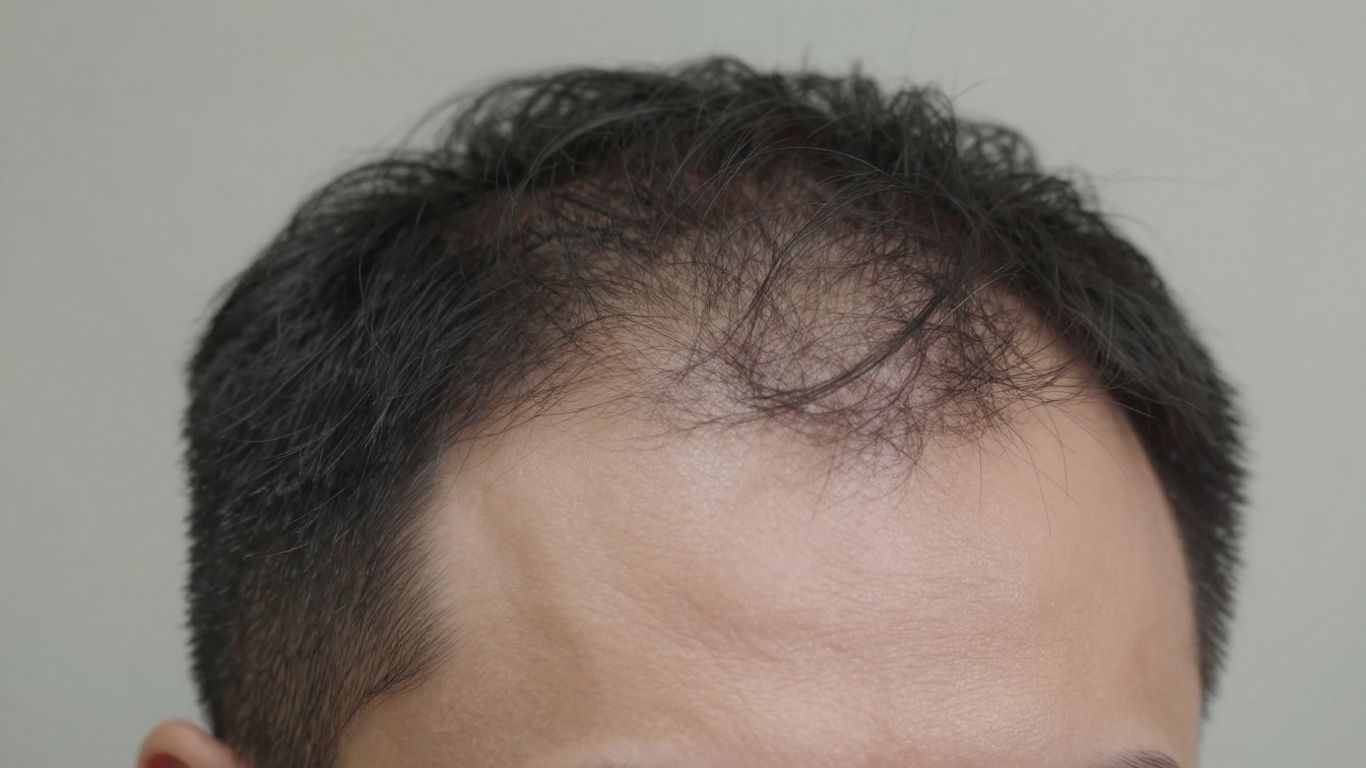
Thinking about a hair transplant? Dr. Serkan is a name that often comes up, especially if you're looking into options in Turkey. It’s a big decision, and honestly, there's a lot to consider before you even think about booking. From understanding the actual procedure to what happens after you get home, this guide breaks down what you need to know about getting a dr serkan hair transplant.
Key Takeaways
- Planning your dr serkan hair transplant journey starts with thorough online research and a virtual consultation to create a personalized treatment plan.
- The procedure itself involves careful hairline design, local anesthesia, and precise graft extraction and implantation using advanced techniques.
- Post-procedure care is vital for healing and growth, including gentle washing, specific sleeping positions, and avoiding strenuous activities.
- Evaluating the results of your dr serkan hair transplant involves understanding the timeline for new growth, which typically takes several months to a year.
- Turkey offers a medical tourism advantage for hair transplants, providing exceptional value and quality of care, with clinics like Dr. Serkan's streamlining the patient experience.
Understanding Your Dr. Serkan Hair Transplant Journey
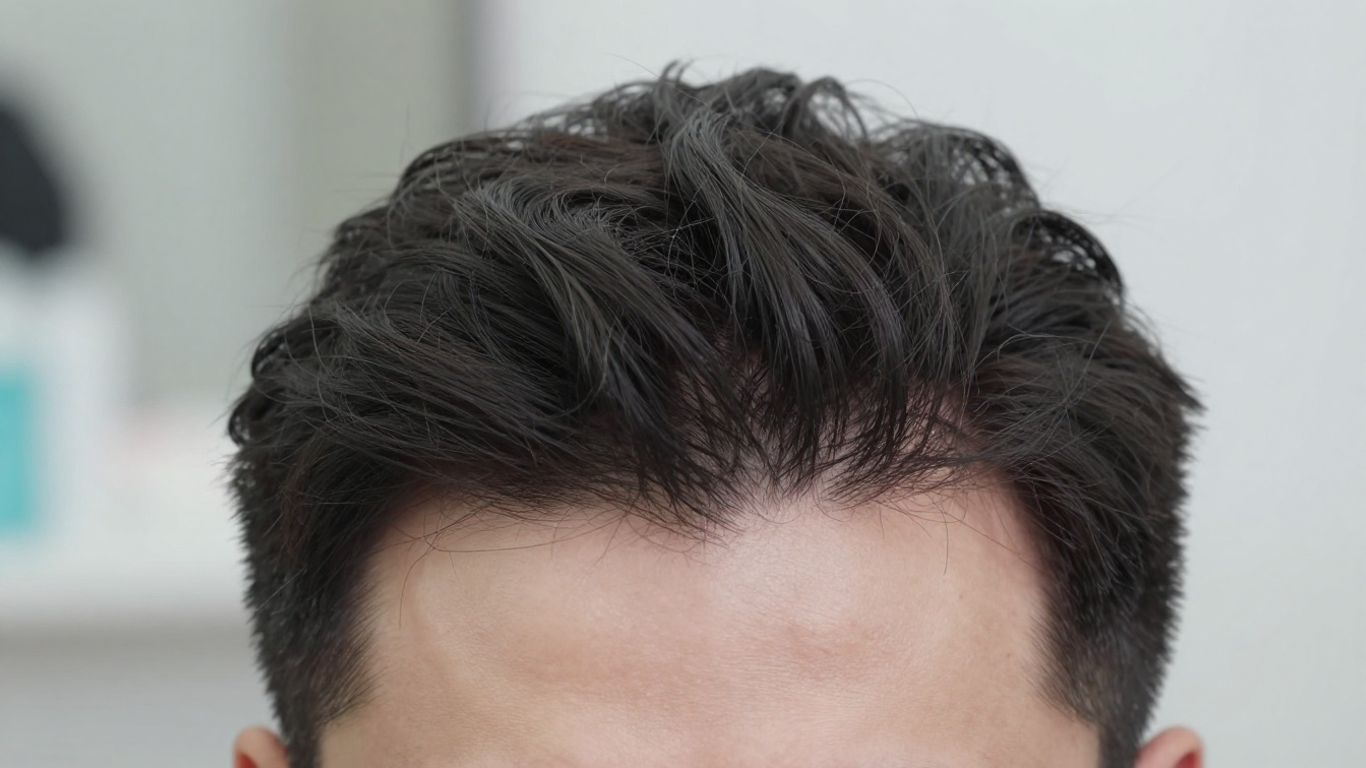
Thinking about a hair transplant is a big step, and knowing what to expect can make all the difference. It’s not just about the procedure itself, but the whole experience from start to finish. This section breaks down what your journey with Dr. Serkan Aygin might look like, from your very first thoughts to getting ready for the trip.
Initial Research and Online Consultation
Your journey usually kicks off right at home, doing some digging online. You'll want to look into clinics and surgeons, checking out reviews and before-and-after photos. Dr. Serkan Aygin's clinic, for example, often starts with a free online consultation. You'll typically send in some pictures of your hair and scalp, and maybe have a quick chat via email or video call with a patient coordinator. This is your chance to ask all those initial questions and get a feel for what might be possible for you. They'll look at your hair loss pattern and donor area to give you a preliminary idea of a treatment plan. It’s a good way to get a personalized assessment without even leaving your house.
Planning Your Trip and Booking
Once you've decided to move forward, the clinic's team usually steps in to help with the practical stuff. They'll often suggest dates that work well for both you and their schedule, and some can even help with booking flights if needed. Most patients find that a 3-day stay in Istanbul is usually enough for the procedure and initial recovery. Clinics like Dr. Serkan Aygin's often have coordinators who can help arrange your hotel stay and airport transfers, making the whole travel part much smoother. It’s all about making the logistics as simple as possible so you can focus on the upcoming procedure. This kind of coordinated approach is a big part of the medical tourism advantage in Turkey.
Pre-Travel Preparation
As your trip gets closer, you'll get a list of instructions from the clinic. These are pretty important for making sure the surgery goes well and your recovery starts off right. You might be asked to avoid certain medications, like blood thinners, for a couple of weeks beforehand. If you smoke, you'll likely be advised to cut back or quit temporarily, as smoking can affect healing. They'll also tell you what to pack – think comfortable, button-down shirts that are easy to put on and take off without disturbing your scalp. Making sure your passport is up-to-date and checking visa requirements for Turkey is also on the checklist. It’s all about being prepared so you can relax once you arrive.
Getting ready for a hair transplant involves more than just booking the appointment. It's a process that starts with informed research and continues with careful preparation, ensuring you're in the best possible condition for the procedure and subsequent recovery. This thoughtful approach sets the stage for a positive experience and successful outcome.
Here’s a quick look at what pre-travel prep might involve:
- Medication Adjustments: Discuss any current medications with your doctor and follow clinic advice on what to stop or continue.
- Lifestyle Changes: Quitting smoking and reducing alcohol intake can significantly aid healing.
- Packing Essentials: Comfortable clothing, especially button-up shirts, and any personal items you might need during your stay.
- Documentation: Ensure your passport is valid and check any visa requirements for Turkey.
The Dr. Serkan Hair Transplant Procedure Explained
So, you're thinking about getting a hair transplant with Dr. Serkan Aygin. That's a big step, and it's totally normal to want to know exactly what happens during the procedure itself. It's not just a quick in-and-out thing; there's a whole process involved to make sure you get the best possible results. Let's break it down.
Consultation and Hairline Design
Before anything else, you'll have a detailed consultation. This is where the doctor really gets to know your specific situation. They'll look at why you're losing hair and figure out if a transplant is the right move for you. If it is, the next big step is designing your new hairline. Dr. Serkan Aygin himself oversees this part for every patient, making sure it looks natural and fits your face perfectly. They'll figure out how many grafts you'll need and how many they can safely take from your donor area. This planning stage is super important for the final outcome.
Sedation and Local Anesthesia
When it's time for the procedure, you won't feel any pain. They'll start by giving you some sedation, which helps you relax. Then, they'll use local anesthesia on your scalp. This numbs the area where they'll be taking grafts from and where they'll be putting them in. Most patients find they can stay pretty comfortable throughout the entire surgery, often listening to music or just resting. It’s designed to be as pain-free as possible.
Hair Grafting and Preservation
This is where the actual hair is collected. The most common method used is FUE (Follicular Unit Extraction). It's a meticulous process where individual hair follicles are carefully removed from your donor area, usually the back of your head. These grafts are then kept in a special solution to keep them healthy and viable until they're ready to be implanted. The team works quickly and carefully to make sure the grafts are preserved in the best condition possible. This step is vital for graft survival rates, which top clinics like Dr. Serkan Aygin's aim for at 95-98% regrowth.
Graft Implantation
This is the main event. Using tiny instruments, the surgeon makes small channels in the recipient areas of your scalp. Then, each graft is carefully placed into these channels. The angle, direction, and density of the implantation are all critical for achieving a natural look. The team pays close attention to detail, ensuring the transplanted hair blends seamlessly with your existing hair. The whole process, from start to finish, usually takes several hours, and lunch or snacks are provided during the procedure to keep you comfortable.
The success of your hair transplant hinges not just on the surgical skill but also on the meticulous preservation of the harvested grafts and the precise implantation technique. Every step is designed to maximize the chances of natural, lasting growth.
Post-Procedure Care and Recovery
Alright, so you've had your hair transplant procedure with Dr. Serkan's clinic. Now comes the part where you help those new grafts settle in and get ready for growth. It's not super complicated, but following the instructions is pretty important for the best outcome.
Immediate Post-Operative Care
Right after the procedure, your scalp will be a bit sensitive, and that's totally normal. The clinic will give you a detailed rundown, but generally, you'll want to be gentle.
- Washing: You'll get specific instructions on when and how to wash your scalp. Usually, the first wash is done by the clinic staff the day after your procedure. After that, you'll use a special gentle shampoo provided. Avoid scrubbing or using harsh chemicals.
- Sleeping: For the first few nights, it's a good idea to sleep with your head elevated. This helps reduce swelling. You might want to use a travel pillow or extra pillows to keep your head propped up. Avoid washing your hair for the first 24 hours.
- Protection: Try not to bump your head or expose the treated area to direct sunlight for the first couple of weeks. Wearing loose hats can help protect it when you go outside.
- Medications: Take any prescribed medications, like antibiotics or anti-inflammatories, exactly as directed by the clinic. This helps prevent infection and manage any discomfort.
Keeping the transplanted area clean and protected is key in these initial days. It's about giving those new follicles the best possible environment to start healing and preparing for growth.
Understanding Shedding and New Growth
This is where a lot of people get a little anxious, but it's a completely normal part of the process. In the first few weeks after your transplant, you'll likely notice that the transplanted hairs start to fall out. This is often called 'shock loss'. Don't worry, the hair follicles are still there under the skin; they're just going through a natural cycle.
- Shedding Phase: This typically happens between weeks 3 and 8 post-procedure. It might look like you're losing the transplanted hair, but it's a sign the follicles are settling in.
- New Growth Begins: Around months 2 to 4, you'll start to see new hair emerging. These initial hairs might be fine and thin, but they're the start of your new, permanent hair.
- Continued Growth: The density and thickness will gradually increase over the next several months. Most of the final results become visible between 9 to 12 months, and sometimes up to 18 months.
Recovery and Post-Operative Support
Your recovery journey doesn't end when you leave the clinic. Dr. Serkan's team provides ongoing support to help you through the process.
- Follow-up: You'll have scheduled follow-up appointments, often via video call, to monitor your progress. This is a great time to ask any questions you might have about your healing or expected growth.
- Lifestyle: Maintaining a healthy lifestyle, including a balanced diet and staying hydrated, can support hair growth. Some clinics recommend specific multivitamin shampoos to aid in this phase.
- Patience: The most important thing is to be patient. Hair growth is a slow process, and seeing the full results takes time. Trust the process and stick to the aftercare plan.
Remember, the clinic is there to help. If you have any concerns or notice anything unusual, don't hesitate to reach out to them. They've guided many patients through this, and they're ready to support you too.
Evaluating Dr. Serkan Hair Transplant Results
So, you've had the procedure, and now you're probably wondering when you'll see the final outcome. It's a process, and honestly, it takes some patience. You won't wake up with a full head of hair overnight, but the journey to seeing those results is pretty exciting.
Timeline for Visible Density Improvements
It's important to know that hair transplants don't give you instant results. There's a whole cycle the hair goes through. Right after the surgery, you might see some initial growth, but then comes the shedding phase, usually a few weeks later. Don't freak out – this is totally normal! The transplanted hairs fall out, but the roots are still there, getting ready to grow new hair. The real visible changes start to show up a few months down the line.
Here’s a general idea of what to expect:
- First 2-4 weeks: Initial growth might appear, followed by the shedding phase (weeks 3-8). This is where transplanted hairs fall out, but the roots stay put.
- 3-6 months: New hair growth becomes noticeable. You'll start to see thicker strands appearing, and the density will gradually increase.
- 6-12 months: Significant improvement in density and coverage. The hair will look much fuller, and you'll be able to style it more freely.
- 12-18 months: The final results are typically visible. Most people achieve about 90-100% of their final hair growth by this point, with continued subtle improvements.
Achieving Natural and Lasting Outcomes
The ultimate goal is always a natural look that lasts. Dr. Serkan Aygin and his team focus heavily on hairline design that complements your facial structure. They aim for transplanted hair to blend in so well with your existing hair that it's virtually undetectable. The techniques used are designed to preserve your natural appearance. Since the transplanted hair comes from a donor area that's genetically resistant to thinning, the results are generally permanent. It's about getting hair that will last a lifetime, provided you've had a good procedure and maintain healthy hair practices.
The success of your hair transplant isn't just about the surgery itself; it's a combination of the surgeon's skill, the techniques used, and your commitment to post-operative care. Following the clinic's instructions diligently is key to helping those new grafts thrive and achieve the best possible outcome.
Long-Term Results and Maintenance
While the transplanted hair is permanent, it's important to remember that hair loss can continue in untreated areas of your scalp. This means that over time, you might see thinning in other spots. To maintain the best possible look, some patients opt for ongoing treatments or might consider future procedures if needed. Regular check-ups with the clinic, even virtually, can help monitor your progress and address any concerns. You can explore a gallery of hair transplant before and after photos to see the kind of results that are achievable and how they look over time. It's a journey, and the clinic is there to support you throughout the process, even long after you've returned home.
Choosing the Right Clinic for Your Procedure
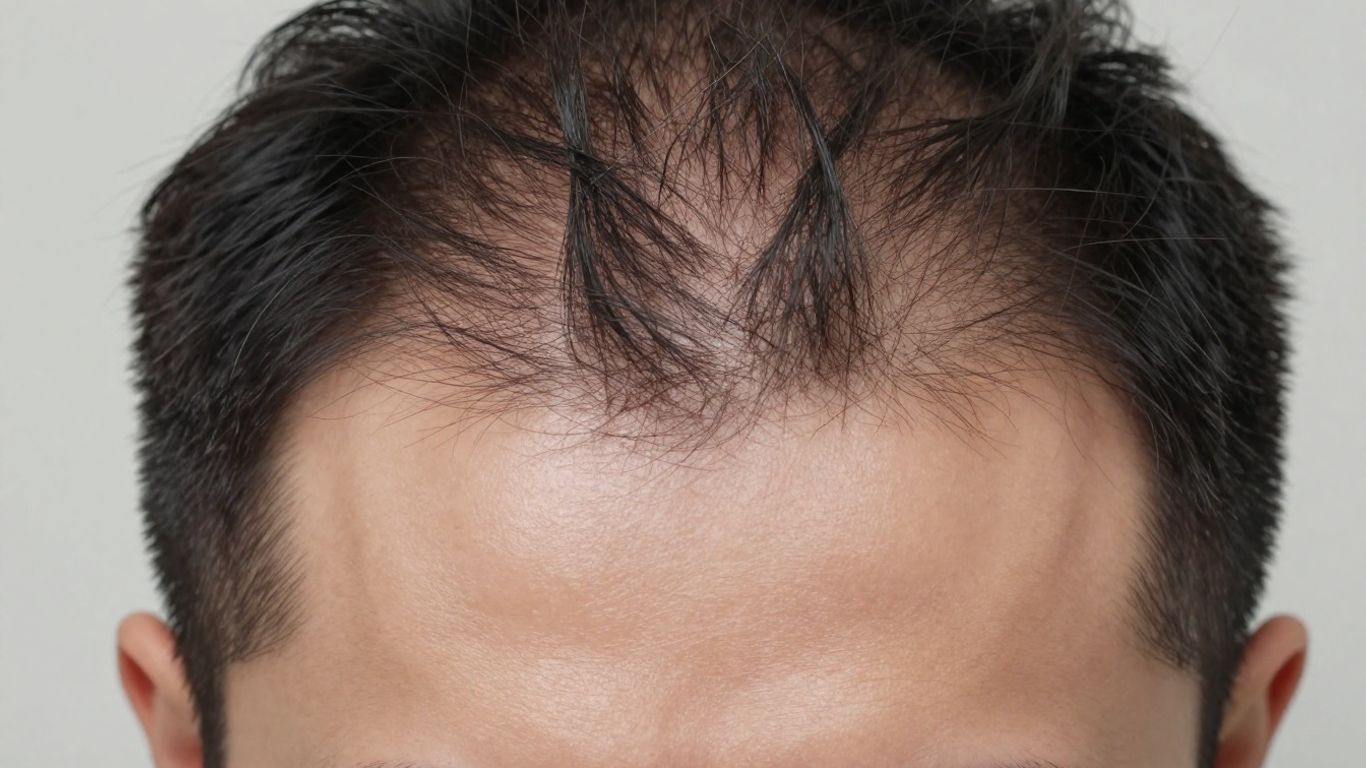
So, you've decided Turkey is the place for your hair transplant. That's a big step! Now comes the really important part: picking the right clinic. It's not just about finding the cheapest option; it's about finding a place where you feel comfortable and confident that you'll get the results you want. This decision can make or break your entire experience. Turkey has become a global leader in hair restoration, known for its high-quality care and affordability.
The Medical Tourism Advantage in Turkey
Turkey has really become a go-to spot for hair transplants, especially for women. It's not just about the price, though that's a big part of it. The country has put a lot of effort into becoming a leader in medical tourism, and hair restoration is a major focus. You'll find clinics here that are specifically geared towards women's hair loss, which is often quite different from men's. Why has Turkey become so popular? For starters, the sheer volume of procedures means surgeons gain a ton of experience very quickly. They're dealing with all sorts of hair loss patterns, particularly the diffuse thinning common in women. This specialized experience translates into better results for patients. Plus, the government has actively supported medical tourism, making it easier for international patients to travel and receive care. It's a combination of skilled professionals, dedicated facilities, and a welcoming environment for those seeking treatment.
Streamlined Patient Journey and Logistics
When you decide to get a hair transplant in Turkey, the whole process is usually pretty well organized. Many clinics offer all-inclusive packages that take care of a lot of the hassle. This often includes:
- Airport transfers to and from your hotel.
- Accommodation in comfortable, nearby hotels.
- The procedure itself, including pre-operative tests.
- Post-operative care, like the first hair wash and necessary medications.
- Sometimes, even a personal translator or host to help you get around.
This makes the whole trip much less stressful. You can focus on your recovery and maybe even do a little sightseeing. Planning ahead is a good idea, though; booking at least a month in advance is recommended to secure your spot with experienced surgeons. The whole trip usually takes about 3 to 4 days, which is quite efficient. The focus on women's specific needs means techniques are adapted to maintain feminine aesthetics, often avoiding full head shaving and allowing for quicker camouflage of the procedure. This attention to detail is a significant draw for many women considering their options. You can find some great all-inclusive hair transplant packages in Turkey that bundle services for even better value.
Exceptional Value and Quality of Care
Let's talk about the cost. Compared to many Western countries, the prices in Turkey are significantly lower. We're talking about potentially saving thousands of dollars while still getting high-quality care. For example, a women's hair transplant might cost between $2,000 and $5,000 in Turkey, whereas it could easily be $15,000 or more elsewhere. This affordability doesn't mean a compromise on quality. Many Turkish clinics adhere to international standards and have excellent success rates, often exceeding 90%. It's a smart choice for those looking for effective treatment without breaking the bank.
When you're looking at the investment for a hair transplant, it's not just about the sticker price. Think about the value you're getting. Turkey offers a significant cost reduction compared to Western countries, often saving you 60-90%. This means you can access high-quality procedures without breaking the bank. The average cost for a female hair transplant in Turkey, around $2,500 to $5,500, is a fraction of what you might pay elsewhere. Remember that the cheapest option isn't always the best. It's important to balance cost with the quality of the clinic, the surgeon's qualifications, and the overall patient experience. A slightly higher price for a reputable clinic can lead to much better and more natural-looking results. When comparing prices, always ask for a detailed breakdown of what's included. A patient described their experience as the best decision they've made, highlighting the clinic's professionalism and smooth process.
When evaluating clinics, consider the entire patient journey. This includes not just the surgery itself, but also the pre-operative consultations, the accommodation and transfers if you're traveling from abroad, and the post-operative support. A clinic that provides clear, honest information about costs, techniques, and recovery is usually a trustworthy one. Don't be swayed by aggressive sales tactics or promises that sound too good to be true.
Potential Risks and Considerations
Even with the most skilled surgeons and advanced techniques, it's important to be aware that any surgical procedure, including hair transplantation, carries some level of risk. While serious complications are rare, understanding these possibilities helps you make a fully informed decision.
Understanding Common Risks
While Dr. Serkan's clinic has a very low complication rate, it's good to know what could happen. Most issues are minor and temporary. These can include:
- Infection: This is extremely rare, especially when sterile techniques are strictly followed. If it does occur, it's usually treatable with antibiotics. Prompt medical attention is crucial to prevent visible scarring or reduced hair density [540e].
- Scarring: With modern FUE and DHI techniques, scarring is minimal, often appearing as tiny dots that are virtually unnoticeable, even with short hair. Significant scarring is highly unlikely.
- Numbness or Itching: Some temporary numbness or itching in the treated or donor areas can occur. This usually resolves within weeks or a few months. Permanent numbness is exceptionally uncommon.
- Swelling and Bruising: You might experience some swelling or bruising around the forehead and eyes for a few days post-procedure. This is a normal part of the healing process.
It's vital to follow all post-operative care instructions meticulously. This includes gentle handling of the scalp, proper washing techniques, and taking prescribed medications. Diligent aftercare is just as important as the surgery itself for protecting the grafts and promoting optimal healing, which directly impacts the final outcome.
Graft Survival and Potential Revisions
One of the main concerns for anyone considering a hair transplant is how many grafts will actually take root and grow. Reputable clinics aim for high survival rates, typically between 95-98%. However, factors like how the grafts are handled and preserved during the procedure, as well as your individual healing process, play a role.
- Low Yield: In a small percentage of cases (usually 2-8%), some grafts might not survive. This can happen if the clinic rushes the process or doesn't store the grafts properly. Choosing a clinic with a proven track record, like Dr. Serkan Aygin's, significantly minimizes this risk.
- Unnatural Appearance: This is a fear for many, but it's largely avoidable with skilled hairline design and precise graft placement. The angle, direction, and density must all be considered to create a natural look that blends seamlessly with your existing hair. Dr. Serkan's personal oversight in hairline design is key here.
- Need for Revision: While not common, sometimes a patient might desire further density or a refinement of the hairline. In such cases, revision procedures can be considered. It's important to discuss this possibility and the clinic's policy on revisions during your initial consultation.
Candidate Suitability Assessment
Not everyone is an ideal candidate for a hair transplant, and a thorough assessment is necessary. The goal is to ensure the procedure will yield the best possible results for your specific situation.
- Pattern Hair Loss: The most common reason for hair loss, androgenetic alopecia (male or female pattern baldness), generally makes for an excellent candidate. The success rate is very high in these cases.
- Other Types of Hair Loss: Conditions like traction alopecia or scarring alopecia can often be treated successfully. However, for patchy hair loss (alopecia areata), it's usually only recommended once the condition has been stable for a year or two. Alopecia totalis or universalis (complete loss of scalp and body hair) are typically not suitable candidates due to a lack of viable donor hair.
- Active Shedding: If you're experiencing rapid, ongoing hair shedding or diffuse unpatterned alopecia, it's often advised to wait or pursue medical treatments first to stabilize the condition before considering a transplant. Consulting with a specialist is the best way to determine your suitability. Smoking, for instance, can significantly hinder healing and increase infection risk after surgery [c8cd].
Wrapping Things Up
So, you've learned a lot about what goes into a hair transplant with Dr. Serkan Aygin. It's clear that this isn't just a quick fix; it's a whole process that starts with good research and ends with careful aftercare. From understanding the techniques to planning your trip and what to expect during recovery, being informed is key. Remember, the goal is to get results that look natural and last, and that comes from choosing the right clinic and following their guidance closely. It's a big step, but with the right preparation, you can feel much more confident about the whole experience.
Frequently Asked Questions
How long does a hair transplant from Dr. Serkan last?
Hair transplants done by Dr. Serkan are usually permanent. The hair used for the transplant is taken from areas of your scalp that are not affected by hair loss, so it keeps growing for life. However, your natural hair in other areas might still thin over time, so it’s important to follow your doctor’s advice for long-term care.
Is the hair transplant procedure painful?
Most people say the procedure is not painful because you get local anesthesia and sometimes a mild sedative. You might feel a little pressure or tugging, but not pain. After the surgery, your scalp could feel sore, like a sunburn, for a few days, but pain medicine can help with that.
How soon can I return to school or work after a hair transplant?
You can usually go back to school or an office job within 5 to 10 days after your hair transplant. Some people return even sooner if they feel comfortable. If your job is very physical or you have to wear a helmet, you may need to wait a bit longer. Always ask your doctor what’s best for your situation.
Will my transplanted hair look natural?
Yes, if your hair transplant is done by an experienced team like Dr. Serkan’s, the results should look very natural. The surgeon pays close attention to the angle, direction, and shape of your new hairline so it matches your face and existing hair. Most people can’t even tell you had a transplant once it’s healed.
Are there risks or side effects to getting a hair transplant?
All surgeries have some risks, but hair transplants are very safe when done by professionals. You might have some swelling, redness, or itching at first. Rarely, there could be infection or scarring, but this is very uncommon. Following all aftercare instructions helps you avoid most problems.
What is the best age to get a hair transplant?
Most experts recommend waiting until you are at least 25 years old and your hair loss has slowed down. This helps the doctor see the full pattern of your hair loss and plan the best treatment. There isn’t a maximum age, and people even in their 70s can be good candidates as long as they’re healthy.


International Standards.
Brazilian Mastery.
Aesthetica Medical Travel Facilitators, LLC is an international care coordination company registered in Wyoming, United States. We provide services for the promotion and support of medical service providers, including physicians worldwide (“medical service providers”). These services are made available through Aesthetica’s website, and the same privacy terms also apply to the Aesthetica Advisor Program (the “application/platform”), created and operated by Aesthetica. Aesthetica is solely responsible for controlling and processing the information obtained via the platform or through other communications between users, businesses, hospitals, clinics, or third parties and members of the Aesthetica service team (the “Service Team”). Our services may include non-clinical care coordination for North American patients seeking elective procedures abroad, including provider matching, travel logistics, and administrative support throughout the care journey. Additional services or add-ons may be offered depending on the selected scope. Post-operative care is typically conducted in the destination country where the procedure is performed. Additional coordination or administrative support in the patient’s country of origin may be available separately, subject to scope and availability. Aesthetica may engage third-party service providers, partners, or affiliated entities to support its operations, including data processing and service delivery. Information may be shared with such parties solely as necessary to provide the services described. Our operations follow strict standards of transparency, privacy protection, and regulatory compliance. Testimonials reflect individual experiences and do not guarantee future results. By using Aesthetica’s services or platform, users acknowledge and agree to these terms and understand the limited, non-clinical role of Aesthetica in the care journey. For more information about our policies or compliance framework, please contact our support team.