
Donut Mastopexy Before and After: Real Patient Results and What to Expect
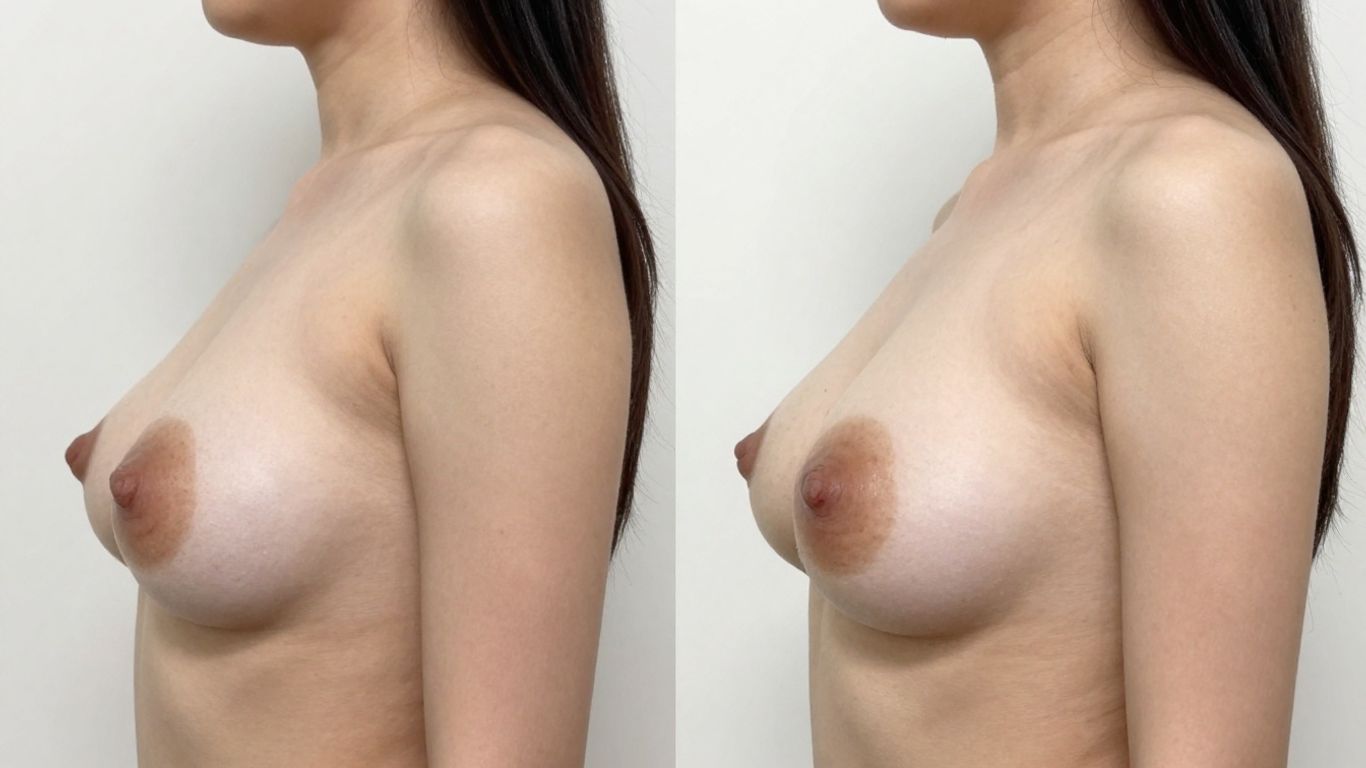
Thinking about a breast lift but not sure where to start? You've probably seen a lot of options out there, and it can get confusing. One method that's gaining attention is the donut mastopexy, also called a periareolar lift. It's a way to lift breasts with a smaller scar. We're going to break down what this procedure involves, who it's best for, and what you can actually expect. We'll also look at some real donut mastopexy before and after results to give you a clear picture of the transformation.
Key Takeaways
- The donut mastopexy, or periareolar lift, is a surgical technique to lift breasts using a circular incision around the areola, ideal for mild sagging.
- This method offers benefits like minimal scarring and a potentially quicker recovery compared to other breast lift styles.
- Good candidates for a donut lift typically have minimal breast drooping and are happy with their current breast volume.
- Preparing for surgery involves consultations, medical clearance, and lifestyle adjustments, while recovery includes rest and wearing a supportive bra.
- Viewing donut mastopexy before and after photos can help set realistic expectations for improved breast position and shape.
Understanding the Donut Mastopexy Procedure
The donut mastopexy, often called a mini breast lift or periareolar lift, is a surgical technique designed to address mild to moderate breast sagging. It's a popular choice for women who want to improve the shape and position of their breasts without extensive scarring. This method focuses on removing excess skin and tightening the breast tissue around the areola.
How the Donut Breast Lift Works
This procedure involves making two circular incisions. The first is around the edge of your areola, and the second is a slightly larger circle around the first. The skin between these two circles is then removed. Think of it like removing a donut-shaped piece of skin. After the excess skin is gone, the remaining skin is brought together and stitched up, effectively lifting the breast tissue and repositioning the nipple-areola complex higher on the breast. The primary goal is to create a perkier, more youthful appearance with a discreet scar. It's particularly effective for lifting the nipple by about 2 centimeters and can also be used to reduce the size of the areola if that's something you desire.
Benefits of the Periareolar Lift Technique
There are several good reasons why someone might choose this particular method. For starters, the scarring is generally less noticeable because it's hidden along the natural border of the areola. This means the scar is often well-camouflaged. Another big plus is the recovery time; it's typically shorter and less demanding compared to more extensive breast lift surgeries. It's also a great option if you're looking for a subtle change rather than a dramatic transformation. Plus, it can help improve the overall shape and symmetry of the breasts.
Here are some key advantages:
- Minimal Scarring: Incisions are placed around the areola, making scars less visible.
- Shorter Recovery: Generally, recovery is quicker than with other breast lift techniques.
- Areola Reduction: Can be combined with reducing the size of the areola.
- Subtle Improvement: Ideal for mild sagging and achieving a natural-looking lift.
This technique is best suited for individuals who have only a small amount of drooping and are looking for a modest lift. It's not the best choice for significant sagging or if a large amount of skin needs to be removed.
Comparing Donut Lifts to Other Breast Lift Styles
It's helpful to know how the donut lift stacks up against other common breast lift methods. The main differences lie in the incision pattern and the extent of correction they can provide.
- Lollipop Lift (Vertical Mastopexy): This involves a circular incision around the areola and a vertical incision extending downwards to the breast crease. It's suitable for moderate sagging and offers a bit more lift than the donut technique. The scar is longer but still relatively well-hidden.
- Anchor Lift (Inverted T Mastopexy): This is the most extensive type of breast lift, with incisions forming an anchor shape: around the areola, down the center of the breast, and along the breast crease. It's used for significant sagging and allows for the removal of the most excess skin. However, it also results in the most noticeable scarring.
Choosing the right breast lift procedure depends on your specific needs and the degree of sagging you have. Your surgeon will help you decide which technique is best for your body and your goals.
Who Is an Ideal Candidate for a Donut Mastopexy?
So, you're thinking about a donut mastopexy, also called a periareolar lift. That's great! But is it the right move for you? Not everyone is a perfect fit for this particular breast lift technique. It really shines for a specific group of people.
Assessing Your Candidacy for a Mini Lift
Generally, the donut lift is best for women who have only mild breast sagging. Think of it as a tune-up rather than a complete overhaul. If your nipples are pointing a bit lower than you'd like, maybe falling below the breast crease, this technique can help bring them back up. It's also a good option if you're looking to reduce the size of your areola, that pigmented circle around your nipple. The incision is right around the areola, which helps hide the scar pretty well.
- Minimal breast sagging: You don't have a lot of extra skin or significant drooping.
- Nipple position: Your nipples are slightly lower than ideal, but not drastically so.
- Areola size: You might want a smaller areola, and this procedure can help with that.
- Desire for less scarring: You're hoping for a lift with a scar that's easier to conceal.
Realistic Expectations for Mild Breast Sagging
It's super important to go into this with your eyes wide open. The donut lift is fantastic for subtle changes. It's not designed for major lifts or for breasts that have lost a lot of volume and firmness. If you're expecting a dramatic transformation or need to lift the nipple a significant distance, this might not be the best choice. A more involved technique, like the anchor or lollipop lift, might be necessary in those cases. Remember, this procedure is often about repositioning the nipple and tightening the skin immediately around it. You can find out more about other breast lift styles if you're unsure.
This procedure works best when the amount of lift needed is relatively small, usually around 2 centimeters. Trying to achieve a much larger lift with this method can sometimes lead to the incision stretching out over time, which isn't ideal.
Considering Your Overall Health and Lifestyle
Beyond just the appearance of your breasts, your general health plays a big role. Are you a non-smoker? Smoking can really mess with healing. Do you have any chronic health conditions that might complicate surgery? Your surgeon will want to know all about your medical history. It's also wise to think about your future plans. If you're planning on having more children or significant weight fluctuations, it might be worth waiting. Pregnancy and major weight changes can affect the results of any breast lift. If you're in the Scottsdale area and want to discuss your options, you can contact a local practice to see if you're a good candidate.
Preparing for Your Donut Mastopexy Surgery
Getting ready for your donut mastopexy is a pretty important step. It’s not just about showing up on surgery day; there’s a bit of groundwork to do beforehand to make sure everything goes smoothly and your recovery is as good as it can be. Think of it like prepping for a big trip – you wouldn't just walk out the door, right?
The Initial Consultation and Physical Examination
This is where it all starts. You’ll meet with your plastic surgeon to chat about what you’re hoping to achieve with the lift. They’ll take a good look at your breasts, checking out your skin’s elasticity and the general shape. This isn't just a quick glance; they need to figure out if the donut lift is truly the best fit for you and your goals. It’s also your chance to ask all those burning questions you have. Don't hold back! They’ll also talk about different breast lift techniques, like the lollipop or anchor styles, and explain why the donut method might be recommended for your specific situation. This conversation helps set realistic expectations about the outcome, including where scars will be located.
Medical Clearance and Medication Guidelines
Before you can get the green light for surgery, your doctor will likely want to make sure you’re healthy enough. This might involve some blood tests or other check-ups. It’s really important to be upfront about your full medical history. Also, pay close attention to the medication advice. You’ll probably be told to stop taking certain things, like aspirin or some herbal supplements, for a couple of weeks before surgery because they can increase bleeding. Following these instructions precisely is key to a safe procedure.
Essential Lifestyle Adjustments Before Surgery
There are a few lifestyle changes that can make a big difference in how well you heal. If you smoke, you’ll need to quit at least a month before surgery, and stay smoke-free afterward. Smoking really messes with blood flow and can slow down healing quite a bit. Eating well and staying hydrated are also good ideas. Some surgeons might suggest avoiding alcohol for a period before surgery too. It’s also wise to arrange for someone to drive you home after the procedure and help out for the first day or two. Getting your home recovery space set up beforehand, with comfy pillows and easy-to-wear clothes, can also make things much easier.
Preparing your home environment can significantly ease your recovery. Having essentials within reach, comfortable clothing ready, and a designated quiet space can make a world of difference in your post-operative comfort and healing process.
It’s also a good idea to think about your weight. If you’ve had big ups and downs with your weight, it might be worth trying to get to a more stable point before surgery. Significant weight changes after the lift can affect the results. For many women, it’s also recommended to consider if they plan on having more children. Future pregnancies can change the shape and position of your breasts, potentially impacting the longevity of your donut mastopexy results.
The Donut Mastopexy Recovery Journey
Okay, so you've had your donut mastopexy, and now it's time for the "after" part. Recovery is a big deal, and honestly, it's where the real magic happens as your body heals and settles into its new shape. It's not always a walk in the park, but knowing what to expect can make a world of difference.
What to Expect in the First Few Days Post-Surgery
Right after surgery, you'll likely feel sore and a bit tender. This is totally normal. You'll probably have bandages and a special surgical bra to wear, which helps support your breasts and keep everything in place. Movement might feel a little stiff, and you'll want to avoid lifting anything heavy or doing any strenuous activity. Think of it as your body's cue to take it easy. Most people can head home the same day, but you'll need someone to drive you, as you won't be able to operate a vehicle.
- Pain Management: Your surgeon will prescribe pain medication to keep you comfortable. Stick to the schedule they give you.
- Swelling and Bruising: Expect some swelling and bruising. This is your body's natural response to the procedure.
- Wound Care: You'll get specific instructions on how to care for your incisions. Keeping them clean and dry is super important.
The first few days are all about rest and letting your body start the healing process. Don't push yourself; just focus on recovering.
Navigating the First Few Weeks of Recovery
As the first week wraps up, you'll probably have a follow-up appointment to check on your progress and have any dressings changed. You can usually ditch the surgical bra for a comfortable, supportive one after a certain period, but your surgeon will tell you when. Many patients find they can return to light, desk-based work around the 7-10 day mark, but this really depends on your job and how you're feeling. More strenuous activities and exercise? That's usually a bit further down the line, often around the 2-week mark, but always get the okay from your doctor first. Listen to your body – if something hurts, stop.
Here's a quick rundown of what the first few weeks might look like:
- Gradual Increase in Activity: Slowly start incorporating more movement, but still avoid heavy lifting or intense workouts.
- Scar Management: Your surgeon might recommend specific creams or techniques to help your scars heal nicely.
- Emotional Well-being: It's common to have some emotional ups and downs during recovery. Be patient with yourself.
Long-Term Healing and Scarring Considerations
Recovery doesn't stop after a few weeks. The full healing process can take several months, even up to a year, for the swelling to completely go down and for the final results to become apparent. The scars from a donut mastopexy are typically around the areola, which helps camouflage them. Over time, they should fade significantly, becoming much less noticeable. However, how well they heal can depend on your individual skin type and how well you follow post-operative care instructions. Remember, final results can take 6 to 12 months to fully show.
Donut Mastopexy Before and After: Real Patient Transformations
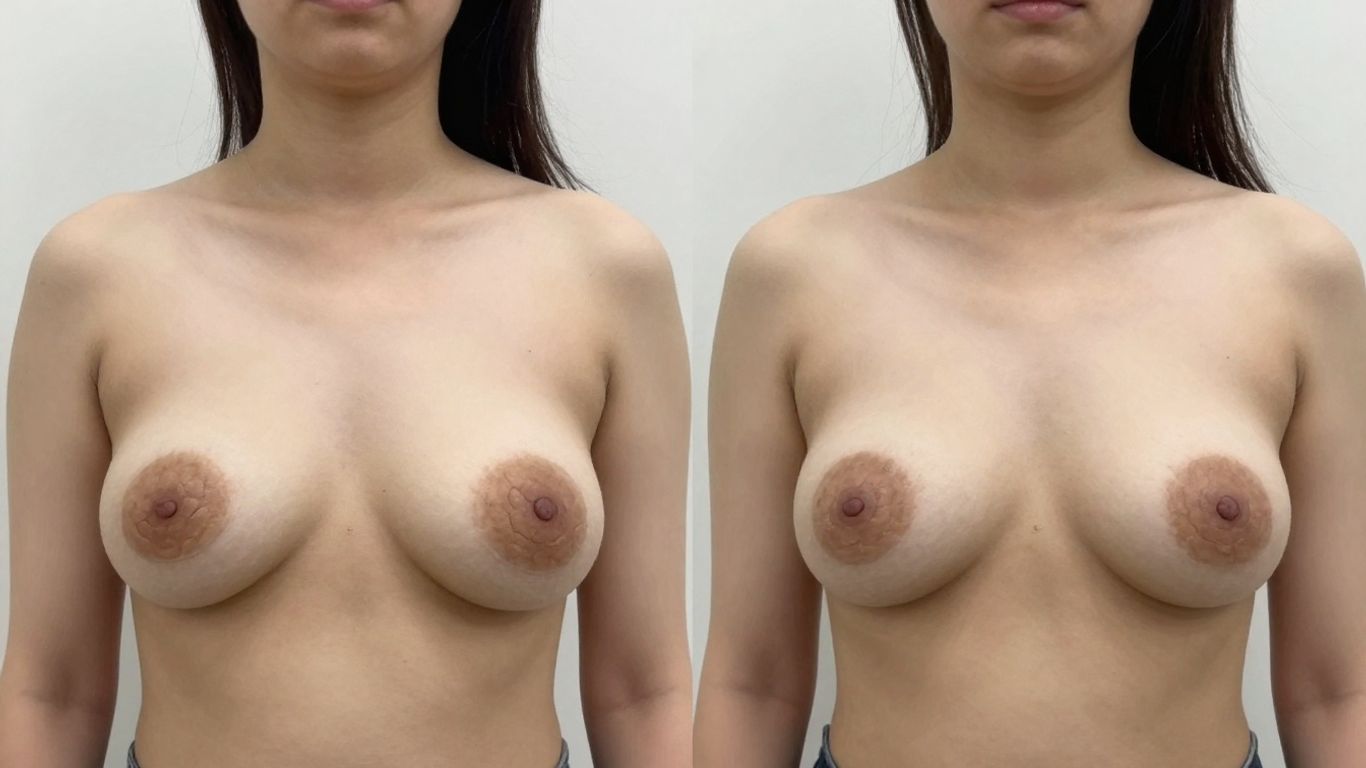
Seeing is believing when it comes to a donut mastopexy, also known as a periareolar breast lift. This procedure is all about giving your breasts a lift and a more youthful shape, and the results can be quite striking. Many women find that after the surgery, their breasts have a noticeably higher and perkier position. It's not just about lifting; the technique also helps to improve the overall shape, creating a more rounded and firm contour that can make you feel more confident in your clothes.
Visualizing the Results: Before and After Photos
Looking at before and after photos is one of the best ways to get a real sense of what a donut mastopexy can do. You'll see how breasts that might have been a bit low or lost their firmness can be reshaped. The circular incision around the areola allows the surgeon to remove excess skin and tighten the remaining tissue. This means that breasts can appear more lifted and have a better projection. For many, this procedure helps restore a shape that feels more like it did years ago. If you're curious about what's possible, checking out galleries of real patient transformations can be really helpful.
Achieving a Higher, Perkier Breast Position
One of the most significant changes people notice is how much higher their breasts sit. Gravity can be tough, and over time, breasts can start to droop. The donut lift directly addresses this by repositioning the breast tissue. The goal is to create a more lifted appearance without drastically changing the breast volume. You can expect your nipples to be more forward-facing and centered, contributing to that refreshed look. It’s about subtle but impactful changes that make a big difference in how your silhouette appears.
Improved Shape and Youthful Contour
Beyond just lifting, the donut mastopexy also works to refine the breast's shape. Sagging can sometimes make breasts look flatter or less defined. By tightening the skin and underlying tissue, the procedure can help create a fuller, more rounded appearance, especially in the upper part of the breast. This improved contour can make a big difference in how clothes fit and how you feel about your body. It’s a way to achieve a more youthful look that many women are happy with for years to come. Some women find that the results can last for 10 years or more, though this varies from person to person.
The recovery process is a key part of seeing these results. While the surgery itself is designed to be less invasive, following your surgeon's aftercare instructions is important for optimal healing and the best possible outcome. This includes wearing a supportive bra and limiting strenuous activity for a period.
Longevity and Maintenance of Donut Mastopexy Results
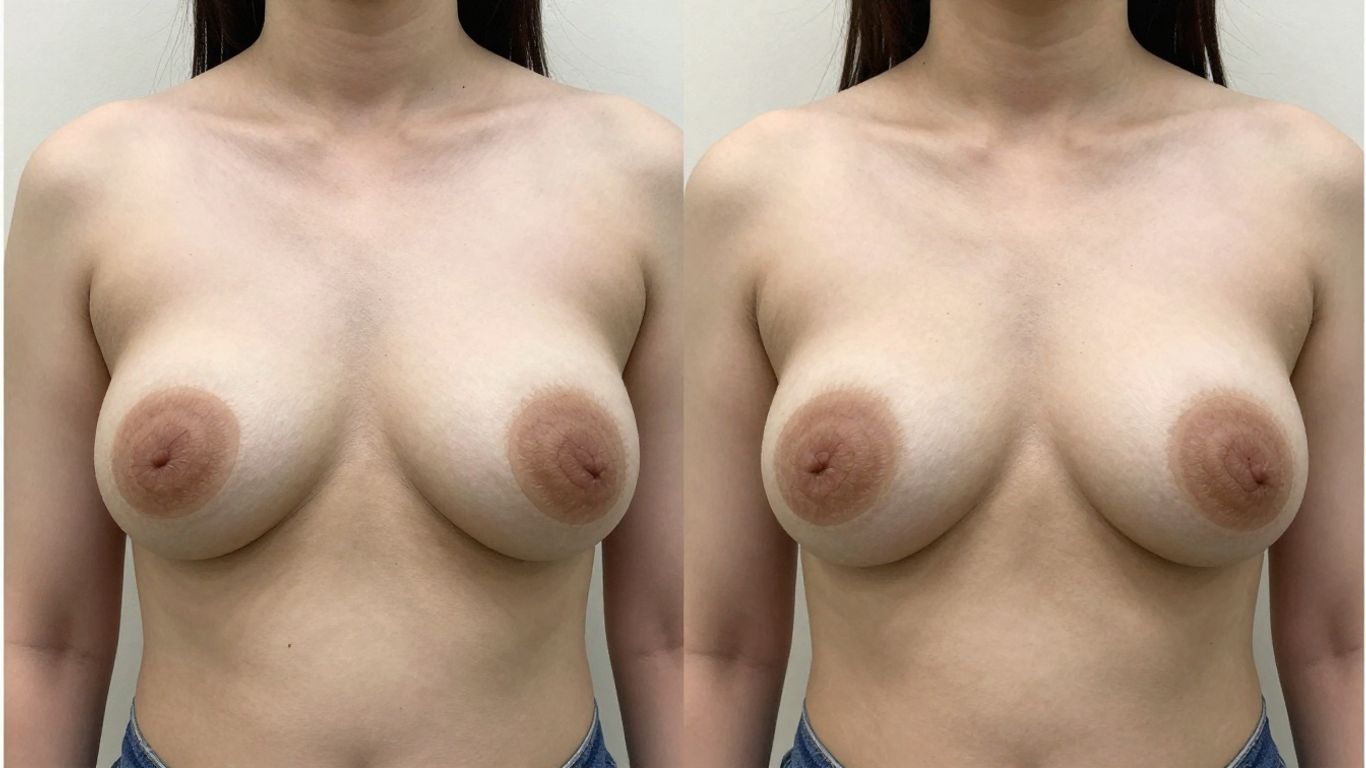
So, you've had your donut mastopexy, and your breasts are looking perkier than ever. That's fantastic! But, like anything, you're probably wondering how long this great look will stick around and what you can do to keep it that way. It's not like a tattoo that's permanent, but it's also not something that fades in a few months.
The good news is that a donut breast lift can offer results that last for many years, often a decade or even longer. However, it's important to remember that this surgery doesn't stop time. Your body will continue to age, and gravity still does its thing. So, while the initial lift is significant, maintaining that youthful appearance takes a little effort on your part.
Factors Influencing the Durability of Your Lift
Several things play a role in how long your donut mastopexy results will hold up. It's a mix of your body's natural tendencies and how you live your life.
- Skin Elasticity: This is a big one. As we get older, our skin naturally loses some of its firmness and elasticity. If your skin is naturally more elastic, the lift might hold its shape for longer. Genetics plays a part here, but so does sun exposure and smoking.
- Weight Fluctuations: If you tend to gain and lose a lot of weight, this can really impact your results. When you gain weight, your breasts get bigger and the skin stretches. When you lose weight, they shrink, and that stretched skin might not bounce back as well, potentially affecting the lift.
- Pregnancy and Breastfeeding: This is a significant factor for many women. If you plan on having more children and breastfeeding, it's almost certain that your breasts will change shape and size, which can undo some or all of the effects of the lift. Many women choose to have their lift after they're done having children for this reason.
- Gravity and Aging: Yep, these are unavoidable! Over time, gravity will continue to pull on your tissues, and the natural aging process will affect your skin's firmness.
Preserving Your Results Through Lifestyle Choices
While you can't stop aging, you can definitely make choices that help your donut mastopexy results last longer. Think of it as giving your breasts the best possible environment to stay looking good.
- Maintain a Stable Weight: Try to stick to a healthy weight range. Big swings up and down aren't great for your skin or the lift.
- Wear a Supportive Bra: Especially when you're exercising, a good, supportive bra can help minimize the effects of gravity and jarring movements that can affect the tissues.
- Healthy Lifestyle: This is pretty standard advice for overall health, but it really applies here too. Eating well, not smoking (smoking really damages skin elasticity!), and staying hydrated all contribute to healthier skin.
- Sun Protection: The skin on your chest is delicate. Protecting it from the sun, especially when you're out and about, can help prevent premature aging and maintain skin quality.
It's worth noting that unlike breast augmentation, a donut mastopexy doesn't involve implants. This means you don't have to worry about future surgeries for implant replacement. The longevity is tied more to your body's natural aging process and lifestyle factors.
The Impact of Future Pregnancies on Your Lift
This is a really important point for women who are still considering having children. Pregnancy and subsequent breastfeeding can cause significant changes to the breasts. The skin stretches, the glandular tissue changes, and the overall shape and position of the breasts can be altered. While the donut mastopexy procedure aims to preserve as much of the milk ducts and nerve supply as possible, there's no guarantee that you'll be able to breastfeed or that your results won't be affected. If future pregnancies are on your radar, it's definitely something to discuss thoroughly with your surgeon during your initial consultation. They can help you understand the potential impact and decide if now is the right time for the procedure.
Wrapping It Up: Your Journey to a Lifted Look
So, there you have it. A donut mastopexy can really make a difference if you're looking to give your breasts a little lift without a ton of scarring. We've seen how it works, what kind of results you can expect from real patients, and what to do to get ready and recover. Remember, keeping a healthy weight and avoiding smoking can help keep those results looking good for longer. If you're thinking this might be the right move for you, chatting with a qualified surgeon is the next best step. They can help you figure out if this procedure fits your goals and what the whole process will be like.
Frequently Asked Questions
What exactly is a donut mastopexy?
A donut mastopexy, also called a periareolar lift, is a type of breast lift surgery. It's designed to fix breasts that have started to droop a little. The surgeon makes a cut in a circle around the dark part of your nipple (the areola). Then, they remove extra skin and gently pull the breast tissue up to make it look perkier and more youthful. It's great for small lifts and leaves a less noticeable scar because it's hidden around the areola.
Who is a good candidate for this donut lift?
This procedure is best for people who have mild sagging of their breasts. If your nipples are pointing a bit lower than you'd like, but you're happy with the overall size and fullness of your breasts, you might be a good fit. It's also a good option if you want to make your areolas smaller. You should also be in good general health and have realistic ideas about what the surgery can do.
What's the main difference between a donut lift and other breast lifts?
The biggest difference is the cut! A donut lift only uses a circular cut around the areola. Other types of breast lifts, like the lollipop or anchor lifts, need longer cuts that go down the breast or along the bottom crease. Because the donut lift has a smaller cut, it's usually for smaller lifts and results in less scarring compared to the other methods.
How long do the results of a donut mastopexy usually last?
The results from a donut lift can last for many years, often a decade or even longer! However, how long they last depends on things like your skin's natural elasticity, if your weight stays stable, and your lifestyle choices. Things like smoking or major weight changes can affect how long the lift looks good.
What is the recovery like after a donut mastopexy?
Right after surgery, you'll likely feel some soreness and have bruising and swelling, but pain medicine helps with that. You'll need to rest and avoid heavy lifting for a few weeks. Most people can go back to light activities and work within a week or so. You'll need to wear a supportive bra to help with healing. Full recovery and seeing the final results can take a few months as the swelling goes down and scars fade.
Will I have noticeable scars after a donut lift?
You will have a scar, but it's usually not very noticeable because the cut is made in a circle right around the edge of your areola. This area is naturally pigmented, which helps hide the scar. Over time, the scar usually fades to a thin, pale line. While it's not completely invisible, it's much less obvious than scars from other types of breast lifts.


International Standards.
Brazilian Mastery.
Aesthetica Medical Travel Facilitators, LLC is an international care coordination company registered in Wyoming, United States. We provide services for the promotion and support of medical service providers, including physicians worldwide (“medical service providers”). These services are made available through Aesthetica’s website, and the same privacy terms also apply to the Aesthetica Advisor Program (the “application/platform”), created and operated by Aesthetica. Aesthetica is solely responsible for controlling and processing the information obtained via the platform or through other communications between users, businesses, hospitals, clinics, or third parties and members of the Aesthetica service team (the “Service Team”). Our services may include non-clinical care coordination for North American patients seeking elective procedures abroad, including provider matching, travel logistics, and administrative support throughout the care journey. Additional services or add-ons may be offered depending on the selected scope. Post-operative care is typically conducted in the destination country where the procedure is performed. Additional coordination or administrative support in the patient’s country of origin may be available separately, subject to scope and availability. Aesthetica may engage third-party service providers, partners, or affiliated entities to support its operations, including data processing and service delivery. Information may be shared with such parties solely as necessary to provide the services described. Our operations follow strict standards of transparency, privacy protection, and regulatory compliance. Testimonials reflect individual experiences and do not guarantee future results. By using Aesthetica’s services or platform, users acknowledge and agree to these terms and understand the limited, non-clinical role of Aesthetica in the care journey. For more information about our policies or compliance framework, please contact our support team.